Antarctica When To Visit How To Plan What To Expect - Nexta Expeditions
Antarctica: When to Visit, How to Plan, What to Expect

Antarctica: When to Visit, How to Plan, What to Expect

Antarctica is an astonishing location loved in equal measure by ice enthusiasts and continent hoppers, but it also asks a lot in return for its prestigious polar status.

For one, you have to know when to visit Antarctica. And this isn’t just to avoid the proverbial “high season.” It’s because visiting Antarctica as a tourist simply isn’t possible at any other time than the Southern Hemisphere summer. Also, Antarctica is really far away. That’s true almost no matter where you live, unless you happen to live in the southernmost city in South America. And lastly, Antarctica is great at obliterating expectations – usually in a good way.

But if you do not know the best time to go to Antarctica or the trip that suits you best, you might be missing out on your ideal Antarctic adventure. Thankfully, however, you’ve found this article, which will give you the the basics on when to go, how to prepare, and what to expect on your once-in-a-lifetime voyage to Antarctica.
blog-image

When to travel to Antarctica

Unless you’re a scientist or journalist traveling on special assignment, Antarctica is virtually off limits to you during the boreal (Northern Hemisphere) summer. What’s left are the austral summer months, specifically November through February.

Within this timeframe, however, there are many particulars of light and weather that may help you decide when to make your Antarctica cruise.

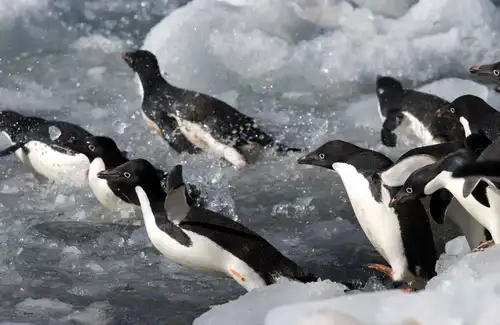
In the early season, penguins are mating and nesting and generally at their most active. The weather is colder, however, and most of the sea ice is still breaking up, so while shorelines are most pristine at this time, they can also be less accessible and more snowbound.

Later on, from December through January, is when you’ll get the most hours of sunlight.

For many travelers, more daylight is a good thing. It means better visibility, which means a sharper visual experience. But the reflection from Antarctic snow can create quite a glare, so if you’re not prepared for 20-hour days (or if you’re a vampire), it’s best to avoid this period.

blog-image

At the end of the austral summer, throughout February, is when you’ll usually have the widest range of excursion options.

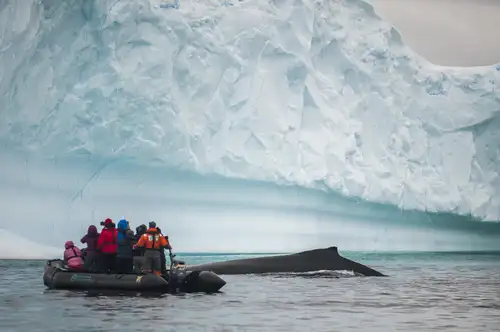
This is because everything in Antarctica has warmed up by this time, making passage to the more southerly areas of the continent possible. And because warmer seas are more hospitable to krill, you’re also more likely to see Antarctica’s whale species in February.

Obviously, then, the success of your Antarctica cruise has a lot to do with scheduling and planning, which leads nicely to our next subtopic.

How to plan your Antarctic cruise (or which trip to book)

Even after you’ve decided when to take your trip to Antarctica, there are still numerous cruises from which to choose. And each has its own price tag.

For example, you can take a trip that’s mostly about whale watching, or you can book a cruise that’s heavy on activities but light on locations, or you can embark on an Antarctic voyage that focuses on both Antarctic and sub-Antarctic destinations.

And that’s assuming you know how long you can go and how much you can spend.

Still, don’t be discouraged: The option aren’t that varied. Most cruises to Antarctica last about one to three weeks, with only the multi-location outliers spanning around a month. And generally speaking, the longer the cruise, the bigger the budget.

Often, therefor, it helps to focus on your ideal trip and narrow it down from there.

Our Antarctic Peninsula voyages, for example, are best for those who want to see the most iconic Antarctic scenery as well as one or two penguin rookeries. These trips usually last one or two weeks and cost about 6,000 EU / 6,800 USD (or whatever conversion currently applies).

Longer Antarctic Peninsula trips that also include the Falklands, South Shetlands, or South Georgia, are great for wildlife enthusiasts, in particular birders. For us, these multi-stop voyages tend to last three weeks and run around 10,000 EU / 11,300 USD, depending on options.

Other cruises are geared toward adventurers, like our Basecamp trips, which anchor in one or two locations and offer activities like mountaineering, kayaking, hiking, even scuba diving. These trips last about a week and are priced only on request.

blog-image

What to expect from Antarctic nature, wildlife, and activities

In a word, you can expect amazement.

More elaborately, we have to say that the true extent of what you can “get” out of an Antarctica voyage can’t be conveyed in words.

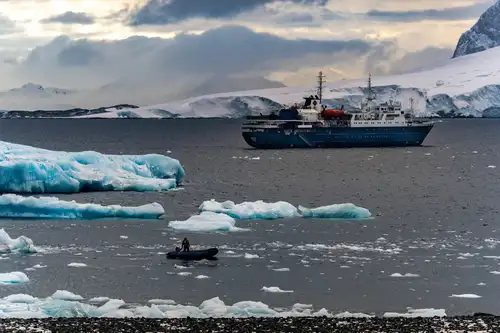
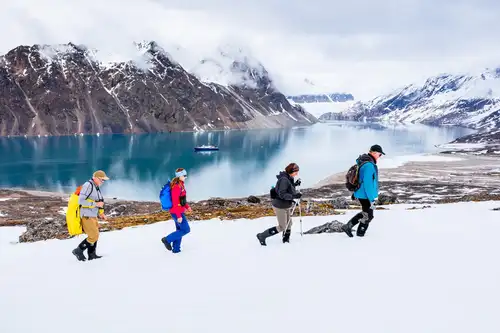
We could mention logistics, such as the fact that you’ll do a lot traveling in Zodiacs, have your choice of walking groups, and usually make two excursions per day.

We could go through our polar protocol, which obliges us to start your trip with a detailed safety briefing, provide boot solution to keep Antarctic landing sites free of contaminants, and ensure passengers stay at a respectful distance from all wildlife.

We could even talk about the eye-popping vastness of the penguin colonies you might encounter, the sound a minke whale makes when it spouts over an icy twilit bay, or the feel of the polar wind gusting down from the stark white heights of the Eternity Range.

Still, these are just words. And everyone is impressed by different things.

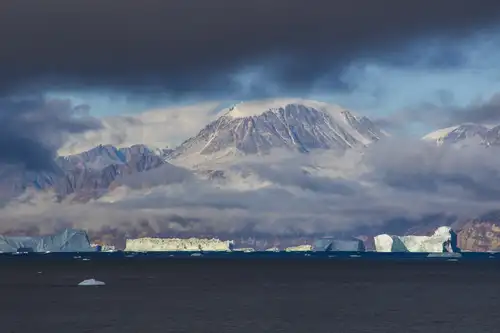
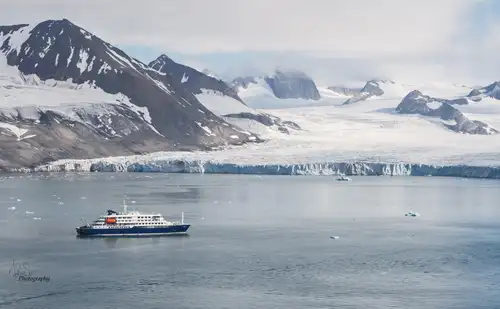
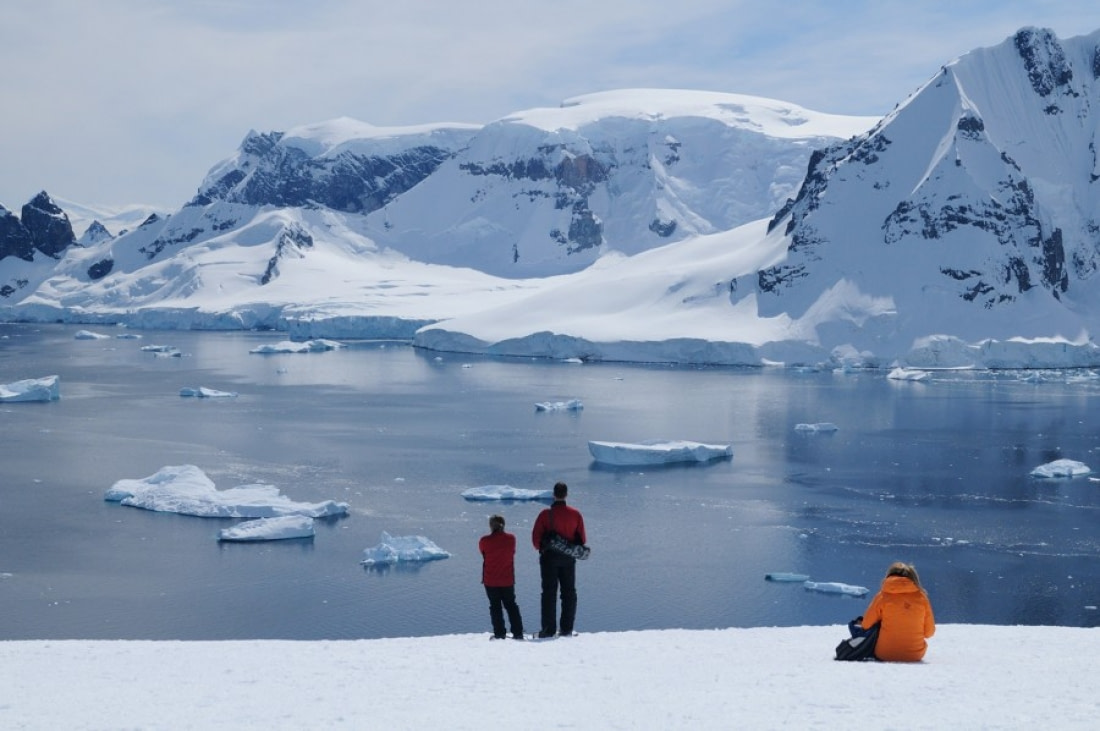
But words and preferences notwithstanding, it’s hard to stand on a dazzling Antarctic shore – surrounded on all sides by a primordial vision of Earth’s ancient ice-clutched prehistory – and not be utterly, unforgettably astounded.


blog-image

Blog
go-leftgo-right

Exploration of the Polar Regions - Nexta Expeditions
Blog

Exploration of the Polar Regions

From the Vikings via the first whale and seal hunters to Scott and Amundsen, from the maritime explorers Franklin and Nordenskiöld to present-day polar tourism, a quick tour through history reveals some of the aspects which motivated people to extend their horizons. Existential need, sheer curiosity, imperial greed, polar science, and a taste for adventure all converged in regions which pardon no mistakes.
Port Pastimes: 7 Fun Things to Do in Longyearbyen - Nexta Expeditions
Blog

Port Pastimes: 7 Fun Things to Do in Longyearbyen

Waiting in port for an Arctic expedition cruise to begin might seem a little like waiting for water to boil or coffee to brew or a Seinfeld reunion to materialize: Time seems to defy its own laws, life slows to a crawl, and you begin to wonder if it’s really going to be worth it.
The Arctic’s Most Phenomenal Fjords - Nexta Expeditions
Blog

The Arctic’s Most Phenomenal Fjords

Fjords are often linked with Norway, but they are not exclusive to that region. They are a common feature of the Arctic and are major attractions in Greenland and Svalbard.
Hondius Photography and Video Workshops - Nexta Expeditions
Blog

Hondius Photography and Video Workshops

There’s no shortage of great things to say about a Hondius expedition cruise, but among the best are the free video and photography workshops offered during some of this ship’s voyages. These informative, interactive, highly useful supplements allow you to not only capture your memories in the best way possible but also make your friends back home maddeningly jealous.
11 Seals You May See in Antarctica or the Arctic - Nexta Expeditions
Blog

11 Seals You May See in Antarctica or the Arctic

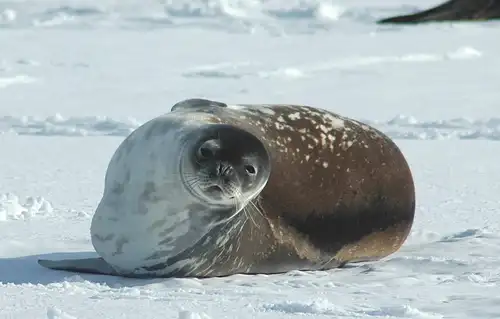
1. Weddell seals – These seals are known for their calm demeanor and spend most of their lives beneath the Antarctic ice. Although they need to come up for air, they can remain underwater for up to 45 minutes. Weddell seals can dive to depths of 610 meters (2,000 feet) in search of food. These vocal animals usually have one pup annually and can grow up to 3 meters (10 feet) and weigh 544 kg (1,200 lbs).
Gough Island: Seabird Capital of the South Atlantic - Nexta Expeditions
Blog

Gough Island: Seabird Capital of the South Atlantic

Gough Island is a remote volcanic island in the South Atlantic, uninhabited except for a small party of meteorologists and (sometimes) biologists.
The polar bear: king of the Arctic food chain - Nexta Expeditions
Blog

The polar bear: king of the Arctic food chain

As apex predators, polar bears reign supreme in the Arctic food chain. Only humans pose a threat to this massive and majestic species. But one look at these magnificent creatures explains why so many people embark on Arctic trips hoping to spot a polar bear in its natural habitat.
The Arctic Hare: Easter Bunny - Nexta Expeditions
Blog

The Arctic Hare: Easter Bunny

Although the Arctic hare’s stern expression might make it seem like the least amused member of a serious tribunal, this polar animal is actually one of the most charming creatures on the planet – especially when Easter Sunday comes around.
Birds of the North: 29 Arctic Birds and Seabirds - Nexta Expeditions
Blog

Birds of the North: 29 Arctic Birds and Seabirds

The Arctic is home to some of the world’s most majestic mammals, both on land and sea. However, the bird life in this region is equally remarkable, showcasing numerous exotic species that are highly prized by bird enthusiasts worldwide.
Circumnavigating Spitsbergen - Nexta Expeditions
Blog

Circumnavigating Spitsbergen

Many of our expedition cruises focus on specific areas of the Arctic or Antarctica, delving deep into local wildlife and other natural highlights. However, some programs aim to provide a broader survey, visiting a variety of sites to offer guests a wider perspective.
Six Seal Species You Might See On Your Greenland Cruise - Nexta Expeditions
Blog

Six Seal Species You Might See On Your Greenland Cruise

If you spot a grand old whiskered man lounging in solitary splendor, there's a good chance you're looking at a bearded seal. Your Greenland cruise will take you to bays where these solitary fellows (except during breeding season) hunt for fish in the relatively shallow waters near the shores.
Orcas of the Polar Seas - Nexta Expeditions
Blog

Orcas of the Polar Seas

The orca, also known as the killer whale, is the apex marine predator and possibly the most widespread vertebrate on the planet. While they are most numerous in colder regions like Antarctica, Norway, and Alaska, they also inhabit tropical and subtropical seas. Here, we’ll explore some essential orca facts you might want to know before encountering them in person, concluding with a fantastic video showcasing our top ten favorite killer whale facts.
Five Reasons Why Snowshoeing is a Perfect Polar Activity - Nexta Expeditions
Blog

Five Reasons Why Snowshoeing is a Perfect Polar Activity

One of the most beloved polar sports is also one of the oldest. Snowshoeing has been the preferred means of foot travel in the Arctic since antiquity, and in the years since Antarctica was discovered, it has been highly popular among researchers and polar tourists alike.
Arctic Flowers, Trees, and Other Plant Life - Nexta Expeditions
Blog

Arctic Flowers, Trees, and Other Plant Life

When many people think of the Arctic, they probably imagine a stark white wasteland devoid of anything except snow, glaciers, and the occasional far-wandering polar bear.
Adding Antarctica to Your Seven-Continents Bucket List - Nexta Expeditions
Blog

Adding Antarctica to Your Seven-Continents Bucket List

Many travelers aspire to visit all seven continents, a goal that fits naturally with the concept of a "bucket list," a term popularized by the 2007 movie.
10 Illuminating Facts about the Northern Lights - Nexta Expeditions
Blog

10 Illuminating Facts about the Northern Lights

In Roman mythology, Aurora was the goddess of the dawn. The term "borealis" is derived from the Greek word for "wind." Thus, "aurora borealis" translates to "dawn wind," commonly known as the Northern Lights. This natural phenomenon has captivated humanity for millennia and remains a major attraction in the Arctic, with numerous cruises dedicated to witnessing this mesmerizing light display.
Arctic Mythology: Inuit, Saami, and the Ancient Greeks - Nexta Expeditions
Blog

Arctic Mythology: Inuit, Saami, and the Ancient Greeks

The Arctic locations we visit aren’t merely made up of phenomenal landscapes, exotic wildlife, and more adventure than a Hardy Boys novel.
A Diving Dream Fulfilled - Nexta Expeditions
Blog

A Diving Dream Fulfilled

Last January, Mark Hatter achieved a dream he’d been training for over two years. Booking his berth aboard the m/v Ortelius and making the long flight to Ushuaia, Argentina, he and two of his friends sailed down the famous Drake Passage, bound for Earth’s southernmost continent. But their Antarctica trip was not just about shoreline walks and photographing penguins.
International Polar Bear Day - Nexta Expeditions
Blog

International Polar Bear Day

It will come as no surprise to you that we're crazy about polar bears. We have multiple blogs about where to find polar bears, we offer dozens of polar bear trips, and we've even written a short story from a polar bear's point of view. (Yes, we actually did that.) So if you were to say that our love of polar bears borders on obsession, you wouldn't be far off.
Eight Engaging Reindeer Facts - Nexta Expeditions
Blog

Eight Engaging Reindeer Facts

When we think about reindeer, we might also think of Saami herders or the holidays or teams of these beloved Arctic animals pulling a bell-covered sleigh across the nighttime sky. Only the first of these options, however, is something you're likely to encounter on an Arctic expedition cruise - and that's only in Northern Norway.