Harp Seal - Nexta Expeditions
Harp Seal

Harp Seal

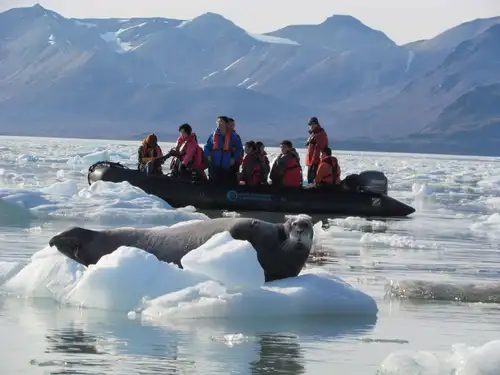
These "saddlebacks" are true ice lovers. They come to land mostly to breed but spend most of their lives at sea.
About

Name: Harp Seal, Saddleback Seal (Pagophilus groenlandicus)

Length: 1.7-2 metres (5.5-6.5 feet)

Weight: 120 to 150 kg (265-330 pounds)

Location: Atlantic side of the Arctic

Conservation status: Least Concern

Diet: Fish and crustaceans

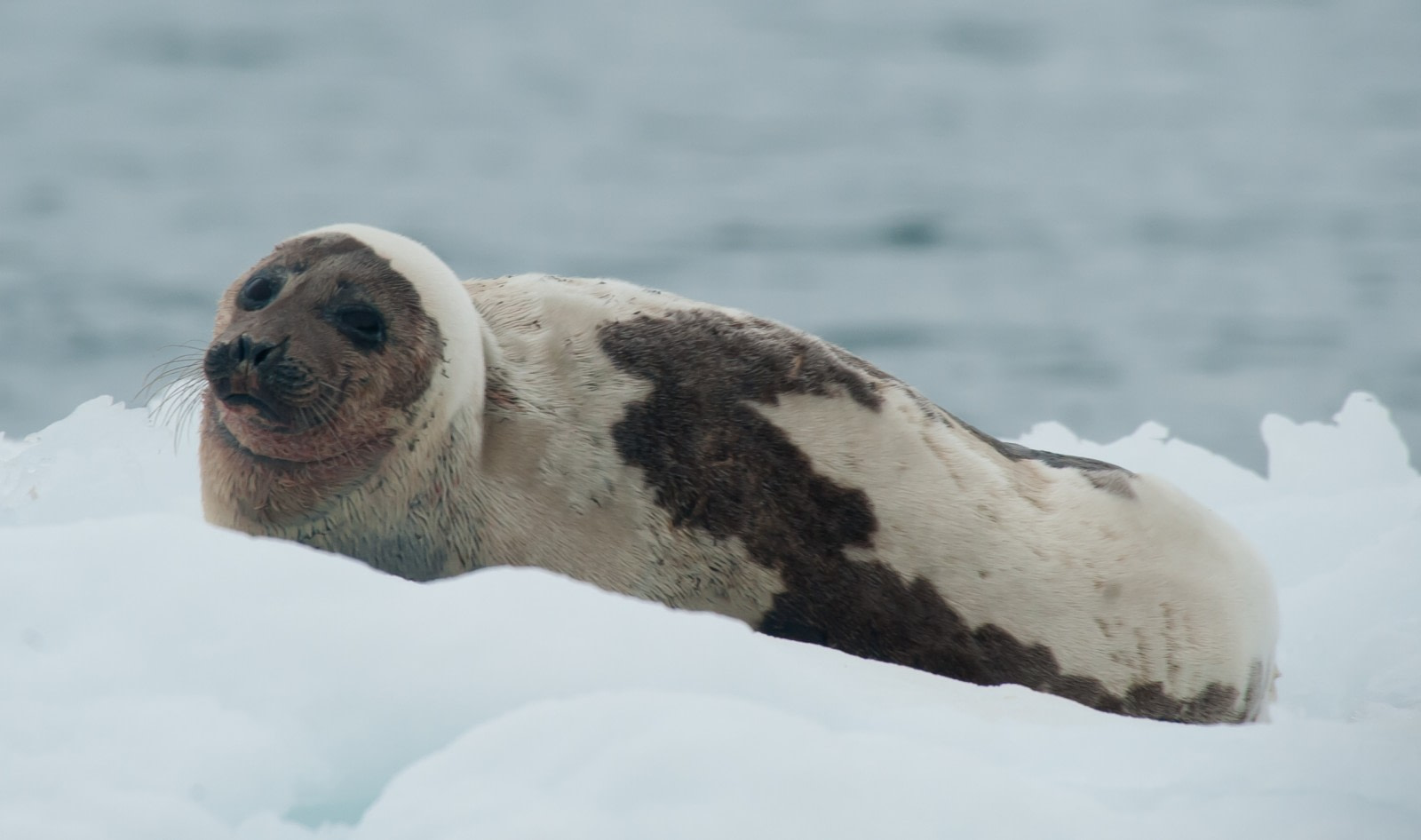
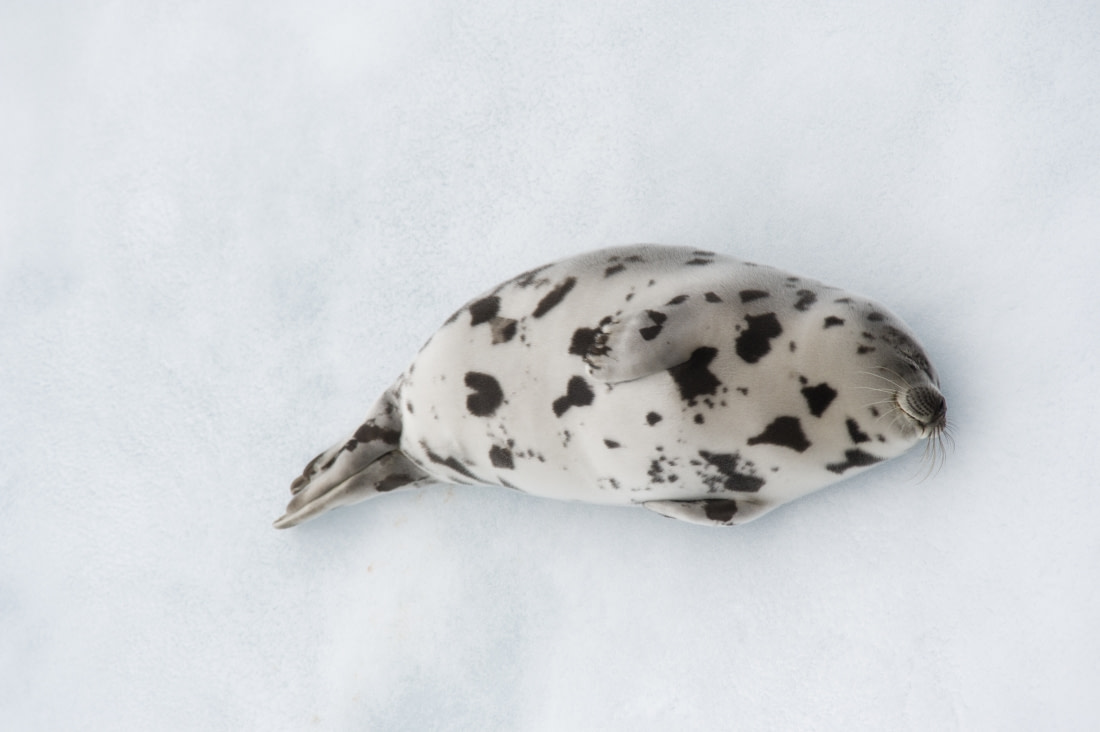
Appearance: Harp seals change appearance throughout life. Newborns have a white fluffy coat, adolescents have a silver-gray coat with black spots, and adults have distinctive black harp-shaped markings.

How do Harp Seals hunt?

Harp seals are agile swimmers, catching fish and crustaceans. They can stay underwater for 15 minutes and dive as deep as 270 meters (885 feet). They rely on their whiskers to detect prey movements and have excellent vision underwater. Their thick blubber keeps them warm and provides nutrition when food is scarce.

Are Harp Seals social?

Harp seals are highly social during mating season, forming large colonies on land. They often travel and hunt in pods of dozens or hundreds. They communicate with various calls for warning and mating purposes.

What are Harp Seal mating rituals like?

Harp seals migrate south in winter. Males court females on land, but mating occurs in the water. Dominant males fight for mating rights and mate with multiple females. Pregnancies last about 11 months, and pups are born around February. Pups weigh about 11 kg (24 pounds) at birth and grow rapidly during the 10-day nursing period. Mothers leave pups to mate again, and pups must survive on stored fat until they learn to swim and hunt.

Harp Seal pup stages:

  • Yellow-jacket: Newborns with white coats stained yellow by placental fluids.
  • White-coat: Nursing stage with pure white fur.
  • Ragged-jacket: Molting stage, losing white fur to reveal silver-gray skin.
  • Beater: Learning to swim, characterized by beating the water with flippers.
  • Bedlamer: Young seals in the sea.
  • Adult: Males mature at about seven years, females at five.

How long do Harp Seals live?

Harp Seals live about 25-35 years in the wild.
How many Harp Seals are there today?

As of 2015, there are approximately 4,500,000 mature harp seals worldwide.

Do Harp Seals have any predators?

Harp seals are preyed upon by orcas, Greenland sharks, and polar bears.

Seven super harp seal facts

  • Harp seals are called “saddlebacks” due to the saddle-shaped markings on their backs.
  • Mother harp seals can identify their pups by scent among thousands.
  • Seals that wander from the herd are called vagrants.
  • Pup teeth do not grow if they do not feed after weaning.
  • Harp seals spend most of their lives in water, coming to land only for mating and birthing.
  • The annual migration can total up to 5,000 km (3,100 miles).
  • Their scientific name, Pagophilus groenlandicus, means “ice-lover from Greenland.”
Best Deals

Related Trips
go-leftgo-right

Spitsbergen - Northeast Greenland, Fly & Sail - Nexta Expeditions
The Arctic
Longyearbyen

Spitsbergen - Northeast Greenland, Fly & Sail

calendar12 Aug 2026 - 31 Aug 2026
clock20 Days / 19 Nights
From $ 9.500 per person
Northeast Greenland Extreme - Nexta Expeditions
The Arctic
Akureyri

Northeast Greenland Extreme

calendar15 Aug 2026 - 28 Aug 2026
clock14 Days / 13 Nights
From $ 8.650 per person
East Greenland, Scoresby Sund, Including Long Hikes - Nexta Expeditions
The Arctic
Akureyri

East Greenland, Scoresby Sund, Including Long Hikes

calendar16 Aug 2026 - 25 Aug 2026
clock10 Days / 9 Nights
From $ 6.000 per person
Northeast Greenland Extreme - Nexta Expeditions
The Arctic
Akureyri

Northeast Greenland Extreme

calendar25 Aug 2026 - 07 Sep 2026
clock14 Days / 13 Nights
From $ 7.850 per person
East Greenland, Scoresby Sund - Aurora Borealis, Fly & Sail - Nexta Expeditions
The Arctic
Constable Pynt

East Greenland, Scoresby Sund - Aurora Borealis, Fly & Sail

calendar21 Sep 2026 - 01 Oct 2026
clock11 Days / 10 Nights
From $ 6.250 per person
East Greenland, Scoresby Sund - Iceland , Aurora Borealis, Fly & Sail - Nexta Expeditions
The Arctic
Constable Pynt

East Greenland, Scoresby Sund - Iceland , Aurora Borealis, Fly & Sail

calendar01 Oct 2026 - 12 Oct 2026
clock12 Days / 11 Nights
From $ 6.300 per person
Blog
go-leftgo-right
Greenland's History: When Vikings Ruled the Ice Age - Nexta Expeditions
Blog

Greenland's History: When Vikings Ruled the Ice Age

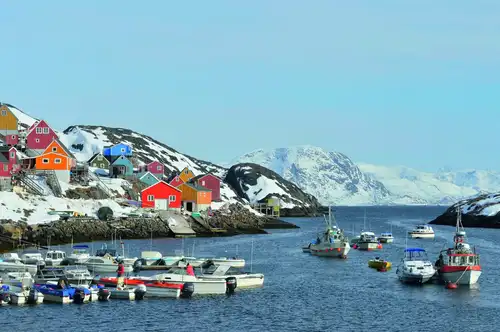
A Greenland cruise offers a journey into a rich history filled with intriguing details that captivate polar expedition enthusiasts. Among the most fascinating historical aspects is the fact that Vikings once ruled this land. Anthropologists and climate scientists have long studied Greenland to pinpoint when and why the Vikings left. Recent findings have shed new light on this historical culture.
Amazing Greenland - Nexta Expeditions
Blog

Amazing Greenland

If you ever get the chance to take a trip to Greenland, you will be amazed by its coastlines, fjords, ice-covered peaks, and great expanse of snow-covered land. You will also notice that Greenland is a rugged area with a rich diversity of life, making it a dream location for scientists as well.
10 Traits of Post-Ice-Age Greenland - Nexta Expeditions
Blog

10 Traits of Post-Ice-Age Greenland

Grasses, sedges, and other species of heath were the first arrivals, and are still commonly found in Greenland. Scientists have been able to work out how plants colonised Greenland by examining ancient pollen samples found in deposits at the bottom of lakes: Dwarf birch came to western Greenland around 9,000 years ago, and around 4,500 years ago – roughly the same time humans were first boating onto Greenland shores – green alders were taking up residence there.
The Arctic Hare: Easter Bunny - Nexta Expeditions
Blog

The Arctic Hare: Easter Bunny

Although the Arctic hare’s stern expression might make it seem like the least amused member of a serious tribunal, this polar animal is actually one of the most charming creatures on the planet – especially when Easter Sunday comes around.
Scoresby Sund: the Greatest Greenland Adventure - Nexta Expeditions
Blog

Scoresby Sund: the Greatest Greenland Adventure

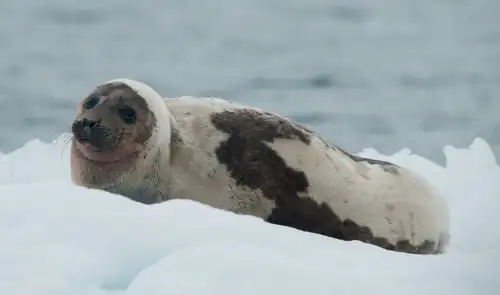
In a land of expansive mountains, colossal glaciers, and majestic shorelines, few places are as expansive, colossal, or majestic as Scoresby Sund.
Harp seals harping on in Greenland - Nexta Expeditions
Blog

Harp seals harping on in Greenland

Harp seals are a moderately sized species, typically reaching about 1.6 meters in length and weighing around 130 kilograms. Both males and females are similar in size and weight, with males being only slightly larger. They possess a thick, robust body, a small broad and flat head, short narrow flippers, and a narrow muzzle.
The Norse Settlement of Greenland - Nexta Expeditions
Blog

The Norse Settlement of Greenland

Erik the Red is a significant and vibrant figure in the history of the Norse Vikings. His story is primarily documented in the Icelandic Sagas Huaksbók (14th Century) and Skalhóltsbók (15th Century). These accounts offer slightly different versions of events that occurred 3-400 years earlier. The original saga of Erik the Red is believed to have been written around 1200 A.D., with the Skalhóltsbók version considered closest to the original. Additionally, Flateyjarbók (13th Century), which includes the Saga of the Greenlanders, is a crucial source for understanding the settlement of Greenland and the discovery of Vinland – North America.
Tracking Greenland’s Wildlife from Space - Nexta Expeditions
Blog

Tracking Greenland’s Wildlife from Space

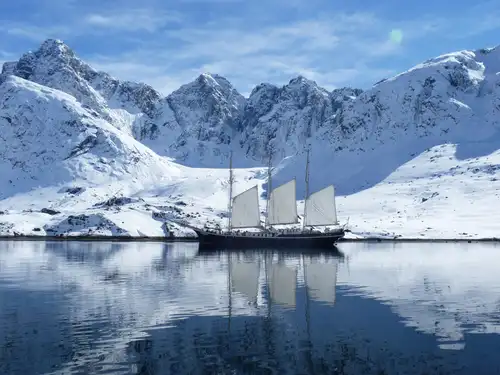
Despite Greenland’s harsh environment, life has found a way to thrive there. If you’re lucky enough to embark on a Greenland cruise, you stand the chance of encountering many species of cold-adapted mammals, birds, and fish.
Why You Should Visit Greenland: 11 Things to See, Do, and Explore - Nexta Expeditions
Blog

Why You Should Visit Greenland: 11 Things to See, Do, and Explore

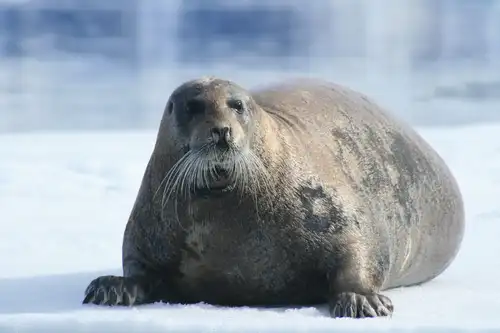
There's nothing quite like witnessing your first Greenland glacier, navigating into the island's largest fjord system (which also happens to be Earth's largest), or observing a humpback whale breach over the dark Greenland Sea.
Arctic Seals - Nexta Expeditions
Blog

Arctic Seals

Owing to the large landmasses that populate the Northern Hemisphere, the Arctic boasts the most diverse wildlife among the planet’s polar regions. Some of the most captivating Arctic animals are the marine mammals found just offshore.
Under the Greenland Ice Sheet - Nexta Expeditions
Blog

Under the Greenland Ice Sheet

Anyone who ventures to the right part of the globe can encounter vast amounts of ice, but a Greenland cruise offers something truly unique: ice sculptures hidden beneath the northern ice sheet. Scientists once thought these sculptures were rocky hills buried in ice, similar to the Ghost Mountains in Antarctica. However, it turns out that Mother Nature has crafted one of the most exclusive art exhibits in the world. These sculptures are not visible from the surface, but some scientists have managed to get a sneak peek using radar equipment.
Not Eskimos: 10 Enlightening Facts About the Inuit - Nexta Expeditions
Blog

Not Eskimos: 10 Enlightening Facts About the Inuit

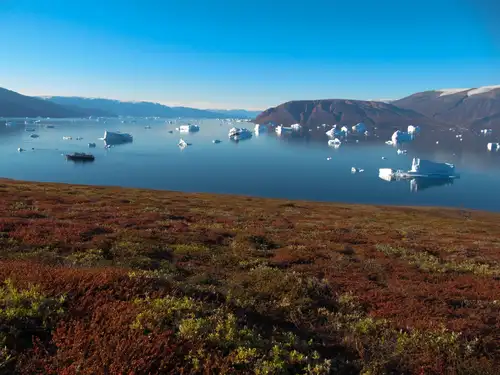
If you are planning to join an Arctic cruise, you might be intrigued by the Inuit culture. To help you gain a deeper understanding of these people, especially if you are considering a trip to Greenland, here are 10 fascinating facts about the Inuit that everyone should know.
Northeast Greenland National Park - Nexta Expeditions
Blog

Northeast Greenland National Park

Northeast Greenland National Park is the world’s largest national park and the ninth largest protected area on Earth. It should come as little surprise, then, that it’s also bigger than most countries, covering an impressive 972,000 square km (375,300 square miles).
Six Seal Species You Might See On Your Greenland Cruise - Nexta Expeditions
Blog

Six Seal Species You Might See On Your Greenland Cruise

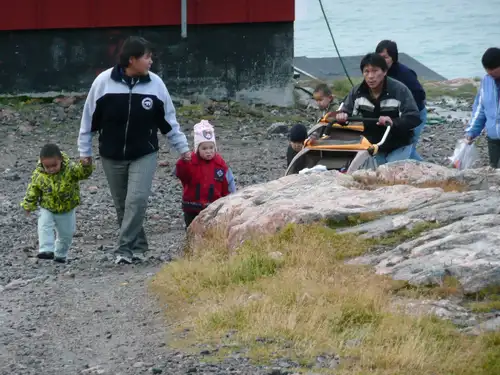
If you spot a grand old whiskered man lounging in solitary splendor, there's a good chance you're looking at a bearded seal. Your Greenland cruise will take you to bays where these solitary fellows (except during breeding season) hunt for fish in the relatively shallow waters near the shores.
Greenlandic Inuit Beliefs - Nexta Expeditions
Blog

Greenlandic Inuit Beliefs

Greenland is the world’s largest island and with the northern tip around 740 kilometres from the North Pole it is the northernmost country on Earth. The island is around 2,670 kilometres long and is about 650 kilometres across at its widest point.
The World Is Changing for Greenland's Native Inuit People - Nexta Expeditions
Blog

The World Is Changing for Greenland's Native Inuit People

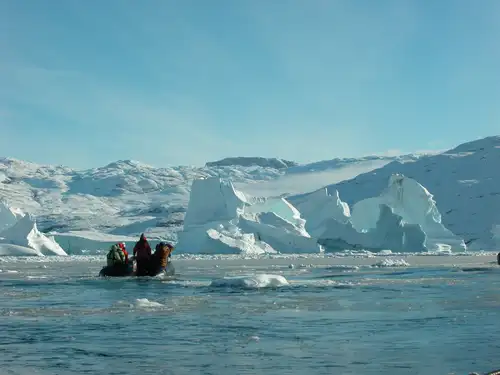
You may know them as Eskimos, but the people of the Arctic are officially called the Inuit. Historically, they were hunters in the truest sense. For hundreds of years, they survived the world’s harshest conditions, living off their prey of whales, seals, polar bears, musk oxen, birds, fish, and reindeer. This has always been their way of life.
Discover the Scoresby Sund Fjord System in East Greenland - Nexta Expeditions
Blog

Discover the Scoresby Sund Fjord System in East Greenland

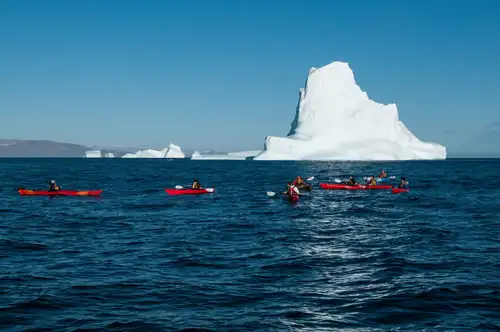
Are you considering a trip to Greenland? One destination you absolutely must visit is the world's largest fjord with stunning landscapes: Scoresby Sund.
Kayaking In Greenland - Nexta Expeditions
Blog

Kayaking In Greenland

Think of Greenland and two images come to mind:
5 Misconceptions You Might Have About Greenland - Nexta Expeditions
Blog

5 Misconceptions You Might Have About Greenland

Greenland: Where the Kayak Was Invented - Nexta Expeditions
Blog

Greenland: Where the Kayak Was Invented

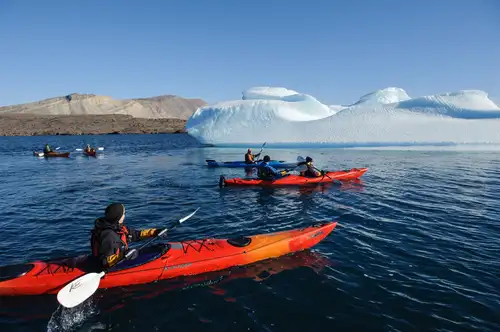
If you've ever enjoyed kayaking, you owe a debt of gratitude to the ancient Greenlandic Inuit who originally designed them for hunting. The thrilling adventures people now have navigating some of the world's most challenging rapids wouldn't be possible without the Inuit's need for a nimble form of water transportation. While travelers still use kayaks in this region, they are typically not fishing, whaling, or sealing. Consequently, recreational kayaks have been adapted to fit their new role.