Weddell Sea The Original Antarctic Adventure - Nexta Expeditions
Weddell Sea: the Original Antarctic Adventure

Weddell Sea: the Original Antarctic Adventure

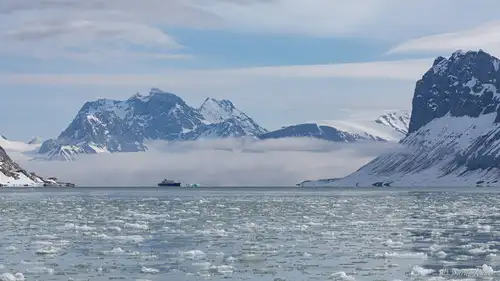
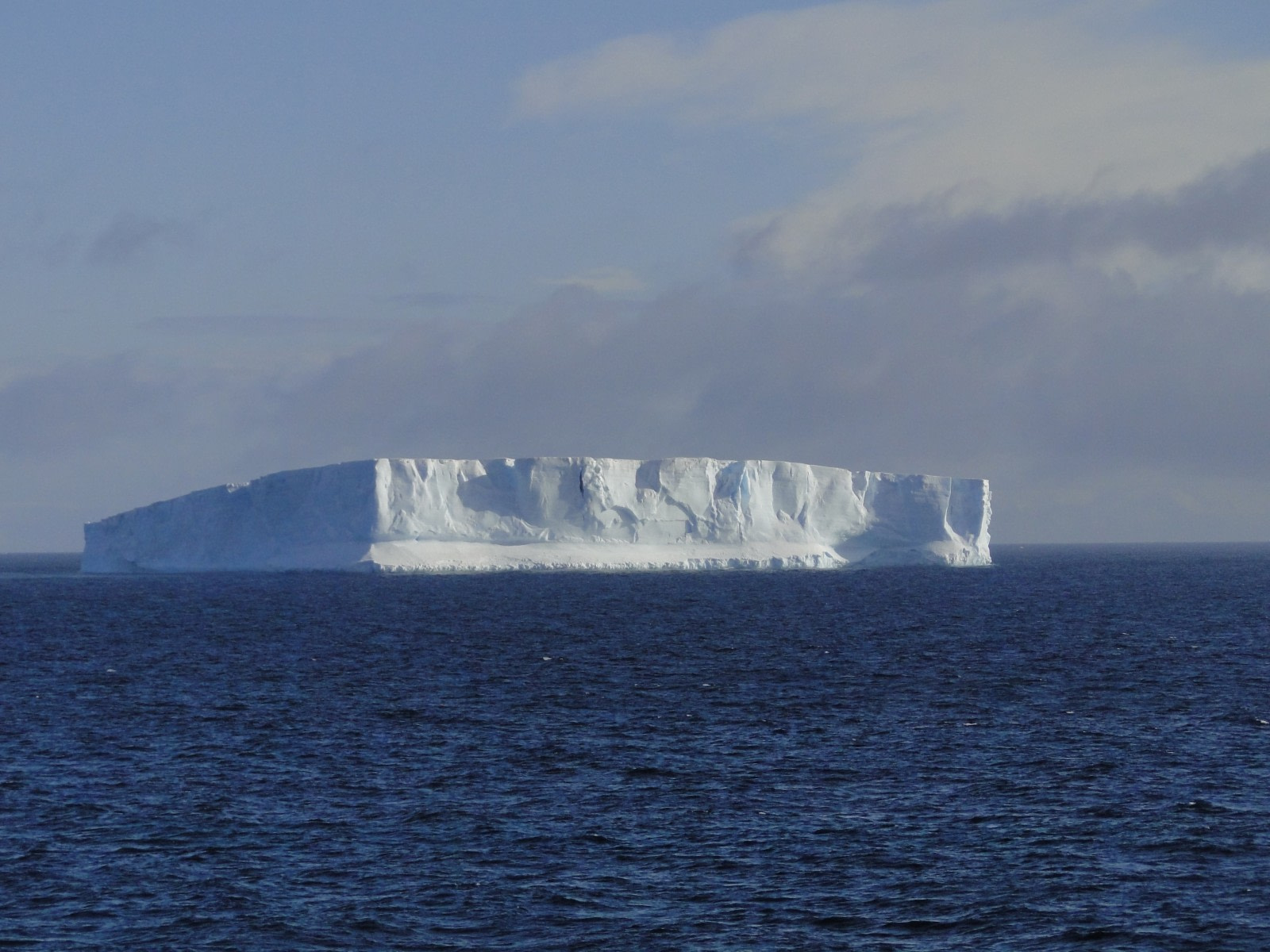
According to historian Thomas R. Henry, visiting the Weddell Sea requires a brave heart. In his 1950 book, "The White Continent," he described sudden “flash freezes” that occur in the region. It was one of these flash freezes that trapped Ernest Shackleton’s ship, Endurance, in January 1915, forcing his crew to endure over a year in the harsh environment before they could escape.

Test your taste for adventure

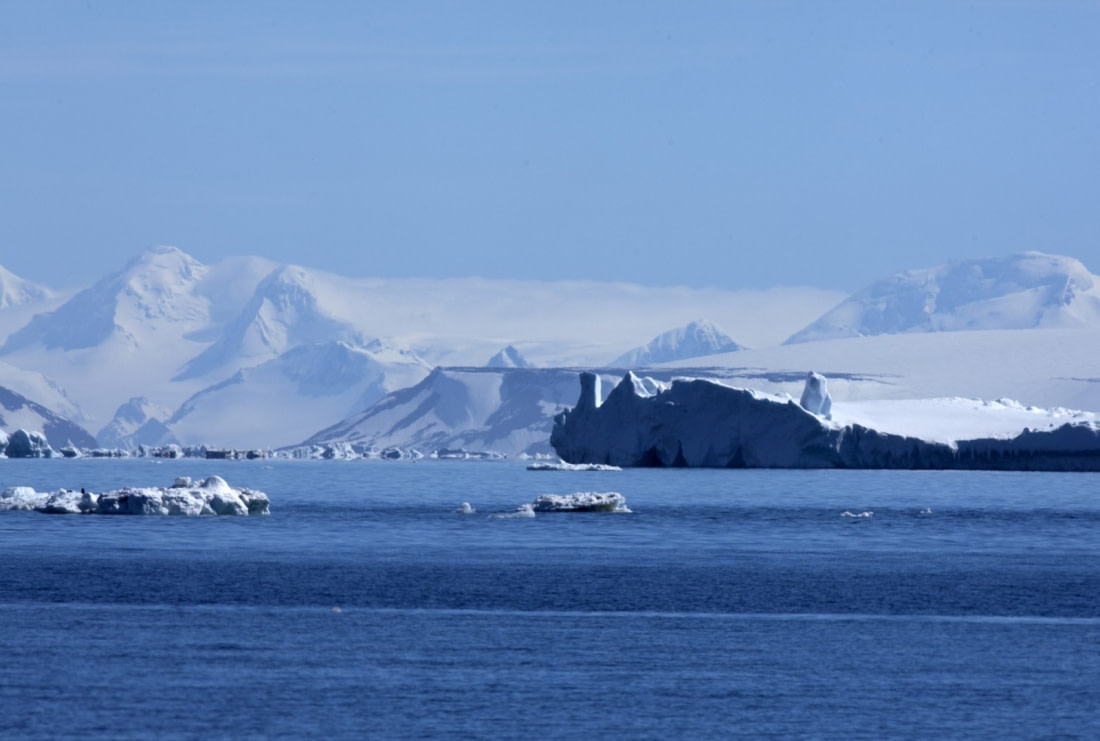
“The Weddell Sea is, according to the testimony of all who have sailed through its berg-filled waters, the most treacherous and dismal region on earth,” Henry wrote. He also mentioned myths about green-haired mermen inhabiting the area.
blog-image

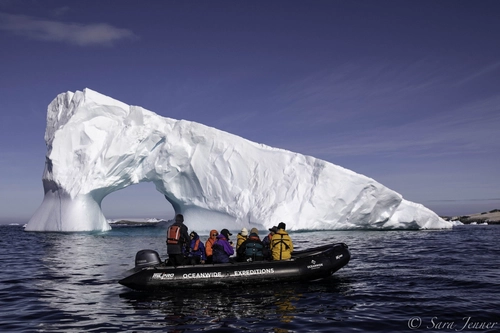
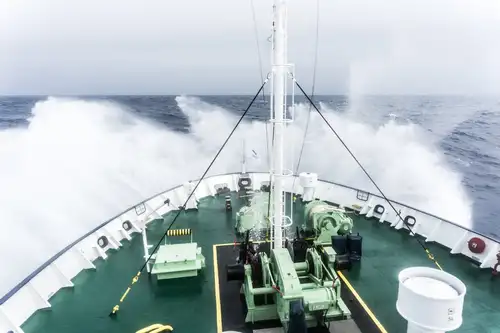
If you’re seeking adventure, a visit to the Weddell Sea is essential. But rest assured, a Shackleton-like near-death experience is not on the agenda. Modern ships are ice-strengthened and designed to avoid being trapped in sudden flash freezes, ensuring a safe return home.

Where myth and real life meet

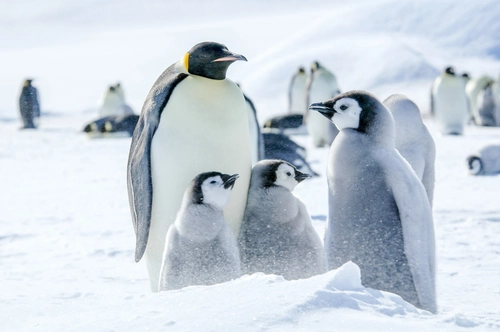
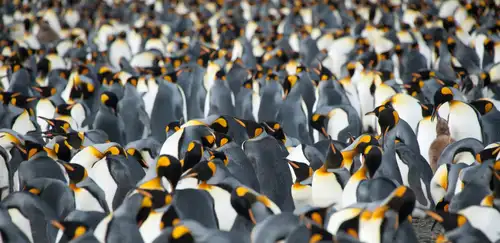
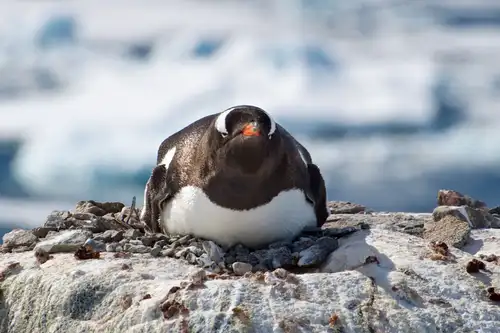
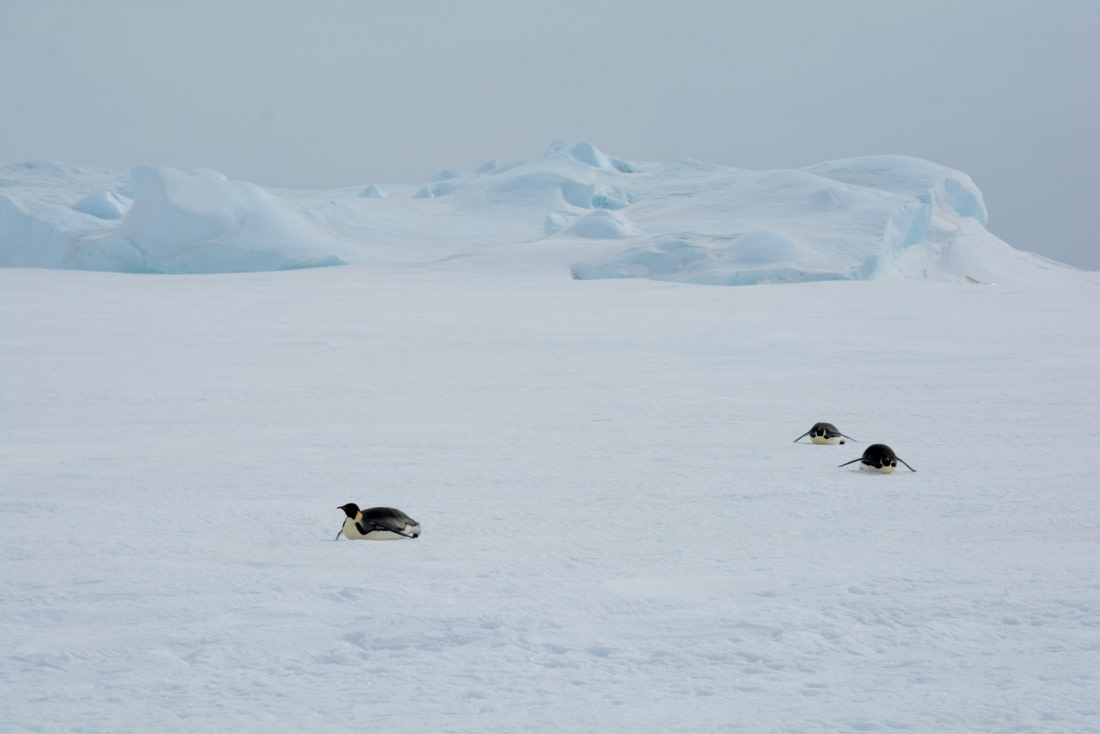
What about those green-haired mermen? While I didn’t encounter them during my Weddell Sea voyage, I did see some equally fascinating species, such as the Emperor penguins of Snowhill Island.
blog-image

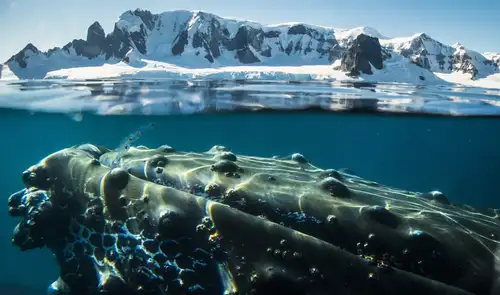
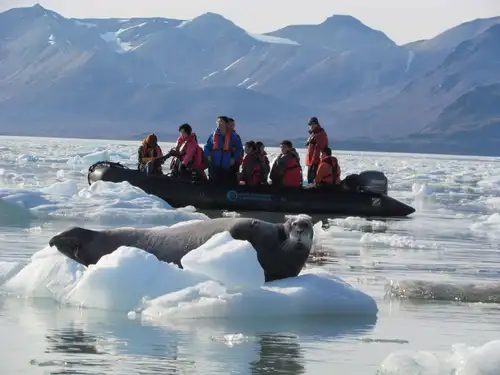
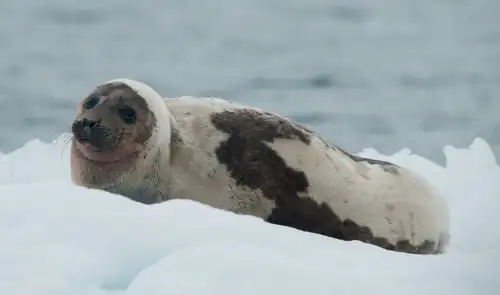
I also had close encounters with humpback whales, chinstrap penguins, and Weddell seals. One of the guides explained that these seals can dive up to 700 meters deep (almost 3,000 feet) and hold their breath for nearly 1.5 hours. They live further south than any other mammal.

An ecosystem entire unto itself

According to the World Wildlife Fund, the Antarctic Peninsula and Weddell Sea form the most diverse and productive Antarctic marine ecosystem. This is partly due to the large ice-free areas on the peninsula, which provide breeding grounds for numerous seabirds and seals.

Boundaries, borders, and Arctic Convergence

The Weddell Sea is part of the Southern Ocean, which includes the southern portions of the Pacific, Atlantic, and Indian Oceans, as well as their tributary seas surrounding Antarctica. Partly overlapping with the boundaries of the Southern Ocean is the Antarctic Convergence, a zone where cold north-flowing Antarctic waters meet relatively warmer Subantarctic waters. This mixing and upwelling create significant marine productivity, making the Convergence known for its high concentration of Antarctic krill, which attracts many other animals that feed on these shrimp-like creatures.

The Weddell Sea lesson in clarity

The Weddell Sea spans approximately 2,000 kilometers (1,243 miles) at its widest point and covers a total surface area of around 2.8 million square kilometers (1.08 million square miles). The southern part remains frozen year-round. In 1986, a group of Dutch scientists from the German Alfred Wegener Institute analyzed the water clarity and declared it the clearest of any sea in the world, with visibility reaching as deep as 79.86 meters (262 feet) below the surface. Distilled water has almost equal clarity.

The cold – but colorful – history of Weddell Sea

The Weddell Sea was named in 1900, though it was discovered earlier, in 1823, by British sailor James Weddell. He initially named the sea after King George IV, but it was renamed in his honor after his death.

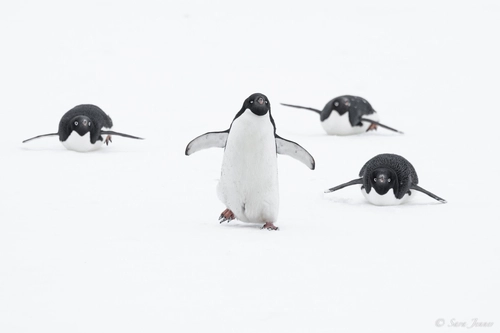
In 1901, Swedish explorer Otto Nordenskiöld and his team experienced one of the Weddell Sea’s infamous flash freezes. When their ship was crushed in the ice, they had to spend a winter on Snow Hill Island. They then traveled on foot over the ice to Paulet Island, a volcanic island now home to a large colony of Adélie penguins, where they wintered in a wooden hut they built themselves.

Nordenskiöld and his crew were rescued by the Argentine navy vessel Uruguay, which is still on display in Buenos Aires. However, since Sweden also sent out a rescue team, Nordenskiöld returned home to find that he had to repay the Swedish government for the costly operation, leaving him in debt for the rest of his life.

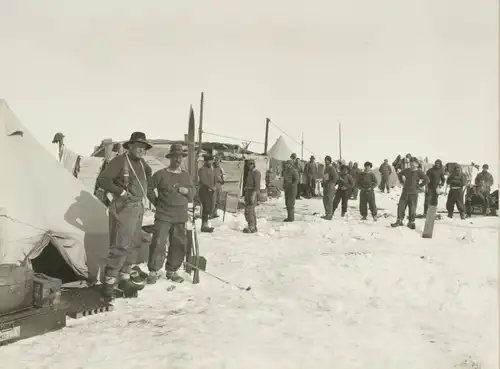
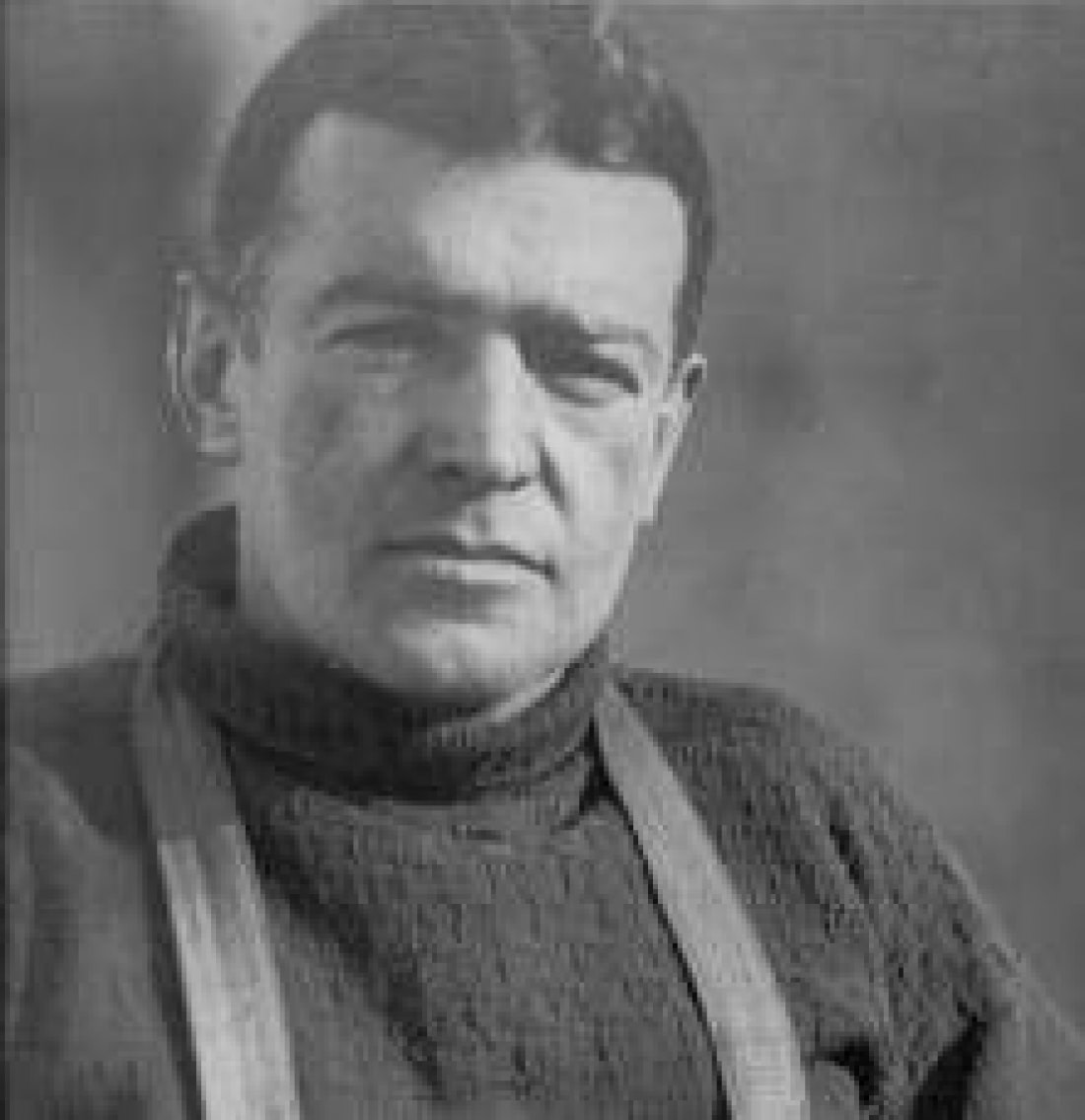
As mentioned earlier, Shackleton had a similar experience in 1915. He turned out to be a gifted poet, as Jim Mayer described in his book, "Shackleton: A Life in Poetry." One of Shackleton’s most famous poems is "l'Envoi," which he wrote about his first Antarctic expedition, the Discovery Expedition of 1901–1904:
blog-image

We shall dream of those months of sledging through soft and yielding snow; The chafe of the strap on the shoulder; the whine of the dogs as they go. Our rest in the tent after marching; our sleep in the biting cold; The Heavens now grey with the snow cloud, anon to be burnished gold; The threshing drift on the tent exposed to the blizzard's might; The wind-blown furrows and snow drifts; the crystal's play in the light…

During the same expedition, he also wrote another poem:

We leave our pleasant homelands, for the roaring south east winds, all words of love and friendship, for yearning hearts and minds, for clasps of loving fingers, dreams must alone

After being rescued from the Endurance Expedition in July 1916, Shackleton wrote a lesser-known poem in a visitor’s book in the Chilean village of Punta Arenas, reflecting on the journey in the Weddell Sea:

We were the fools who could not rest In the dull earth we left behind But burned with passion for the South And drank strange frenzy from its wind The world where wise men sit at ease Fades from our unregretful eyes And thus across unchartered seas We stagger on our enterprise
Best Deals

Related Trips

Remote Weddell Sea Explorer incl. South Georgia - South Sandwich Islands - Neuschwabenland - Larsen Ice Shelf - Paulet and Devil Island - Elephant Island, incl. helicopters - Nexta Expeditions
Antarctica
Ushuaia

Remote Weddell Sea Explorer incl. South Georgia - South Sandwich Islands - Neuschwabenland - Larsen Ice Shelf - Paulet and Devil Island - Elephant Island, incl. helicopters

calendar22 Jan 2026 - 18 Feb 2026
clock28 Days / 27 Nights
From $ 26.500 per person
Antarctica - Elephant Island - Weddell Sea - Polar Circle - Aurora Australis / Southern Lights - Nexta Expeditions
Antarctica
Ushuaia

Antarctica - Elephant Island - Weddell Sea - Polar Circle - Aurora Australis / Southern Lights

calendar09 Mar 2026 - 23 Mar 2026
clock15 Days / 14 Nights
From $ 11.200 per person
Antarctica - Weddell Sea Explorer Basecamp - free polar activities (kayaking, hiking, photo workshop, snorkeling) - Nexta Expeditions
Antarctica
Ushuaia

Antarctica - Weddell Sea Explorer Basecamp - free polar activities (kayaking, hiking, photo workshop, snorkeling)

calendar17 Mar 2026 - 29 Mar 2026
clock13 Days / 12 Nights
From $ 9.700 per person
Weddell Sea – In search of the Emperor Penguin, incl. helicopters - Nexta Expeditions
Antarctica
Ushuaia

Weddell Sea – In search of the Emperor Penguin, incl. helicopters

calendar15 Nov 2026 - 25 Nov 2026
clock11 Days / 10 Nights
From $ 13.450 per person
Weddell Sea – In search of the Emperor Penguin, incl. helicopters - Nexta Expeditions
Antarctica
Ushuaia

Weddell Sea – In search of the Emperor Penguin, incl. helicopters

calendar25 Nov 2026 - 05 Dec 2026
clock11 Days / 10 Nights
From $ 13.450 per person
Weddell Sea - Basecamp - Nexta Expeditions
Antarctica
Ushuaia

Weddell Sea - Basecamp

calendar05 Dec 2026 - 17 Dec 2026
clock13 Days / 12 Nights
From $ 10.150 per person
Weddell Sea – In search of the Emperor Penguin, incl. helicopters - Nexta Expeditions
Antarctica
Ushuaia

Weddell Sea – In search of the Emperor Penguin, incl. helicopters

calendar05 Dec 2026 - 15 Dec 2026
clock11 Days / 10 Nights
From $ 13.450 per person
Remote Weddell Sea Explorer - incl. helicopters - Nexta Expeditions
Antarctica
Ushuaia

Remote Weddell Sea Explorer - incl. helicopters

calendar07 Feb 2027 - 06 Mar 2027
clock28 Days / 27 Nights
From $ 27.700 per person
Antarctica - Weddell Sea Explorer - Nexta Expeditions
Antarctica
Ushuaia

Antarctica - Weddell Sea Explorer

calendar02 Mar 2027 - 12 Mar 2027
clock11 Days / 10 Nights
From $ 9.650 per person
Antarctica - Elephant Island - Weddell Sea - Polar Circle - Nexta Expeditions
Antarctica
Ushuaia

Antarctica - Elephant Island - Weddell Sea - Polar Circle

calendar12 Mar 2027 - 26 Mar 2027
clock15 Days / 14 Nights
From $ 11.700 per person

Blog
go-leftgo-right

Flowers in Antarctica - Nexta Expeditions
Blog

Flowers in Antarctica

The polar regions are among the most inhospitable environments for plants and animals. Life here faces numerous challenges, including low temperatures, high winds, solar radiation, and cell freezing. The Antarctic continent experiences extreme conditions, with darkness during winter and continuous light during summer. Winter temperatures can drop to -60°C or lower.
Large and in Charge: Antarctica’s Southern Elephant Seals - Nexta Expeditions
Blog

Large and in Charge: Antarctica’s Southern Elephant Seals

Southern elephant seals are the largest species of seal on the planet and a highlight among Antarctica cruise wildlife.
What to Pack for Your Expedition Cruise to the Arctic or Antarctica - Nexta Expeditions
Blog

What to Pack for Your Expedition Cruise to the Arctic or Antarctica

It’s easy to get confused about what to pack for a polar cruise. Some items are provided and some are not, and it’s not always clear which is which. This article will make your polar pack list painstakingly clear. Promise.
The Mysteries of the Beluga Whale - Nexta Expeditions
Blog

The Mysteries of the Beluga Whale

Beluga whales, also known as white whales, sea canaries, and sometimes melonheads, are a rare but cherished sight during Arctic cruises, thanks to their striking appearance. Despite the rarity of beluga sightings, a good amount is known about these friendly-faced cetaceans.
South Georgia in Spring - Nexta Expeditions
Blog

South Georgia in Spring

What a fantastic time to be in South Georgia! Perhaps the best time of the year! The wildlife is abundant, and the light is simply magical for photography. Kings, Gentoos, Chinstraps, and Macaronis are all present along the shorelines. Elephant and Fur seals are also plentiful! Wandering albatrosses are welcoming their newly hatched chicks, while the non-breeders are actively engaged in their courtship rituals, practicing a ceremonial dance. Light-mantled, Sooty, and Grey-headed albatrosses are still feeding their fluffy chicks, as are the Giant petrels. We've been fortunate with the weather, finding ourselves in the right place at the right time to succeed in all our landings and zodiac cruises so far.
Deep Sea Dwellers: 10 Facts about The Antarctic Giant Isopod - Nexta Expeditions
Blog

Deep Sea Dwellers: 10 Facts about The Antarctic Giant Isopod

On average, the Giant Antarctic Isopod grows to 9cm (3.5in.) in length. This may not seem very large, but factors including low light levels, freezing cold water, and a lack of oxygen prevent these isopods from growing very large. Other species of isopods, including the Giant Isopod, have been known to grow up to 40 cm (16 inches) in length!
15 Toothy Facts About the Atlantic Walrus - Nexta Expeditions
Blog

15 Toothy Facts About the Atlantic Walrus

The walrus is one of the most recognizable animals on the planet, and for good reason. Try sneaking into a cinema with those tusks!
The disastrous expedition in the Arctic west - Nexta Expeditions
Blog

The disastrous expedition in the Arctic west

In 1902, Otto Sverdrup, captain of the Fram on Nansen’s expedition, led his own Arctic expedition to the north of Canada. Over the period of the expedition, which started in 1898, Sverdrup and his 15-man crew charted over 250,000 square kilometres of the Arctic using the Fram and sledges. During the expedition Ellesmere Island’s west coast was explored and new islands discovered.
Get to Know Your Ice - Nexta Expeditions
Blog

Get to Know Your Ice

Ice plays a crucial role in everything from cooling your drink to regulating the planet's temperature. Let's explore the various forms of ice you might encounter during an Arctic or Antarctic adventure.
Birds of the North: 29 Arctic Birds and Seabirds - Nexta Expeditions
Blog

Birds of the North: 29 Arctic Birds and Seabirds

The Arctic is home to some of the world’s most majestic mammals, both on land and sea. However, the bird life in this region is equally remarkable, showcasing numerous exotic species that are highly prized by bird enthusiasts worldwide.
Day and night in Antarctica - Nexta Expeditions
Blog

Day and night in Antarctica

At the Concordia station, a French-Italian research facility situated 3,233 meters above sea level at Dome C on the Antarctic Plateau, European Space Agency (ESA) scientists are investigating the effects of extended space missions. The station is more isolated than the International Space Station, with the nearest humans located 600 kilometers away.
The Secret Life of Glaciers: How They Form, Move, and Melt - Nexta Expeditions
Blog

The Secret Life of Glaciers: How They Form, Move, and Melt

One of the most awe-inspiring natural wonders you can witness on an Arctic or Antarctic expedition is glaciers. These immense ice formations have been gradually moving from the mountains to the oceans for countless years, acting as both time capsules and indicators of our rapidly changing environment.
The Return to Franz Josef Land - Nexta Expeditions
Blog

The Return to Franz Josef Land

As the possibility of international travel slowly returns, we are eagerly awaiting all the great locations, activities, and wildlife we might experience in the coming season. One of the things we’re most excited about is the return of our Franz Josef Land voyages.
Circumnavigating Spitsbergen - Nexta Expeditions
Blog

Circumnavigating Spitsbergen

Many of our expedition cruises focus on specific areas of the Arctic or Antarctica, delving deep into local wildlife and other natural highlights. However, some programs aim to provide a broader survey, visiting a variety of sites to offer guests a wider perspective.
10 Terrific Antarctic Bird Facts - Nexta Expeditions
Blog

10 Terrific Antarctic Bird Facts

Antarctica is a premier destination for birdwatching, boasting around 45 unique species. Describing them all would require an extensive article, so here we will focus on 10 fascinating facts about the birds you can encounter in Antarctica.
Spitsbergen: Alkefjellet magic - Nexta Expeditions
Blog

Spitsbergen: Alkefjellet magic

If they knew their way home, why not follow them? Equipped with GPS and compass, we approached the cliffs by zodiac. First, we heard the noise from the colony – the distinct calls of guillemots, kittiwakes, and Glaucous gulls. Then the cliffs gradually emerged from the mist.
Cruising Solo: The Benefits of Single-Passenger Polar Travel - Nexta Expeditions
Blog

Cruising Solo: The Benefits of Single-Passenger Polar Travel

Traveling is often done with family, friends, or romantic partners. However, the benefits of solo travel, especially in polar regions, deserve more attention.
The Ice-Jewelled Geology of Spitsbergen - Nexta Expeditions
Blog

The Ice-Jewelled Geology of Spitsbergen

The Svalbard archipelago is located in the Arctic Ocean, roughly 660 km (410 miles) north of Norway's northernmost point. This region is a haven for geologists, boasting a rich geological history that spans from the Mesozoic era (65-245 million years ago) through the Cambrian era (570 million years ago) and back to the Archean era, over 3.5 billion years ago.
Orcas of the Polar Seas - Nexta Expeditions
Blog

Orcas of the Polar Seas

The orca, also known as the killer whale, is the apex marine predator and possibly the most widespread vertebrate on the planet. While they are most numerous in colder regions like Antarctica, Norway, and Alaska, they also inhabit tropical and subtropical seas. Here, we’ll explore some essential orca facts you might want to know before encountering them in person, concluding with a fantastic video showcasing our top ten favorite killer whale facts.
Earth vs. Mars: Polar Regions Compared - Nexta Expeditions
Blog

Earth vs. Mars: Polar Regions Compared

It’s well-known that Mars, like Earth, has its own polar regions, often referred to as the Martian ice caps. These regions, similar to Earth's, are situated at the north and south poles and experience much lower temperatures compared to the areas in-between.