Bouvet Island The Most Remote Island In The World - Nexta Expeditions
Bouvet Island: The Most Remote Island in the World

Bouvet Island: The Most Remote Island in the World

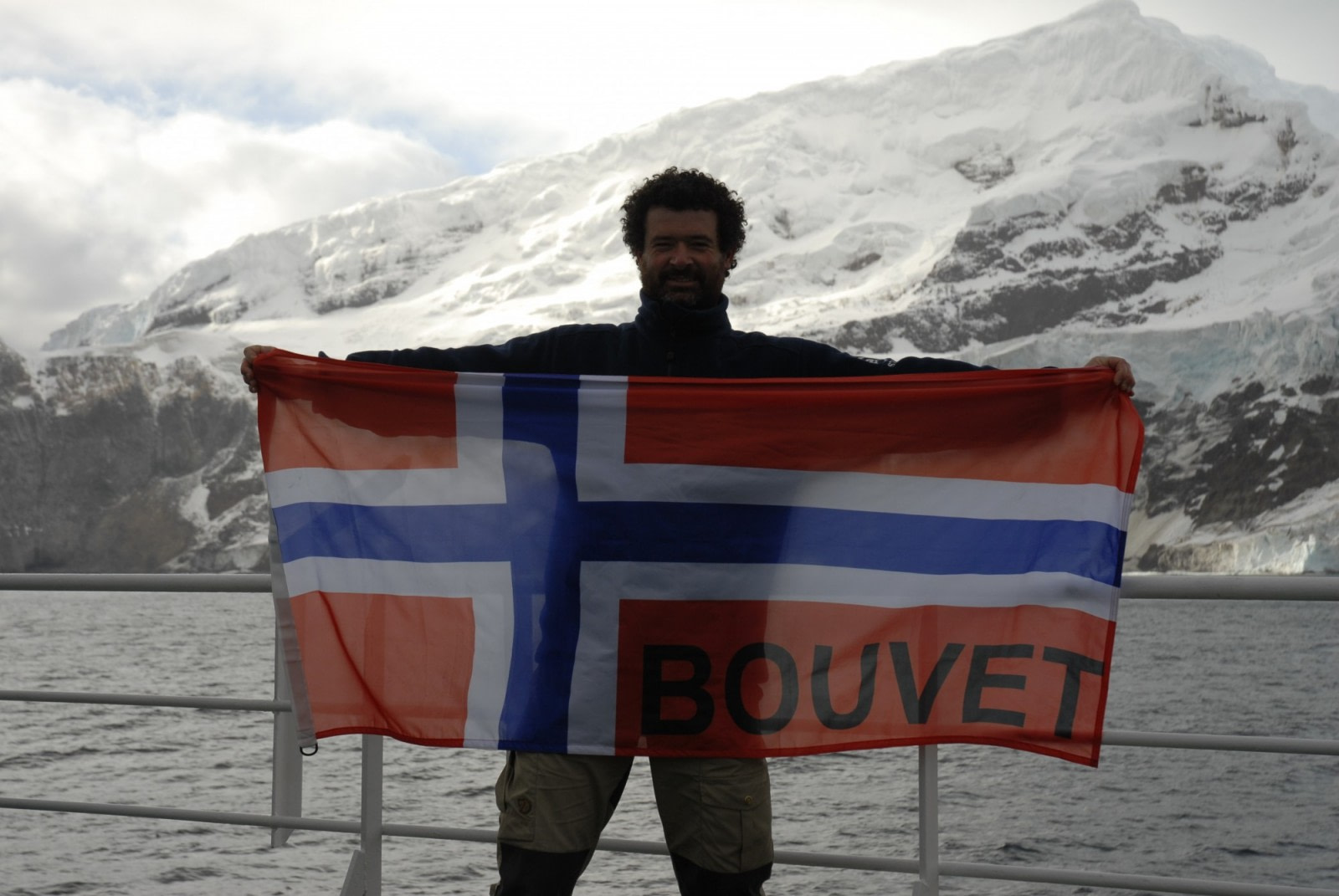
On January 1, 1739, French Commander Jean-Baptiste Charles Bouvet de Lozier made an extraordinary discovery: a volcanic island so remote that it lies 2,600 km (1,600 miles) from the nearest inhabited land.

This island would later be named Bouvet Island.

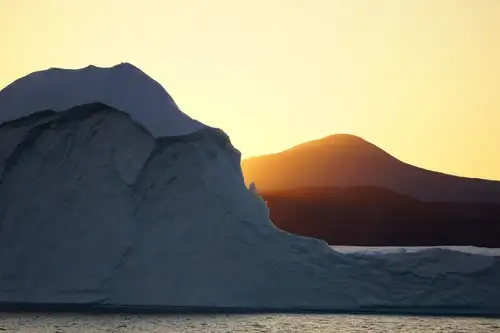
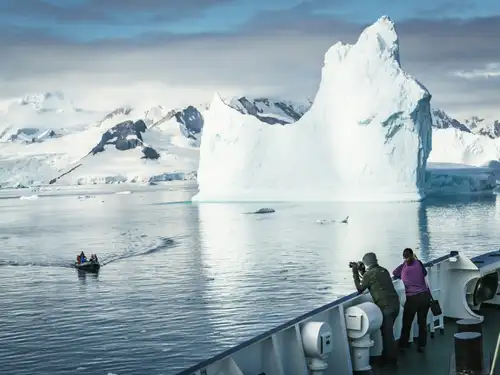
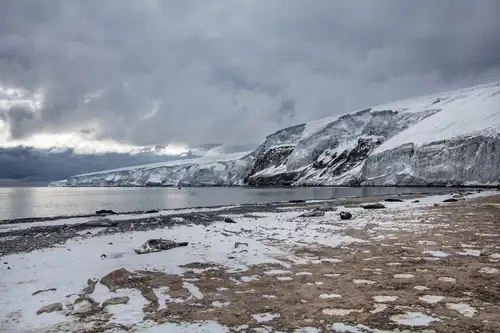
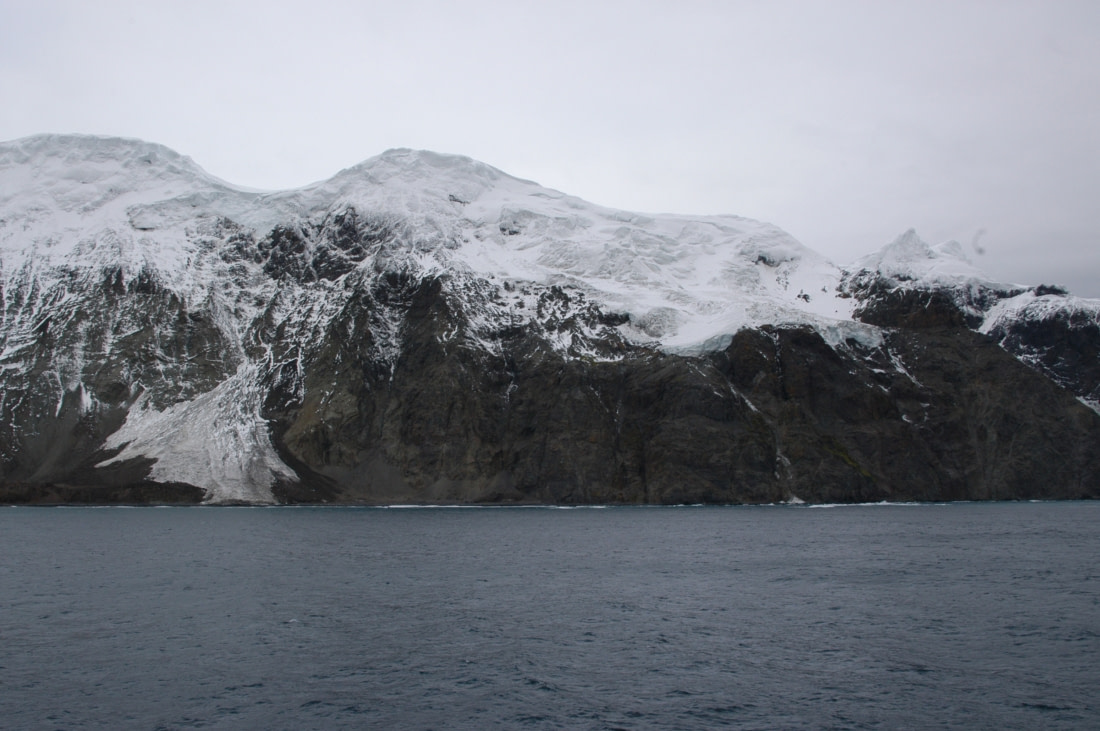
While there are many uninhabited islands around the globe, Bouvet Island stands out for being almost entirely covered by a glacier. Only about 7 percent of its 49 square km (19 square miles) is glacier-free, with an inactive volcano filled with ice at its center. The initial discovery of Bouvet Island was thrilling, though its coordinates were inaccurately reported at first sighting.

This error caused Bouvet Island to be lost until British whaler James Lindsay rediscovered it in 1808. There were several disputes over the island’s name and which nation should control it, but Norway was ultimately granted sovereignty in 1930.
blog-image

The modern mystery of Bouvet Island

Due to its remote location, Bouvet Island has never become a popular destination.

Thus, it was surprising when an abandoned lifeboat was found moored there in April 1964. This discovery prompted an investigation of Bouvet Island, but no trace of human life was ever found.

Interestingly, the placement of the boat suggests that those who were once on board could have easily reached Bouvet Island, making the absence of evidence even more puzzling and eerie.

Additionally, the boat bore no identifying marks. It seems this modern Bouvet Island mystery is destined to remain unsolved.

Fictional approaches to Bouvet Island

Given its remote location, unknown early history, and the mystery of the abandoned lifeboat, Bouvet Island has captured the imagination of many writers.

To date, Bouvet Island has been the setting for at least three books and one movie, including the 2004 film Alien vs. Predator.

In this film, the screenwriters used the island’s proper Norwegian name, Bouvetøya. However, the island depicted in the movie is actually far from the real Bouvet Island.
blog-image

Bouvet Island’s where and what

Bouvet Island is situated at the far southern end of the Mid-Atlantic Ridge and was officially designated a nature reserve over 40 years ago.

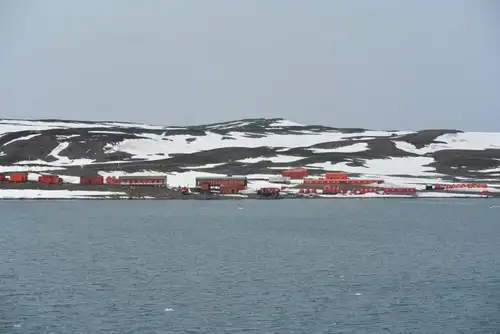
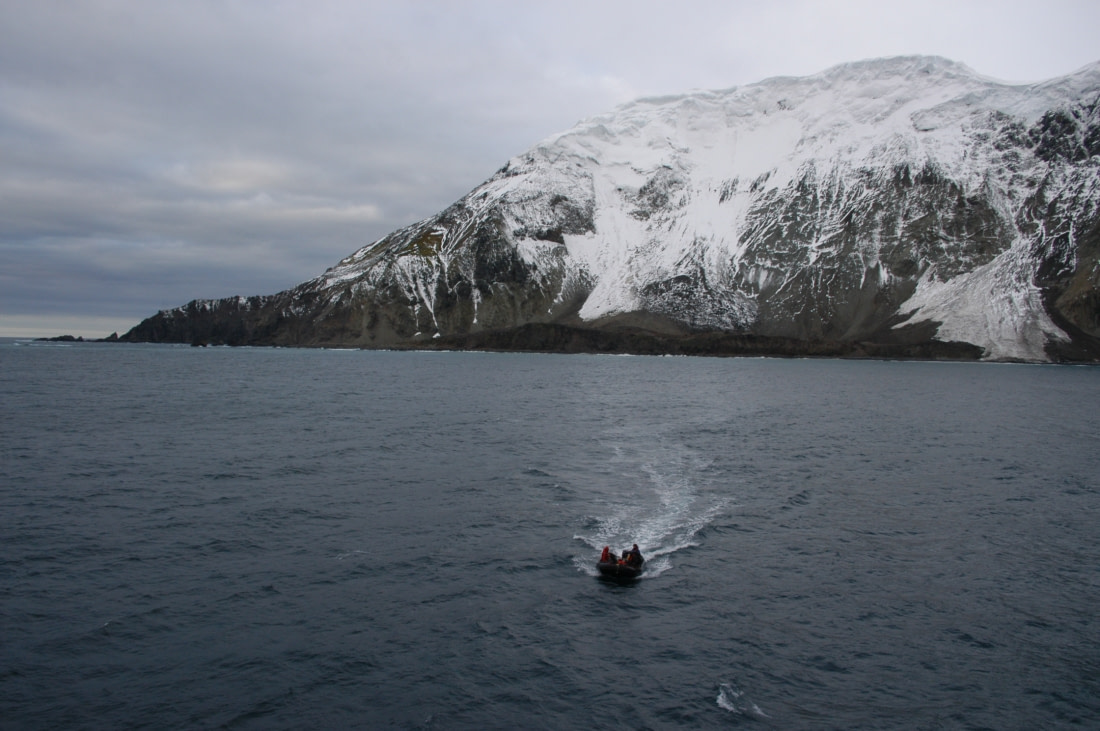
The northwestern part of Bouvet Island, known as Nyrøysa, is the only area where people can easily access the island. This region is mostly ice-free and hosts a weather station.

Bouvet Island’s northwestern section is also quite rugged, featuring gravel, lava stone, and boulders.

Many researchers have worked in the Nyrøysa area: From 1996 to 2006, there was a field station located there, but it was destroyed in an earthquake.

The wildlife and plant life of Bouvet Island

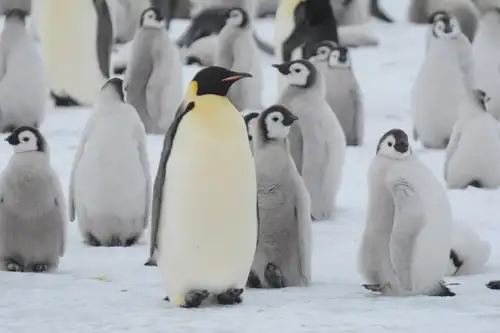
Bouvet Island is a great place to observe penguins and fur seals, particularly chinstrap penguins and macaroni penguins.

The macaroni penguin is one of the most common penguin species globally, easily identifiable by its distinctive orange plumes. These migratory penguins primarily feed on crustaceans and prefer breeding in rocky slope areas.

This makes Bouvet Island an ideal habitat. Indeed, over 4,500 macaroni penguins reside on Bouvet Island.

The number of chinstrap penguins on Bouvet Island is much smaller, last recorded at just over 400. However, their modest numbers on Bouvet Island do not reflect their global population: There are estimated to be at least 7 million pairs of chinstraps worldwide.

Chinstrap penguins are easily recognized by the thin black band under their beaks.

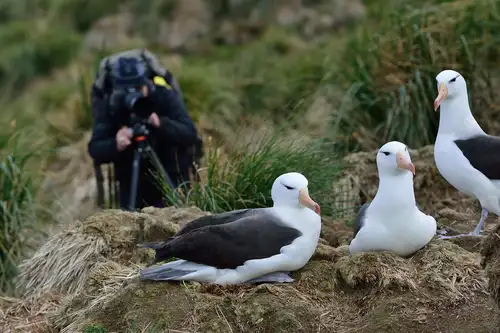
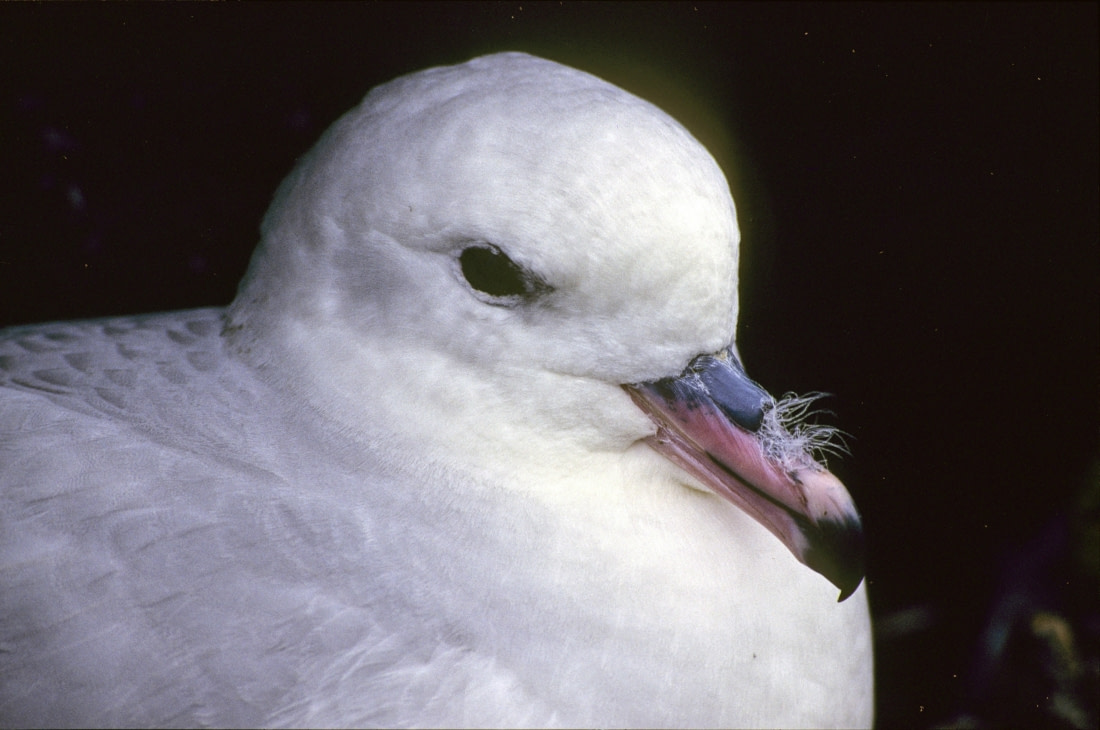
Several other bird species can be seen on Bouvet Island, earning it the designation of Important Bird Area by BirdLife International. Snow petrels, black-browed albatrosses, and Antarctic prions are among the most notable.

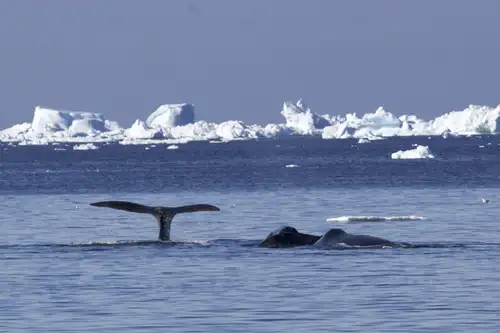
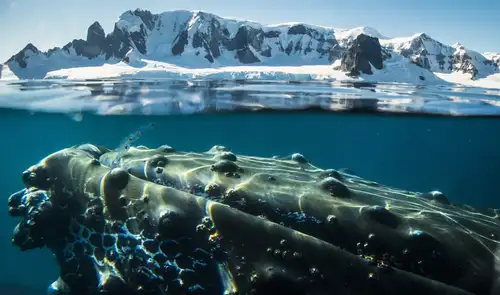
As for marine wildlife, Bouvet Island hosts a large population of orcas (killer whales) and humpback whales relatively close to shore.

With its rich mix of penguins, seabirds, and marine life, Bouvet Island is an intriguing destination for wildlife enthusiasts. Plant lovers will also appreciate Bouvet Island’s algae, mosses, and at least one species of mushroom.
blog-image

Visiting Bouvet Island

One of the many perks of visiting places like Bouvet Island is the chance to see areas with little to no infrastructure, something increasingly rare in the modern world. This makes for a once-in-a-lifetime expedition that truly allows you to escape from everyday life.


Blog
go-leftgo-right

Visa to Argentina for Antarctic Expedition Travelers (2025 Guide) - Nexta Expeditions
Blog

Visa to Argentina for Antarctic Expedition Travelers (2025 Guide)

Argentina is the main gateway for travelers heading to Antarctica, with most expedition cruises departing from the southern city of Ushuaia. Whether you’re flying in through Buenos Aires or connecting domestically, knowing Argentina’s visa requirements is critical for a smooth journey before and after your polar adventure.
The Best Arctic and Antarctic Trips for Families - Nexta Expeditions
Blog

The Best Arctic and Antarctic Trips for Families

Polar expedition cruises are often enjoyed by couples and an increasing number of solo travelers, but they can also be a fantastic adventure for families. If you have the budget to bring the whole family along, there are various polar trips that will make everyone equally excited about the ice.
The Ancient Fossil Forests of Antarctica - Nexta Expeditions
Blog

The Ancient Fossil Forests of Antarctica

Over a hundred years ago, Robert Falcon Scott’s expedition to Antarctica discovered fossils of plants on the Beardmore Glacier, less than 500 km (310 miles) from the South Pole. Edward Wilson, who was the expedition’s chief scientist, recorded the findings in his diary, stating that “most of the bigger leaves were like beech leaves in shape and venation.”
Going Green: Ascension Island Sea Turtles - Nexta Expeditions
Blog

Going Green: Ascension Island Sea Turtles

Gold beaches, green mountains - and greener turtles.
The bio-richness of the Ross Sea - Nexta Expeditions
Blog

The bio-richness of the Ross Sea

The Ross Sea is one of the most stunning and untouched marine areas globally. This sea, which remains frozen for most of the year, spans 3.6 million square kilometers (1.4 million square miles) along the Antarctic coast south of New Zealand. Its waters harbor a biologically diverse ecosystem of species that have flourished, unchanged, for millennia.
Explore Antarctica Without Leaving Your Couch - Nexta Expeditions
Blog

Explore Antarctica Without Leaving Your Couch

There are numerous ways to embark on an Antarctica expedition from the comfort of your home. Explore these fantastic resources to experience the White Continent without leaving your couch.
Tracking Greenland’s Wildlife from Space - Nexta Expeditions
Blog

Tracking Greenland’s Wildlife from Space

Despite Greenland’s harsh environment, life has found a way to thrive there. If you’re lucky enough to embark on a Greenland cruise, you stand the chance of encountering many species of cold-adapted mammals, birds, and fish.
First to the North Pole: Five Failed but Brave Expeditions - Nexta Expeditions
Blog

First to the North Pole: Five Failed but Brave Expeditions

Being first to reach the North Pole was seen by several nations as economically invaluable due to the open polar sea said to encircle it, but for the explorers themselves it was also a gloriously adventurous grab for immortality.
A Day of Whale Watching in Antarctica - Nexta Expeditions
Blog

A Day of Whale Watching in Antarctica

This morning we awoke early to enjoy the first light in Wilhelmina Bay, with the snow and cloud blanketing the surrounding mountains. As dawn broke, we could see the blows of humpback whales scattered throughout the bay. Some of the whales were closer to the ship and we spotted their small dorsal fins and occasionally their white patterned tails. It was a terrific start to our first full day in Antarctica.
Cheapest Antarctica Cruises: How to Save on Your Journey - Nexta Expeditions
Blog

Cheapest Antarctica Cruises: How to Save on Your Journey

Antarctica, the world’s most remote and pristine continent, is often seen as a destination reserved for luxury travelers. However, affordable options do exist, making this dream journey accessible to more adventurers. With careful planning and the right provider, like Nexta Expeditions, you can explore the icy wilderness without breaking the bank. This guide will show you how to save on your Antarctic cruise while still enjoying a high-quality experience.
The Ins, Outs, and Ups of Polar Mountaineering & Ski Mountaineering - Nexta Expeditions
Blog

The Ins, Outs, and Ups of Polar Mountaineering & Ski Mountaineering

Traveling to the polar regions, whether to the Arctic or Antarctica, is an adventure almost no matter what you do.
What’s so Special about East Spitsbergen? - Nexta Expeditions
Blog

What’s so Special about East Spitsbergen?

We’ve previously discussed our north Spitsbergen journeys and Spitsbergen circumnavigations, but the eastern parts of this incredible island have not received the attention they deserve. Despite the name, our east Spitsbergen voyages explore much more than just the eastern side of Spitsbergen.
Birds of the South: 33 Antarctic Birds and Seabirds - Nexta Expeditions
Blog

Birds of the South: 33 Antarctic Birds and Seabirds

Of the many compelling reasons people travel to Antarctica and the sub-Antarctic, bird life is among the most beloved.
Antarctic krill: Antarctica's Superfood - Nexta Expeditions
Blog

Antarctic krill: Antarctica's Superfood

The size of a paper clip, pink, krill is a shrimp-like crustacean that does not look like much. Without them, though, the Earth's marine ecosystems would collapse completely.
South Georgia Whaling Stations - Nexta Expeditions
Blog

South Georgia Whaling Stations

South Georgia is a paradise for animal enthusiasts. It stands out as one of the most wildlife-abundant destinations in our polar expeditions, whether in the Northern or Southern Hemisphere.
Weddell Sea, Shackleton’s Endurance, and New Swabia - Nexta Expeditions
Blog

Weddell Sea, Shackleton’s Endurance, and New Swabia

Our Antarctica 2023-24 cruise program is packed with incredible expeditions, including a new itinerary that explores key locations such as South Georgia, the Weddell Sea, and the more easterly region of New Swabia (Neuschwabenland).
Earth vs. Mars: Polar Regions Compared - Nexta Expeditions
Blog

Earth vs. Mars: Polar Regions Compared

It’s well-known that Mars, like Earth, has its own polar regions, often referred to as the Martian ice caps. These regions, similar to Earth's, are situated at the north and south poles and experience much lower temperatures compared to the areas in-between.
The Ultimate Traveler’s Guide to the Arctic and Antarctica - Nexta Expeditions
Blog

The Ultimate Traveler’s Guide to the Arctic and Antarctica

Sunrises or sunsets? Coffee or tea? Polar bears or penguins?
Weddell seals: The data collectors scientists of Antarctica - Nexta Expeditions
Blog

Weddell seals: The data collectors scientists of Antarctica

Weddell seals inhabit some of the coldest and darkest waters deep within the Ross Sea ice, making them the southernmost naturally occurring mammals on Earth. During the winter and summer months, their movements are largely governed by the presence of sea ice and the availability of suitable breathing and exit holes.
Exploration of the Polar Regions - Nexta Expeditions
Blog

Exploration of the Polar Regions

From the Vikings via the first whale and seal hunters to Scott and Amundsen, from the maritime explorers Franklin and Nordenskiöld to present-day polar tourism, a quick tour through history reveals some of the aspects which motivated people to extend their horizons. Existential need, sheer curiosity, imperial greed, polar science, and a taste for adventure all converged in regions which pardon no mistakes.