Arctic Mythology Inuit Saami And The Ancient Greeks - Nexta Expeditions
Arctic Mythology: Inuit, Saami, and the Ancient Greeks

Arctic Mythology: Inuit, Saami, and the Ancient Greeks

The Arctic locations we visit aren’t merely made up of phenomenal landscapes, exotic wildlife, and more adventure than a Hardy Boys novel.

They’re also interwoven with ancient cultures, all of which have their own particular and fascinating cosmologies. In fact, Greenland and Northern Norway are infused with folklore that reaches all the way back to (and in some cases predates) ancient Greece.

If you’re lucky enough to visit these regions, make sure to enrich your exploration of the natural world with a little dose of the mythological one.

blog-image

Inuit (Kalaallit of Greenland)

It’s not uncommon to hear references to the native Arctic Inuit, though actually this is a blanket term for numerous distinct cultures indigenous only to certain areas of that region.

(Even so, it’s a much better term than “eskimo.”)

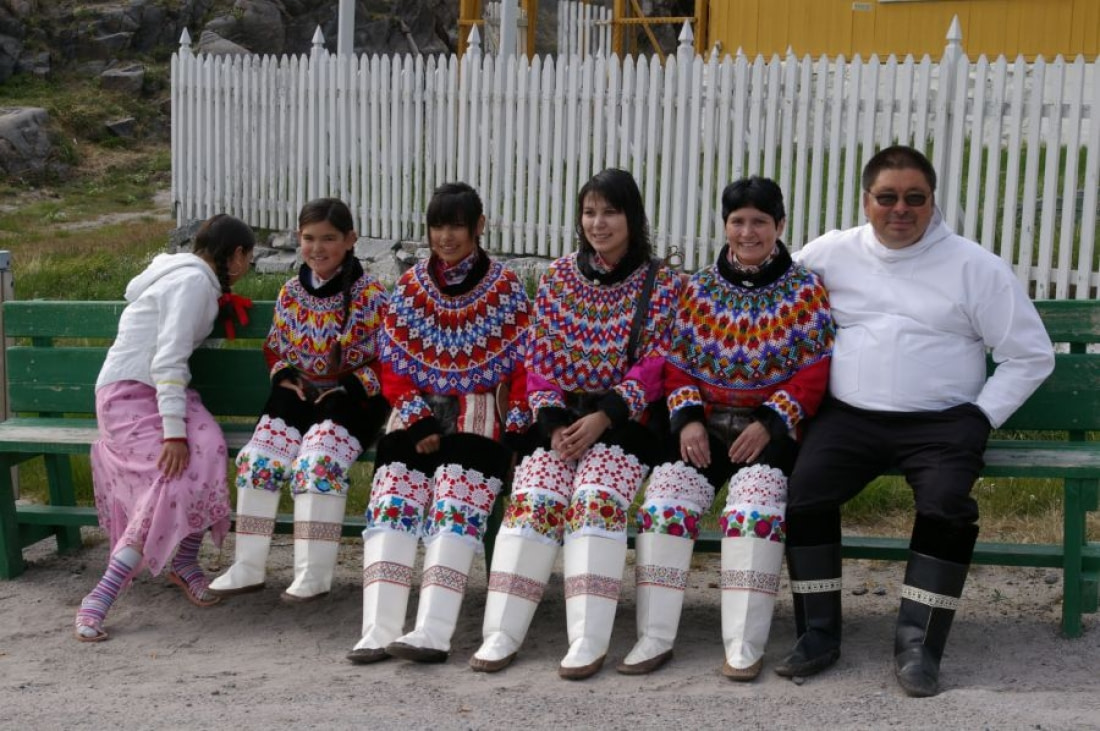
In Greenland, one of our most popular Arctic cruise areas, the predominant Inuit tribe is the Kalaallit. The Kalaallit are the largest Greenlandic Inuit group, concentrated mostly in west Greenland but also located in some of the areas we visit in northeast Greenland.

The Kalaallit mythology shares many similarities with that of other Inuit peoples, and in turn shares many similarities with the myths of other Arctic groups.
blog-image

No divine ruler controls the Kalaallit universe, there are no paternal or maternal deities, and no cosmic scale of justice punishes wrongdoing in the afterlife.

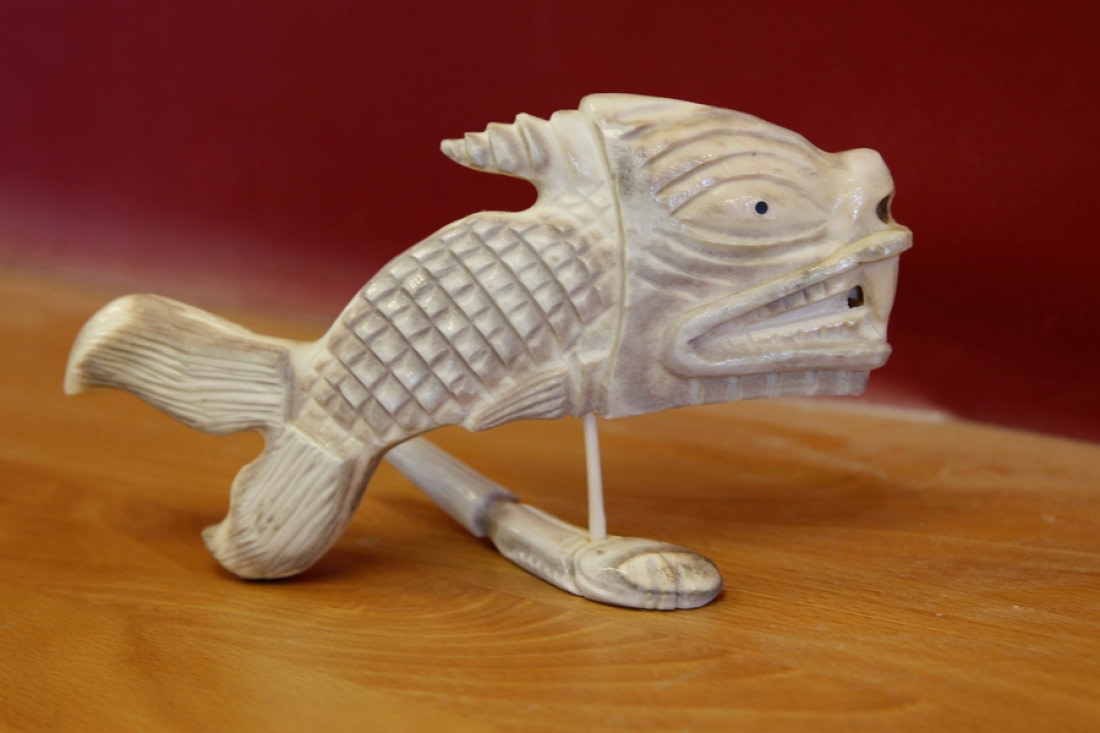
Even so, Kalaallit religion does believe that the Moon punishes the breaking of social taboos. Not only that, an avenging monster called the tupilaq can be summoned to punish people through chants and the use of bone, sinew, or other such substances.

Kalaallit shamans, known as angakkuk, summon the tupilaq in dangerous ceremonies that may lead to the monster devouring the summoner if his or her powers aren’t sufficient.

Another monster, an anngiaq, can arise out of the concealment of infanticide or miscarriage, and has the power to curse those it touches.
blog-image

But far from being uncommon, spirits are everywhere in the Kalaallit world.

The sky (or sila) is pervaded with the spirits (or anirnitt) of all living things, a common Inuit belief, and these anirnitt can seek revenge if necessary. They are only pacified by correct ritual observation and obedience to social customs.

Kalaallit deities include Akna, a mother goddess of fertility; Anguta, a god who gathers the dead to the underworld; and Amarok, a wolf god who abducts those who hunt at night.

Saami (circumpolar Scandinavia)

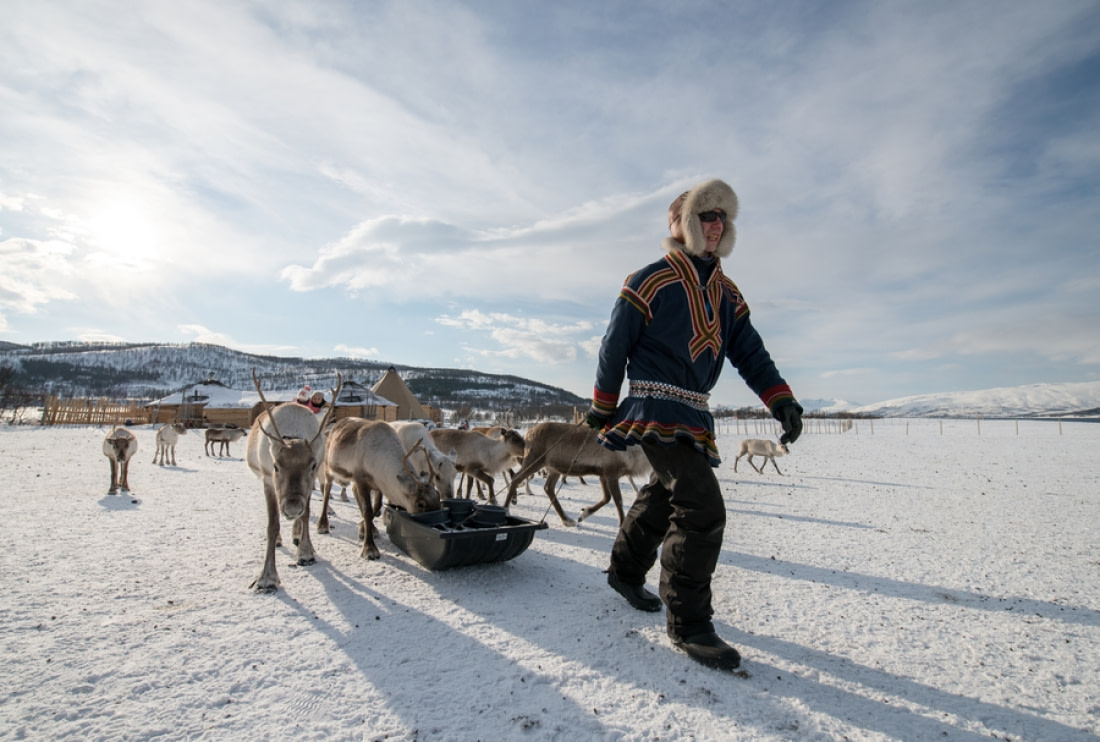
The Saami (also Sami or Sámi) are a people indigenous to northern Scandinavia and northeastern Russia, a cultural area known as Sápmi.

Like the Inuit, Saami are troubled with a derogatory second name: Laplanders or Lapps, though Lapland is actually another area interior to parts of Finland and Sweden.

In Sami religion, man and nature are one, so a healthful life requires harmony between oneself and the elements.

This facet of Saami belief is in direct contrast to many other mainstream mythologies, such as Christianity, which views the natural world as a collective resource purposefully made for human control and consumption.
blog-image

The Saami cosmology contains three tiers: a middle world, an upper world, and a netherworld.

The middle world is where we live, a place inhabited by other animals and nature spirits; the upper world is where the gods live; and the netherworld is the home of gnomes and the dead.

A Saami shaman, or noaidi, performs an essential community function by accessing the outer worlds for the benefit of the tribe. Through the exercise of certain rituals, the shaman can heal the sick, predict the future, and aid the luck of hunters and fishermen.

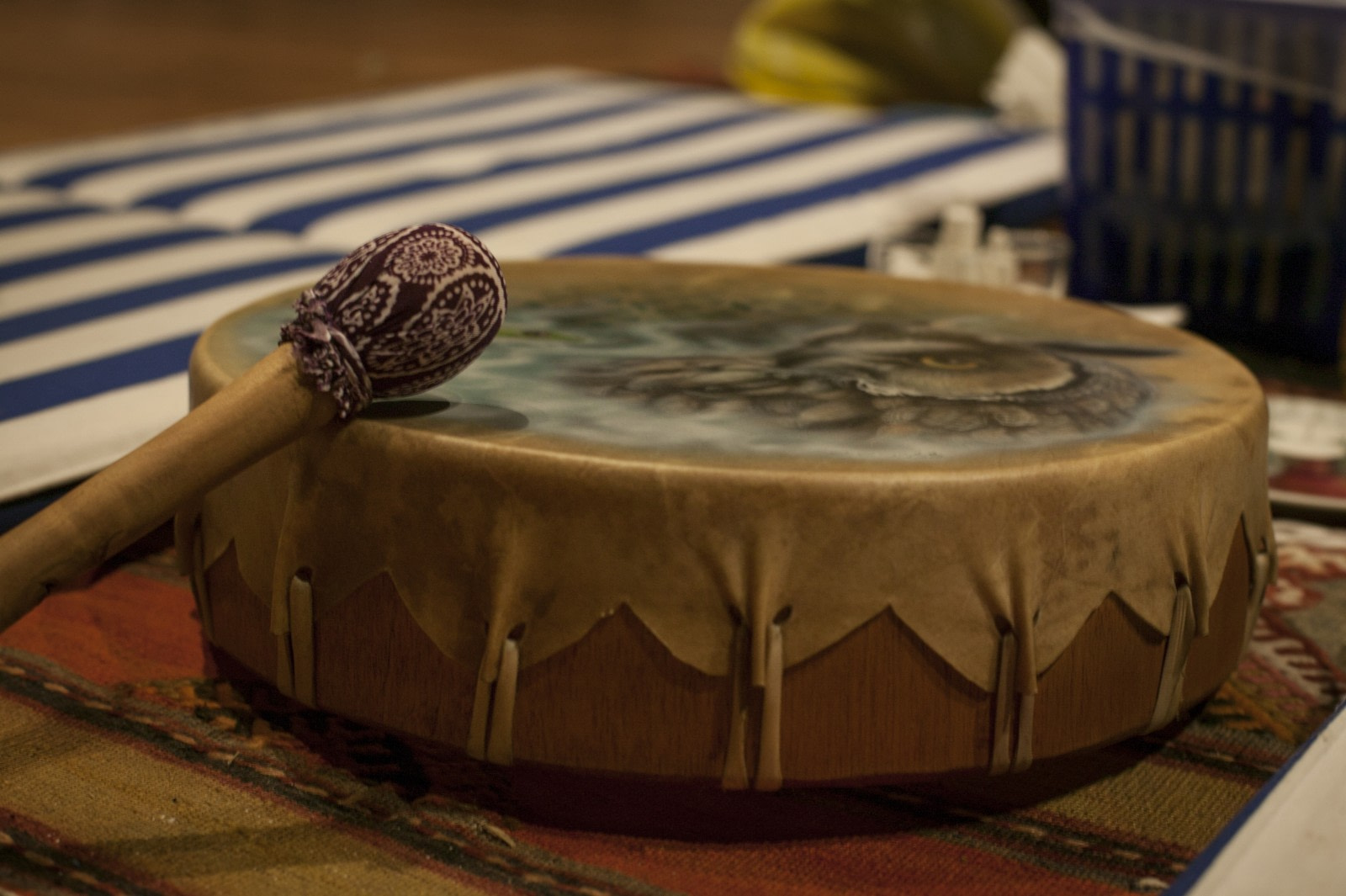
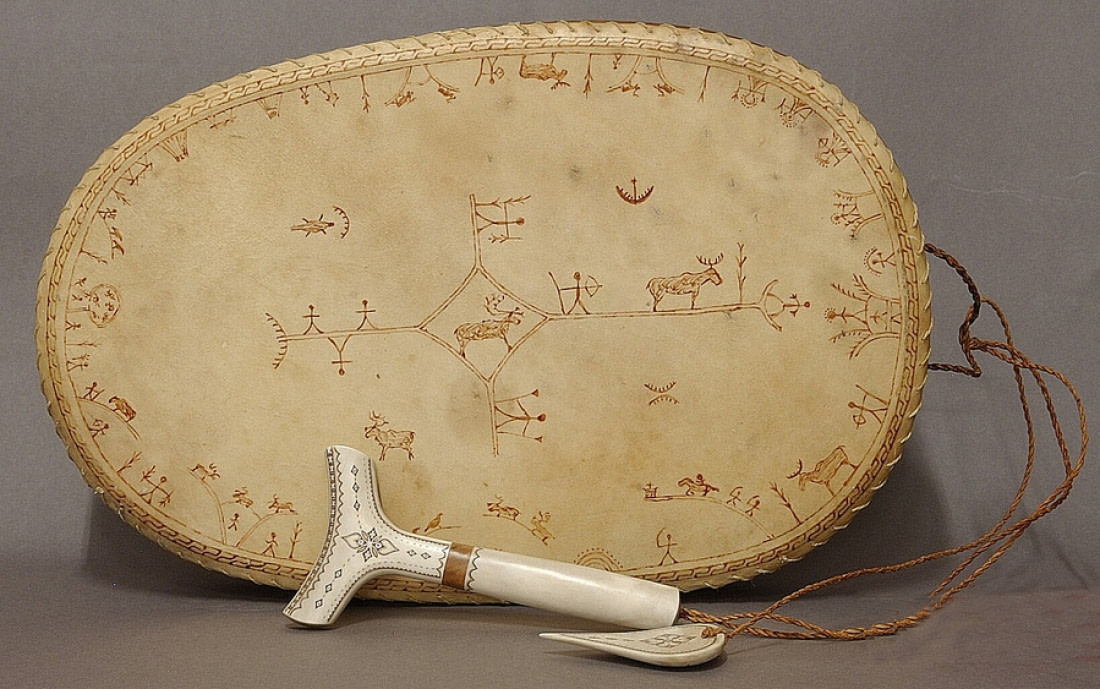
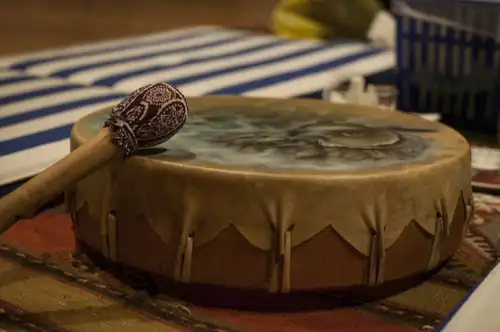
The most important part of a Saami shaman’s equipment is his drum.

Made out of reindeer skin and decorated with images, the drum allows the noaidi to enter a trance state in which he can take animal form to further help the community.
blog-image

As for Saami deities, they are numerous and understandably nature-oriented.

Ukko is the central life giver and lord of the clouds. His wife is Akka, almost always represented by his side. Biegga-almmái is god of the wind and can influence reindeer. Máttáráhkká is the goddess of life, and her three daughters symbolize feminine attributes.

Saami often worship these and other gods at a siedi, a holy place that is typically a natural formation like a large boulder or tree stump.

If you take one of our Northern Norway voyages, you may encounter Saami people in Tromsø or the surrounding areas. Obviously, however, modern-day Saami do not necessarily follow their traditional beliefs any more than do present-day Kalaallit.

blog-image

An Arctic mythology disclaimer

Since the myths of the Arctic are too vast and varied to be examined properly here, this article is meant as only a brief and admittedly incomplete survey of belief in our areas of operation.

Obviously, countless other Arctic and near-Arctic myths abound from the distant past: The ancient Norse (i.e., Vikings) thought the northern lights were incarnations of their gods, and we’re all familiar with the Yeti (Abominable Snowman) of Nepalese folklore.

The Greeks even had their own idyllic version of the Arctic, known as Hyperborea.

Hyperborea was located at the top of the world, beyond the north wind (or borea, where the term borealis comes from), and was inhabited by giants called Hyperboreans. According to the Greeks, the Arctic was a tropical paradise.

According to us, they were half right.
blog-image

Blog
go-leftgo-right

Six Facts About the Crabeater Seals of Antarctica - Nexta Expeditions
Blog

Six Facts About the Crabeater Seals of Antarctica

Antarctic fur seals, leopard seals, Weddell seals, Ross seals, southern elephant seals... The many seal species of Antarctica all have names that are in some way explained by their appearance or primary region of distribution.
The Research Stations of Antarctica and the sub-Antarctic - Nexta Expeditions
Blog

The Research Stations of Antarctica and the sub-Antarctic

Numerous research stations operate throughout the Antarctic and sub-Antarctic, engaged in all manner of scientific inquiry. This article will cover the stations under the management of the British Antarctic Survey (BAS), which conducts year-round terrestrial and atmospheric research in some of the most compelling polar locations on Earth.
Gough Island: Seabird Capital of the South Atlantic - Nexta Expeditions
Blog

Gough Island: Seabird Capital of the South Atlantic

Gough Island is a remote volcanic island in the South Atlantic, uninhabited except for a small party of meteorologists and (sometimes) biologists.
9 Facts about the Greenland Shark - Nexta Expeditions
Blog

9 Facts about the Greenland Shark

The Greenland shark, or Somniosus microcephalus, is one of many fish that inhabit the waters around Greenland, though this is not the only area in which the shark resides. These sharks, sometimes referred to as “gray sharks” or “gurry sharks,” can also be found in the north Atlantic Ocean near Iceland, Norway, and Canada.
Fierce and Feathered: the Skuas of Antarctica - Nexta Expeditions
Blog

Fierce and Feathered: the Skuas of Antarctica

At first glance, the skuas you encounter in Antarctica may appear to be merely darker-feathered seagulls. But looks can be deceiving.
Svalbard’s 12 Most Iconic Animals - Nexta Expeditions
Blog

Svalbard’s 12 Most Iconic Animals

Each of our Arctic regions offers its own distinct and unforgettable features: Greenland boasts mountainous shorelines and record-setting fjords, Northern Norway is renowned for the aurora borealis and historic masted schooners, and Svalbard (especially Spitsbergen) is where you're most likely to encounter a variety of Arctic wildlife.
Arctic on Foot: Hiking and Snowshoeing the Far North - Nexta Expeditions
Blog

Arctic on Foot: Hiking and Snowshoeing the Far North

The focus of our voyages is always to get you off the ship and into the action as frequently as possible. While we travel from site to site on ice-strengthened vessels, our expeditions are crafted to provide you with the maximum firsthand experience of the polar regions and their unique wildlife.
Guidelines for visitors to Antarctica - Nexta Expeditions
Blog

Guidelines for visitors to Antarctica

Activities in the Antarctic are governed by the Antarctic Treaty of 1959 and associated agreements, collectively known as the Antarctic Treaty System. The Treaty established Antarctica as a zone dedicated to peace and science. In 1991, the Antarctic Treaty Consultative Parties adopted the Protocol on Environmental Protection to the Antarctic Treaty, designating the Antarctic as a natural reserve.
Tracking Greenland’s Wildlife from Space - Nexta Expeditions
Blog

Tracking Greenland’s Wildlife from Space

Despite Greenland’s harsh environment, life has found a way to thrive there. If you’re lucky enough to embark on a Greenland cruise, you stand the chance of encountering many species of cold-adapted mammals, birds, and fish.
Eight Ultimate Antarctica Adventures - Nexta Expeditions
Blog

Eight Ultimate Antarctica Adventures

Antarctica has adventure in its bones. Long before most travelers even reach the continent, they have to cross the Drake Passage, an oft-tumultuous waterway considered by many a hallmark of high adventure in itself. Once you do reach the Antarctic shores, the variations of landscape and wildlife are as multiform as the activities you can pursue there. While not all of these activities can or should be shoehorned into a single article, this piece will give you a survey of the top eight. Like everything in the polar regions, these activities are subject to weather conditions – and your own threshold for adventure.
A visit to the fascinating island of Jan Mayen - Nexta Expeditions
Blog

A visit to the fascinating island of Jan Mayen

After exploring the remote island of Fair Isle, our Atlantic Odyssey voyage once more turned its attentions northwards and left the outer extremities of the UK behind. Our destination was Jan Mayen, a volcanic island situated on the mid-Atlantic ridge just north of 71° (about 550 kilometers north of Iceland and 450 kilometers east of Greenland).
Top 10 Antarctic Attractions - Nexta Expeditions
Blog

Top 10 Antarctic Attractions

There’s a reason people go to such lengths to visit Antarctica, and its abundance of whales, seals, penguins, and seabirds are only part of the polar story.
Arctic and Antarctic Basecamp Cruises – Choose Your Own Adventure - Nexta Expeditions
Blog

Arctic and Antarctic Basecamp Cruises – Choose Your Own Adventure

There’s an astonishing variety of activities to choose from when planning an Arctic trip or Antarctic cruise, which can be a bit overwhelming. How do you choose just one voyage over another when you want to experience everything? Happily, you don’t have to give up one activity for another. Basecamp cruises have you covered.
Antarctica in Pictures: Photos from 2018 - Nexta Expeditions
Blog

Antarctica in Pictures: Photos from 2018

Pictures can never truly capture the essence of an experience, and this is especially true for the breathtaking adventures in Antarctica.
Arctic Mythology: Inuit, Saami, and the Ancient Greeks - Nexta Expeditions
Blog

Arctic Mythology: Inuit, Saami, and the Ancient Greeks

The Arctic locations we visit aren’t merely made up of phenomenal landscapes, exotic wildlife, and more adventure than a Hardy Boys novel.
5 Life Lessons You'll Learn in Antarctica - Nexta Expeditions
Blog

5 Life Lessons You'll Learn in Antarctica

Embarking on a journey to the Antarctic might seem daunting. However, cruise lines strive to simplify the process as much as possible. They typically assist with travel insurance, guide you to the embarkation point, and advise on the appropriate clothing to bring.
15 Fantastic Photos of Antarctica - Nexta Expeditions
Blog

15 Fantastic Photos of Antarctica

It is often said that it's impossible to take a bad picture in Antarctica.
Camping in Antarctica: a True Expedition Experience - Nexta Expeditions
Blog

Camping in Antarctica: a True Expedition Experience

We often think of camping as a summer activity, filled with warm nights, campfire dinners, and serene mountain lakes. However, there's a whole other world of camping to explore.
Five Reasons You Should Cruise the Ross Sea Immediately - Nexta Expeditions
Blog

Five Reasons You Should Cruise the Ross Sea Immediately

In our search for lesser-known holiday spots that still offer fully developed amenities like spas and gift shops, we often miss out on some of the planet's truly underrated treasures.
An igneous paradise: Franklin Island - Nexta Expeditions
Blog

An igneous paradise: Franklin Island

In the most remote reaches of the world's oceans, those daring enough to embark on the Ortelius to the Ross Sea eagerly boarded zodiacs in the southernmost part of the Pacific Ocean.