The Evolving Shipboard Eco Traveler - Nexta Expeditions
The Evolving Shipboard Eco-traveler

The Evolving Shipboard Eco-traveler

Feeling stuck in the monotony of everyday life? Looking for a change of scenery? Look no further! Most of us spend our lives on solid ground, despite our bodies being composed of 71.5% water. You'd think we'd have a natural inclination to be in or on the water! So why not try something different? Consider an Arctic holiday adventure on the same waters that famous explorers once navigated!

Preparation

When you start researching online, you'll find a variety of boat travel options. Which one suits you best? Are you more interested in cultural or natural history, or perhaps both? Consider how much time and resources you have. Do you prefer traveling with a large group or a smaller one? If you've already explored temperate and tropical regions, it might be time to venture into the polar areas. Here, you'll find fewer large cruise ships and more expedition-style vessels, many of which are ice-strengthened or ice-breakers.

Shop around for cruises that catch your interest. Pay attention to the highlights of each location and the best times to visit. Check out cabin options and read some reviews to make informed decisions. Carefully consider the Arctic gear you'll need to stay comfortable and document your "trip of a lifetime."

Logistics

Once you've flown to your starting point, collected your luggage, perhaps taken a local tour, and spent the night at a nearby hotel, you're ready to board the ship. Your excitement builds as you anticipate the voyage ahead! In the early afternoon, you'll travel as a group to the dock (your luggage will already be in your cabin). As you walk up the gangway, you'll be greeted by hotel and expedition staff who will take your passport (it will be kept by the purser and returned upon departure) and escort you to your cabin.

Ship Safety

After confirming that your luggage has arrived in your cabin and taking in the clean, scenic space, you're free to explore the ship. While the bridge will be closed for security while in port, the rest of the ship, except for crew quarters on the lower decks, will be open for you to explore. Finding your way around is easy, though getting back to your cabin can be an adventure.

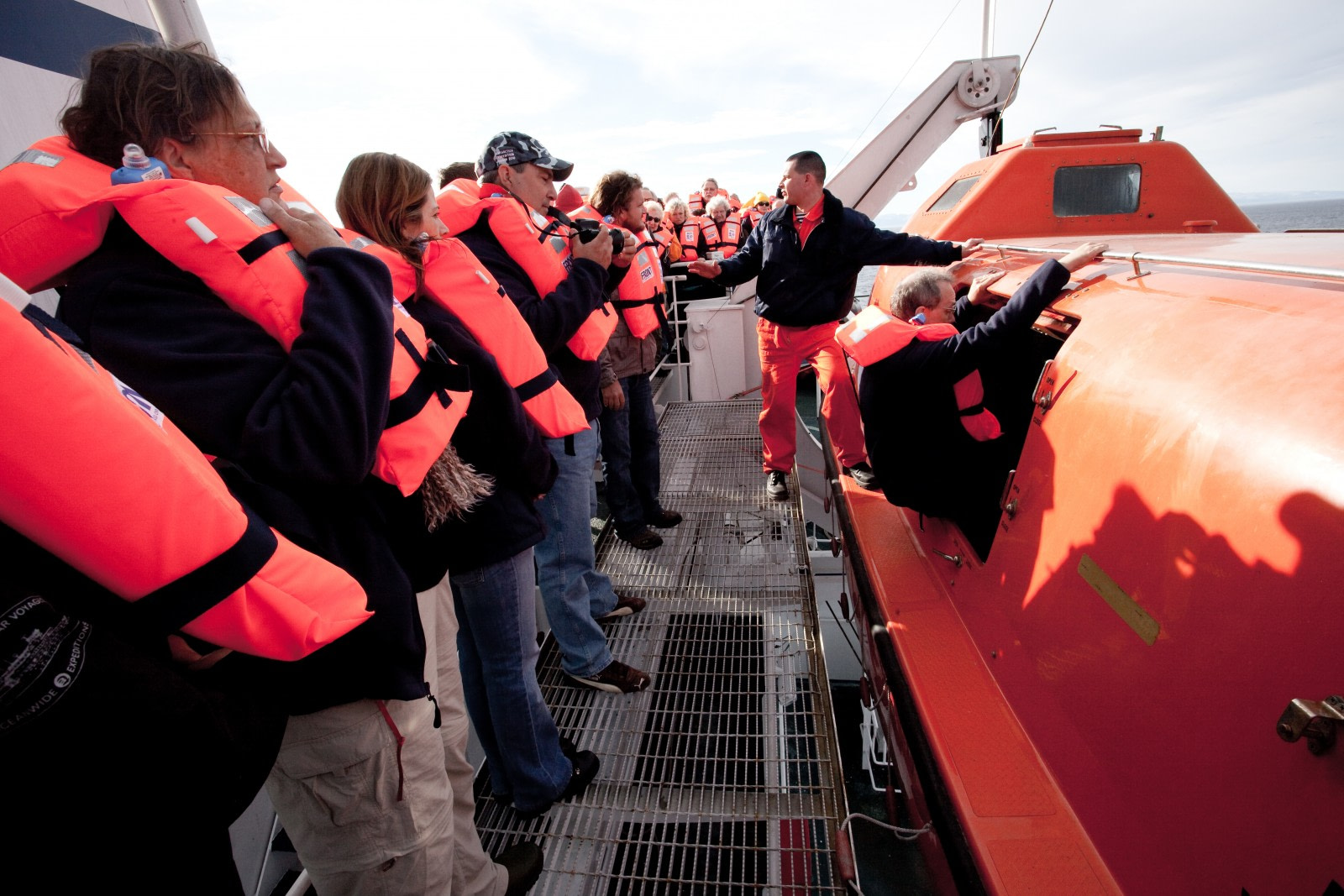
Before the ship can set sail, all guests must attend a mandatory safety briefing. This meeting covers the "Life Boat Drill," including how to don life jackets and the procedure for meeting at the Muster Station. Once this is completed, it's time to set sail and capture photos of the departure—always an exciting moment for everyone!

After a long day, it's nice to meet new people from around the world (perhaps from 16 different countries) and enjoy a delicious dinner with beautiful scenery passing by the dining room windows. It's been a long day, so you probably won't stay up too late. Tomorrow is a big day of discovery!

First Morning

Feeling a bit jet-lagged, you make your way to the bar for your favorite morning beverage. You'll find a variety of options at the potpourri station. As you sip your drink, you take in the magnificent view of mountains and glaciers. It's even more grandiose than you imagined!

Seabirds whirl around the ship, heading to the cliffs where thousands of their kind perch on tiny ledges, calling out cacophonously. You're the only one up this early, and you can't believe your eyes when you see a scythe-shaped fin surface on a long, brown-grey back in the water nearby. You consult a chart of baleen whales and determine that the size, blow shape, and falcated dorsal fin likely indicate a minke whale. Great job on your first solo wildlife sighting!

It's time for breakfast, and on your way, you read the "Daily Adventure Program": 0900 hours - Zodiac Briefing followed by boot hand-out. 1000 hours - Wildlife Viewing Briefing. Both are mandatory. It seems like there are a lot of meetings, but these are necessary if you want to go ashore and see all the exciting things you came for. Plus, they'll be entertaining.

With people from so many different places, many of whom have never traveled this way before, there will be lots of curious questions and comments. Those who have done expedition travel before may help out or verify the itinerary with what their travel agent told them. Usually, the leader will introduce their staff, who will share some information about themselves, and you can find their bios posted as well.

Discovery

Depending on the focus of the voyage (some are charters with specific goals like polar bear viewing) or the weather, ice conditions, and ship schedule, you'll either cruise on the ship, take a zodiac cruise, or make a landing to explore the local natural and cultural history. Leaders will rotate the zodiac departures in deck or group rotations and offer different distances and rates of shore hikes to accommodate varying abilities.

Hiking groups must stay close to their rifle and flare gun-carrying staff for safety in bear country. Guidance on "closed areas," such as historic sites, fragile zones, and wildlife breeding areas, is also important. It's always fascinating to listen to passionate naturalists talk about the unique aspects of these special landscapes. Always go ashore, attend lectures, and participate in briefings to better appreciate the amazing places you'll fall in love with.

Be open to making new friends, as you never know what new perspectives and experiences might change your life! Enjoy each moment, and you too will become addicted to this special way of learning about the polar regions on Arctic cruises and Antarctic expeditions.


Blog
go-leftgo-right

Svalbard’s Texas Bar - Nexta Expeditions
Blog

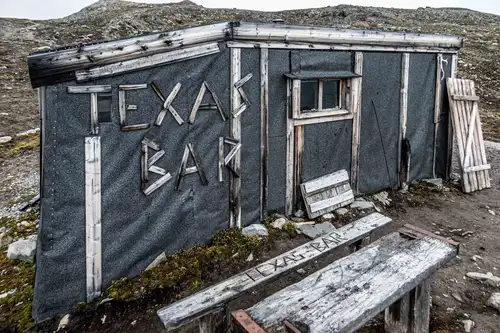
Svalbard’s Texas Bar

Texas Bar is one of the historic areas we visit on certain Svalbard trips, and it always proves to be a cherished landing site among both our guides and guests. This might be surprising, however, given that its name can be a bit misleading.
Svalbard vs. the Canadian Arctic - Nexta Expeditions
Blog

Svalbard vs. the Canadian Arctic

It’s easy to assume the Arctic is uniform, a vast expanse of northern freeze shaped by snow, ice, and endless darkness.
North Norway, Northern Lights, and All the Pretty Whales - Nexta Expeditions
Blog

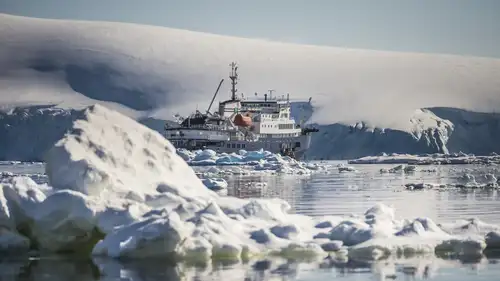
North Norway, Northern Lights, and All the Pretty Whales

At first glance, visiting Northern Norway outside of a blazing-hot summer might seem daunting for the average traveler.
5 Life Lessons You'll Learn in Antarctica - Nexta Expeditions
Blog

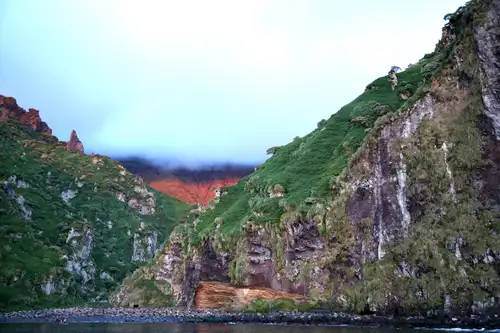
5 Life Lessons You'll Learn in Antarctica

Embarking on a journey to the Antarctic might seem daunting. However, cruise lines strive to simplify the process as much as possible. They typically assist with travel insurance, guide you to the embarkation point, and advise on the appropriate clothing to bring.
Gough Island: Seabird Capital of the South Atlantic - Nexta Expeditions
Blog

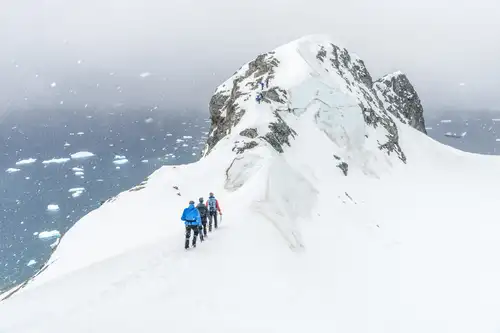
Gough Island: Seabird Capital of the South Atlantic

Gough Island is a remote volcanic island in the South Atlantic, uninhabited except for a small party of meteorologists and (sometimes) biologists.
The Ins, Outs, and Ups of Polar Mountaineering & Ski Mountaineering - Nexta Expeditions
Blog

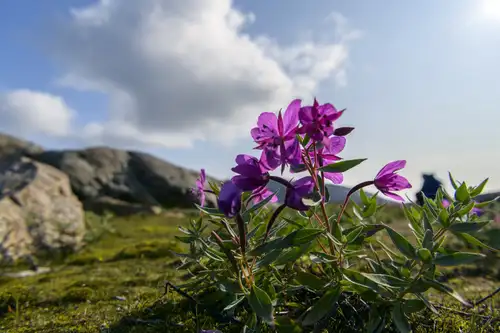
The Ins, Outs, and Ups of Polar Mountaineering & Ski Mountaineering

Traveling to the polar regions, whether to the Arctic or Antarctica, is an adventure almost no matter what you do.
Arctic Flowers, Trees, and Other Plant Life - Nexta Expeditions
Blog

Arctic Flowers, Trees, and Other Plant Life

When many people think of the Arctic, they probably imagine a stark white wasteland devoid of anything except snow, glaciers, and the occasional far-wandering polar bear.
Polar bear encounter in Spitsbergen - Nexta Expeditions
Blog

Polar bear encounter in Spitsbergen

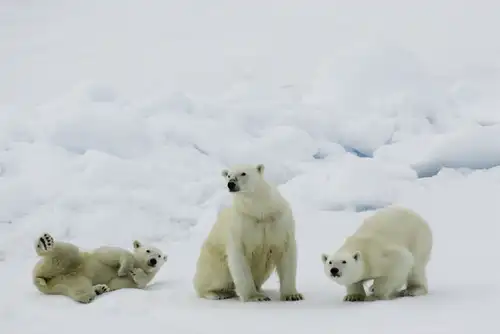
I watch the sea ice from the bridge of a ship in one of the fjords of Spitsbergen, an archipelago north of Norway. I observe a perfectly adapted animal moving on the ice, the results of hundreds of thousands of years of ecological fine-tuning. Snowshoe-sized paws distribute weight, fur handles the cold and sunlight to perfection, and an incredible sense of smell samples this monochromatic realm.
Arctic vs. Antarctica: A Traveler’s Guide - Nexta Expeditions
Blog

Arctic vs. Antarctica: A Traveler’s Guide

Sunrises vs. sunsets, coffee vs. tea, Wonder Woman vs. Superman...
Around Spitsbergen vs. North Spitsbergen - Nexta Expeditions
Blog

Around Spitsbergen vs. North Spitsbergen

Svalbard, particularly Spitsbergen, was the first polar expedition cruise destination. It's no surprise that there are numerous trip programs available in this region. Among the most unique are the Around Spitsbergen and North Spitsbergen cruises.
Amphibian, reptiles and herbivore mammals in the Arctic - Nexta Expeditions
Blog

Amphibian, reptiles and herbivore mammals in the Arctic

Arctic ecosystems are relatively young in geological terms, having primarily developed over the past three million years. Generally, species richness is lower in the Arctic compared to more southerly regions, aligning with scientific observations that biodiversity decreases from the Equator to the poles.
Churches in Antarctica - Nexta Expeditions
Blog

Churches in Antarctica

'Below 40 degrees South there is no law; below 50 degrees South, there is no God', goes the old adage. When faced with a storm in the turbulent and freezing waters of the Drake Passage, one might think so.
10 Illuminating Facts about the Northern Lights - Nexta Expeditions
Blog

10 Illuminating Facts about the Northern Lights

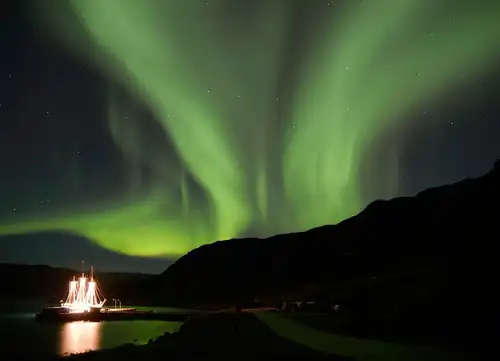
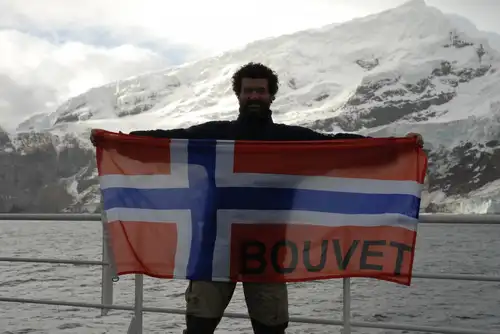
In Roman mythology, Aurora was the goddess of the dawn. The term "borealis" is derived from the Greek word for "wind." Thus, "aurora borealis" translates to "dawn wind," commonly known as the Northern Lights. This natural phenomenon has captivated humanity for millennia and remains a major attraction in the Arctic, with numerous cruises dedicated to witnessing this mesmerizing light display.
Bouvet Island: The Most Remote Island in the World - Nexta Expeditions
Blog

Bouvet Island: The Most Remote Island in the World

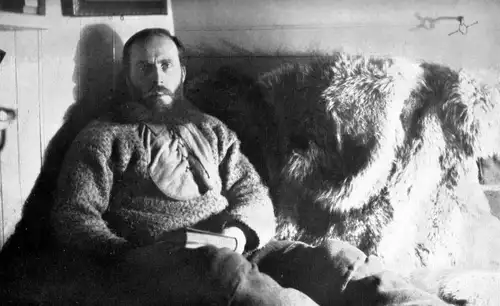
On January 1, 1739, French Commander Jean-Baptiste Charles Bouvet de Lozier made an extraordinary discovery: a volcanic island so remote that it lies 2,600 km (1,600 miles) from the nearest inhabited land.
The disastrous expedition in the Arctic west - Nexta Expeditions

Blog

The disastrous expedition in the Arctic west

In 1902, Otto Sverdrup, captain of the Fram on Nansen’s expedition, led his own Arctic expedition to the north of Canada. Over the period of the expedition, which started in 1898, Sverdrup and his 15-man crew charted over 250,000 square kilometres of the Arctic using the Fram and sledges. During the expedition Ellesmere Island’s west coast was explored and new islands discovered.
The World Is Changing for Greenland's Native Inuit People - Nexta Expeditions
Blog

The World Is Changing for Greenland's Native Inuit People

You may know them as Eskimos, but the people of the Arctic are officially called the Inuit. Historically, they were hunters in the truest sense. For hundreds of years, they survived the world’s harshest conditions, living off their prey of whales, seals, polar bears, musk oxen, birds, fish, and reindeer. This has always been their way of life.
10 Popular Bird Watching Binoculars - Nexta Expeditions
Blog

10 Popular Bird Watching Binoculars

Binoculars are a staple for outdoor enthusiasts, often packed with minimal thought alongside essentials like bug spray, sunblock, and waterproof matches. However, for certain groups, binoculars are indispensable, particularly for bird watchers. If you're part of this technical hobbyist community, here are 10 birding binoculars you should know about.
Seven Facts About Antarctic and Sub-Antarctic Penguins - Nexta Expeditions
Blog

Seven Facts About Antarctic and Sub-Antarctic Penguins

Approximately 50 million years ago, Antarctica was detaching from the vast supercontinent of Gondwana, and penguins were emerging as a distinct species. Initially native to warmer regions, they gradually adapted to the cooling climate of Antarctica as they ventured further south.
A Bug’s Life in Svalbard - Nexta Expeditions
Blog

A Bug’s Life in Svalbard

When you think about Svalbard wildlife, you might imagine reindeer, Arctic foxes, polar bears – the primary animal attractions that draw passengers to an Arctic cruise. But in fact, the Svalbard archipelago is a thriving location for over 1,000 species of terrestrial and freshwater invertebrates: animals that lack backbones. Despite this richness of life, however, these invertebrates are only found in the Isfjord and Kongsfjord areas of these wonderfully diverse islands.
Hot Ice: Breeding Practices of Five Polar Animals - Nexta Expeditions
Blog

Hot Ice: Breeding Practices of Five Polar Animals

Last Valentine's Day we gave you 14 wildlife pictures highlighting the ins, outs, ups, and downs of polar romance. This year we're moving on to something a little more advanced: the nitty-gritty details of polar wildlife breeding rituals.