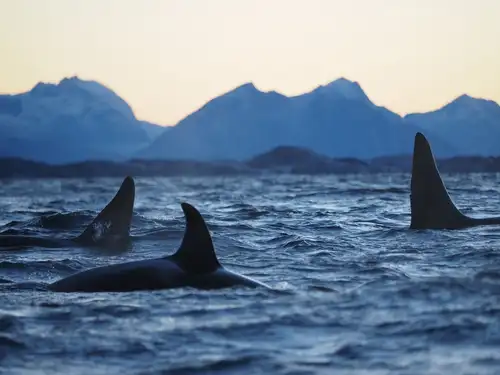


Given how widespread their habitat is, it is little wonder that Arctic foxes are one of the animals we most often see during our Greenland and Svalbard expeditions. The Arctic fox is a circumpolar species whose feeding grounds include North America, Eurasia, even Iceland, ranging from nearly the North Pole all the way down to the sub-Arctic islands.
Whether you find yourself in the Bering Strait, the Gulf of Alaska, or the southern reaches of Hudson Bay, you stand a fair chance of spotting these well-insulated vulpines. Here we’ll cover some of their most distinguishing traits - followed by a fact-filled fox video below!
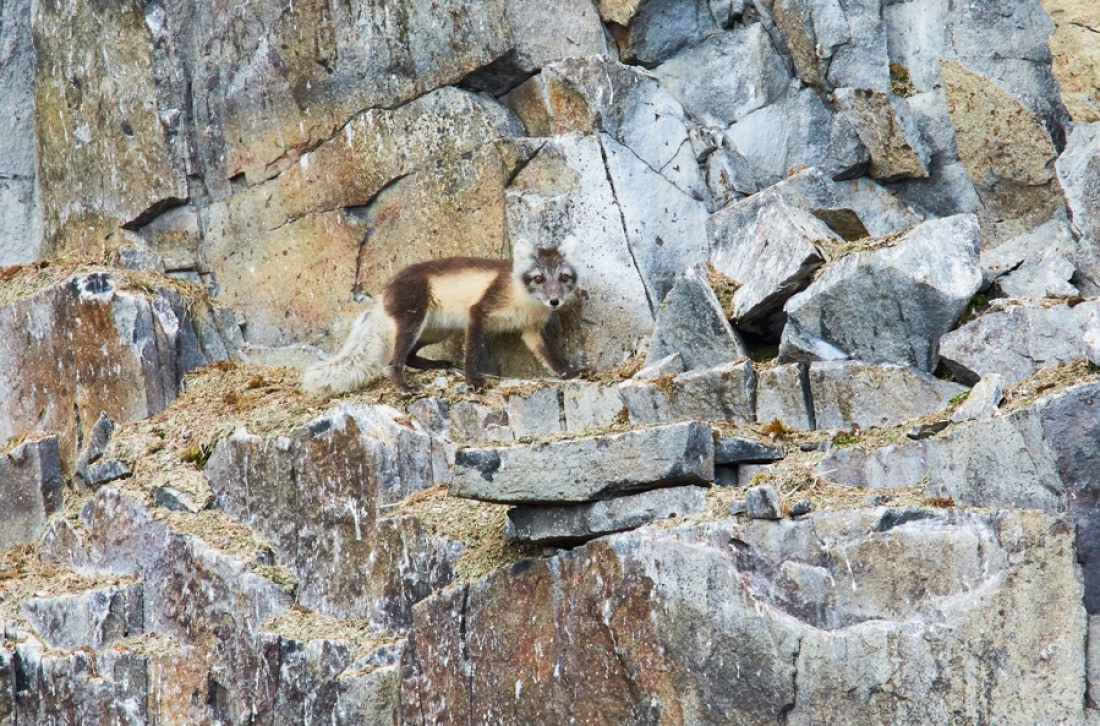
Arctic foxes are small but insulated
Arctic foxes usually grow to be 46 – 68 cm (1.5 – 2.23 feet) long, around 28 cm (11 inches) high at the shoulder, and weigh between 1.4 – 9 kg (3 – 19 pounds). These modest dimensions come in handy in the Arctic, however, reducing the amount of body surface area exposed to the cold.
The dense fur of the Arctic fox is also one of the most insulating coats of any mammal, helping the species survive at temperatures up to -80°C (-112°F). In addition, Arctic foxes have a specially adapted circulation system in their foot pads.
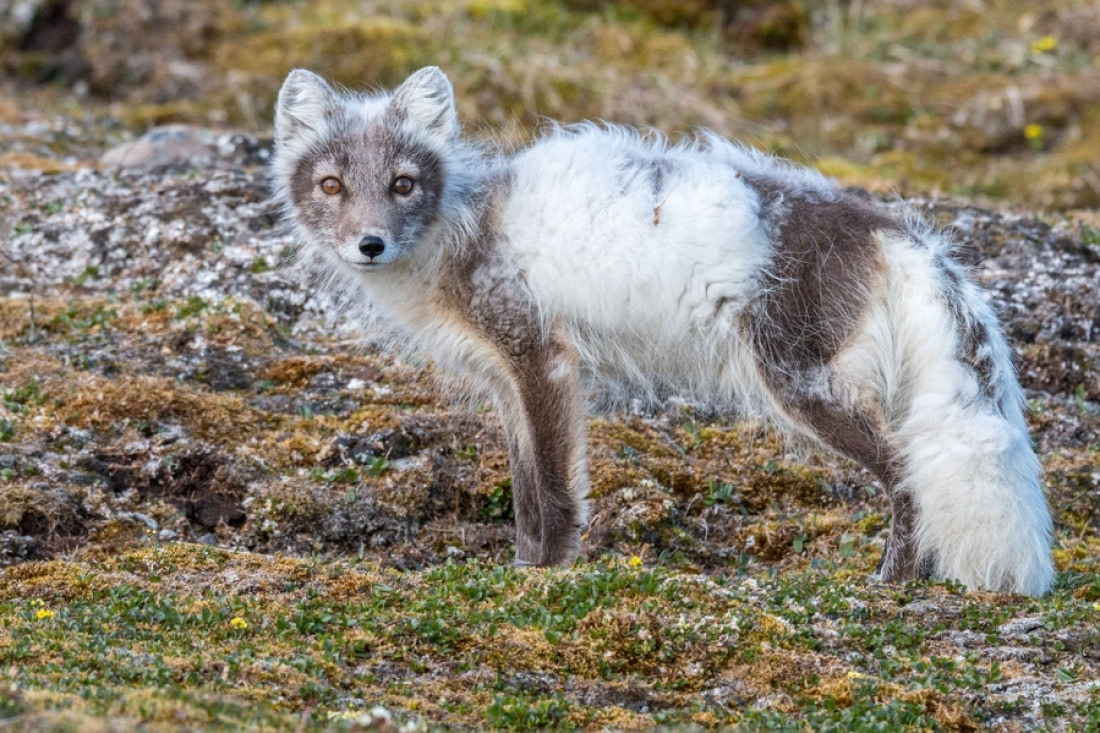
Their fur adapts to their surroundings
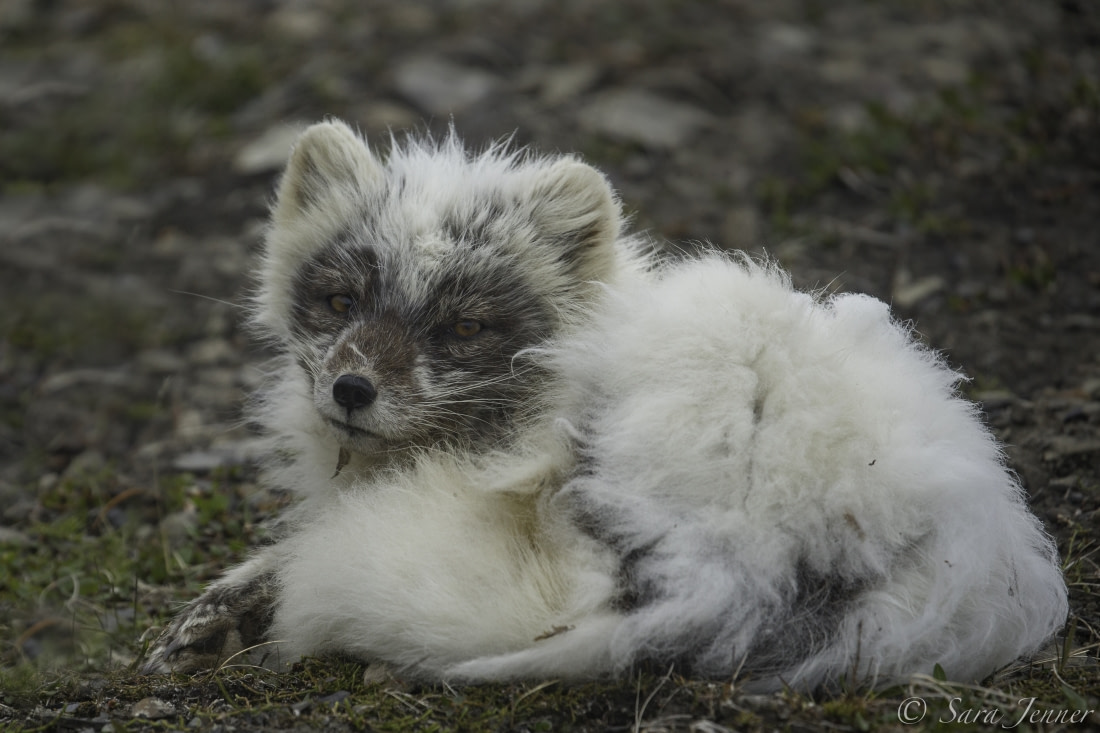
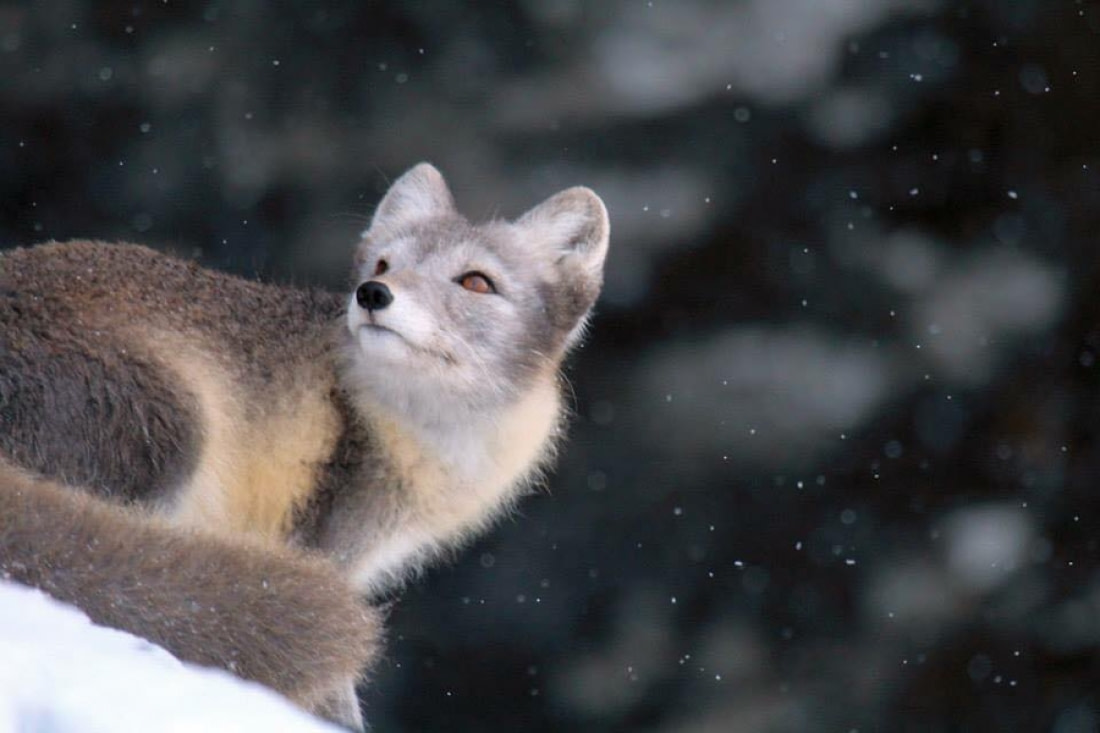
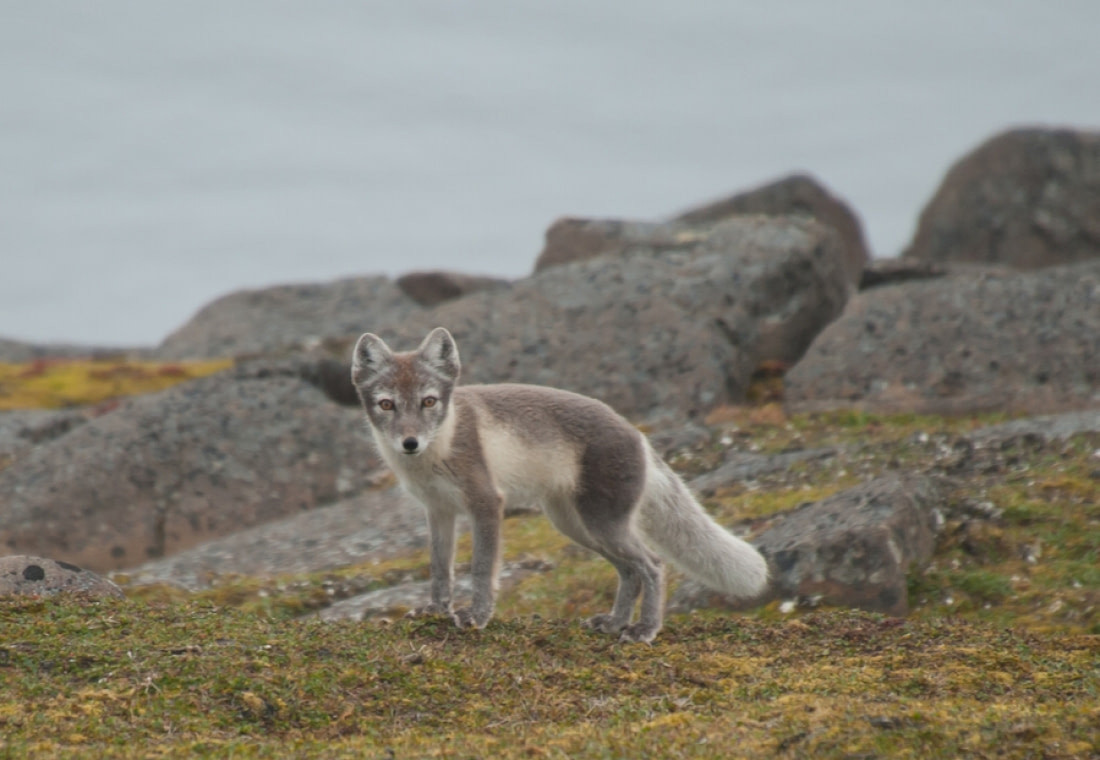
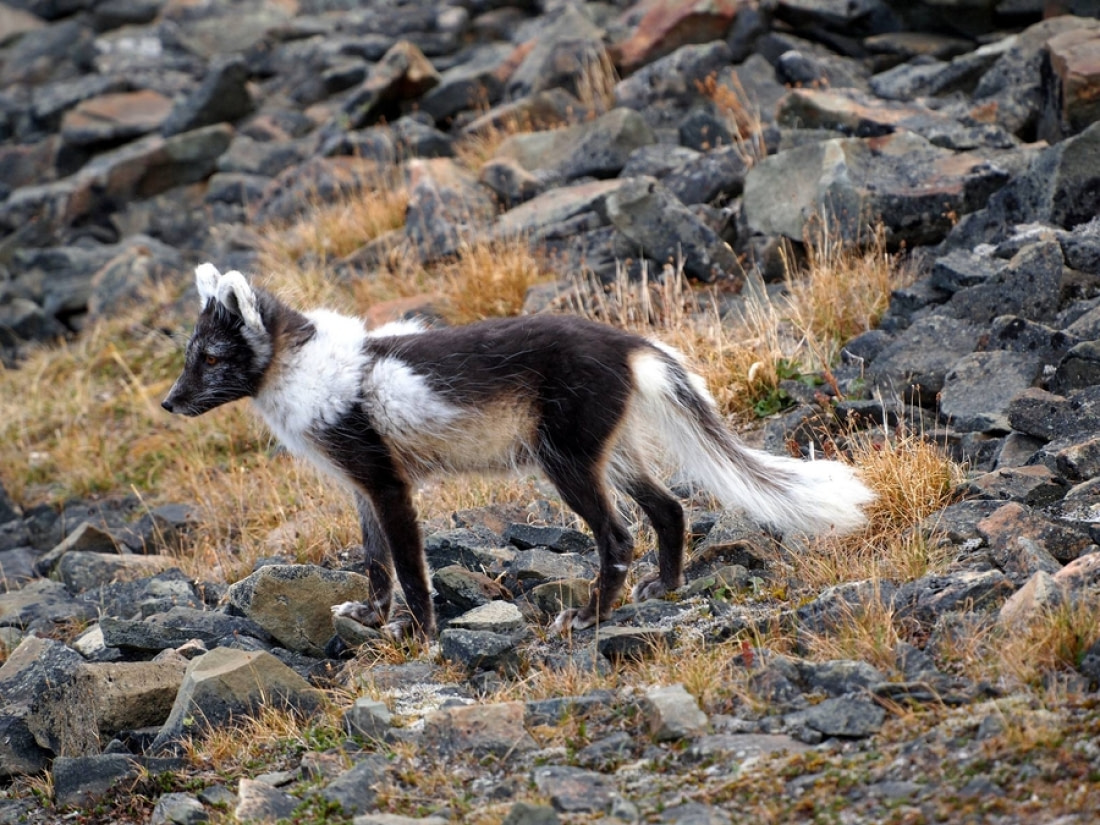
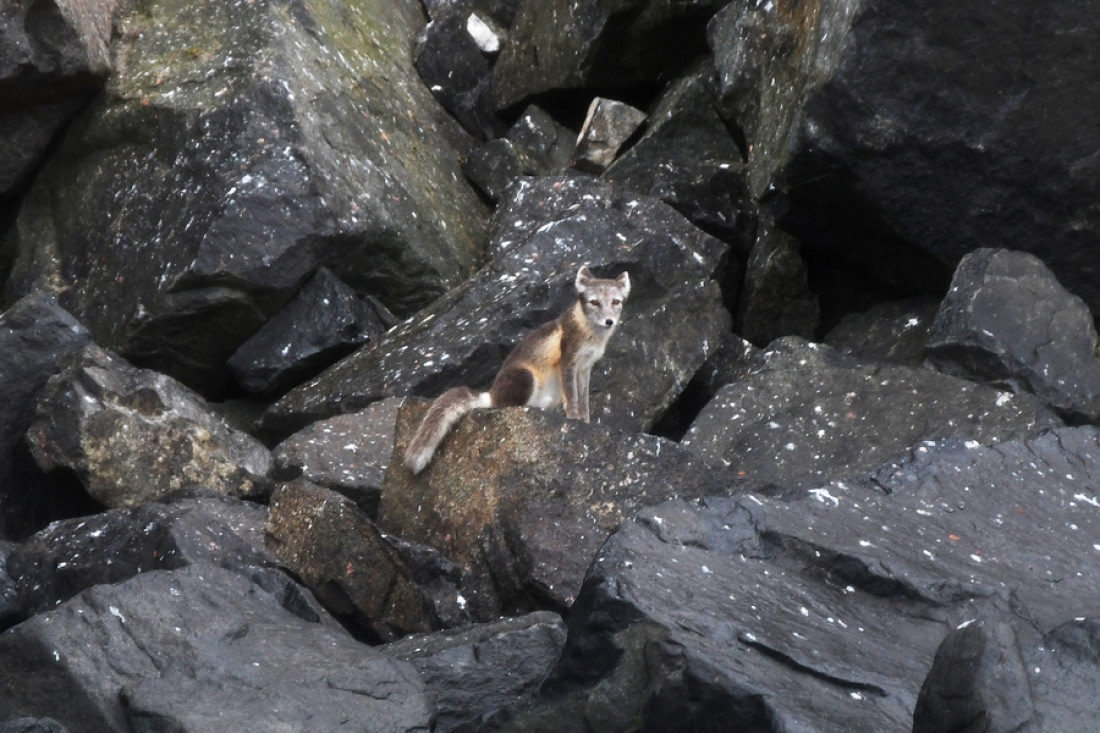
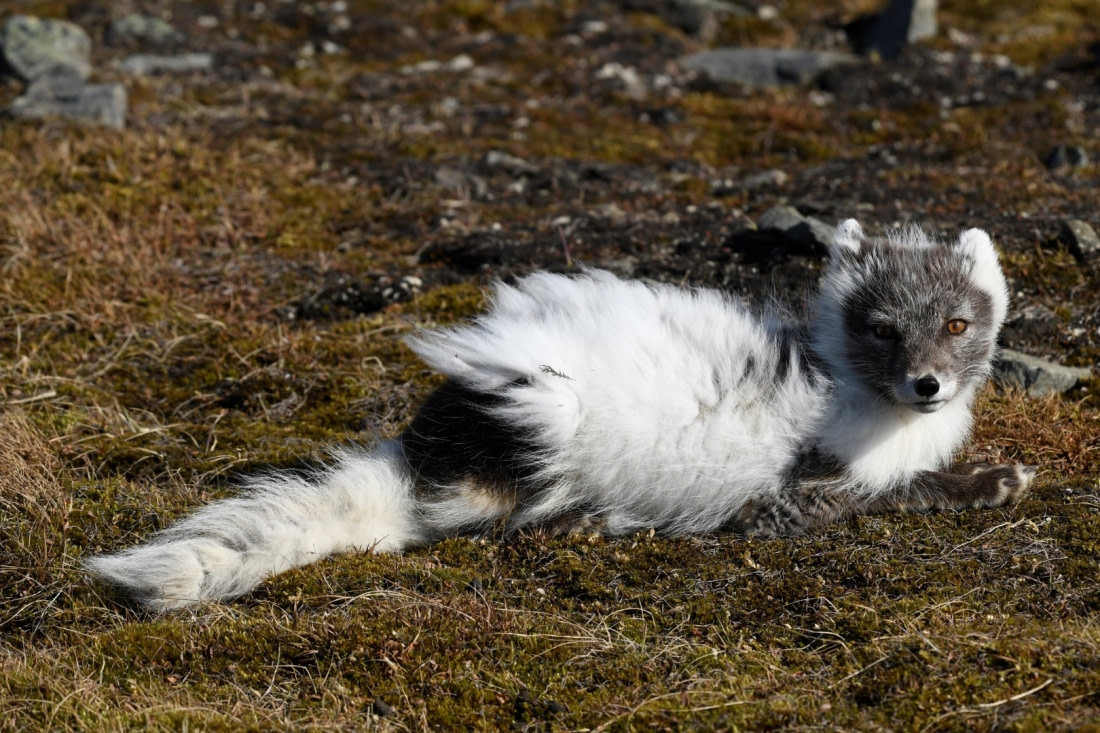
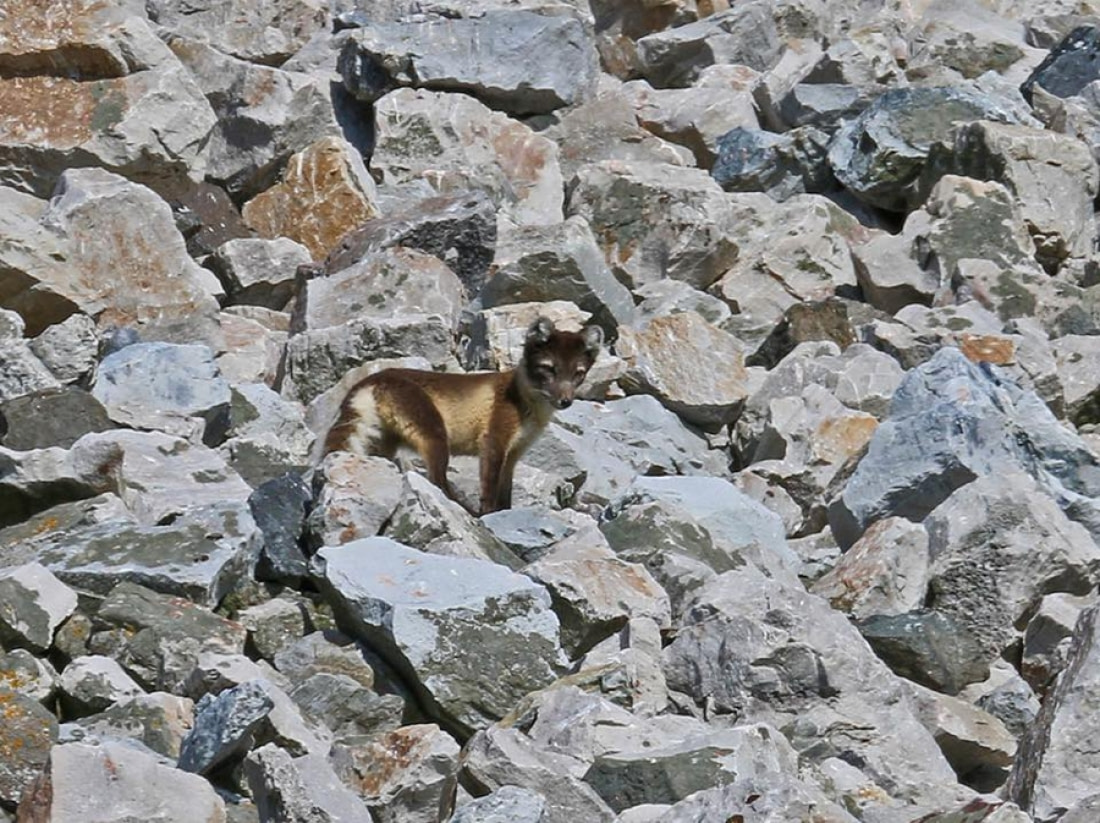
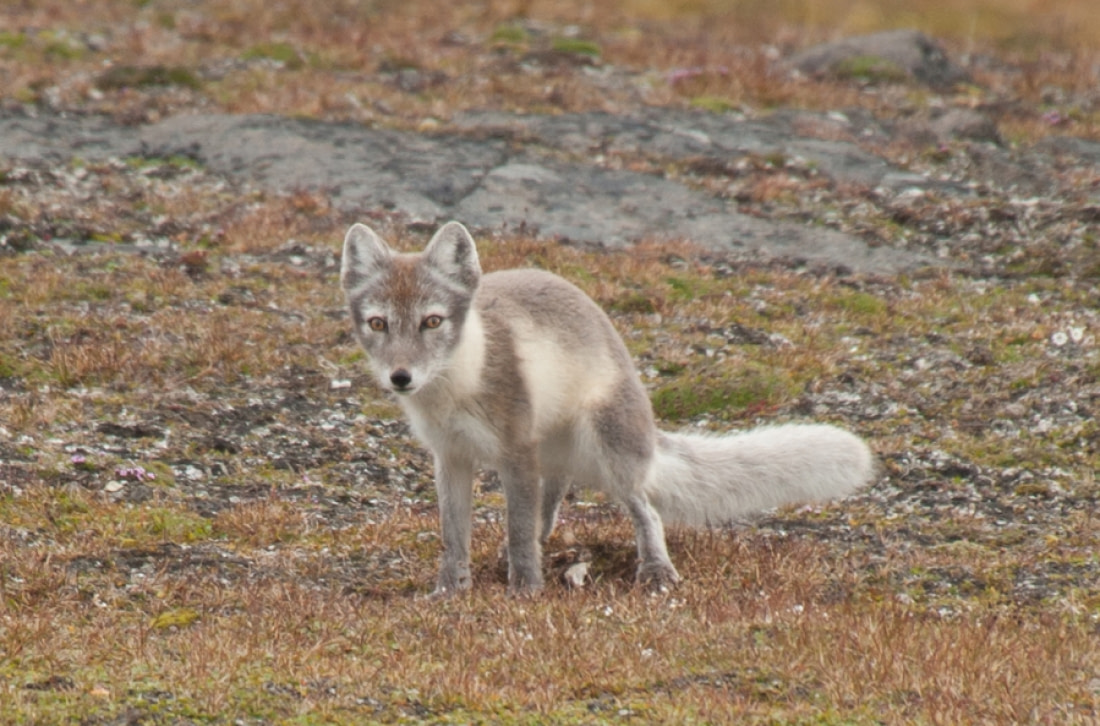
The Arctic fox is not always white. During the summer months, it comes in a variety of colors, from dark gray to brown to bluish brown. During the winter, most Arctic foxes turn white to adapt to the snowy surroundings. Between 1 - 3% are so-called “blue foxes” that have a smoky blue color and remain darker in winter.
Arctic foxes live in tundra regions on the edge of forests in summer, and their fur provides good camouflage. In the winter, Arctic foxes are commonly found on ice floes, where their white fur helps them hide even in plain sight. Svalbard has a higher population of blue foxes than other Arctic areas.
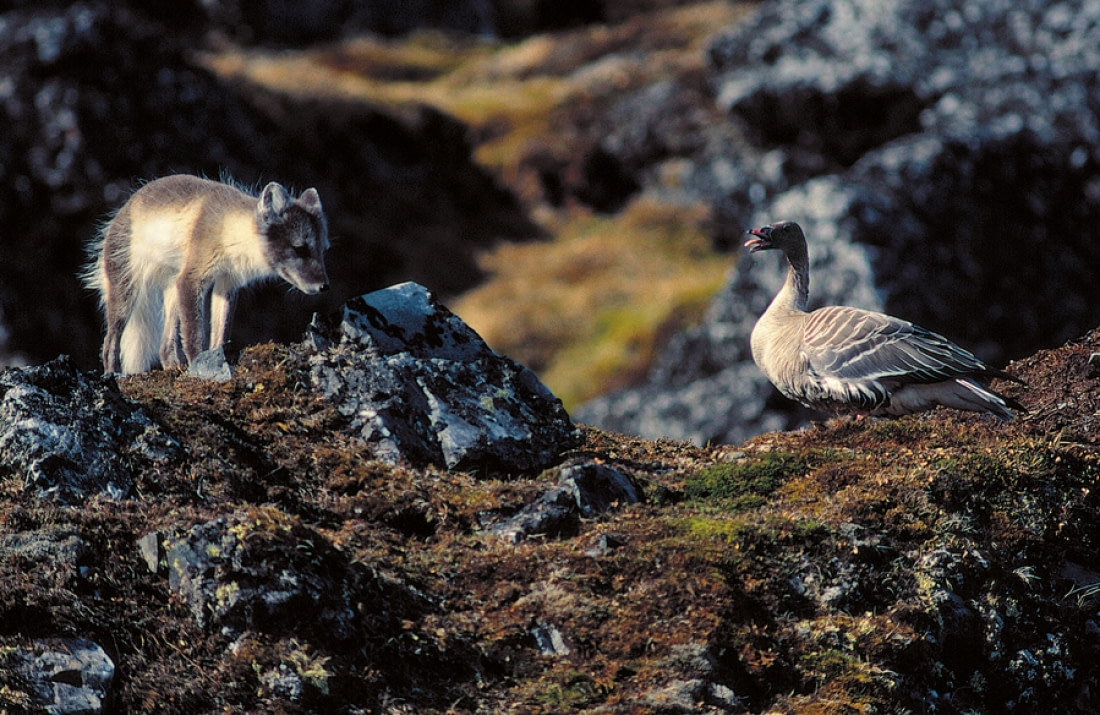
Arctic foxes have a nomadic lifestyle
The Arctic fox is a nomadic species, moving from one place to another to look for food. As it is also able to swim, the Arctic fox is known for its far-ranging distances, which exceed any other mammal except humans.
During the seasonal movements over the autumn and winter period, there have been instances of Arctic foxes traveling over 800 km (500 miles) from the shoreline and totaling 4,500 km (2,800 miles) over a single winter.
Surviving the winter is an Arctic fox talent
To survive through the winter with minimal supplies of food, Arctic foxes store body fat. During the summer and autumn, they eat as much as they can, building up a layer of fat that acts as an insulator and food reserve during the cold, lean winter months.
Additionally, Arctic foxes store food by burying it for later use. Sometimes these hidden supplies cannot be relied on, however, as winter storms may cover them up. When storms are at their worst, Arctic foxes hide in their sheltered dens and might go without food for several weeks.
Arctic fox dens are as safe as houses
The Arctic fox breeds between February and April, with births taking place between April and July following a gestation period of 52 – 54 days. How many cubs are born is dependent on food availability, though 5 – 10 cubs are produced on average. When food is abundant, as many as 19 cubs may be born.
Young Arctic foxes are brought up inside complex dens that provide shelter and protection from predators. Some dens are centuries old, used by generation after generation of Arctic foxes. Over time, these dens become larger, and some have been found with over 150 entrances.
Shared parenting is popular among Arctic foxes
Both Arctic fox parents contribute to the raising of the young. The female provides milk for the first three weeks and very seldom leaves the den. During this time, the male brings back food. Once the cubs start eating, the female also goes out hunting. When both parents head out, there is often a female babysitter that looks after the cubs.
The second female never breeds with the male but is only there to help care for the young. Usually the babysitter comes from the offspring from the previous year. After 8 – 10 weeks, the cubs become independent, reaching full maturity at 10 months.
They establish territories with their mates
Arctic foxes are monogamous, with each pair establishing a territory that they use for several years. In Svalbard, the size of Arctic fox territory can vary widely between 3 - 60 square km (1 - 23 square miles). The territory size is dependent on the location of Arctic fox dens, as foxes that den on the coast have a smaller territory than those found inland.
Arctic foxes have an open appetite
The Arctic fox eats what it can find, including lemmings, ground squirrels, insects, seabirds, eggs, fish, and berries. It even hunts live ringed seal pups in their chambers below the snow. Over the winter when food is scarce, Arctic foxes often follow polar bears and wolves, waiting to snack on their leftovers.
When times are really tough, they may even resort to eating the feces of other animals. Arctic foxes can also reduce their metabolic rate by half while still remaining active, conserving energy while they search for food.
Differing DNA signatures indicate mass migrations
Scientists have analyzed DNA samples from the ancient remains of Icelandic Arctic foxes dating from the 9th to the 12th century and compared them to DNA from modern Arctic foxes. They found that the ancient Arctic foxes shared a single genetic signature, while the modern population possesses five unique signatures.
The scientists reasoned that this explosion in genetic diversity is due to Arctic foxes migrating across the sea ice during the Little Ice Age. Even today, Arctic foxes routinely travel far distances across sea ice.
Arctic foxes are habitual gardeners
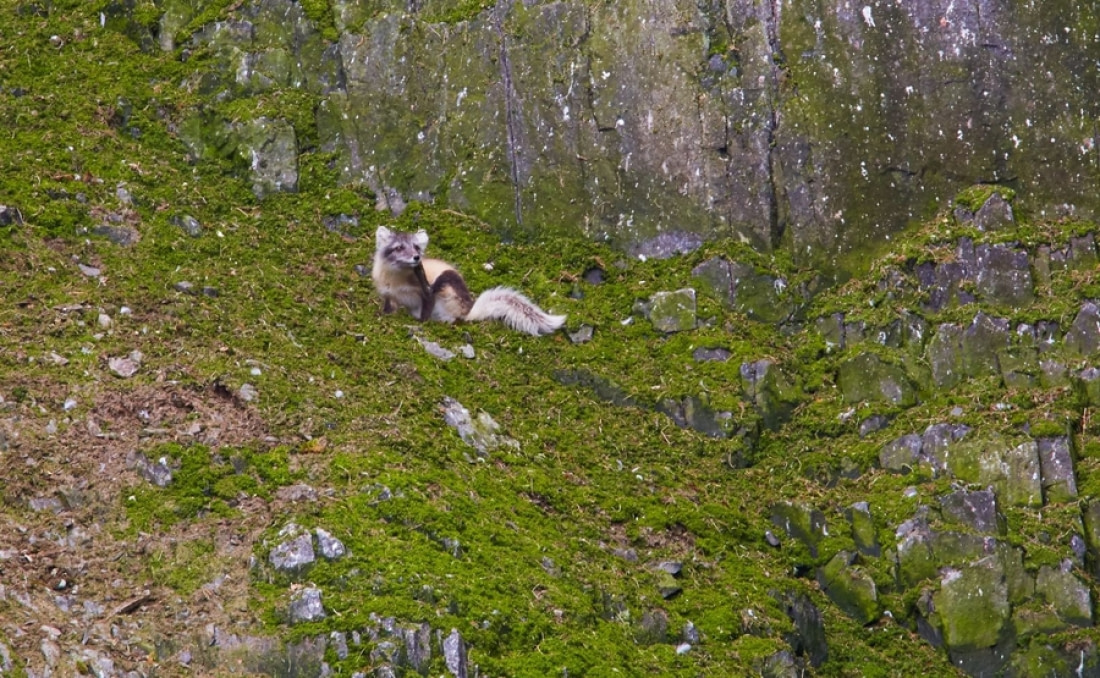
On top of being naturally photogenic, Arctic foxes are great for local vegetation. By depositing nutrients in and around their dens through urination, defecation, and leftovers from previous kills, they have been known to grant these areas 70% more inorganic nitrogen and nearly 2000% more extractable phosphorous than surrounding sites.
In August, Arctic fox dens can support nearly three times as much vegetation biomass as normal. The result is rich tundra around their dens, providing extra plant diversity for other herbivores who are attracted to lush vegetation.
Four follow-up facts about the Arctic fox
1. Researchers do not know how long Arctic foxes have lived in Svalbard, but they probably arrived over the last 10,000 years, after the last ice age.
2. Though the Arctic fox usually hunts alone, it is a social animal - unlike other species of fox that are always alone unless with a mate or offspring.
3. Arctic foxes can recognise each other from their scent, and female offspring often come back to visit their mothers later in life.
4. The territories Arctic fox mates establish often overlap with those of other fox couples.
Still eager for more fox fun? Don't miss our Arctic fox facts video
You've made it to the end of the article. You deserve some leisure time. Put your feet up and enjoy our video, where we'll show you Arctic fox sightings we've had on our voyages. Consider it preparation for when you're seeing them with us!
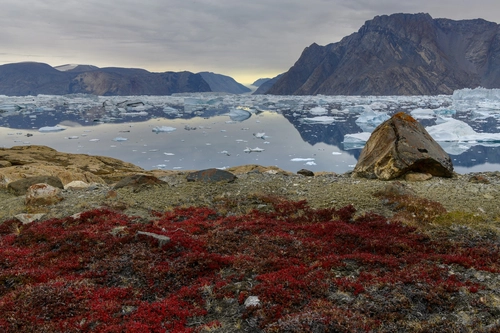
 12 Aug - 31 Aug 2026
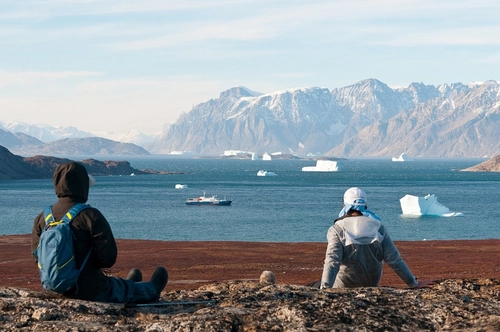 15 Aug - 28 Aug 2026
 16 Aug - 25 Aug 2026
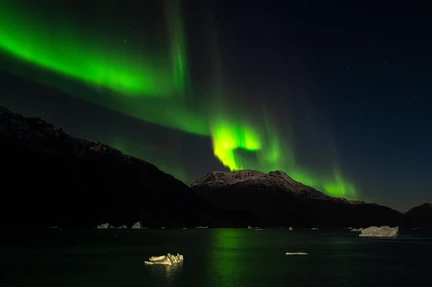 25 Aug - 07 Sep 2026
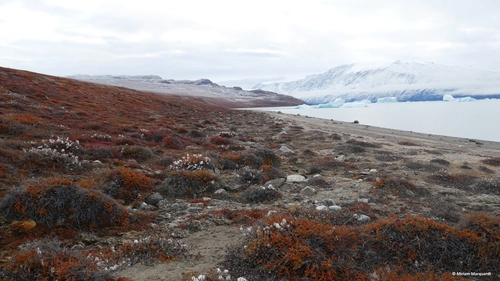 21 Sep - 01 Oct 2026
Related Trips
Spitsbergen - Northeast Greenland, Fly & Sail
12 Aug 2026 - 31 Aug 2026  20 Days / 19 Nights
Northeast Greenland Extreme
15 Aug 2026 - 28 Aug 2026 14 Days / 13 Nights
East Greenland, Scoresby Sund, Including Long Hikes
16 Aug 2026 - 25 Aug 2026 10 Days / 9 Nights
Northeast Greenland Extreme
25 Aug 2026 - 07 Sep 2026 14 Days / 13 Nights
East Greenland, Scoresby Sund - Aurora Borealis, Fly & Sail
21 Sep 2026 - 01 Oct 2026 11 Days / 10 Nights
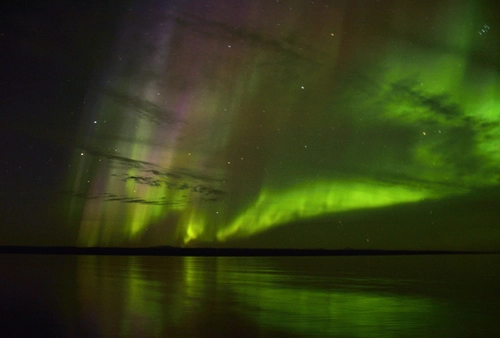
East Greenland, Scoresby Sund - Iceland , Aurora Borealis, Fly & Sail
01 Oct 2026 - 12 Oct 2026 12 Days / 11 Nights

Blog


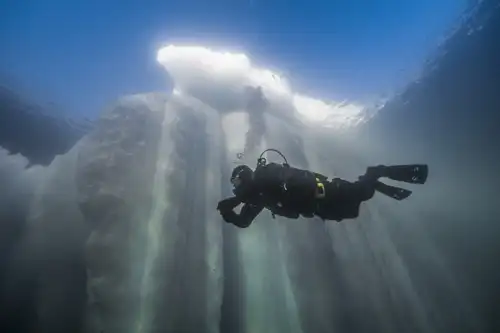
Why a Polar Diving Cruise Should be Your Next Great Decision
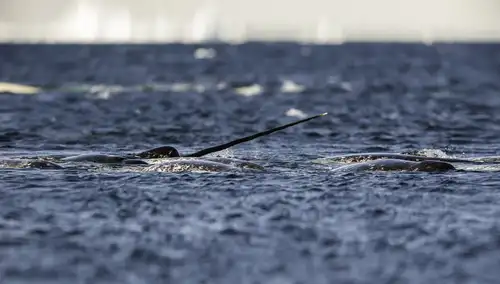
Narwhals: the Aquatic Unicorns of the Arctic
Graham Land: A landscape dominated by volcanoes
The secrets of Antarctic seals revealed
Svalbard’s 12 Most Iconic Animals

Cheapest Antarctica Cruises: How to Save on Your Journey
Five Reasons to Love St. Helena
Polar Bear Sets Impressive New Diving Record
The Norse Settlement of Greenland
Flowers in Antarctica
Book Recommendations for Your Polar Cruise
Franz Josef Land Sites, Species, and Experiences
A Bug’s Life in Svalbard
Why You Should Visit Greenland: 11 Things to See, Do, and Explore
Shackleton’s Long-Lost Endurance Discovered in Antarctica
10 Bountiful Blue Whale Facts
The Arctic Borderland of Kongsfjorden, Svalbard
10 Tips for Photographing the Northern Lights
The Enchanting Islands of Svalbard