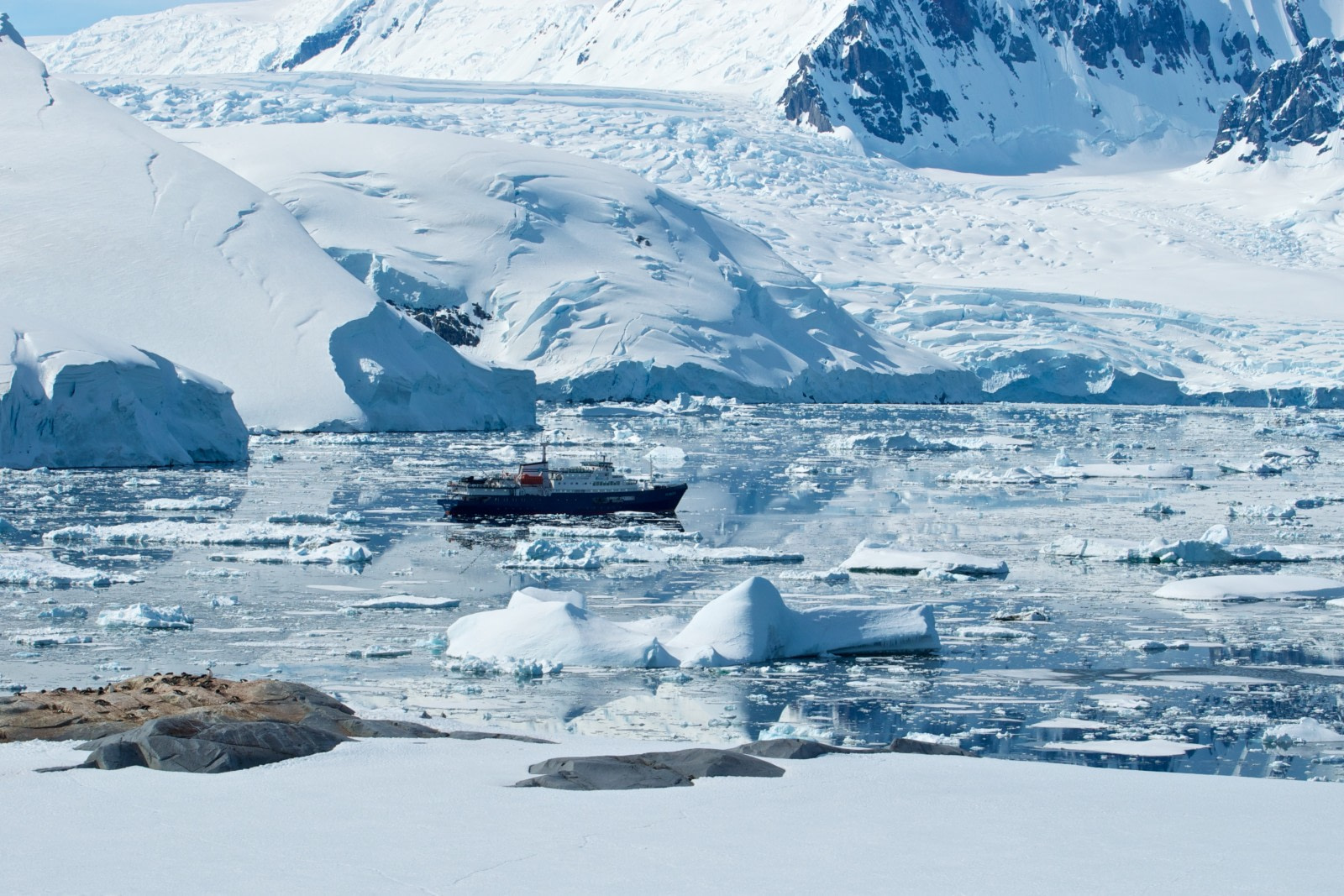
10 Books And Films To Prepare For Your Antarctica Cruise - Nexta Expeditions
10 Books and Films To Prepare for your Antarctica cruise

10 Books and Films To Prepare for your Antarctica cruise

Exploring the Wonders of the Deep Sea

The deep sea remains one of the most mysterious and least explored regions on our planet. With its vast, dark expanses and unique ecosystems, it continues to captivate scientists and adventurers alike.

Unveiling the Mysteries

Recent advancements in technology have allowed researchers to delve deeper into the ocean than ever before. Submersibles and remotely operated vehicles (ROVs) are now capable of reaching depths that were previously inaccessible, providing us with unprecedented views of the deep sea's wonders.

Unique Marine Life

The deep sea is home to a plethora of unique and often bizarre marine creatures. From bioluminescent jellyfish to the elusive giant squid, the diversity of life in these dark waters is truly astounding. These organisms have adapted to the extreme conditions of their environment, showcasing the incredible resilience of life.

Challenges of Deep-Sea Exploration

Exploring the deep sea is not without its challenges. The immense pressure, frigid temperatures, and complete darkness make it a hostile environment for both humans and machines. Despite these obstacles, the pursuit of knowledge drives scientists to continue their exploration efforts.

Technological Innovations

Innovations in underwater technology have been crucial in advancing our understanding of the deep sea. High-definition cameras, advanced sonar systems, and improved submersible designs have all contributed to the success of recent expeditions. These tools allow researchers to capture stunning images and gather valuable data from the ocean's depths.

Conservation Efforts

As we learn more about the deep sea, the importance of conserving these fragile ecosystems becomes increasingly clear. Human activities, such as deep-sea mining and pollution, pose significant threats to these environments. Efforts to protect and preserve the deep sea are essential to ensure the survival of its unique inhabitants.

Future Prospects

The future of deep-sea exploration holds great promise. With continued advancements in technology and a growing commitment to conservation, we can look forward to uncovering even more of the ocean's secrets. The deep sea remains a frontier of discovery, offering endless opportunities for scientific research and adventure.

For more information on deep-sea exploration, visit our website.

Blog
go-leftgo-right

A visit to the fascinating island of Jan Mayen - Nexta Expeditions
Blog

A visit to the fascinating island of Jan Mayen

After exploring the remote island of Fair Isle, our Atlantic Odyssey voyage once more turned its attentions northwards and left the outer extremities of the UK behind. Our destination was Jan Mayen, a volcanic island situated on the mid-Atlantic ridge just north of 71° (about 550 kilometers north of Iceland and 450 kilometers east of Greenland).
All About Ice: Glaciers and Icebergs of the Arctic and Antarctica - Nexta Expeditions
Blog

All About Ice: Glaciers and Icebergs of the Arctic and Antarctica

After exploring the remote island of Fair Isle, our Atlantic Odyssey voyage once more turned its attentions northwards and left the outer extremities of the UK behind. Our destination was Jan Mayen, a volcanic island situated on the mid-Atlantic ridge just north of 71° (about 550 kilometers north of Iceland and 450 kilometers east of Greenland).
Weddell Sea: the Original Antarctic Adventure - Nexta Expeditions

Blog

Weddell Sea: the Original Antarctic Adventure

According to historian Thomas R. Henry, visiting the Weddell Sea requires a brave heart. In his 1950 book, "The White Continent," he described sudden “flash freezes” that occur in the region. It was one of these flash freezes that trapped Ernest Shackleton’s ship, Endurance, in January 1915, forcing his crew to endure over a year in the harsh environment before they could escape.
15 Fantastic Photos of Antarctica - Nexta Expeditions
Blog

15 Fantastic Photos of Antarctica

It is often said that it's impossible to take a bad picture in Antarctica.
Port Lockroy: History, Post Office, and Resident Penguins - Nexta Expeditions
Blog

Port Lockroy: History, Post Office, and Resident Penguins

Sometimes it’s easy to get caught up in the stunning coastlines, fjords, and other natural wonders of Antarctica, overlooking the man-made attractions nestled in between.
Scenes from St. Andrews Bay:  12 Pics of Penguins, Seals, and More - Nexta Expeditions
Blog

Scenes from St. Andrews Bay: 12 Pics of Penguins, Seals, and More

If you ever find yourself exploring the breathtaking sub-Antarctic island chain of South Georgia, one of the most captivating spots you'll encounter is the picturesque shoreline of St. Andrews Bay.
Arctic Icon: 10 Facts about the Polar Bear - Nexta Expeditions

Blog

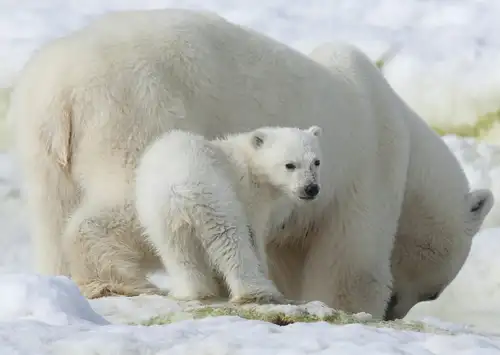
Arctic Icon: 10 Facts about the Polar Bear

Polar bears are to the Arctic what penguins are to Antarctica.
Seizing the Season: Spitsbergen’s Late Spring, Early Summer - Nexta Expeditions
Blog

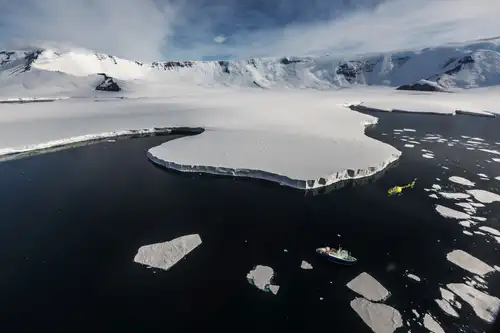
Seizing the Season: Spitsbergen’s Late Spring, Early Summer

Most Arctic expedition cruises can be categorized into two main types: those that operate during the autumn and winter, focusing on the northern lights, and those that sail during the high season (mid to late summer), concentrating on a broader range of experiences.
Taking a polar expedition cruise delivers no shortage of show-stopping highlights, but one of the most exhilarating is lifting off from the ship in a helicopter and taking flight over the incomparable Antarctic wilderness. - Nexta Expeditions
Blog

Taking a polar expedition cruise delivers no shortage of show-stopping highlights, but one of the most exhilarating is lifting off from the ship in a helicopter and taking flight over the incomparable Antarctic wilderness.
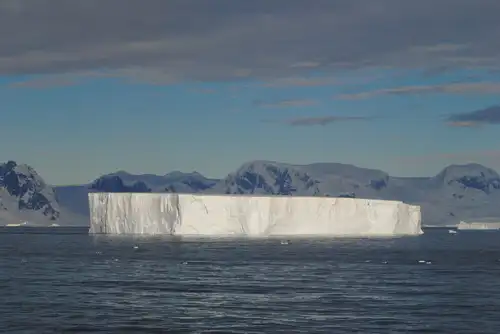
Embarking on a polar expedition cruise offers a plethora of breathtaking experiences, but one of the most thrilling is taking off from the ship in a helicopter and soaring over the stunning Antarctic wilderness.
What the ice reveals about Antarctica - Nexta Expeditions
Blog

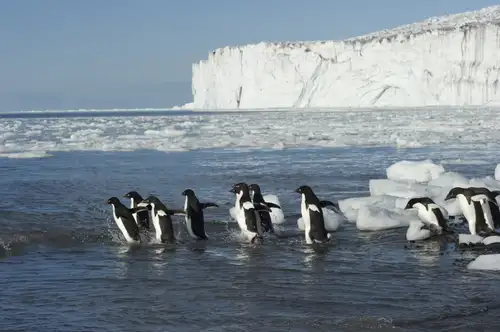
What the ice reveals about Antarctica

The continent you'll explore during your Antarctica cruise is far more than just an ice-covered land with penguins, whales, and seals. Beneath the thick ice lie hidden freshwater lakes teeming with thousands of microbes, hinting at a diverse array of life. In 2013, a team of researchers obtained the first uncontaminated water sample ever retrieved directly from an Antarctic lake.
The bio-richness of the Ross Sea - Nexta Expeditions
Blog

The bio-richness of the Ross Sea

The Ross Sea is one of the most stunning and untouched marine areas globally. This sea, which remains frozen for most of the year, spans 3.6 million square kilometers (1.4 million square miles) along the Antarctic coast south of New Zealand. Its waters harbor a biologically diverse ecosystem of species that have flourished, unchanged, for millennia.
11 South Orkney Animals: Whales, Seabirds, and Penguins Aplenty - Nexta Expeditions
Blog

11 South Orkney Animals: Whales, Seabirds, and Penguins Aplenty

The South Orkney Islands are often overlooked as a destination for Antarctic travel.
The Small but Social Commerson’s Dolphin - Nexta Expeditions

Blog

The Small but Social Commerson’s Dolphin

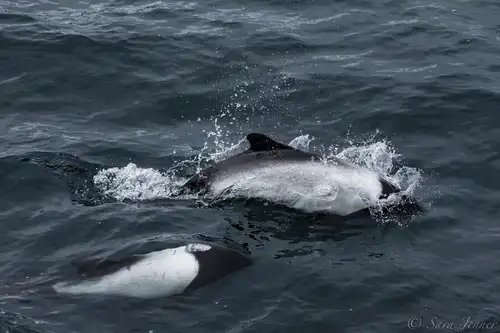
Despite being one of the lesser-known Antarctic cetaceans, Commerson's dolphins are quite social and have been given various names over the years, including Piebald dolphins, skunk dolphins, and panda dolphins. These names have been in use since their discovery in 1767 by French naturalist Philibert Commerson.
Top 10 Tips for Packing Your Polar Photography Equipment - Nexta Expeditions
Blog

Top 10 Tips for Packing Your Polar Photography Equipment

One of the most common questions I get asked before a cruise is, “What photography equipment should I bring?” It’s a broad question, and answers vary based on the individual. There are, however, a few key pointers that apply to almost everyone.
Greenlandic Inuit Beliefs - Nexta Expeditions
Blog

Greenlandic Inuit Beliefs

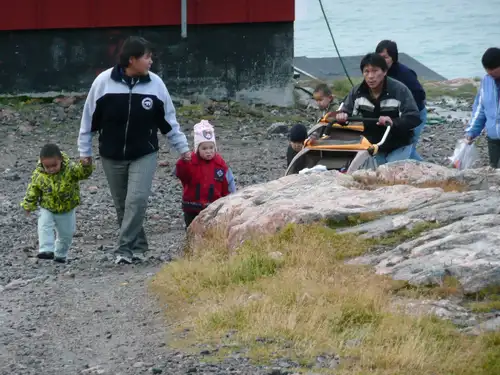
Greenland is the world’s largest island and with the northern tip around 740 kilometres from the North Pole it is the northernmost country on Earth. The island is around 2,670 kilometres long and is about 650 kilometres across at its widest point.
Birding Opportunities Abound in Spitsbergen - Nexta Expeditions
Blog

Birding Opportunities Abound in Spitsbergen

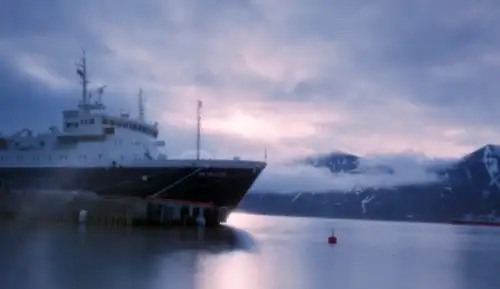
Seabirds are the most prevalent type of bird in Spitsbergen. Experts have estimated that there are 164 bird species that have been found throughout Spitsbergen at various points during recent history, but only 30 of them are known to turn to the Svalbard Islands as their primary breeding spot.
Solargraphy & Pin Hole photography in the Arctic - Nexta Expeditions
Blog

Solargraphy & Pin Hole photography in the Arctic

The Mysteries of the Beluga Whale - Nexta Expeditions
Blog

The Mysteries of the Beluga Whale

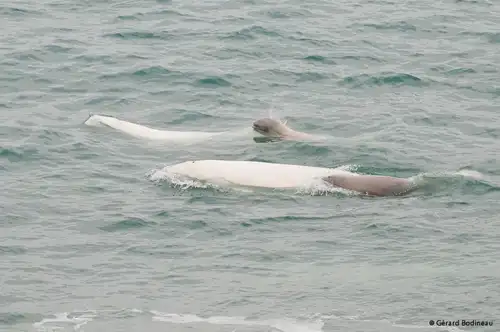
Beluga whales, also known as white whales, sea canaries, and sometimes melonheads, are a rare but cherished sight during Arctic cruises, thanks to their striking appearance. Despite the rarity of beluga sightings, a good amount is known about these friendly-faced cetaceans.
Penguins, Petrels, and Prions: Top Antarctica Bird Tour Spots - Nexta Expeditions
Blog

Penguins, Petrels, and Prions: Top Antarctica Bird Tour Spots

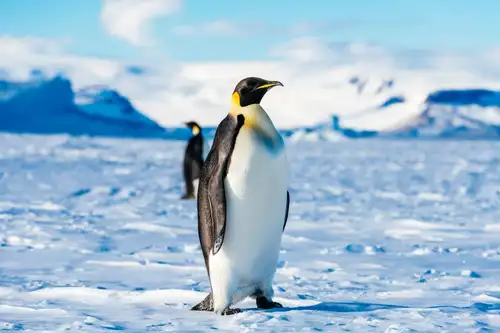
If anyone tells you Antarctica is for the birds, they’re right.
Svalbard’s 12 Most Iconic Animals - Nexta Expeditions
Blog

Svalbard’s 12 Most Iconic Animals

Each of our Arctic regions offers its own distinct and unforgettable features: Greenland boasts mountainous shorelines and record-setting fjords, Northern Norway is renowned for the aurora borealis and historic masted schooners, and Svalbard (especially Spitsbergen) is where you're most likely to encounter a variety of Arctic wildlife.