Antarctica Cities And Five Other Things That Dont Exist There - Nexta Expeditions
Antarctica Cities (and Five Other Things That Don’t Exist There)

Antarctica Cities (and Five Other Things That Don’t Exist There)

Why write about what you won't find in Antarctica? Most travel blogs highlight what a destination offers, but many polar tourists visit Antarctica to experience a new world and escape their old one.

If that resonates with you, you're in luck. This article provides a detailed account of the modern conventions you'll leave behind if you ever embark on a trip to Antarctica. And we sincerely hope you do.
blog-image

1. Antarctica cities

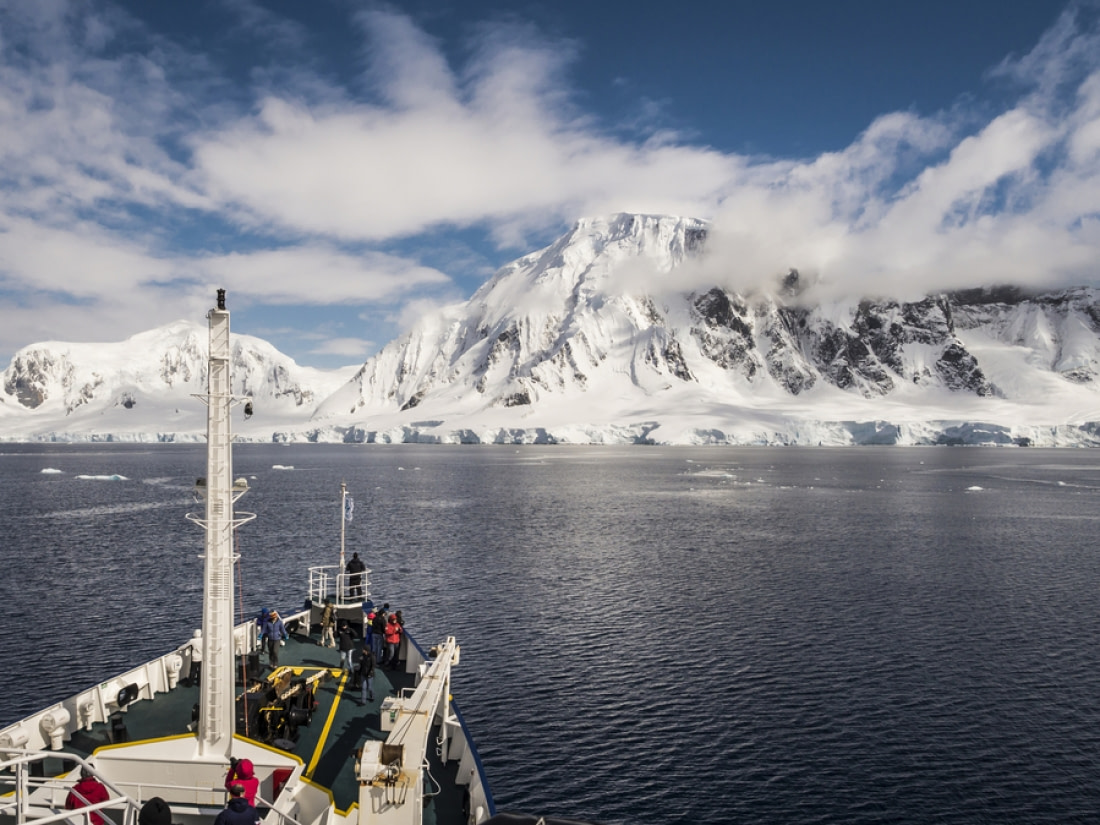
One of the main reasons adventurers seek remote locations is to escape city life. Luckily for polar enthusiasts, Antarctica has no cities—only research stations.

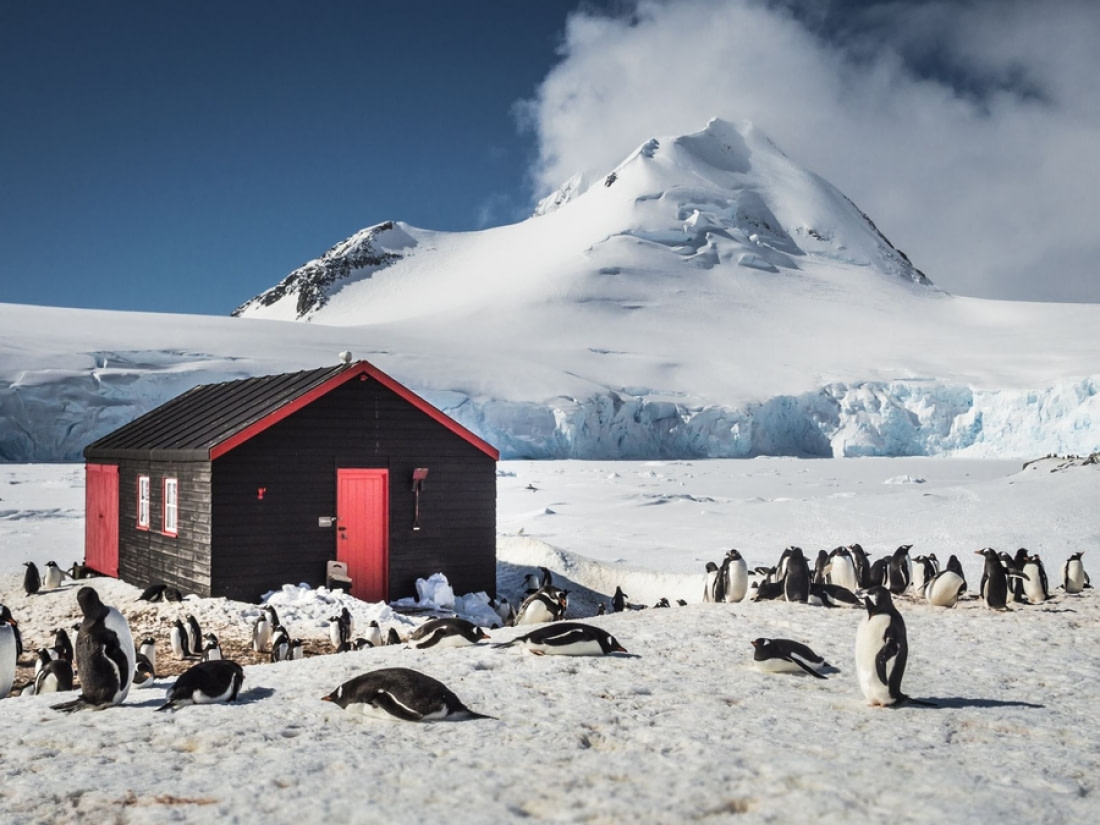
Dozens of research stations, some operational year-round and others seasonal, are managed by around 30 countries. These include Esperanza, McMurdo, Cámara, Neumayer II and III, and Orcadas, among others. These stations host between 1,000 to 4,000 people during winter and summer, respectively.

The countries running these stations are signatories of the Antarctic Treaty, which regulates their activities on the continent. This high-science, low-urban environment means city lovers will find it easier to locate a petri dish than a pizza delivery service in Antarctica.
blog-image

2. The countries of Antarctica

Without cities, there's no need for countries. Antarctica hosts numerous stations managed by various nations, but no single country claims the entire continent. This wasn't always the case.

Over the years, several regions and islands in Antarctica have been claimed by Spanish, British, Norwegian, American, German, Soviet, French, Chilean, and Argentine governments. Efforts to reach an agreement between these governments culminated in the Antarctic Treaty of 1959, aimed at preventing international conflict.

When the treaty took effect in 1961, it established Antarctica as a scientific preserve, free from military activity. A commendable example for the rest of the world.
blog-image

3. Antarctica capital

By "capital," we don't mean money, which works in Antarctica as it does elsewhere (unless you encounter a polar bear, in which case exact change is advisable). We mean an urban capital, which Antarctica, as a geographic rather than political entity, doesn't need.

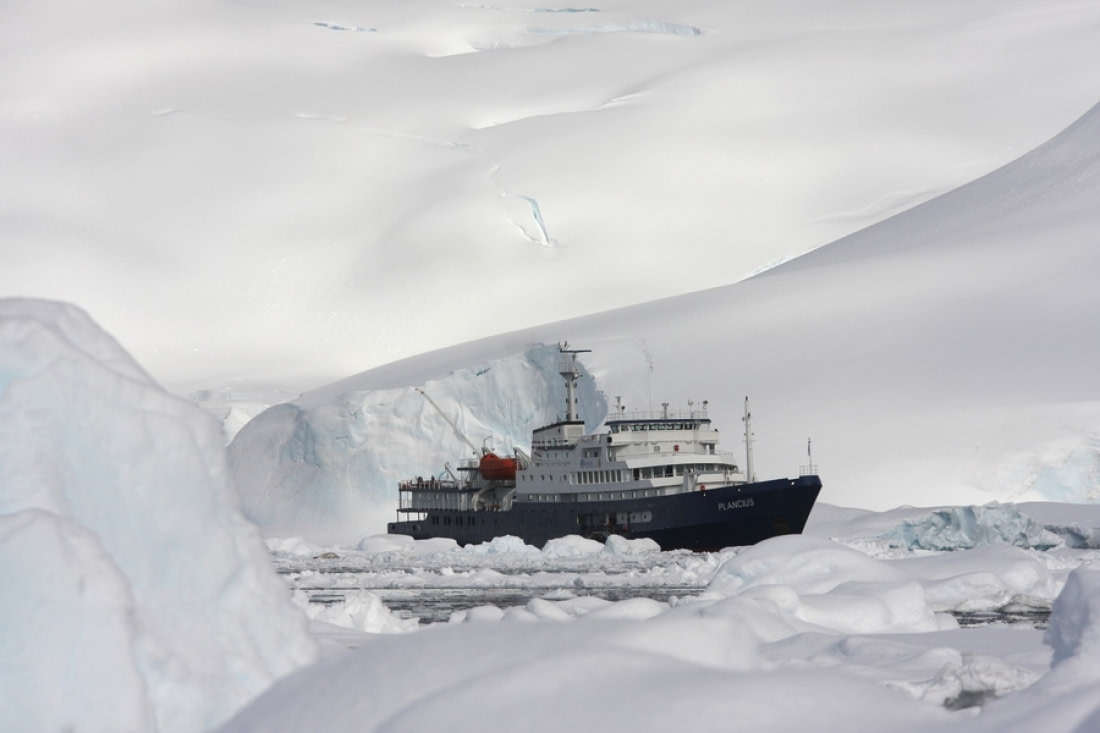
For Antarctic travelers, this means your time in the world's largest polar desert will bring you closer to the planet's most primal elements. In Antarctica, natural boundaries of water, earth, and ice define the landscape.
blog-image

4. An indigenous (human) population

Wild places often have indigenous human populations, but not Antarctica. It wasn't until long after the continent separated from Gondwanaland, breaking off from South America and Australasia, that anything resembling Homo sapiens appeared on Earth.

While you won't experience this aspect of Antarctica tangibly, you can certainly feel it. Camp under the Antarctic stars or listen to the wind over miles of unbroken snow, and you'll sense the difference between Antarctica and anywhere else you've been.

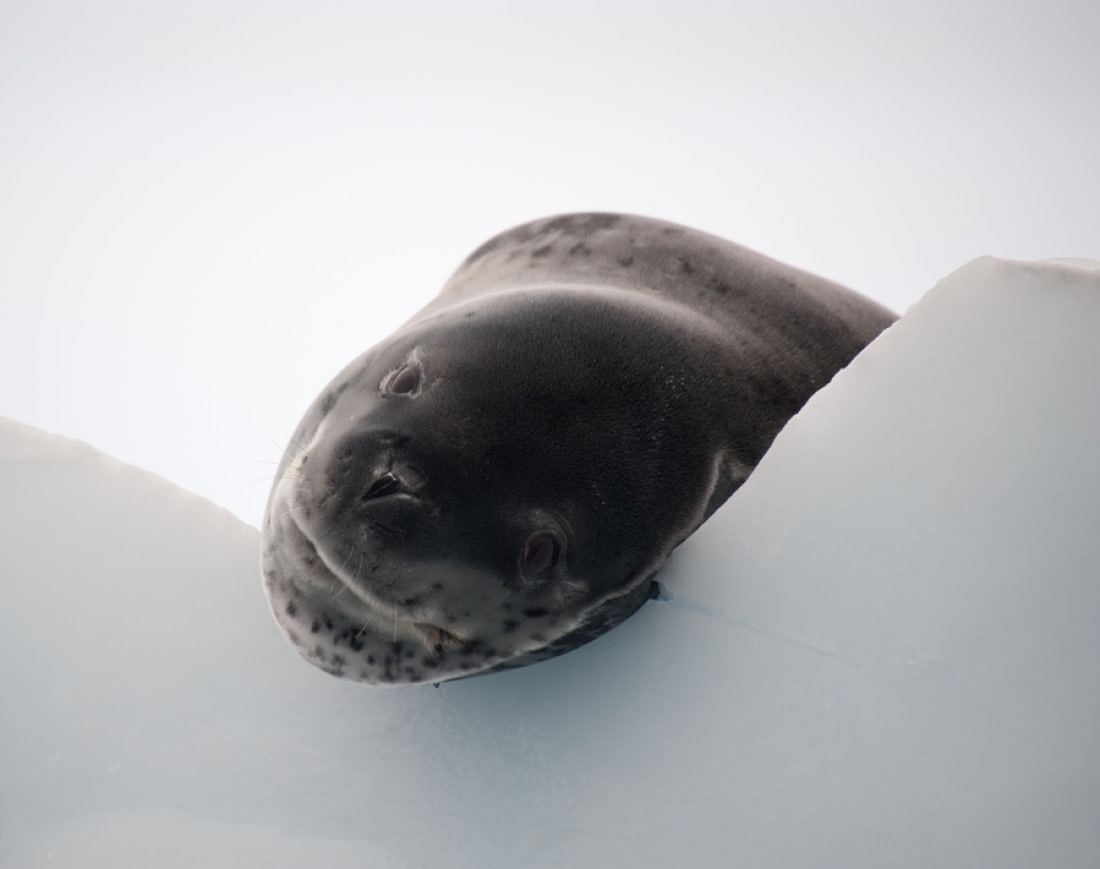
The only indigenous populations in Antarctica have flippers, fins, or wings, and they couldn't care less about data roaming.
blog-image

5. Flights to Antarctica

While commercial flights to Antarctica exist, their rarity justifies their inclusion on this list. Most air traffic involves non-civilian planes and helicopters using airstrips and helipads at various research stations.

These landing facilities are basic, with gravel runways, and planes must be equipped for snow and ice. Most landings occur in summer when conditions are more favorable.

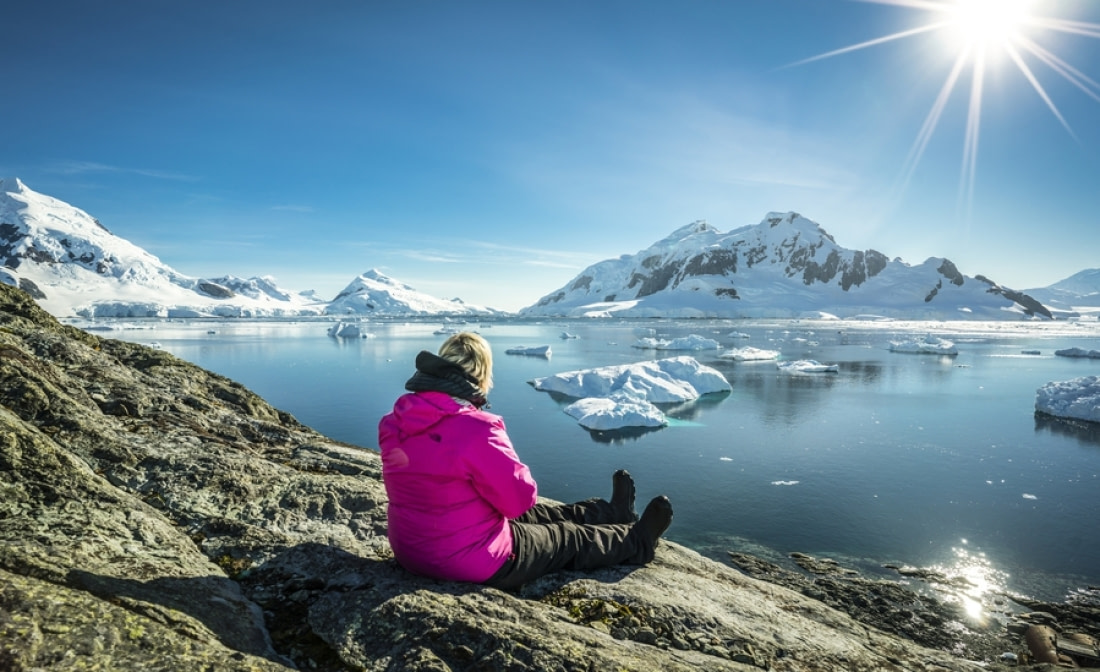
Your best bet for traveling to Antarctica is to fly to Ushuaia, a small tourist town at the southern tip of Argentina, and then continue your journey by ship. Most tour operators offering expeditions to South Georgia, the Falklands, or Antarctica depart from Ushuaia.
blog-image

6. Antarctica news reporting stations

Although there are no news reporting stations in Antarctica, the continent generates significant international news. Its research stations make important scientific discoveries, especially regarding climate change.

Findings such as ice recession rates and glacial calving provide insights into the extent of human-caused versus cyclical temperature changes. Research into Antarctica's ice cores and atmosphere continues to lead climate science.

The scientific work in Antarctica is likely to remain invaluable to our rapidly warming planet.

Blog
go-leftgo-right

Greenland: Where the Kayak Was Invented - Nexta Expeditions
Blog

Greenland: Where the Kayak Was Invented

If you've ever enjoyed kayaking, you owe a debt of gratitude to the ancient Greenlandic Inuit who originally designed them for hunting. The thrilling adventures people now have navigating some of the world's most challenging rapids wouldn't be possible without the Inuit's need for a nimble form of water transportation. While travelers still use kayaks in this region, they are typically not fishing, whaling, or sealing. Consequently, recreational kayaks have been adapted to fit their new role.
17 Reasons to Cruise the Falklands - Nexta Expeditions
Blog

17 Reasons to Cruise the Falklands

Maybe you’ve already marveled at the colossal penguin colonies of South Georgia, sailed among the plunging seals of the Antarctic Peninsula, and watched whales in the Weddell Sea lunge among titanic tabular icebergs.
Orcas of the Polar Seas - Nexta Expeditions
Blog

Orcas of the Polar Seas

The orca, also known as the killer whale, is the apex marine predator and possibly the most widespread vertebrate on the planet. While they are most numerous in colder regions like Antarctica, Norway, and Alaska, they also inhabit tropical and subtropical seas. Here, we’ll explore some essential orca facts you might want to know before encountering them in person, concluding with a fantastic video showcasing our top ten favorite killer whale facts.
Visa to Argentina for Antarctic Expedition Travelers (2025 Guide) - Nexta Expeditions
Blog

Visa to Argentina for Antarctic Expedition Travelers (2025 Guide)

Argentina is the main gateway for travelers heading to Antarctica, with most expedition cruises departing from the southern city of Ushuaia. Whether you’re flying in through Buenos Aires or connecting domestically, knowing Argentina’s visa requirements is critical for a smooth journey before and after your polar adventure.
The Evolving Shipboard Eco-traveler - Nexta Expeditions
Blog

The Evolving Shipboard Eco-traveler

Feeling stuck in the monotony of everyday life? Looking for a change of scenery? Look no further! Most of us spend our lives on solid ground, despite our bodies being composed of 71.5% water. You'd think we'd have a natural inclination to be in or on the water! So why not try something different? Consider an Arctic holiday adventure on the same waters that famous explorers once navigated!
Polar bear encounter in Spitsbergen - Nexta Expeditions
Blog

Polar bear encounter in Spitsbergen

I watch the sea ice from the bridge of a ship in one of the fjords of Spitsbergen, an archipelago north of Norway. I observe a perfectly adapted animal moving on the ice, the results of hundreds of thousands of years of ecological fine-tuning. Snowshoe-sized paws distribute weight, fur handles the cold and sunlight to perfection, and an incredible sense of smell samples this monochromatic realm.
Life in a Penguin Colony - Nexta Expeditions
Blog

Life in a Penguin Colony

Captain Pieter J. Lenie Base, also known as Base Copacabana or simply Copa Base, is situated on King George Island off the western shores of the Antarctic Peninsula. This American research station has been home to scientists studying Adélie, gentoo, and chinstrap penguins for over three decades, aiming to understand how to best conserve these cherished species.
The ozone layer in Antarctica - Nexta Expeditions
Blog

The ozone layer in Antarctica

An ozone molecule is composed of three oxygen atoms rather than the usual two. It exists in the atmosphere in trace amounts. Ozone molecules are created through the interaction of ultraviolet (UV) radiation from the sun with oxygen molecules: When an O2 molecule is split, the two free oxygen atoms bond with other O2 molecules to form O3 molecules.
Arctic Foxes: Constant Gardeners of the Arctic - Nexta Expeditions
Blog

Arctic Foxes: Constant Gardeners of the Arctic

Given how widespread their habitat is, it is little wonder that Arctic foxes are one of the animals we most often see during our Greenland and Svalbard expeditions. The Arctic fox is a circumpolar species whose feeding grounds include North America, Eurasia, even Iceland, ranging from nearly the North Pole all the way down to the sub-Arctic islands.
Seven Tips to Get the Most out of Your Expedition Cruise - Nexta Expeditions

Blog

Seven Tips to Get the Most out of Your Expedition Cruise

Polar cruises are easy to enjoy, but there’s an art to getting the most out of them.
Arctic Mythology: Inuit, Saami, and the Ancient Greeks - Nexta Expeditions
Blog

Arctic Mythology: Inuit, Saami, and the Ancient Greeks

The Arctic locations we visit aren’t merely made up of phenomenal landscapes, exotic wildlife, and more adventure than a Hardy Boys novel.
Danger Beneath the Water: 10 Facts About Leopard Seals - Nexta Expeditions
Blog

Danger Beneath the Water: 10 Facts About Leopard Seals

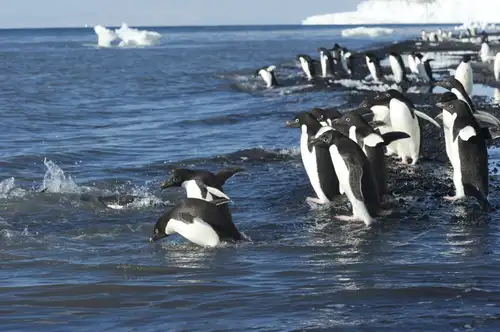
If your thirst for adventure leads you to Antarctica, you may be lucky enough to cross paths with a leopard seal while you’re there. These amazing animals are wonderful to observe both in and out of the water, and they are a coveted part of the polar wildlife experience.
Adélie penguins in the Ross Sea - Antarctica - Nexta Expeditions
Blog

Adélie penguins in the Ross Sea - Antarctica

The Adélie penguin population in the Ross Sea has reached its highest numbers in 30 years, with up to a million breeding pairs during the summer. This accounts for about 38 percent of the entire Antarctic Adélie population.
Spitsbergen: Alkefjellet magic - Nexta Expeditions
Blog

Spitsbergen: Alkefjellet magic

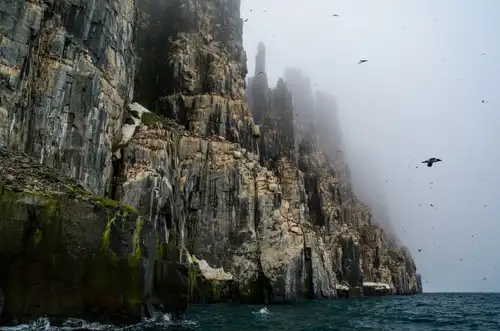
If they knew their way home, why not follow them? Equipped with GPS and compass, we approached the cliffs by zodiac. First, we heard the noise from the colony – the distinct calls of guillemots, kittiwakes, and Glaucous gulls. Then the cliffs gradually emerged from the mist.
Six Facts About the Crabeater Seals of Antarctica - Nexta Expeditions
Blog

Six Facts About the Crabeater Seals of Antarctica

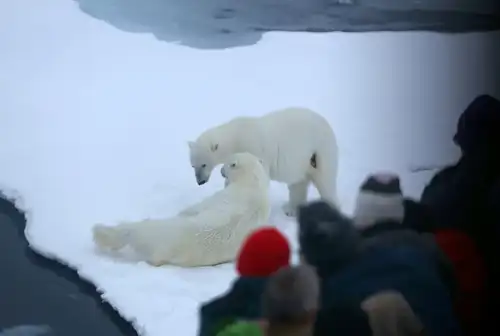
Antarctic fur seals, leopard seals, Weddell seals, Ross seals, southern elephant seals... The many seal species of Antarctica all have names that are in some way explained by their appearance or primary region of distribution.
The Pack Ice and Polar Bears of North Spitsbergen - Nexta Expeditions
Blog

The Pack Ice and Polar Bears of North Spitsbergen

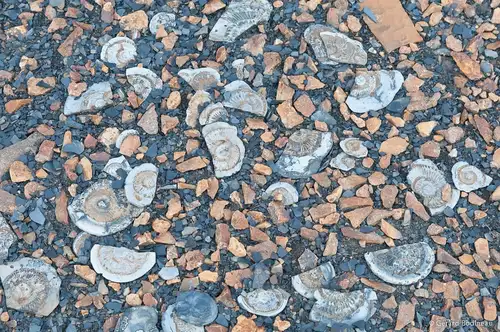
The Arctic archipelago of Svalbard is renowned for being one of the prime locations to observe polar bears. The largest island in this region, Spitsbergen, not only offers sightings of these majestic Arctic creatures but also provides a unique opportunity to experience the phenomenon of pack ice.
Svalbard a Disneyland for geologists - Nexta Expeditions
Blog

Svalbard a Disneyland for geologists

Svalbard is situated in the north-western corner of the Eurasian plate. Historically, Svalbard was part of a vast continent that included North America, Greenland, and Eurasia. At one point, both Northeast Greenland and Svalbard were submerged under the ocean before resurfacing.
Polar Marine Visitors: the Whales of Antarctica and the Arctic - Nexta Expeditions
Blog

Polar Marine Visitors: the Whales of Antarctica and the Arctic

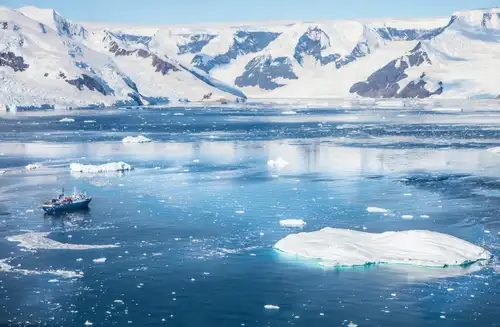
Whales are the world’s largest mammals, found in the Arctic and Antarctica. This article covers some of the major species you may see on voyages to these remarkable areas.
The first race to the South Pole in 50 years - Nexta Expeditions
Blog

The first race to the South Pole in 50 years

Before the South Pole could be reached, the question was what exactly lay at the southern ends of Earth. The concept of Terra Australis Incognita, an unknown continent, was first introduced by Aristotle, who reasoned that a southern landmass must exist to ‘balance’ the known lands in the northern hemisphere.
Large and in Charge: Antarctica’s Southern Elephant Seals - Nexta Expeditions
Blog

Large and in Charge: Antarctica’s Southern Elephant Seals

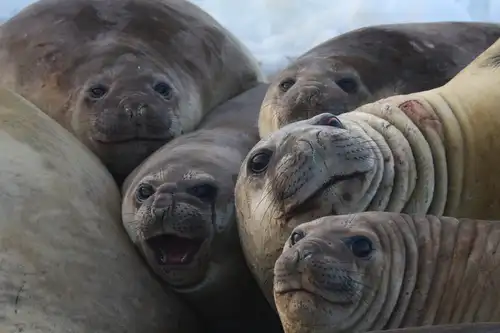
Southern elephant seals are the largest species of seal on the planet and a highlight among Antarctica cruise wildlife.