Polar Cruises The Ultimate Icebreaker - Nexta Expeditions
Polar Cruises: The Ultimate Icebreaker

Polar Cruises: The Ultimate Icebreaker

Travel is one of life’s great eye openers. It brings you into contact with new people and perspectives, challenges old assumptions you haven’t held to the light in years, and invites you to make unexpected discoveries about the world around you – and most of all, yourself. Added to which, you get to visit places you never knew you loved until you saw them.

Polar places, polar people

But talk to anyone who’s done a fair amount of traveling and more often than not they’ll tell you it wasn’t the locations that made their trips memorable, it was the people. This holds particularly true for Dutch traveler Dorine Boekhout: In 2013 she went on a four-week Antarctic cruise that, along with bringing a lot of new penguins and icebergs into her life, also introduced her to a few new friends. In a recent interview, Dorine was kind enough to tell us all about it.

Glacial gossip, Antarctic anecdotes

Prior to her trip, Dorine had some apprehensions. “I was dreading making the journey to Argentina by myself,” she says. “But my friend Gabi had the email address of a fellow traveler named Ben. He and I agreed to meet at Schiphol, and from the very first moment we clicked as friends.” Though twenty years apart in age – Dorine’s in her forties, Ben in his sixties – this gap stood no chance against their shared love for the polar regions. Dorine had already traveled to the poles more than once, and Ben (also Dutch) had visited Spitsbergen several times as a photographer, so they had more than enough to talk about on their long southbound flight to Puerto Madryn.

blog-image

Further friends in the Falklands

But Dorine’s Antarctic expedition had even more friends in store for her. Once on board m/v Ortelius, she found herself sharing a cabin with Lilian, a thirtysomething woman who’d also booked the cruise alone. As quickly as Dorine had made friends with Ben, she made friends with Lilian. “We had so much fun remembering all the rules for the landings,” Dorine recalls, “though we were both a bit nervous for the first landing at the Falkland Islands. What should we wear? What should we take in our backpacks? Is it going to be cold or warm, wet or dry?” In fact, Dorine and Lilian worried so much over which items to take, they ended up overlooking one of the most important: “When we were finally dressed and in line to board the Zodiacs, we realized we’d forgotten our life vests!”

Antarctic Ortelius additions

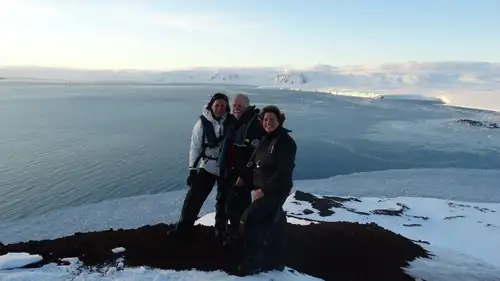
Dorine, Ben, and Lilian soon formed a tight trio, spending most of their days on deck regardless of the weather. It wasn’t long before this pastime led to yet newer recruits joining their rapidly growing group: Marianne and Saske, two Dutch women in their sixties and seventies respectively, who also enjoyed watching the Antarctic’s stunning scenery from the deck of Ortelius. Far from alone now, Dorine and her four new friends began enjoying meals, lectures, and landings together, their Antarctic adventure becoming all the more moving for being shared. “The thing we bonded over most, though we were all from different backgrounds and ages, was our ‘polar fever,’” Dorine says. “We felt so privileged to see all the wildlife there, to enjoy nature at its best.”

Reunions: planned and impromptu

Though their trip ended years ago, Dorine and her Ortelius friends still stay in contact. They even try to meet every year at the “Pool tot Pool Day” at the Museum of Ethnology in Leiden, Netherlands. More amazingly, they reunited in February for a week-long trip to Lapland. Even more amazingly, this was a last-minute decision for most of them. “Lilian had planned the trip with some friends of hers,” Dorine explains, “but two days before leaving, her friends had to cancel.” This put Lilian in the unenviable position of having to find three people who liked the cold, had all the necessary equipment and clothes, and could leave in two days. Of course, this is exactly where polar friends come in handy: “She called us up,” Dorine says, “and two days later we were in Lapland.” The four friends (except Saske, who couldn’t join) spent their Lapland week dog-sledding, snowshoeing, cross-country skiing, and snowmobiling in terrain not too unlike the one in which they’d met. Not bad for four people who never would have known each other’s names had it not been for one pivotal Antarctic expedition.

blog-image

The science of polar cruise camaraderie

Dorine’s story may seem far-fetched to those who’ve never embarked on a cruise, especially a polar cruise, but actually it’s a common occurrence. Part of the reason is built into the ship itself: Unlike the colossal cruise liners freighting thousands of passengers through the Caribbean on veritable floating circuses, polar cruises are comparatively small-scale jobs. They usually carry about a hundred passengers, offer shared cabins and dining tables, and run Zodiac outings in intimate groups. But there’s something else, a quality that applies to the environment itself. Maybe it’s the cold, maybe the feeling of being so far from civilization – or maybe it’s polar fever, as Dorine mentioned – but the polar regions makes people stick together, help each other more than they might on a typical luxury holiday. Whatever it is that kindles this camaraderie, it helped bring Dorine and her friends together. And we consider that more than a luxury.


Blog
go-leftgo-right

10 Popular Bird Watching Binoculars - Nexta Expeditions
Blog

10 Popular Bird Watching Binoculars

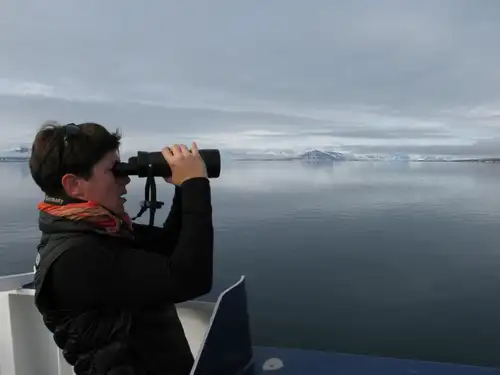
Binoculars are a staple for outdoor enthusiasts, often packed with minimal thought alongside essentials like bug spray, sunblock, and waterproof matches. However, for certain groups, binoculars are indispensable, particularly for bird watchers. If you're part of this technical hobbyist community, here are 10 birding binoculars you should know about.
Polar Cruises: The Ultimate Icebreaker - Nexta Expeditions
Blog

Polar Cruises: The Ultimate Icebreaker

Travel is one of life’s great eye openers. It brings you into contact with new people and perspectives, challenges old assumptions you haven’t held to the light in years, and invites you to make unexpected discoveries about the world around you – and most of all, yourself. Added to which, you get to visit places you never knew you loved until you saw them.
Kayaking In Greenland - Nexta Expeditions
Blog

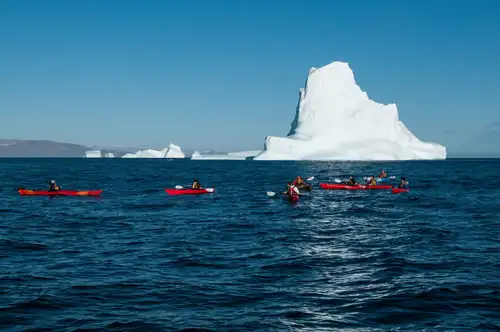
Kayaking In Greenland

Think of Greenland and two images come to mind:
The ozone layer in Antarctica - Nexta Expeditions
Blog

The ozone layer in Antarctica

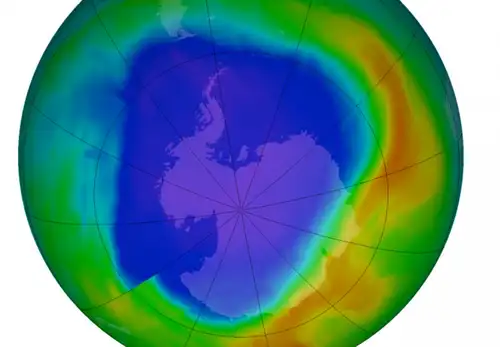
An ozone molecule is composed of three oxygen atoms rather than the usual two. It exists in the atmosphere in trace amounts. Ozone molecules are created through the interaction of ultraviolet (UV) radiation from the sun with oxygen molecules: When an O2 molecule is split, the two free oxygen atoms bond with other O2 molecules to form O3 molecules.
Five Reasons to Love St. Helena - Nexta Expeditions
Blog

Five Reasons to Love St. Helena

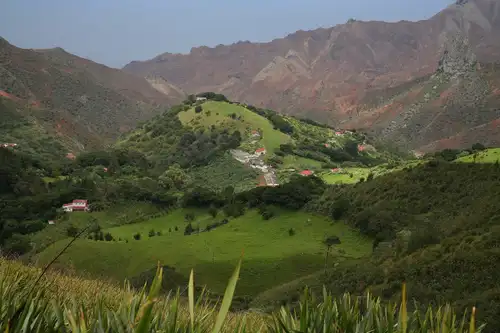
Being one of the most remote islands on Earth gives St. Helena a unique allure. Named after a Roman empress and the mother of Constantine the Great, this island also holds the distinction of being Napoleon’s final place of exile, making it a fascinating topic of conversation.
Keep It Green: Our Commitment to Sustainable Polar Travel - Nexta Expeditions
Blog

Keep It Green: Our Commitment to Sustainable Polar Travel

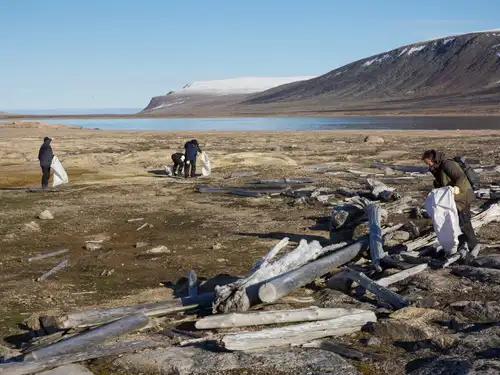
It doesn’t make much sense for expedition travel if every time we visit the polar regions we leave them worse than we found them. And that’s just considering things from a purely human perspective, which we don’t.
How Arctic Wildlife Differs from Antarctic - Nexta Expeditions
Blog

How Arctic Wildlife Differs from Antarctic

While the north and south poles share certain characteristics, they are also remarkably distinct. Both regions are cold and dry, yet each has its own unique terrain and climate. The Antarctic is particularly harsh and inhospitable, with only two native vascular plant species, whereas the Arctic tundra supports a wider range of fauna due to its relatively warmer temperatures and greater plant diversity. Here are some of the animals you can find in the Arctic compared to the Antarctic.
Fierce and Feathered: the Skuas of Antarctica - Nexta Expeditions
Blog

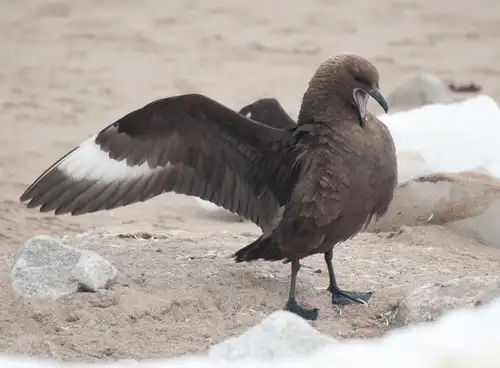
Fierce and Feathered: the Skuas of Antarctica

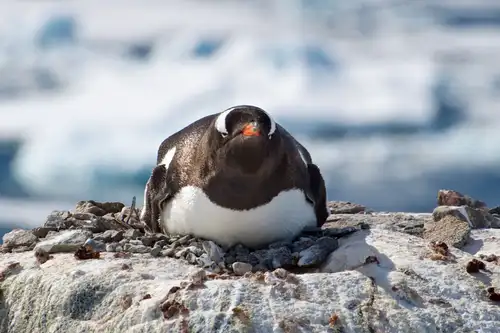
At first glance, the skuas you encounter in Antarctica may appear to be merely darker-feathered seagulls. But looks can be deceiving.
Life in a Penguin Colony - Nexta Expeditions
Blog

Life in a Penguin Colony

Captain Pieter J. Lenie Base, also known as Base Copacabana or simply Copa Base, is situated on King George Island off the western shores of the Antarctic Peninsula. This American research station has been home to scientists studying Adélie, gentoo, and chinstrap penguins for over three decades, aiming to understand how to best conserve these cherished species.
Polar Bear Primer: Eight Facts About the Arctic Wanderer - Nexta Expeditions
Blog

Polar Bear Primer: Eight Facts About the Arctic Wanderer

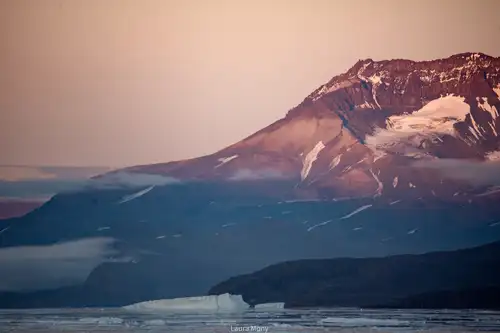
Polar bears inhabit the Arctic region across 19 subpopulations, including areas in Alaska, Canada, Greenland, Norway, and Russia. These majestic creatures prefer the edges of pack ice where currents and wind interact, creating a dynamic environment of melting and refreezing that forms ice patches and leads, which are open spaces in the sea between sea ice.
The Arctic’s Most Phenomenal Fjords - Nexta Expeditions
Blog

The Arctic’s Most Phenomenal Fjords

Fjords are often linked with Norway, but they are not exclusive to that region. They are a common feature of the Arctic and are major attractions in Greenland and Svalbard.
Port Lockroy: History, Post Office, and Resident Penguins - Nexta Expeditions
Blog

Port Lockroy: History, Post Office, and Resident Penguins

Sometimes it’s easy to get caught up in the stunning coastlines, fjords, and other natural wonders of Antarctica, overlooking the man-made attractions nestled in between.
Cheapest Antarctica Cruises: How to Save on Your Journey - Nexta Expeditions
Blog

Cheapest Antarctica Cruises: How to Save on Your Journey

Antarctica, the world’s most remote and pristine continent, is often seen as a destination reserved for luxury travelers. However, affordable options do exist, making this dream journey accessible to more adventurers. With careful planning and the right provider, like Nexta Expeditions, you can explore the icy wilderness without breaking the bank. This guide will show you how to save on your Antarctic cruise while still enjoying a high-quality experience.
Antarctica: When to Visit, How to Plan, What to Expect - Nexta Expeditions
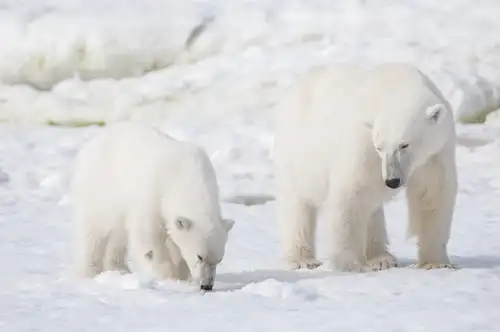
Blog

Antarctica: When to Visit, How to Plan, What to Expect

Antarctica is an astonishing location loved in equal measure by ice enthusiasts and continent hoppers, but it also asks a lot in return for its prestigious polar status.
The polar bear: king of the Arctic food chain - Nexta Expeditions
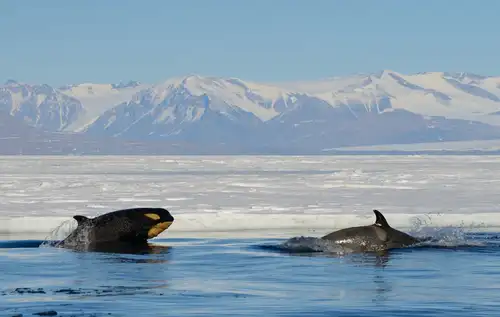
Blog

The polar bear: king of the Arctic food chain

As apex predators, polar bears reign supreme in the Arctic food chain. Only humans pose a threat to this massive and majestic species. But one look at these magnificent creatures explains why so many people embark on Arctic trips hoping to spot a polar bear in its natural habitat.
Orcas (aka Killer Whales) of Antarctica and the sub-Antarctic - Nexta Expeditions
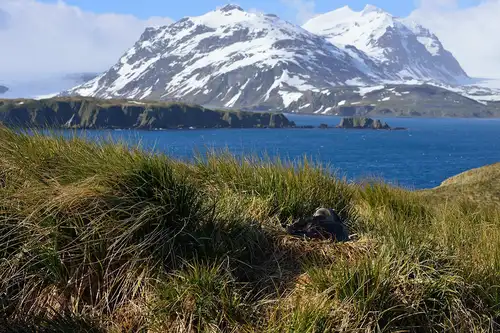
Blog

Orcas (aka Killer Whales) of Antarctica and the sub-Antarctic

Orcas are highly social and intelligent members of the dolphin family Delphinidae. They are sometimes referred to as killer whales, though this name has somewhat fallen out of fashion due to inaccurately characterizing orcas as ferocious predators.
The Plants of Antarctica - Nexta Expeditions
Blog

The Plants of Antarctica

Surviving in Antarctica is a monumental challenge for any plant. The extreme cold, limited sunlight, scarce moisture, poor soil, and short growing season make it nearly impossible for most flora to thrive. Yet, some plants have adapted to these harsh conditions and have managed to flourish where others cannot.
10 Weather-Fueled Facts about Antarctica - Nexta Expeditions
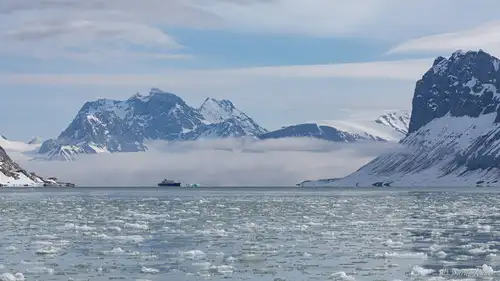
Blog

10 Weather-Fueled Facts about Antarctica

Most of us have at least a vague notion of what makes the North and South Poles so brutally, bone-chillingly cold: They receive less sunlight than the rest of the planet, what sunlight they do receive arrives at an angle, and they’re usually buried under endless mounds of ice and snow. This holds especially true for the South Pole and its centerpiece, Antarctica. Fewer people know, however, what drives Antarctic weather, or what results from it. Here are ten weather-related facts about the most southern continent that will put your polar meteorology ahead of the curve.
Svalbard vs. the Canadian Arctic - Nexta Expeditions
Blog

Svalbard vs. the Canadian Arctic

It’s easy to assume the Arctic is uniform, a vast expanse of northern freeze shaped by snow, ice, and endless darkness.
What to Pack for Your Expedition Cruise to the Arctic or Antarctica - Nexta Expeditions
Blog

What to Pack for Your Expedition Cruise to the Arctic or Antarctica

It’s easy to get confused about what to pack for a polar cruise. Some items are provided and some are not, and it’s not always clear which is which. This article will make your polar pack list painstakingly clear. Promise.