Polar Diving A Supreme Underwater Adventure - Nexta Expeditions
Polar Diving: A Supreme Underwater Adventure

Polar Diving: A Supreme Underwater Adventure

Most scuba divers are drawn to warm waters and tropical reefs, and it's easy to see why. However, even the most thrilling experiences can become repetitive if done too often.

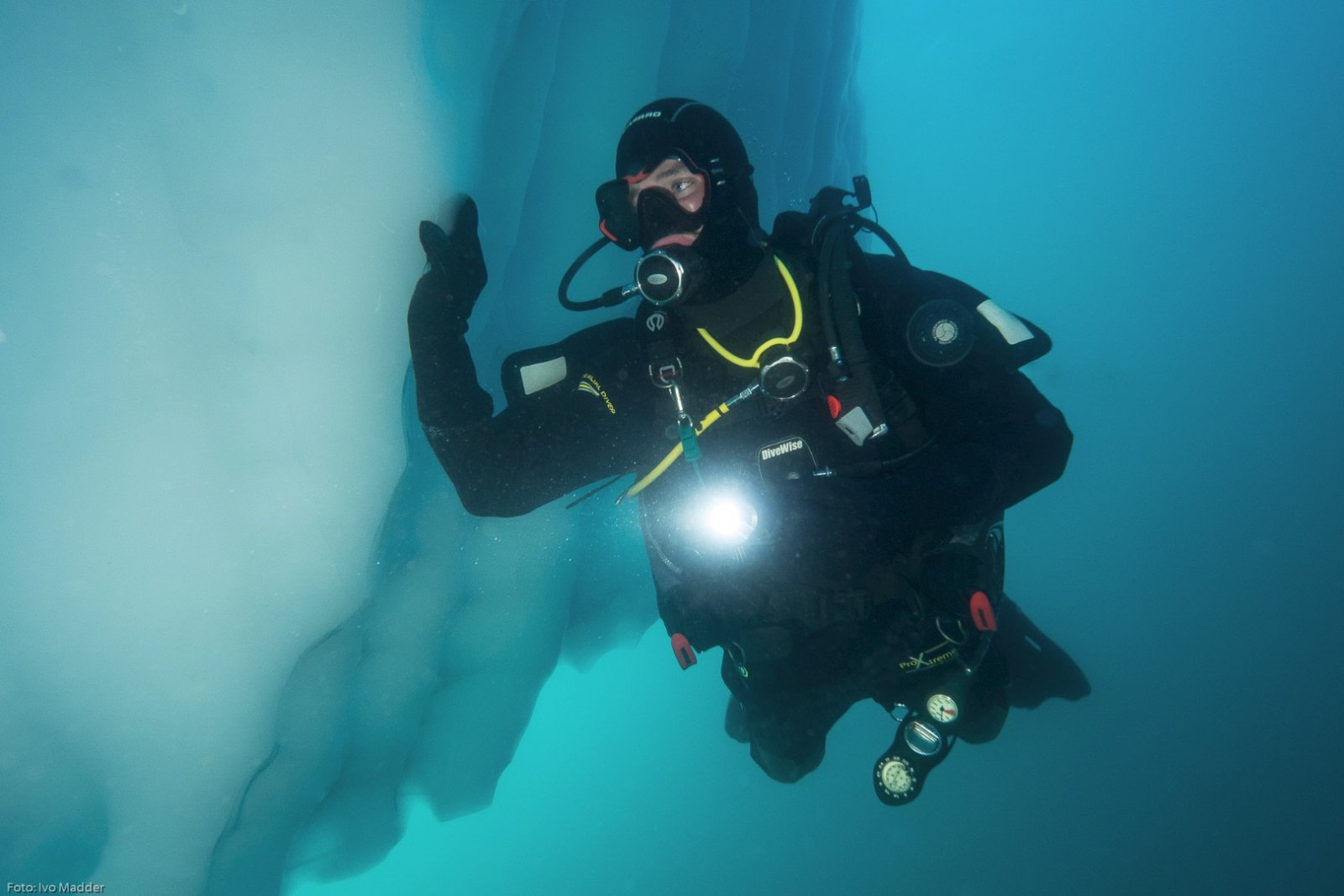
Now, imagine diving into a realm that only a select few have ever witnessed—a glacial world so uniquely stunning that only a handful of seasoned cold-water divers get to explore it. This is the allure, challenge, and unparalleled reward of polar diving. For a glimpse of this extraordinary experience, check out our Antarctic diving video at the end.

For now, let's delve into the benefits and specifics of this unique polar sport...
blog-image

The rich rewards of polar diving

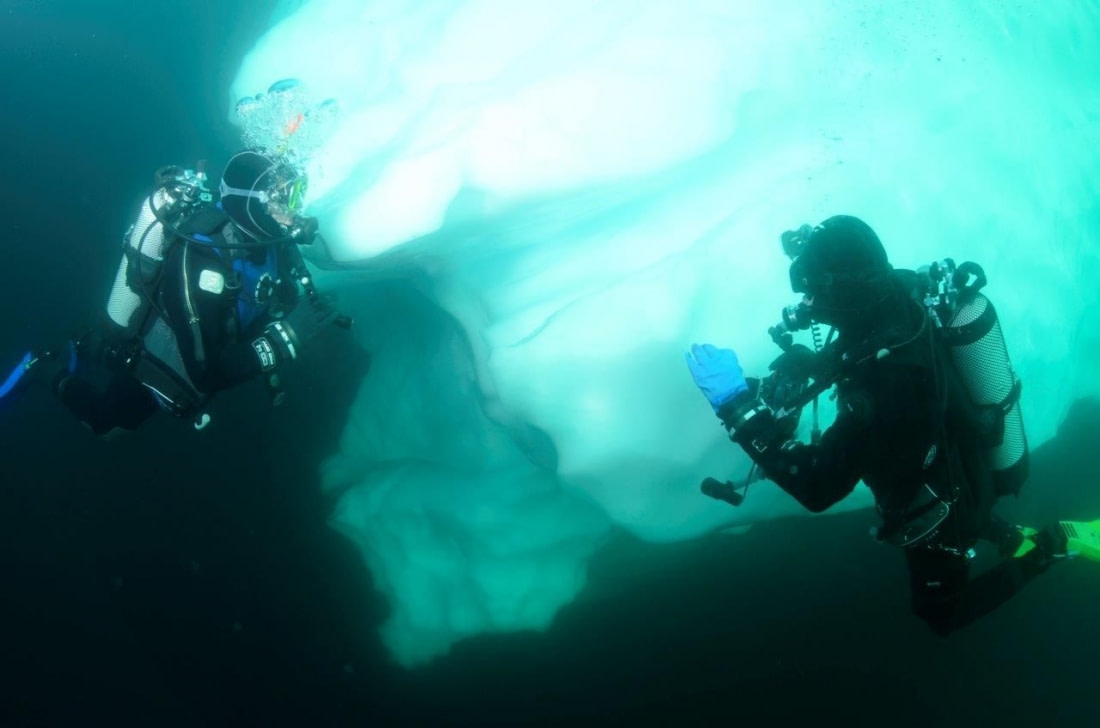
The icy waters of the Arctic and Antarctic regions host a diverse array of marine life that you won't find anywhere else. The various ice formations create a vibrant display of colors and patterns that are truly one-of-a-kind.

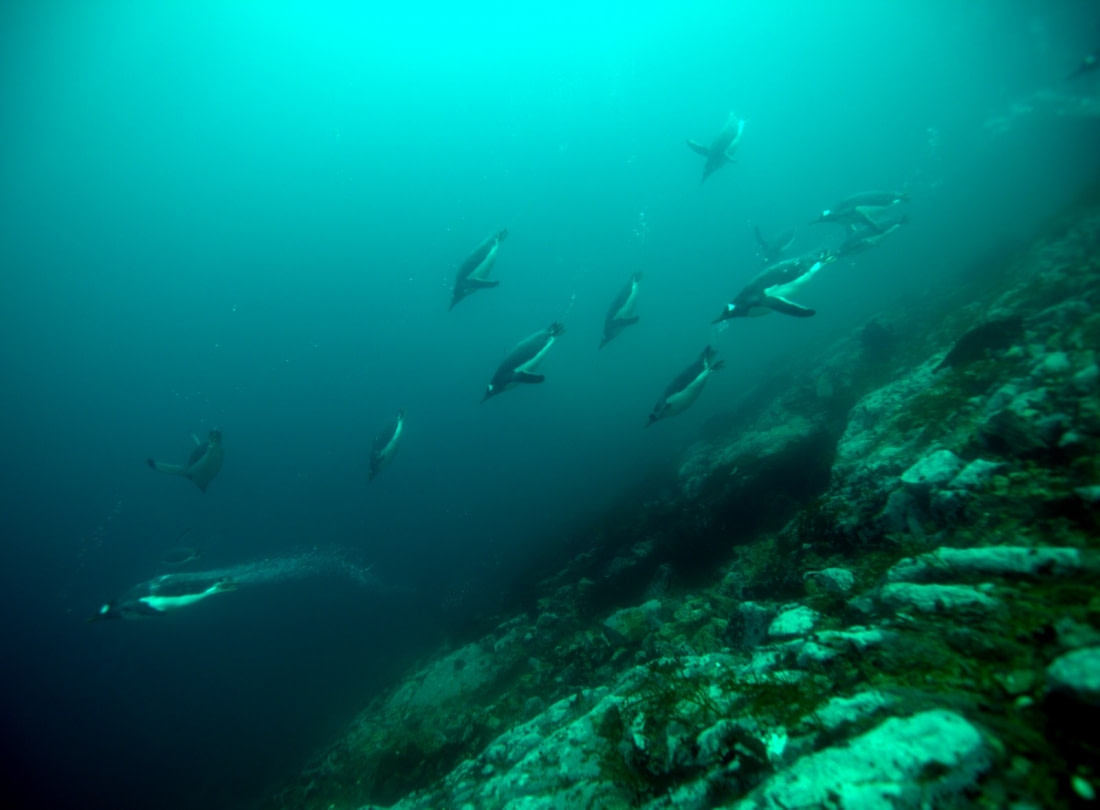
Among the fascinating creatures you might encounter are sea squirts, squat lobsters, dogfish, sea butterflies, and shrubby horsetails. In the Arctic, you may see common seals, while in Antarctica, you could swim alongside seals like leopard seals and even some penguin species. We hope you get to see them all!

However, please remember that we cannot guarantee sightings of these animals, whether above or below the water. In the polar regions, nature dictates the terms, not us.
blog-image

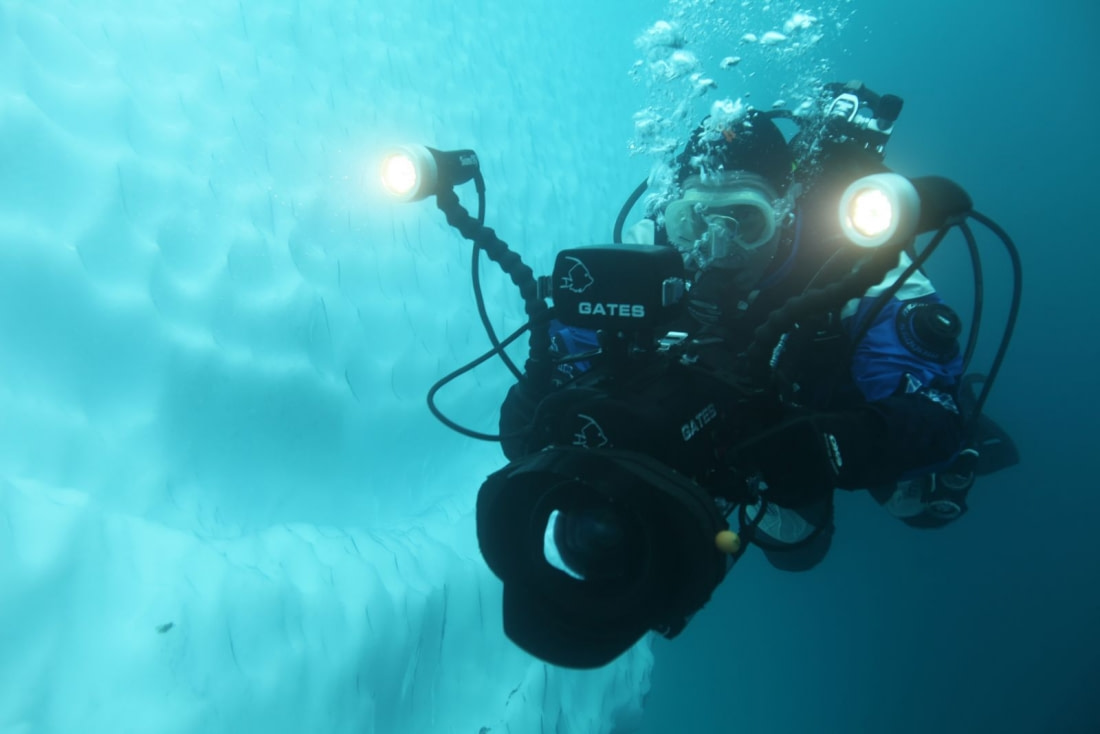
Polar diving equipment

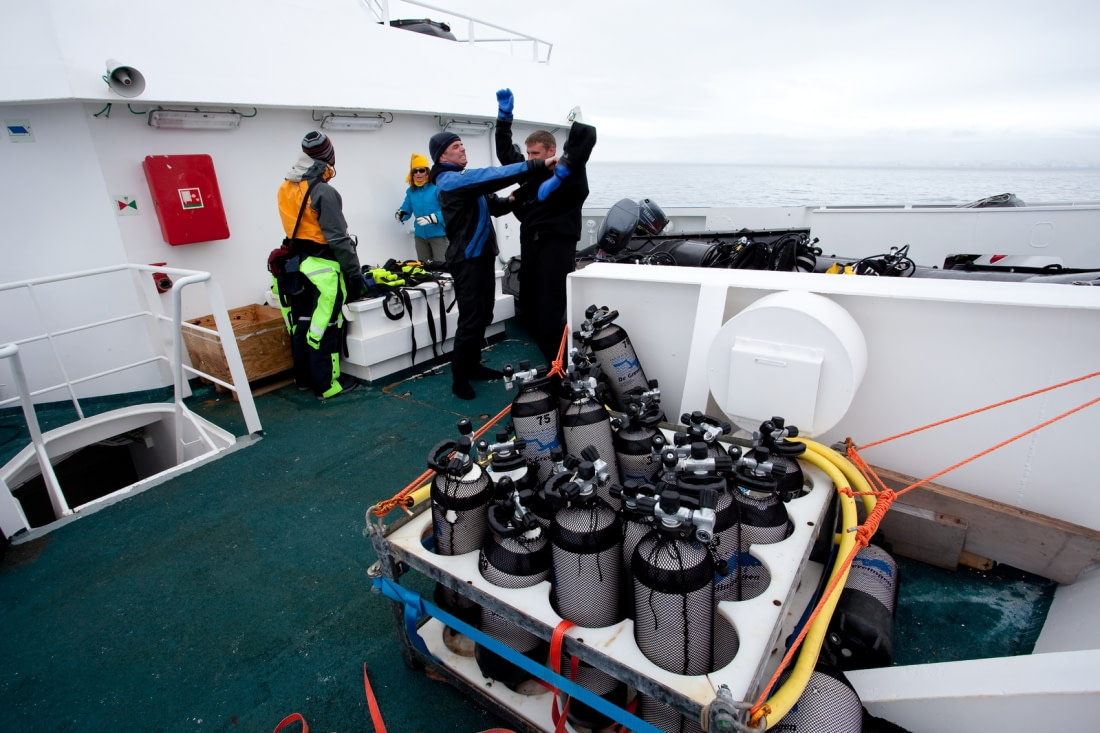
Scuba diving always requires preparation, caution, and the right equipment. Cold-water diving demands even more attention to these aspects. Keeping the body warm is crucial, as standard diving gear doesn't function well in near-freezing temperatures.

Traditional wetsuits are insufficient for polar diving in Antarctica or the Arctic. Dry suits are necessary, featuring sealing systems designed to keep divers dry.

Cold-water regulators are also essential, as they are built to resist freezing and ensure proper air flow. For those seeking extra comfort, heated diving undergarments can maintain your body temperature at Caribbean levels.
blog-image

Experience in polar diving

Polar diving requires more experience than traditional scuba diving, and our safety regulations reflect this. In addition to holding an internationally recognized scuba certificate, polar divers must verify at least 30 logged cold-water dives before participating in our polar diving program.

This requirement is due to the unique dangers of the polar environment. For instance, the frigid water can cause regulators to free-flow air, so divers need to practice handling this issue. Hypothermia is another risk, making it crucial to recognize its symptoms and abort the dive if necessary.
blog-image

Polar diving conditions

All dives should have a comprehensive dive plan, but this is even more critical for polar diving.

Our polar dive leaders are highly trained experts with extensive experience in diving in Antarctica and the Arctic. Given the unpredictable ice and weather conditions in these regions, we always have a solid strategy for entries and exits, considering the possibility of shifting surface ice, blizzards, and katabatic winds (in Antarctica).

As anyone who has taken an Antarctica cruise or Arctic trip can attest, flexibility is key in the polar regions. You can learn more about gear, safety, and dive conditions on our polar diving page.

blog-image

A word about polar wreck diving

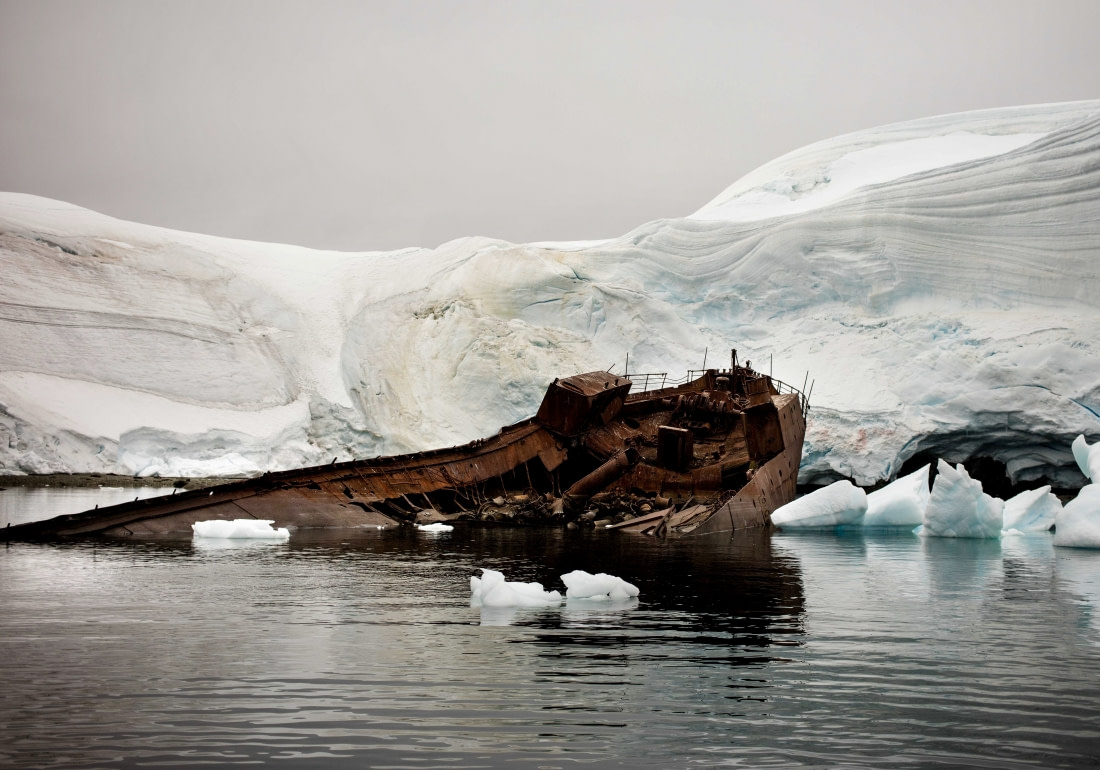
One of the perks of the cold polar waters is their ability to preserve shipwrecks. Wreck diving is a favorite among our divers, and for good reason.

In Antarctica's Wilhelmina Bay, we offer dives to the remains of the historic whaling ship, Guvernøren, which sank in 1915 under mysterious circumstances that remain unexplained. The above-water scenery and wildlife in Wilhelmina are also breathtaking. Even if you don't dive here, you won't be disappointed.
blog-image

Experience polar diving in motion pictures

We promised you a video, and here it is.

While this clip focuses on Antarctic diving, remember that we also offer numerous fantastic Arctic options. Until you join us on a polar diving adventure in either region, let this video ignite your passion for icy underwater exploration!


Blog
go-leftgo-right

The World Is Changing for Greenland's Native Inuit People - Nexta Expeditions
Blog

The World Is Changing for Greenland's Native Inuit People

You may know them as Eskimos, but the people of the Arctic are officially called the Inuit. Historically, they were hunters in the truest sense. For hundreds of years, they survived the world’s harshest conditions, living off their prey of whales, seals, polar bears, musk oxen, birds, fish, and reindeer. This has always been their way of life.
Antarctica’s Hourglass Dolphin - Nexta Expeditions
Blog

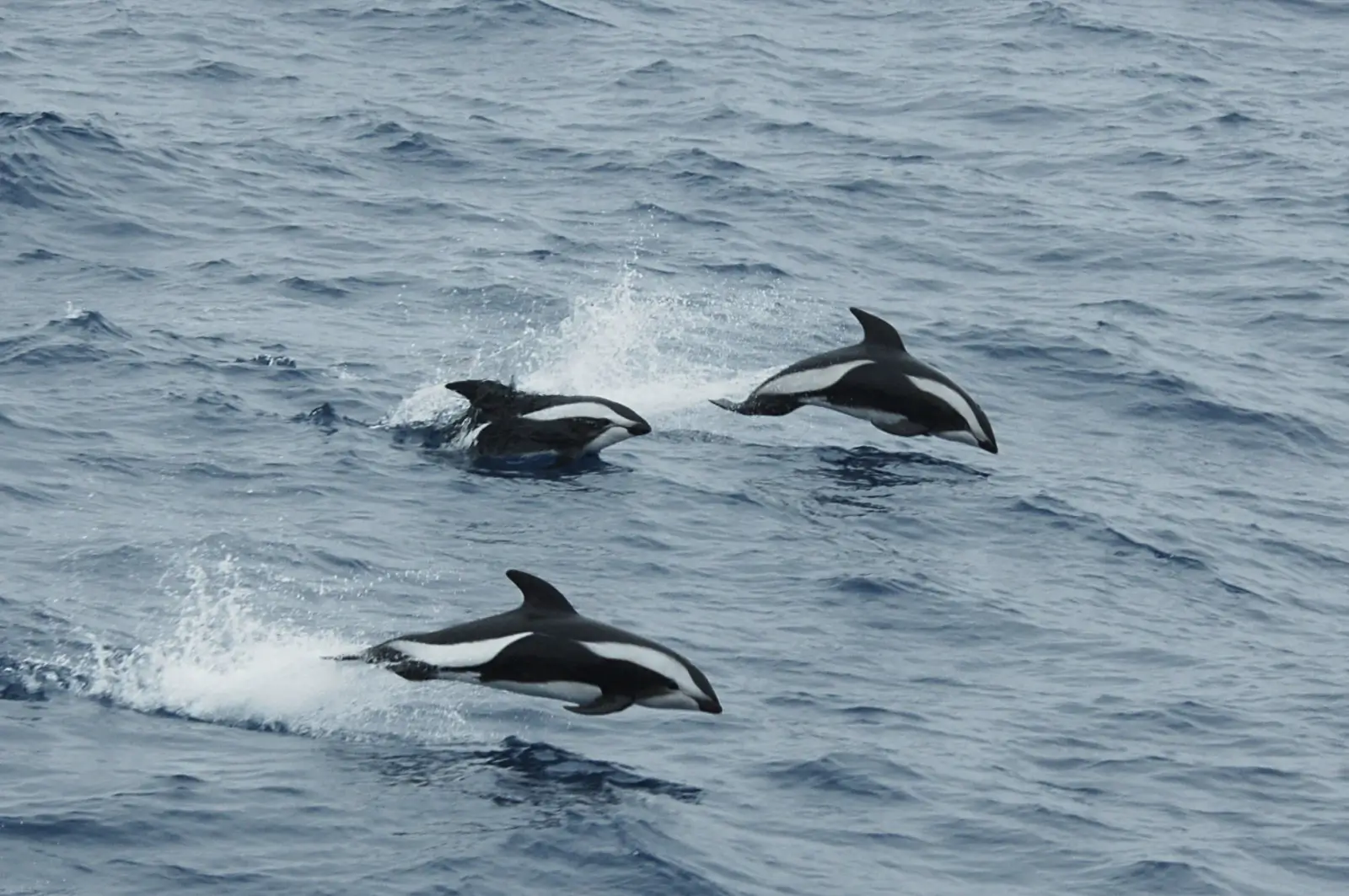
Antarctica’s Hourglass Dolphin

Though hourglass dolphins are especially rare, they’re actually not a threatened or endangered species.
Experience King Penguins, Seals and More in South Georgia - Nexta Expeditions
Blog

Experience King Penguins, Seals and More in South Georgia

One of the most remarkable aspects of South Georgia Island is its immense population of King penguins. This island serves as a significant breeding ground, and breathtaking aerial photos have captured the sight of hundreds of thousands of King penguins gathered together. This colony is known as the largest crèche in the world, making it one of the top destinations globally for observing King penguins.
The Seasons of Antarctica: When to Visit and Why - Nexta Expeditions
Blog

The Seasons of Antarctica: When to Visit and Why

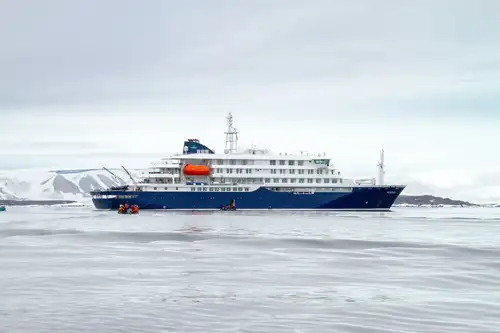
You’ve decided to book your dream trip – an adventurous Antarctica cruise that will give you a winning chance to see otherworldly environments, encounter exotic wildlife, and take part in activities that will spoil your inner explorer like nothing else.
Seven Tips to Get the Most out of Your Expedition Cruise - Nexta Expeditions
Blog

Seven Tips to Get the Most out of Your Expedition Cruise

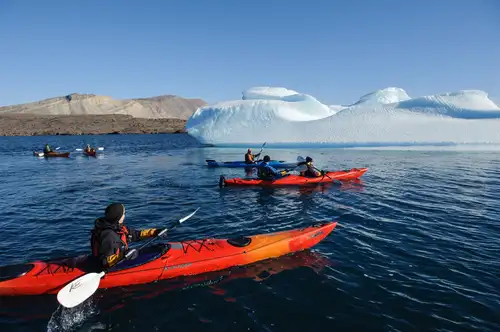
Polar cruises are easy to enjoy, but there’s an art to getting the most out of them.
Greenland: Where the Kayak Was Invented - Nexta Expeditions
Blog

Greenland: Where the Kayak Was Invented

If you've ever enjoyed kayaking, you owe a debt of gratitude to the ancient Greenlandic Inuit who originally designed them for hunting. The thrilling adventures people now have navigating some of the world's most challenging rapids wouldn't be possible without the Inuit's need for a nimble form of water transportation. While travelers still use kayaks in this region, they are typically not fishing, whaling, or sealing. Consequently, recreational kayaks have been adapted to fit their new role.
The Mysteries of the Beluga Whale - Nexta Expeditions
Blog

The Mysteries of the Beluga Whale

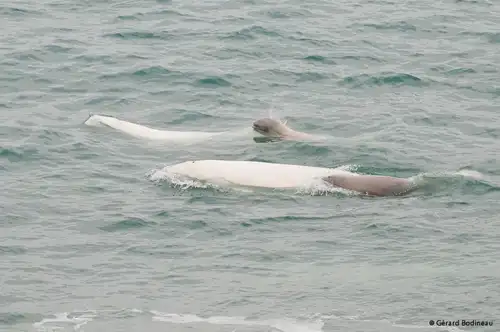
Beluga whales, also known as white whales, sea canaries, and sometimes melonheads, are a rare but cherished sight during Arctic cruises, thanks to their striking appearance. Despite the rarity of beluga sightings, a good amount is known about these friendly-faced cetaceans.
The Classic Polar Cruise: Antarctic Peninsula Facts, Pics, and More - Nexta Expeditions
Blog

The Classic Polar Cruise: Antarctic Peninsula Facts, Pics, and More

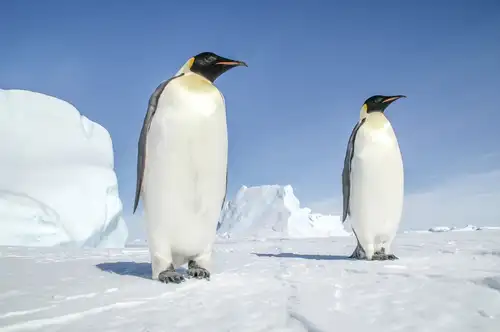
When it comes to experiencing the vast wonders of Antarctica, the Antarctic Peninsula stands out as an unparalleled destination.
Antarctic Icon: 44 Facts About the Emperor Penguin - Nexta Expeditions
Blog

Antarctic Icon: 44 Facts About the Emperor Penguin

What polar bears are for the Arctic, emperor penguins are for Antarctica. These flightless aquatic birds are probably the most recognizable animals in the southern polar regions and certainly among the most popular wildlife attractions for our passengers.
A visit to the fascinating island of Jan Mayen - Nexta Expeditions
Blog

A visit to the fascinating island of Jan Mayen

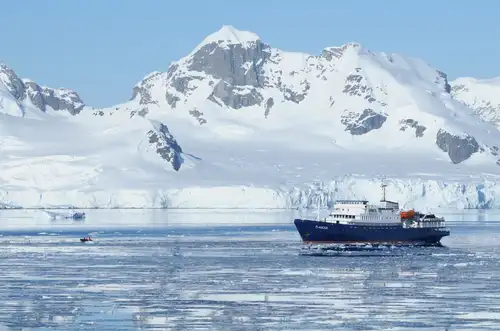
After exploring the remote island of Fair Isle, our Atlantic Odyssey voyage once more turned its attentions northwards and left the outer extremities of the UK behind. Our destination was Jan Mayen, a volcanic island situated on the mid-Atlantic ridge just north of 71° (about 550 kilometers north of Iceland and 450 kilometers east of Greenland).
The Ultimate Traveler’s Guide to the Arctic and Antarctica - Nexta Expeditions
Blog

The Ultimate Traveler’s Guide to the Arctic and Antarctica

Sunrises or sunsets? Coffee or tea? Polar bears or penguins?
Ice streams and lakes under the Greenland Ice Sheet - Nexta Expeditions

Blog

Ice streams and lakes under the Greenland Ice Sheet

The Greenland ice sheet is a dynamic mass of dense, flowing, and deforming ice. Snow deposited on the central parts of the ice sheet is gradually compressed into ice that slowly moves towards the ice margin. At the ice margin, the ice is removed by melting or by breaking off into icebergs.
Earth vs. Mars: Polar Regions Compared - Nexta Expeditions
Blog

Earth vs. Mars: Polar Regions Compared

It’s well-known that Mars, like Earth, has its own polar regions, often referred to as the Martian ice caps. These regions, similar to Earth's, are situated at the north and south poles and experience much lower temperatures compared to the areas in-between.
Secrets of the Snowy Owl: Habitat, Adaptations, and Other Facts - Nexta Expeditions
Blog

Secrets of the Snowy Owl: Habitat, Adaptations, and Other Facts

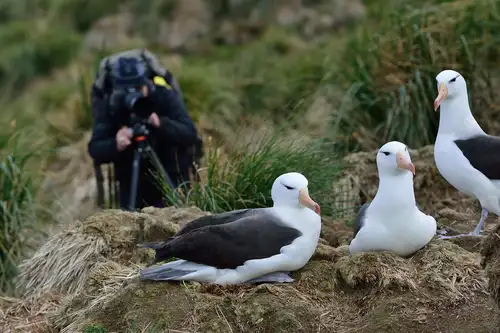
The snowy owl (Bubo scandiacus), also known as the great white owl or Arctic owl, is one of the most distinctive bird species on the planet. While you won’t find them in all areas of the Arctic – they don’t exist in Svalbard due to the lack of lemmings – snowy owls are seen in the polar regions of Eurasia and North America and are a potential visitor during Greenland cruises. The binomial species name, “scandiacus,” is derived from Scandinavia, as this is where the bird was first discovered. The snowy owl is the official bird of Quebec, and they are a must-see for countless bird watchers and naturalists.
15 Falkland Islands Bird Photos - Nexta Expeditions
Blog

15 Falkland Islands Bird Photos

The remote sub-Antarctic archipelago of the Falkland Islands is a haven for bird enthusiasts, offering a unique and abundant selection of birds, especially seabirds.
A Day on m/v Plancius - Nexta Expeditions
Blog

A Day on m/v Plancius

Stepping aboard this long-running expedition vessel, it’s easy to forget that she’s been making voyages to the polar regions since “Afternoon Delight” by Starland Vocal Band was on the Billboard Hot 100.
Imperial Antarctica: the Snow Hill Emperor Penguins - Nexta Expeditions

Blog

Imperial Antarctica: the Snow Hill Emperor Penguins

Recently, a rare achievement was made by visiting Antarctica’s northernmost emperor penguin colony on Snow Hill Island. Typically surrounded by impassable pack ice, Snow Hill is a notoriously difficult destination in the Weddell Sea cruise itinerary, only accessible using helicopters carried especially for this purpose.
Seizing the Season: Spitsbergen’s Late Spring, Early Summer - Nexta Expeditions

Blog

Seizing the Season: Spitsbergen’s Late Spring, Early Summer

Most Arctic expedition cruises can be categorized into two main types: those that operate during the autumn and winter, focusing on the northern lights, and those that sail during the high season (mid to late summer), concentrating on a broader range of experiences.
Top 10 Tips for Packing Your Polar Photography Equipment - Nexta Expeditions
Blog

Top 10 Tips for Packing Your Polar Photography Equipment

One of the most common questions I get asked before a cruise is, “What photography equipment should I bring?” It’s a broad question, and answers vary based on the individual. There are, however, a few key pointers that apply to almost everyone.
10 Common Misconceptions About the Arctic - Nexta Expeditions
Blog

10 Common Misconceptions About the Arctic

The Arctic is a vast region. Truly immense.