Arctic Seals - Nexta Expeditions
Arctic Seals

Arctic Seals

Owing to the large landmasses that populate the Northern Hemisphere, the Arctic boasts the most diverse wildlife among the planet’s polar regions. Some of the most captivating Arctic animals are the marine mammals found just offshore.

And no, we don’t mean swimming polar bears – though they are quite beloved as well.

We’re talking about the Arctic seals that surface in bays, lounge on ice floes, and add a touch of elegance to the scenery, whether it’s in Greenland, Svalbard, or Northern Norway. Here are six seal species you might encounter on some of our adventurous Arctic cruises.

blog-image

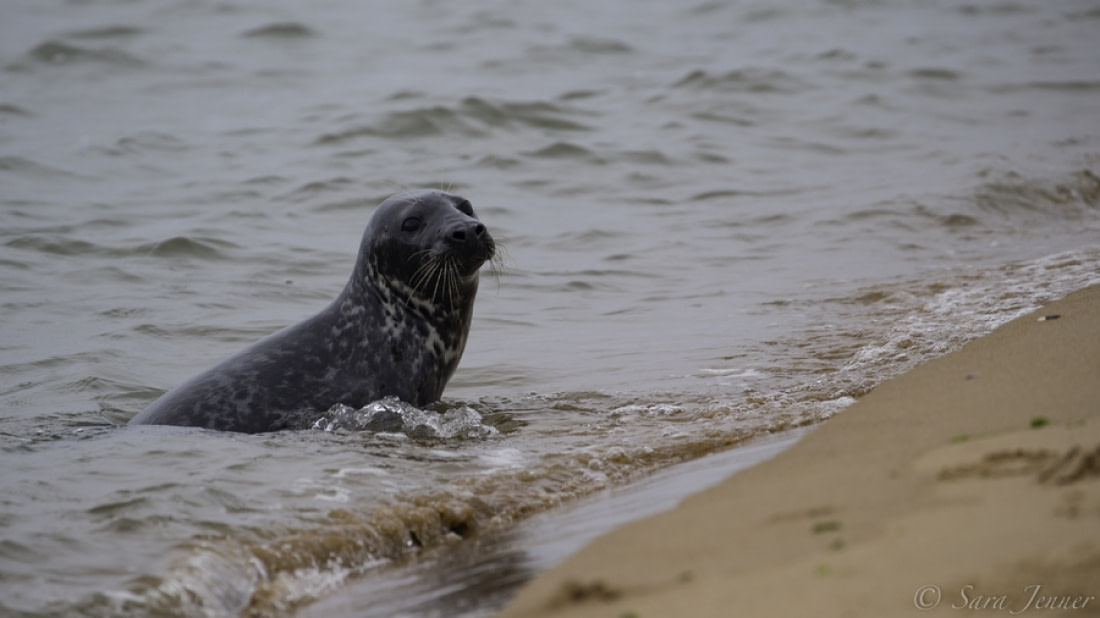
1. Gray seal (North Norway, Fair Isle)

Also known as grey seals, Atlantic seals, and horsehead seals, these seals have a Latin name, Halichoerus grypus, which means “hooked-nosed sea pig.”

Those schoolyard insults you used to endure don’t seem so bad anymore, do they?
blog-image

Female gray seals can live up to 35 years in the wild, while males live about 25 years. They are one of the rarest seal species in the world and are protected in the United States by the Marine Mammal Protection Act.

Gray seals are “true seals,” also known as “earless seals,” and often rest with their bodies upright and heads above the water, somewhat resembling buoys. Males can outsize females by almost two times, being Britain’s largest carnivorous mammals.

2. Harbor seal (Svalbard)

Harbor seals, or Phoca vitulina, are also called harbour seals or common seals. Females live to be about 36, and male harbor seals about 31 years old.

Overall populations of harbor seals are healthy, though some of the seal’s habitat is threatened. Like other seals, gray seals are related to bears and dogs, which is evident in their facial structure. They are also easily identified by their spots.

blog-image

Male harbor seals are known to engage in fights over mates, like many other species. Pups grow fast and are fully weaned after only a month to six weeks.

3. Ringed seal (Svalbard)

Pusa hispida are sometimes called jar seals, but the more common name is ringed seals. Forming the highest seal population in the world, ringed seals are also the smallest Arctic seal species.

They live to be about 25 to 30 years old and have two freshwater subspecies in Europe, but some specialists believe the ringed seal has up to 10 subspecies.

The ringed seals we see in the Arctic have thick claws for digging breathing holes in the ice sheets. Some of these holes can be as deep as two meters (six feet). Polar bears are wise to them, however, and often hunt ringed seals at these air holes.

blog-image

Not only that, but ringed seals sometimes find their air holes stolen by other seals or whales. This is made all the more unjust by the fact that, due to their claws, ringed seals are the only Arctic seal that can make these air holes.

But then, looking for justice in the animal kingdom can be a vain ambition.

4. Harp seal (Greenland & Svalbard)

Because of the saddle-shaped mark on their backs, harp seals are also called saddleback seals, and they are one of the more common Arctic seals we see. Their binomial name, Pagophilus groenlandicus, means “ice-lover from Greenland.”

Harp seals live to be about 20 years old in the wild, and they are known to migrate up to 8,000 km (5,000 miles) between mating grounds.

blog-image

The mothers of this seal species make for doting parents, able to identify their pups by scent even in colonies numbering in the thousands. But sometimes harp seals wander far from their colonies, and these nomadic seals are known as vagrants.

The sea is where harp seals spend most of their time, though they do stay on land longer during the mating and birthing season.

5. Bearded seal (Greenland, Svalbard)

Square flipper seals are another name for bearded seals, or Erignathus barbatus. These Arctic seals, like gray seals, are considered real (also earless) seals.

Living about 25 years in the wild, bearded seals are known for their whiskered appearance and make regular appearances on our Arctic voyages. They have tougher skin than most seals, which did not always work in their favor: Bearded seal skin was a highly valued resource from which Inuit made boat covers, harnesses, shoes, and tent covers, among other things.

blog-image

Bearded seals are the largest Arctic seals, and they have a song to match. This song can be heard up to 20 km (12 miles) away.

Arctic seals to the bone, bearded seals nevertheless avoid venturing above 80°N. They do, however, have four nipples, a trait they share only with tropical monk seals.

6. Hooded seal (Svalbard, Jan Mayen)

Hooded seals also go by the name bladder-nosed seals or Cystophora cristata, depending on how exact you want to be. They get their name from their distinct hooded nasal cavities.

Living up to 35 years in the wild, these Arctic seals also have the shortest weaning period of any mammal. Hooded seal pups are called “blue-backs” because of the blue-black coloring they shed around 14 months of age.

blog-image

The adults are more territorial than any other seal species, Arctic or otherwise, and can become aggressive when defending their terrain.

The hooded seal genera name, Cystophora, comes from the Greek “bladder-bearer.” This refers to their hood, which male hooded seals can use to make vibrations underwater to warn away other animals in their territory.

blog-image

Arctic seals video

Reading about Arctic seals (and seeing all the great photos taken by our guides and passengers) is great, but how about viewing these animals in living color?

For a closer glimpse of the seals featured in this blog, please check out our short and sweet Arctic seals video below. Forgive the pun, but what you see there might just seal the deal on your own Arctic trip.


Blog
go-leftgo-right

Albatross, penguin and krill research in Antarctica - Nexta Expeditions
Blog

Albatross, penguin and krill research in Antarctica

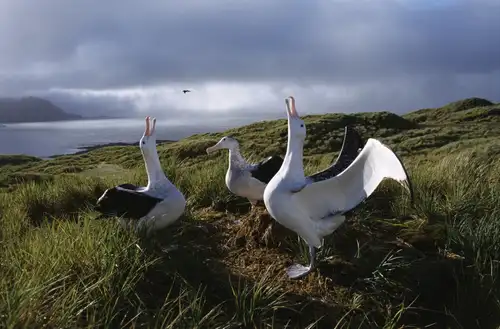
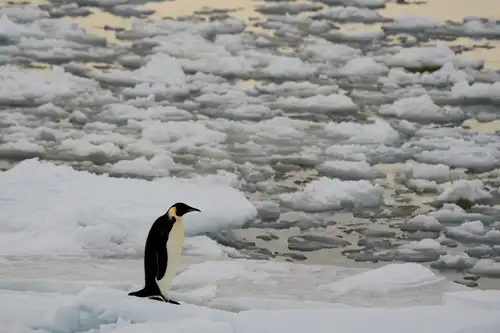
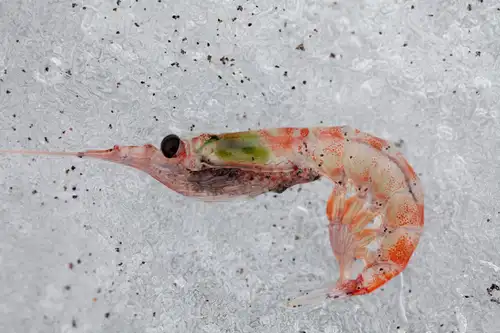
In the Antarctic region, extensive research is being conducted by national Antarctic programmes from countries like the UK, Australia, and Japan. These studies aim to understand species in the air, on the ground, and in the sea, and how these species are interconnected without variables such as human impacts and climate change.
Greenland's History: When Vikings Ruled the Ice Age - Nexta Expeditions
Blog

Greenland's History: When Vikings Ruled the Ice Age

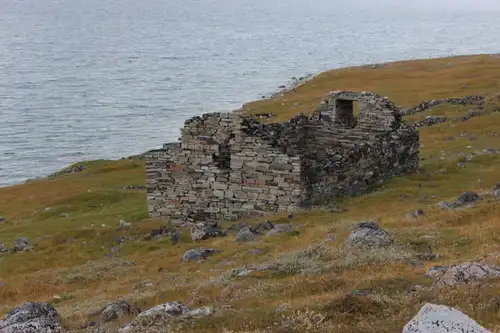
A Greenland cruise offers a journey into a rich history filled with intriguing details that captivate polar expedition enthusiasts. Among the most fascinating historical aspects is the fact that Vikings once ruled this land. Anthropologists and climate scientists have long studied Greenland to pinpoint when and why the Vikings left. Recent findings have shed new light on this historical culture.
Five Reasons to Love St. Helena - Nexta Expeditions
Blog

Five Reasons to Love St. Helena

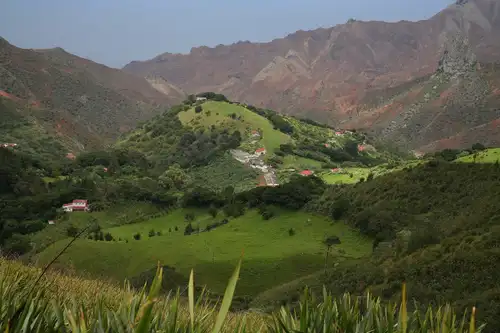
Being one of the most remote islands on Earth gives St. Helena a unique allure. Named after a Roman empress and the mother of Constantine the Great, this island also holds the distinction of being Napoleon’s final place of exile, making it a fascinating topic of conversation.
The Ways and Wildlife of the Weddell Sea - Nexta Expeditions
Blog

The Ways and Wildlife of the Weddell Sea

The Weddell Sea is situated off the coast of Antarctica, at the southernmost part of the Atlantic Ocean. Its coordinates are 75 degrees south and 47 degrees west, encompassing the Argentine, Chilean, and British territories of Antarctica. The severe weather and extensive pack ice have historically made the Weddell Sea challenging to access, but modern icebreaker ships are now enabling explorers to venture into this remote area.
Deception Island deceptively active - Nexta Expeditions
Blog

Deception Island deceptively active

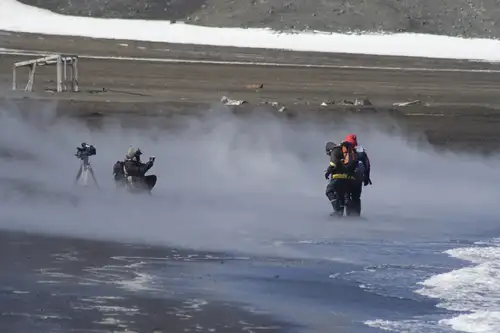
In Antarctica, the South Shetland archipelago is home to Deception Island, a volcanic-rounded island that is 15 km in diameter with a shield volcano. The volcano is mainly basalt-andesite and was one of the first parts of Antarctica to be discovered, probably around 1820 by UK and USA sealers.
Exploration of the Polar Regions - Nexta Expeditions
Blog

Exploration of the Polar Regions

From the Vikings via the first whale and seal hunters to Scott and Amundsen, from the maritime explorers Franklin and Nordenskiöld to present-day polar tourism, a quick tour through history reveals some of the aspects which motivated people to extend their horizons. Existential need, sheer curiosity, imperial greed, polar science, and a taste for adventure all converged in regions which pardon no mistakes.
Life in the Polar Regions - Nexta Expeditions
Blog

Life in the Polar Regions

Polar bears in the Arctic, penguins in Antarctica.
Port Lockroy: History, Post Office, and Resident Penguins - Nexta Expeditions
Blog

Port Lockroy: History, Post Office, and Resident Penguins

Sometimes it’s easy to get caught up in the stunning coastlines, fjords, and other natural wonders of Antarctica, overlooking the man-made attractions nestled in between.
The Giant Petrels of King George Island - Nexta Expeditions
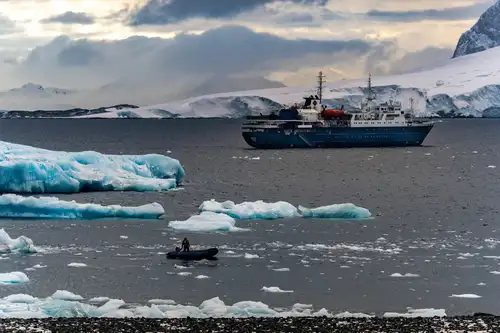
Blog

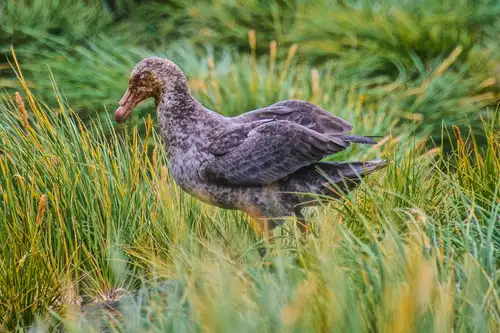
The Giant Petrels of King George Island

Antarctica is undeniably one of the world’s premier birding destinations.
The Seasons of Antarctica: When to Visit and Why - Nexta Expeditions
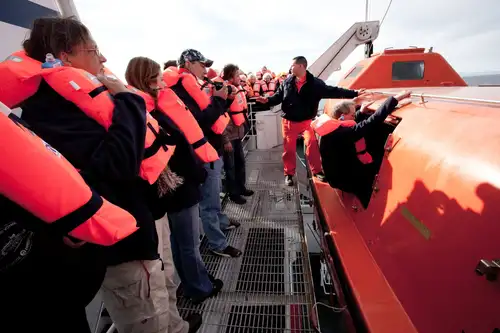
Blog

The Seasons of Antarctica: When to Visit and Why

You’ve decided to book your dream trip – an adventurous Antarctica cruise that will give you a winning chance to see otherworldly environments, encounter exotic wildlife, and take part in activities that will spoil your inner explorer like nothing else.
The Evolving Shipboard Eco-traveler - Nexta Expeditions
Blog

The Evolving Shipboard Eco-traveler

Feeling stuck in the monotony of everyday life? Looking for a change of scenery? Look no further! Most of us spend our lives on solid ground, despite our bodies being composed of 71.5% water. You'd think we'd have a natural inclination to be in or on the water! So why not try something different? Consider an Arctic holiday adventure on the same waters that famous explorers once navigated!
Not Eskimos: 10 Enlightening Facts About the Inuit - Nexta Expeditions
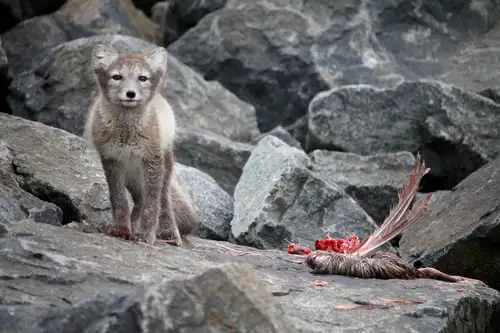
Blog

Not Eskimos: 10 Enlightening Facts About the Inuit

If you are planning to join an Arctic cruise, you might be intrigued by the Inuit culture. To help you gain a deeper understanding of these people, especially if you are considering a trip to Greenland, here are 10 fascinating facts about the Inuit that everyone should know.
Arctic Foxes: Constant Gardeners of the Arctic - Nexta Expeditions
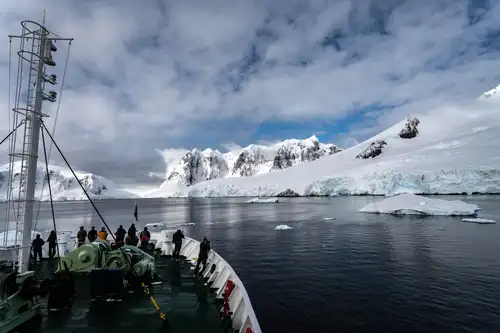
Blog

Arctic Foxes: Constant Gardeners of the Arctic

Given how widespread their habitat is, it is little wonder that Arctic foxes are one of the animals we most often see during our Greenland and Svalbard expeditions. The Arctic fox is a circumpolar species whose feeding grounds include North America, Eurasia, even Iceland, ranging from nearly the North Pole all the way down to the sub-Arctic islands.
12 Things to Do in Antarctica - Nexta Expeditions
Blog

12 Things to Do in Antarctica

Traveling to Antarctica is unlike traveling to any other place on Earth.
Greenland: Where the Kayak Was Invented - Nexta Expeditions
Blog

Greenland: Where the Kayak Was Invented

If you've ever enjoyed kayaking, you owe a debt of gratitude to the ancient Greenlandic Inuit who originally designed them for hunting. The thrilling adventures people now have navigating some of the world's most challenging rapids wouldn't be possible without the Inuit's need for a nimble form of water transportation. While travelers still use kayaks in this region, they are typically not fishing, whaling, or sealing. Consequently, recreational kayaks have been adapted to fit their new role.
12 photo tips to make better pictures on your Antarctica cruise - Nexta Expeditions
Blog

12 photo tips to make better pictures on your Antarctica cruise

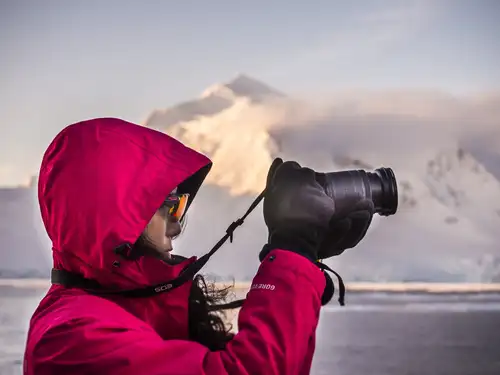
During your trip in the Arctic or Antarctic cruise you and your camera equipment will be exposed to a variety of challenging conditions. Be careful with your equipment and protect it from the salty spray when in Zodiacs, on a beach, or on deck. Salt water and electronics is not a good mix!
Islands of the Blessed: Things to Do Around Cape Verde - Nexta Expeditions
Blog

Islands of the Blessed: Things to Do Around Cape Verde

We visit Cape Verde and its capital city of Praia during our occasional St. Helena to Cape Verde voyages. Characterized by peaceful days at sea, these trips allow you to see some of the lesser-known gems of the Atlantic.
The Research Stations of Antarctica and the sub-Antarctic - Nexta Expeditions
Blog

The Research Stations of Antarctica and the sub-Antarctic

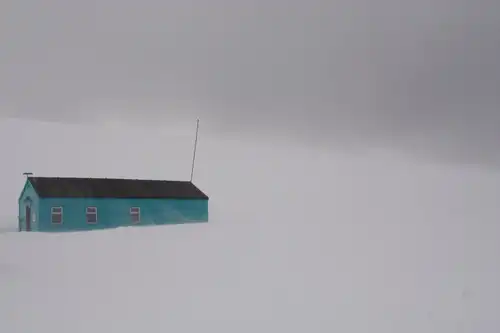
Numerous research stations operate throughout the Antarctic and sub-Antarctic, engaged in all manner of scientific inquiry. This article will cover the stations under the management of the British Antarctic Survey (BAS), which conducts year-round terrestrial and atmospheric research in some of the most compelling polar locations on Earth.
Going Green: Ascension Island Sea Turtles - Nexta Expeditions
Blog

Going Green: Ascension Island Sea Turtles

Gold beaches, green mountains - and greener turtles.
Five Birds You Might See on Your Greenland Cruise - Nexta Expeditions
Blog

Five Birds You Might See on Your Greenland Cruise

A Greenland expedition cruise offers birdwatchers a unique opportunity to capture stunning avian photographs. With over 230 bird species, Greenland boasts both spectacular landscapes and diverse winged wildlife.