10 Popular Bird Watching Binoculars - Nexta Expeditions
10 Popular Bird Watching Binoculars

10 Popular Bird Watching Binoculars

Binoculars are a staple for outdoor enthusiasts, often packed with minimal thought alongside essentials like bug spray, sunblock, and waterproof matches. However, for certain groups, binoculars are indispensable, particularly for bird watchers. If you're part of this technical hobbyist community, here are 10 birding binoculars you should know about.

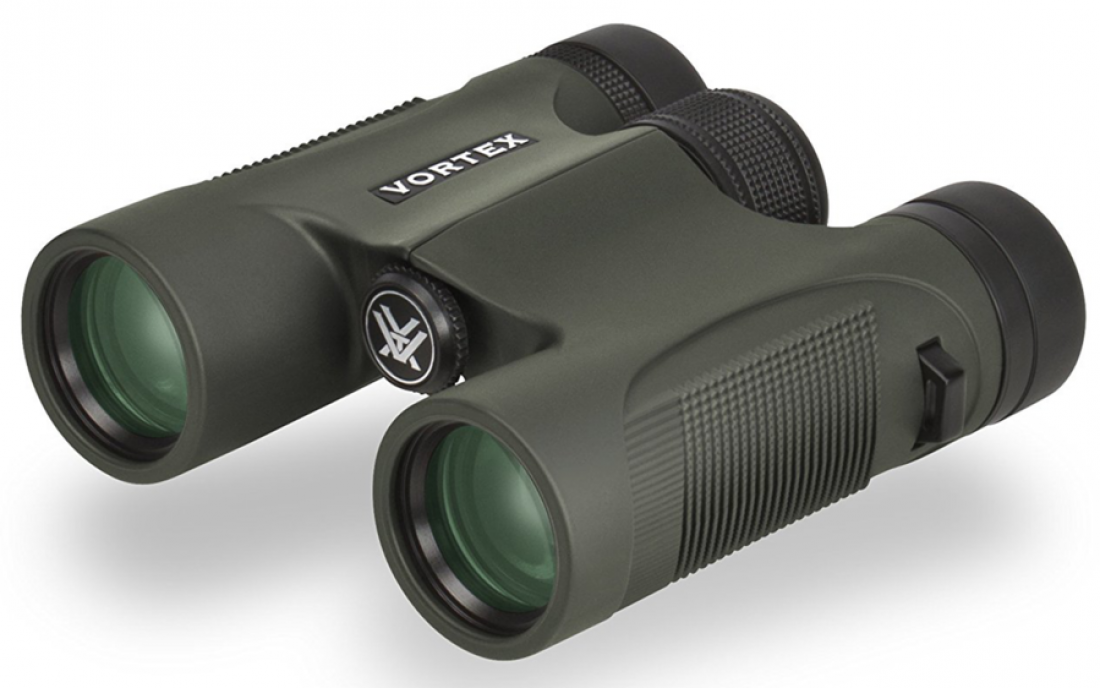
1. Vortex Diamondback 8x28

$175 – 225
blog-image

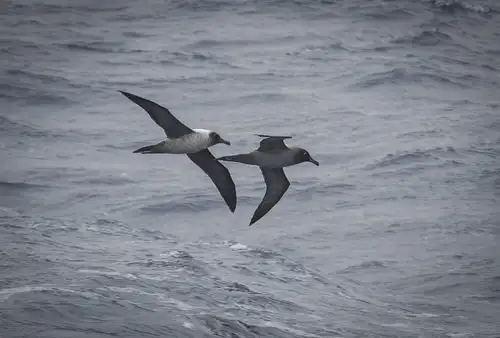
This compact roof prism model is a great bargain for birders seeking a lightweight binocular that fits in any pocket or pack. Argon-filled with multi-coated lenses and phase-correction dielectric coating, the Diamondback is valued for its close focus (2 meters) and macro clarity. It's perfect for both distant albatrosses and nearby little auks.

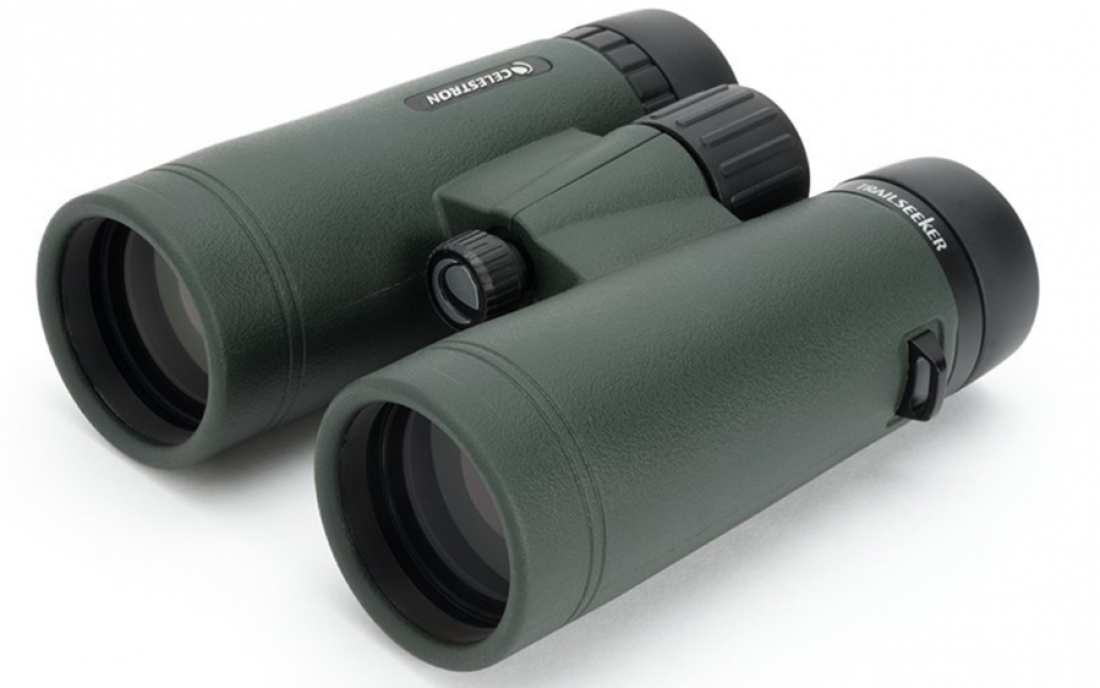
2. Celestron 71404 TrailSeeker 8x42 Binoculars

$175 – 225
blog-image

Featuring a wide field of view, BAK-4 prisms with phase and dielectric coatings, two-meter close focus, magnesium alloy body, and fully multi-coated optics, this binocular is lightweight, durable, and sharp at both short and long ranges. Its wide view is excellent for birders, requiring less movement to keep an eye on avian wildlife.

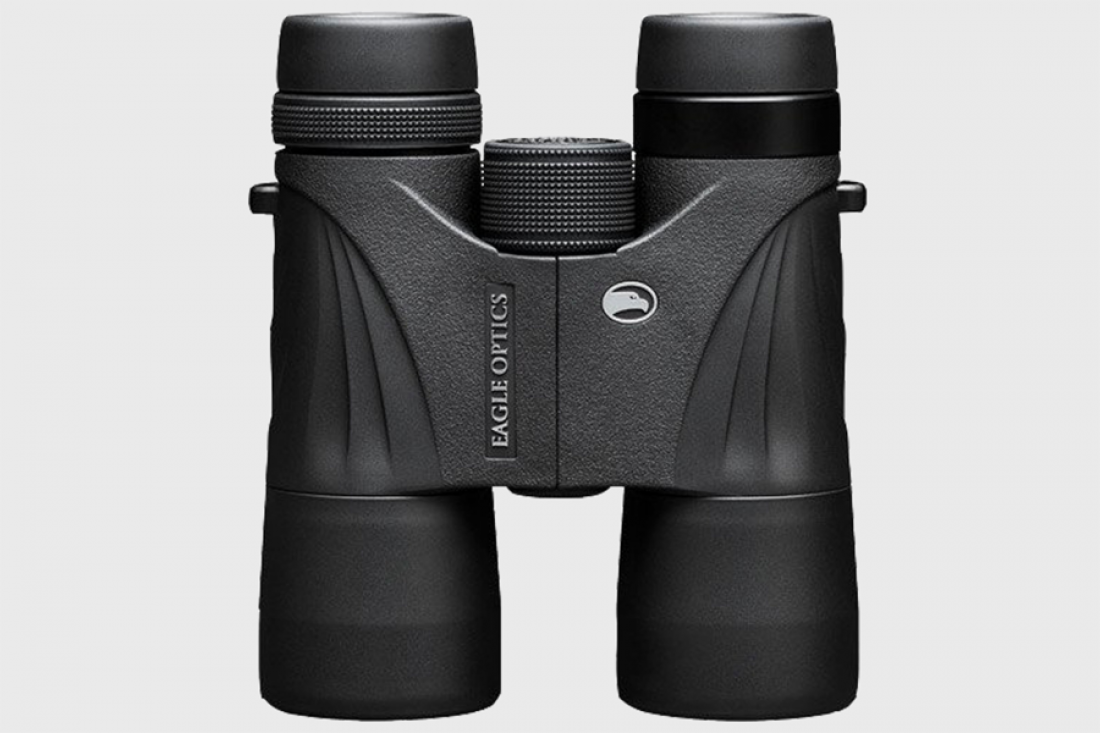
3. Eagle Optics Ranger ED 8x42

$300 – 350
blog-image

Praised for its rubberized waterproof design and supple focus knob, this model is ideal for tracking birds in various weather conditions. While it may be slightly large for long-distance backpacking, its image quality is top-notch, making it perfect for trips with minimal hiking.

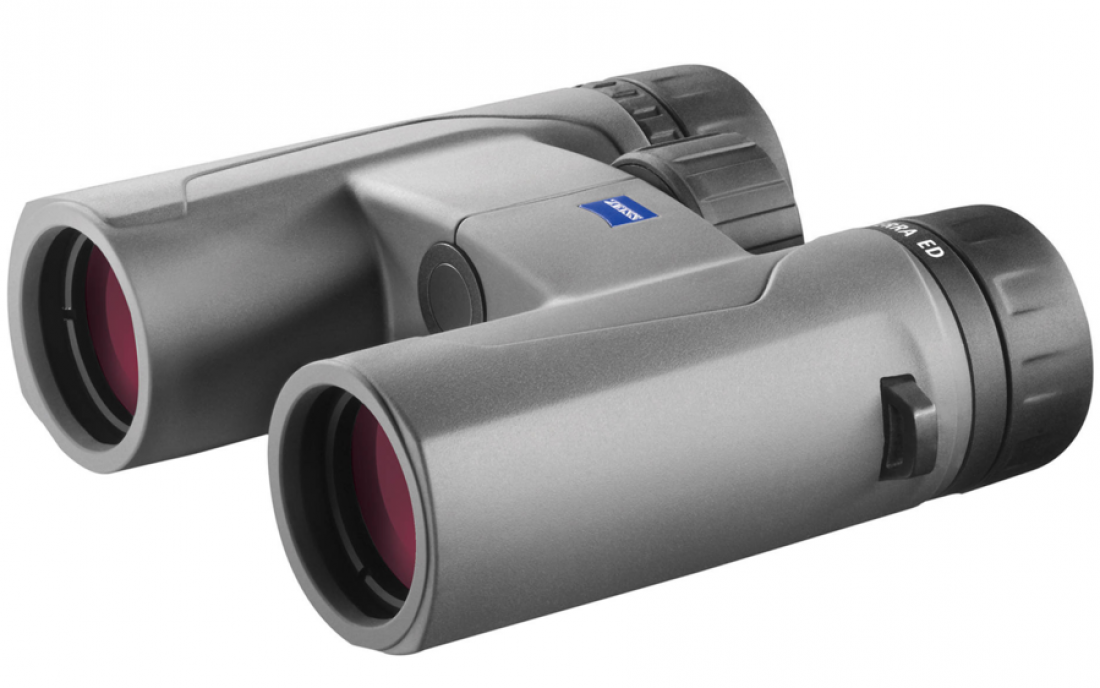
4. Zeiss Terra ED 8x32

$425 – 475
blog-image

Zeiss, founded in Germany in 1846, is renowned for its optics. The Terra ED is noted for its impressive field of view, making it an ideal companion for nature adventures and birdwatching. It comes with an under-armor harness, plastic storage case, and a velvet bag.

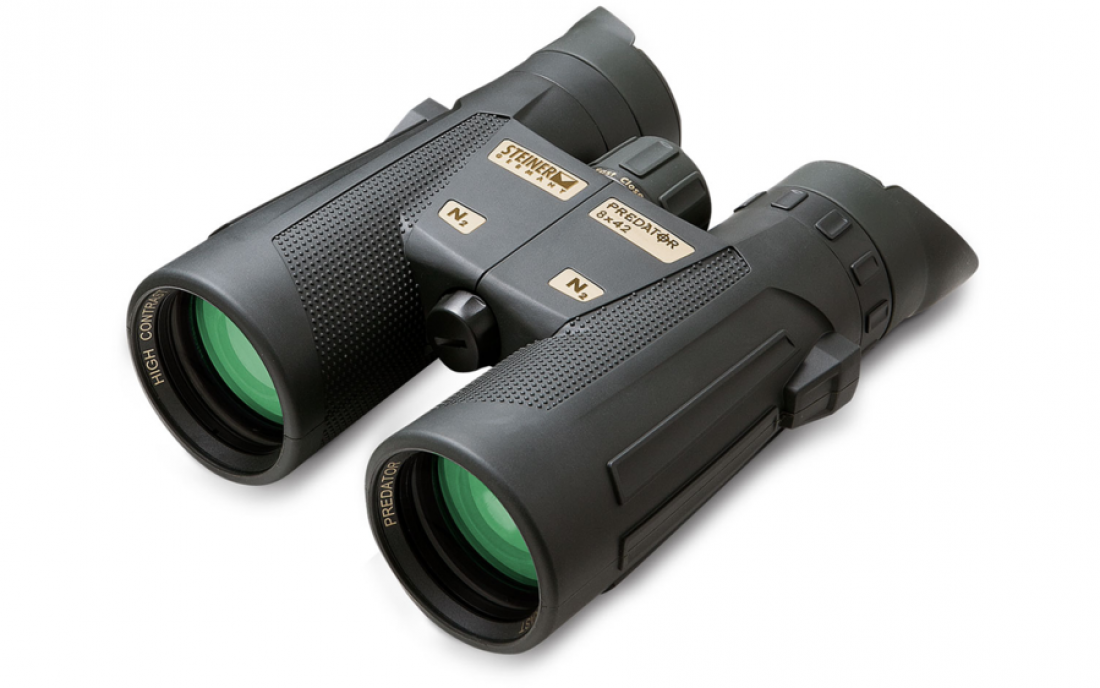
5. Steiner Predator 8x42

$425 – 475
blog-image

Steiner, another German optics company, field-tests every lens it produces. The Predator Pro offers good mobility, a bright picture, and ease of use. Its color-adjusted transmission coating increases contrast and light transmission, making wildlife easier to see. The magnesium alloy chassis is durable and lightweight.

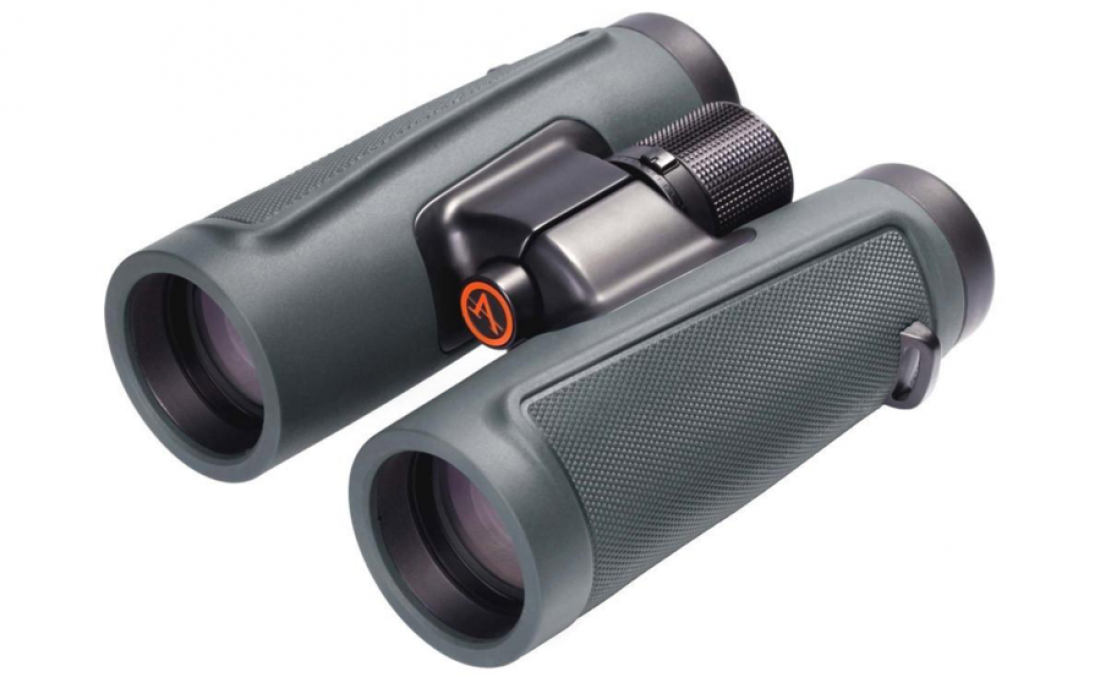
6. Athlon Cronus 10×42

$475 – 525
blog-image

Ideal for birders prioritizing high-quality glass at a reasonable price, the Cronus is Athlon’s flagship model. The ESP dielectric coating ensures excellent light transmission and clarity. Reviewers praise its minimum focus distance (two meters) and detail at ranges around 300 meters. It performs well even at several miles, comparable to more expensive brands like Zeiss and Swarovski.

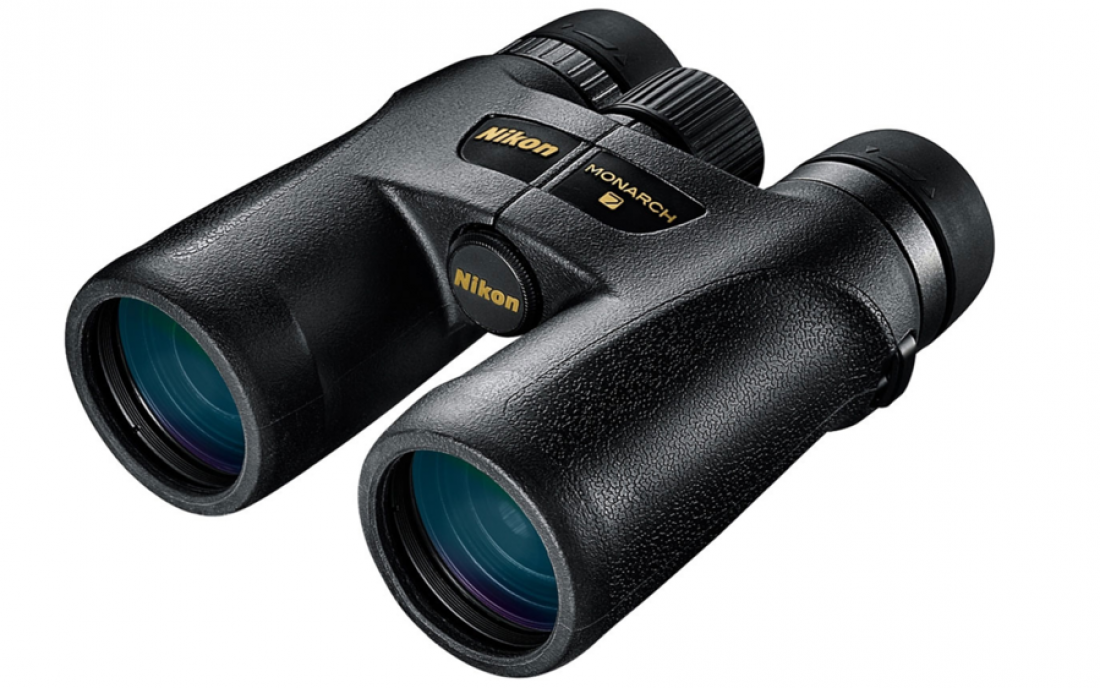
7. Nikon Monarch 7 ATB 10x42

$475 – 525
blog-image

The Monarch line is Nikon’s best-selling binocular product, beloved by birders worldwide. The 7 is its top-performing model, offering a quarter of the cost of similar bins like the Zeiss Victory. It is among the lightest and smallest in the Monarch family, with a lens coating that sets it above the 5 and 3 models.

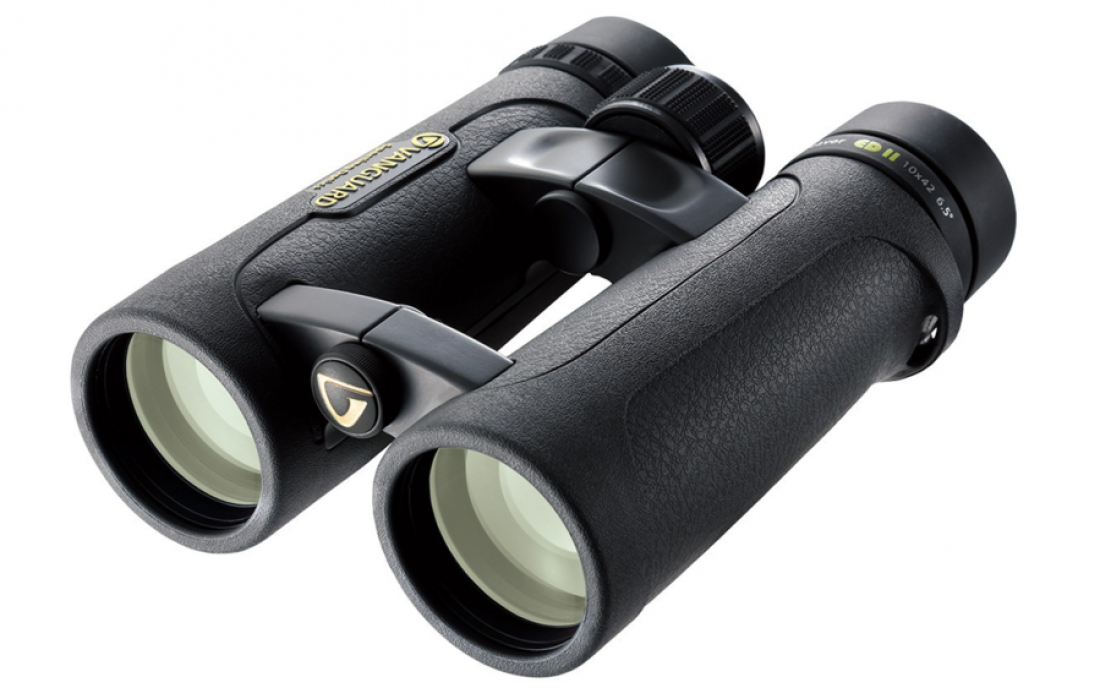
8. Vanguard Endeavor ED II 10x42

$475 – 525
blog-image

Building on the success of the award-winning Endeavor ED, the ED II offers resolution-enhancing BAK4 roof prisms with phase coatings, extra-low dispersion glass, a close focus of two meters, fully multi-coated optics, 19.5mm of eye relief, and a fog and water-proof magnesium body. Vanguard uses high-end Hoya optics from Japan for optimum clarity.

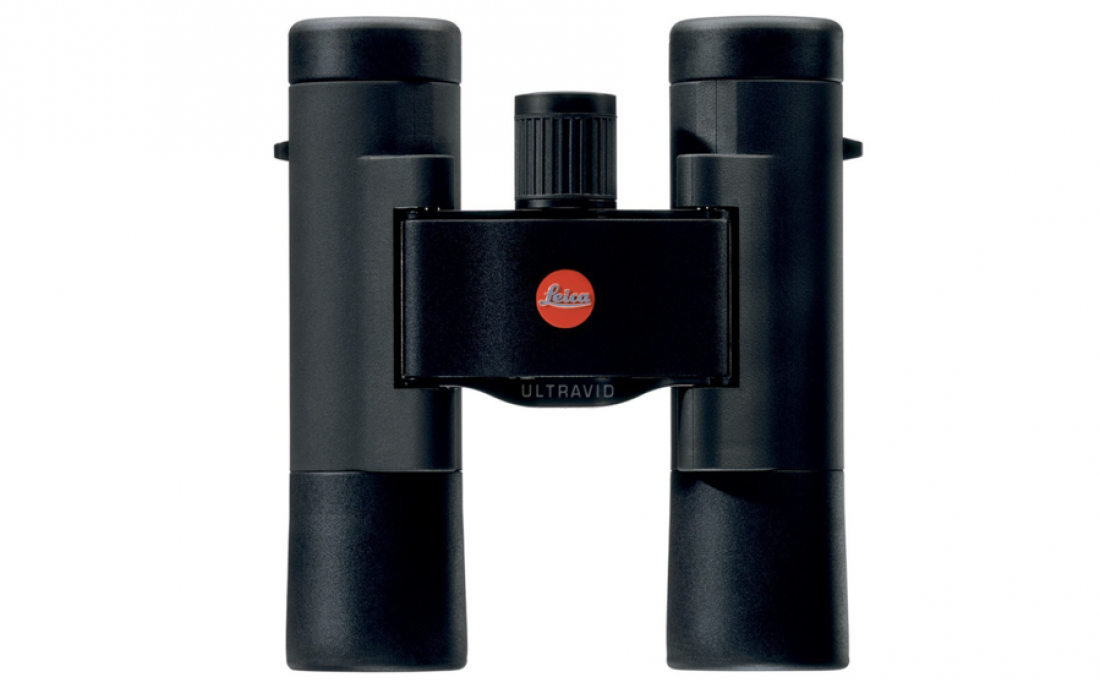
9. Leica 10x25 Ultravid BCR

$725 – 775
blog-image

The Leica-proclaimed “reference standard,” these compact binoculars are compared to nearly every other compact model available. Despite their small size, they feature multi-coating on every air-to-glass surface, phase-coated roof prisms, nitrogen-purged waterproof housing, and internal focusing. Perfect for bird watchers who enjoy hiking.

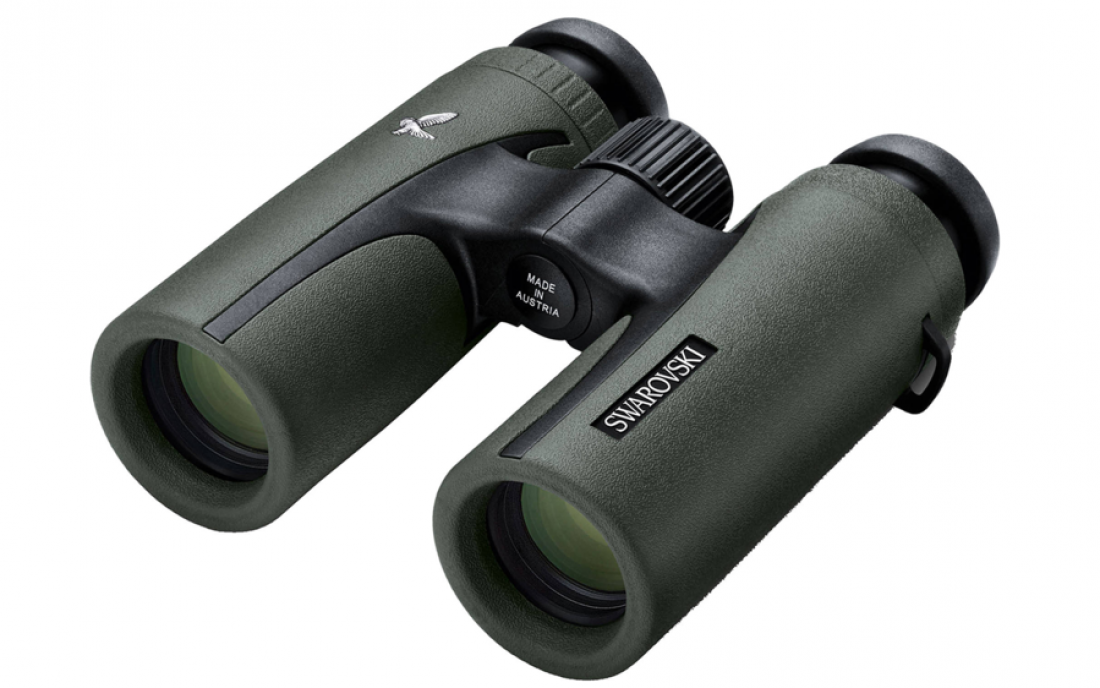
10. CL Companion Polaris 8x30 B

$1,325 – 1,375
blog-image

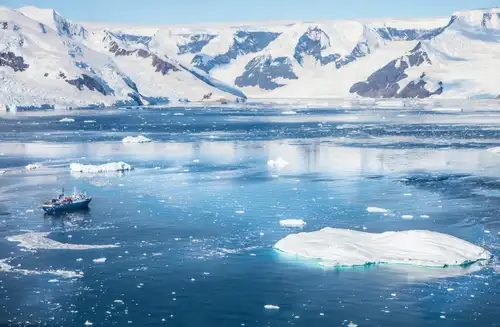
Swarovski is known for superior quality glass. The CL Companion Polaris is a great choice for bird watching hikes and trips requiring minimal foot traffic, like Arctic or Antarctic bird watching cruises. With a 124-meter field of view and 8x magnification, it weighs 17.6 ounces and has a comfortable ergonomic design, making it easy to pack for any occasion.


Blog
go-leftgo-right

The ozone layer in Antarctica - Nexta Expeditions
Blog

The ozone layer in Antarctica
An ozone molecule is composed of three oxygen atoms rather than the usual two. It exists in the atmosphere in trace amounts. Ozone molecules are created through the interaction of ultraviolet (UV) radiation from the sun with oxygen molecules: When an O2 molecule is split, the two free oxygen atoms bond with other O2 molecules to form O3 molecules.
Baleen Whales – The Gentle Giants of the Ocean - Nexta Expeditions

Blog

Baleen Whales – The Gentle Giants of the Ocean

They are the largest animals on Earth, yet they thrive on some of the tiniest creatures. These giants can reach lengths of 30 meters (90 feet), but it is the microscopic zooplankton, krill, and small fish that sustain them. These are the baleen whales. Unlike toothed whales, baleen whales lack teeth. Instead, they use plates of baleen in their mouths to trap and consume their tiny prey.
Freshwater ecosystems in the Arctic - Nexta Expeditions
Blog

Freshwater ecosystems in the Arctic

The Arctic, surprisingly, hosts a rich and varied array of freshwater ecosystems, including lakes, ponds, rivers, streams, deltas, and wetlands. Some of the world's largest rivers and deltas, such as the Lena, Ob, and Yenisei, are found in this region.
Penguin Wisdom: Life Lessons from Our Favorite Flightless Birds - Nexta Expeditions
Blog

Penguin Wisdom: Life Lessons from Our Favorite Flightless Birds

As enthusiasts of wildlife travel, we believe every creature has something valuable to impart - from the grand blue whale to the tiny cephalopod, the formidable polar bear to the elusive Arctic fox.
17 Reasons to Cruise the Falklands - Nexta Expeditions
Blog

17 Reasons to Cruise the Falklands

Maybe you’ve already marveled at the colossal penguin colonies of South Georgia, sailed among the plunging seals of the Antarctic Peninsula, and watched whales in the Weddell Sea lunge among titanic tabular icebergs.
What to Pack for Your Expedition Cruise to the Arctic or Antarctica - Nexta Expeditions
Blog

What to Pack for Your Expedition Cruise to the Arctic or Antarctica

It’s easy to get confused about what to pack for a polar cruise. Some items are provided and some are not, and it’s not always clear which is which. This article will make your polar pack list painstakingly clear. Promise.
10 Traits of Post-Ice-Age Greenland - Nexta Expeditions
Blog

10 Traits of Post-Ice-Age Greenland

Grasses, sedges, and other species of heath were the first arrivals, and are still commonly found in Greenland. Scientists have been able to work out how plants colonised Greenland by examining ancient pollen samples found in deposits at the bottom of lakes: Dwarf birch came to western Greenland around 9,000 years ago, and around 4,500 years ago – roughly the same time humans were first boating onto Greenland shores – green alders were taking up residence there.
Antarctic Icon: 44 Facts About the Emperor Penguin - Nexta Expeditions
Blog

Antarctic Icon: 44 Facts About the Emperor Penguin

What polar bears are for the Arctic, emperor penguins are for Antarctica. These flightless aquatic birds are probably the most recognizable animals in the southern polar regions and certainly among the most popular wildlife attractions for our passengers.
Deep Sea Dwellers: 10 Facts about The Antarctic Giant Isopod - Nexta Expeditions
Blog

Deep Sea Dwellers: 10 Facts about The Antarctic Giant Isopod

On average, the Giant Antarctic Isopod grows to 9cm (3.5in.) in length. This may not seem very large, but factors including low light levels, freezing cold water, and a lack of oxygen prevent these isopods from growing very large. Other species of isopods, including the Giant Isopod, have been known to grow up to 40 cm (16 inches) in length!
Six Seal Species You Might See On Your Greenland Cruise - Nexta Expeditions

Blog

Six Seal Species You Might See On Your Greenland Cruise

If you spot a grand old whiskered man lounging in solitary splendor, there's a good chance you're looking at a bearded seal. Your Greenland cruise will take you to bays where these solitary fellows (except during breeding season) hunt for fish in the relatively shallow waters near the shores.
Greenland: East vs. West - Nexta Expeditions
Blog

Greenland: East vs. West

East and West Greenland offer vastly different experiences due to their unique climates, wildlife, habitation, and geology.
True South: A New Flag for a Global Antarctica - Nexta Expeditions

Blog

True South: A New Flag for a Global Antarctica

When Evan Townsend signed up to spend the winter of 2018 working at an Antarctic research station, he had no reason to expect he would end the season by designing a new flag for the continent. He had even less reason to expect the support it would receive.
Hot Ice: Breeding Practices of Five Polar Animals - Nexta Expeditions

Blog

Hot Ice: Breeding Practices of Five Polar Animals

Last Valentine's Day we gave you 14 wildlife pictures highlighting the ins, outs, ups, and downs of polar romance. This year we're moving on to something a little more advanced: the nitty-gritty details of polar wildlife breeding rituals.
A Day on m/v Plancius - Nexta Expeditions
Blog

A Day on m/v Plancius

Stepping aboard this long-running expedition vessel, it’s easy to forget that she’s been making voyages to the polar regions since “Afternoon Delight” by Starland Vocal Band was on the Billboard Hot 100.
Greenlandic Inuit Beliefs - Nexta Expeditions
Blog

Greenlandic Inuit Beliefs

Greenland is the world’s largest island and with the northern tip around 740 kilometres from the North Pole it is the northernmost country on Earth. The island is around 2,670 kilometres long and is about 650 kilometres across at its widest point.
Birds of the South: 33 Antarctic Birds and Seabirds - Nexta Expeditions

Blog

Birds of the South: 33 Antarctic Birds and Seabirds

Of the many compelling reasons people travel to Antarctica and the sub-Antarctic, bird life is among the most beloved.
The Norse Settlement of Greenland - Nexta Expeditions
Blog

The Norse Settlement of Greenland

Erik the Red is a significant and vibrant figure in the history of the Norse Vikings. His story is primarily documented in the Icelandic Sagas Huaksbók (14th Century) and Skalhóltsbók (15th Century). These accounts offer slightly different versions of events that occurred 3-400 years earlier. The original saga of Erik the Red is believed to have been written around 1200 A.D., with the Skalhóltsbók version considered closest to the original. Additionally, Flateyjarbók (13th Century), which includes the Saga of the Greenlanders, is a crucial source for understanding the settlement of Greenland and the discovery of Vinland – North America.
The first race to the South Pole in 50 years - Nexta Expeditions
Blog

The first race to the South Pole in 50 years

Before the South Pole could be reached, the question was what exactly lay at the southern ends of Earth. The concept of Terra Australis Incognita, an unknown continent, was first introduced by Aristotle, who reasoned that a southern landmass must exist to ‘balance’ the known lands in the northern hemisphere.
A Day of Basecamp in Antarctica – Paradise Harbour - Nexta Expeditions
Blog

A Day of Basecamp in Antarctica – Paradise Harbour

After an early morning gathering of our camping group, we reached the entrance to Lemaire Channel. The snow and mist around the mountain peaks created a captivating atmosphere as we began our journey to Paradise Bay. The channel was dotted with impressive icebergs, and we even spotted a few sleeping humpback whales, providing ample photo opportunities.
The Small Mammals of the Arctic and Antarctica - Nexta Expeditions
Blog

The Small Mammals of the Arctic and Antarctica

As Lillian Gish says in Night of the Hunter, “It’s a hard world for little things.”