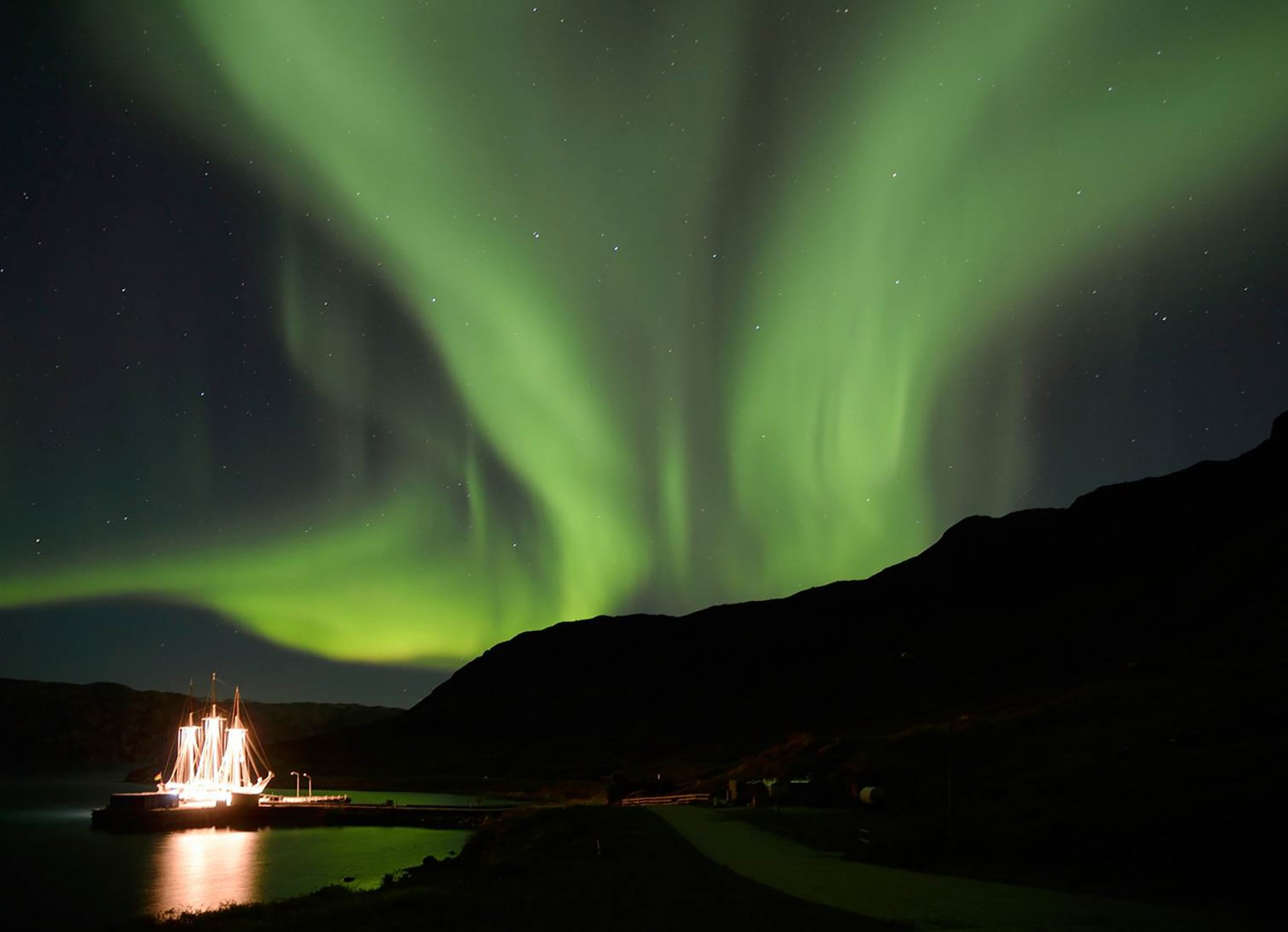
North Norway Northern Lights And All The Pretty Whales - Nexta Expeditions
North Norway, Northern Lights, and All the Pretty Whales

North Norway, Northern Lights, and All the Pretty Whales

At first glance, visiting Northern Norway outside of a blazing-hot summer might seem daunting for the average traveler.

Legends abound of Norway’s months of unbroken darkness, its tracts of untamed wilderness, and its history of bone-chilling winters that could make even the most committed Viking consider a career change.

But don’t believe every legend you hear.

Not only is Northern Norway’s less-than-luxurious side vastly overestimated, but this is one Arctic location that would be well worth seeing even if it weren’t.

A little goes a long way: Northern Norway is an Arctic appetizer

If you’ve crunched the numbers and are still unsure about signing on for a full polar voyage, you couldn’t ask for a better sampler of the Arctic bill of fare than Northern Norway. And as true as that is for the warm season, it’s even truer for the cooler one.

From October to April, you’re getting the most of the Arctic milieu without having to endure the harrowing distances required of usual Arctic haunts like Greenland, Svalbard, and especially Siberia. Cruising Northern Norway sites like the island of Senja and around Tromsø, on the other hand, affords you a modest dose of Arctic weather with the lion’s share of Arctic landscape – and all without having to drag yourself to the other side of the globe to get it.
blog-image

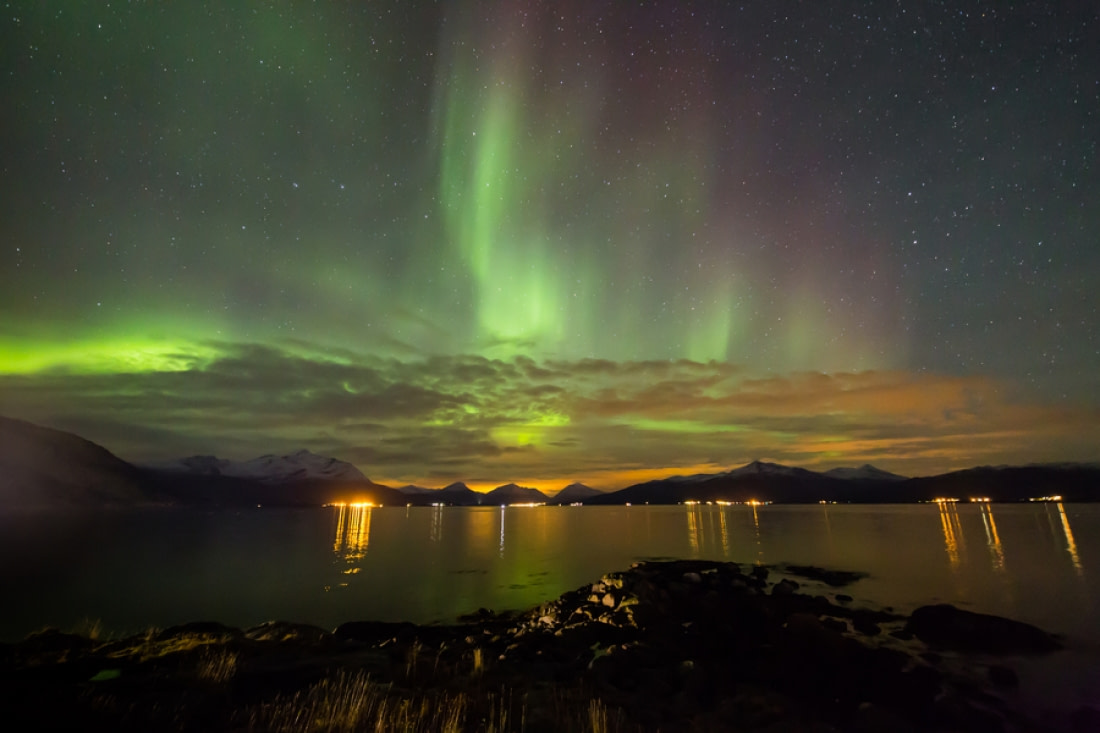
Even the most veteran polar voyagers affirm that Northern Norway provides panoramas every bit as picturesque as the glacial slopes of east Greenland, Spitsbergen, and Iceland. But unlike some of those areas, Northern Norway has a more advanced infrastructure enlivened with vibrant Scandinavian culture.

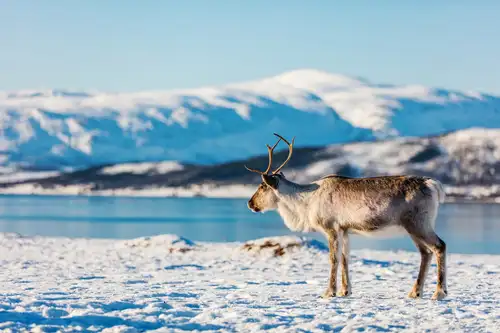
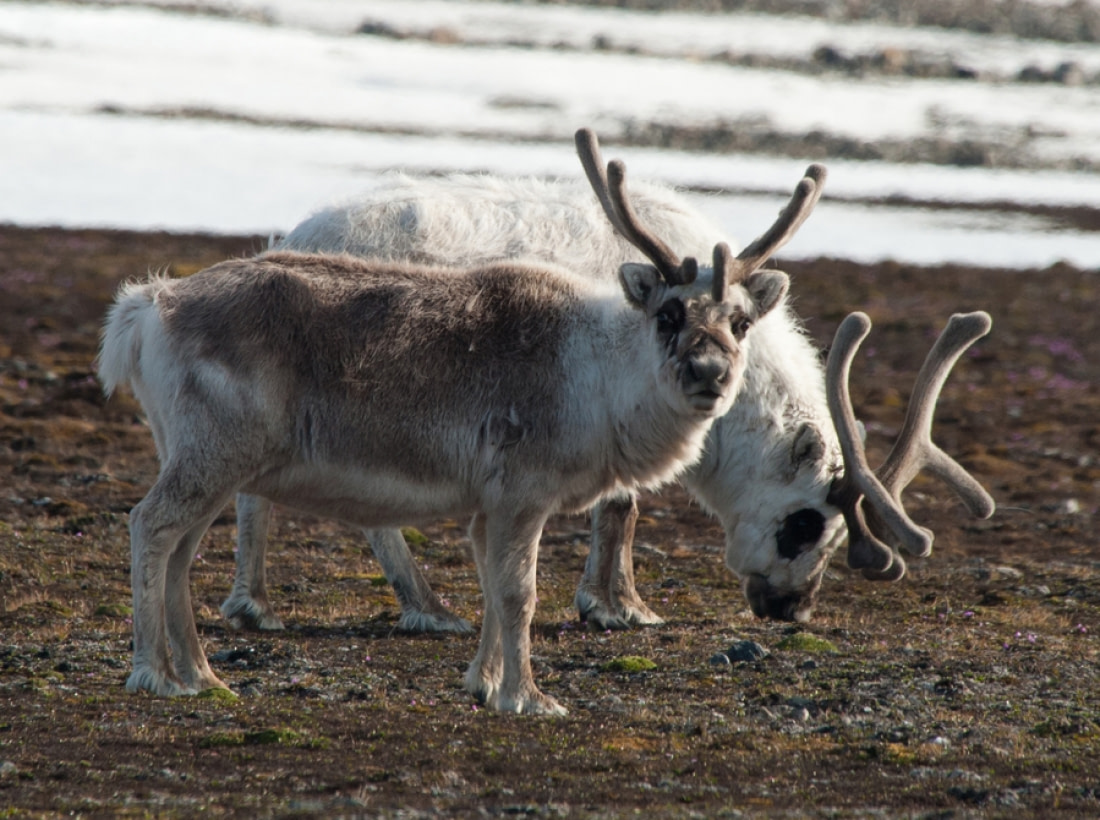
Plus, who doesn’t love reindeer?
blog-image

Overall, Northern Norway winters give you a touch of Arctic chill while still allowing you to feel your fingers, which will come in handy (so to speak) when you’re taking all those wonderful whale and northern lights pictures. But we’ll get to them in a second.
blog-image

You can sail our historic schooner like a true Arctic explorer

Most tours to the Arctic take place on large motorized vessels freighting about a hundred passengers. These are often renovated research ships that aren’t very nimble, are sometimes noisy, and can seldom explore some of the best fjords Norway has to offer. Not so with our Northern Norway schooner. You’ll think you’ve woken up in one of Ernest Shackleton’s dreams, minus all the hard work and frostbite.
blog-image

In Northern Norway we employ a traditional sailing vessel, Rembrandt van Rijn, built in the early nineteenth century but consummately updated for maximum comfort and safety. On top of imparting an authentic expedition experience, this smaller ship also carries fewer passengers: Rembrandt only takes 33 people.

This means that while you’re staring in amazement at the glittering Northern Norway fjord system (from a closer vantage than most vessels can offer), you’ll also be able to partake in traditional rope-and-mast sailing with a smaller group of snow lovers. And this means more fun divided among fewer people. We’re not mathematicians or anything, but we’re pretty sure that equals a good deal. And we haven’t even mentioned the northern lights yet.

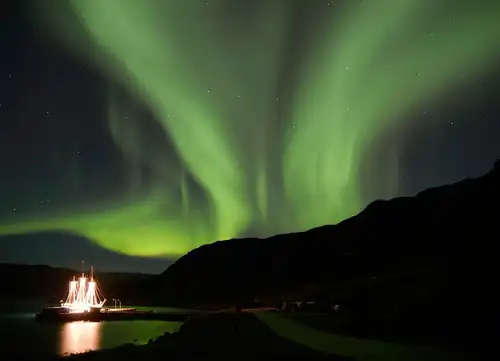
North Norway has some of the best lightshows on Earth

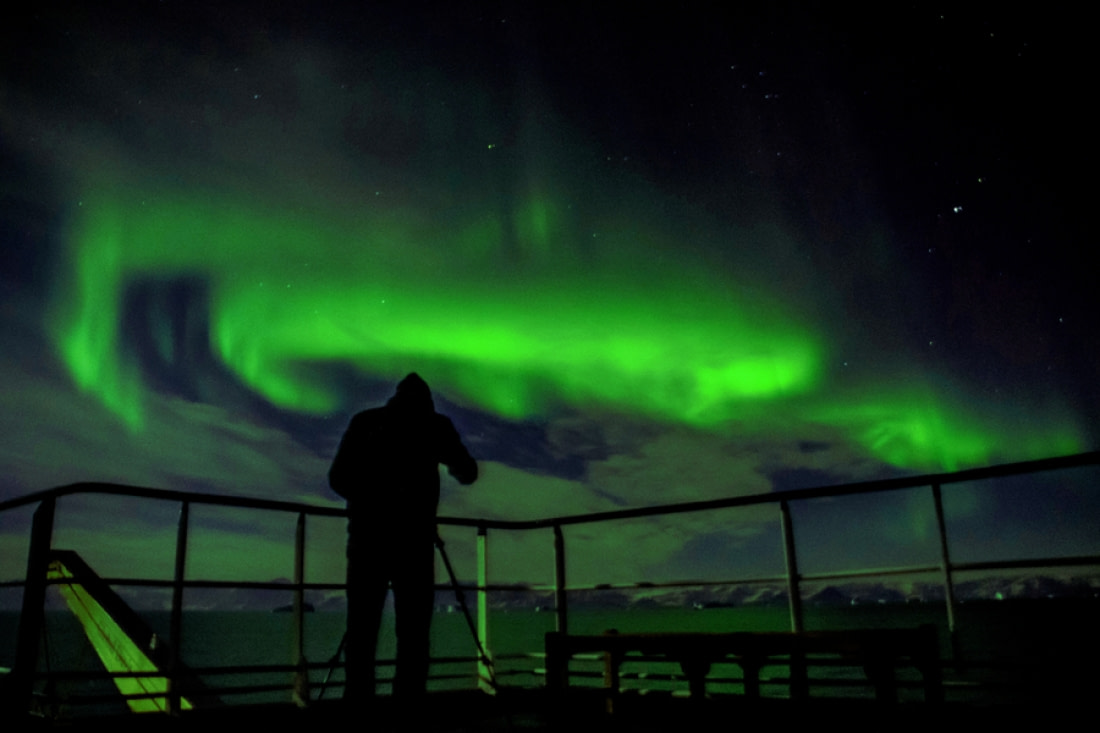
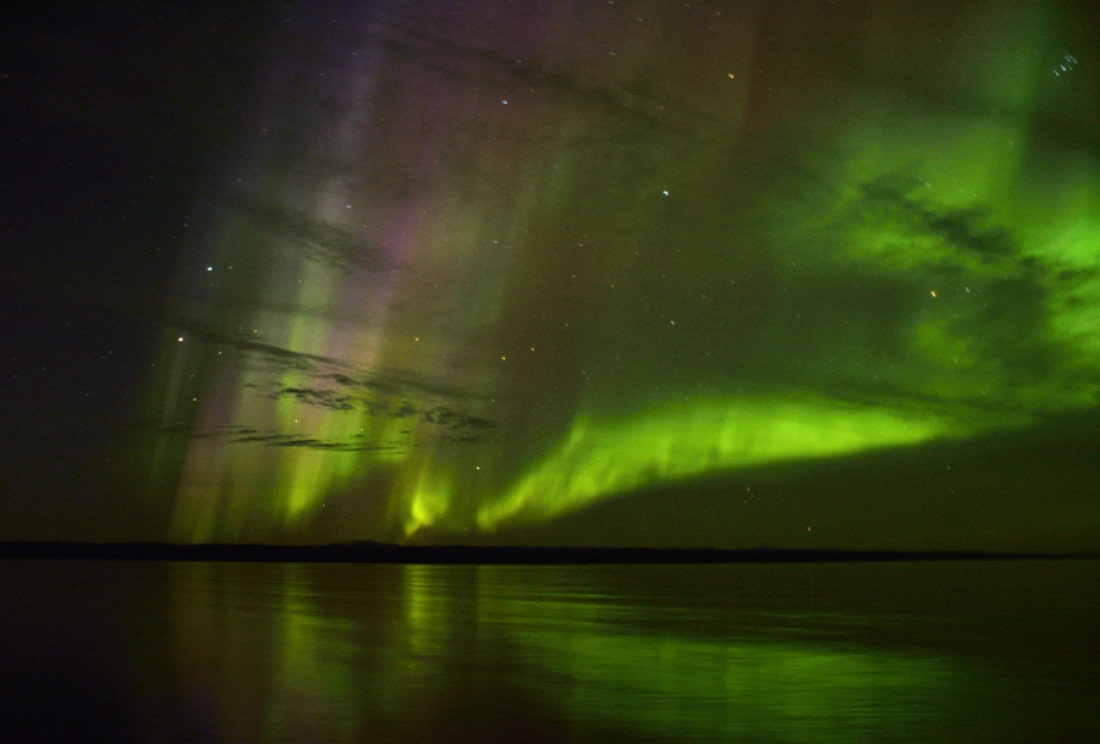
They’re bright, they’re beautiful, they grant you some of the best bragging rights on the planet. The northern lights, or aurora borealis to the Latinists, are reason enough to suffer any flight for just the chance of a shot at a glimpse. Come to Northern Norway in the colder months and you’ll have more than just a chance.

Granted the sky doesn’t stay overcast the whole time, you’ll wish you had a second camera and another set of eyes.

blog-image

We can’t help you with the eyes, but we can certainly give you something to use them on. North Norway offers visitors some of the best northern lights views to be found. This location has been consistently praised by such travel and nature authorities as National Geographic, the Travel Channel, and Travel + Leisure.

And harkening back to our earlier point about infrastructure, you can see these lovely light-works without having to pitch yourself headlong into Earth’s most isolated environs. So you can enjoy the old-fashioned quietude of a small-scale Arctic cruise without committing to all that goes along with a larger expedition. Oh, and also: whales.
blog-image

Did we mention the whales? Yeah, you can see them in Northern Norway too

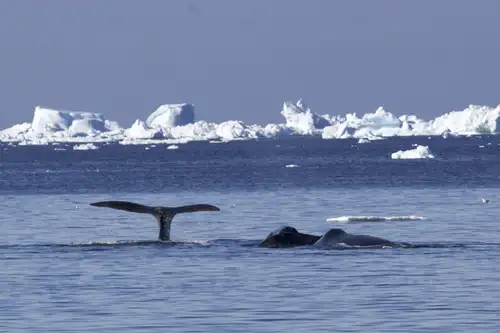
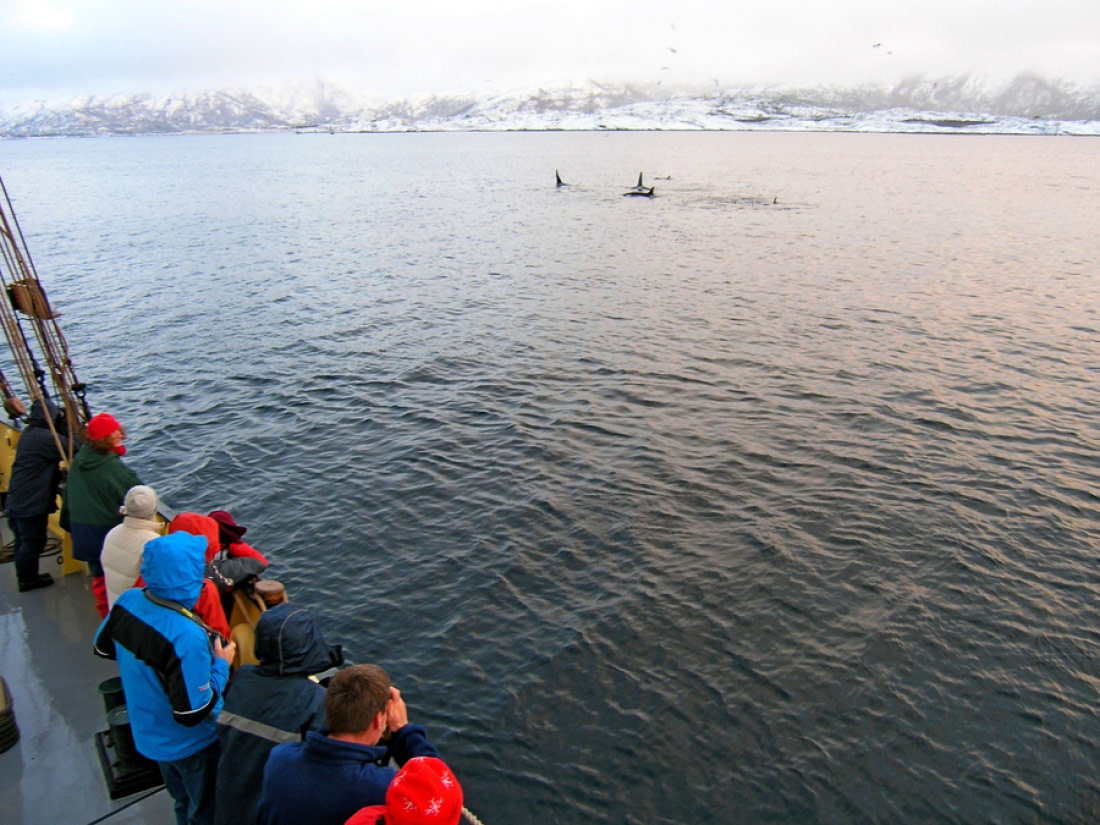
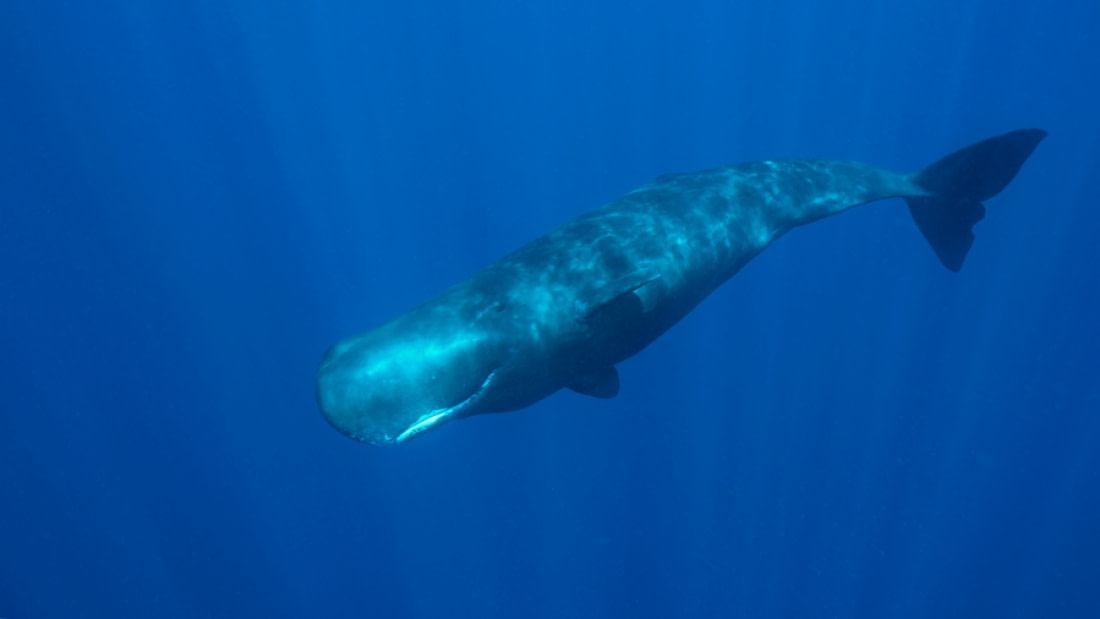
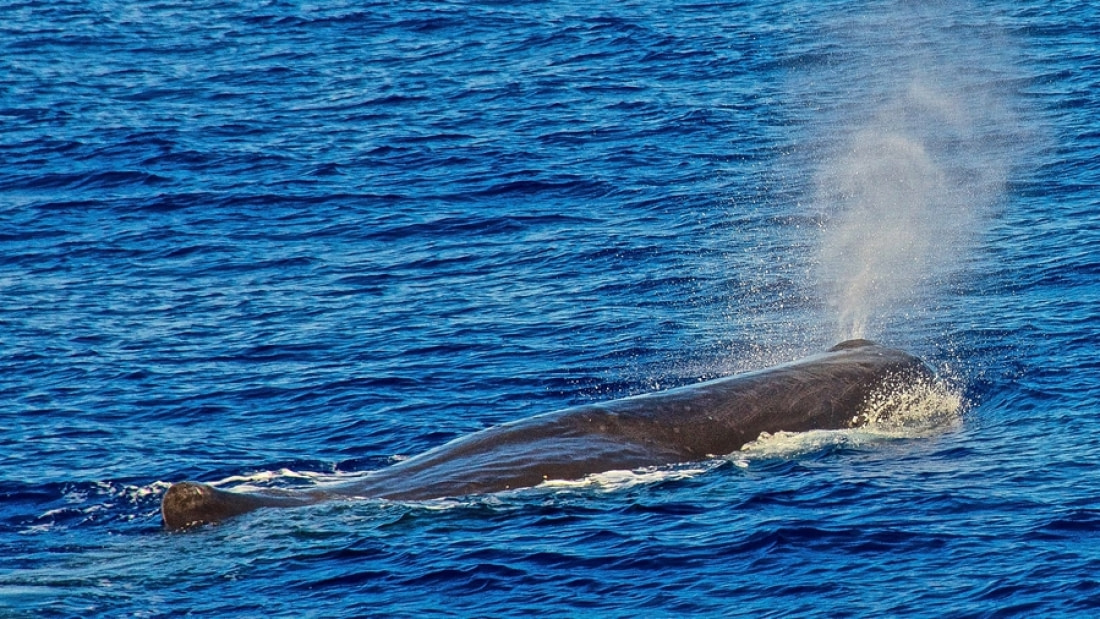
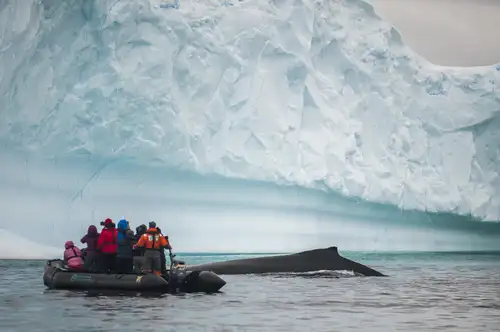
Seeing a whale from the edge of a 100-passenger vessel is no meager experience, but there’s just something about seeing whales from the creaking deck of a historic, hundred-year-old sailboat that’s slightly worthier of a song – or a Herman Melville novel. Our Northern Norway voyage gives you that opportunity. In fact, it’s as much a northern lights trip as it is a whale-watching cruise. And speaking of Melville, the most common whale we see on our Northern Norway itinerary is the sperm whale, the very species that inspired the white whale of Moby Dick.
blog-image

This was no random choice: Sperms whales have the biggest brains of any mammal on Earth (and likewise the biggest heads), lending to their reputation for intelligence. Sperm whales also have roughly the same lifespan as humans, living around 70 years, and they make the loudest sound of any living creature. But if your tranquil Northern Norway voyage has to be disturbed at all, you could do a lot worse than a whale blast by the species that inspired one of the world’s greatest literary achievements, right?
blog-image

North Norway: a short time ahead on a shoreline not so far away

The gentle rocking of a historic schooner, the wavelike grandeur of the northern lights, the seaward spout of surfacing sperm whales...

And all of it seen from the snow-swept splendor of the Northern Norway coastline, as steeped in ancient Scandinavian tradition as it is in iconic Arctic scenery. Whether you’re most primed to experience wildlife or landscapes, are traveling from distances great or small, or considering your first Arctic trip or your fifteenth, Northern Norway is indisputably a polar world beyond parallel.

Just ask the Vikings.

Blog
go-leftgo-right

Diving in Antarctica: The Ultimate Underwater Experience - Nexta Expeditions
Blog

Diving in Antarctica: The Ultimate Underwater Experience

Ice diving offers an extraordinary experience on an Antarctica diving trip. The dive sites are teeming with a unique array of colorful marine life, including penguins and leopard seals, which are exclusive to this region.
A Day on m/v Plancius - Nexta Expeditions
Blog

A Day on m/v Plancius

Stepping aboard this long-running expedition vessel, it’s easy to forget that she’s been making voyages to the polar regions since “Afternoon Delight” by Starland Vocal Band was on the Billboard Hot 100.
The Eight Great Penguin Species of Antarctica - Nexta Expeditions
Blog

The Eight Great Penguin Species of Antarctica

There are 17 species of penguin on the planet, but the eight you’ll most likely recognize live in Antarctica, its nearby islands, and the sub-Antarctic archipelagos of South Georgia and the Falklands. These are the core species we tend to see on our expedition cruises.
10 Bountiful Blue Whale Facts - Nexta Expeditions
Blog

10 Bountiful Blue Whale Facts

The umbrella term “whale” refers to a wide variety of large marine mammals. To zero in on blue whales, however, we’ll need to unpack this term a bit. The Latin word for whale, cetus, is the root of the whale infraorder, Cetacea, the largest parvorder of which is Mysticeti.
Six Must-See Svalbard Sites - Nexta Expeditions
Blog

Six Must-See Svalbard Sites

It's home to humanity's last-ditch supply of crop seeds, the world's northernmost settlement of over 1,000 people, and it is one of the best places on Earth to spot a polar bear.
The Ways and Wildlife of the Weddell Sea - Nexta Expeditions
Blog

The Ways and Wildlife of the Weddell Sea

The Weddell Sea is situated off the coast of Antarctica, at the southernmost part of the Atlantic Ocean. Its coordinates are 75 degrees south and 47 degrees west, encompassing the Argentine, Chilean, and British territories of Antarctica. The severe weather and extensive pack ice have historically made the Weddell Sea challenging to access, but modern icebreaker ships are now enabling explorers to venture into this remote area.
The South Georgia Seven: Hikes, Fjords, Whales, & Penguins - Nexta Expeditions
Blog

The South Georgia Seven: Hikes, Fjords, Whales, & Penguins

Few places encapsulate such a staggeringly rich assortment of sub-Antarctic scenery, wildlife, and outing opportunities as South Georgia.
Arctic Flowers, Trees, and Other Plant Life - Nexta Expeditions
Blog

Arctic Flowers, Trees, and Other Plant Life

When many people think of the Arctic, they probably imagine a stark white wasteland devoid of anything except snow, glaciers, and the occasional far-wandering polar bear.
Greenlandic Inuit Beliefs - Nexta Expeditions
Blog

Greenlandic Inuit Beliefs

Greenland is the world’s largest island and with the northern tip around 740 kilometres from the North Pole it is the northernmost country on Earth. The island is around 2,670 kilometres long and is about 650 kilometres across at its widest point.
The Ins, Outs, and Ups of Polar Mountaineering & Ski Mountaineering - Nexta Expeditions
Blog

The Ins, Outs, and Ups of Polar Mountaineering & Ski Mountaineering

Traveling to the polar regions, whether to the Arctic or Antarctica, is an adventure almost no matter what you do.
Eight Ultimate Antarctica Adventures - Nexta Expeditions
Blog

Eight Ultimate Antarctica Adventures

Antarctica has adventure in its bones. Long before most travelers even reach the continent, they have to cross the Drake Passage, an oft-tumultuous waterway considered by many a hallmark of high adventure in itself. Once you do reach the Antarctic shores, the variations of landscape and wildlife are as multiform as the activities you can pursue there. While not all of these activities can or should be shoehorned into a single article, this piece will give you a survey of the top eight. Like everything in the polar regions, these activities are subject to weather conditions – and your own threshold for adventure.
10 Tips for Photographing the Northern Lights - Nexta Expeditions
Blog

10 Tips for Photographing the Northern Lights

The northern lights, also known as the aurora borealis, offer some of the most breathtaking photographic opportunities in the Arctic. However, capturing this stunning phenomenon requires more than just luck. To take your best northern lights photos, it's helpful to understand some key aspects of aurora-specific photography.
Cheapest Antarctica Cruises: How to Save on Your Journey - Nexta Expeditions
Blog

Cheapest Antarctica Cruises: How to Save on Your Journey

Antarctica, the world’s most remote and pristine continent, is often seen as a destination reserved for luxury travelers. However, affordable options do exist, making this dream journey accessible to more adventurers. With careful planning and the right provider, like Nexta Expeditions, you can explore the icy wilderness without breaking the bank. This guide will show you how to save on your Antarctic cruise while still enjoying a high-quality experience.
The disastrous expedition in the Arctic west - Nexta Expeditions
Blog

The disastrous expedition in the Arctic west

In 1902, Otto Sverdrup, captain of the Fram on Nansen’s expedition, led his own Arctic expedition to the north of Canada. Over the period of the expedition, which started in 1898, Sverdrup and his 15-man crew charted over 250,000 square kilometres of the Arctic using the Fram and sledges. During the expedition Ellesmere Island’s west coast was explored and new islands discovered.
Earth vs. Mars: Polar Regions Compared - Nexta Expeditions
Blog

Earth vs. Mars: Polar Regions Compared

It’s well-known that Mars, like Earth, has its own polar regions, often referred to as the Martian ice caps. These regions, similar to Earth's, are situated at the north and south poles and experience much lower temperatures compared to the areas in-between.
Of Treacherous Rocks & Audacious Fin Whales - Nexta Expeditions
Blog

Of Treacherous Rocks & Audacious Fin Whales

Soon large blows filled our view; small groups of fin whales sped by heading north all the while feeding on concentrations of krill & small fish. Group after group was seen, with many simply feeding in the general area and not heading anywhere in particular. Soon it became evident that we were not simply seeing a few random groups of fins, but a very large concentration spread out over a large area of sea just north and around the islands north of the South Shetlands. Dozens upon dozens of fin whales were feeding, diving around the ship and on the horizon in massive numbers; we must have seen well over fifty fin whales in the general area of Elephant Island, something many of the guides had never seen before.
16 Conversation-Starting Svalbard Facts - Nexta Expeditions
Blog

16 Conversation-Starting Svalbard Facts

It might seem odd that an icy, snowy, bear-packed cluster of islands at the edge of the world could be such a hotspot (so to speak) of outdoor tourism.
Arctic vs. Antarctica: A Traveler’s Guide - Nexta Expeditions
Blog

Arctic vs. Antarctica: A Traveler’s Guide

Sunrises vs. sunsets, coffee vs. tea, Wonder Woman vs. Superman...
Top Antarctica Cruise Experiences for 2025 - Nexta Expeditions
Blog

Top Antarctica Cruise Experiences for 2025

Antarctica, the world’s southernmost continent, captivates adventurous travelers with its breathtaking landscapes and rich biodiversity. Cruises to this icy destination offer unparalleled access to pristine wilderness, unique wildlife, and transformative experiences. In 2025, the allure of Antarctica promises to be even greater, with cutting-edge expeditions and eco-conscious travel options reshaping the journey south.
Day and night in Antarctica - Nexta Expeditions
Blog

Day and night in Antarctica

At the Concordia station, a French-Italian research facility situated 3,233 meters above sea level at Dome C on the Antarctic Plateau, European Space Agency (ESA) scientists are investigating the effects of extended space missions. The station is more isolated than the International Space Station, with the nearest humans located 600 kilometers away.