



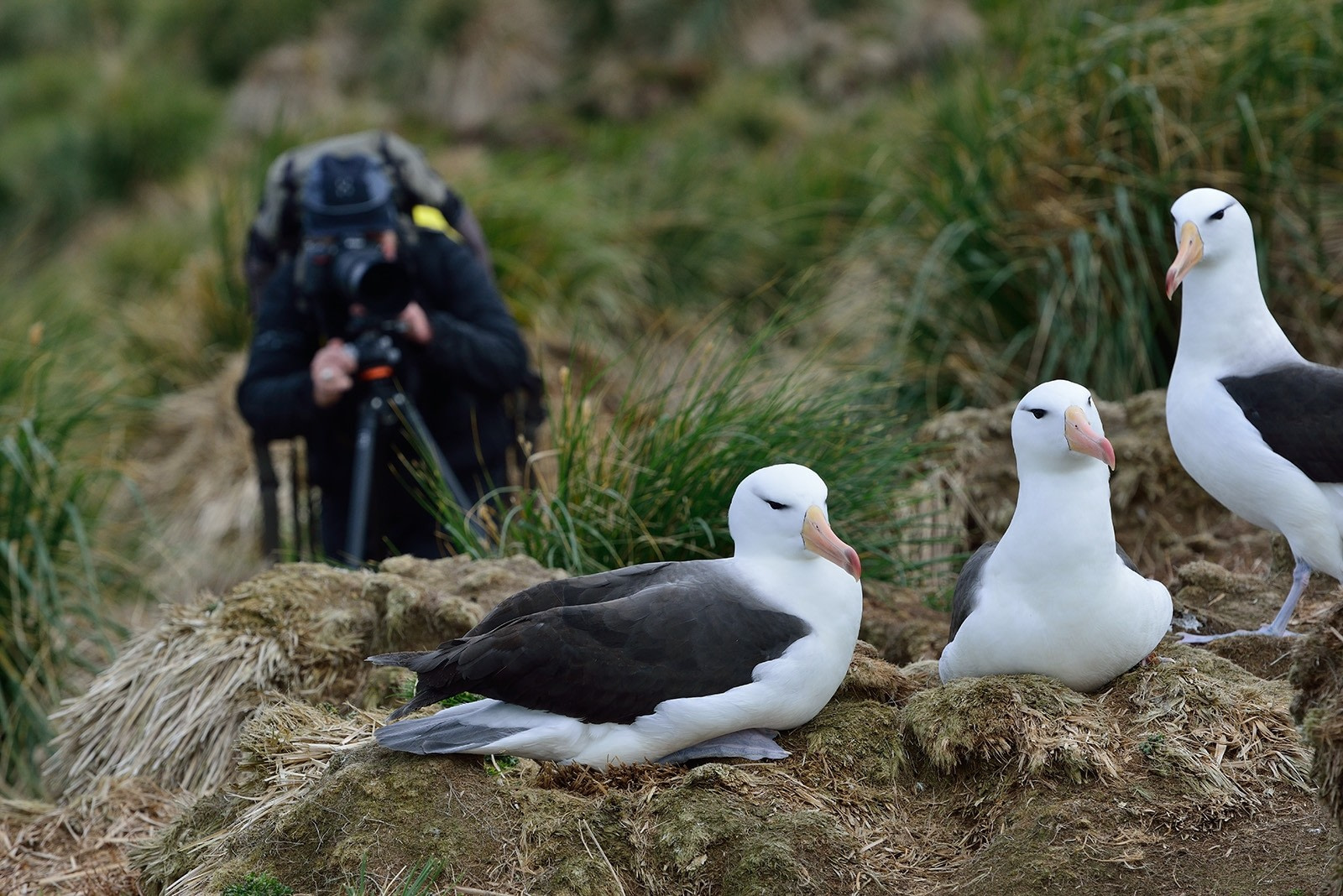
The remote sub-Antarctic archipelago of the Falkland Islands is a haven for bird enthusiasts, offering a unique and abundant selection of birds, especially seabirds.
This South Atlantic island chain’s rich avian life attracts birders, photographers, and birdographers from around the globe, drawing thousands each year and undoubtedly supporting a significant portion of the camera market.
With this in mind, we’ve curated 15 images of the most photogenic birds in the Falklands. Some were taken by you, some by us, but each one was lovingly captured during our exciting Falkland Islands voyages.
1. King penguin
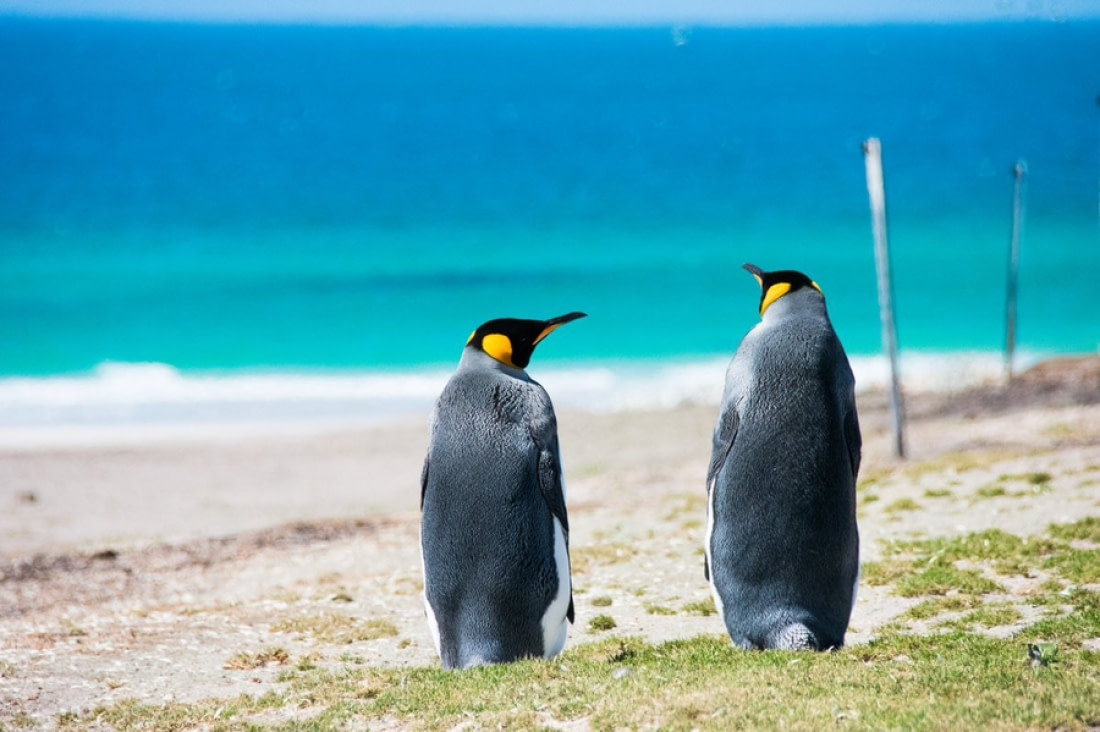
2. Falkland steamer duck
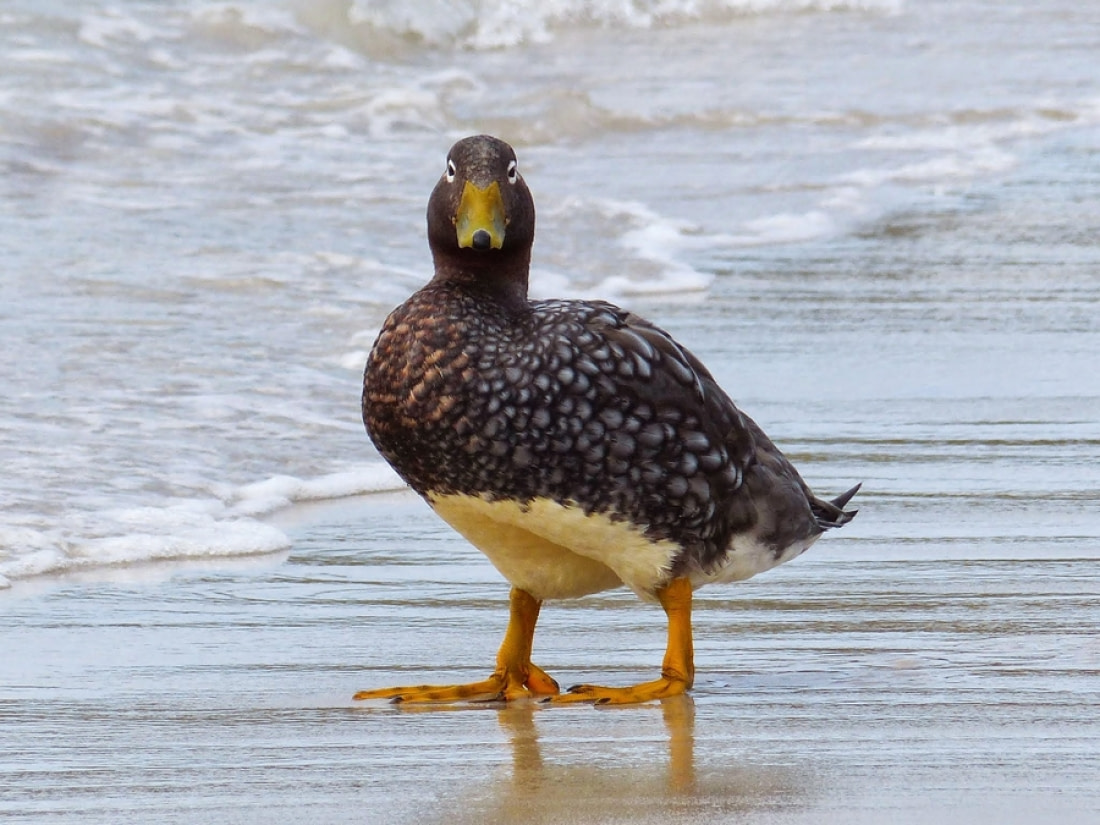
3. Cobb’s wren
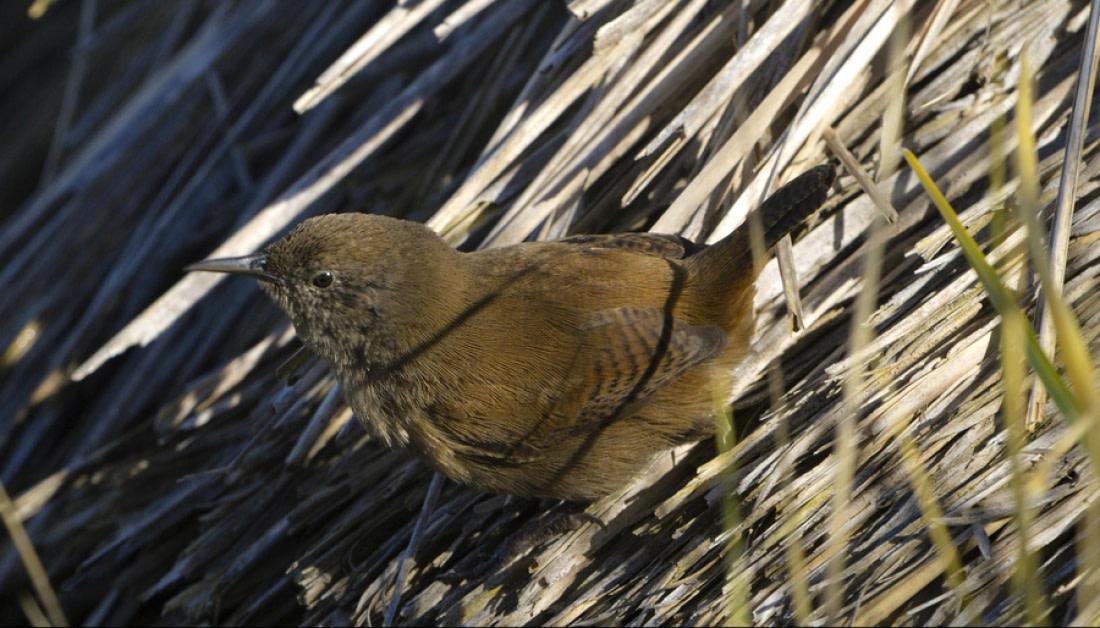
4. Long-tailed meadowlark
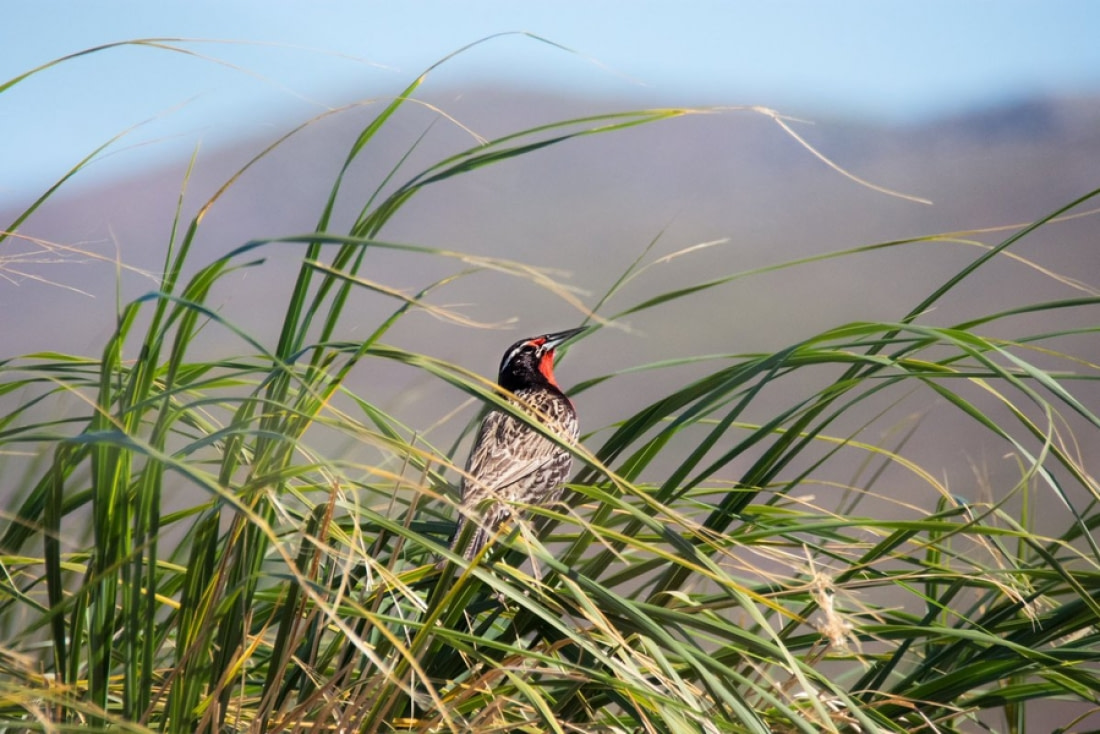
5. Rockhopper penguin

6. Ruddy-headed goose
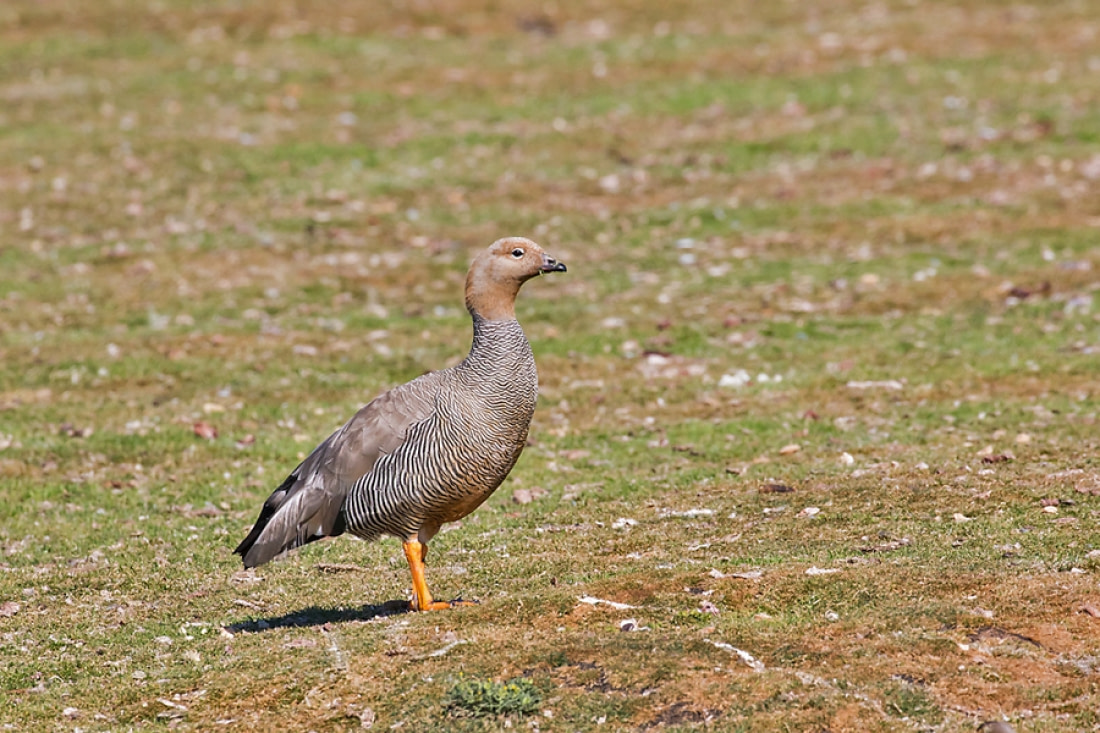
7. Night heron
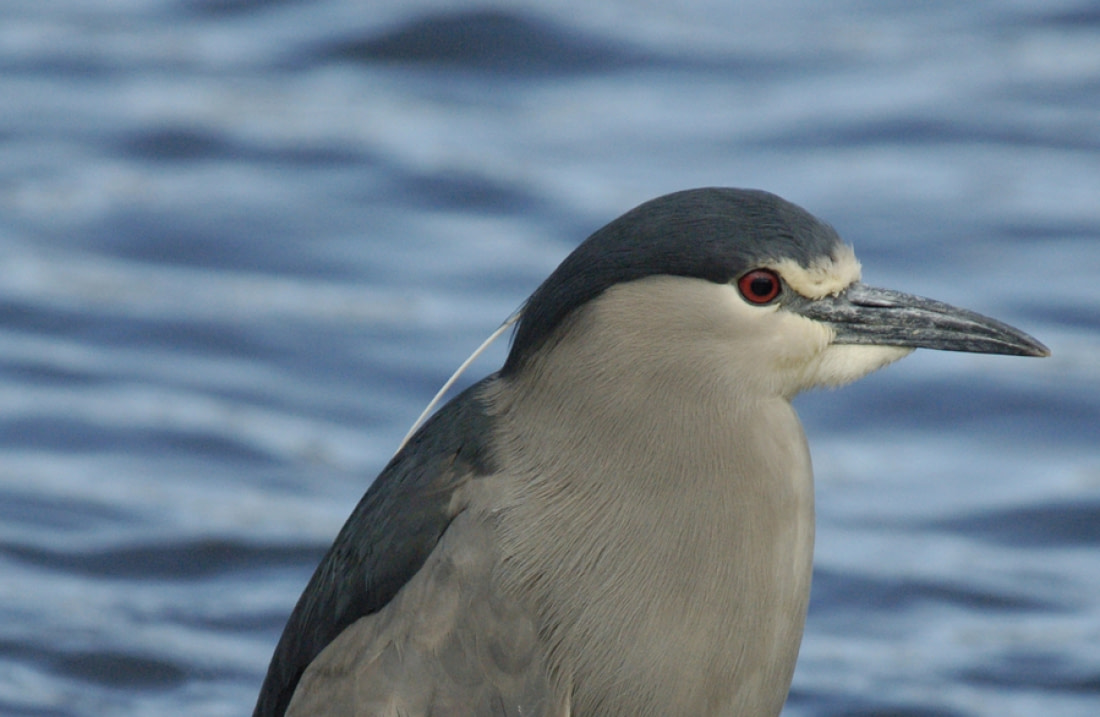
8. Gentoo penguin
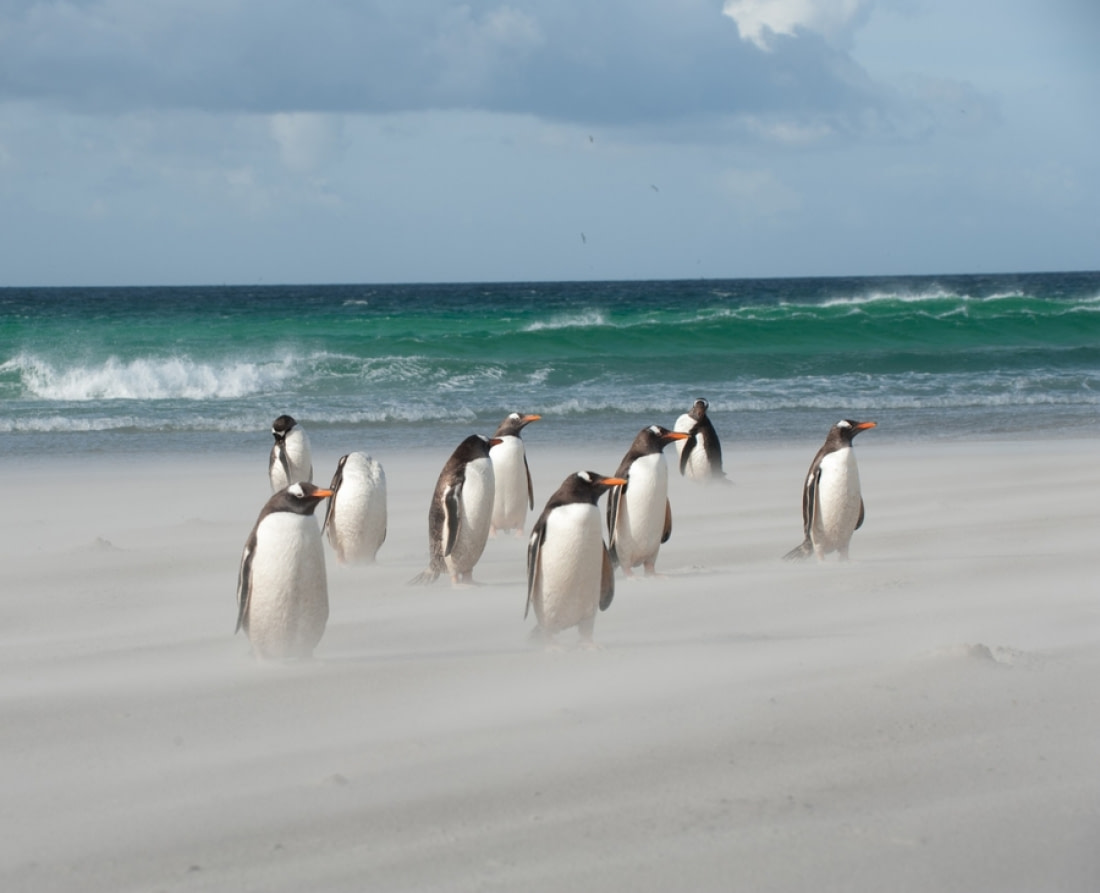
9. Striated caracara
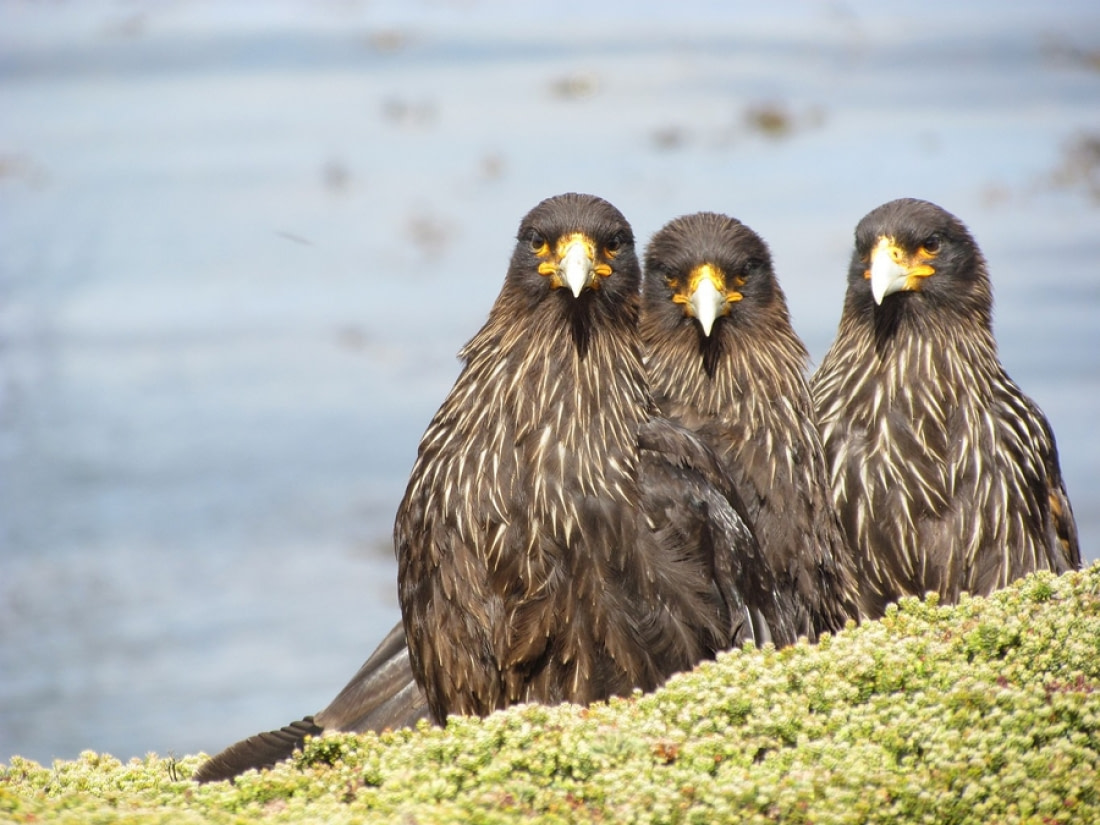
10. Black-browed albatross
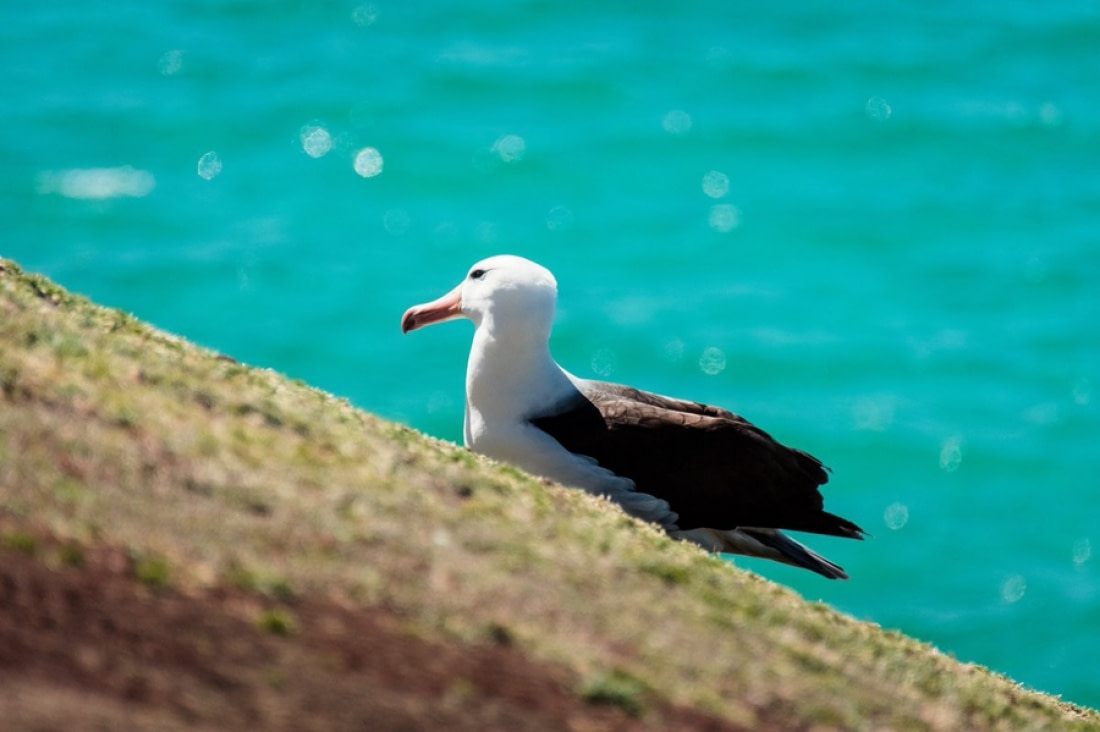
11. Great shearwater
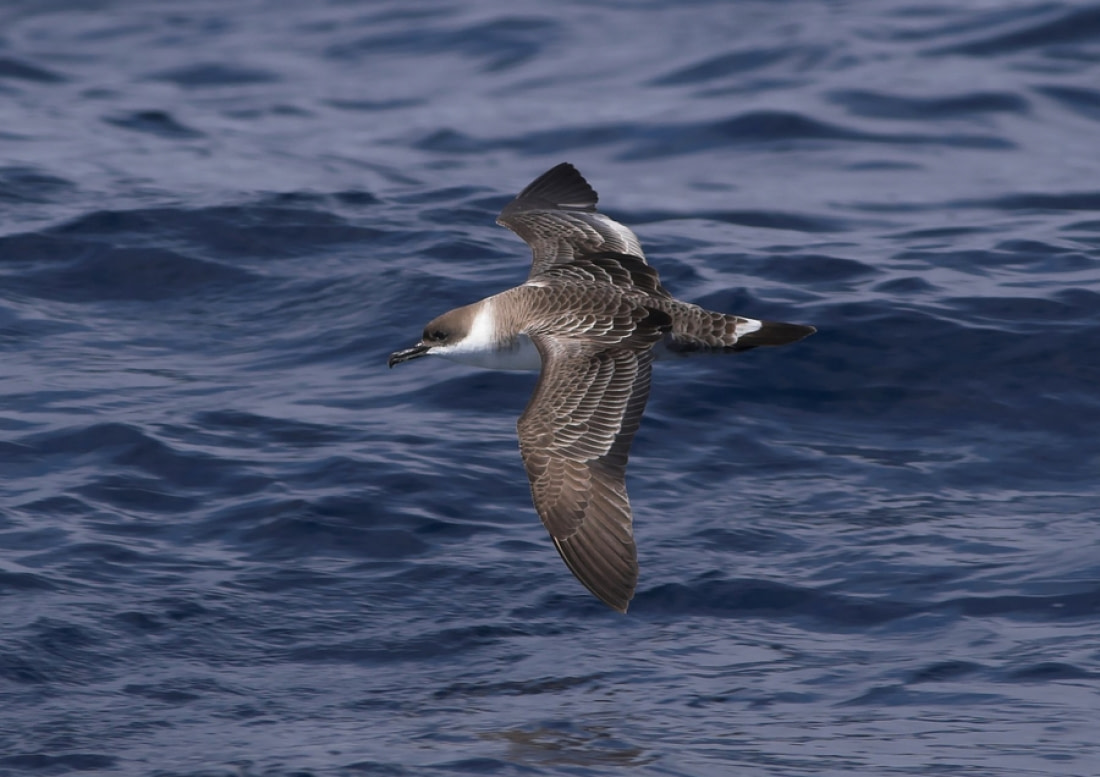
12. Macaroni penguin
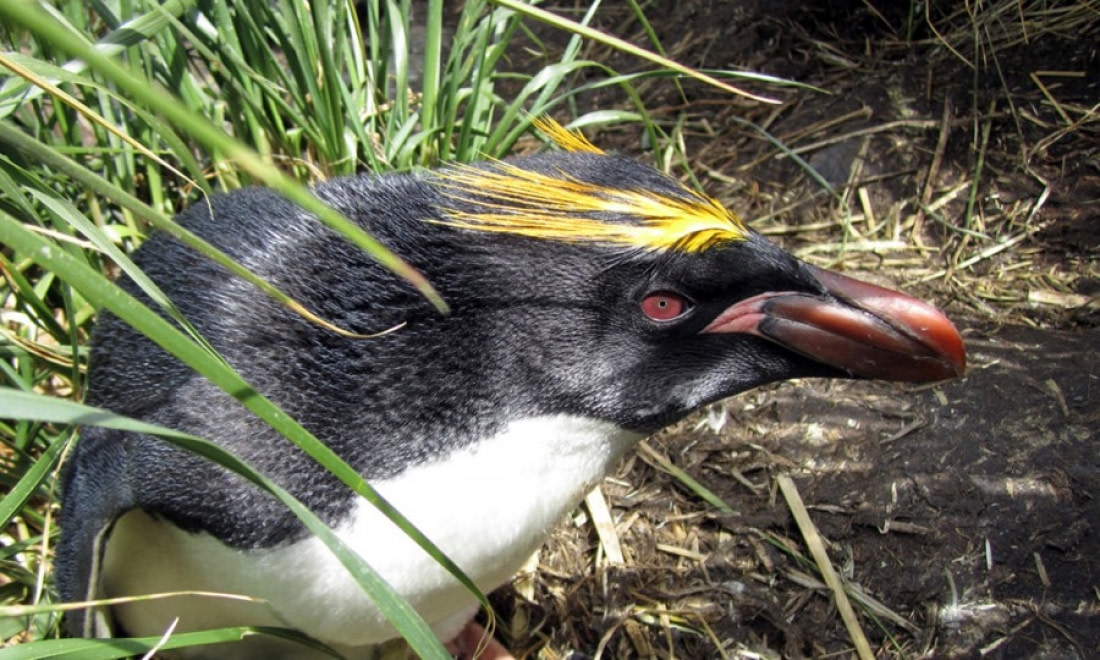
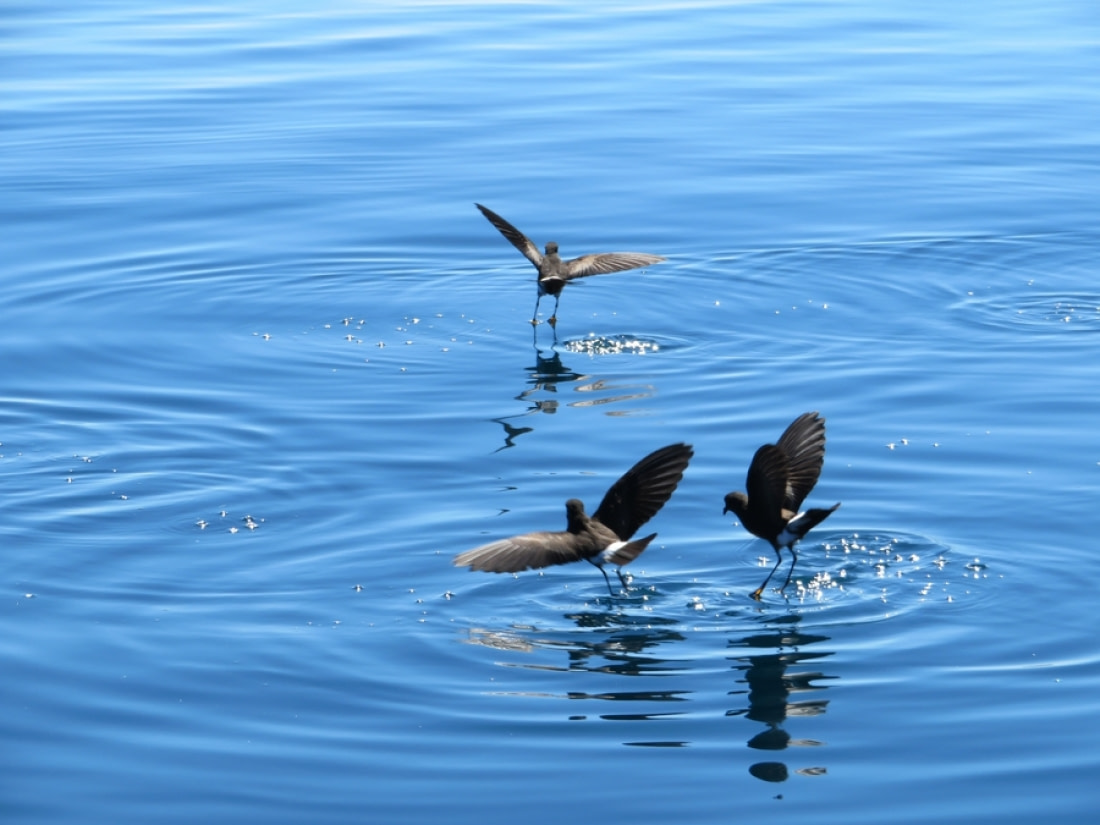
13. Wilson’s storm petrel
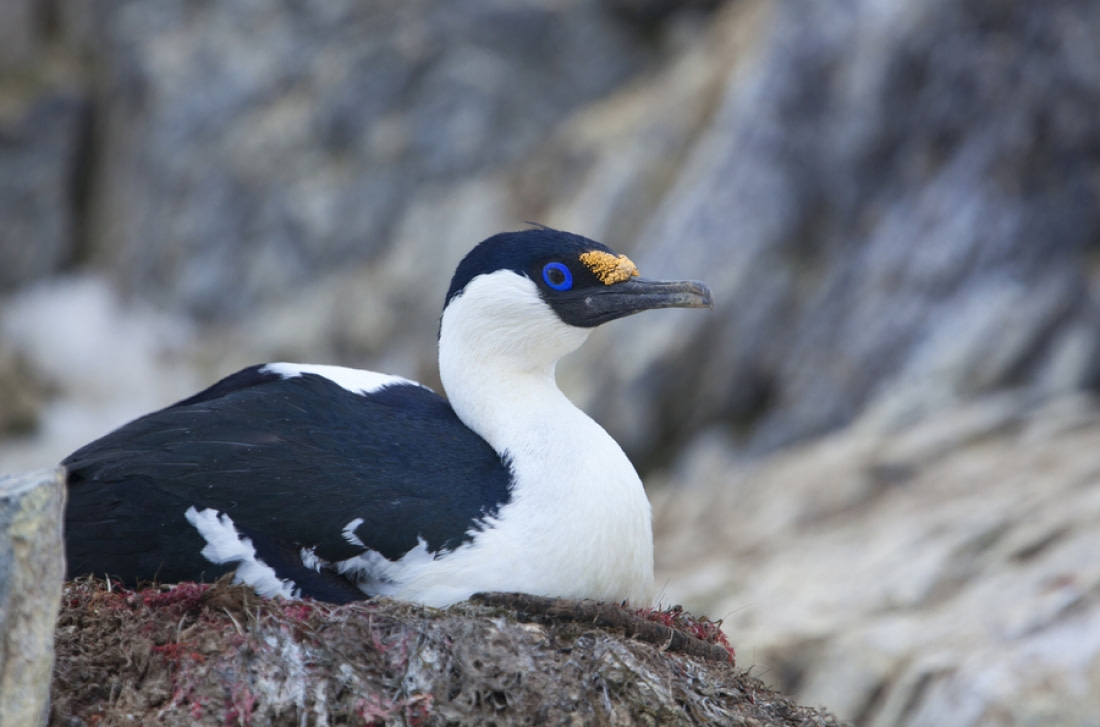
14. Blue-eyed shag
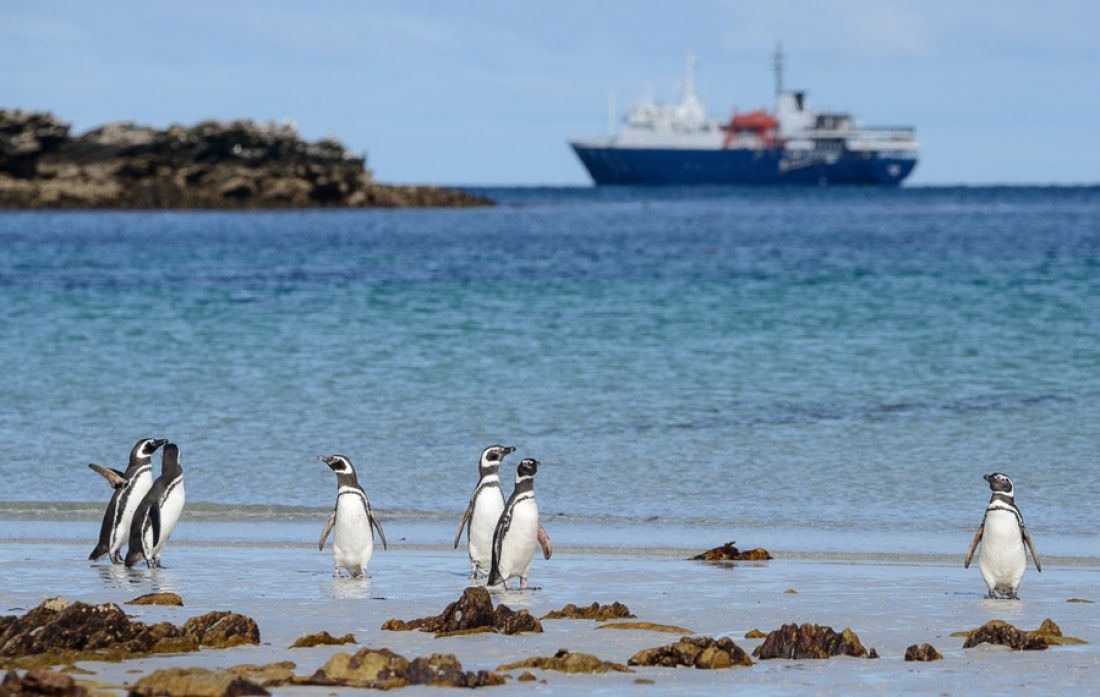
15. Magellanic penguin
Best Deals
Falkland Islands - South Georgia - Antarctica
 21 Dec - 08 Jan 2026
$ 15.600
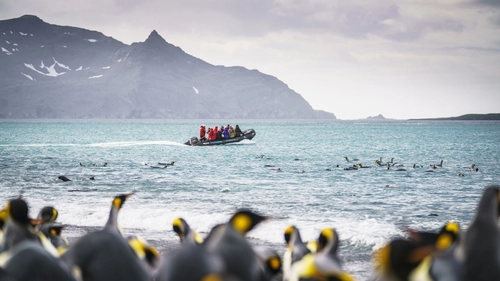
Falkland Islands - South Georgia - Antarctica
19 Jan - 06 Feb 2026$ 16.600
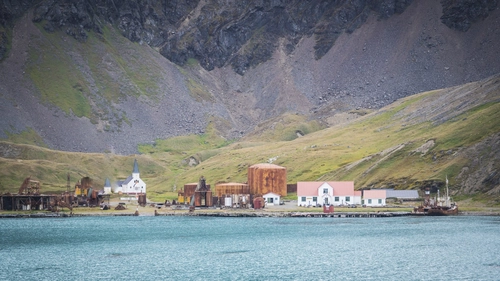
Falkland Islands - South Georgia - Antarctica
28 Jan - 16 Feb 202616.900
$ 12.650
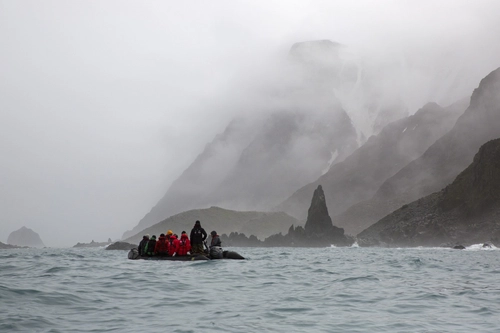
Falkland Islands - South Georgia - Elephant Island - Antarctica - Polar Circle
16 Feb - 10 Mar 2026$ 17.800

Falkland Islands - South Georgia - Antarctic Peninsula - Photography special
24 Oct - 13 Nov 2026$ 14.850

Related Trips
Antarctica
Ushuaia
Falkland Islands - South Georgia - Antarctica
21 Dec 2025 - 08 Jan 2026  19 Days / 18 Nights
From $ 15.600 per person
Antarctica
Ushuaia
Falkland Islands - South Georgia - Antarctica
19 Jan 2026 - 06 Feb 2026 19 Days / 18 Nights
From $ 16.600 per person
% Save up to $ 7.350
Antarctica
Ushuaia
Falkland Islands - South Georgia - Antarctica
28 Jan 2026 - 16 Feb 2026 20 Days / 19 Nights
From $ 12.650 per person
Antarctica
Ushuaia
Falkland Islands - South Georgia - Elephant Island - Antarctica - Polar Circle
16 Feb 2026 - 10 Mar 2026 23 Days / 22 Nights
From $ 17.800 per person
Antarctica
Puerto Madryn
Falkland Islands - South Georgia - Antarctic Peninsula - Photography special
24 Oct 2026 - 13 Nov 2026 21 Days / 20 Nights
From $ 14.850 per person
% Save up to $ 2.650
Antarctica
Puerto Madryn
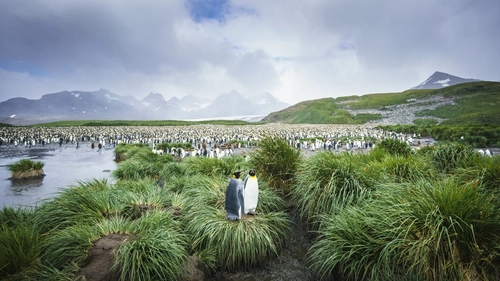
Falkland Islands - South Georgia - Antarctic Peninsula
03 Nov 2026 - 23 Nov 2026 21 Days / 20 Nights
From $ 14.850 per person
Antarctica
Ushuaia
Falkland Islands - South Georgia - Antarctic Peninsula
23 Nov 2026 - 11 Dec 2026 19 Days / 18 Nights
From $ 15.100 per person

Antarctica
Ushuaia
Falkland Islands - South Georgia - Antarctic Peninsula - Birding
11 Dec 2026 - 29 Dec 2026 19 Days / 18 Nights
From $ 15.100 per person
Antarctica
Ushuaia
Falkland Islands - South Georgia - Antarctica
27 Dec 2026 - 14 Jan 2027 19 Days / 18 Nights
From $ 15.100 per person
Antarctica
Ushuaia
Falkland Islands - South Georgia - Antarctica
16 Jan 2027 - 03 Feb 2027 19 Days / 18 Nights
From $ 17.400 per person
Antarctica
Ushuaia
Falkland Islands - South Georgia - Elephant Island - Antarctica - Polar Circle
13 Feb 2027 - 07 Mar 2027 23 Days / 22 Nights
From $ 17.050 per person

Blog


Blog
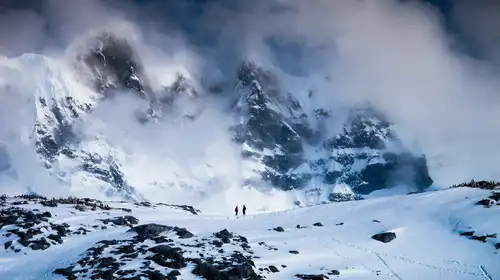
Eight Antarctic Misconceptions
Antarctica has given rise to some pretty far-fetched rumors.
Blog
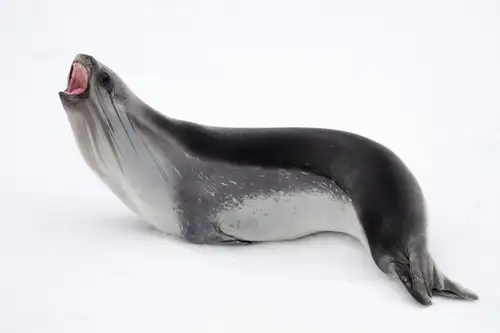
11 Seals You May See in Antarctica or the Arctic
1. Weddell seals â These seals are known for their calm demeanor and spend most of their lives beneath the Antarctic ice. Although they need to come up for air, they can remain underwater for up to 45 minutes. Weddell seals can dive to depths of 610 meters (2,000 feet) in search of food. These vocal animals usually have one pup annually and can grow up to 3 meters (10 feet) and weigh 544 kg (1,200 lbs).
Blog
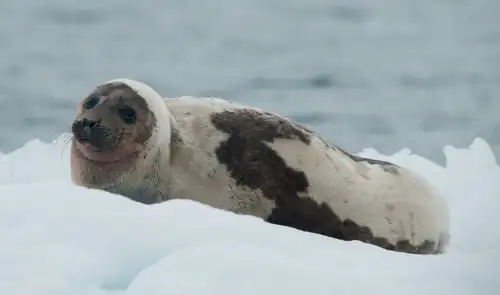
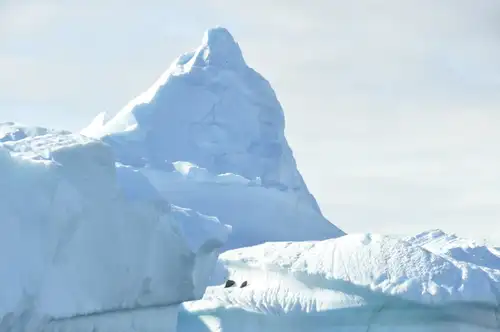
Harp seals harping on in Greenland
Harp seals are a moderately sized species, typically reaching about 1.6 meters in length and weighing around 130 kilograms. Both males and females are similar in size and weight, with males being only slightly larger. They possess a thick, robust body, a small broad and flat head, short narrow flippers, and a narrow muzzle.
Blog
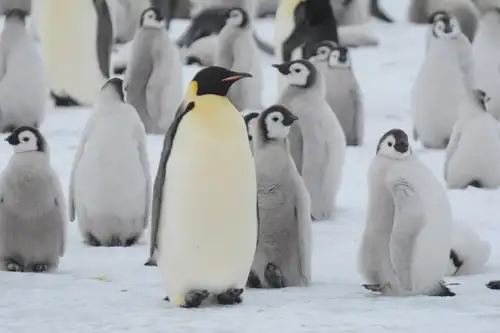
Life migrating through the Polar Front
Since James Cookâs second voyage to Antarctica from 1772-1775, which provided the first descriptions of Antarctic animals, scientists have progressively uncovered the biodiversity of the Antarctic and sub-Antarctic regions. Numerous expeditions and research projects have since been undertaken to understand the unique ecosystems of this continent.
Blog
12 Tips to Help Keep Birds Safe During an Antarctic Cruise
One of the most incredible experiences on an Antarctic cruise is observing the numerous penguins in their natural environment. Naturally, passengers often worry about the potential of disturbing the penguins and other Antarctic birds, which could disrupt their breeding and nesting patterns.

Blog
The World Is Changing for Greenland's Native Inuit People
You may know them as Eskimos, but the people of the Arctic are officially called the Inuit. Historically, they were hunters in the truest sense. For hundreds of years, they survived the worldâs harshest conditions, living off their prey of whales, seals, polar bears, musk oxen, birds, fish, and reindeer. This has always been their way of life.
Blog
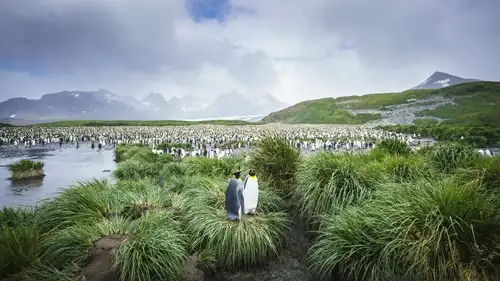
The South Georgia Seven: Hikes, Fjords, Whales, & Penguins
Few places encapsulate such a staggeringly rich assortment of sub-Antarctic scenery, wildlife, and outing opportunities as South Georgia.
Blog
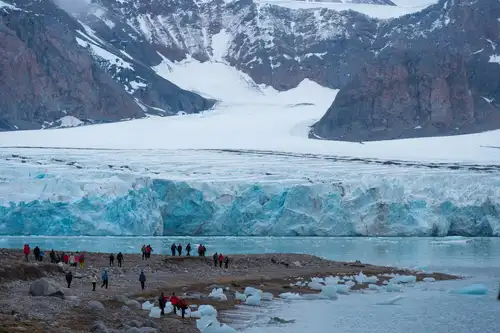
16 Conversation-Starting Svalbard Facts
It might seem odd that an icy, snowy, bear-packed cluster of islands at the edge of the world could be such a hotspot (so to speak) of outdoor tourism.
Blog
Six Must-See Svalbard Sites
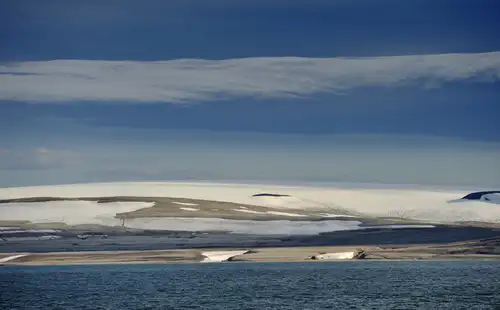
It's home to humanity's last-ditch supply of crop seeds, the world's northernmost settlement of over 1,000 people, and it is one of the best places on Earth to spot a polar bear.
Blog
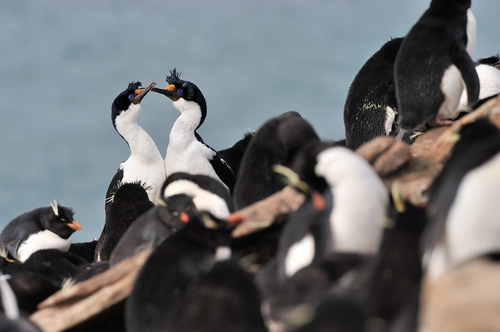
15 Falkland Islands Bird Photos
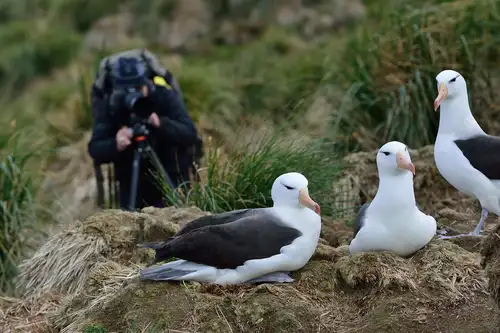
The remote sub-Antarctic archipelago of the Falkland Islands is a haven for bird enthusiasts, offering a unique and abundant selection of birds, especially seabirds.
Blog
The Pack Ice and Polar Bears of North Spitsbergen
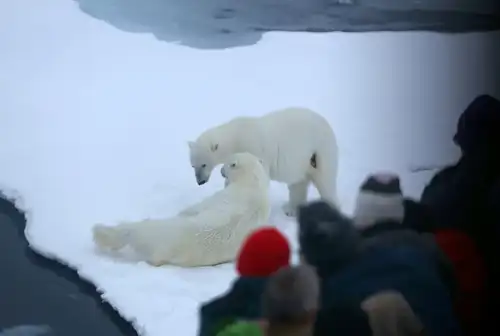
The Arctic archipelago of Svalbard is renowned for being one of the prime locations to observe polar bears. The largest island in this region, Spitsbergen, not only offers sightings of these majestic Arctic creatures but also provides a unique opportunity to experience the phenomenon of pack ice.
Blog
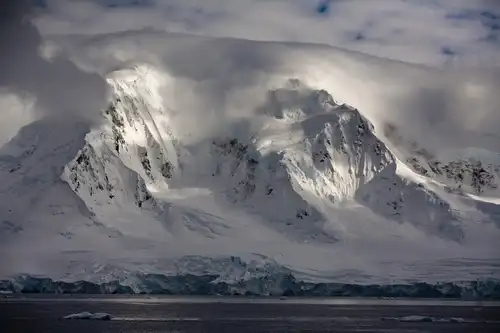
Under the Greenland Ice Sheet
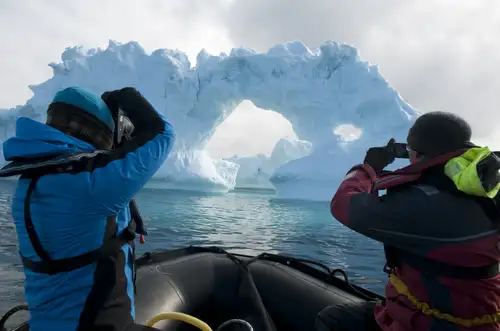
Anyone who ventures to the right part of the globe can encounter vast amounts of ice, but a Greenland cruise offers something truly unique: ice sculptures hidden beneath the northern ice sheet. Scientists once thought these sculptures were rocky hills buried in ice, similar to the Ghost Mountains in Antarctica. However, it turns out that Mother Nature has crafted one of the most exclusive art exhibits in the world. These sculptures are not visible from the surface, but some scientists have managed to get a sneak peek using radar equipment.
Blog
The Ancient Fossil Forests of Antarctica
Over a hundred years ago, Robert Falcon Scottâs expedition to Antarctica discovered fossils of plants on the Beardmore Glacier, less than 500 km (310 miles) from the South Pole. Edward Wilson, who was the expeditionâs chief scientist, recorded the findings in his diary, stating that âmost of the bigger leaves were like beech leaves in shape and venation.â
Blog
Of Treacherous Rocks & Audacious Fin Whales
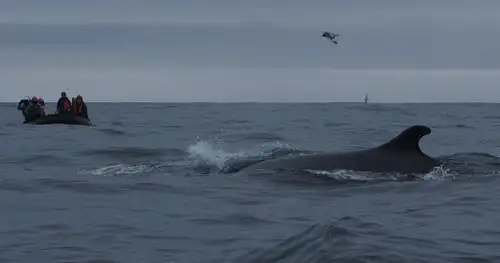
Soon large blows filled our view; small groups of fin whales sped by heading north all the while feeding on concentrations of krill & small fish. Group after group was seen, with many simply feeding in the general area and not heading anywhere in particular. Soon it became evident that we were not simply seeing a few random groups of fins, but a very large concentration spread out over a large area of sea just north and around the islands north of the South Shetlands. Dozens upon dozens of fin whales were feeding, diving around the ship and on the horizon in massive numbers; we must have seen well over fifty fin whales in the general area of Elephant Island, something many of the guides had never seen before.
Blog
Ice streams and lakes under the Greenland Ice Sheet
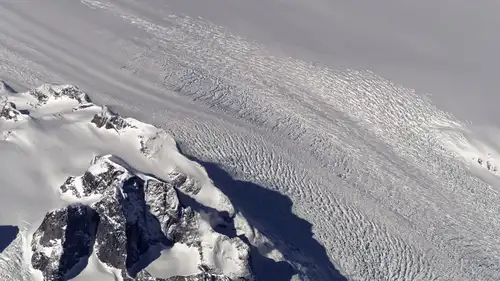
The Greenland ice sheet is a dynamic mass of dense, flowing, and deforming ice. Snow deposited on the central parts of the ice sheet is gradually compressed into ice that slowly moves towards the ice margin. At the ice margin, the ice is removed by melting or by breaking off into icebergs.
Blog
Antarctica Cities (and Five Other Things That Don’t Exist There)
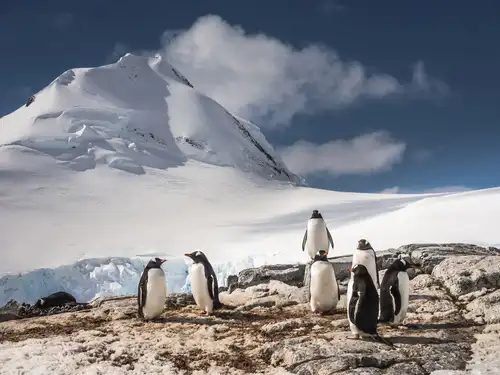
Why write about what you won't find in Antarctica? Most travel blogs highlight what a destination offers, but many polar tourists visit Antarctica to experience a new world and escape their old one.

Blog
Traditional Lifestyles of the Inuit
The Inuit are an indigenous Arctic people who speak the languages of the Eskaleutian family and reside in four countries surrounding the North Pole: Greenland, Canada, the United States, and Russia.
Blog
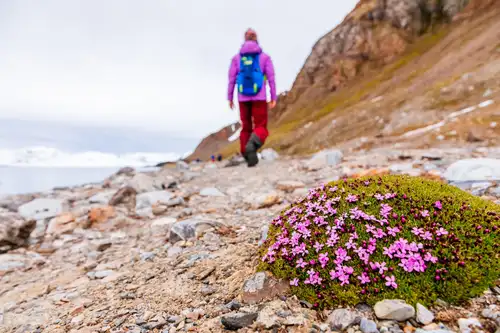
Seizing the Season: Spitsbergen’s Late Spring, Early Summer
Most Arctic expedition cruises can be categorized into two main types: those that operate during the autumn and winter, focusing on the northern lights, and those that sail during the high season (mid to late summer), concentrating on a broader range of experiences.
Blog
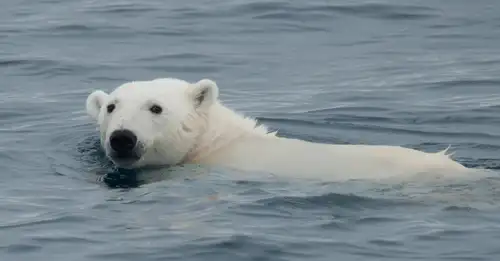
Polar Bear Sets Impressive New Diving Record
According to polar bear experts Rinie van Meurs and Dr. Ian Stirling, the new record for polar bear diving is an astounding three minutes and 10 seconds. Unless this particular polar bear has an unusually large lung capacity, we can now safely assume that these creatures have the ability to remain underwater for an extended period of time.
Blog
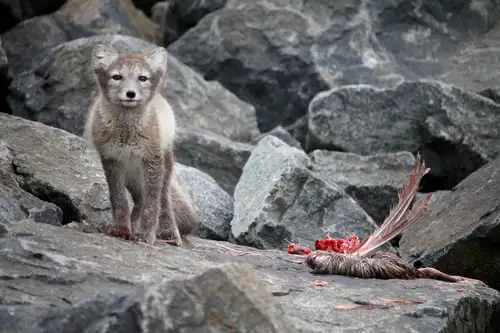
Arctic Foxes: Constant Gardeners of the Arctic
Given how widespread their habitat is, it is little wonder that Arctic foxes are one of the animals we most often see during our Greenland and Svalbard expeditions. The Arctic fox is a circumpolar species whose feeding grounds include North America, Eurasia, even Iceland, ranging from nearly the North Pole all the way down to the sub-Arctic islands.