

Most Arctic expedition cruises can be categorized into two main types: those that operate during the autumn and winter, focusing on the northern lights, and those that sail during the high season (mid to late summer), concentrating on a broader range of experiences.
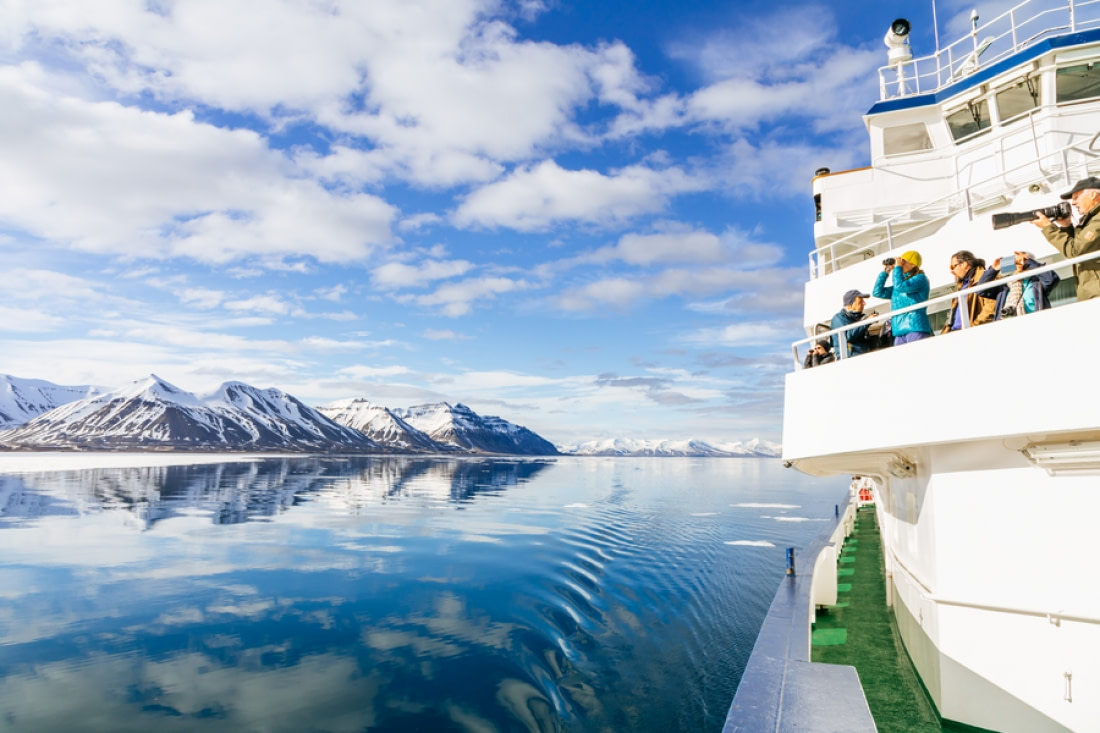
However, if you're open to a slight drop in temperature, there's a third option worth considering.
This option involves cruises to Spitsbergen from late spring through early summer, a period that is often overlooked but offers unique advantages in the Arctic travel calendar.
Here's why this time frame is exceptional in terms of weather, activities, and wildlife.
Weather: Experience the Transition from Winter to Summer
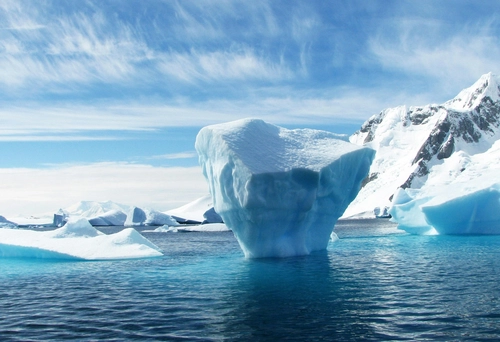
If you're a polar enthusiast who prefers glittering icebergs and sprawling glaciers over balmy beaches, the early Spitsbergen season is perfect for you.
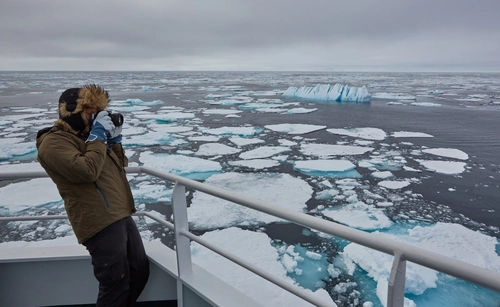
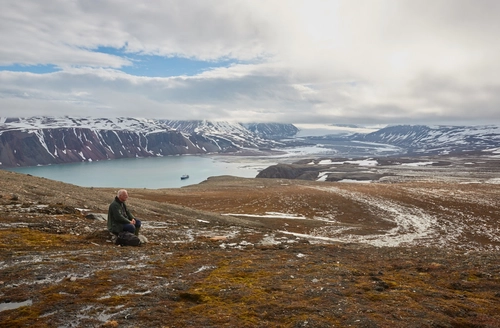
During this time, snow still clings to the mountains and patches of tundra, and pack ice lingers along many coastlines. Although the weather is warmer than the March and April lows of –10° C (14°F), you'll still feel the Arctic's presence.
But isn't that part of the allure?
Activities: Core Spitsbergen Excursions in Full Swing
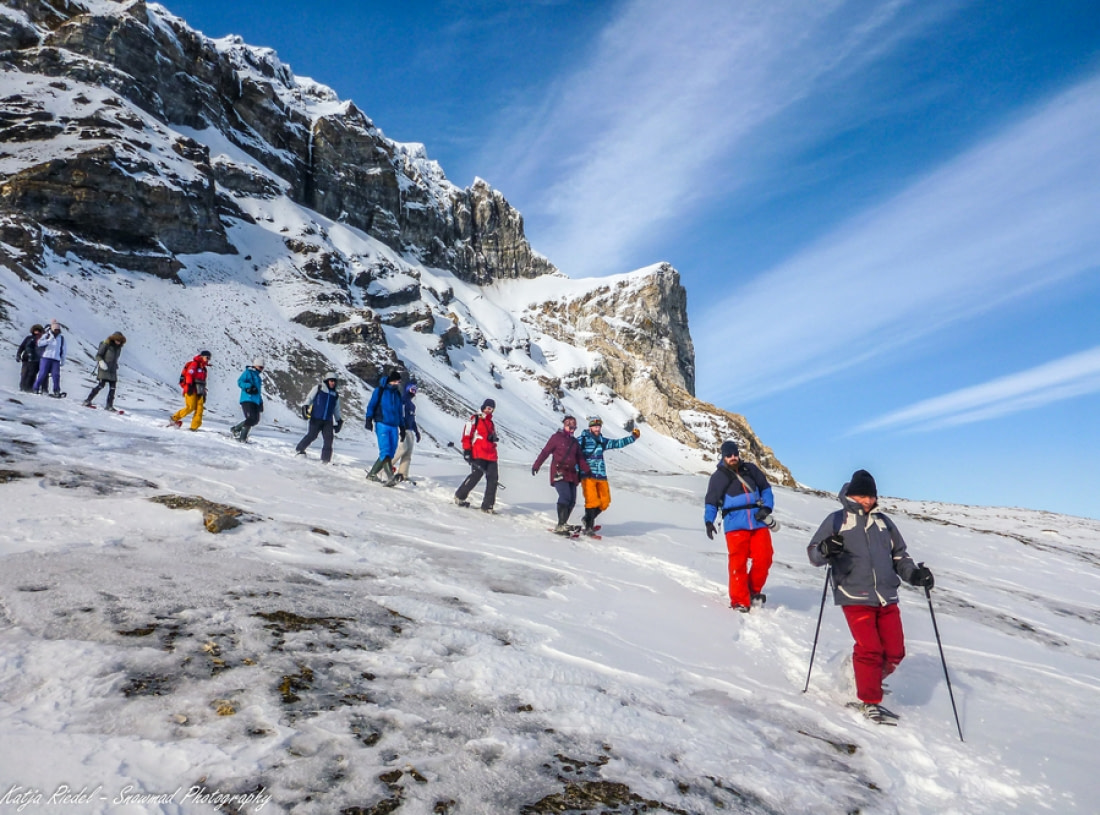
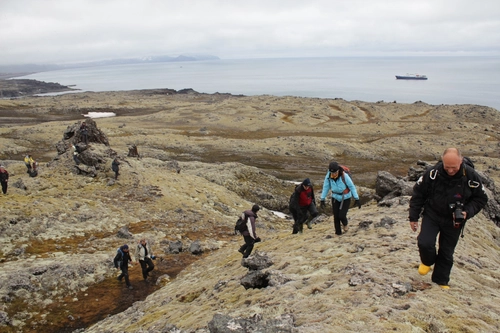
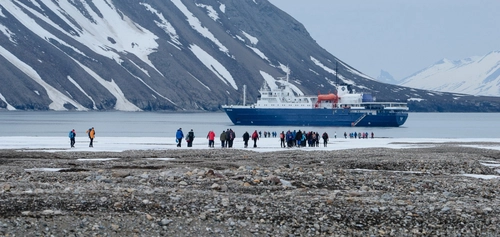
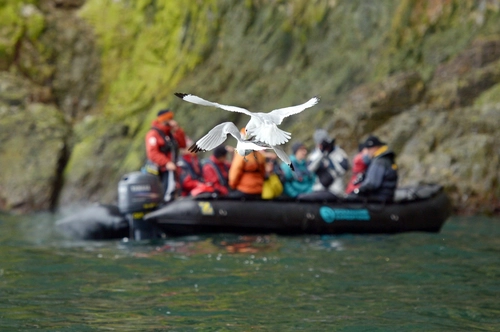
Zodiac cruising, landings, shoreline and inland walks, and other non-supplementary expedition activities are all available during Spitsbergen’s late spring and early summer.
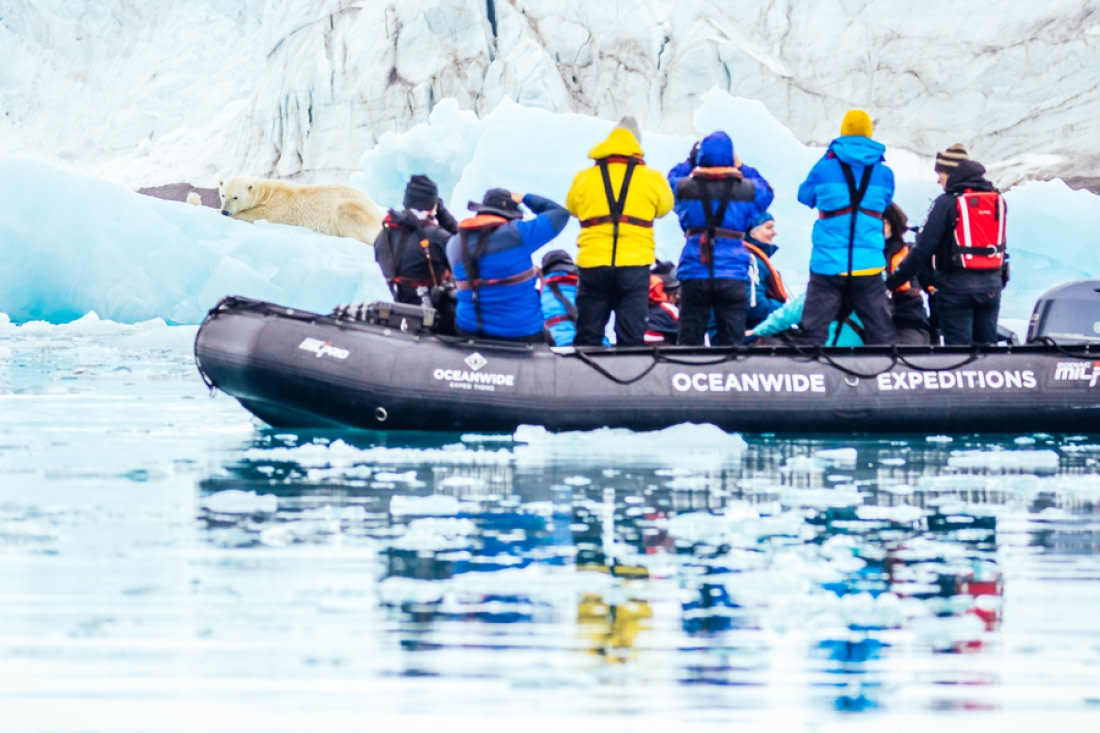
As winter transitions to summer, you can enjoy these activities in relatively mild Arctic temperatures. You're also less likely to encounter blockages in the fjords, bays, or waterways of Spitsbergen.
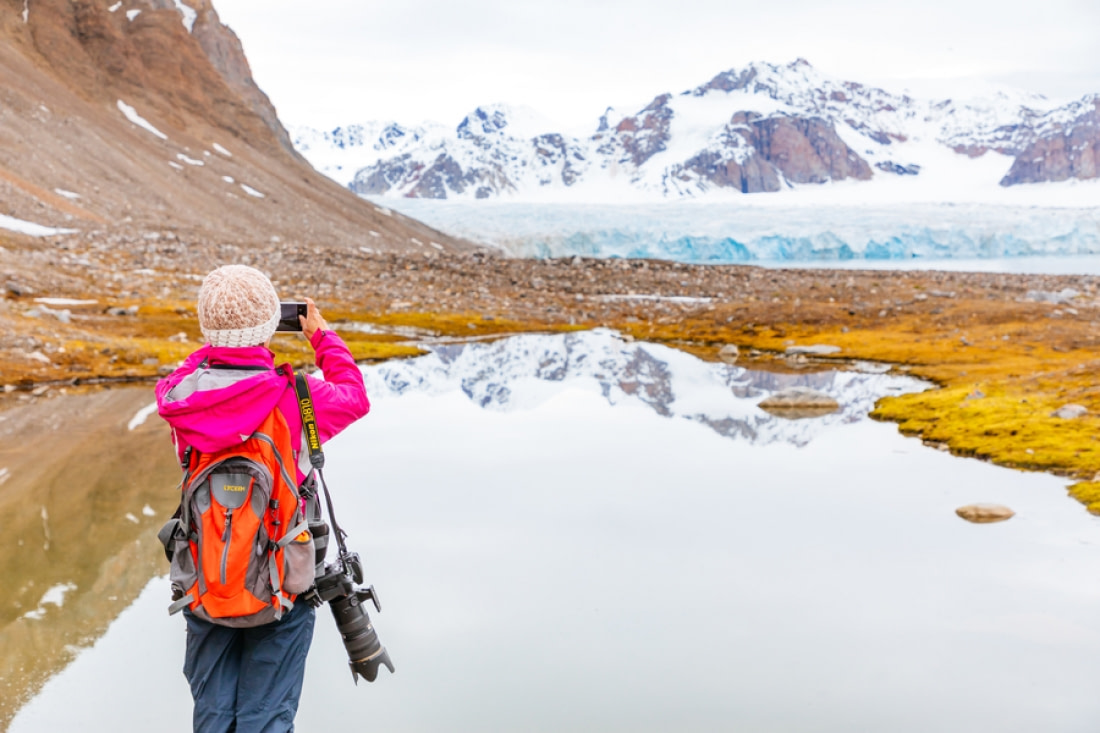
With Svalbard’s wildlife becoming more active, late spring through early summer is an ideal time to visit.
Wildlife: A Full Spectrum of Spitsbergen Fauna
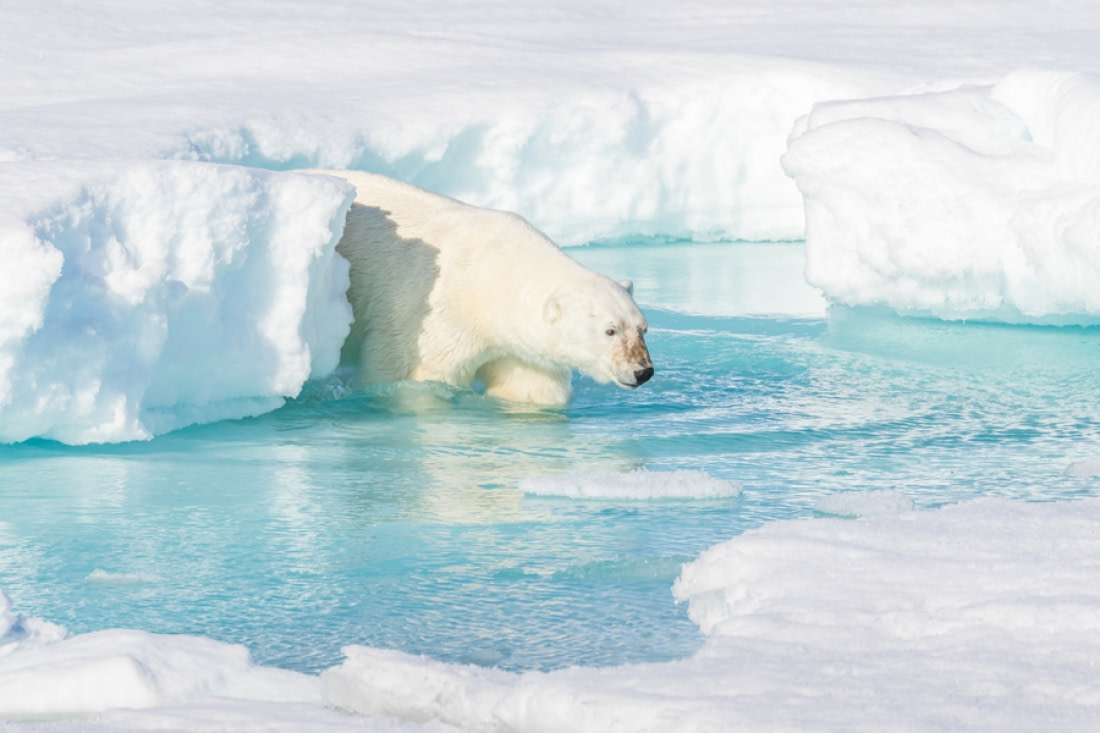
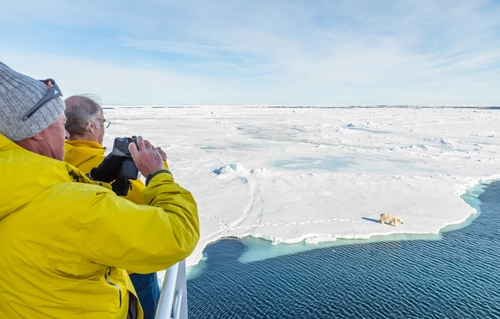
Polar bears hunt on the pack ice,
walruses lounge on the shores,

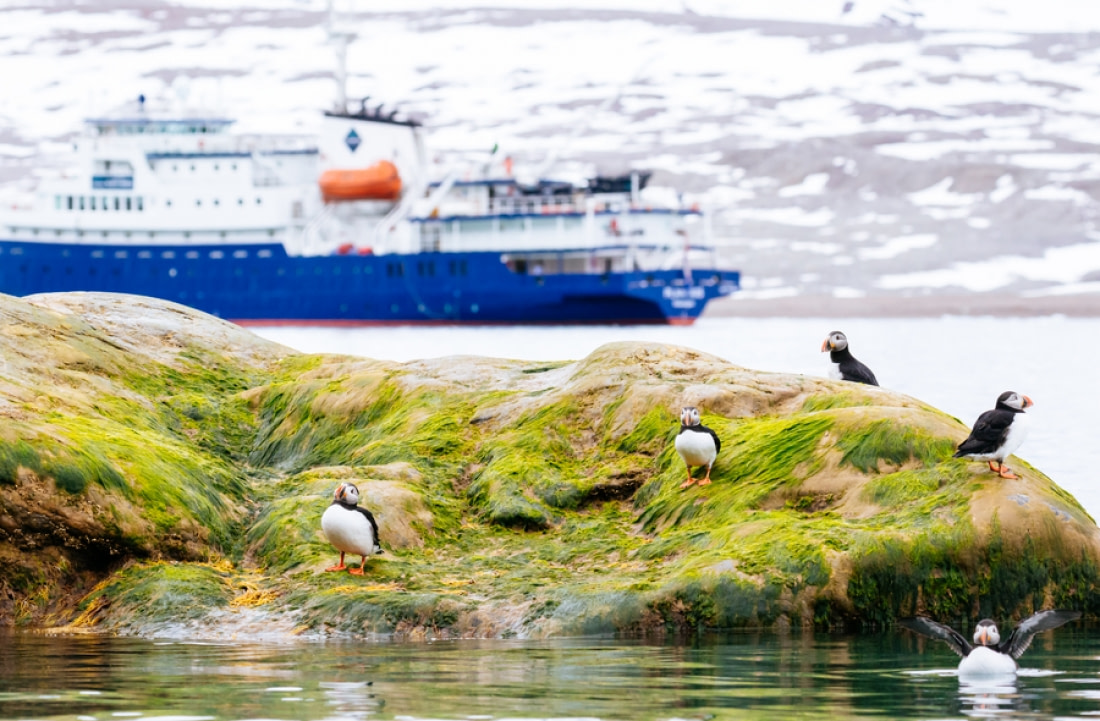
and cliff-nesting birds settle into breeding perches below peaks still gripped in winter ice.
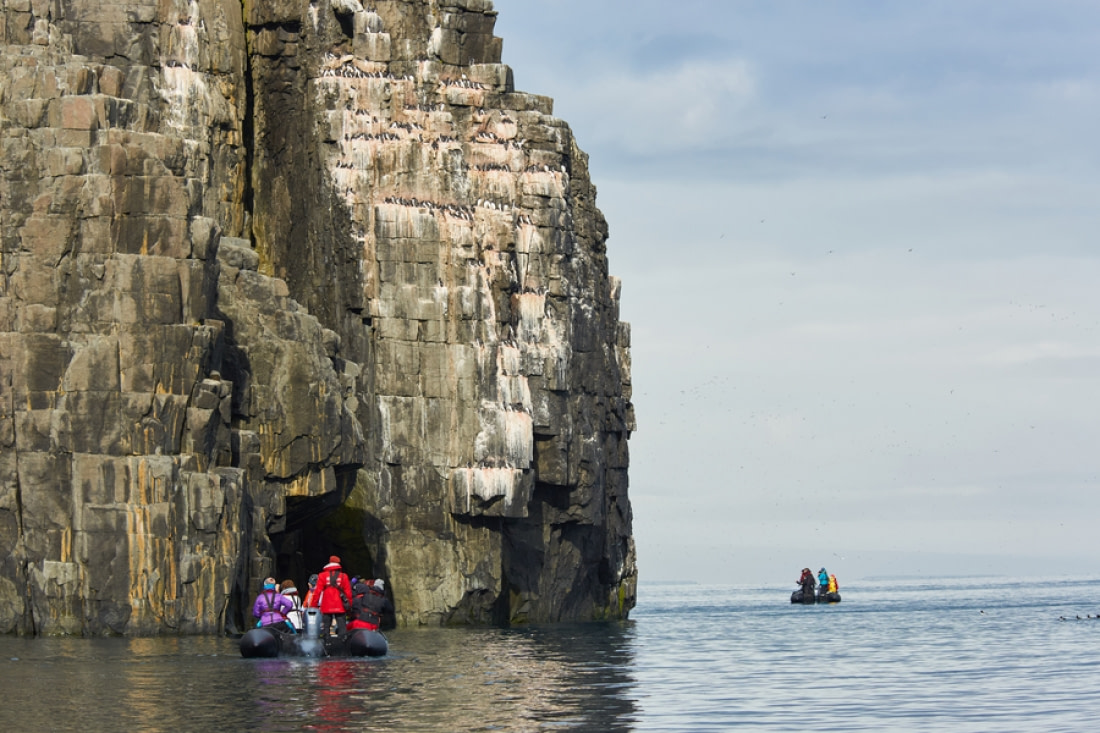
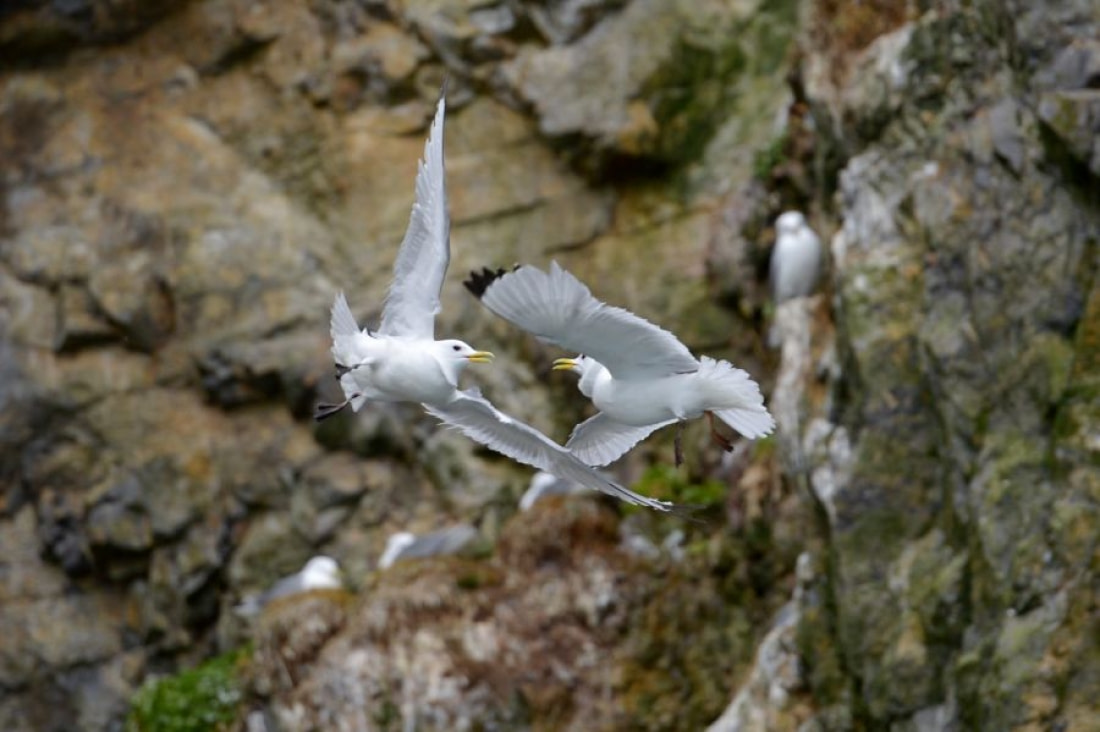
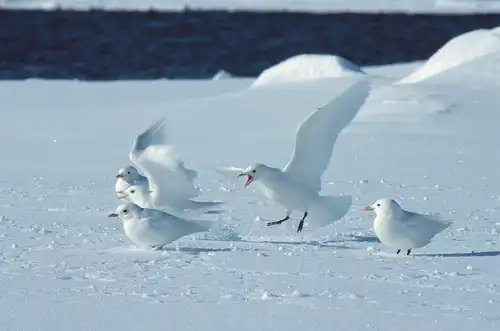
Early in Spitsbergen’s high season, you have some of the best opportunities to observe Arctic wildlife. Seabirds like kittiwakes, little auks, Brünnich’s guillemots, and black guillemots are all present.
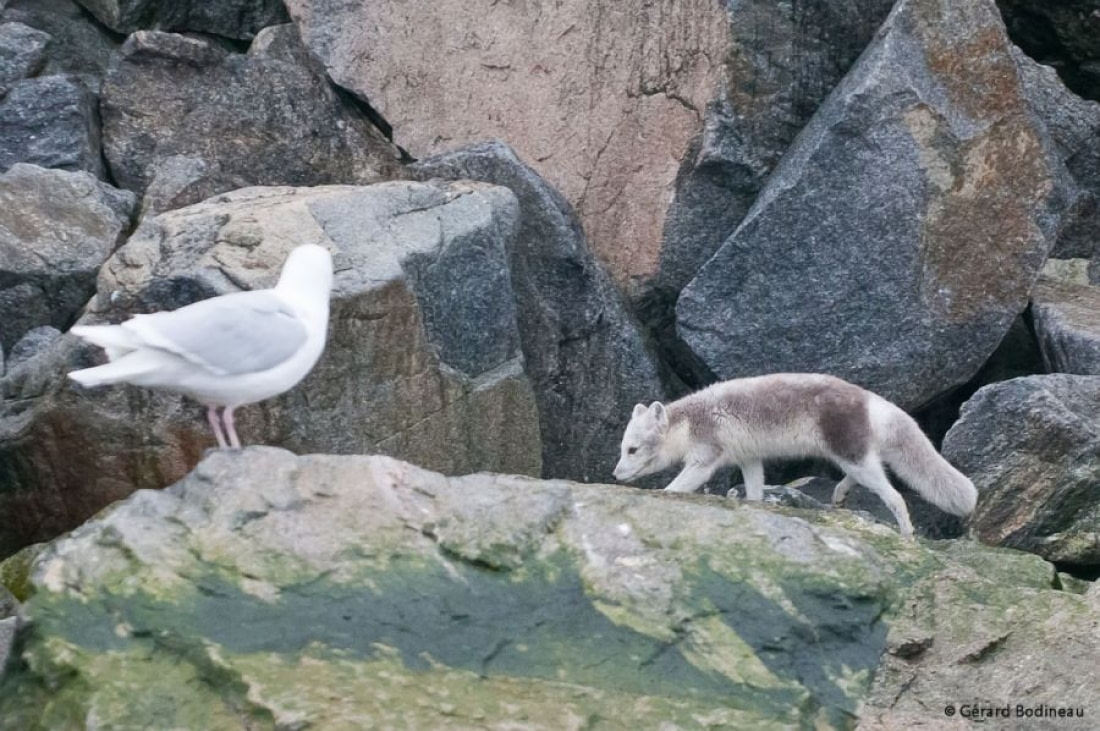
Arctic foxes search for fallen chicks and eggs at the cliff bases, reindeer graze on the tundra,
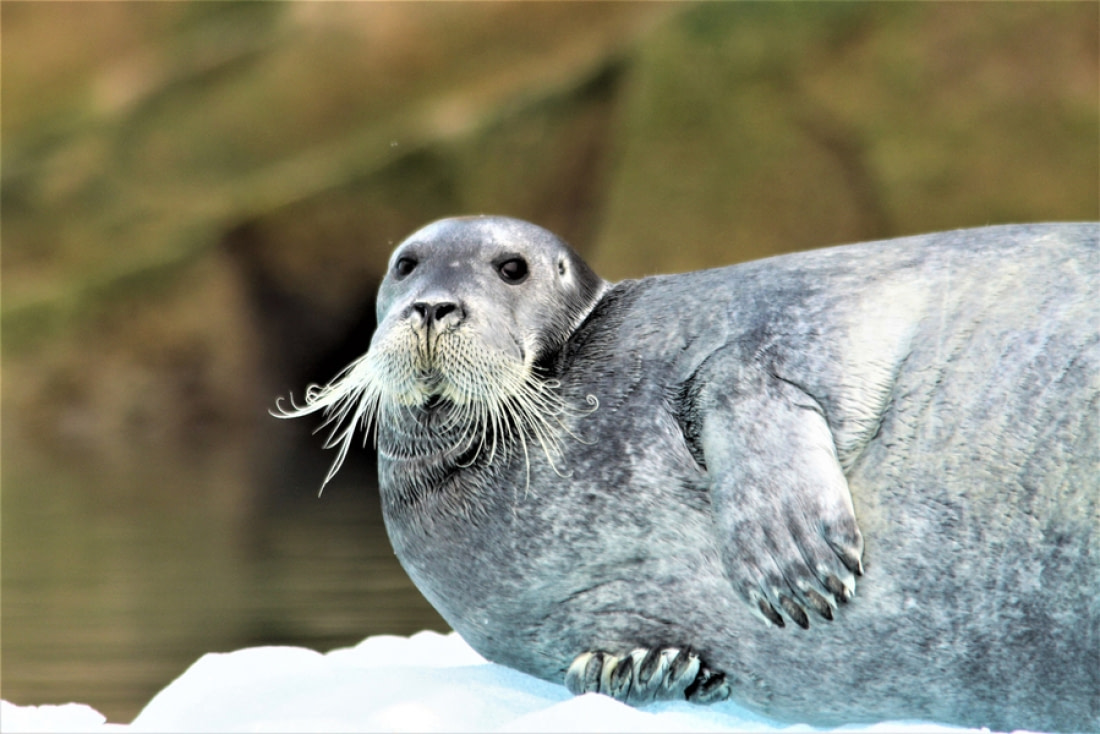
and various species of seals (bearded, ringed, etc.) can be spotted, depending on your route.
In other words, bring a camera and plenty of memory cards when you visit Spitsbergen in the early season.
Summary of Spitsbergen’s Stunning Late Spring, Early Summer
What New York is in the autumn, Spitsbergen is in the late spring and early summer.
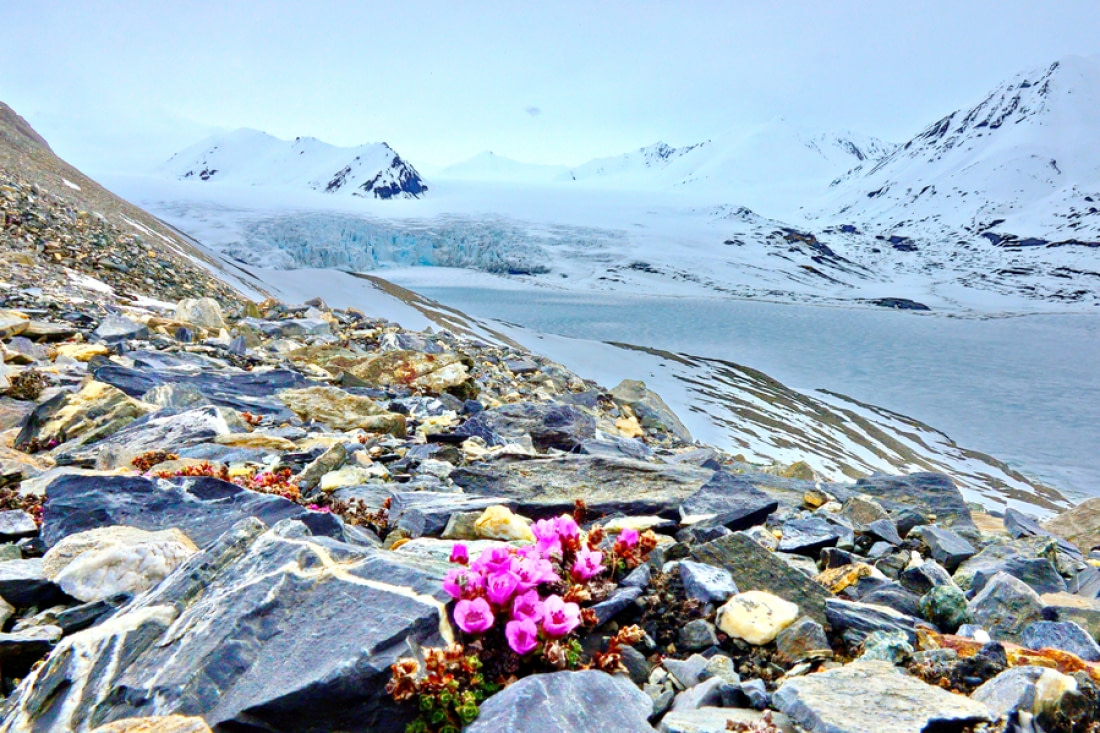
During this magical time of year, you can sail through expansive fjords and ice-scattered bays, walk along rugged beaches and vast flowering inlands, and view colossal glaciers, towering mountains, and unique polar species.
But don't worry if you can't make it precisely during this period; the best time to take a Spitsbergen trip is always as soon as possible.
 24 Apr - 01 May 2026
 01 May - 08 May 2026
 27 May - 05 Jun 2026
 29 May - 05 Jun 2026
 05 Jun - 12 Jun 2026
Related Trips
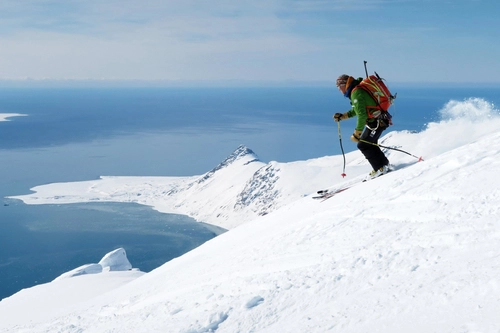
Alpine Peaks of Spitsbergen, Ski & Sail
24 Apr 2026 - 01 May 2026  8 Days / 7 Nights
Alpine Peaks of Spitsbergen, Ski & Sail
01 May 2026 - 08 May 2026 8 Days / 7 Nights
Arctic Ocean - Fair Isle, Jan Mayen, Ice Edge, Spitsbergen, Birding
27 May 2026 - 05 Jun 2026 10 Days / 9 Nights
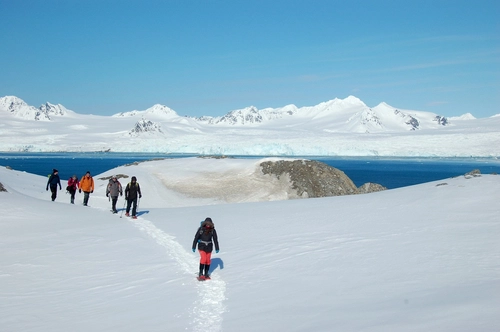
North Spitsbergen - Arctic Spring , Hike & Sail
29 May 2026 - 05 Jun 2026 8 Days / 7 Nights
North Spitsbergen Explorer - Into the pack ice - Polar Bear Special
05 Jun 2026 - 12 Jun 2026 8 Days / 7 Nights

Arctic Ocean - Jan Mayen, Ice edge, Spitsbergen, Birding
05 Jun 2026 - 13 Jun 2026 9 Days / 8 Nights
Arctic Ocean - Fair Isle, Jan Mayen, Ice edge, Spitsbergen, Birding - Summer Solstice
12 Jun 2026 - 21 Jun 2026 10 Days / 9 Nights
North Spitsbergen Explorer - Into the pack ice - Polar Bear Special
12 Jun 2026 - 19 Jun 2026 8 Days / 7 Nights
North Spitsbergen Explorer - Versatile landscapes, sea ice & wildlife
13 Jun 2026 - 20 Jun 2026 8 Days / 7 Nights
North Spitsbergen Basecamp – Summer Solstice - Free Kayaking, Hiking, Photo Workshop, Diving (supplemented)
19 Jun 2026 - 26 Jun 2026 8 Days / 7 Nights
North Spitsbergen Explorer - Versatile landscapes, sea ice & wildlife - Summer Solstice
20 Jun 2026 - 27 Jun 2026 8 Days / 7 Nights
North Spitsbergen Explorer - Versatile landscapes, sea ice & wildlife - Summer Solstice
21 Jun 2026 - 28 Jun 2026 8 Days / 7 Nights

Blog


Birds of the North: 29 Arctic Birds and Seabirds
South Georgia in Spring
The Wildlife of Antarctica’s Seas and Skies
True South: A New Flag for a Global Antarctica
The Arctic’s Most Phenomenal Fjords
Penguins, Petrels, and Prions: Top Antarctica Bird Tour Spots
Penguins, Albatrosses, Petrels: The Winged Wildlife of South Georgia

The World Is Changing for Greenland's Native Inuit People
Five Reasons You Should Cruise the Ross Sea Immediately
Svalbard’s Texas Bar
Polar Cruises: The Ultimate Icebreaker
Polar Bears and Pack Ice: 22 Pics from North Spitsbergen
Weddell Sea: the Original Antarctic Adventure
Greenland's History: When Vikings Ruled the Ice Age
Why You Should Visit Greenland: 11 Things to See, Do, and Explore
Port Lockroy: History, Post Office, and Resident Penguins
Orcas (aka Killer Whales) of Antarctica and the sub-Antarctic
10 Illuminating Facts about the Northern Lights
Svalbard vs. the Canadian Arctic