

Activities in the Antarctic are governed by the Antarctic Treaty of 1959 and associated agreements, collectively known as the Antarctic Treaty System. The Treaty established Antarctica as a zone dedicated to peace and science. In 1991, the Antarctic Treaty Consultative Parties adopted the Protocol on Environmental Protection to the Antarctic Treaty, designating the Antarctic as a natural reserve.
The Protocol outlines environmental principles, procedures, and obligations for the comprehensive protection of the Antarctic environment and its dependent and associated ecosystems. The Consultative Parties have agreed that, pending its entry into force, the provisions of the Protocol should be applied as appropriate, in accordance with their legal systems. The Environmental Protocol applies to tourism and non-governmental activities, as well as governmental activities in the Antarctic Treaty Area. It aims to ensure that these activities do not adversely impact the Antarctic environment or its scientific and aesthetic values. This Guidance for Visitors to the Antarctic is intended to ensure that all visitors are aware of, and can comply with, the Treaty and the Protocol. Visitors are also bound by national laws and regulations applicable to activities in the Antarctic.
Additionally, the Antarctic Conservation Act of 1978 (U.S. Public Law 95-541) was adopted by the United States Congress to protect and preserve the ecosystem, flora, and fauna of the continent, and to implement the Agreed Measures for the Conservation of Antarctic Fauna and Flora. The Act sets forth legally binding regulations for U.S. citizens and residents visiting Antarctica.
Briefly, the Act provides the following:
In Antarctica, the Act makes it unlawful, unless authorized by regulation or permit issued under this Act, to take native animals or birds, collect any special native plant, introduce species, enter certain special areas (SPA’s), or discharge or dispose of any pollutants. To “take” means to remove, harass, molest, harm, pursue, hunt, shoot, wound, kill, trap, capture, restrain, or tag any native mammal or native bird, or to attempt to engage in such conduct. Violations under the Act are subject to civil penalties, including a fine of up to US Dollar 10,000 and one year imprisonment for each violation. The complete text of the Antarctic Conservation Act of 1978 can be found in the ship’s library. Our ship’s staff will ensure that the Antarctic Conservation Act and the above guidelines are adhered to. By encouraging your fellow expeditionary to follow your environmentally conscious efforts, you will help us ensure that Antarctica remains pristine for future generations.
Protect Antarctic Wildlife
Taking or harmful interference with Antarctic wildlife is prohibited except in accordance with a permit issued by a national authority.

- Do not use aircraft, vessels, small boats, or other means of transport in ways that disturb wildlife, either at sea or on land.
- Do not feed, touch, or handle birds or seals, or approach or photograph them in ways that cause them to alter their behavior. Special care is needed when animals are breeding or molting.
- Do not damage plants, for example by walking, driving, or landing on extensive moss beds or lichen-covered scree slopes.
- Do not use guns or explosives. Keep noise to a minimum to avoid frightening wildlife.
- Do not bring non-native plants or animals into the Antarctic, such as live poultry, pet dogs and cats, or houseplants.
Respect Protected Areas
A variety of areas in the Antarctic have been afforded special protection because of their particular ecological, scientific, historic, or other values. Entry into certain areas may be prohibited except in accordance with a permit issued by an appropriate national authority. Activities in and near designated Historic Sites and Monuments and certain other areas may be subject to special restrictions.

- Know the locations or areas that have been afforded special protection and any restrictions regarding entry and activities that can be carried out in and near them.
- Observe applicable restrictions.
- Do not damage, remove, or destroy Historic Sites or Monuments or any artifacts associated with them.
Respect Scientific Research
Do not interfere with scientific research, facilities, or equipment.
- Obtain permission before visiting Antarctic science and support facilities; reconfirm arrangements 24-72 hours before arrival; and comply with the rules regarding such visits.
- Do not interfere with, or remove, scientific equipment or marker posts, and do not disturb experimental study sites, field camps, or supplies.
Be Safe
Be prepared for severe and changeable weather and ensure that your equipment and clothing meet Antarctic standards. Remember that the Antarctic environment is inhospitable, unpredictable, and potentially dangerous.

- Know your capabilities, the dangers posed by the Antarctic environment, and act accordingly. Plan activities with safety in mind at all times.
- Keep a safe distance from all wildlife, both on land and at sea.
- Take note of, and act on, the advice and instructions from your leaders; do not stray from your group.
- Do not walk onto glaciers or large snowfields without the proper equipment and experience; there is a real danger of falling into hidden crevasses.
- Do not expect a rescue service. Self-sufficiency is increased and risks reduced by sound planning, quality equipment, and trained personnel.
- Do not enter emergency refuges (except in emergencies). If you use equipment or food from a refuge, inform the nearest research station or national authority once the emergency is over.
- Respect any smoking restrictions, particularly around buildings, and take great care to safeguard against the danger of fire. This is a real hazard in the dry environment of Antarctica.
Keep Antarctica Pristine
Antarctica remains relatively pristine, the largest wilderness area on Earth. It has not yet been subjected to large-scale human perturbations. Please keep it that way.

- Do not dispose of litter or garbage on land. Open burning is prohibited.
- Do not disturb or pollute lakes or streams. Any materials discarded at sea must be disposed of properly.
- Do not paint or engrave names or graffiti on rocks or buildings.
- Do not collect or take away biological or geological specimens or manmade artifacts as souvenirs, including rocks, bones, eggs, fossils, and parts or contents of buildings.
- Do not deface or vandalize buildings, whether occupied, abandoned, or unoccupied, or emergency refuges.


Blog


Gough Island: Seabird Capital of the South Atlantic
15 Falkland Islands Bird Photos
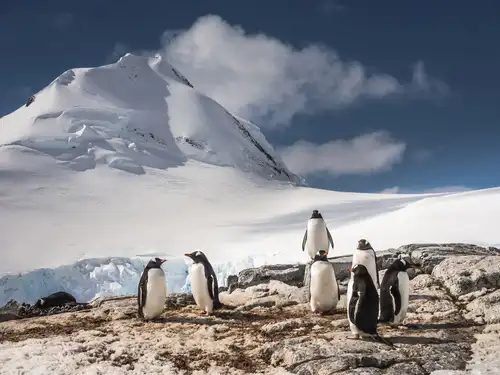
Antarctica Cities (and Five Other Things That Don’t Exist There)
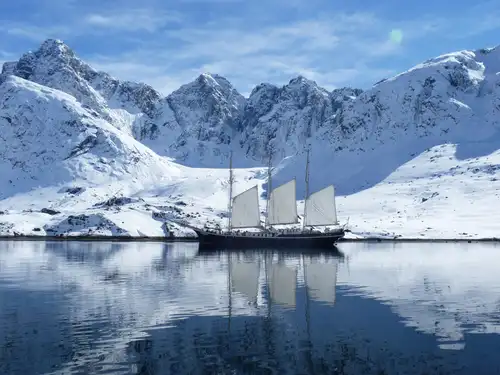
Why You Should Visit Greenland: 11 Things to See, Do, and Explore
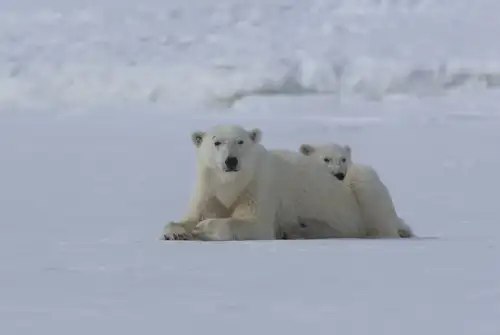
Polar Bears and Pack Ice: 22 Pics from North Spitsbergen
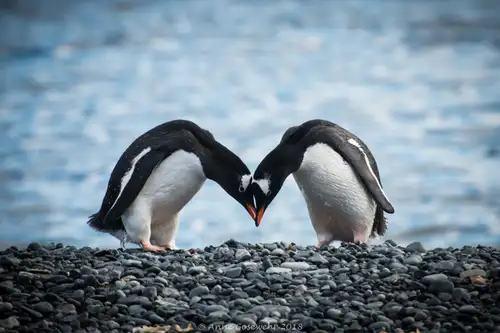
Polar Amore: 14 Wildlife Pics to Warm up Your Valentine’s Day
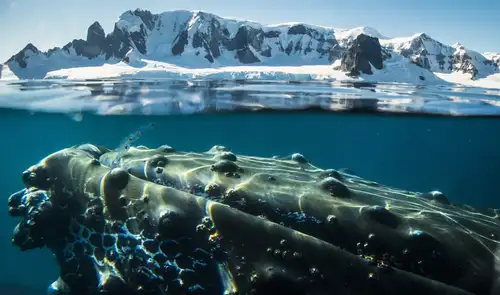
Baleen Whales – The Gentle Giants of the Ocean
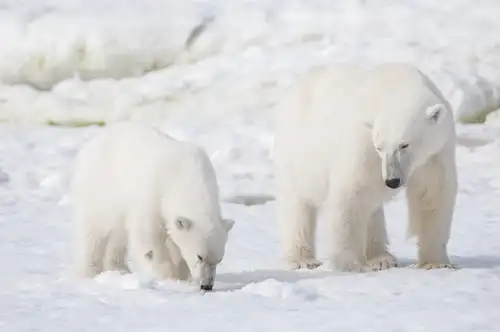
The polar bear: king of the Arctic food chain
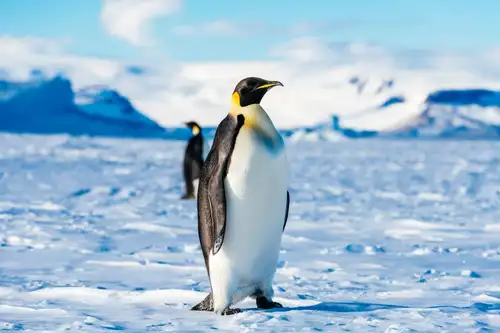
Penguins, Petrels, and Prions: Top Antarctica Bird Tour Spots
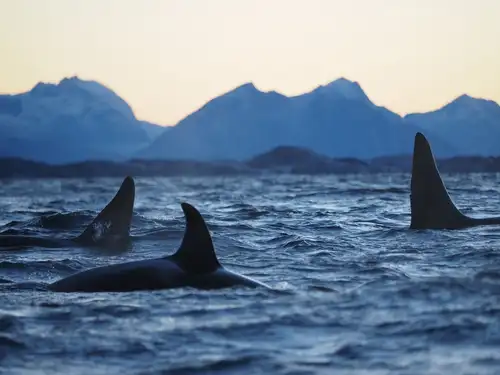
Orcas of the Polar Seas
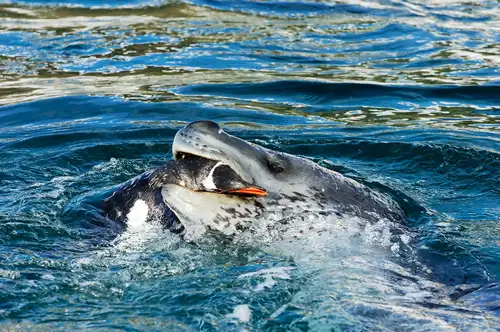
Danger Beneath the Water: 10 Facts About Leopard Seals
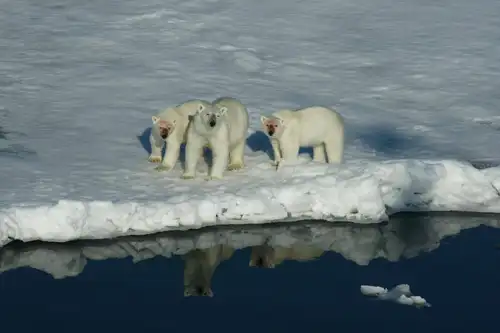
Polar Bear Primer: Eight Facts About the Arctic Wanderer
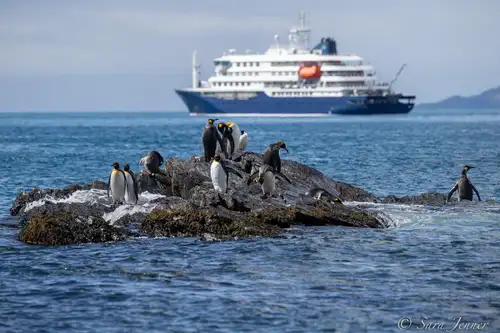
Weddell Sea, Shackleton’s Endurance, and New Swabia
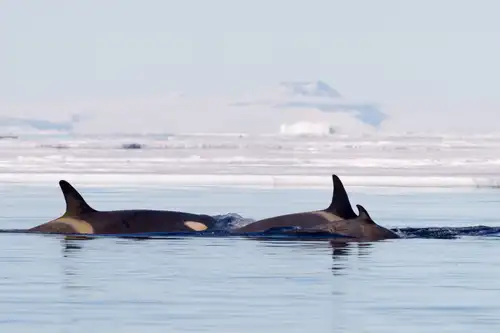
Antarctica’s first Marine Protected Area

Visa to Argentina for Antarctic Expedition Travelers (2025 Guide)
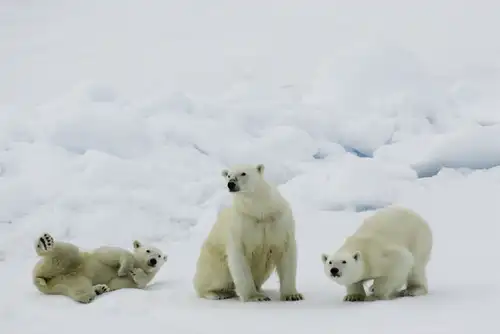
Polar bear encounter in Spitsbergen
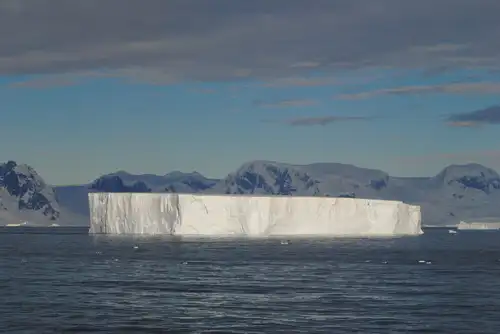
What the ice reveals about Antarctica
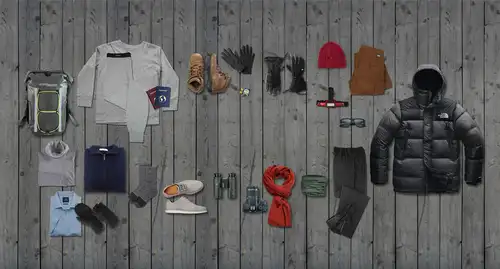
What to Pack for Your Expedition Cruise to the Arctic or Antarctica
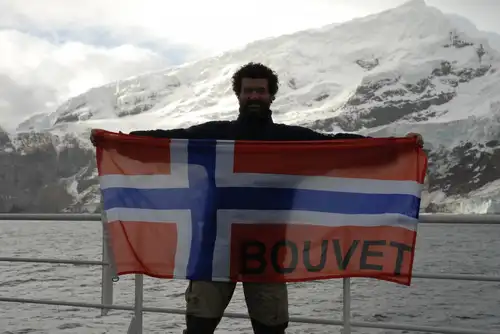
Bouvet Island: The Most Remote Island in the World