Antarctic Krill Antarcticas Superfood - Nexta Expeditions
Antarctic krill: Antarctica's Superfood

Antarctic krill: Antarctica's Superfood

The size of a paper clip, pink, krill is a shrimp-like crustacean that does not look like much. Without them, though, the Earth's marine ecosystems would collapse completely.

Euphausia superba: the Antarctic krill

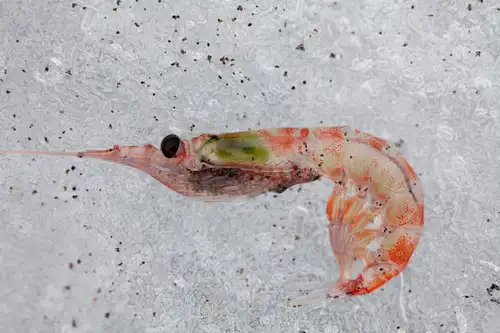
The Antarctic krill, Euphausia superba, are among the largest of the 85 known krill species and can live up to ten years. They congregate in swarms in the cold waters around Antarctica, and their estimated numbers range from 125 million tons to 6 billion tons: the total weight of all the Antarctic krill is more than the total weight of all humans on Earth. The body of Euphausia superba is about 2 inches long and translucent, with reddish brown blotches. The swimming larvae pass through nine stages of development. Males mature in about 22 months, females in about 25 months. During a spawning period of about five and a half months, the eggs are shed at a depth of about 740 feet. The krill larvae gradually move toward the surface as they develop, feeding on microscopic organisms. From January to April the swarms of krill in the Antarctic Ocean may reach concentrations of about 35 pounds per cubic yard.

Fundamental link in the food chain

The Antarctic krill are a fundamental link in the food chain: they are near the bottom, feeding mainly on phytoplankton and to a lesser extent zooplankton. They undertake large daily vertical migrations, providing food for predators near the surface at night and in deeper waters during the day. Half of all krill is eaten each year by whales, sea birds, seals, penguins, squid, and fish, and it is quickly replaced by growth and reproduction. Watch some dramatic footage of humpback whales hunting krill in Antarctica.

The luminescent crustacean

When cruising in Antarctic waters, you might perceive a strange luminescence in the ocean. It's the krill swarms emitting light, produced by bioluminescent organs which are located in various parts of the individual krill's body: one pair of organs at the eyestalk, another pair on the hips of the second and seventh thoracopods, and singular organs on the four pleonsternites. These organs emit a yellow-green light periodically, for up to two or three seconds.

Antarctic krill fishing

Commercial krill fishing began in the early 1970s, and in 1981 a unique fishing treaty was signed: the Convention on the Conservation of Antarctic Marine Living Resources (CCAMLR), which is designed to protect the Antarctic ecosystem from the consequences of rapidly-expanding fisheries, and to aid recovery of the great whales and some of the overexploited species of fish. The CCAMLR is an international body which manages the krill fishing and sets limits on the krill catch taking into account the needs of other elements of the ecosystem. The total allowable catch for the southwest Atlantic is currently about 5.6 million tonnes annually. The amazing nutritional properties of krill are not lost on humans. Krill are fished commercially mainly to produce animal food and fish bait, but there is a recent increase in the use of krill by the drug industry; they are also eaten in parts of Asia and used as an omega-3 supplement in the U.S. Pope Francis, for example, supplements his diet with krill oil supplements, a strong antioxidant rich in omega 3 fatty acid, and enriched with vitamin D3.


Blog
go-leftgo-right

Polar bear feast - Nexta Expeditions
Blog

Polar bear feast

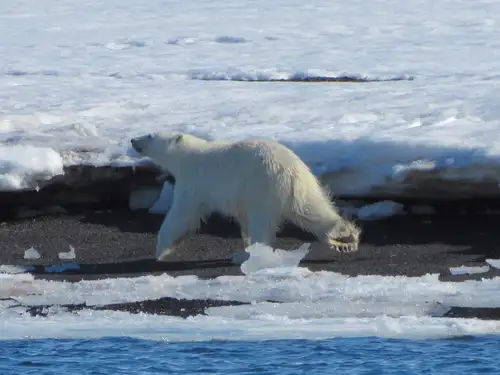
The polar bear was relishing his meal; the snow and his face were turning red from the blood. As we observed him eating, our own stomachs began to grumble. It was time for lunch.
Why a Polar Diving Cruise Should be Your Next Great Decision - Nexta Expeditions
Blog

Why a Polar Diving Cruise Should be Your Next Great Decision

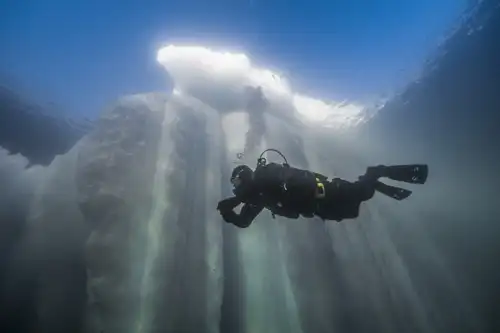
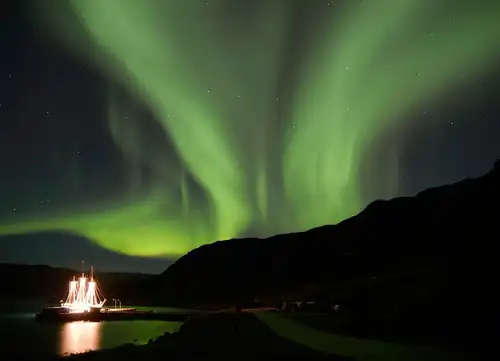
Not so very long ago, all you had to do to qualify as a thrill-seeker was hop a ship to the polar regions and make it back with all your fingers – or your life, if you weren’t picky.
Amphibian, reptiles and herbivore mammals in the Arctic - Nexta Expeditions
Blog

Amphibian, reptiles and herbivore mammals in the Arctic

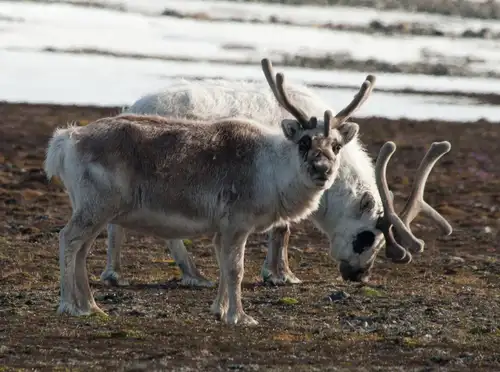
Arctic ecosystems are relatively young in geological terms, having primarily developed over the past three million years. Generally, species richness is lower in the Arctic compared to more southerly regions, aligning with scientific observations that biodiversity decreases from the Equator to the poles.
Large and in Charge: Antarctica’s Southern Elephant Seals - Nexta Expeditions
Blog

Large and in Charge: Antarctica’s Southern Elephant Seals

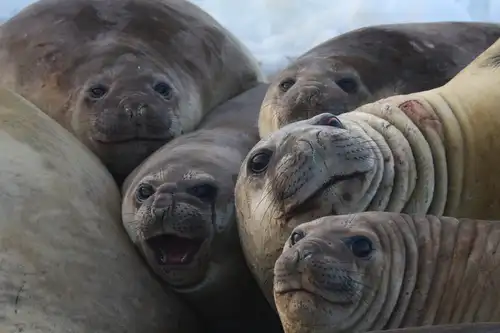
Southern elephant seals are the largest species of seal on the planet and a highlight among Antarctica cruise wildlife.
Antarctic krill: Antarctica's Superfood - Nexta Expeditions
Blog

Antarctic krill: Antarctica's Superfood

The size of a paper clip, pink, krill is a shrimp-like crustacean that does not look like much. Without them, though, the Earth's marine ecosystems would collapse completely.
Penguin Wisdom: Life Lessons from Our Favorite Flightless Birds - Nexta Expeditions
Blog

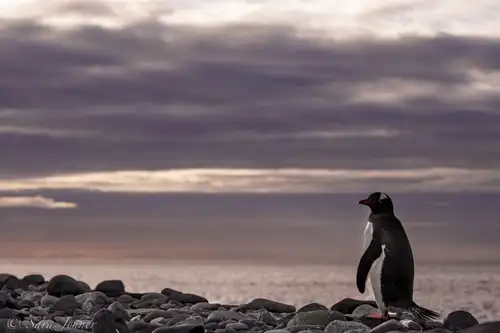
Penguin Wisdom: Life Lessons from Our Favorite Flightless Birds

As enthusiasts of wildlife travel, we believe every creature has something valuable to impart - from the grand blue whale to the tiny cephalopod, the formidable polar bear to the elusive Arctic fox.
A Look Into the International Research Stations of Antarctica - Nexta Expeditions
Blog

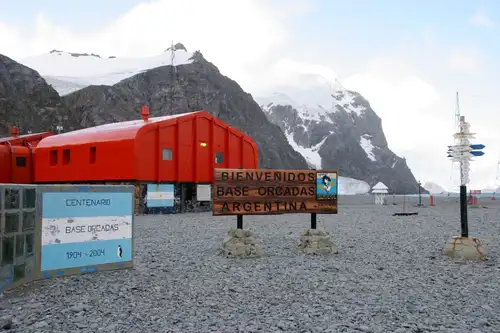
A Look Into the International Research Stations of Antarctica

In 1902, William S. Bruce, along with a team of naturalists, explorers, and sailors, embarked on the first Scottish expedition to Antarctica’s South Pole aboard the Scotia. The Scottish National Antarctic Expedition (SNAE) aimed to establish the continent's first meteorological station and explore its largely undocumented biological, topographic, and meteorological features.
The Enchanting Islands of Svalbard - Nexta Expeditions
Blog

The Enchanting Islands of Svalbard

Svalbard is an Arctic archipelago situated between the North Pole and the Norwegian mainland, offering visitors some of the most stunning wildlife and landscapes in the world. Here we explore seven of the most visited Svalbard islands, highlighting the many wonders that draw people back year after year.
Hondius Photography and Video Workshops - Nexta Expeditions
Blog

Hondius Photography and Video Workshops

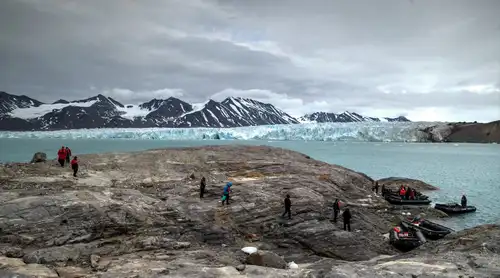
There’s no shortage of great things to say about a Hondius expedition cruise, but among the best are the free video and photography workshops offered during some of this ship’s voyages. These informative, interactive, highly useful supplements allow you to not only capture your memories in the best way possible but also make your friends back home maddeningly jealous.
Greenland's History: When Vikings Ruled the Ice Age - Nexta Expeditions
Blog

Greenland's History: When Vikings Ruled the Ice Age

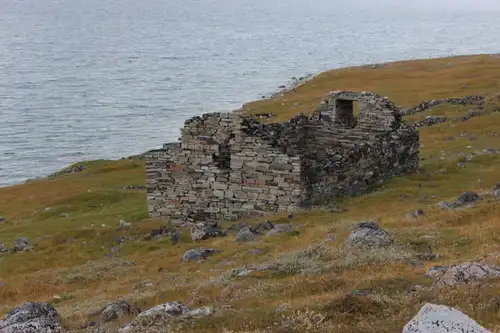
A Greenland cruise offers a journey into a rich history filled with intriguing details that captivate polar expedition enthusiasts. Among the most fascinating historical aspects is the fact that Vikings once ruled this land. Anthropologists and climate scientists have long studied Greenland to pinpoint when and why the Vikings left. Recent findings have shed new light on this historical culture.
Antarctica’s first Marine Protected Area - Nexta Expeditions
Blog

Antarctica’s first Marine Protected Area

In October of this year, the Commission for the Conservation of Antarctic Marine Living Resources, which includes 24 countries such as the United States, the European Union, Australia, and New Zealand, reached a consensus on a New Zealand/United States proposal to establish a large-scale Marine Protected Area (MPA) in the Ross Sea region.
Harp seals harping on in Greenland - Nexta Expeditions
Blog

Harp seals harping on in Greenland

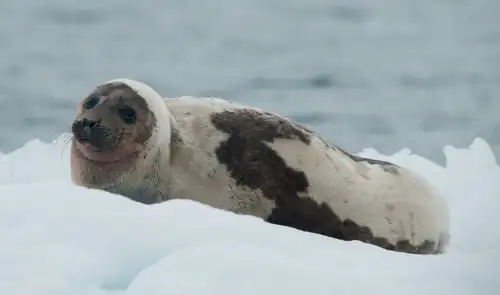
Harp seals are a moderately sized species, typically reaching about 1.6 meters in length and weighing around 130 kilograms. Both males and females are similar in size and weight, with males being only slightly larger. They possess a thick, robust body, a small broad and flat head, short narrow flippers, and a narrow muzzle.
The Wonderful Weddell Sea: Places, Pics, and Impressions - Nexta Expeditions

Blog

The Wonderful Weddell Sea: Places, Pics, and Impressions

When we talk about Antarctica, it’s easy to slip into familiar words: amazing, astounding, extraordinary, exceptional. And though most Antarctic locations more than deserve these descriptions, some deserve them more than others.
Visa to Argentina for Antarctic Expedition Travelers (2025 Guide) - Nexta Expeditions
Blog

Visa to Argentina for Antarctic Expedition Travelers (2025 Guide)

Argentina is the main gateway for travelers heading to Antarctica, with most expedition cruises departing from the southern city of Ushuaia. Whether you’re flying in through Buenos Aires or connecting domestically, knowing Argentina’s visa requirements is critical for a smooth journey before and after your polar adventure.
Antarctic Icon: 44 Facts About the Emperor Penguin - Nexta Expeditions
Blog

Antarctic Icon: 44 Facts About the Emperor Penguin

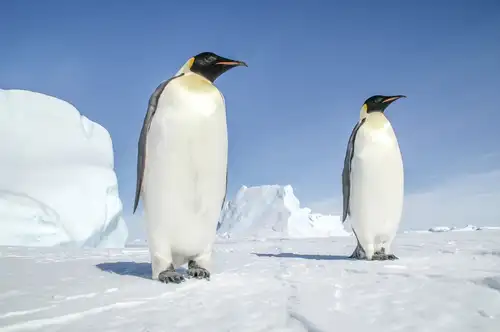
What polar bears are for the Arctic, emperor penguins are for Antarctica. These flightless aquatic birds are probably the most recognizable animals in the southern polar regions and certainly among the most popular wildlife attractions for our passengers.
10 Bountiful Blue Whale Facts - Nexta Expeditions
Blog

10 Bountiful Blue Whale Facts

The umbrella term “whale” refers to a wide variety of large marine mammals. To zero in on blue whales, however, we’ll need to unpack this term a bit. The Latin word for whale, cetus, is the root of the whale infraorder, Cetacea, the largest parvorder of which is Mysticeti.
North Norway, Northern Lights, and All the Pretty Whales - Nexta Expeditions
Blog

North Norway, Northern Lights, and All the Pretty Whales

At first glance, visiting Northern Norway outside of a blazing-hot summer might seem daunting for the average traveler.
The Small but Social Commerson’s Dolphin - Nexta Expeditions
Blog

The Small but Social Commerson’s Dolphin

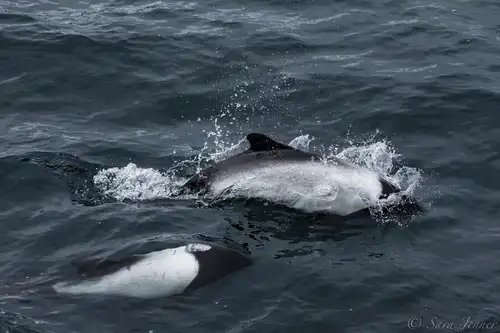
Despite being one of the lesser-known Antarctic cetaceans, Commerson's dolphins are quite social and have been given various names over the years, including Piebald dolphins, skunk dolphins, and panda dolphins. These names have been in use since their discovery in 1767 by French naturalist Philibert Commerson.
Danger Beneath the Water: 10 Facts About Leopard Seals - Nexta Expeditions
Blog

Danger Beneath the Water: 10 Facts About Leopard Seals

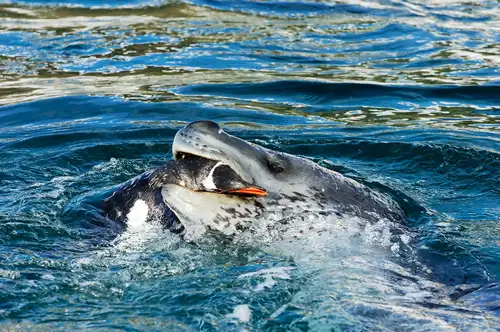
If your thirst for adventure leads you to Antarctica, you may be lucky enough to cross paths with a leopard seal while you’re there. These amazing animals are wonderful to observe both in and out of the water, and they are a coveted part of the polar wildlife experience.
The Seven Best Things to Do in Antarctica - Nexta Expeditions
Blog

The Seven Best Things to Do in Antarctica

Unless you’re a scientist, there’s no such thing as a means-to-an-end trip to Antarctica.