
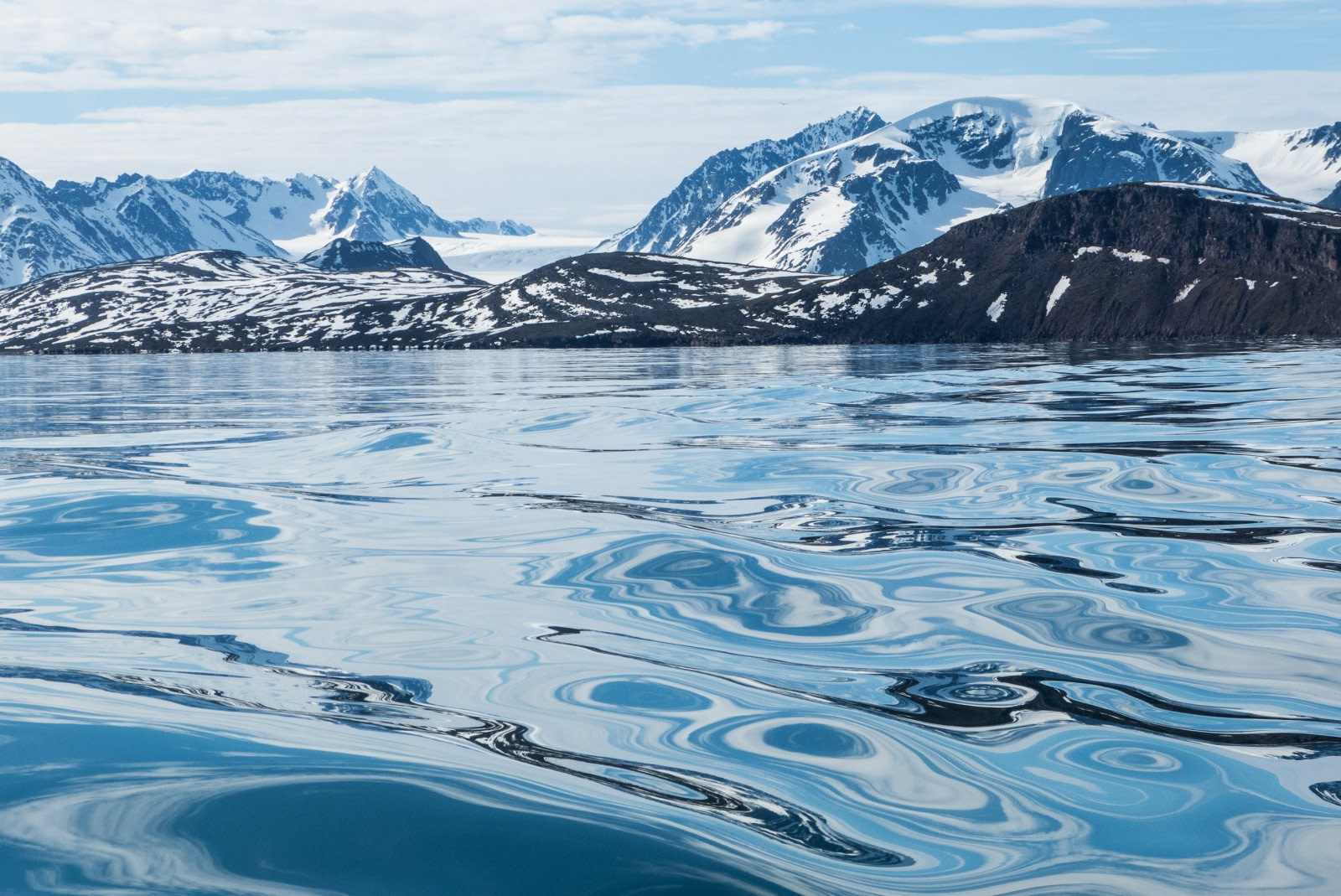
The Arctic, surprisingly, hosts a rich and varied array of freshwater ecosystems, including lakes, ponds, rivers, streams, deltas, and wetlands. Some of the world's largest rivers and deltas, such as the Lena, Ob, and Yenisei, are found in this region.
This area also boasts some of the planet's largest and deepest lakes, including the Great Bear Lake, Great Slave Lake, and Lake Taymyr. These freshwater bodies are fed by both permanent and intermittent rivers and streams that drain from mountains, highlands, and glaciated regions.
Interestingly, in certain parts of the Arctic, these freshwater systems can cover up to 80 percent or more of the total land area. Despite their abundance, Arctic freshwater systems generally support less biodiversity compared to those in southern regions. For example, fish species diversity is significantly lower than in lower latitudes.
Decreasing freshwater ice cover in the Arctic
Arctic freshwater systems encompass a variety of habitats that support a wide range of permanent and transitory organisms adapted to the region's extreme and variable environment. Besides the cold temperatures, these systems have low nutrient levels and limited light, which restricts species proliferation.
These environments are crucial indicators for scientists studying global climate systems, as changes in the Earth's atmosphere often impact these habitats first. Research has shown that freshwater ice cover has decreased by an average of two weeks over the past 150 years due to rising global temperatures.
With reduced ice cover, there is likely to be an increase in aquatic plant and algae growth over time, which can lower oxygen levels due to higher decomposition rates. Warmer freshwater temperatures will alter fish habitats, reducing populations of cold-water species and increasing the likelihood of warmer-water fish migrating northwards.
The formation of Arctic lakes
Most Arctic lakes, including thermokarst lakes, form in depressions left by thawed permafrost. These lakes are among the most abundant and productive aquatic ecosystems in the Polar region. They serve as biological 'hotspots' and provide habitats for microbes, benthic communities, aquatic plants, plankton, fish, and birds. They are also essential for human populations, supporting traditional subsistence lifestyles and providing freshwater, especially in areas without groundwater supplies.
However, these lakes are not permanent features on the Arctic landscape, as they can appear and disappear. In the western Canadian Arctic alone, thousands of lakes have vanished since their formation during a post-glacial warm period between 13,000 and 8,000 years ago. While these lakes naturally come and go, there is concern that climate change-related rising temperatures could cause even long-standing water bodies in the Arctic to dry out permanently.
River deltas in the Arctic region
Arctic river deltas are considered lake-rich and poorly understood ecosystems. The MacKenzie Delta, the second largest delta in the circumpolar region, forms from the outlet of the MacKenzie River into the Beaufort Sea in the Western Canadian Arctic, crossing the sub-to-low Arctic region. About 90 percent of the Delta's water supply comes from the MacKenzie River, with minor contributions from the Peel River and other sources.
The delta region features numerous channels, thermokarst lakes, and wetlands. The floodplain consists of silt and sand influenced by permafrost, and the surface is covered by species of spruce, alder, willow, birch, poplar, and tundra.
Most of the delta's thermokarst lakes are created by the heat of standing floodwater melting the permafrost and causing subsidence. Researchers classify these lakes into three types based on their flood frequency: no closure lakes that are continuously connected to the river; low closure lakes that are annually connected during flooding before disconnection; and high closure lakes that are connected less than annually.
Varying river-to-lake connection times
With over 40 years of data collected, scientists have found that river-to-lake connection times vary from more than 150 days per year in the lowest elevation lakes to less than 5 days per year in the highest elevation lakes. A changing climate is impacting the basin's lakes due to warming air temperatures, changing river flooding patterns, and rising sea levels.
One scientific study has shown that over the past three decades, river-to-lake connection times in the MacKenzie Delta have increased by over 30 days in the lowest elevation lakes, while in higher elevation lakes, the number of days of river-to-lake connections may have shortened.
Scientists speculate that longer connection times indicate that summer low-water levels have increased across the Delta by around 0.3 meters, which is more than three times the local sea level rise in the region. Meanwhile, shorter connection times are thought to be due to declining river-ice breakups.
Nutrient levels change in Arctic freshwater systems
Climate change is likely to impact the Arctic's freshwater systems by altering nutrient concentrations. Phosphorous levels are expected to decrease in lake water due to enhanced primary production from warmer water temperatures, affecting biodiversity.
However, increased runoff from higher precipitation is likely to raise nutrient levels, which may negatively impact native species. Increased nutrient concentrations and warmer waters will promote greater species richness, with many species migrating northwards, affecting native species' ability to survive as they have not previously had to compete for food or light.
In fishless lakes, increased nutrient levels are likely to result in large masses of grazing zooplankton. If nutrients enter freshwater systems in abundant quantities, mosses may become dominant primary producers in streams, using most of the available resources.
Another issue with rising temperatures and increased lake productivity is the potential for algae blooms, which could decrease lake oxygen levels due to decomposing algal growth.
Changing land cover impacting Arctic freshwater systems
Rising temperatures are also likely to affect freshwater ecosystems through changes in the land cover of catchments and riparian zones. Vegetation zones are expected to shift, with forest vegetation, birch woodlands, and Arctic tundra likely to migrate northwards. Arctic freshwater systems will likely change due to a shift in energy sources, from algal production to coarse detritus from newly-developed riparian trees and shrubs.
This change will impact biodiversity. Additionally, climate change and associated land cover changes are likely to lead to changes in species migration. Scientists in Svalbard have found that increased temperatures have led to geese populations entering previously too-cold areas, causing increased eutrophication from bird droppings entering lakes and ponds.
Ongoing scientific research aims to gain a better understanding of how climate changes can impact Arctic freshwater ecosystems, with the goal of understanding and possibly mitigating these changes.


Blog


Seven Things to Do around Ushuaia
The polar bear: king of the Arctic food chain
Svalbard’s 12 Most Iconic Animals
Why a Polar Diving Cruise Should be Your Next Great Decision
10 Traits of Post-Ice-Age Greenland
Svalbard a Disneyland for geologists
A Bug’s Life in Svalbard
“The polar bear will still be there”
Five Birds You Might See on Your Greenland Cruise
11 Seals You May See in Antarctica or the Arctic
The Ways and Wildlife of the Weddell Sea
Weddell Sea, Shackleton’s Endurance, and New Swabia

Arctic Mythology: Inuit, Saami, and the Ancient Greeks
The Return to Franz Josef Land
Antarctic Icon: 44 Facts About the Emperor Penguin
Port Pastimes: 7 Fun Things to Do in Longyearbyen
Of Treacherous Rocks & Audacious Fin Whales
Antarctica in Pictures: Photos from 2018
Weddell Sea: the Original Antarctic Adventure