Light In The Land Of The Midnight Sun - Nexta Expeditions
Light in the Land of the Midnight Sun

Light in the Land of the Midnight Sun

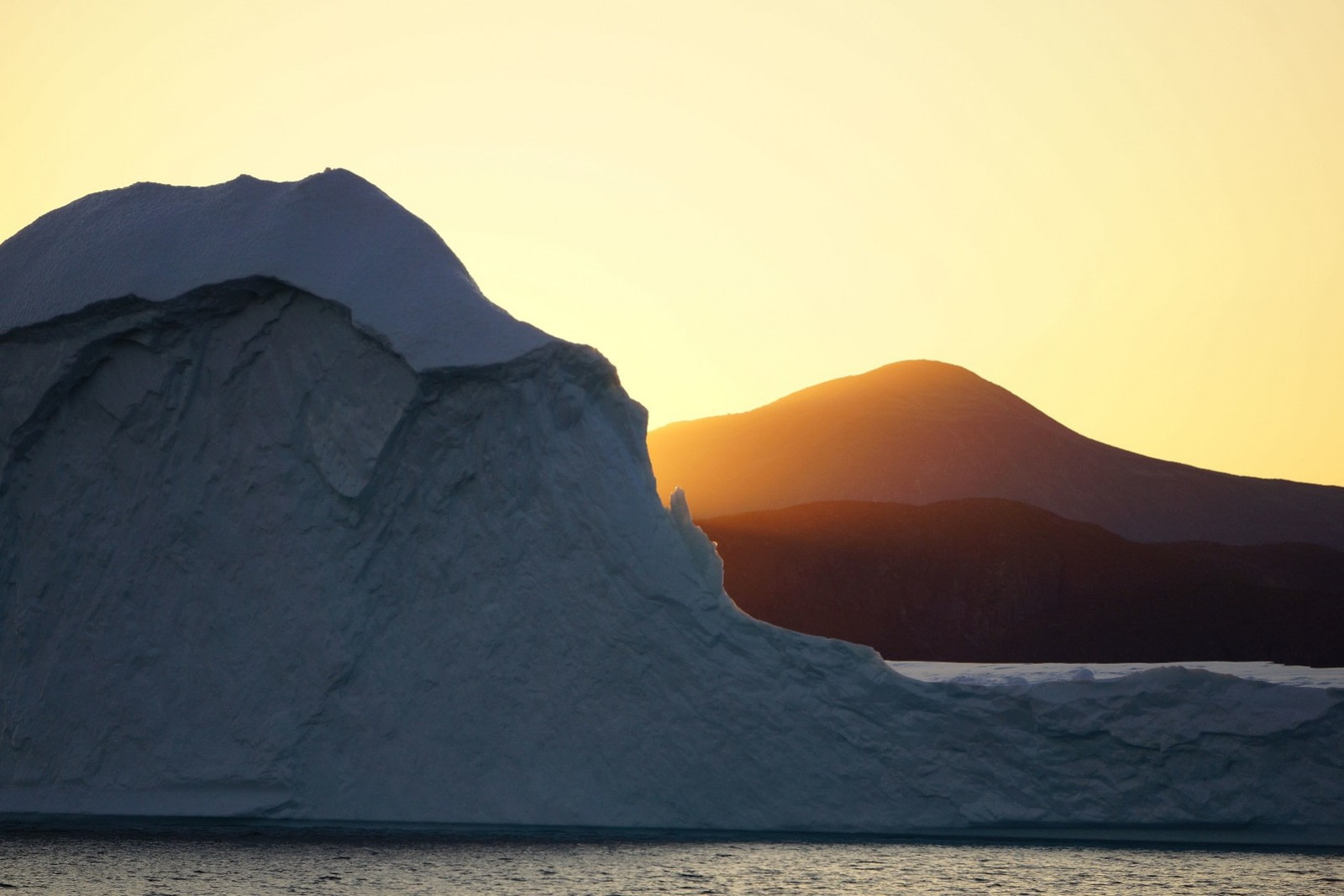
The midnight sun, also referred to as the polar day, is a fascinating natural event observed within the Arctic and Antarctic circles. During the polar summer, the sun remains above the horizon for 24 hours a day, resulting in continuous daylight without any sunrise or sunset. This phenomenon occurs due to the Earth's seasonal tilt towards the sun during the summer months in these regions.
blog-image

Seasons in Antarctica and the Arctic

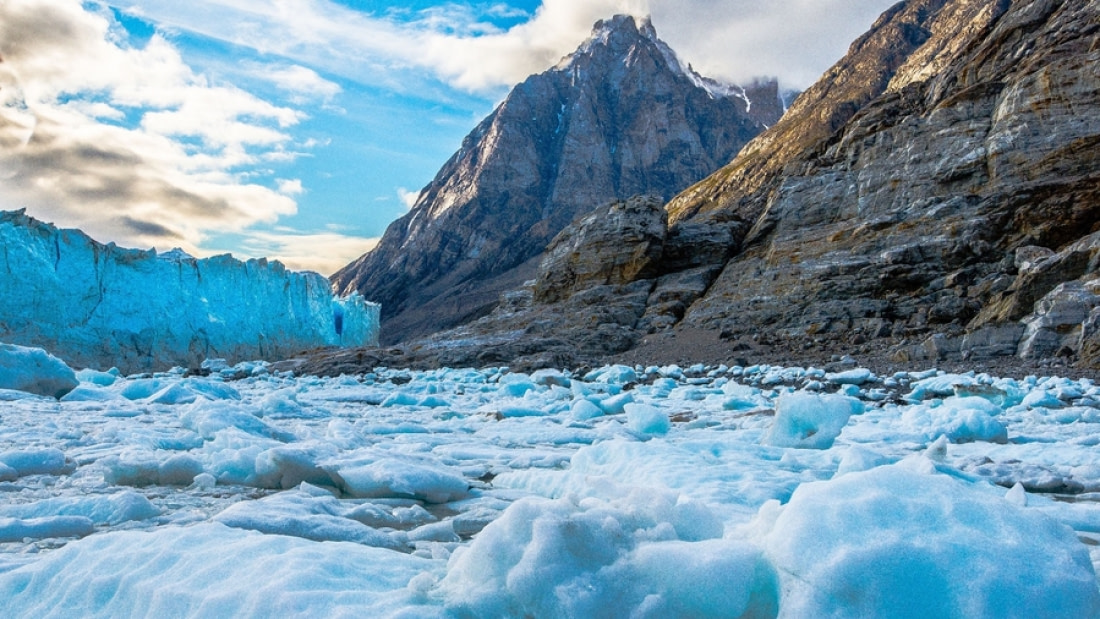
Seasonal variations are driven by the Earth's movement and its changing distance from the sun. While many regions experience four distinct seasons, this is not the case everywhere. In equatorial regions and at the poles, the year is often divided into two main seasons. At the equator, the year is split into the dry and rainy (monsoon) seasons. At the poles, winter and summer are the primary seasons, with spring and autumn being less defined compared to temperate regions.
blog-image

Planetary tilt = polar night or midnight sun

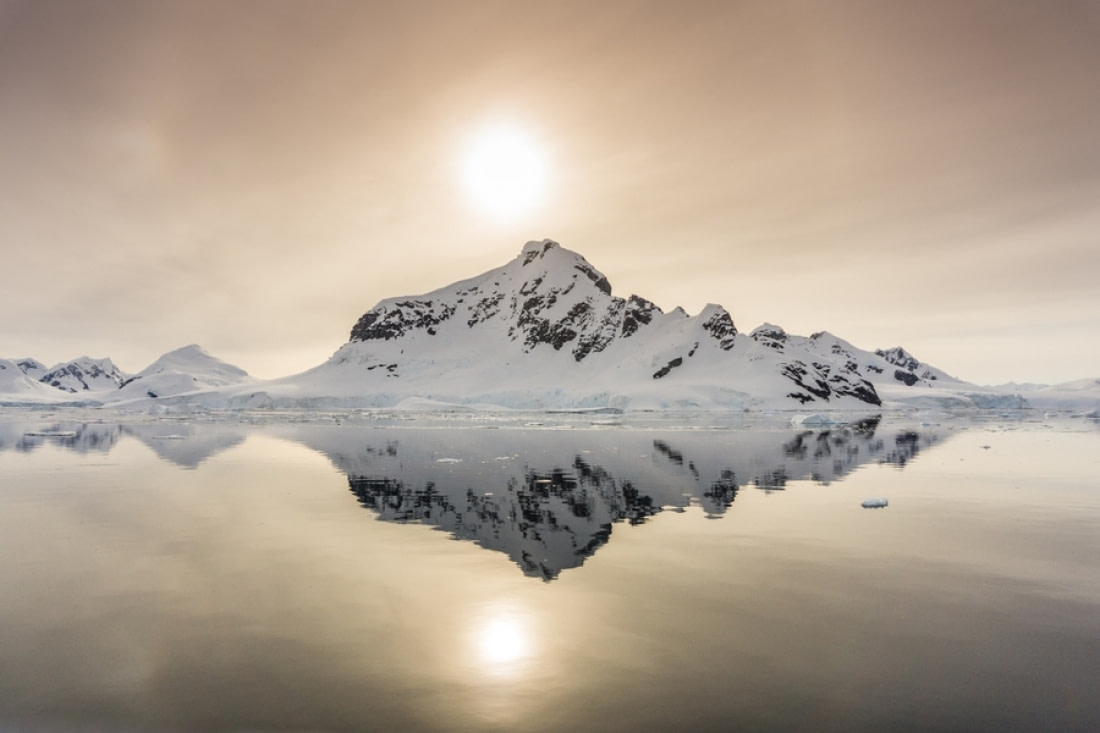
In polar regions, the midnight sun occurs due to the Earth's tilt during the polar summer. One pole is angled towards the sun, preventing the region from falling into shadow as the Earth rotates, resulting in continuous daylight. Conversely, the opposite pole experiences extended periods of darkness, known as the polar night.
blog-image

Arctic and Antarctic albedo

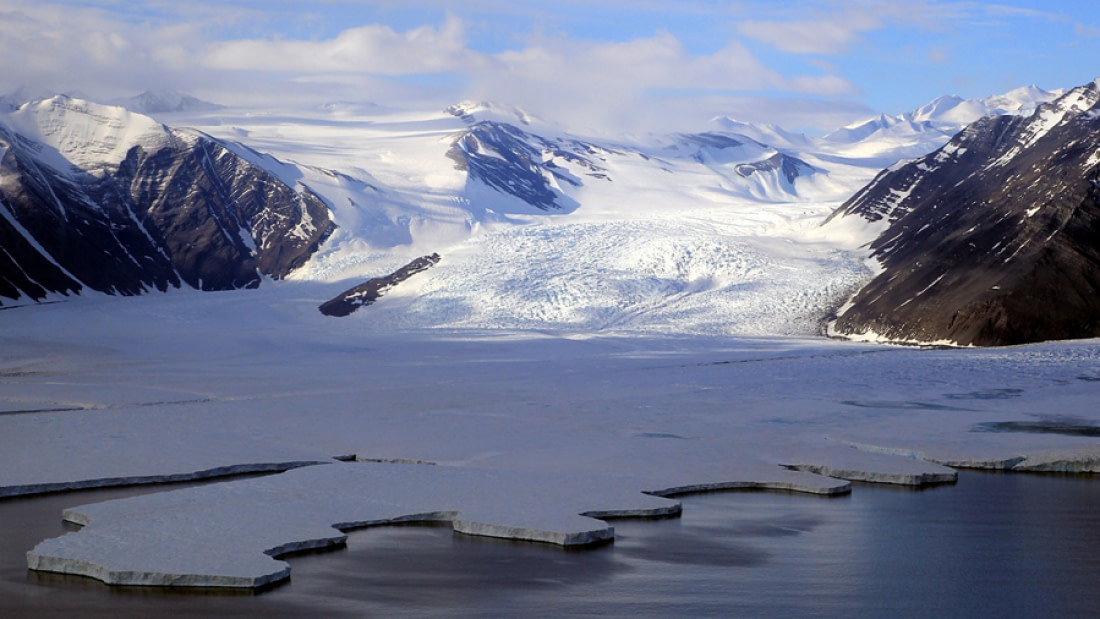
Albedo measures the amount of light reflected off a surface. The polar regions, covered in white snow and ice, have a high albedo, reflecting most of the sunlight back into the atmosphere. This reflection helps maintain the cold temperatures in these areas throughout the year.
blog-image

Experiencing the midnight sun

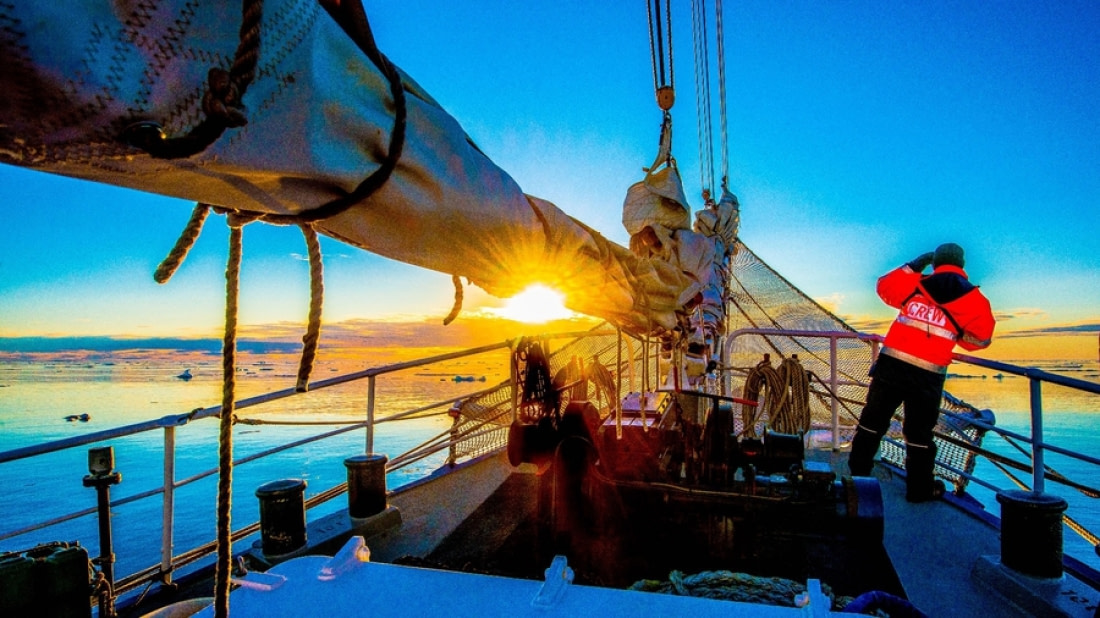
The experience of the midnight sun varies depending on your location within the polar regions. In lower latitudes, the sun rises and falls but remains above the horizon. Closer to the poles, the sun stays higher in the sky with minimal oscillation. One downside of visiting during the midnight sun season is the reduced likelihood of witnessing the aurora borealis or aurora australis due to the constant daylight.
blog-image

Arctic light, Antarctic darkness

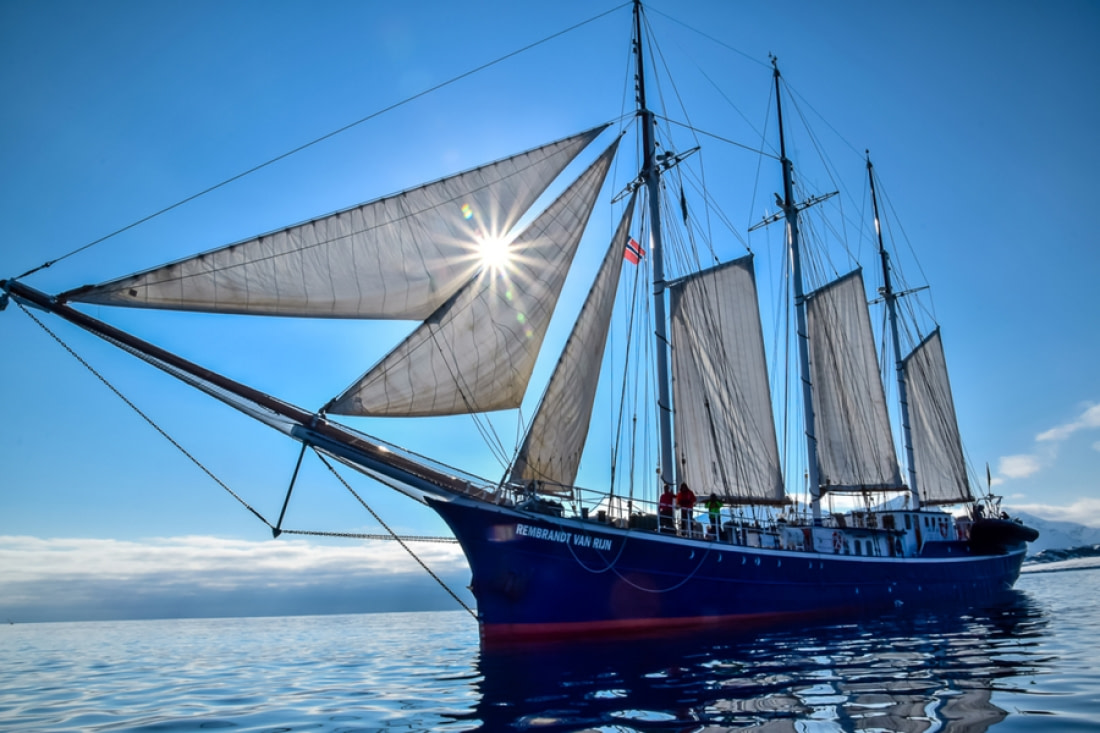
At the poles, the sun rises and sets only once a year, marking the summer and winter equinoxes. During the polar spring, the sun rises and continues to ascend until it peaks in summer. The polar autumn brings twilight, with the sun just below the horizon, creating a soft glow. Winter is characterized by complete darkness.
blog-image

How the midnight sun affects wildlife

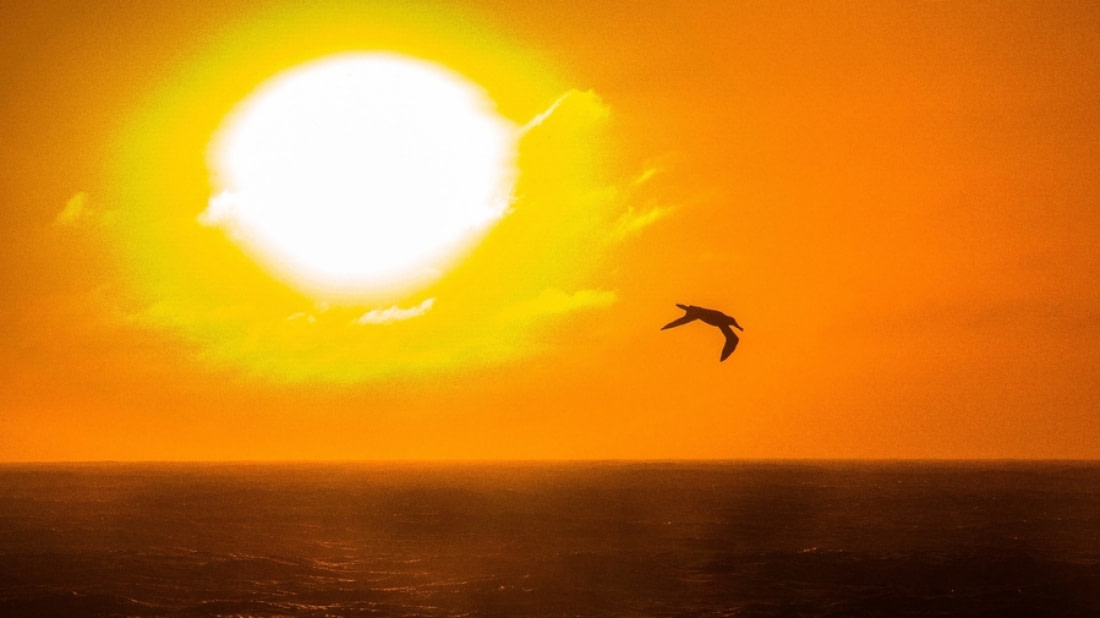
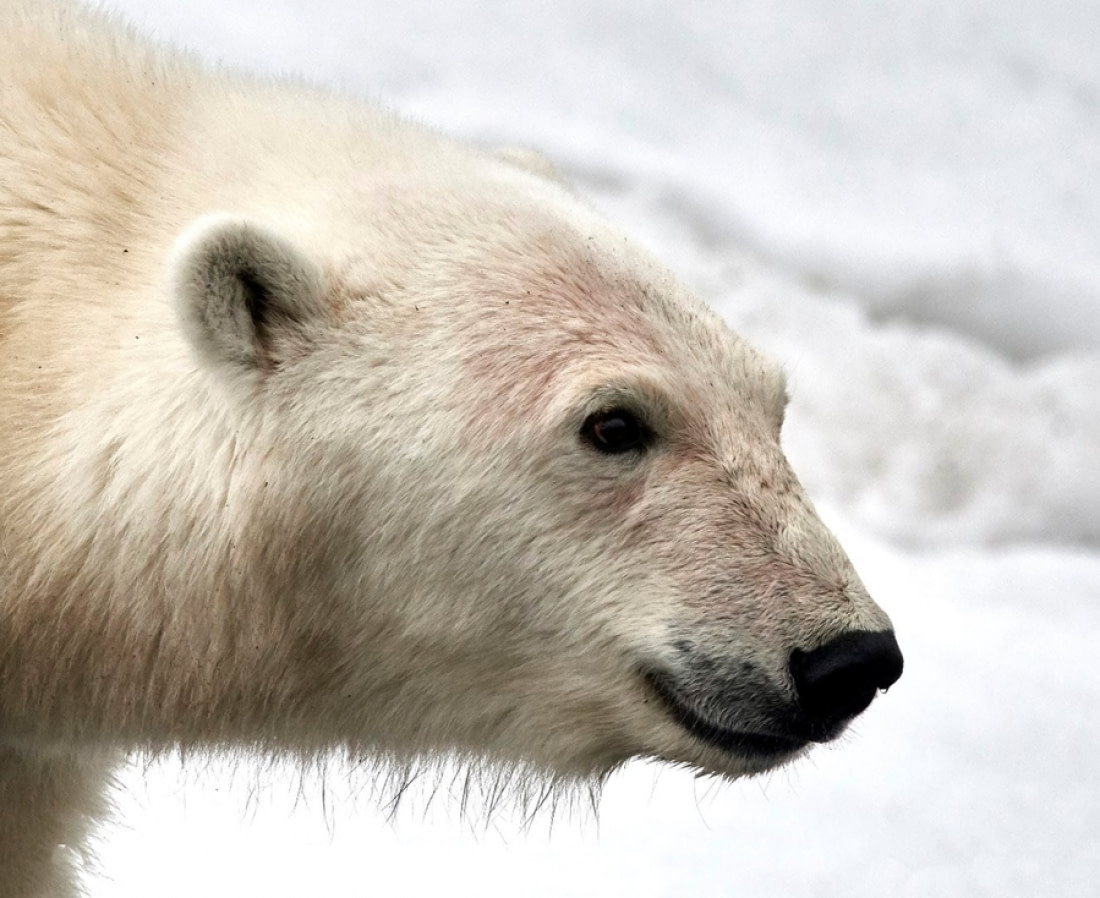
The midnight sun season is a bustling time for wildlife. In lower latitudes with vegetation, there is a surge in plant growth. Animals work to gain weight, and breeding seasons commence. Interestingly, polar animals do not hibernate during the polar night, as food availability remains constant. Only pregnant female polar bears hibernate, giving birth between November and January, and emerging with their cubs when the sun returns around late March or April.
blog-image

Norway, Iceland, Alaska, and other midnight sun locations

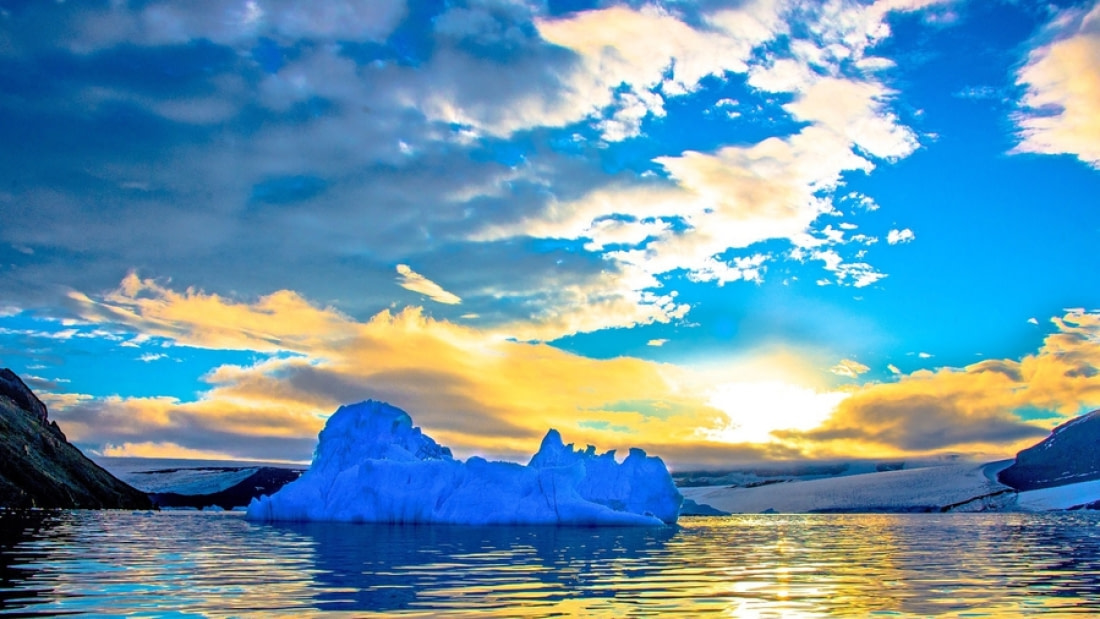
The midnight sun can be observed in both the Arctic and Antarctica, depending on the time of year. In the northern hemisphere, it lasts from mid-April to mid-August and can be seen in Greenland, Svalbard, Russia, Canada, Alaska, and Scandinavian countries. In Svalbard, the sun does not set for sixty days. During the southern hemisphere summer, adventurous voyages to Antarctica offer opportunities to witness the midnight sun.
blog-image

See the midnight sun outside the Arctic Circle

Eagle Summit in Alaska is one of the few places outside the Arctic Circle where you can experience the midnight sun. This is due to its altitude rather than its latitude. However, the summit's harsh winds and rain make it a less comfortable location to witness this phenomenon.


Blog
go-leftgo-right

Science of the Ross Ice Shelf - Nexta Expeditions
Blog

Science of the Ross Ice Shelf
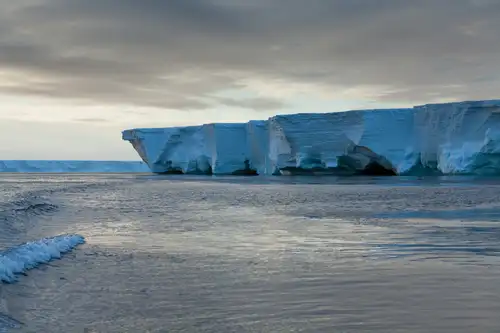
Antarctica’s Ross Ice Shelf is vast, spanning 487,000 sq. km – comparable to the size of France – with a thickness that varies from a few hundred meters near the sea to over 1,200 meters away from the floating edge. The edge along the Ross Sea forms a towering ice wall, rising up to 50 meters above the water, with most of the ice submerged below the waterline.
Freshwater ecosystems in the Arctic - Nexta Expeditions
Blog

Freshwater ecosystems in the Arctic

The Arctic, surprisingly, hosts a rich and varied array of freshwater ecosystems, including lakes, ponds, rivers, streams, deltas, and wetlands. Some of the world's largest rivers and deltas, such as the Lena, Ob, and Yenisei, are found in this region.
Hondius Photography and Video Workshops - Nexta Expeditions
Blog

Hondius Photography and Video Workshops

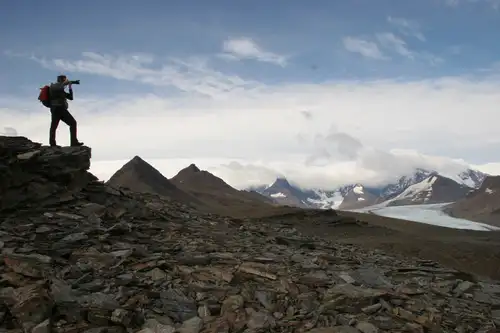
There’s no shortage of great things to say about a Hondius expedition cruise, but among the best are the free video and photography workshops offered during some of this ship’s voyages. These informative, interactive, highly useful supplements allow you to not only capture your memories in the best way possible but also make your friends back home maddeningly jealous.
Two for the Snow: Polar Cruises for Couples - Nexta Expeditions
Blog

Two for the Snow: Polar Cruises for Couples

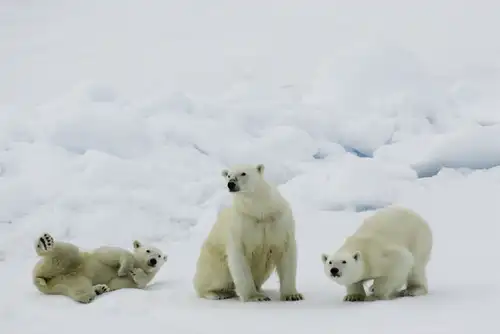
Do you know the old saying, “Cold hands, warm heart”? In our opinion, that bodes well for couples who visit the polar regions.
Polar bear encounter in Spitsbergen - Nexta Expeditions
Blog

Polar bear encounter in Spitsbergen

I watch the sea ice from the bridge of a ship in one of the fjords of Spitsbergen, an archipelago north of Norway. I observe a perfectly adapted animal moving on the ice, the results of hundreds of thousands of years of ecological fine-tuning. Snowshoe-sized paws distribute weight, fur handles the cold and sunlight to perfection, and an incredible sense of smell samples this monochromatic realm.
The ozone layer in Antarctica - Nexta Expeditions
Blog

The ozone layer in Antarctica

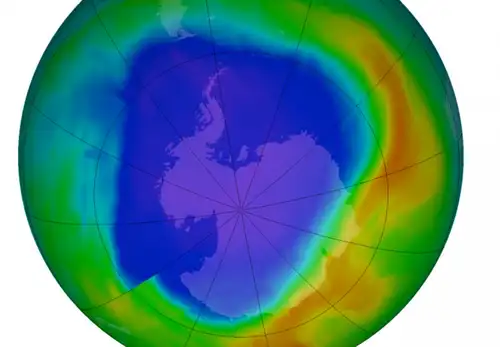
An ozone molecule is composed of three oxygen atoms rather than the usual two. It exists in the atmosphere in trace amounts. Ozone molecules are created through the interaction of ultraviolet (UV) radiation from the sun with oxygen molecules: When an O2 molecule is split, the two free oxygen atoms bond with other O2 molecules to form O3 molecules.
Exploration of the Polar Regions - Nexta Expeditions
Blog

Exploration of the Polar Regions

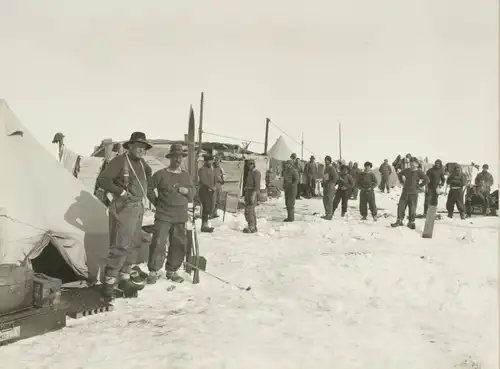
From the Vikings via the first whale and seal hunters to Scott and Amundsen, from the maritime explorers Franklin and Nordenskiöld to present-day polar tourism, a quick tour through history reveals some of the aspects which motivated people to extend their horizons. Existential need, sheer curiosity, imperial greed, polar science, and a taste for adventure all converged in regions which pardon no mistakes.
The Arctic’s Most Phenomenal Fjords - Nexta Expeditions
Blog

The Arctic’s Most Phenomenal Fjords

Fjords are often linked with Norway, but they are not exclusive to that region. They are a common feature of the Arctic and are major attractions in Greenland and Svalbard.
Port Lockroy: History, Post Office, and Resident Penguins - Nexta Expeditions
Blog

Port Lockroy: History, Post Office, and Resident Penguins

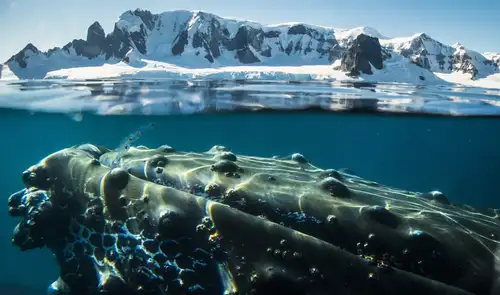
Sometimes it’s easy to get caught up in the stunning coastlines, fjords, and other natural wonders of Antarctica, overlooking the man-made attractions nestled in between.
Baleen Whales – The Gentle Giants of the Ocean - Nexta Expeditions
Blog

Baleen Whales – The Gentle Giants of the Ocean

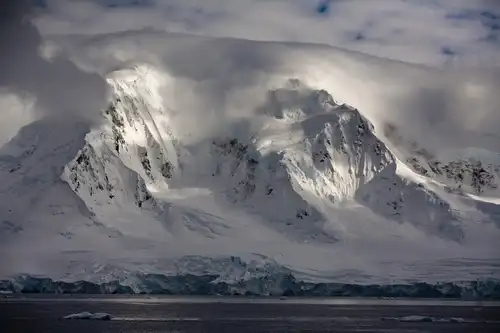
They are the largest animals on Earth, yet they thrive on some of the tiniest creatures. These giants can reach lengths of 30 meters (90 feet), but it is the microscopic zooplankton, krill, and small fish that sustain them. These are the baleen whales. Unlike toothed whales, baleen whales lack teeth. Instead, they use plates of baleen in their mouths to trap and consume their tiny prey.
The Ancient Fossil Forests of Antarctica - Nexta Expeditions
Blog

The Ancient Fossil Forests of Antarctica

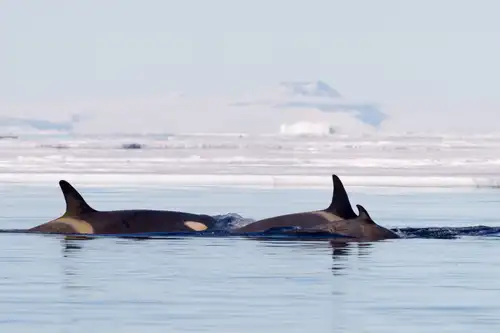
Over a hundred years ago, Robert Falcon Scott’s expedition to Antarctica discovered fossils of plants on the Beardmore Glacier, less than 500 km (310 miles) from the South Pole. Edward Wilson, who was the expedition’s chief scientist, recorded the findings in his diary, stating that “most of the bigger leaves were like beech leaves in shape and venation.”
Antarctica’s first Marine Protected Area - Nexta Expeditions
Blog

Antarctica’s first Marine Protected Area

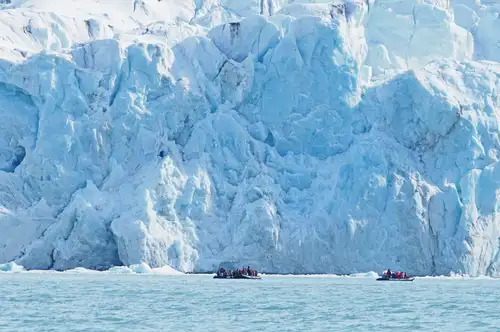
In October of this year, the Commission for the Conservation of Antarctic Marine Living Resources, which includes 24 countries such as the United States, the European Union, Australia, and New Zealand, reached a consensus on a New Zealand/United States proposal to establish a large-scale Marine Protected Area (MPA) in the Ross Sea region.
All About Ice: Glaciers and Icebergs of the Arctic and Antarctica - Nexta Expeditions
Blog

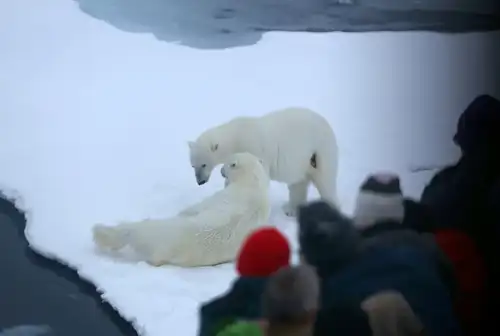
All About Ice: Glaciers and Icebergs of the Arctic and Antarctica

In October of this year, the Commission for the Conservation of Antarctic Marine Living Resources, which includes 24 countries such as the United States, the European Union, Australia, and New Zealand, reached a consensus on a New Zealand/United States proposal to establish a large-scale Marine Protected Area (MPA) in the Ross Sea region.
The Pack Ice and Polar Bears of North Spitsbergen - Nexta Expeditions
Blog

The Pack Ice and Polar Bears of North Spitsbergen

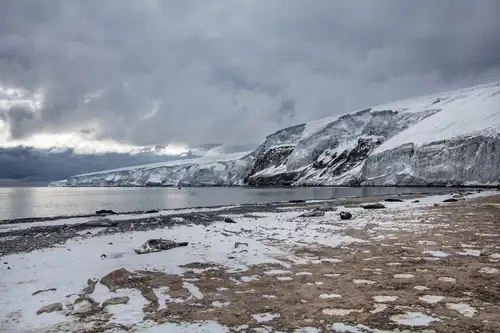
The Arctic archipelago of Svalbard is renowned for being one of the prime locations to observe polar bears. The largest island in this region, Spitsbergen, not only offers sightings of these majestic Arctic creatures but also provides a unique opportunity to experience the phenomenon of pack ice.
An igneous paradise: Franklin Island - Nexta Expeditions
Blog

An igneous paradise: Franklin Island

In the most remote reaches of the world's oceans, those daring enough to embark on the Ortelius to the Ross Sea eagerly boarded zodiacs in the southernmost part of the Pacific Ocean.
Arctic vs. Antarctica: A Traveler’s Guide - Nexta Expeditions
Blog

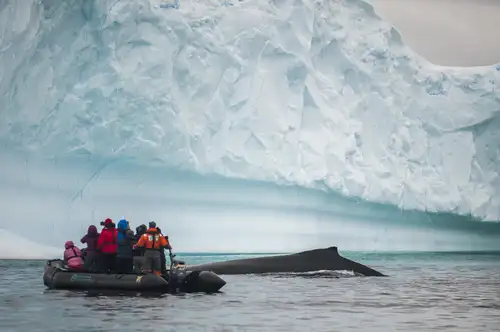
Arctic vs. Antarctica: A Traveler’s Guide

Sunrises vs. sunsets, coffee vs. tea, Wonder Woman vs. Superman...
A Day of Whale Watching in Antarctica - Nexta Expeditions
Blog

A Day of Whale Watching in Antarctica

This morning we awoke early to enjoy the first light in Wilhelmina Bay, with the snow and cloud blanketing the surrounding mountains. As dawn broke, we could see the blows of humpback whales scattered throughout the bay. Some of the whales were closer to the ship and we spotted their small dorsal fins and occasionally their white patterned tails. It was a terrific start to our first full day in Antarctica.
17 Reasons to Cruise the Falklands - Nexta Expeditions
Blog

17 Reasons to Cruise the Falklands

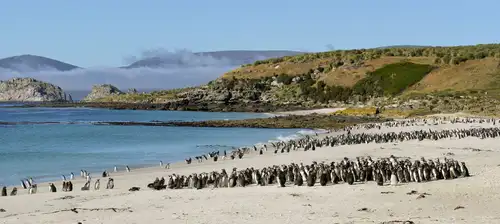
Maybe you’ve already marveled at the colossal penguin colonies of South Georgia, sailed among the plunging seals of the Antarctic Peninsula, and watched whales in the Weddell Sea lunge among titanic tabular icebergs.
The Ultimate Traveler’s Guide to the Arctic and Antarctica - Nexta Expeditions
Blog

The Ultimate Traveler’s Guide to the Arctic and Antarctica

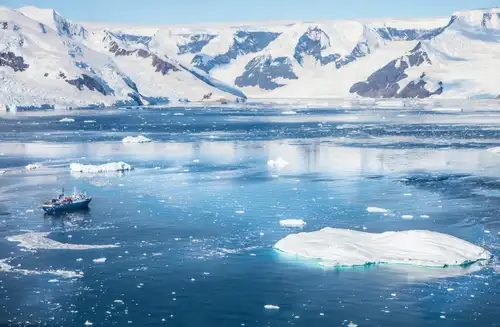
Sunrises or sunsets? Coffee or tea? Polar bears or penguins?
The first race to the South Pole in 50 years - Nexta Expeditions
Blog

The first race to the South Pole in 50 years

Before the South Pole could be reached, the question was what exactly lay at the southern ends of Earth. The concept of Terra Australis Incognita, an unknown continent, was first introduced by Aristotle, who reasoned that a southern landmass must exist to ‘balance’ the known lands in the northern hemisphere.