


 07 February 2027 - 06 Mar 2027
 28 Days/27 Nights
 Ushuaia - Ushuaia
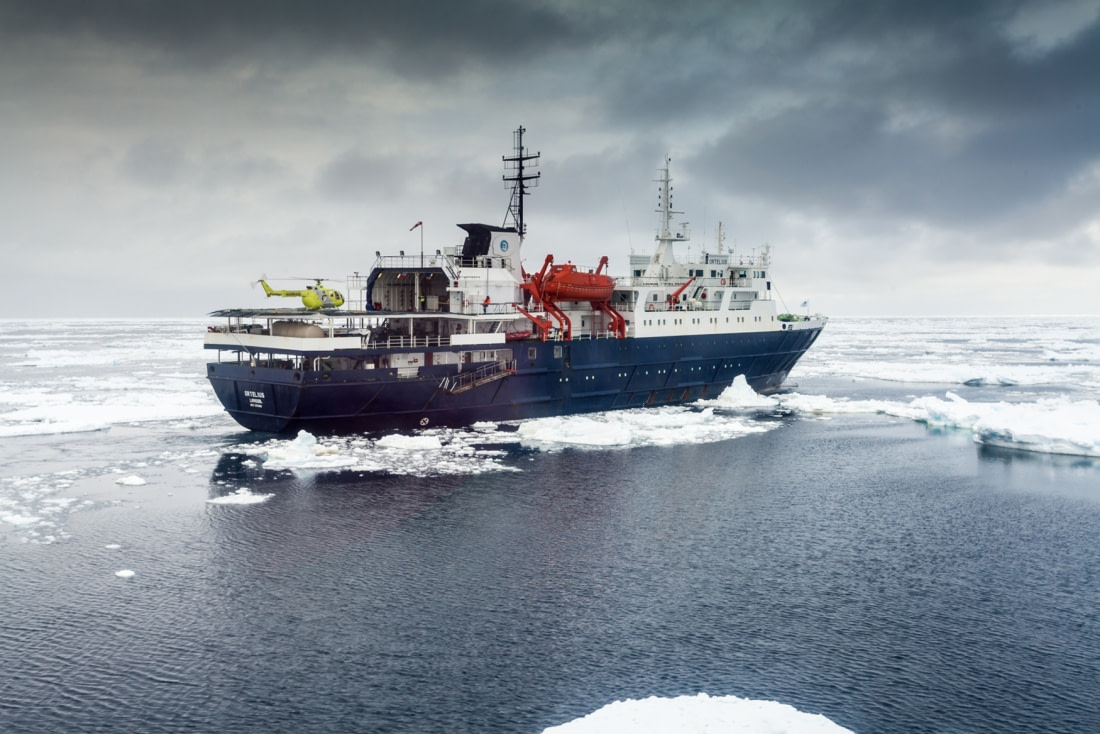
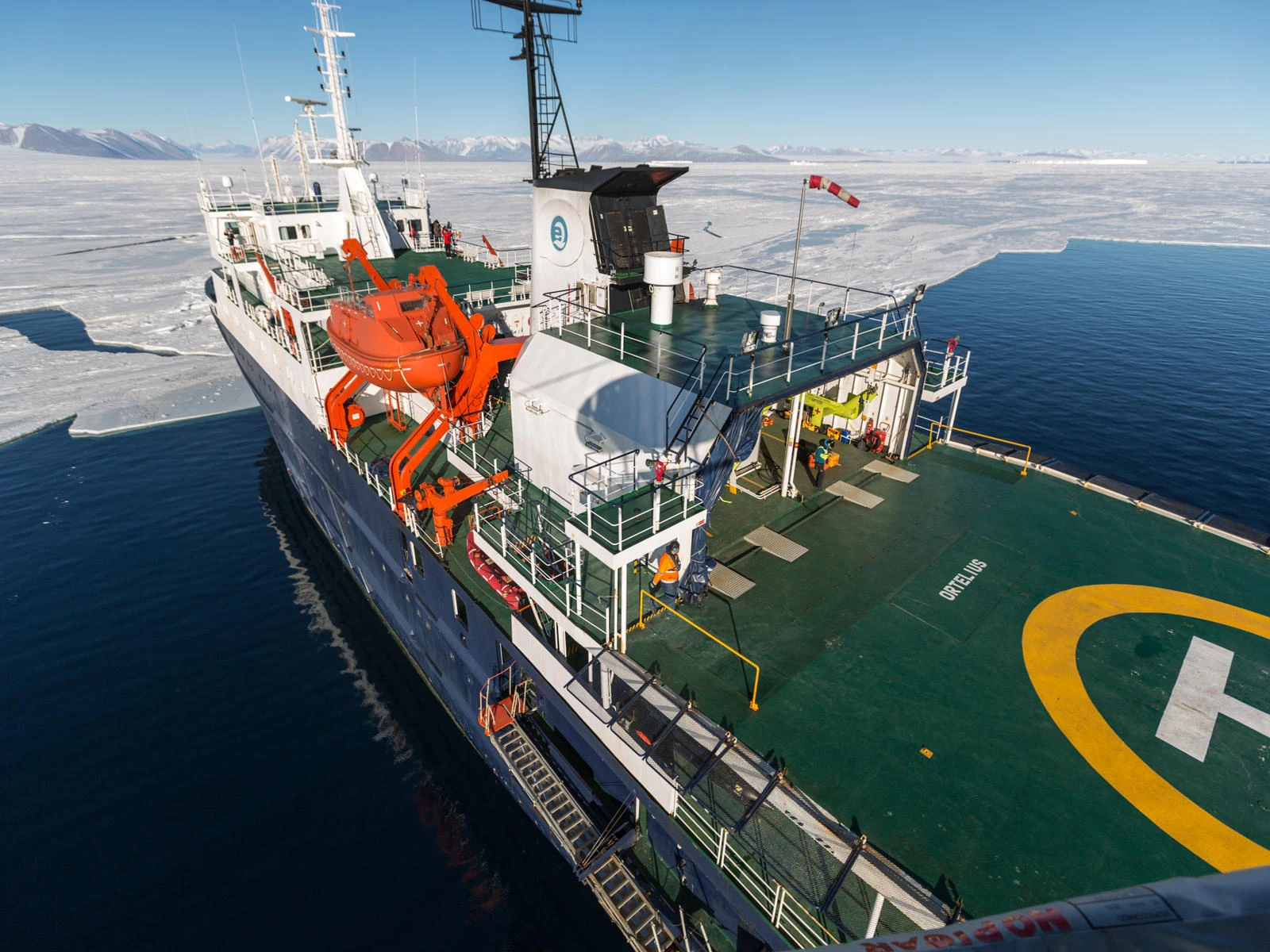
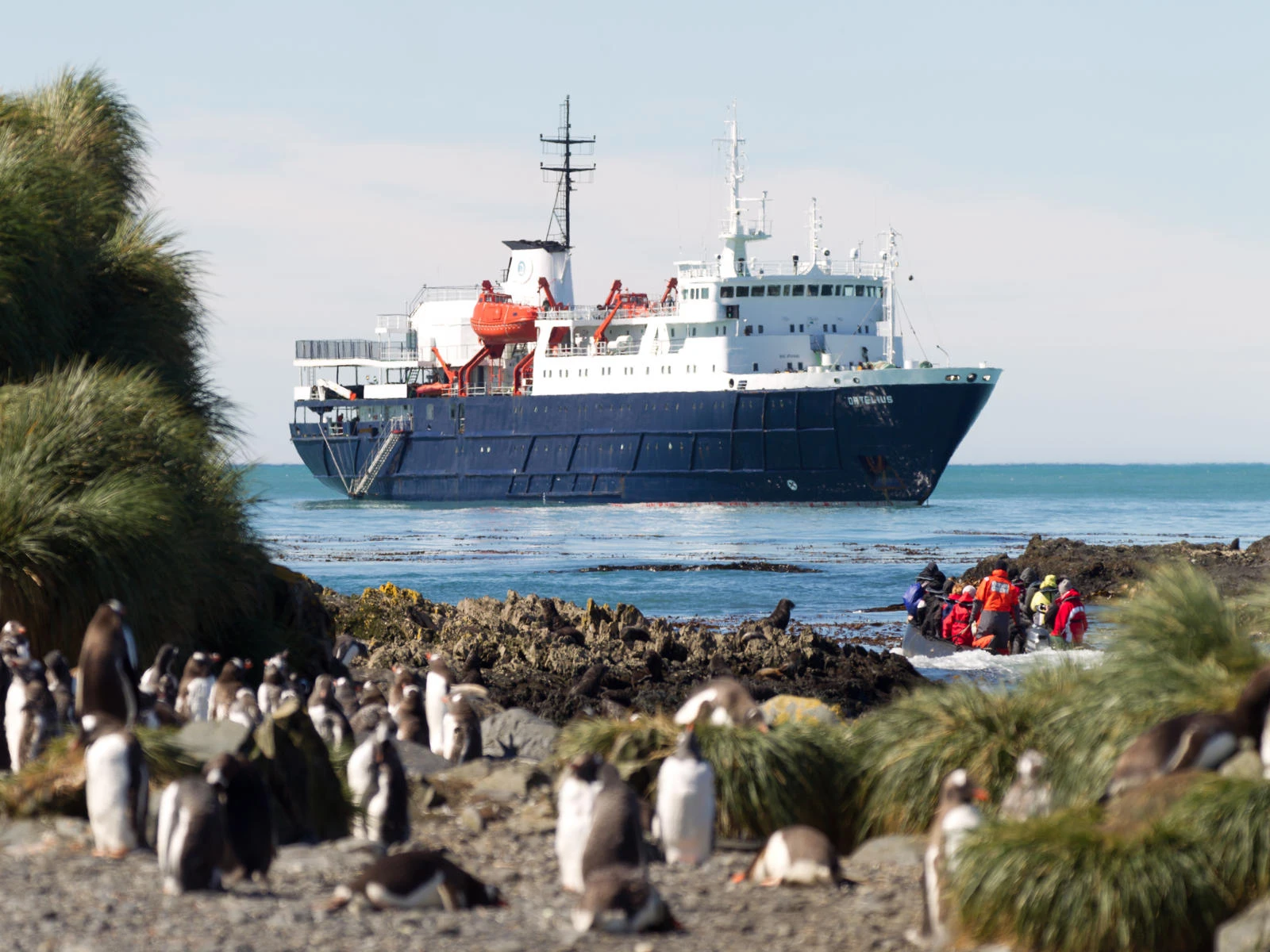
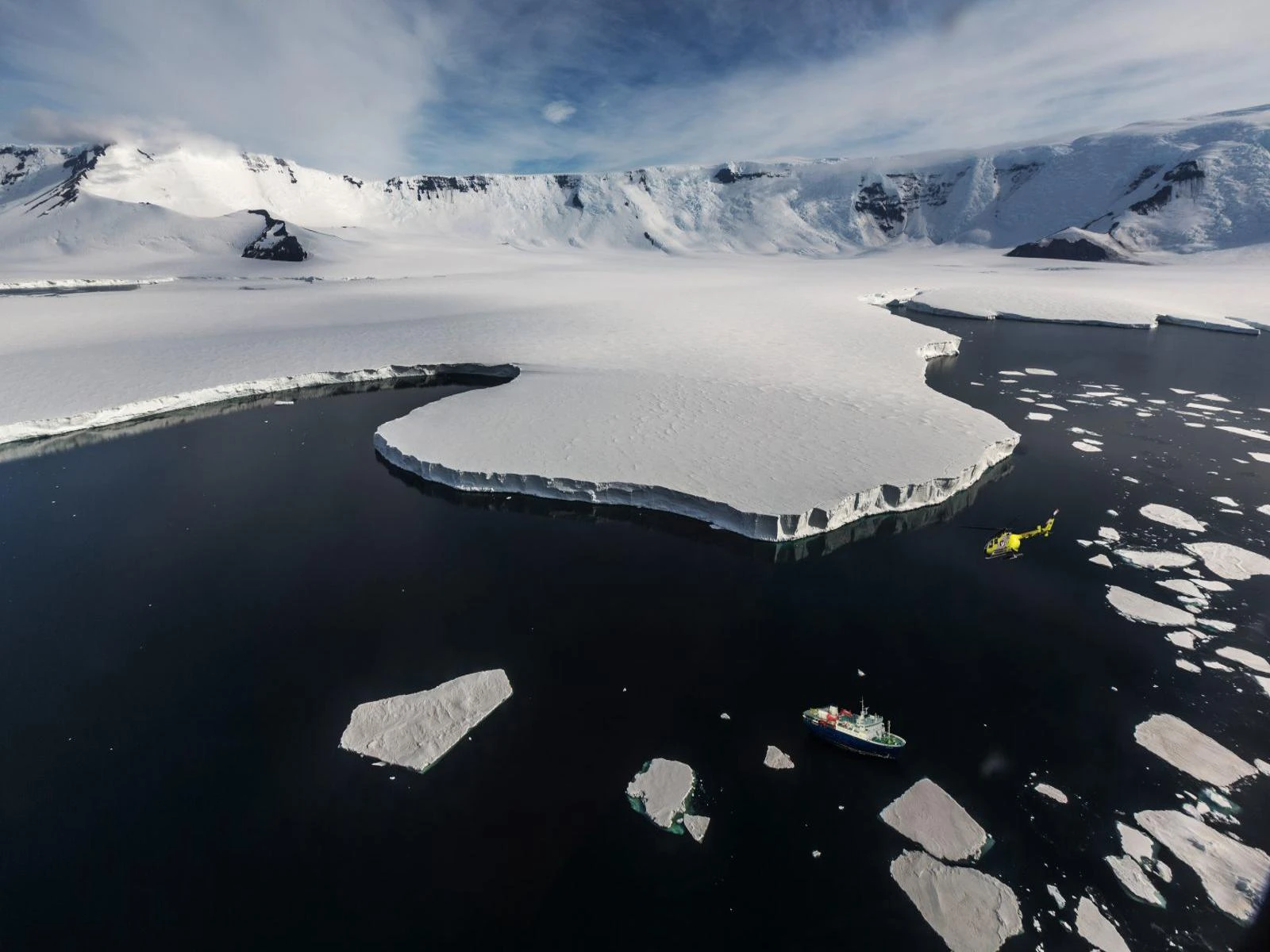
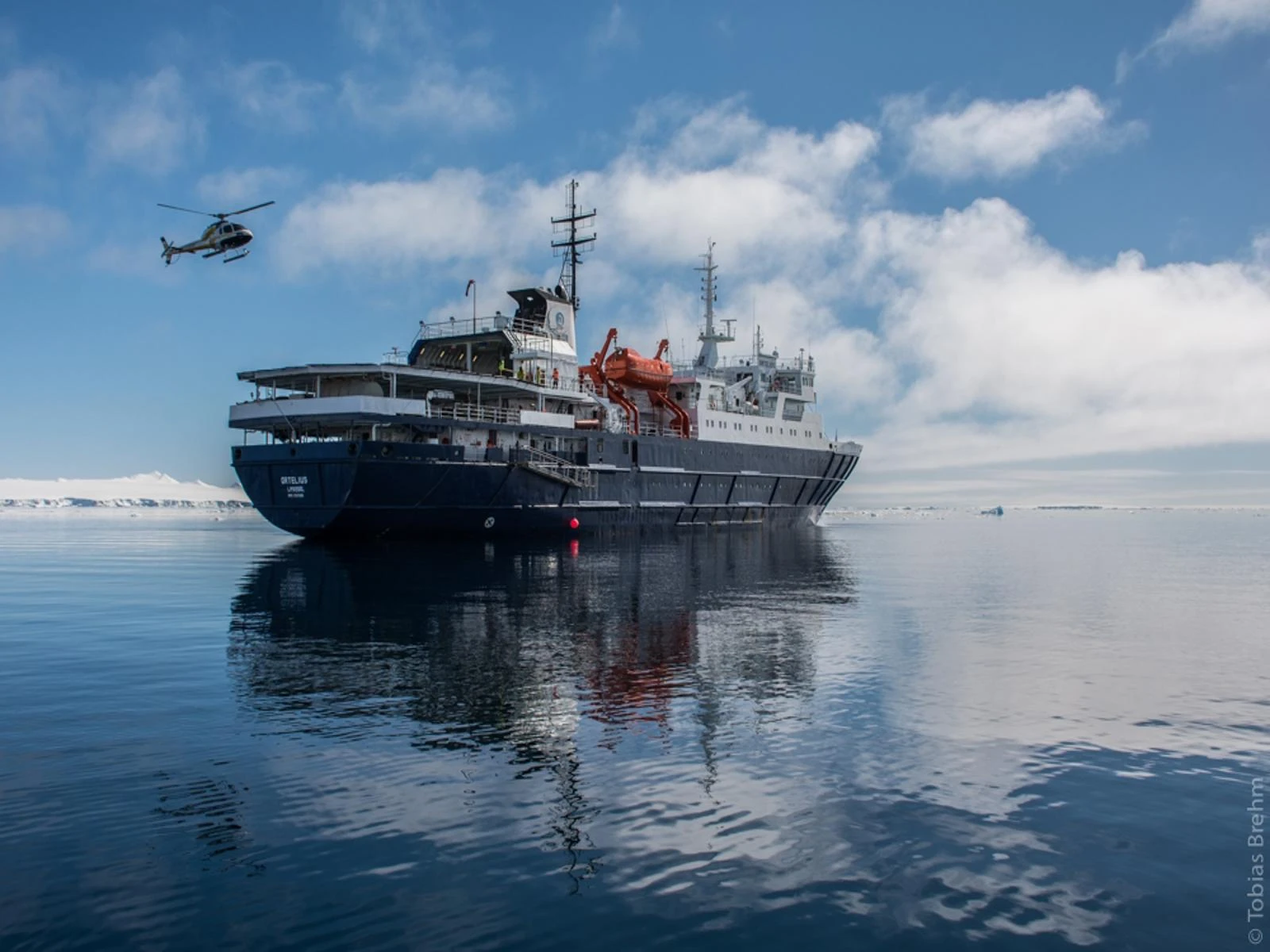
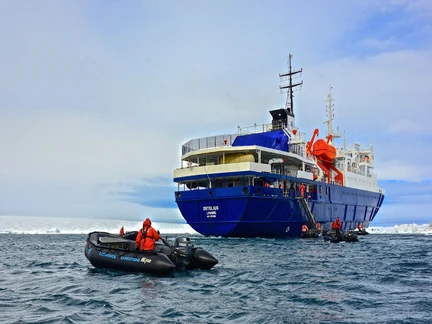
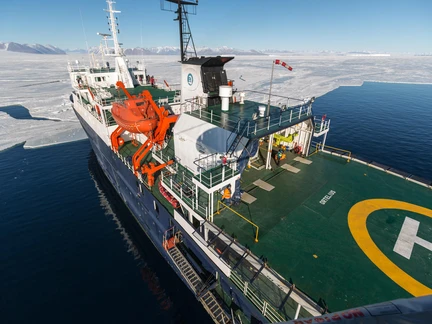
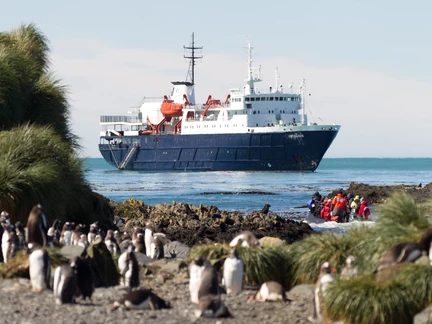
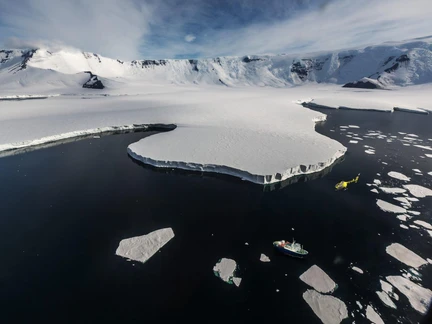
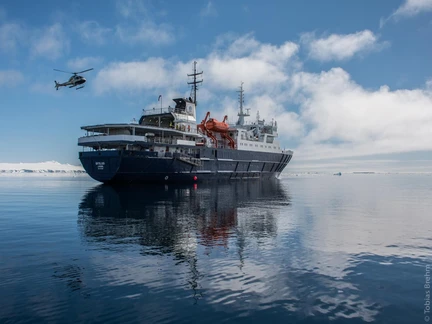
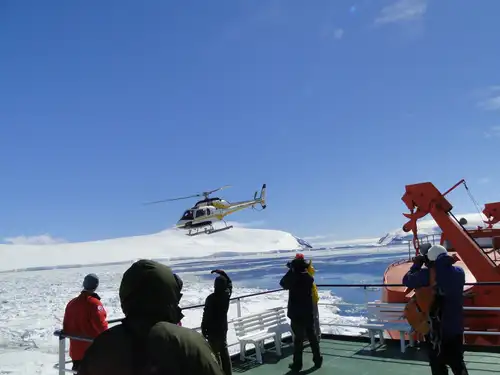
During these expeditions, we transfer passengers to shore using Zodiacs and operate helicopters where Zodiacs cannot be used. If conditions allow, we will attempt landings on both land and sea ice. Helicopter landings are planned when possible, but specific helicopter time cannot be guaranteed. Local conditions determine the final itinerary, and safety is our top priority. The vessel is equipped with three helicopters, and no guarantees can be given.
Remote Weddell Sea Explorer:
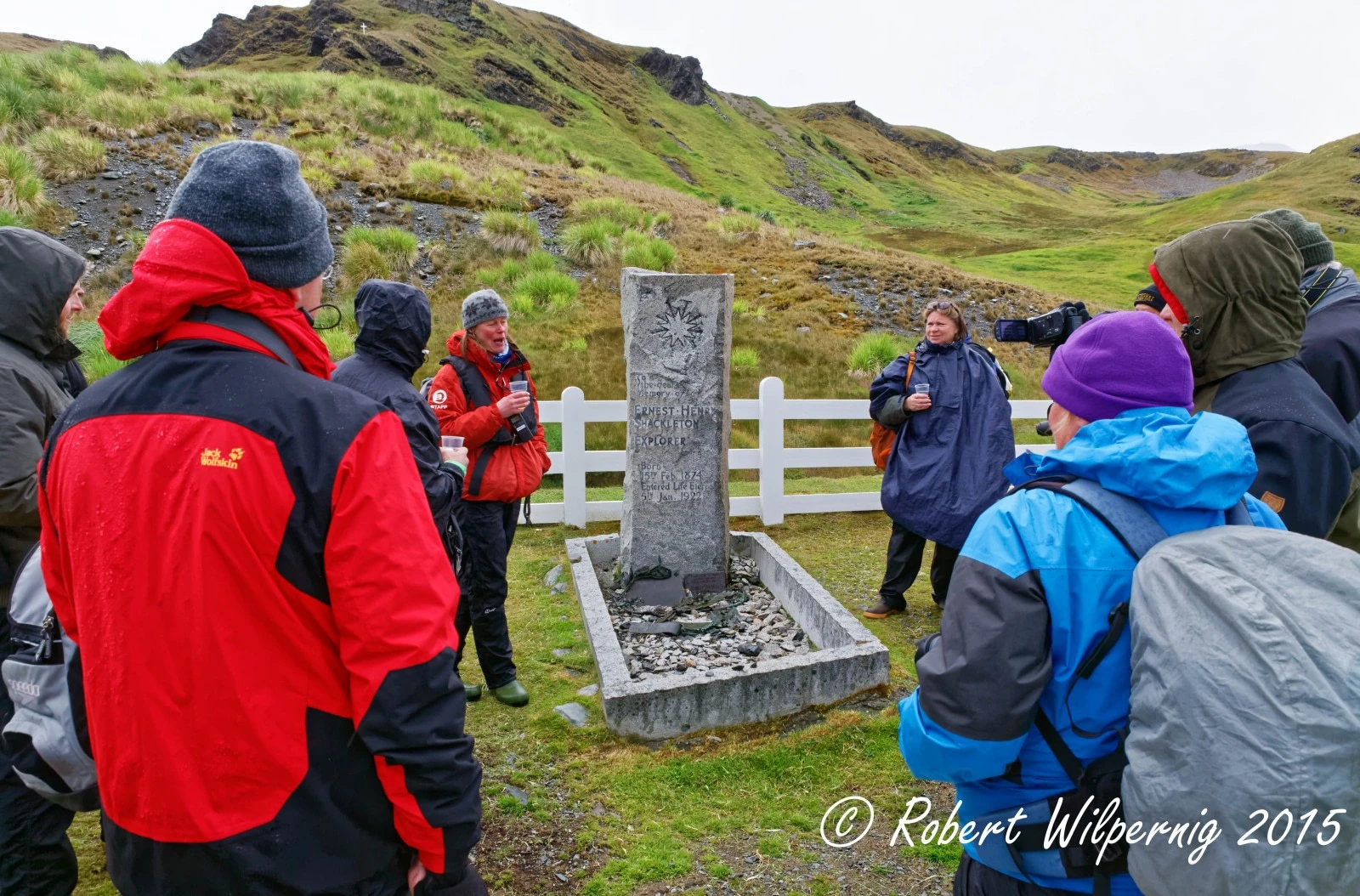
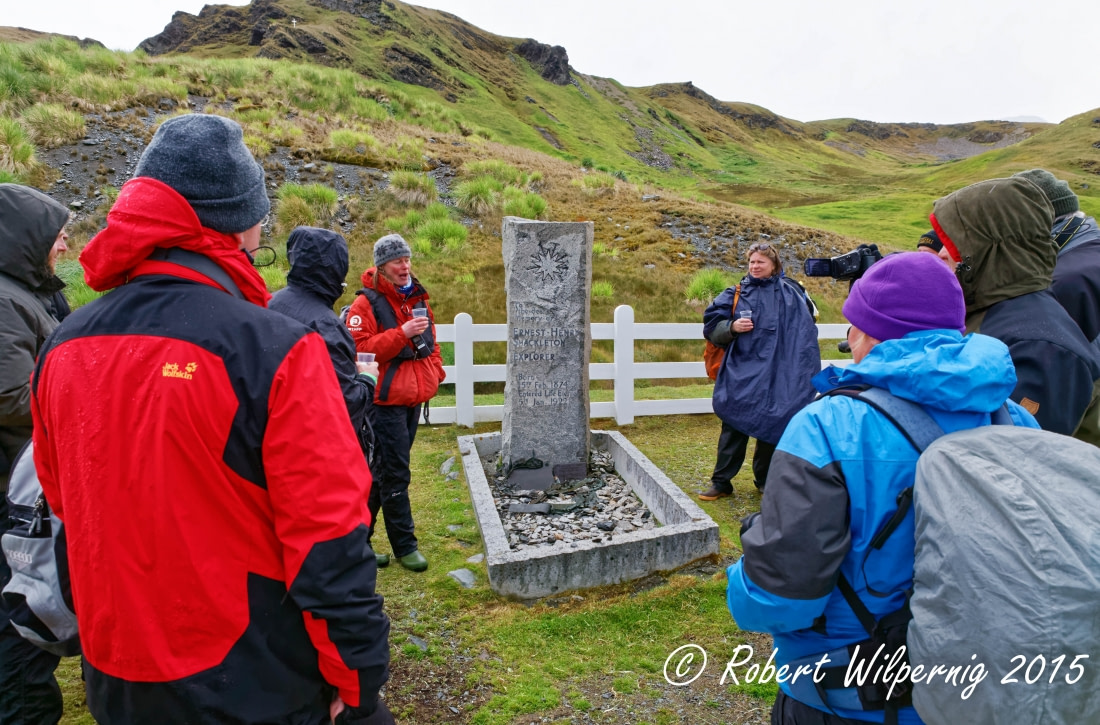
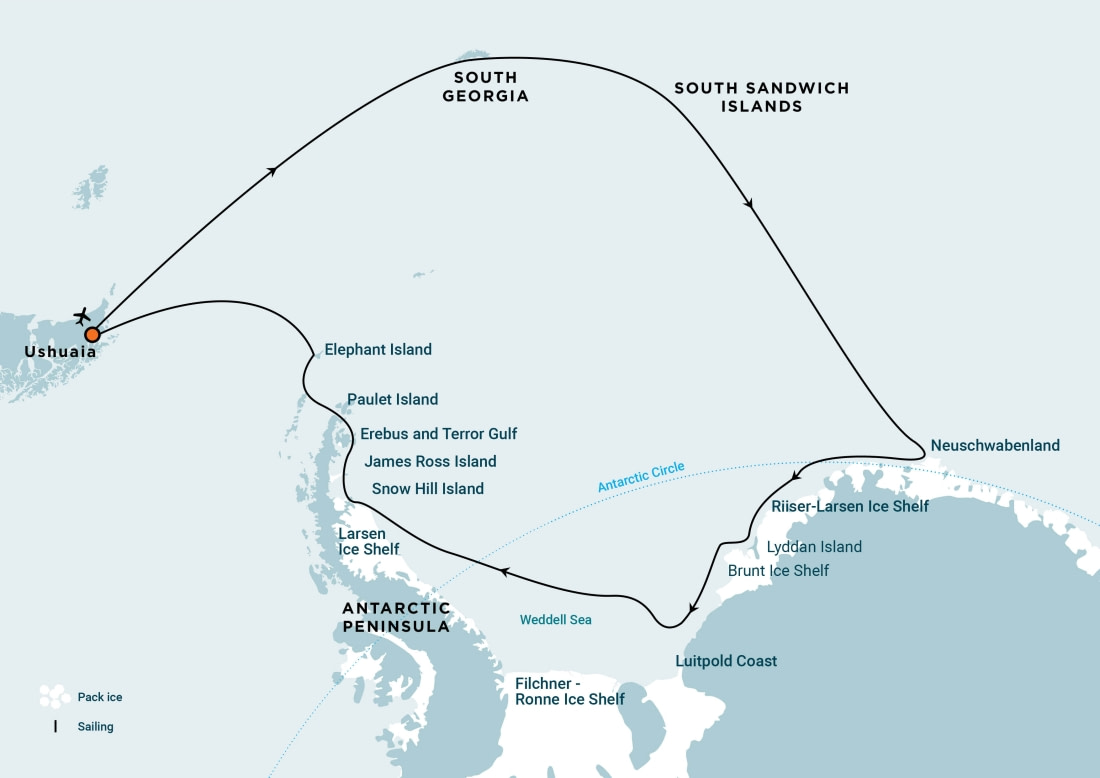
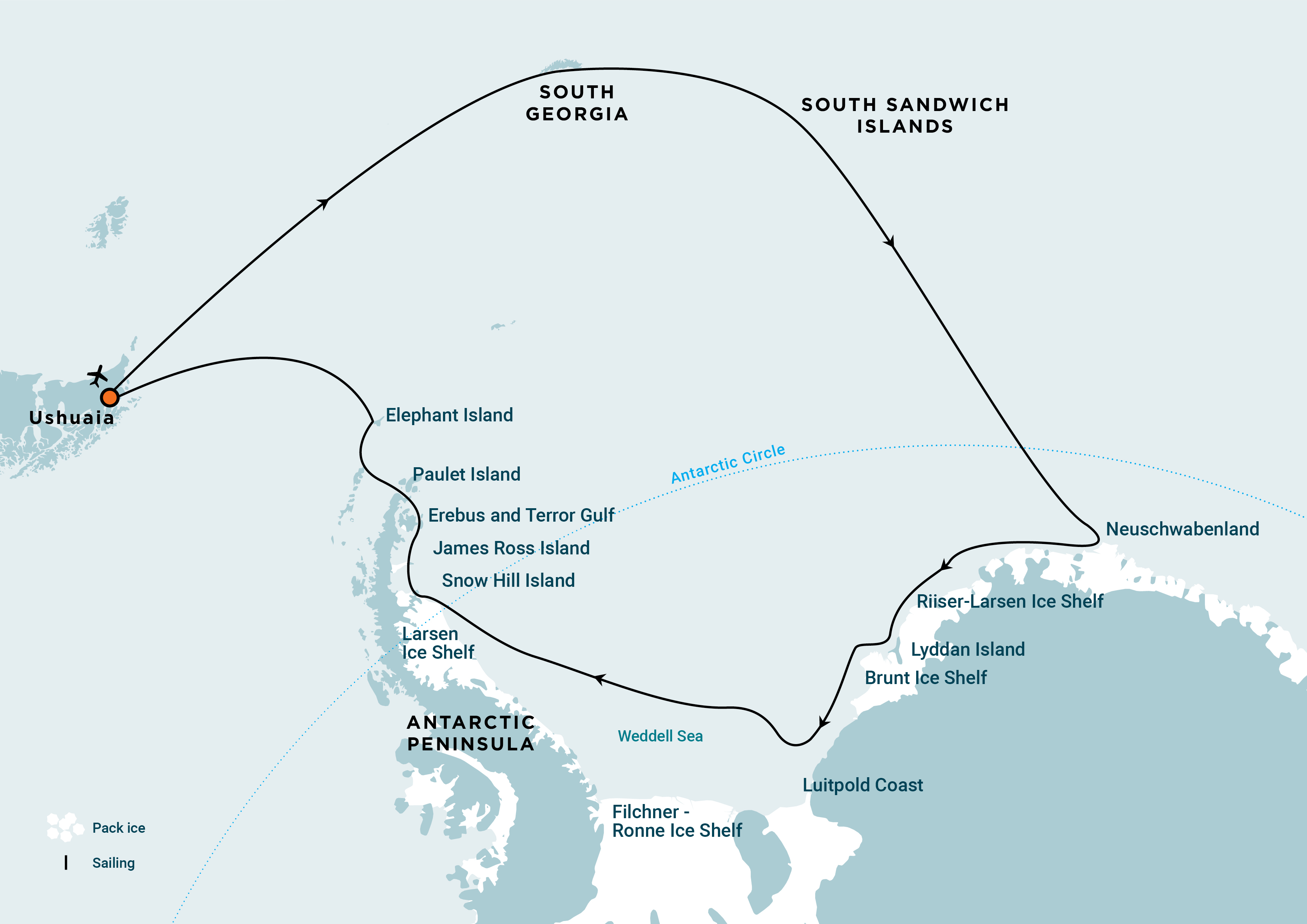
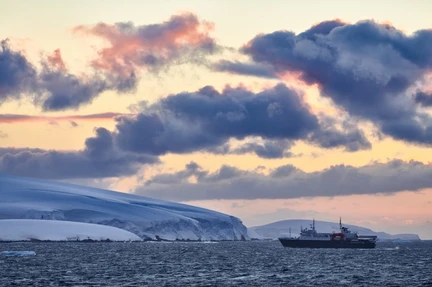
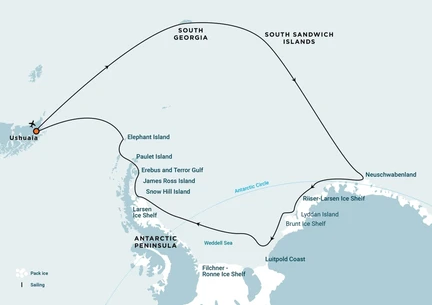
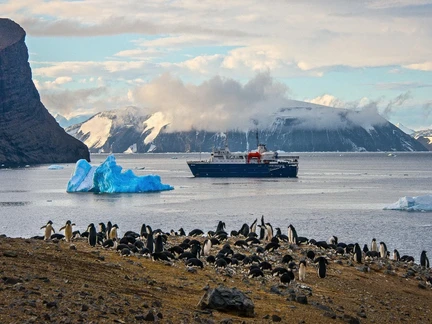
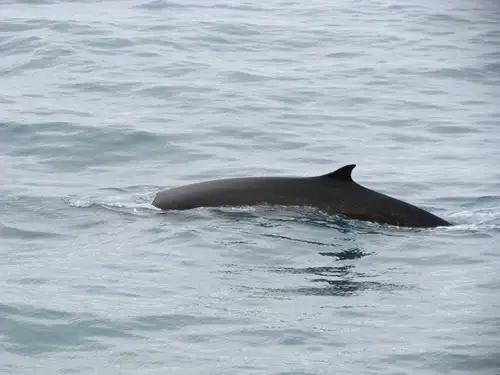
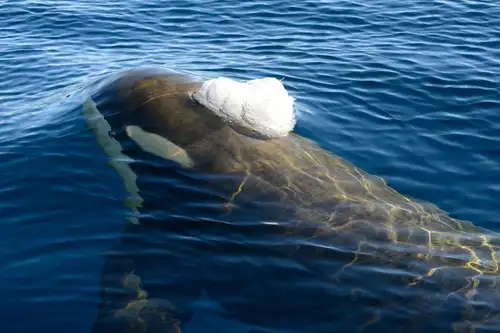
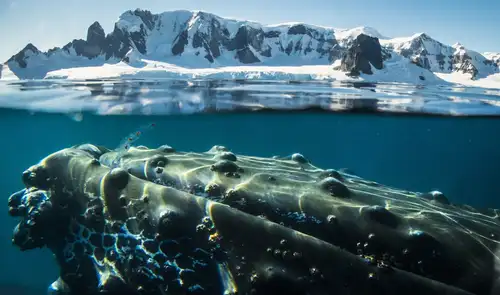
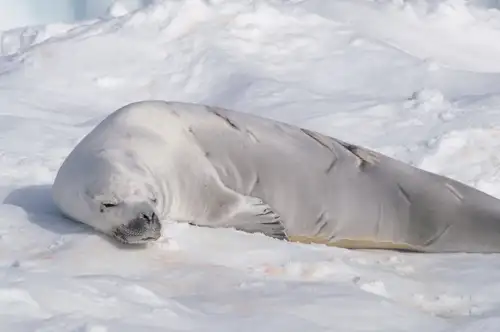
Starting in South Georgia after leaving Ushuaia, we follow the path of explorer Ernest Shackleton, experiencing the Weddell Sea’s wildlife and icebergs before returning via Elephant Island. The Weddell Sea is known for its clear waters and massive icebergs. It is home to orcas, humpbacks, minke whales, seals, and penguins. Onboard, you can attend lectures on wildlife, landscape, and history.
First Days: Journey Begins
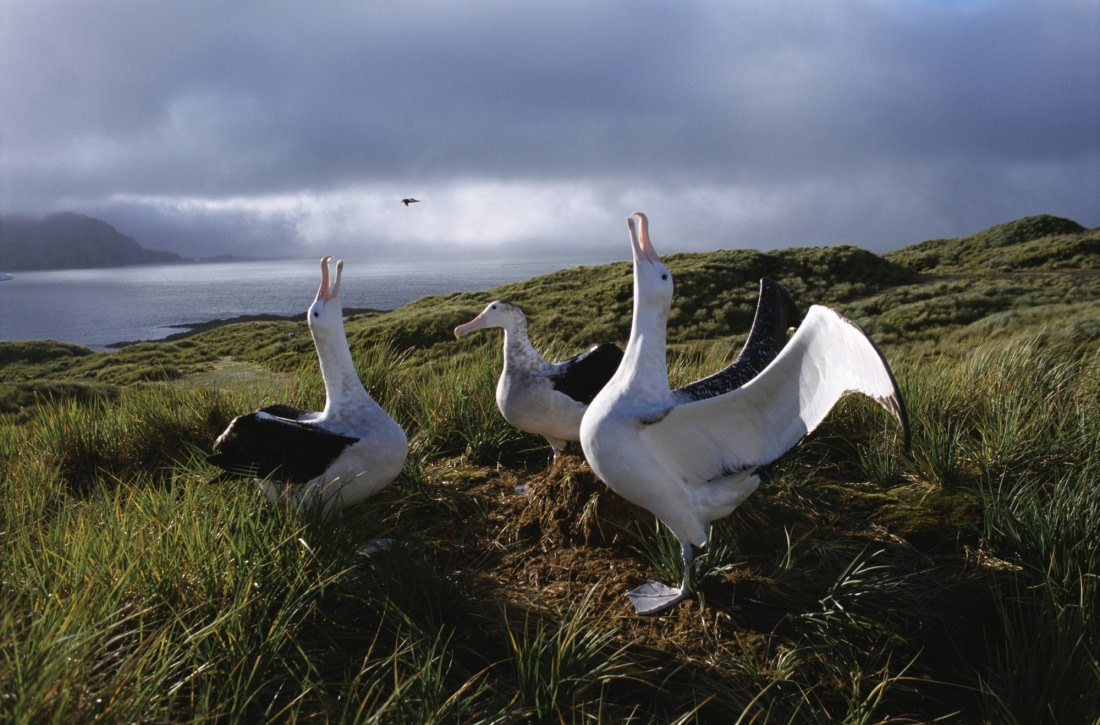
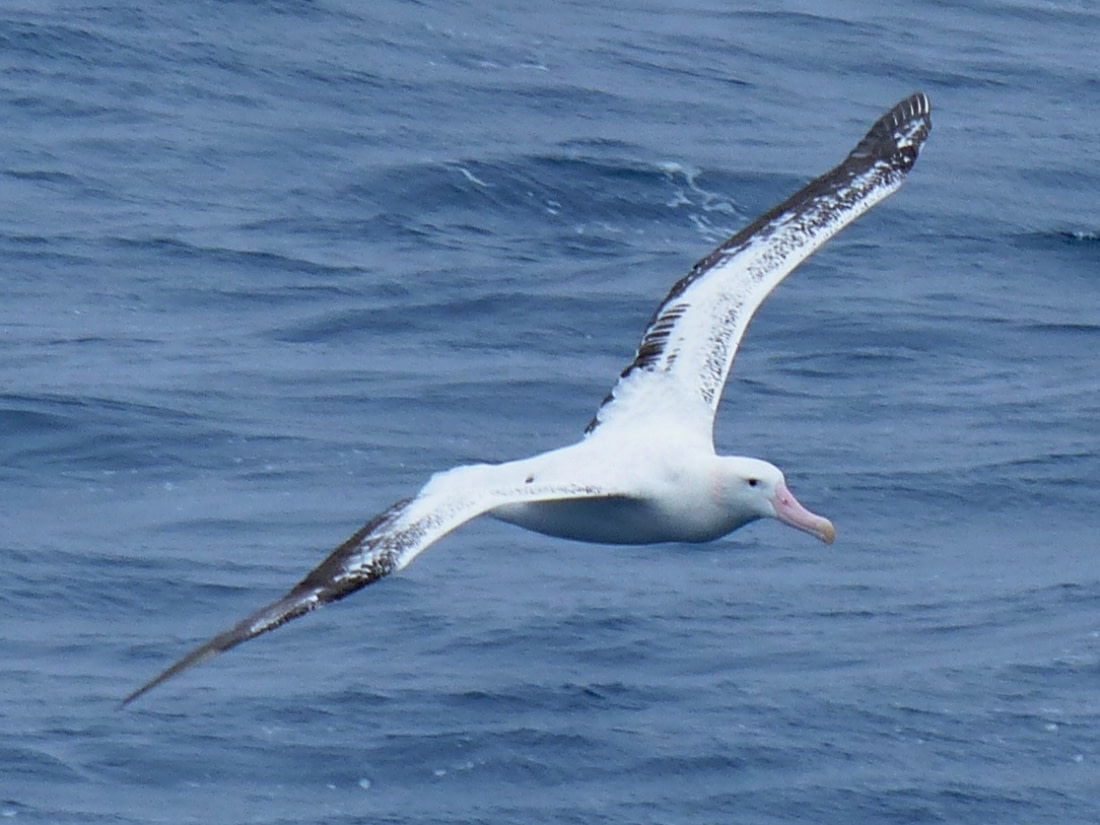
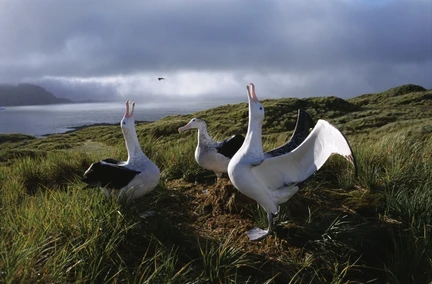
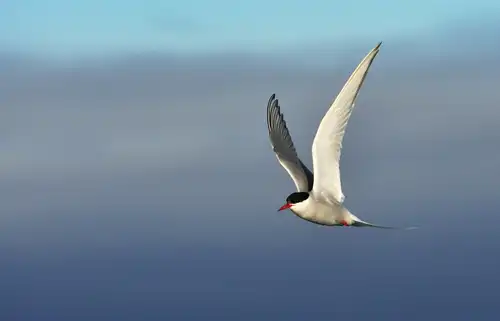
Your journey starts in Ushuaia, Argentina, the southernmost city on Earth. You sail through the Beagle Channel, crossing the Antarctic Convergence, where seabirds like albatrosses and petrels gather.
South Georgia Exploration
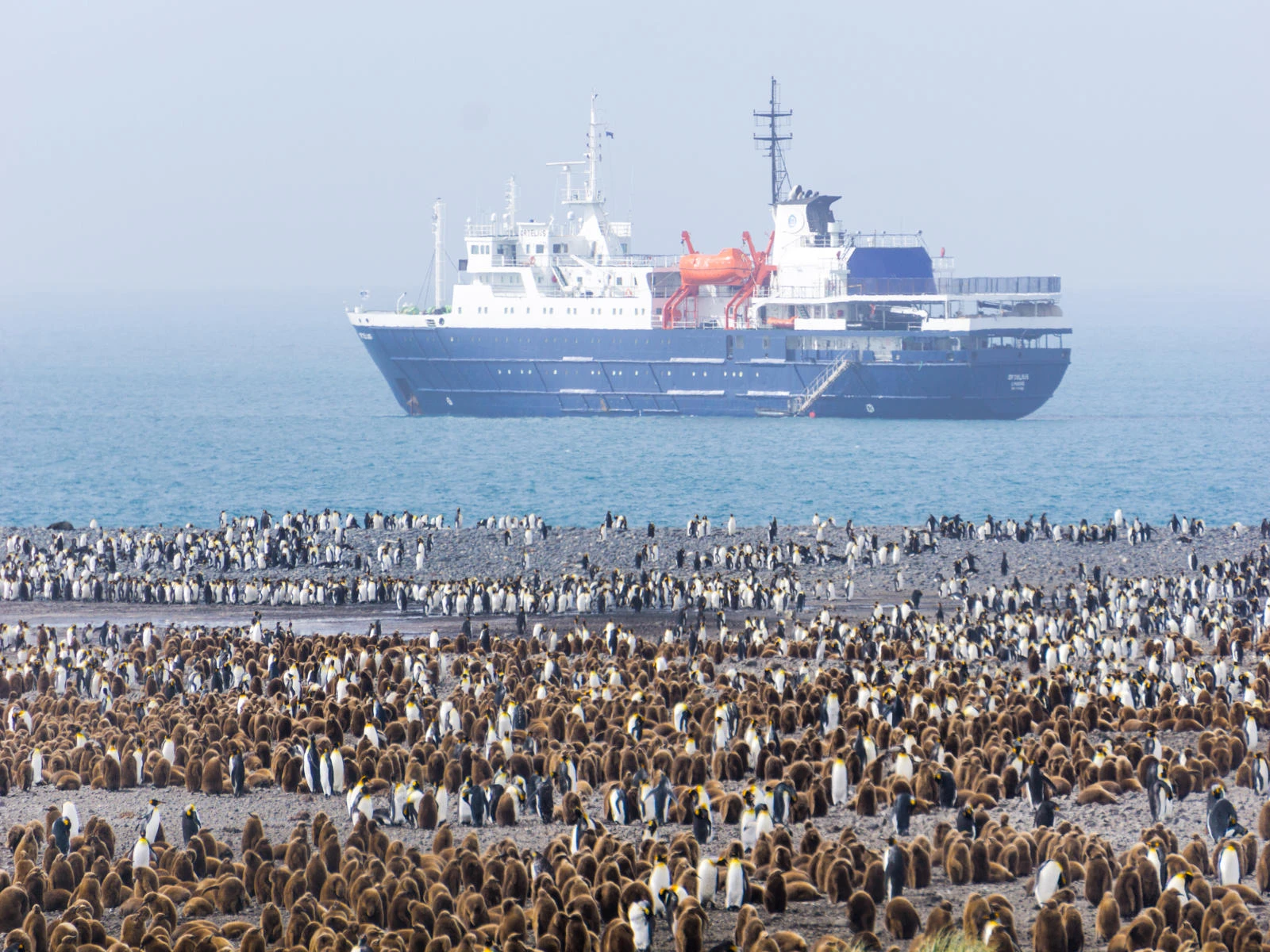
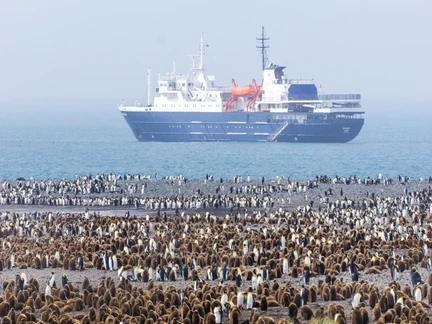
Entering the South Georgia Maritime Zone, you pass Shag Rocks and visit sites like Fortuna Bay, Salisbury Plain, and Grytviken. These areas are rich with king penguins, seals, and historical sites. In the afternoon, we sail towards the South Sandwich Islands.
Sea Days and South Sandwich Islands
We aim for the South Sandwich Islands and the Weddell Sea. While we cannot land, a Zodiac cruise offers views of the volcanic scenery. You might see whales, skuas, and penguins.
Southward to Antarctica
We sail towards Queen Maud Land and New Swabia, exploring areas with historical significance from past expeditions.
Deep Weddell Sea Exploration
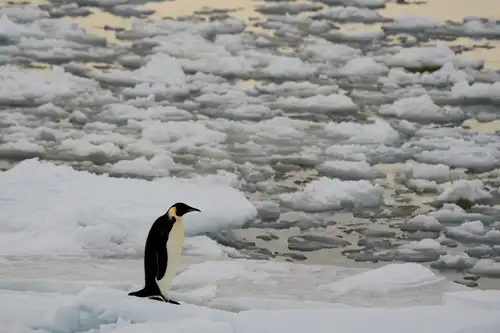
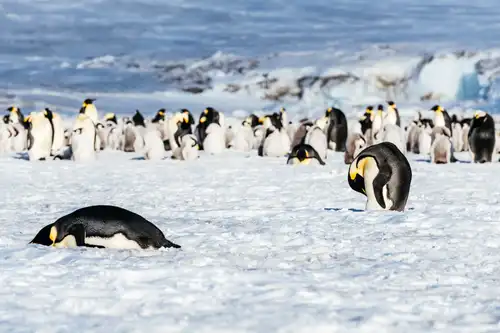
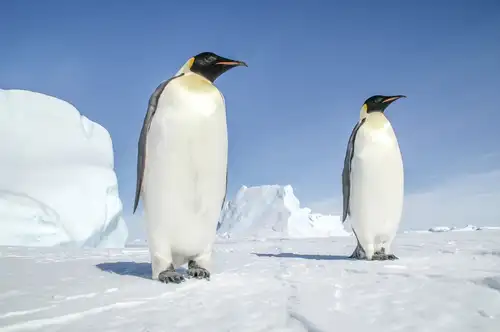
In the Weddell Sea, we may see seals, whales, and emperor penguins. We explore the Filchner, Ronne, and Larsen Ice Shelves, following Shackleton’s path. Opportunities for Zodiac cruises and ice landings depend on conditions.
Brown Bluff and Kinnes Cove
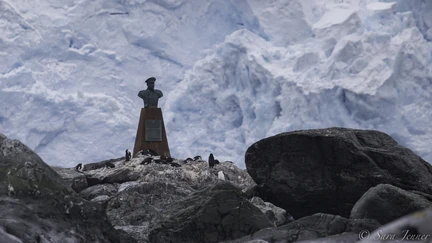
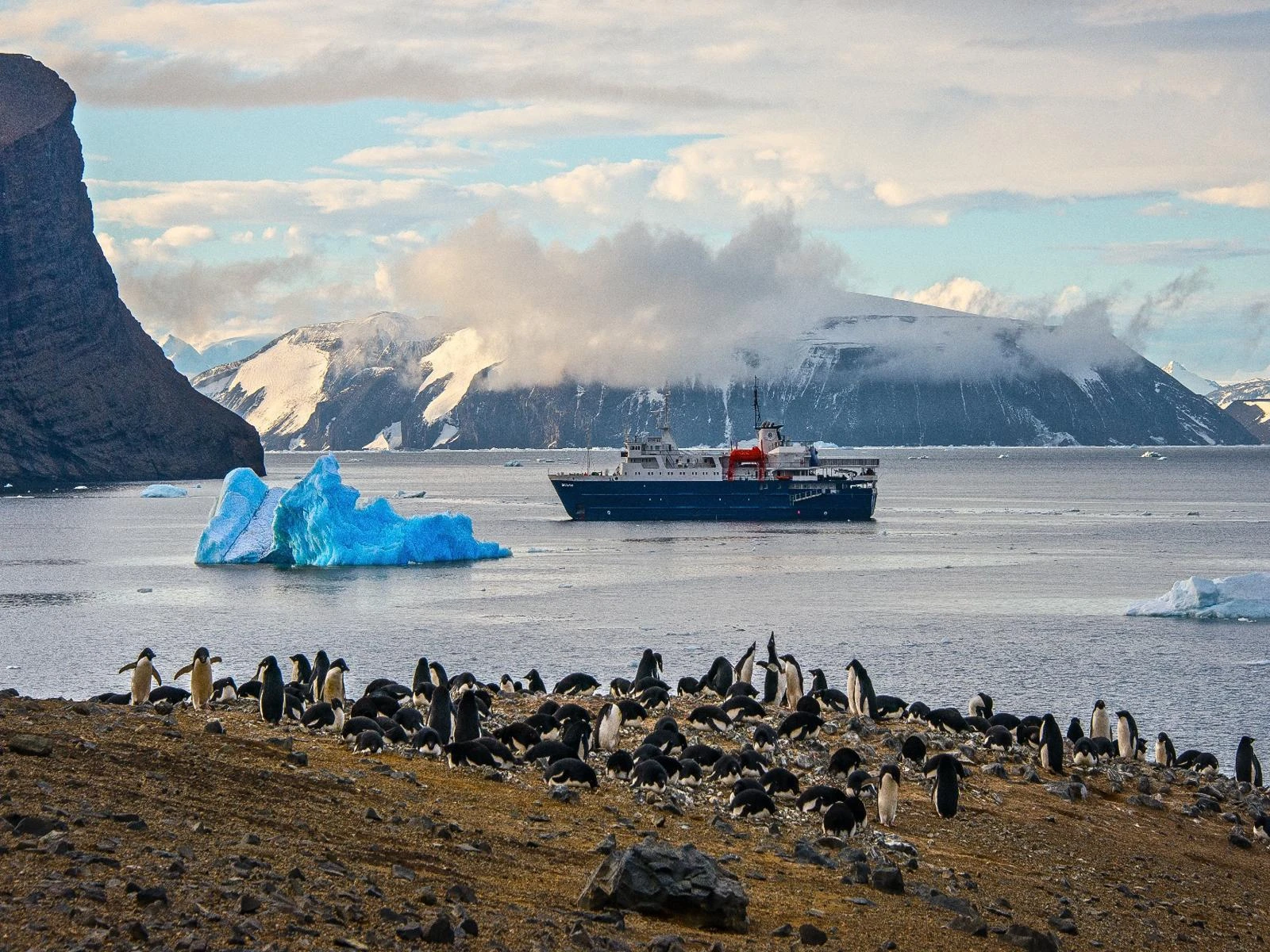
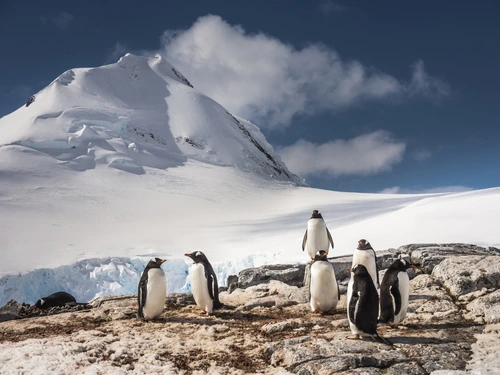
We hope to land at Brown Bluff, home to penguins and snow petrels. Across the Antarctic Sound is Kinnes Cove, with its red cliffs and gentoo penguins.
Elephant Island
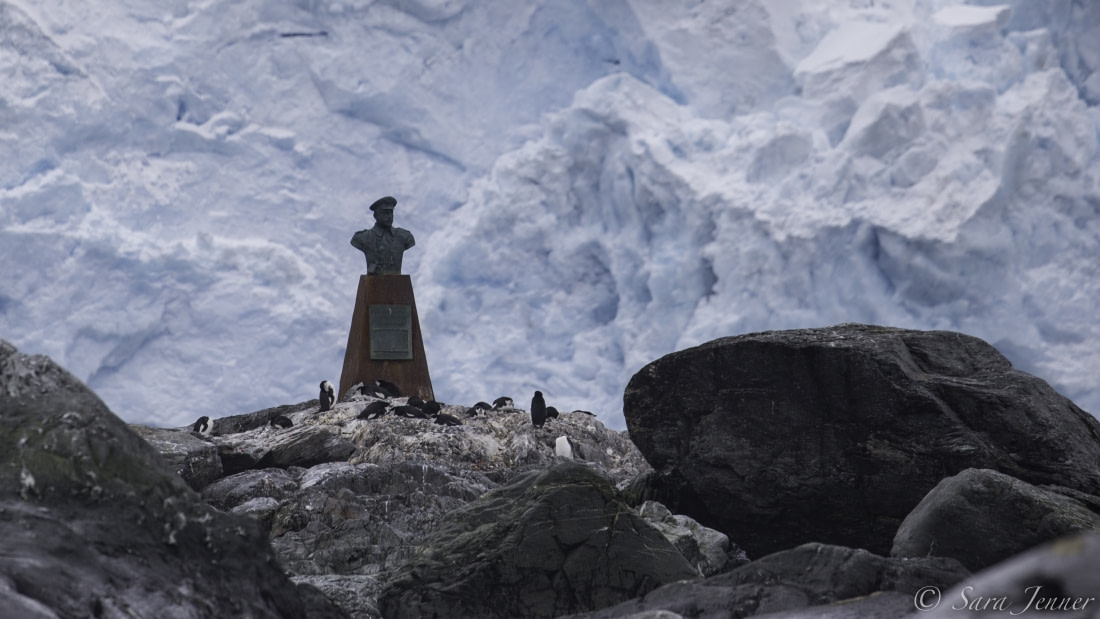
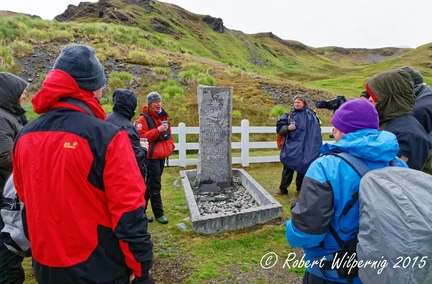
Elephant Island is where Shackleton’s crew was stranded. If possible, we visit Point Wild, where they survived against the odds.
Return Journey
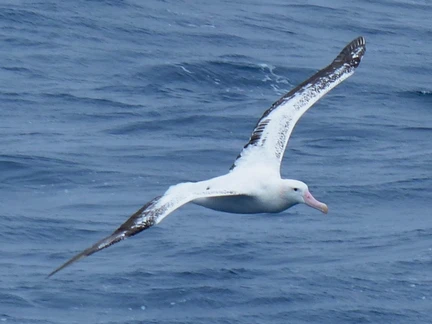
Crossing the Drake Passage, you may see familiar wildlife like albatrosses and petrels. The adventure ends in Ushuaia, leaving you with lasting memories.







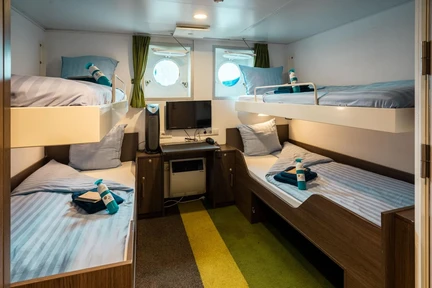


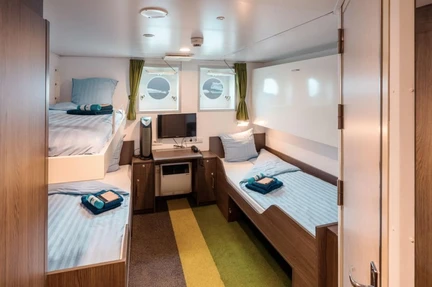

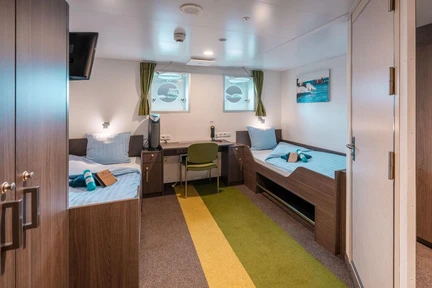
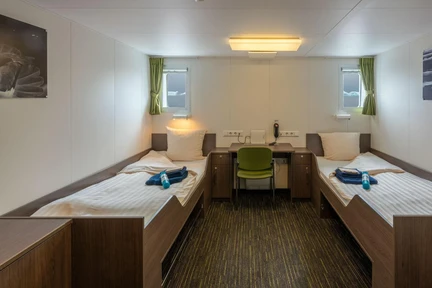


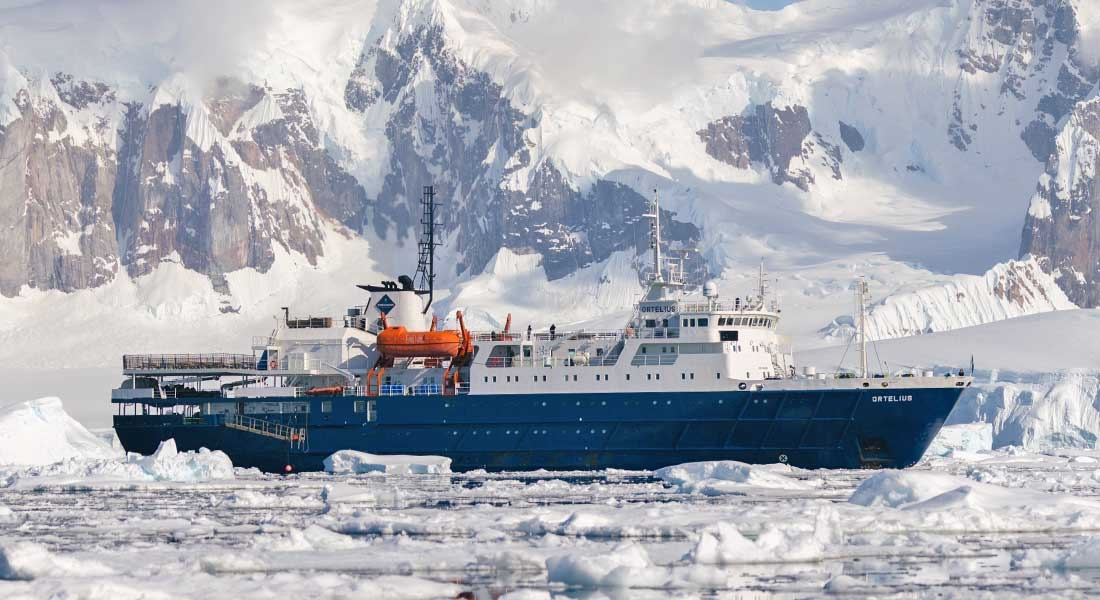
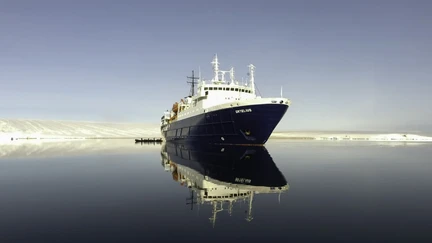
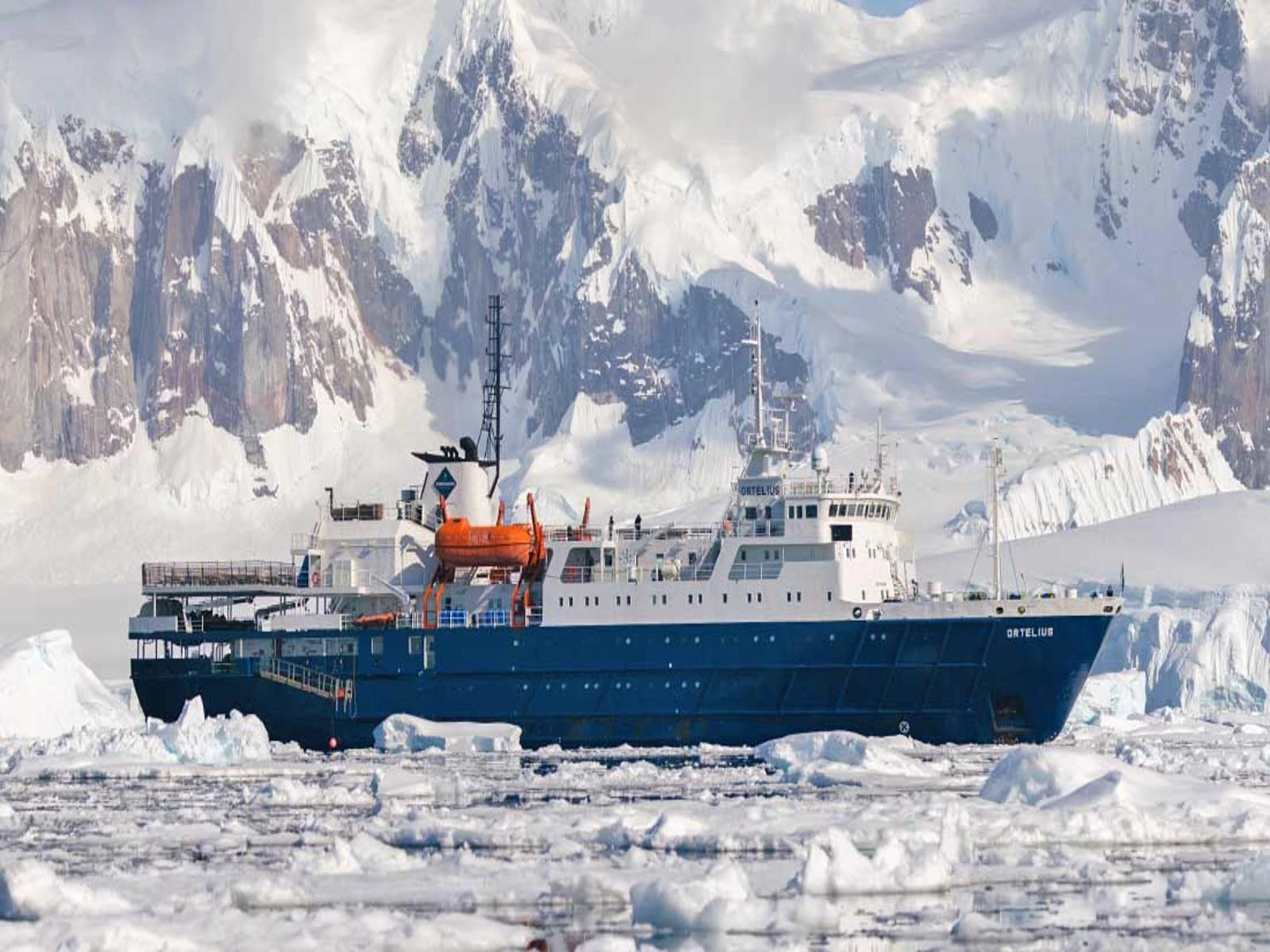
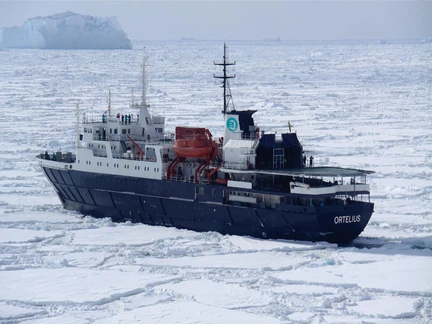
m/v Ortelius
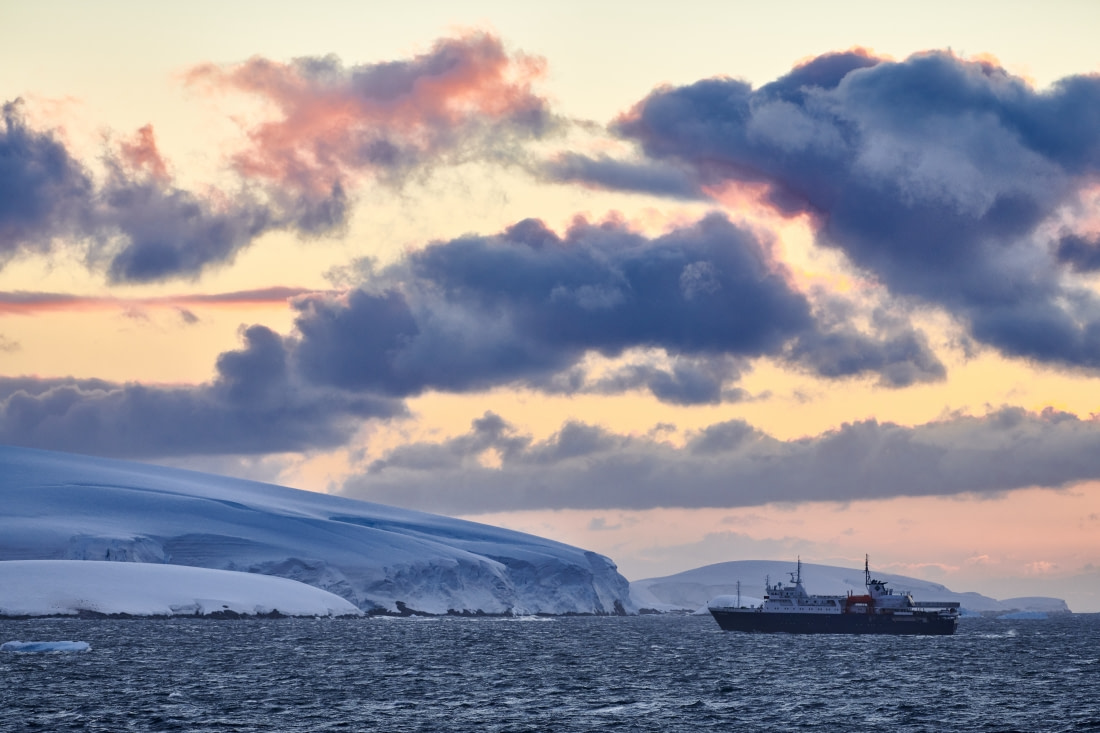
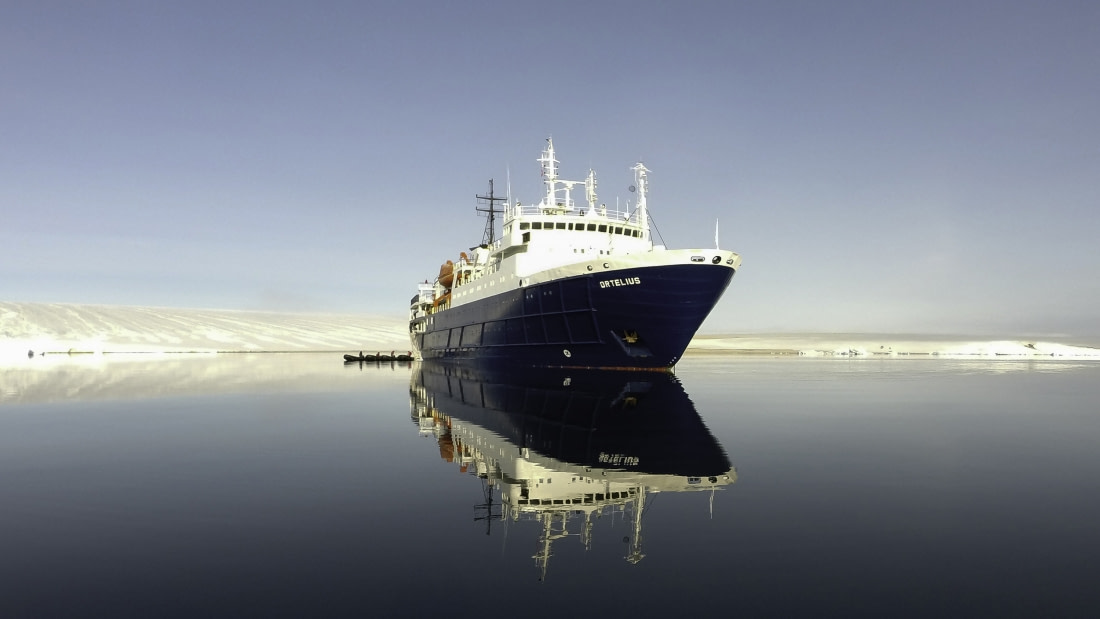
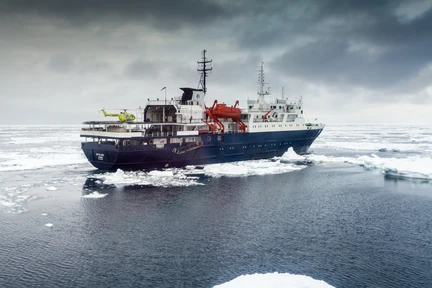
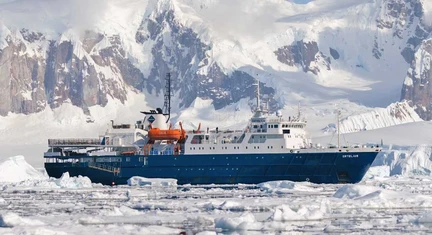
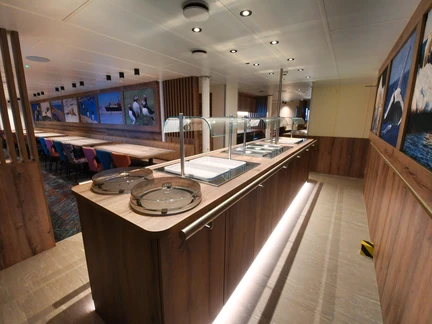
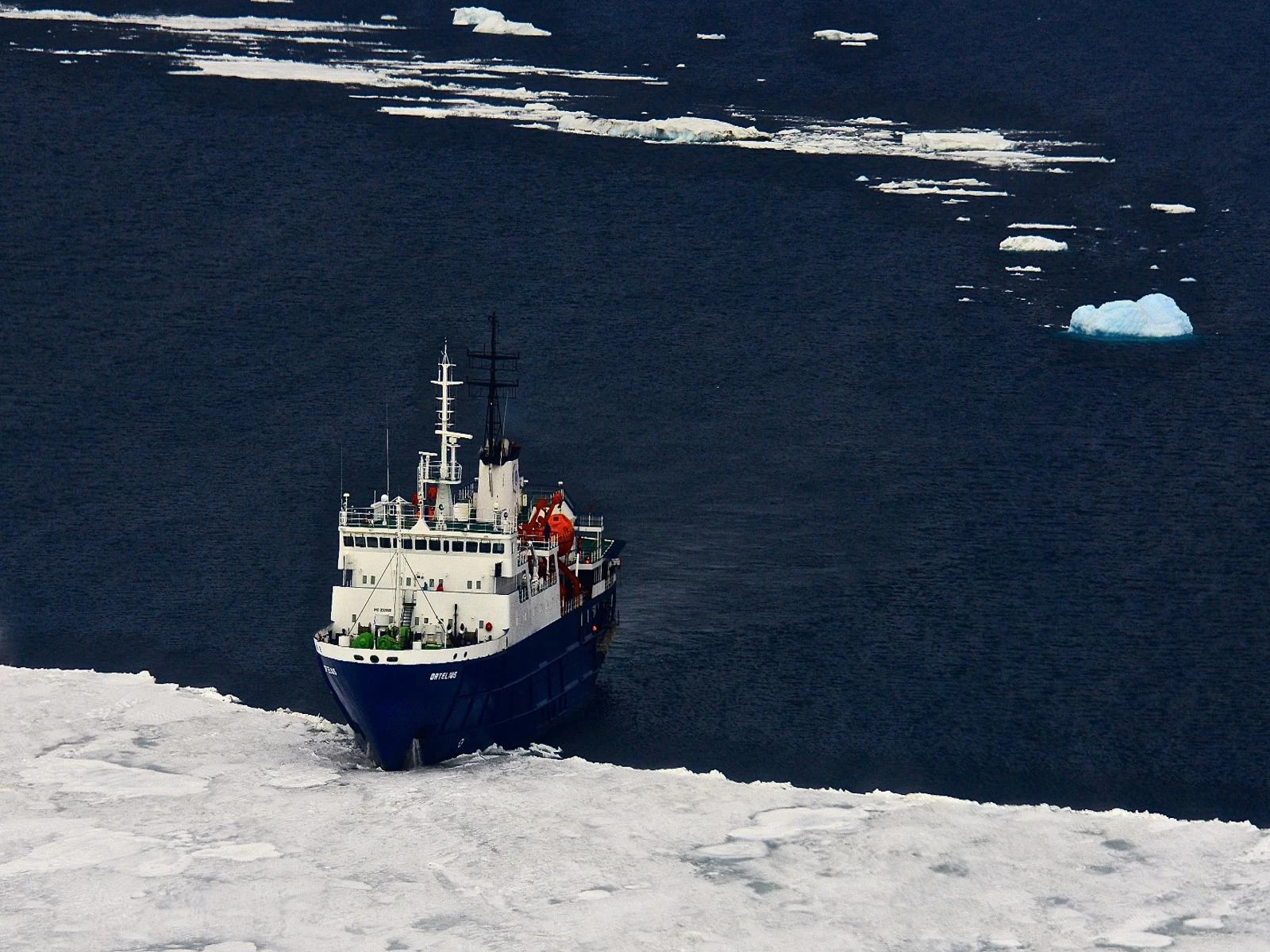
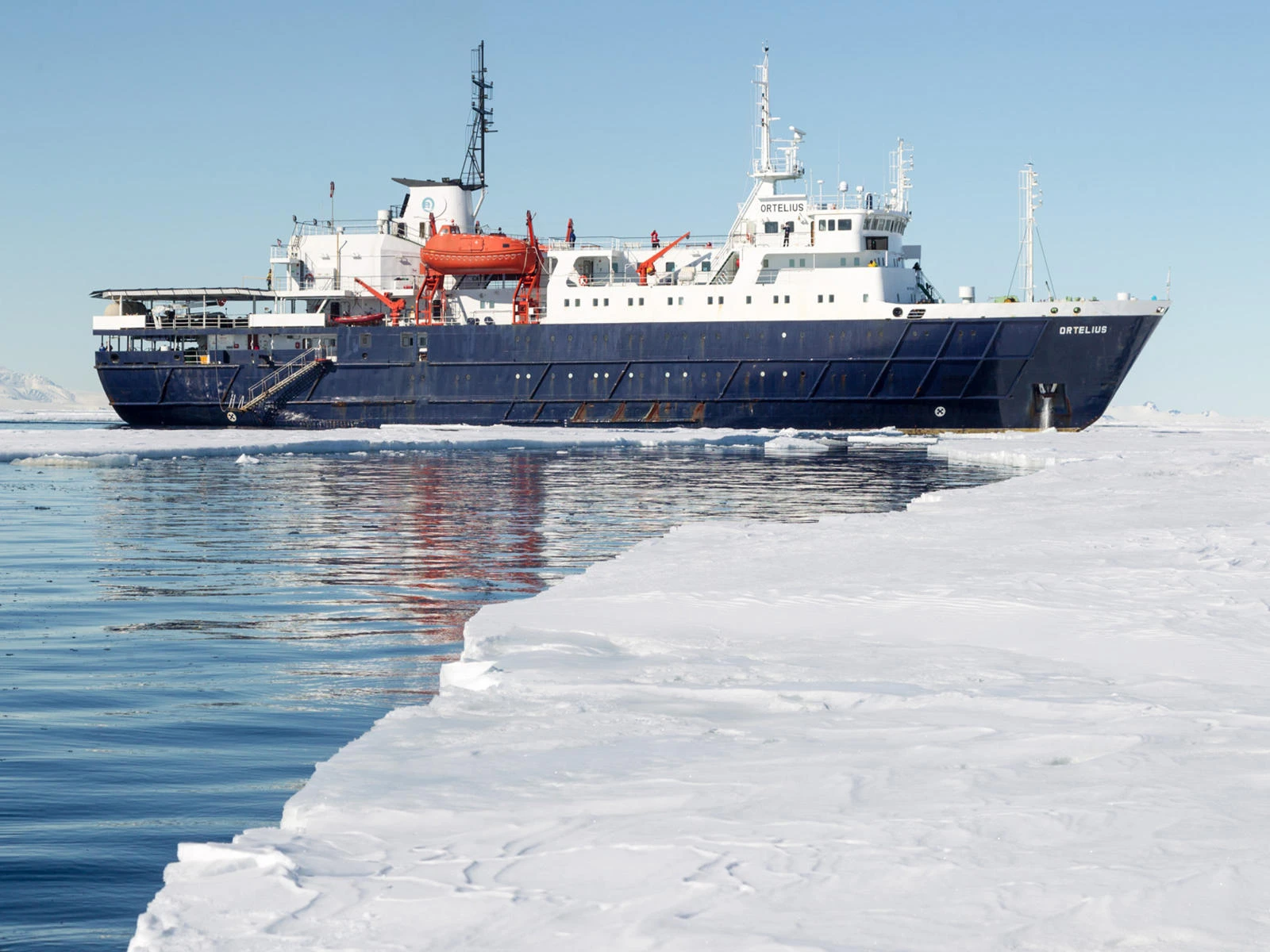
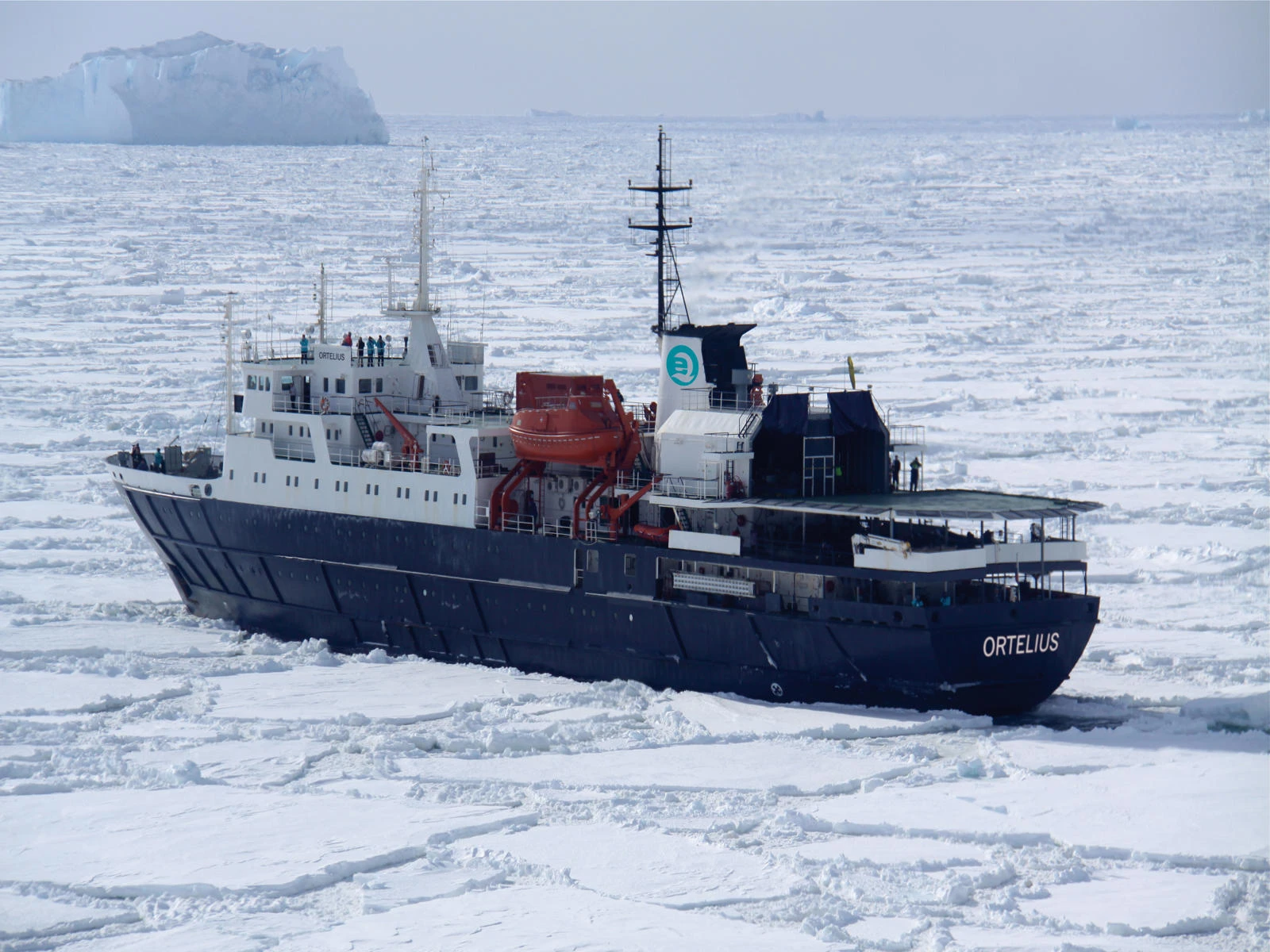
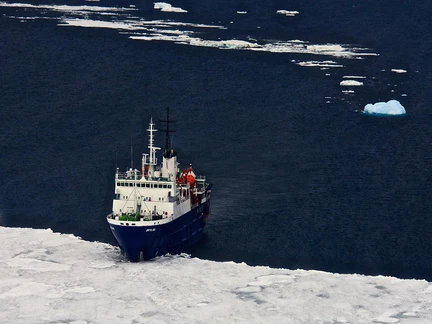
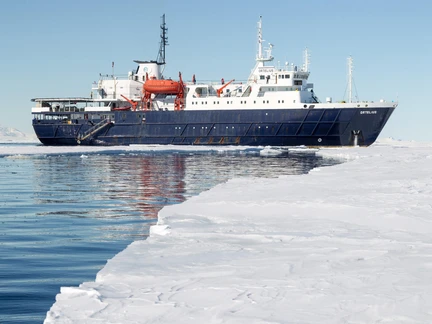
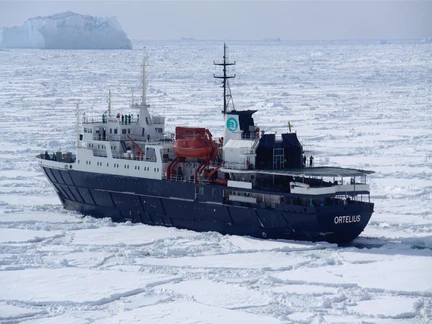
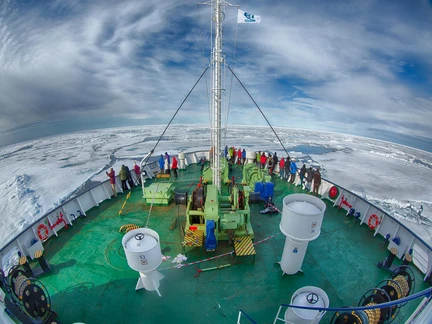
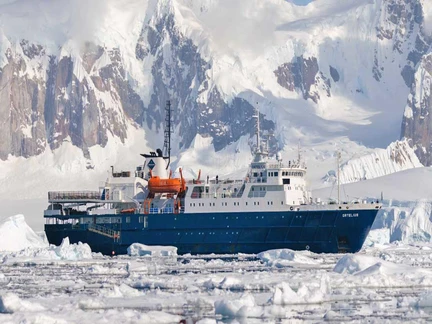
The ice-strengthened Ortelius is fully equipped for polar exploration and can accommodate helicopter flights when necessary.
Specifications
| Passengers: | 108 passengers in 50 cabins |
| Staff & crew: | Crew 44 | Guides 8 | Doctor 1 |
| Length: | 90.95 meters |
| Breadth: | 17.20 meters |
| Draft: | 5.4 meters |
| Ice class: | UL1 (Equivalent to 1A) |
| Displacement: | 4090 tonnes |
| Propulsion: | 6 ZL 40/48 SULZER |
| Speed: | 10.5 knots average cruising speed |
Cabins Gallery
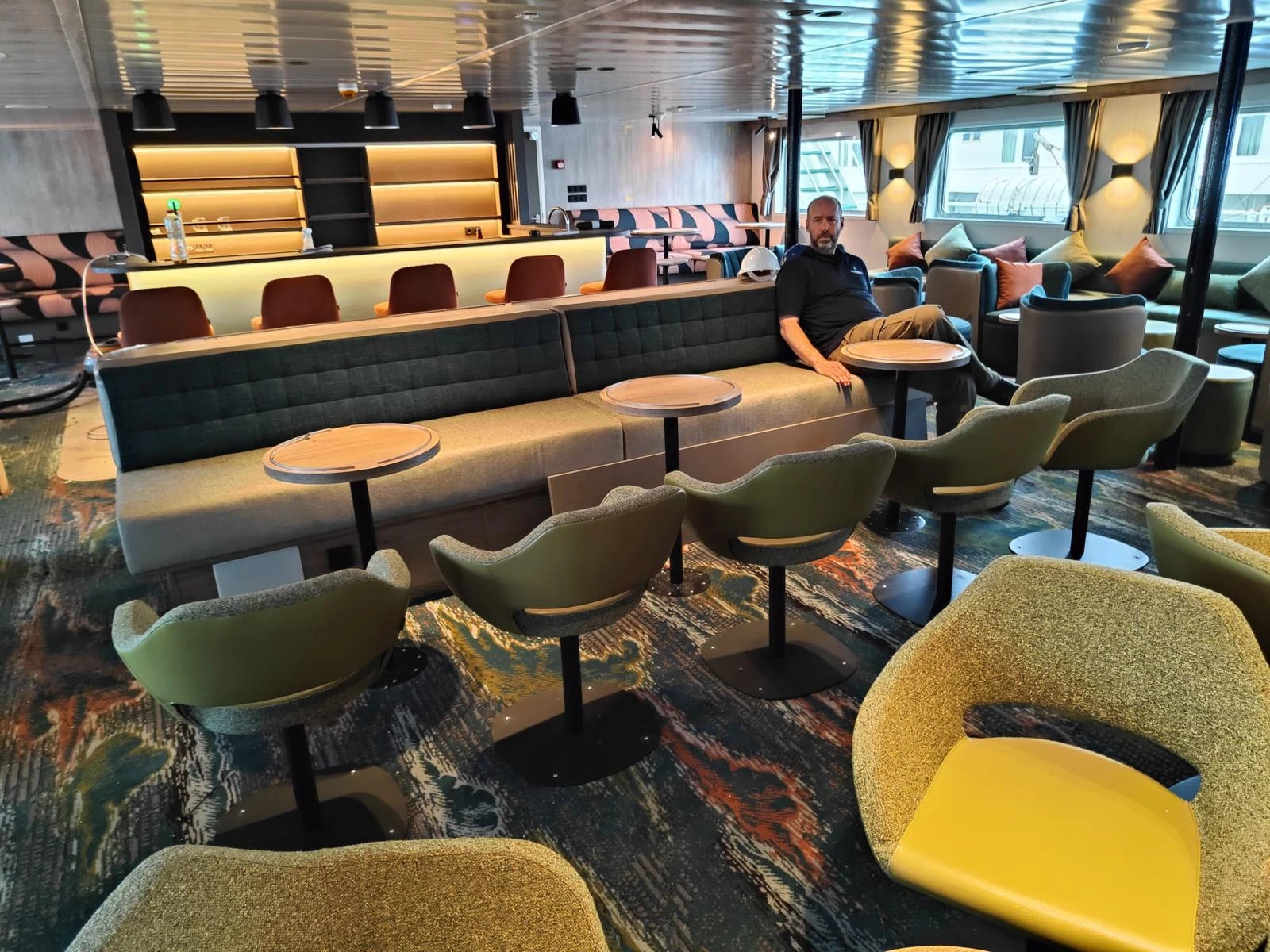
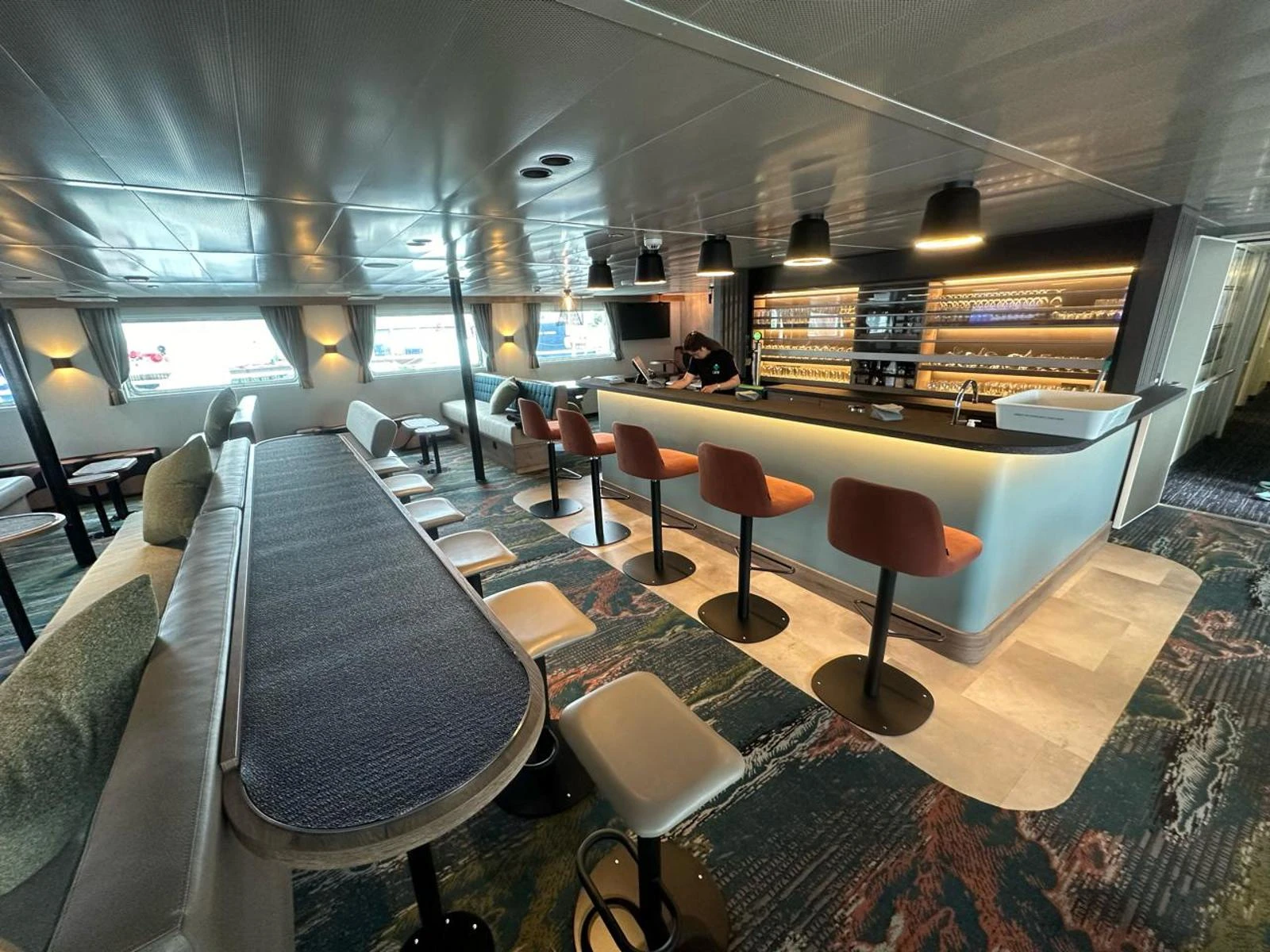
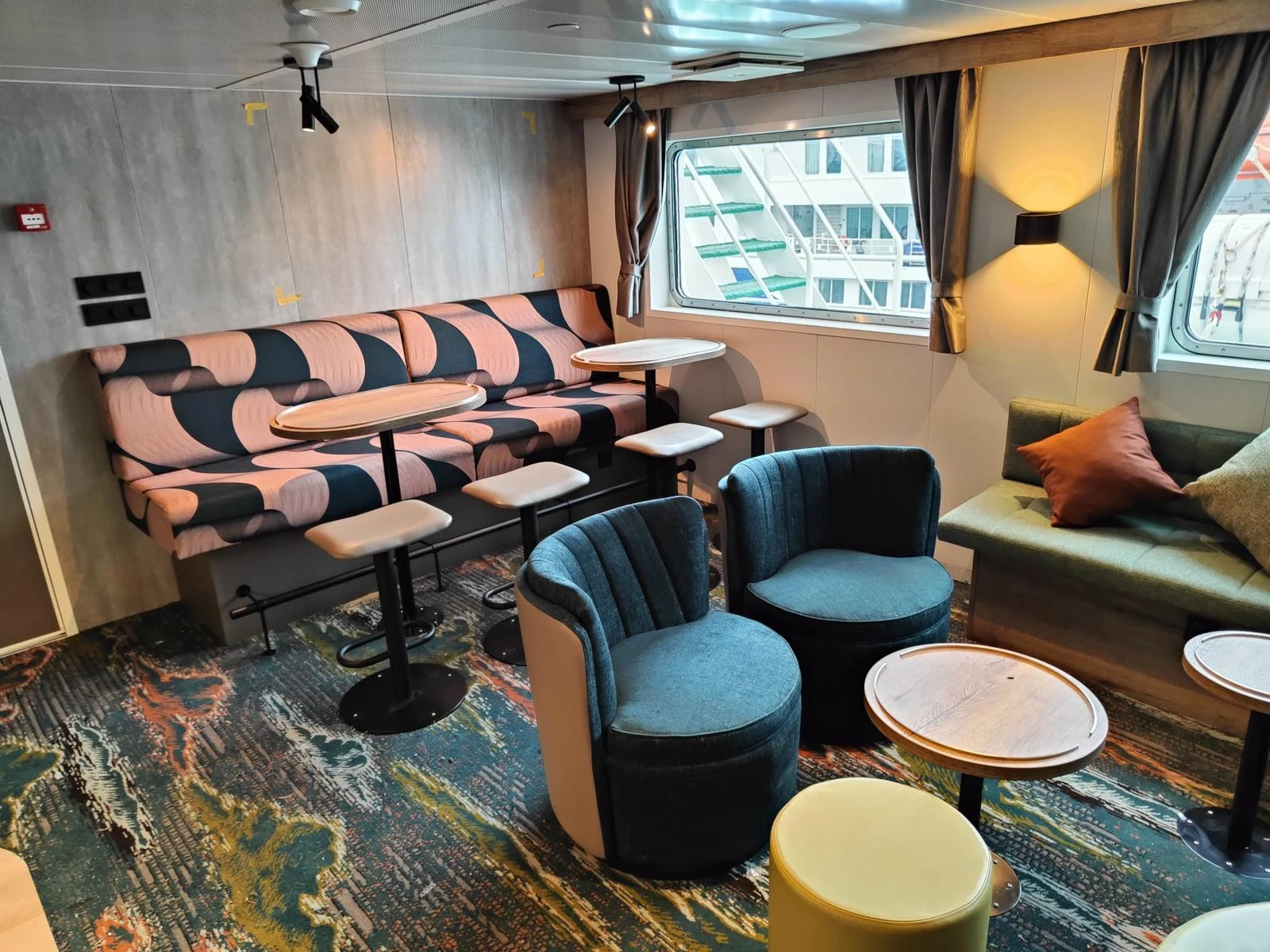
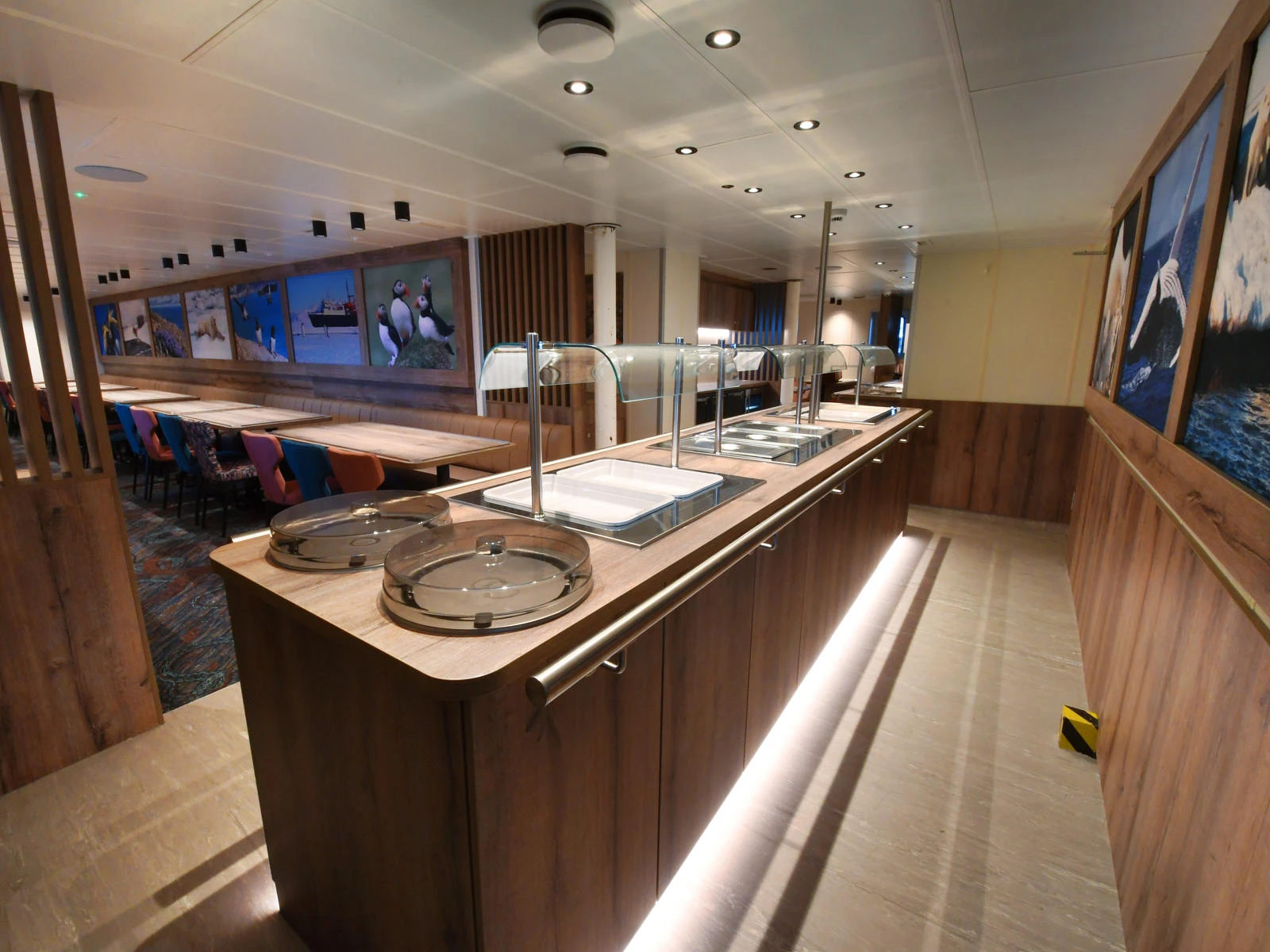
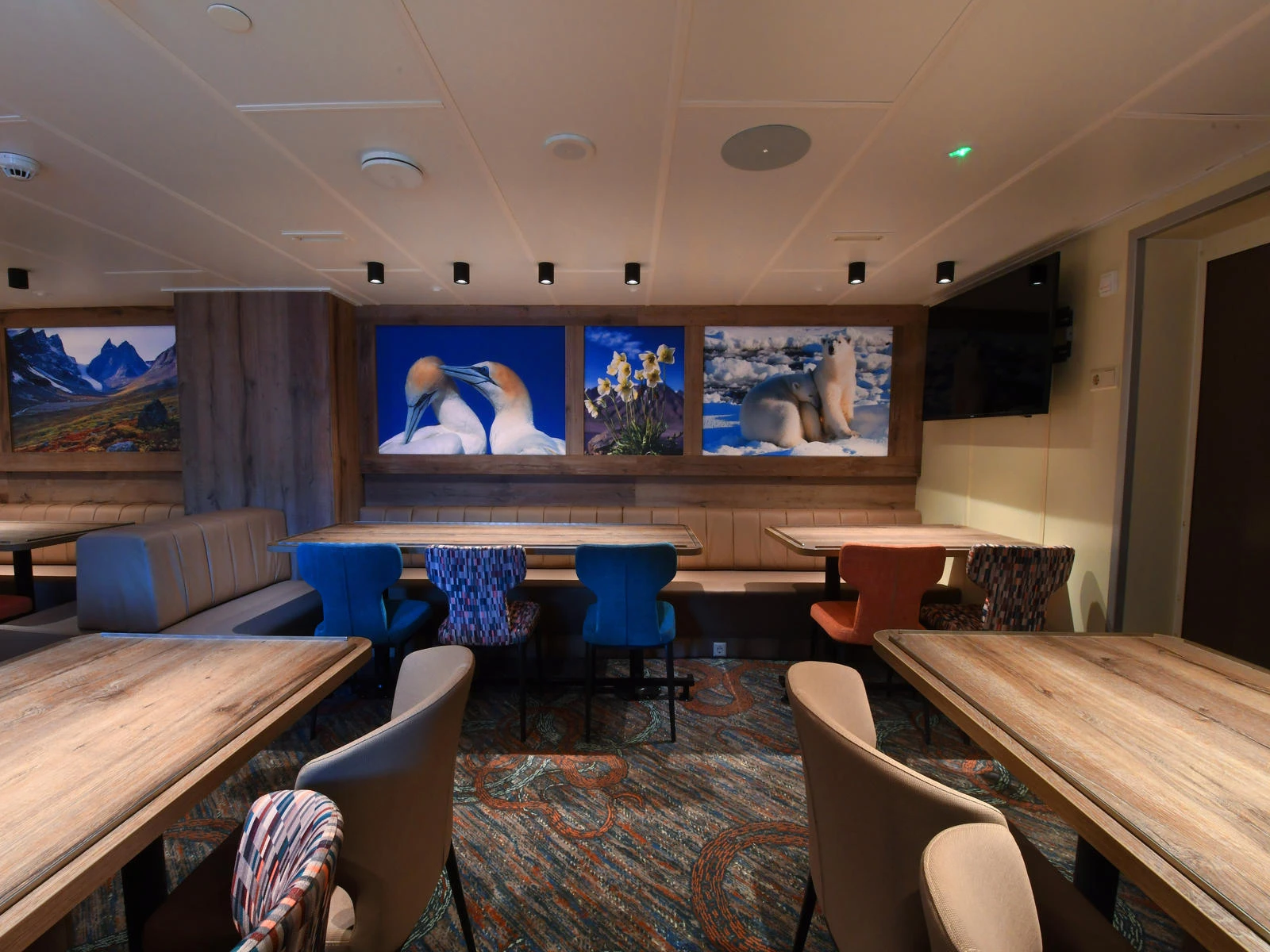
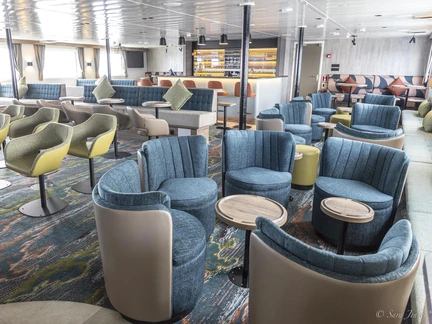
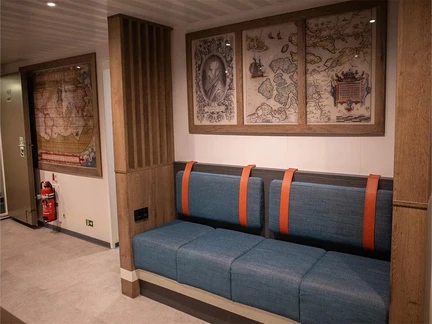
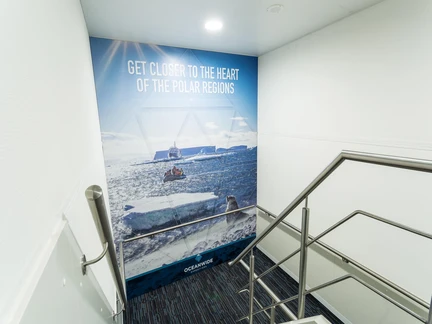
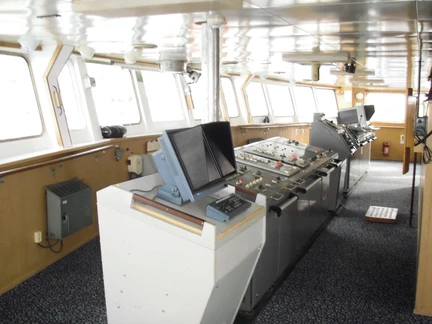
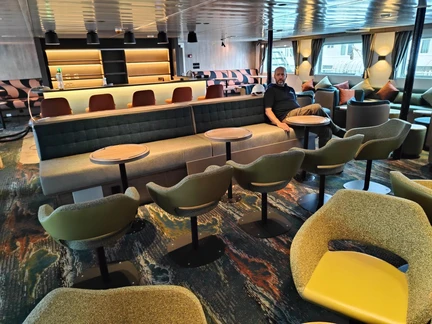
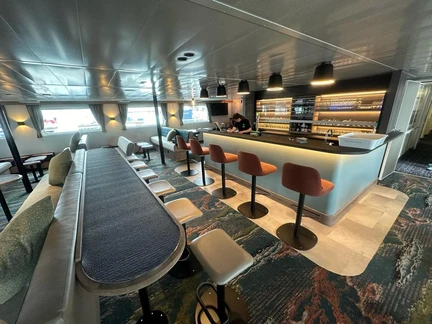
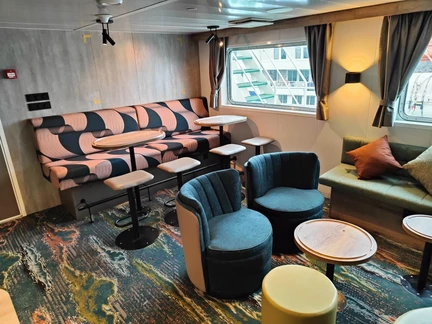
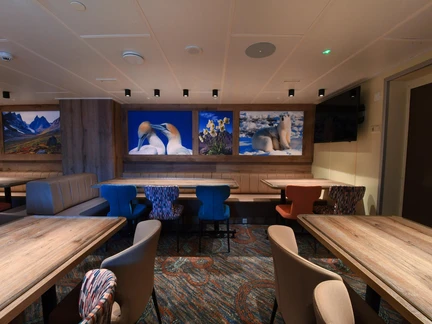
Ship Interior Gallery
Ship Exterior Gallery
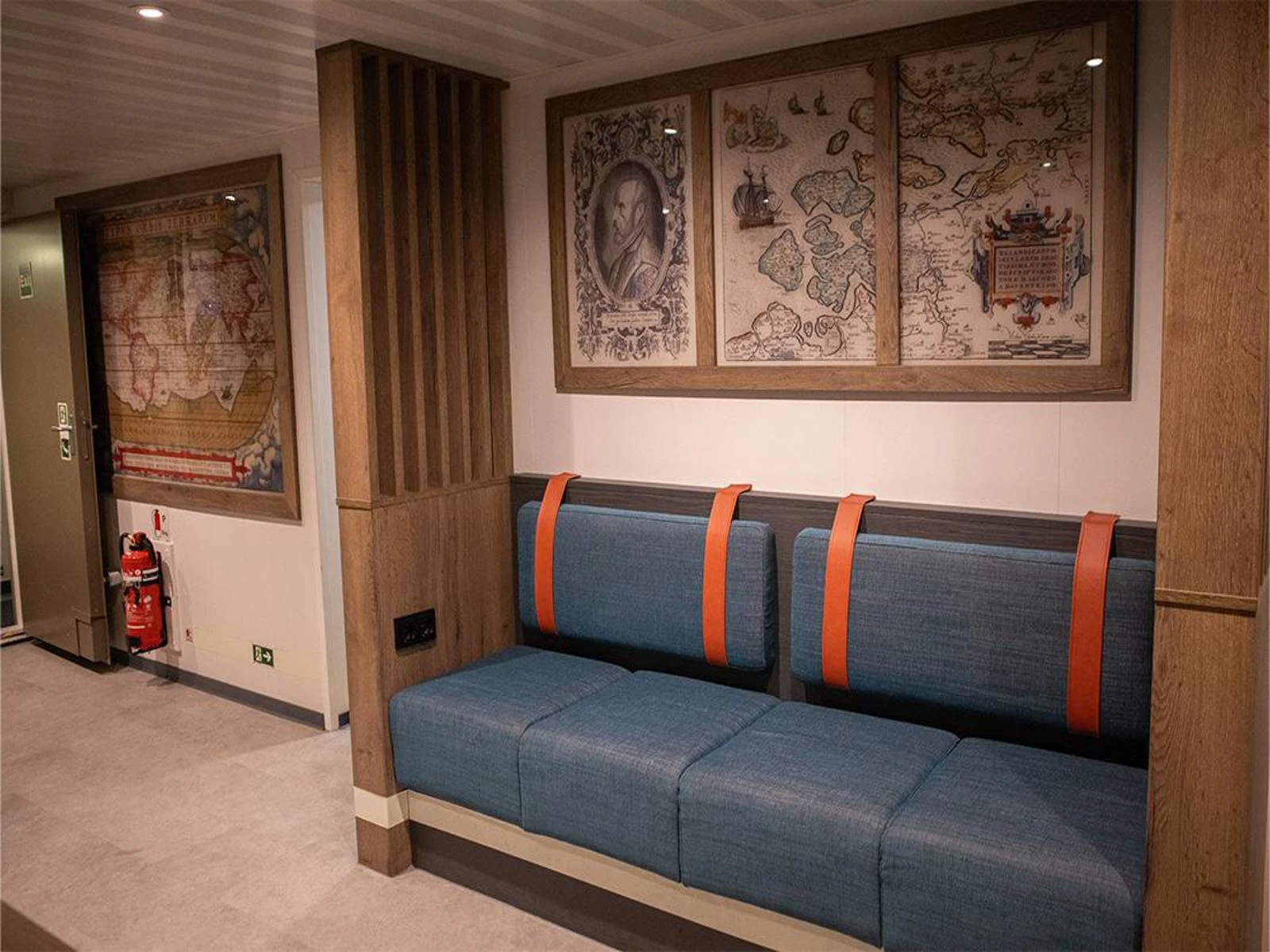
Ortelius was originally the Marina Svetaeva. Built in Gdynia, Poland in 1989, it served as a special-purpose vessel for the Russian Academy of Science. Later it was re-flagged and renamed after the Dutch/Flemish cartographer Abraham Ortelius (1527 – 1598), who in 1570 published the first modern world atlas: Theatrum Orbis Terrarum or Theater of the World. At that time his atlas was the most expensive book ever printed. Ortelius is classed by Lloyd’s Register in London and flies the Dutch flag.
Perfect for Any Expedition
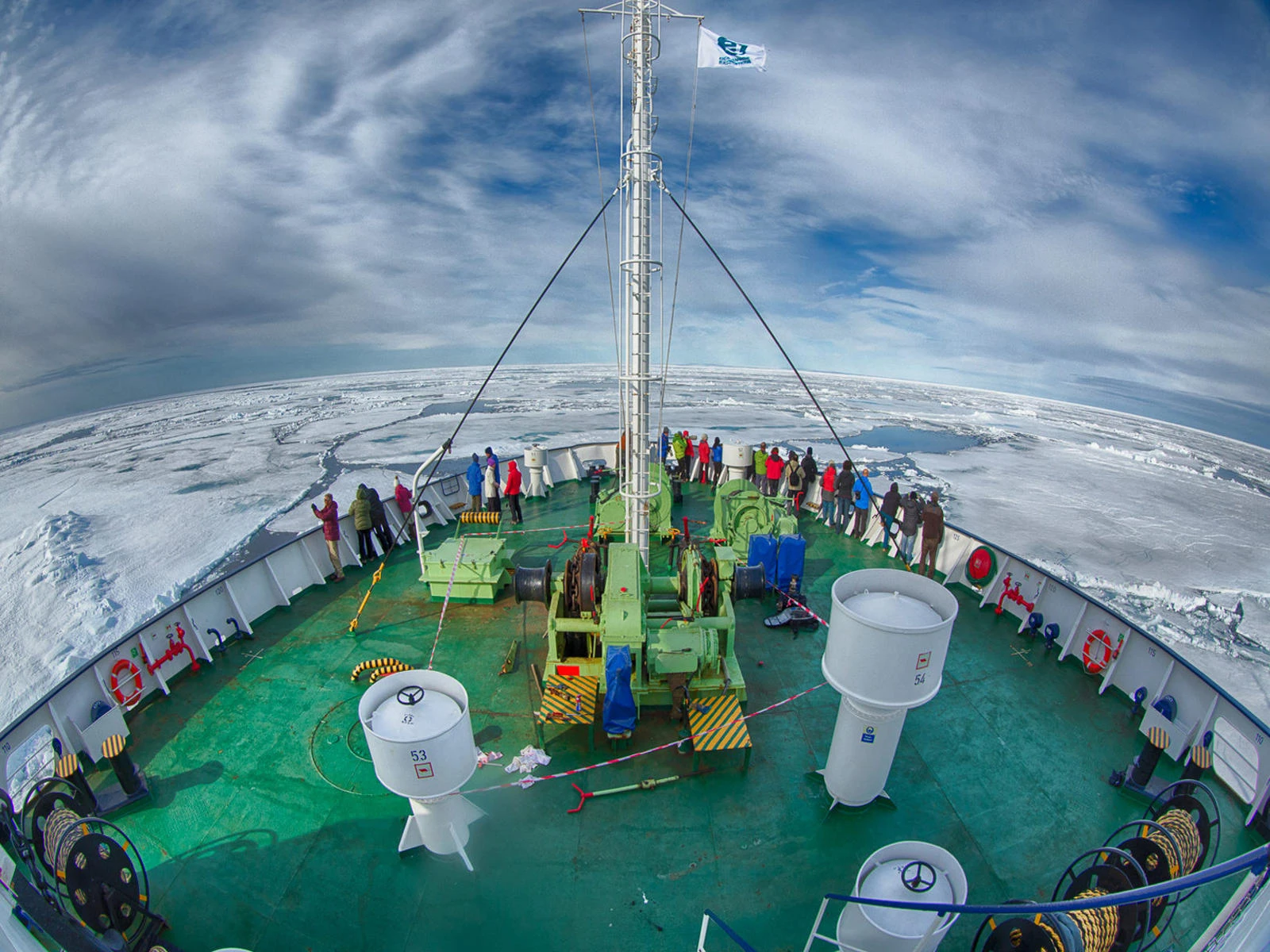
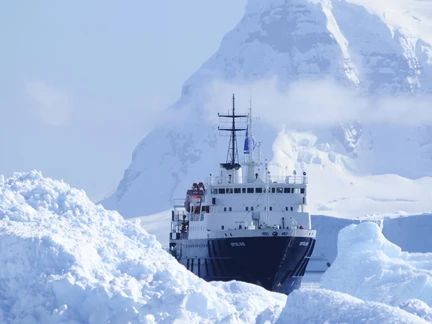
The vessel has the highest ice-class notation (UL1, equivalent to 1A) and is therefore suitable to navigate in solid one-year sea ice as well as loose multi-year pack ice. Ortelius can accommodate up to 108 passengers and has an abundance of open-deck spaces. It is manned by 24 highly experienced nautical crew members, 20 hotel staff, eight expedition specialists (one expedition leader, one assistant, and six lecturer-guides), and one doctor.
Ortelius: a Vessel with Comfort and Character
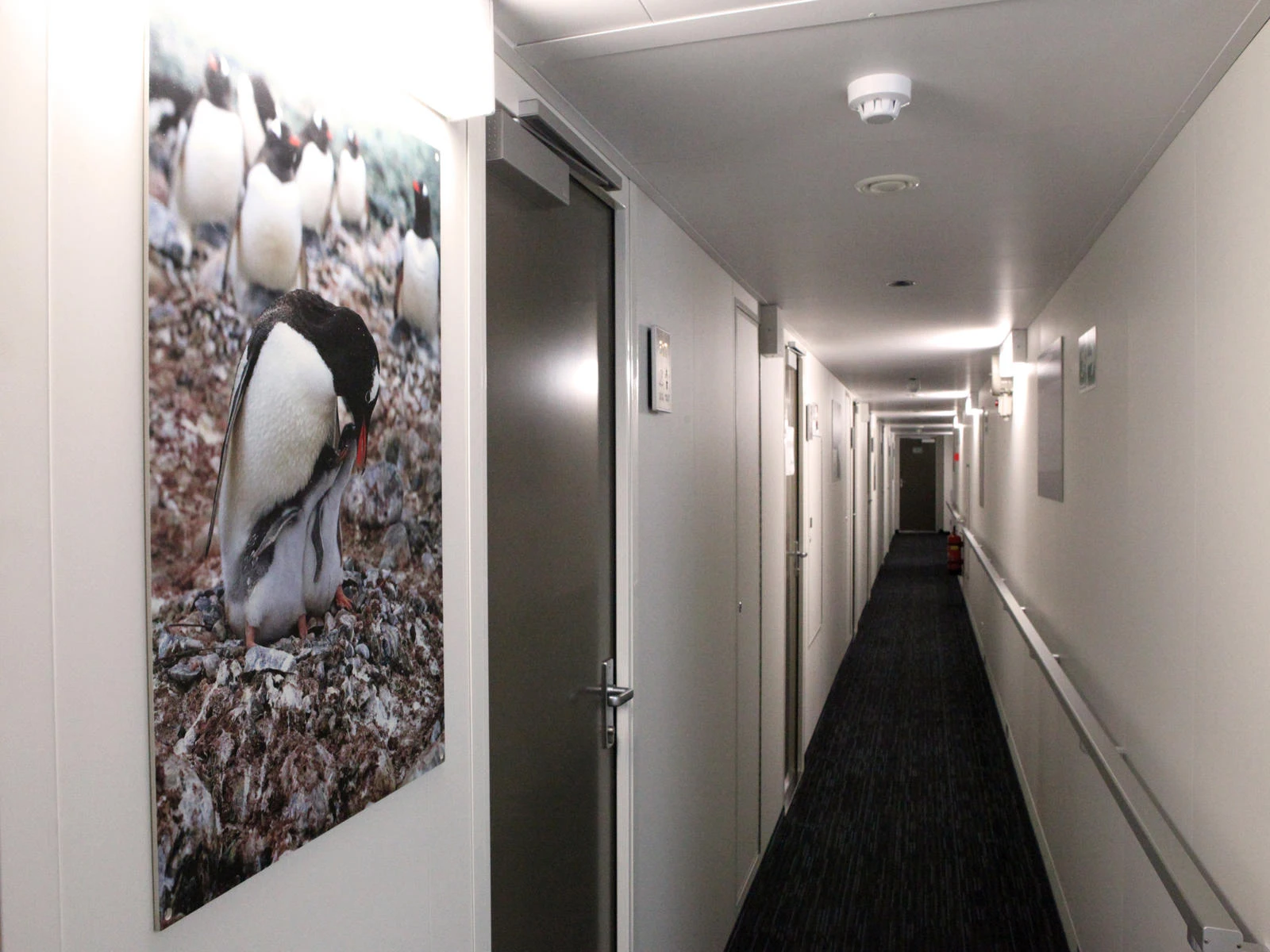
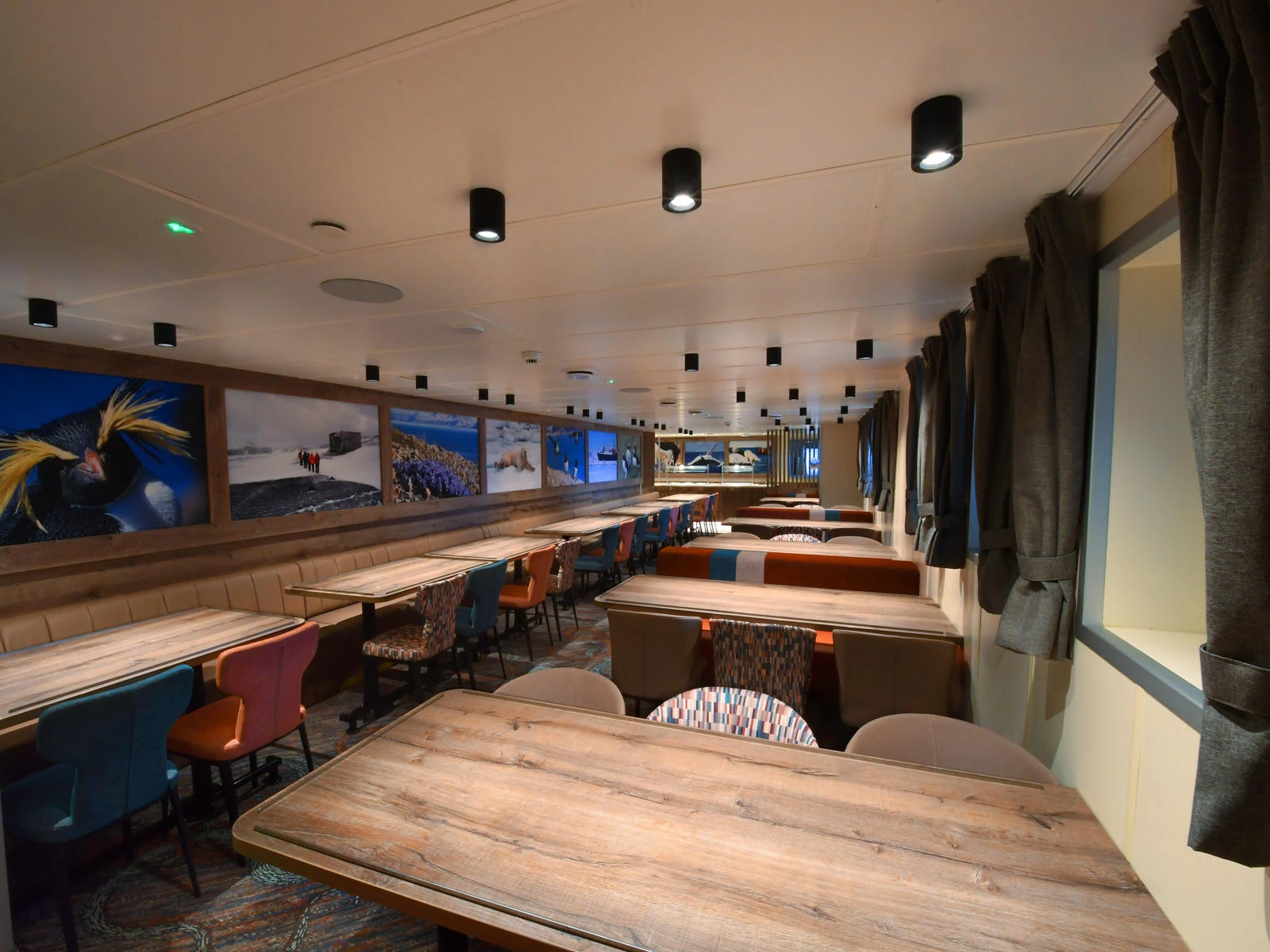
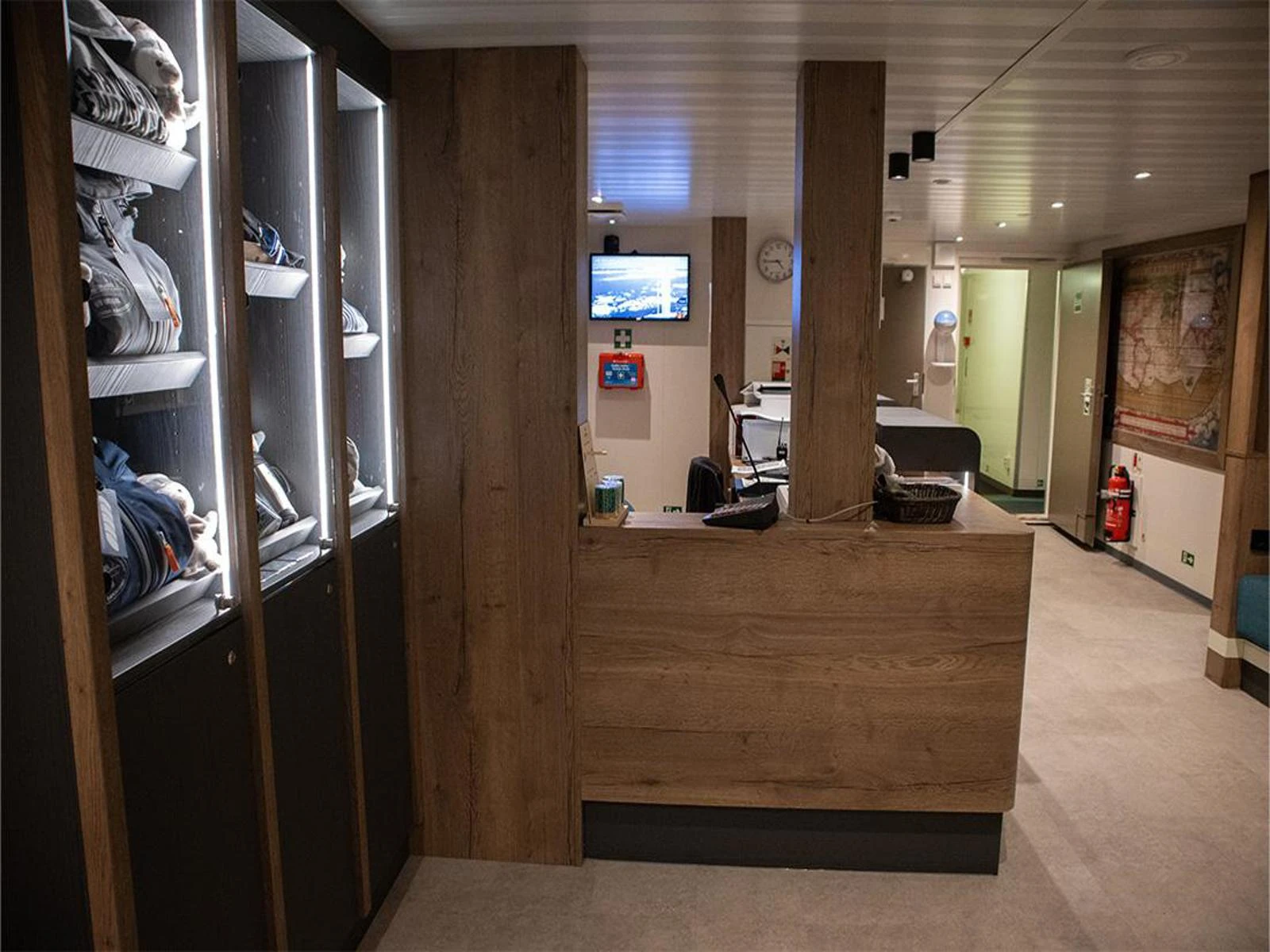
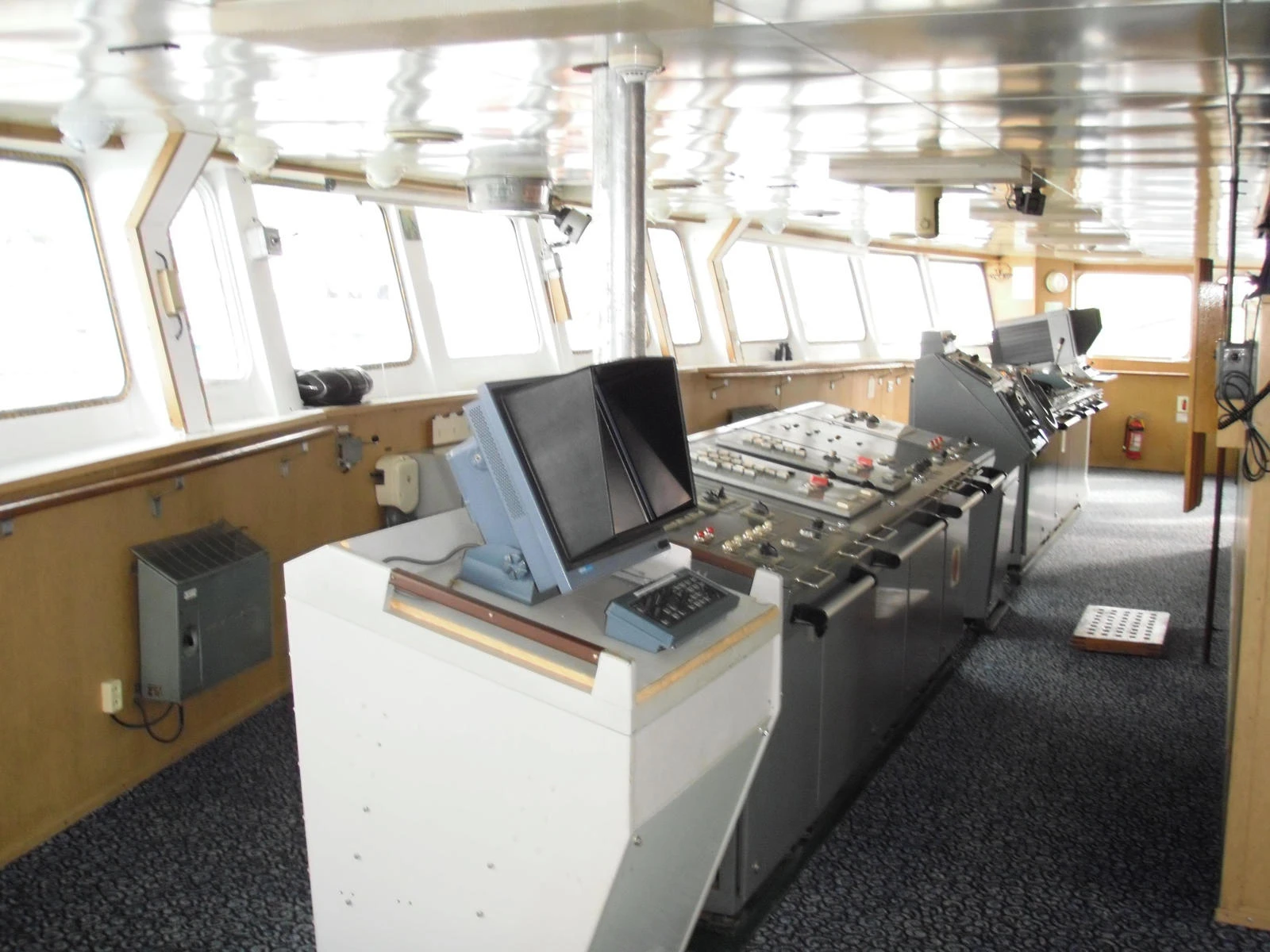
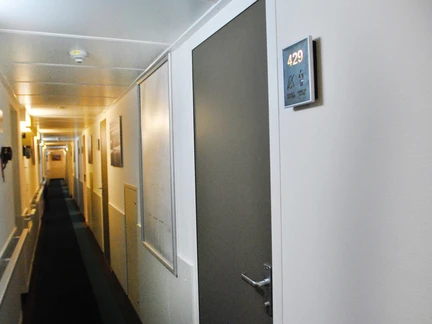
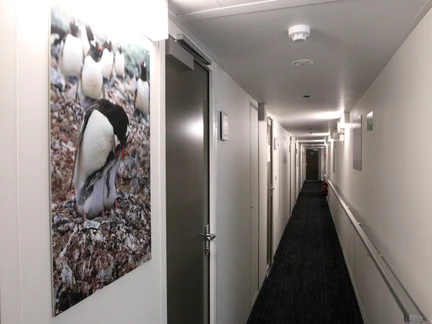
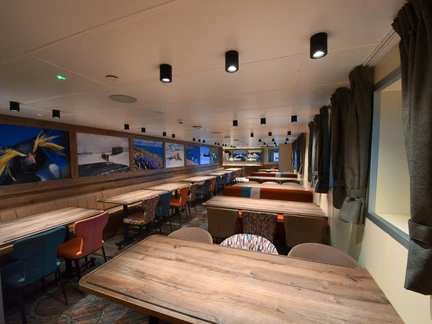
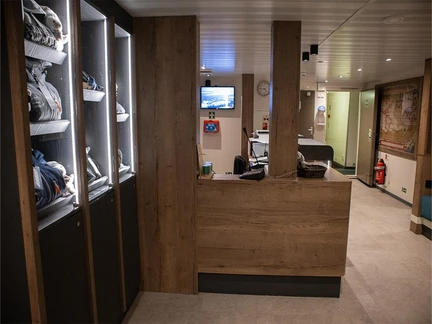
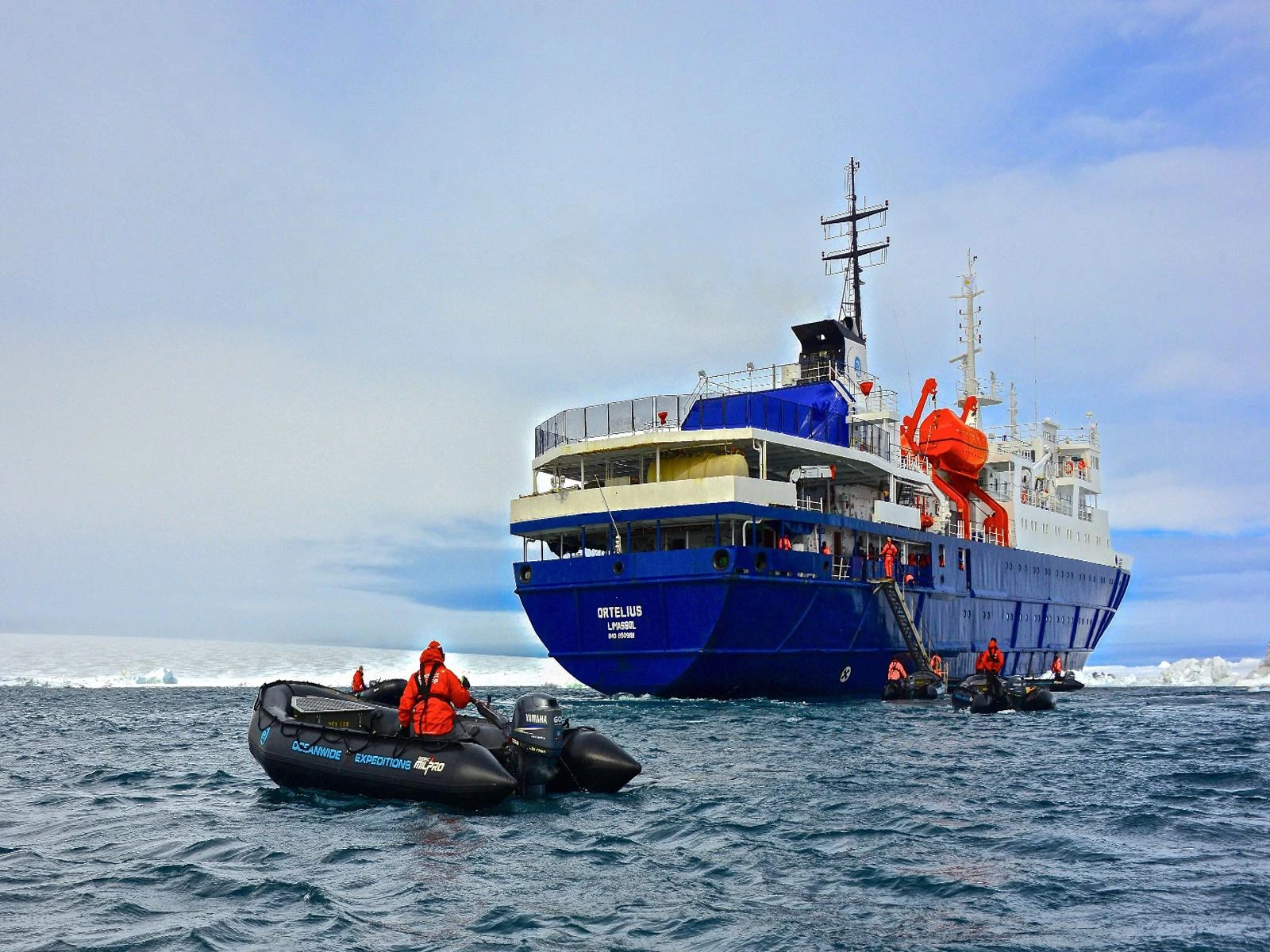
Please be aware that a small number of cabins may have a partially obstructed view due to the size of the windows and the design requirements of the ship. For example, some windows may be partly obstructed in the lower half by a gangway. The best view is always on the outer deck or the bridge. Though our voyages are primarily meant to offer our passengers an exploratory wildlife program with as much time ashore as possible, Ortelius offers all the comforts of a standard hotel ― along with a bar and lecture room. Flexibility assures maximum wildlife opportunities. As such, Ortelius carries 10 Zodiacs with 60hp Yamaha engines.
What to Wear
In keeping with the spirit of expedition, dress on board is informal. Bring casual and comfortable clothing for all activities, and keep in mind that much of the scenery can be appreciated from deck ― which can be slippery. Bring sturdy shoes with no-slip soles, and make sure your parka is never far away in case one of our crew shouts “Whales!” over the loudspeaker and you have to dash outside in a moment’s notice. Opt for layers, as it is comfortably warm aboard the ship though often cold on deck.
How to Pay
Refreshments and souvenirs will be charged to your cabin. The day before departure you can settle your bill with the hotel manager, paying by credit card (Visa or MasterCard) or cash (euro, or in some cases dollar). We cannot, however, accept checks. Though the prices and standard currency on board is in the euro, other currencies may be accepted at the discretion of the hotel manager, at prevailing rates.
Electric Current
The electrical supply aboard ship is 220v, 60Hz. Electrical outlets are standard European with two thick round pins, so some passengers may need a 220v/110v converter.
Gratuities
The customary gratuity to the ship’s service personnel is made as a blanket contribution at the end of the voyage and is divided among the crew. Tipping is a personal matter, and the amount you wish to give is at your sole discretion. As a generally accepted guideline, we suggest 8 ― 15 euros per passenger per day. It is better for the crew if you give cash.
Non-Smoking Policy
We have a non-smoking policy inside all our vessels, though you can smoke in certain designated areas. We ask that you please respect the wishes of non-smokers.
Your Physical Condition
You must be in good overall health and be able to walk several hours per day. The expedition is ship-based and physically not very demanding, but we spend as much time as possible on shore. You are, however, welcome to remain aboard the ship if you prefer. To join most excursions you must be able to get up and down the steep gangway ― from the ship to the water level ― to board the Zodiacs. Staff will assist you in and out of the boats, and boarding will become progressively easier with practice, but conditions on shore can be slippery and rocky. Remember, you will be traveling in remote areas without access to sophisticated medical facilities, so you must not join this expedition if you have a life-threatening condition or need daily medical treatment.
The average price for flights (round trip) to Ushuaia
From Jakarta: $2,300
From Singapore: $2,500
From Kuala Lumpur: $1,900
Insurance Requirements:
- Mandatory Insurance: All travelers must have insurance covering medical expenses, accidents, and repatriation/evacuation.
- Recommended Insurance: It is strongly recommended to include cancellation insurance for added protection.
Drone Usage Policy:
- Prohibited: The use of drones is strictly prohibited during the expedition.
Clothing and Gear Recommendations:
- Water-Resistant Coat and Pants: Essential for protection against the wet and windy conditions.
- Layered Underwear: To ensure warmth and comfort in extreme weather.
- Sunglasses: Necessary to protect against the strong UV rays and glare from the snow.
- Gloves: Insulated and water-resistant gloves to keep your hands warm and dry.
- Additional Items: Consider packing a warm hat, thermal socks, and sturdy waterproof boots.
- Voyage aboard the indicated vessel
- All meals throughout the voyage aboard the ship including snacks, coffee and tea.
- All shore excursions and activities throughout the voyage by Zodiac.
- Program of lectures by noted naturalists and leadership by experienced expedition staff.
- Free use of rubber boots and snowshoes.
- Pre-scheduled group transfer from the vessel to the airport in Ushuaia (directly after disembarkation).
- All miscellaneous service taxes and port charges throughout the programme.
- Comprehensive pre-departure material.
- Flights to the embarkation point and from the disembarkation point.
- Pre- and post- land arrangements.
- Passport and visa expenses.
- Meals ashore.
- Personal health Insurance for Medical, Accident and Repatriation/Evacuating.
- All personal expenses, including but not limited to laundry services, bar beverages, and excess internet usage charges.
- The customary gratuity at the end of the voyages for stewards and other service personnel aboard (guidelines will be provided).

- We use sturdy inflatable Zodiac boats for all landings. As there are few harbors in the areas we sail, these boats are critical to our expeditions. Our motor vessels are equipped with gangways for boarding the Zodiacs, but our sailing vessel uses a small side ladder. Using this ladder is not very demanding, but passengers must be physically able to climb and descend them.
- An ice-strengthened ship is a ship made of steel. These ships are made to get through the ice at Antarctica and the Arctic. Nowadays, most of the ships that cruise to Antarctica and the Arctic are ice-strengthened ships. Ortelius and Plancius are both are ice-strengthened ships. Ortelius has the highest ice-class notation (UL1 equivalent to 1A) and is therefore very suitable to navigate in solid one-year sea ice and loose multi-year pack ice. Plancius has an ice-class notation of 1D. Icebreakers are needed if there is a trade route to keep ice free, if there are military reasons for patrolling in areas with heavy sea ice or if you need to work in heavy ice conditions, particularly in winter. Icebreakers are expensive to build and very expensive in fuel to run (sometimes powered by gas turbines or a nuclear generator). They are uncomfortable to travel in on the open sea.
- No, you are not able to get cash advances on the vessel.
- Aboard Hondius, Ortelius, Plancius, and Rembrandt van Rijn, refreshments and souvenirs will be charged to your cabin. The day before disembarking, you can settle your bill with the hotel manager and pay by Visa or MasterCard, Diners Club/Discover, Union Pay, or cash (Euro or USD). The prices and standard currency on board all of our vessels is the Euro.
- The Weddell Sea takes up an area that is approximately 2.8 million square km (1.1 ×10⁶ square miles). The widest part of the Weddell Sea is 2,000 km (1,200 miles).
- Although we may not be able to reach the emperor penguin rookery of Snow Hill Island in the Weddell Sea (less than 50% chance) we have good chances to observe individual emperors on the edge if the pack-ice.
- The Ortelius was built in Poland in 1989 for the Russian Academy of Science.
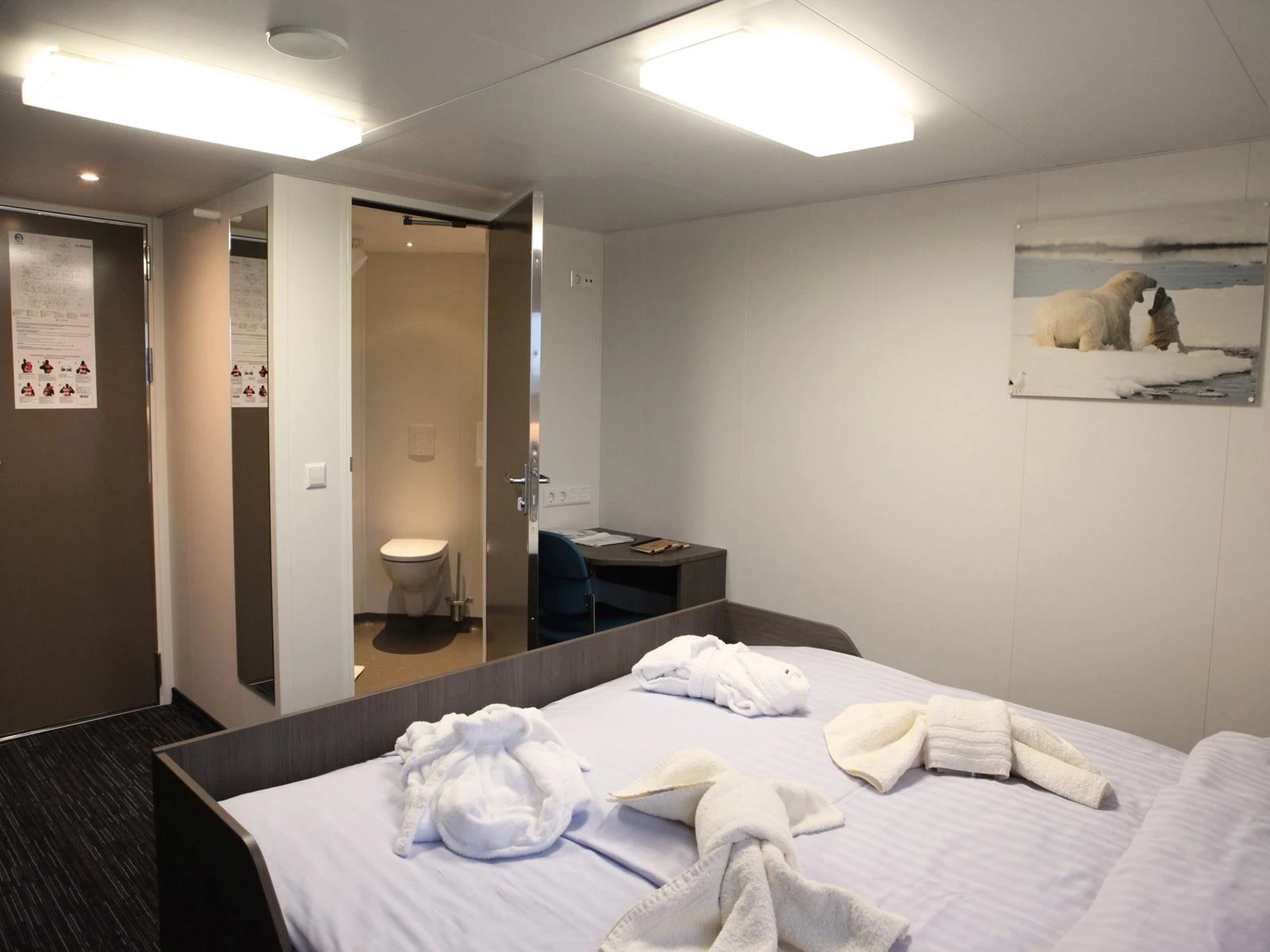
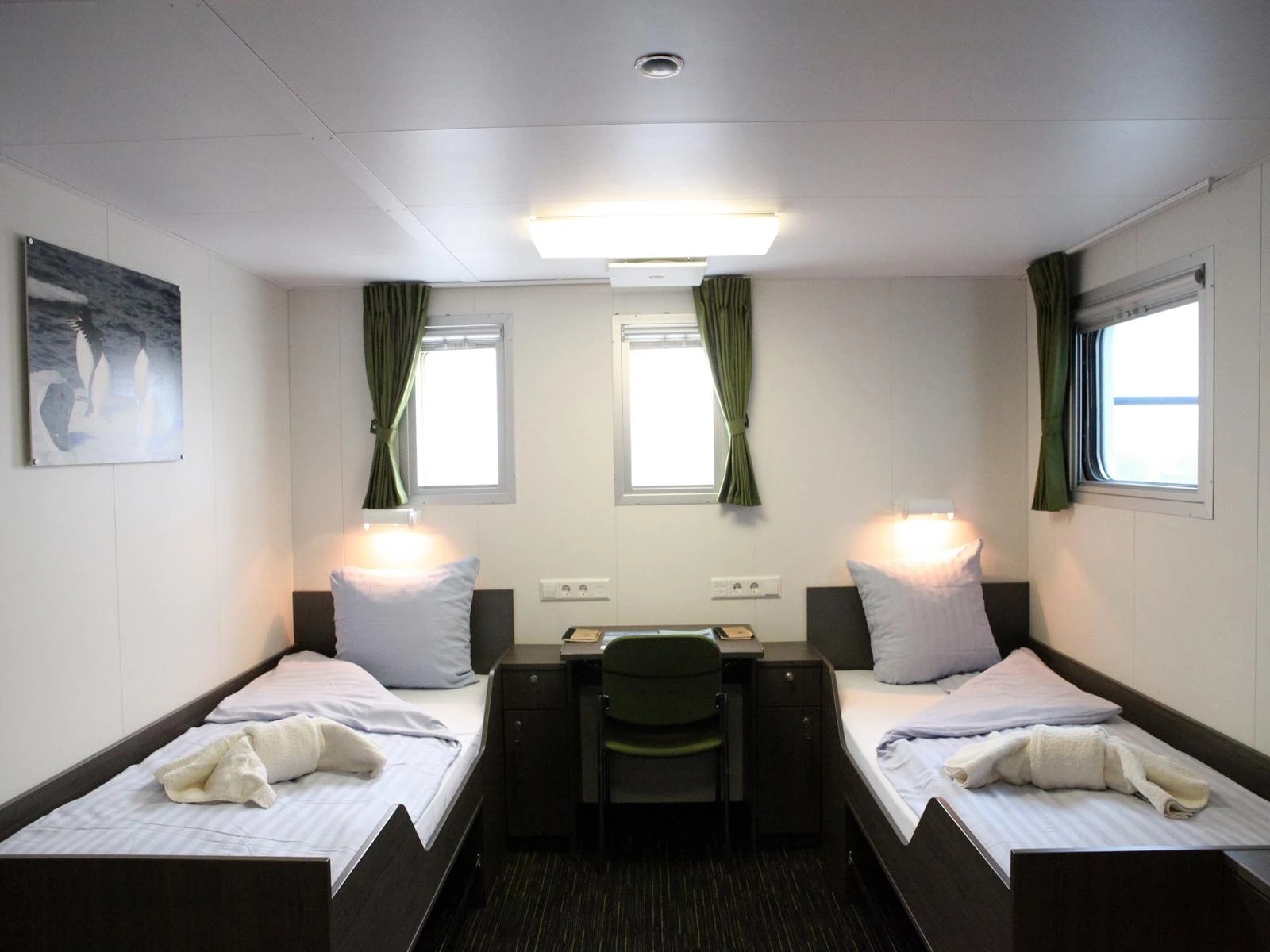
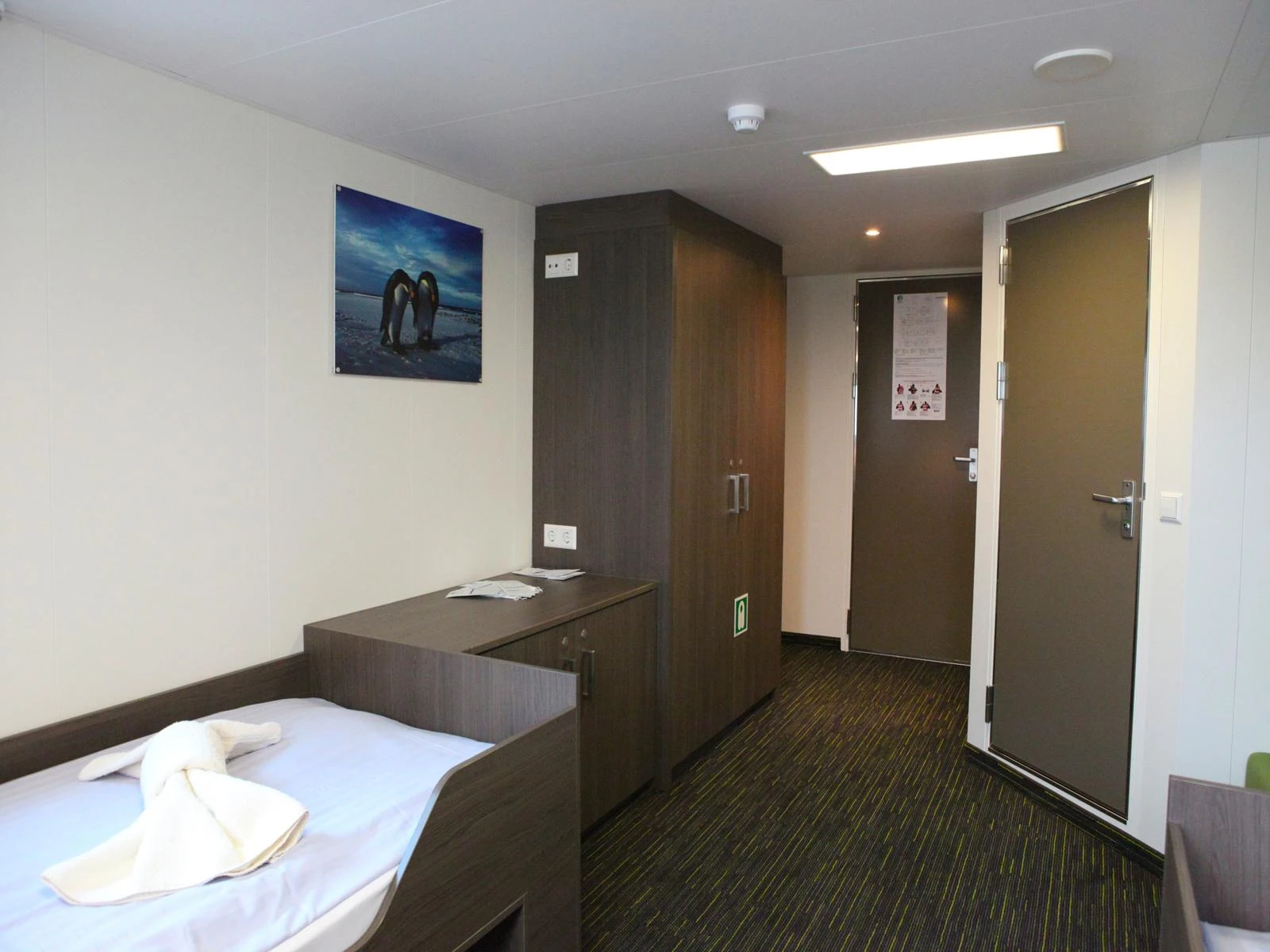
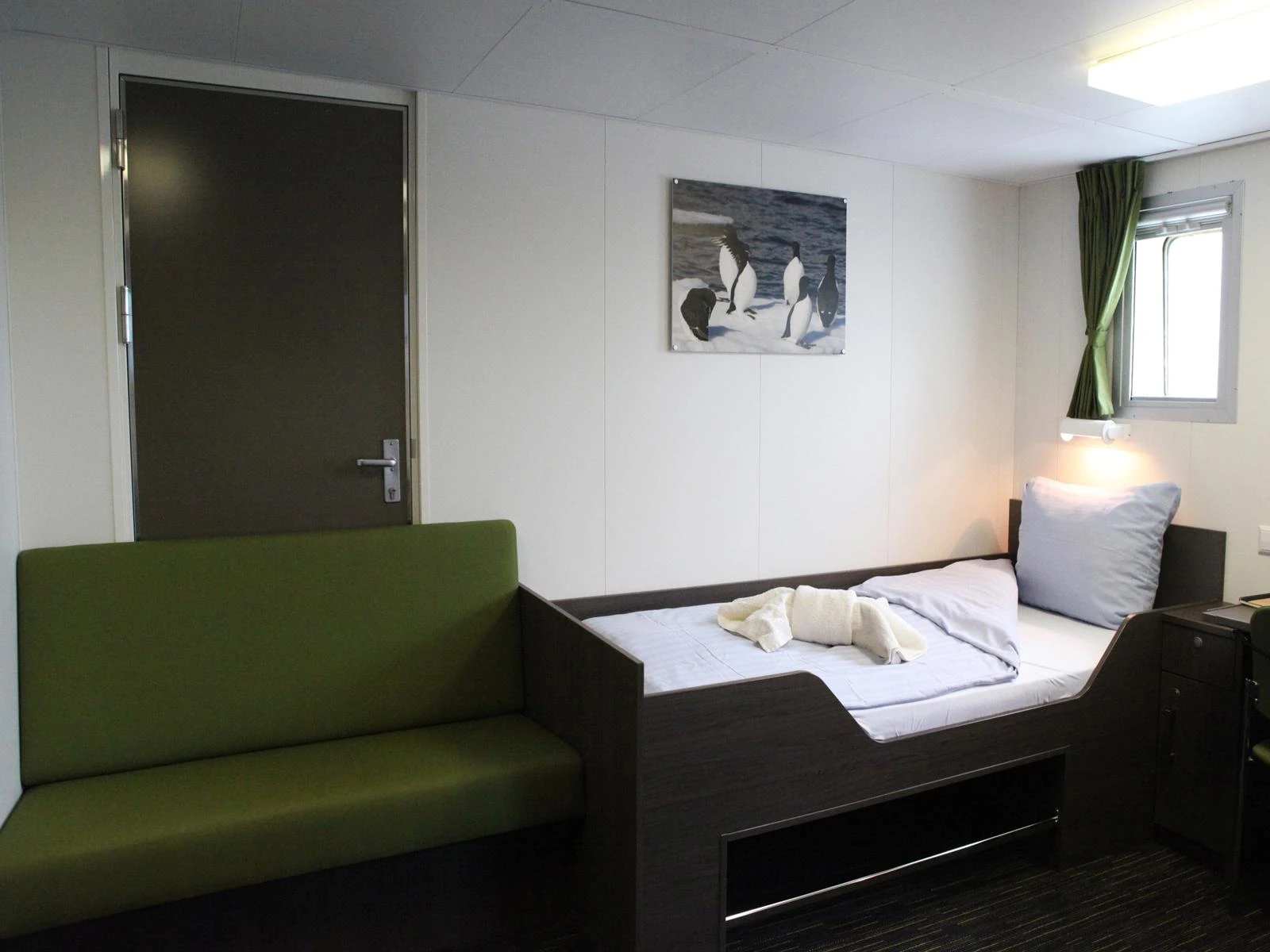
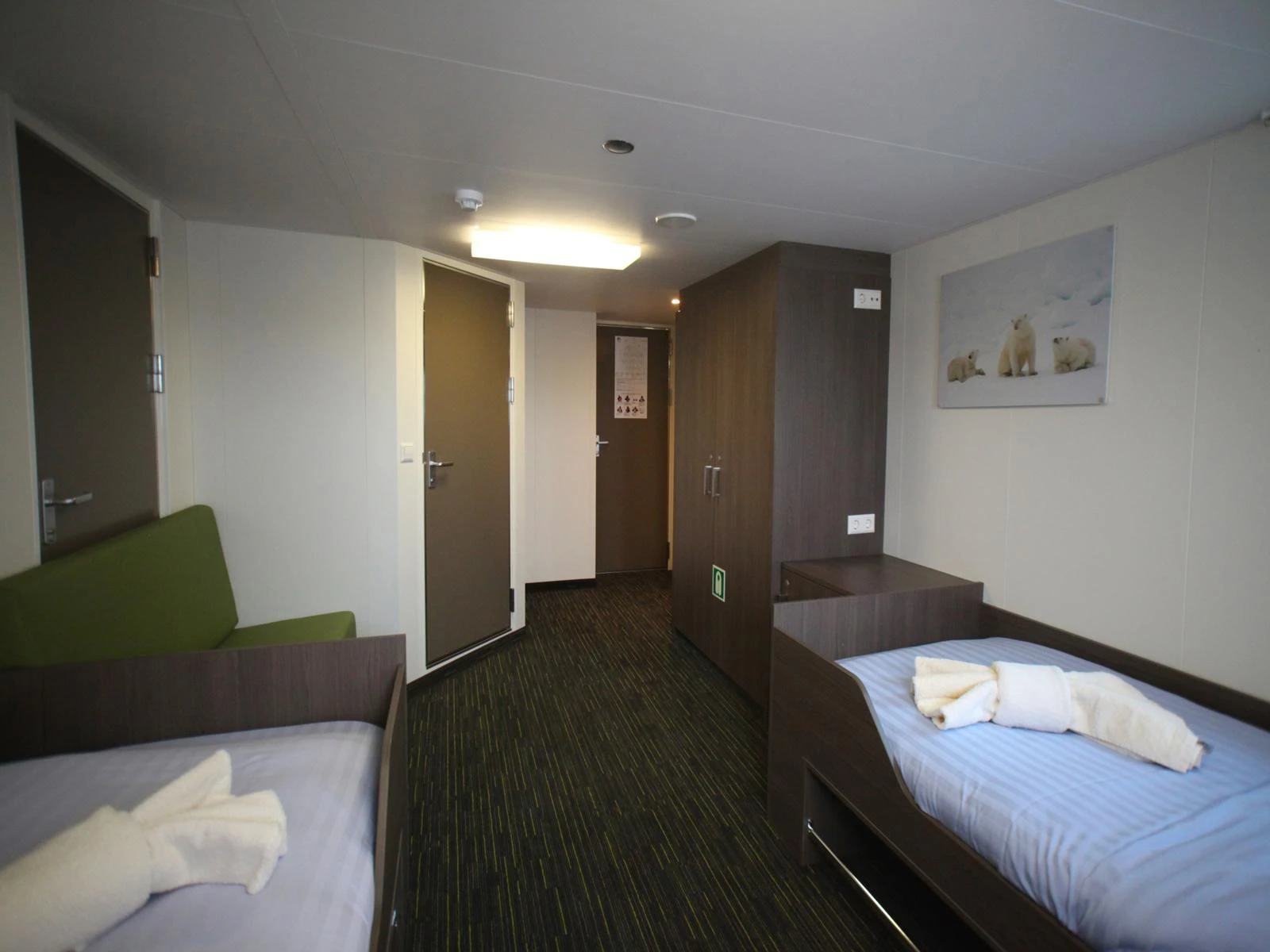
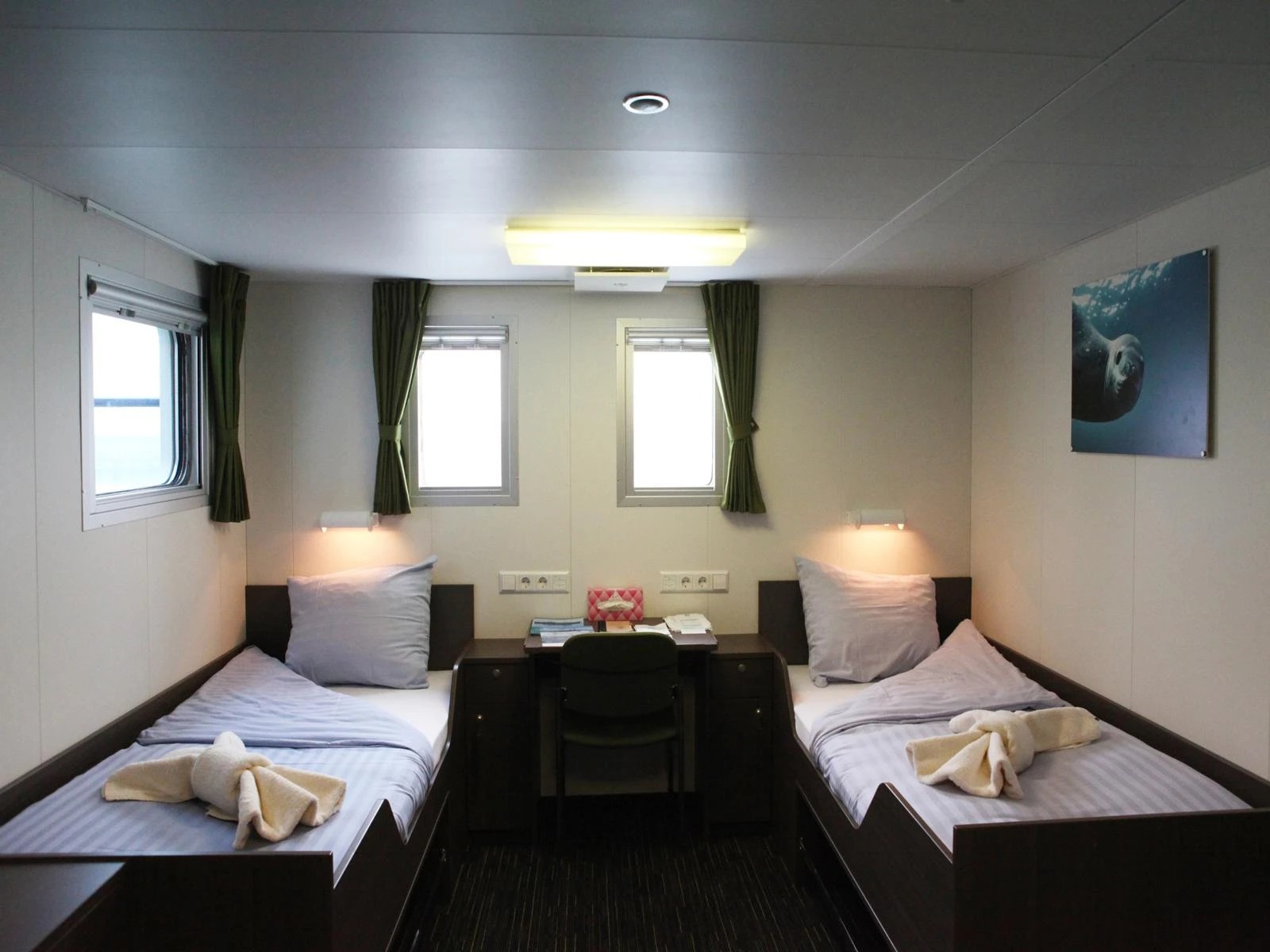
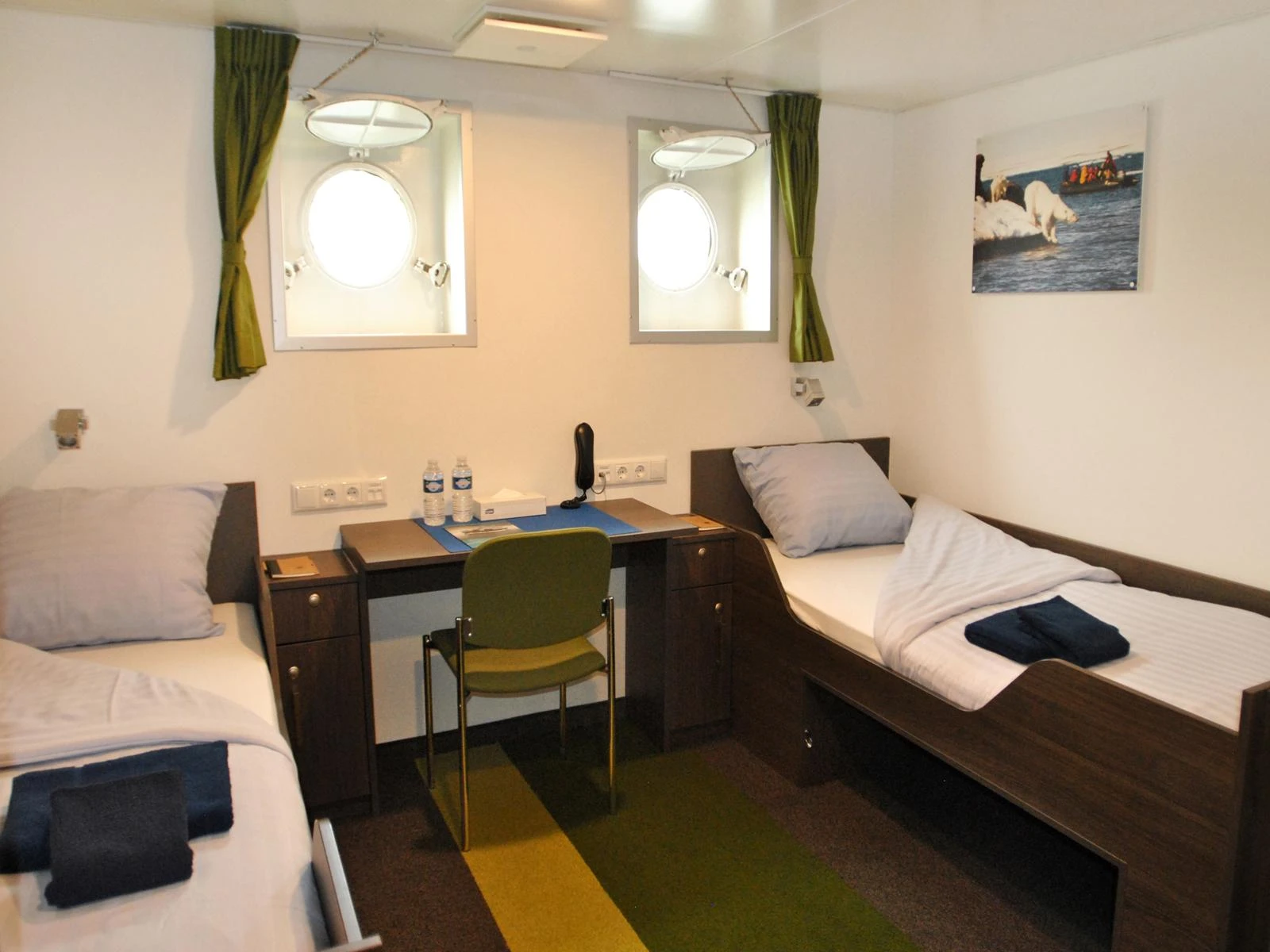
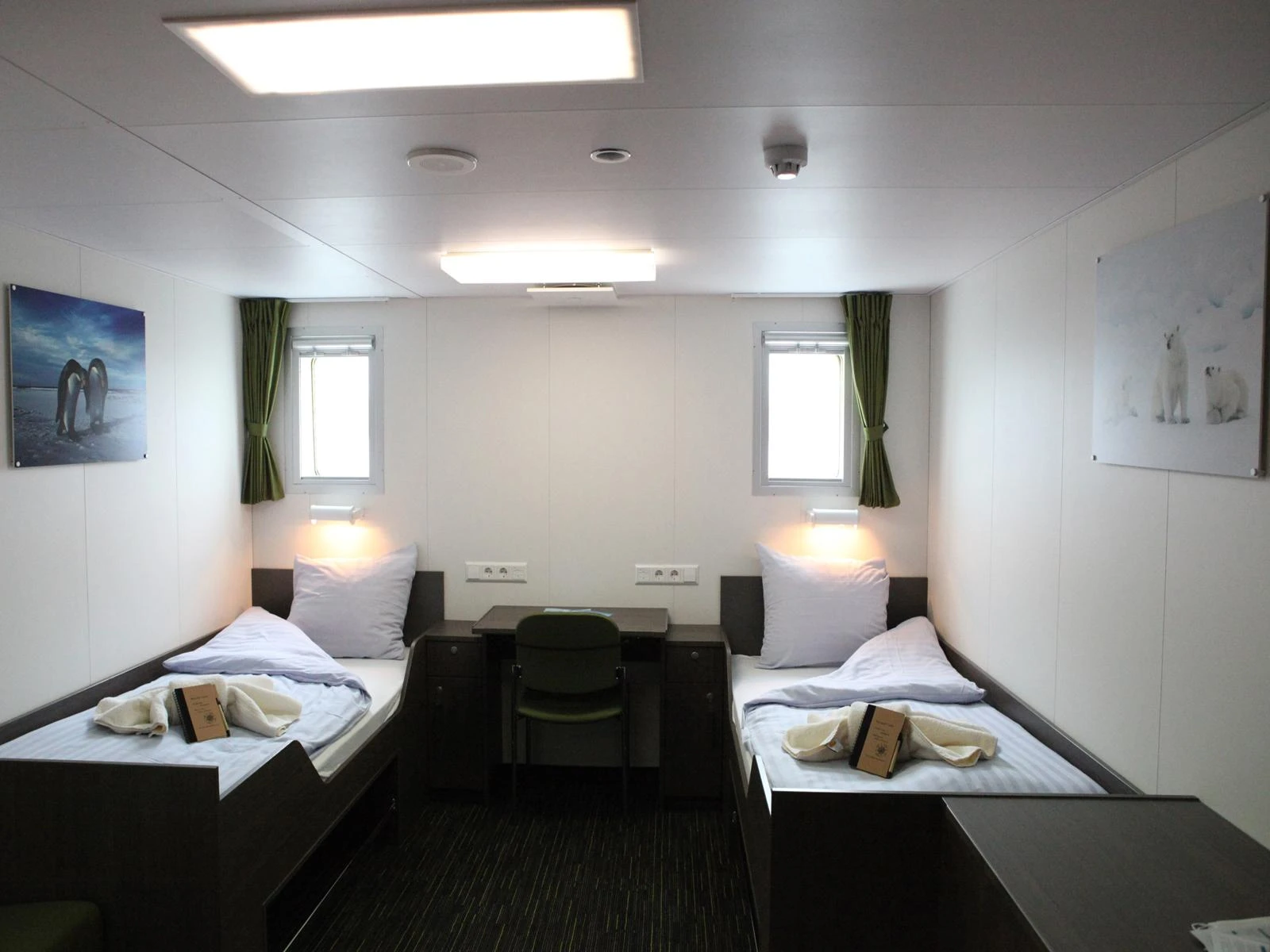
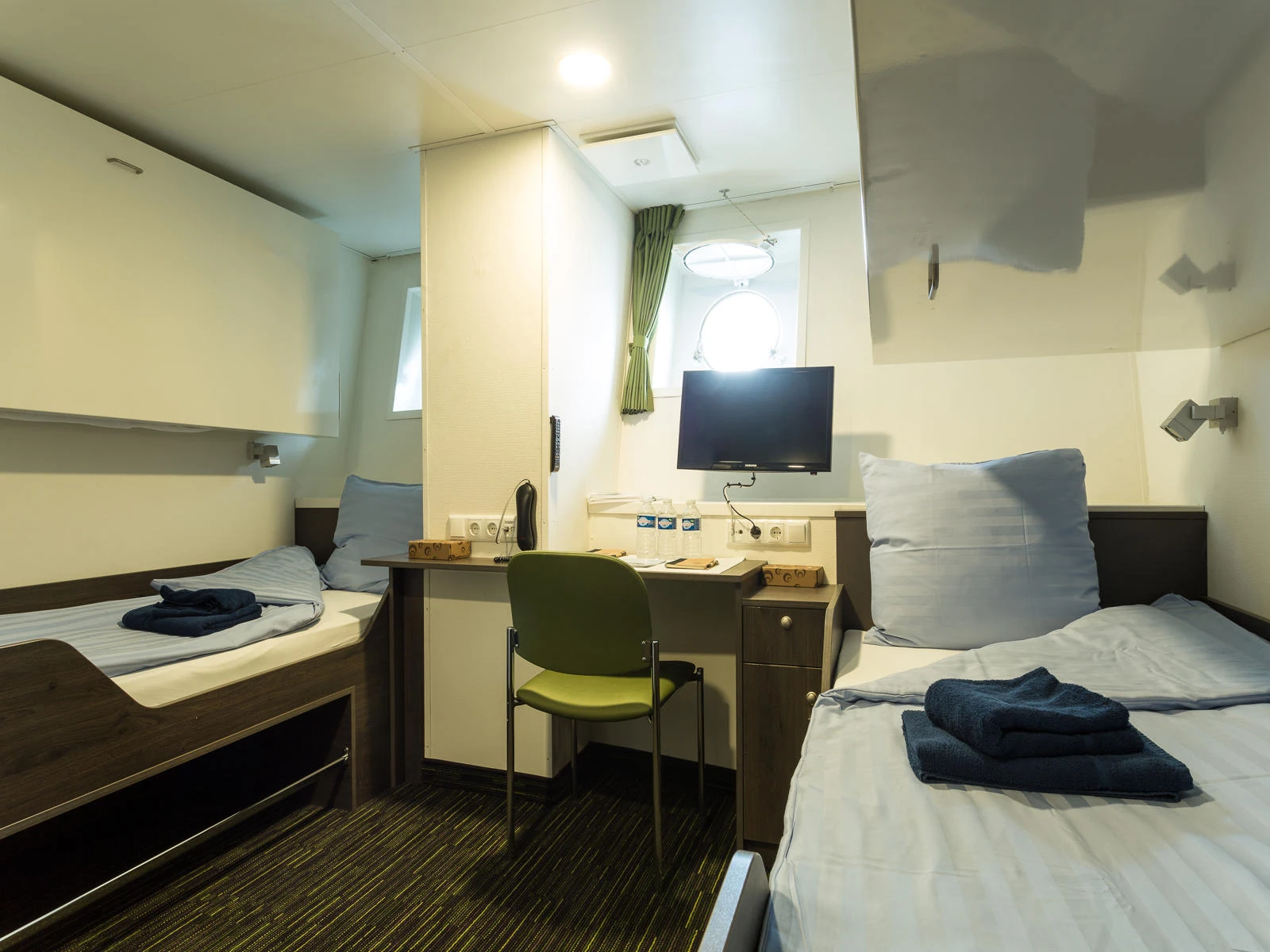
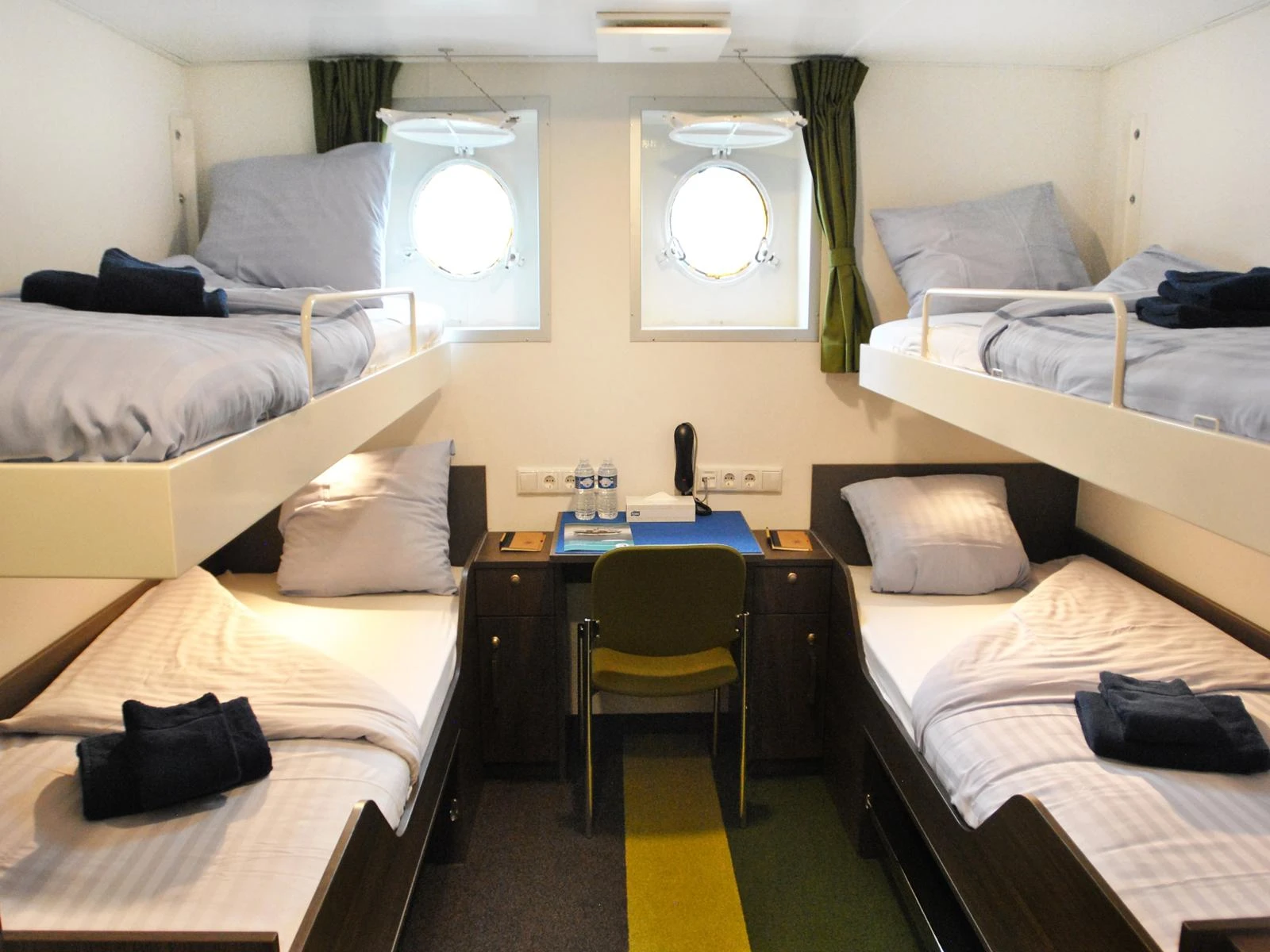
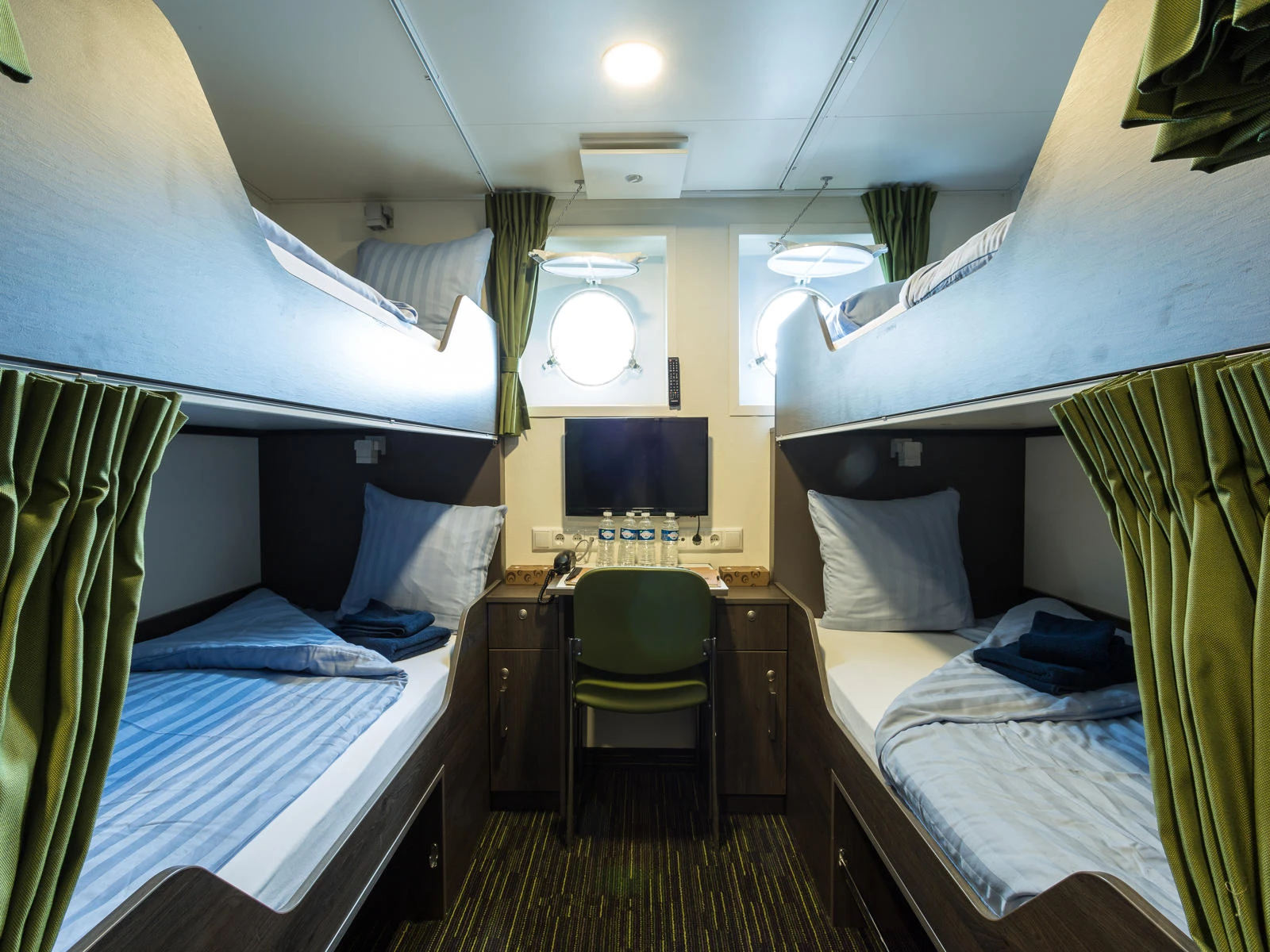
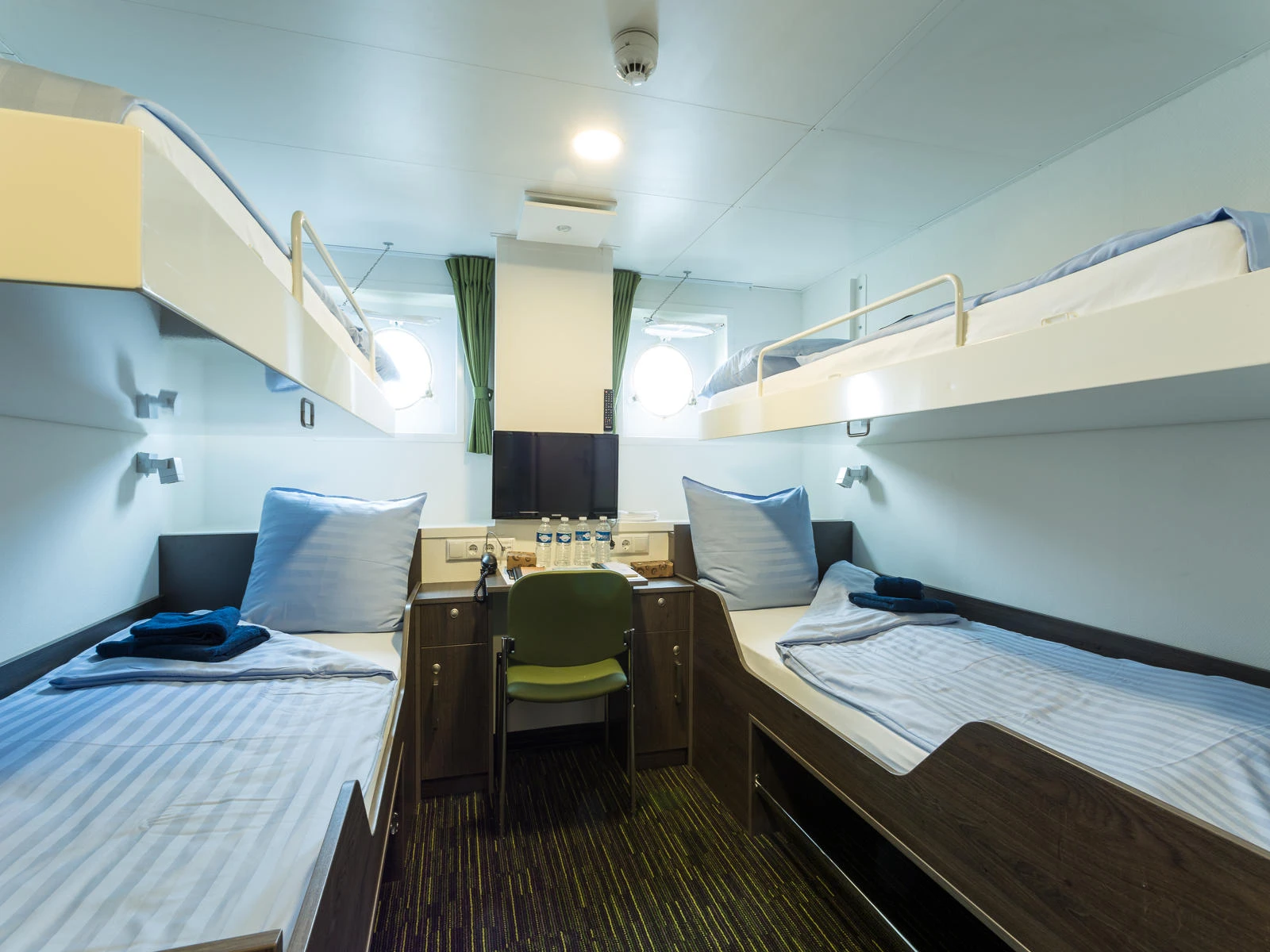
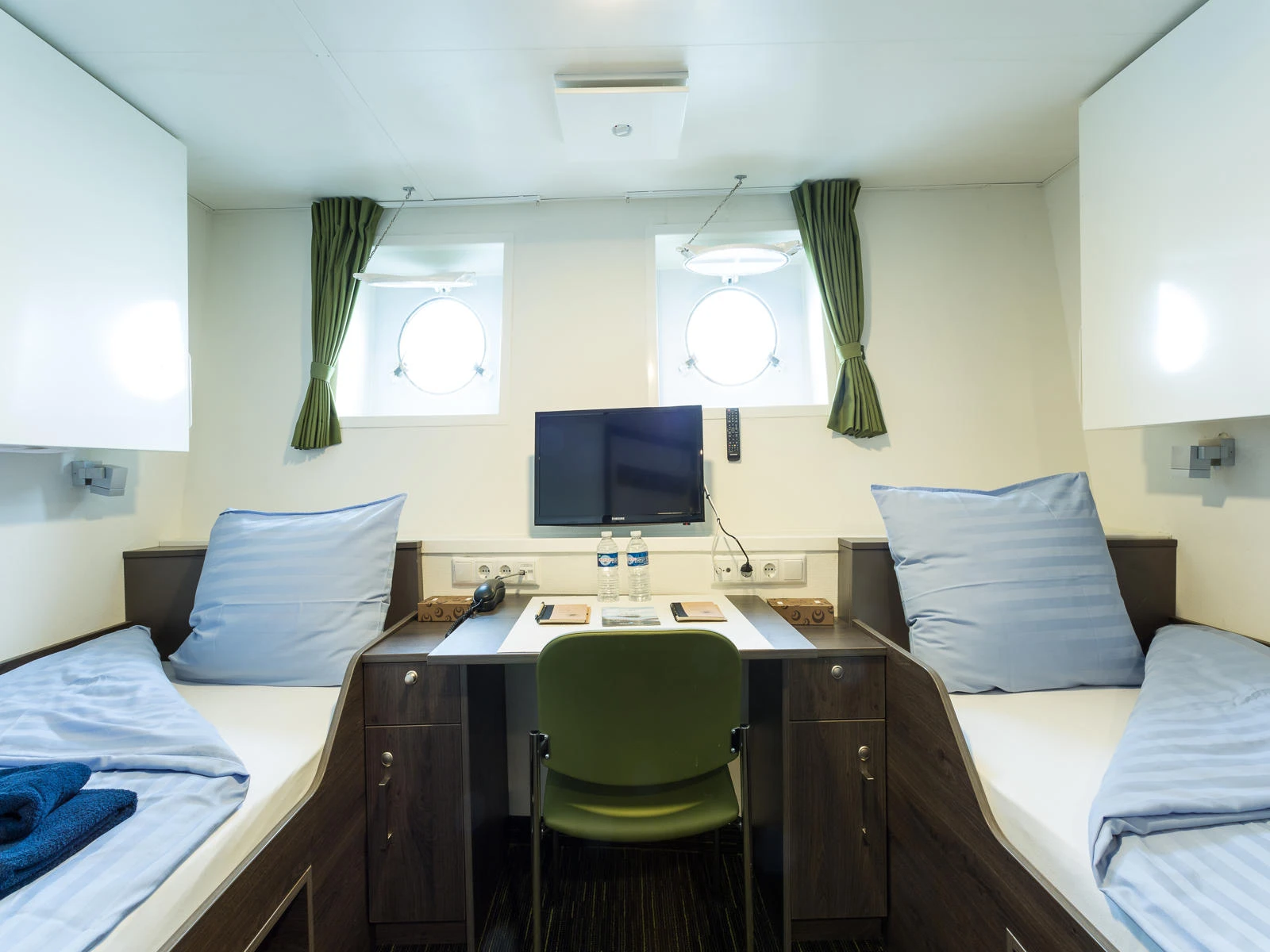
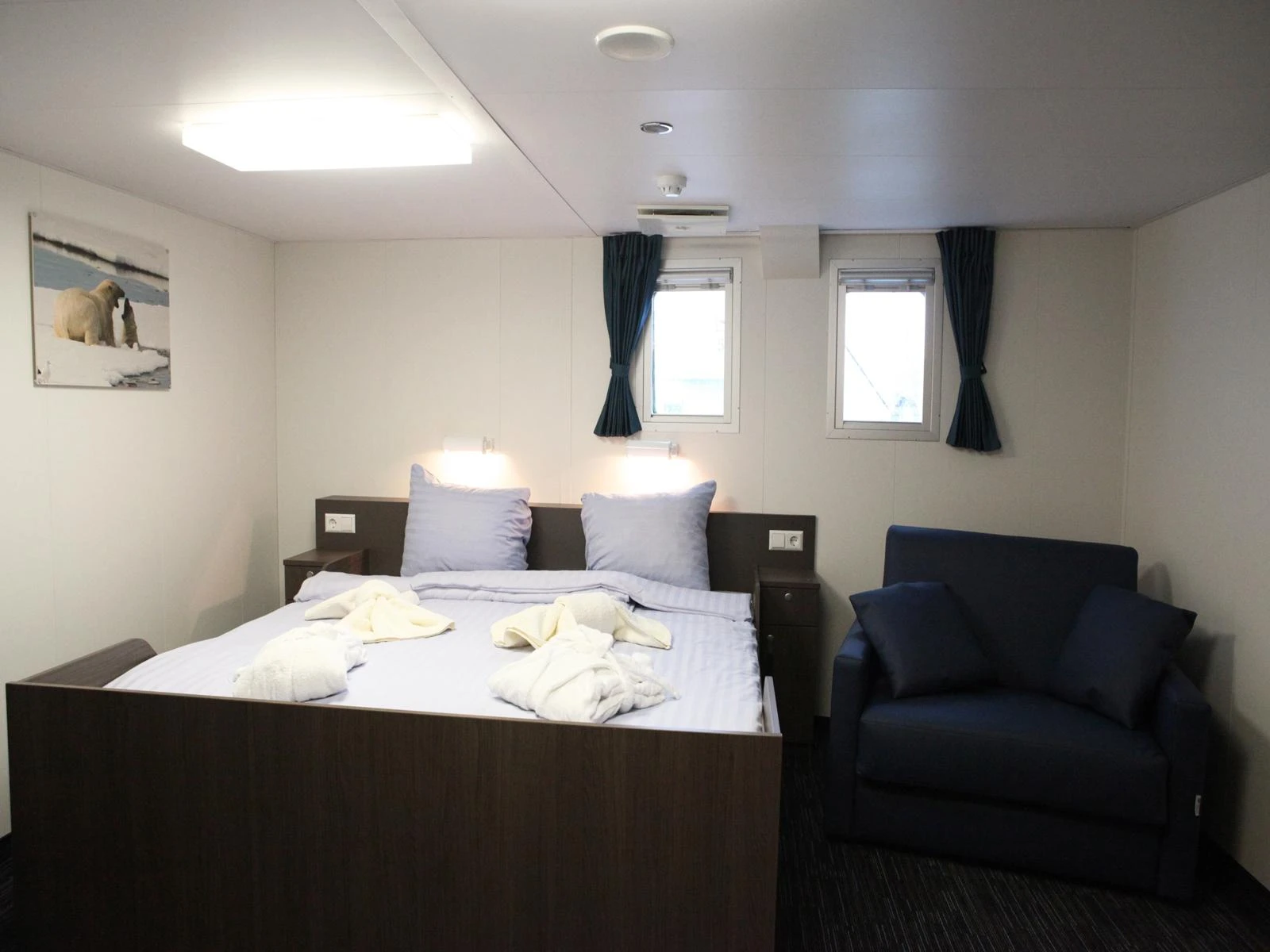
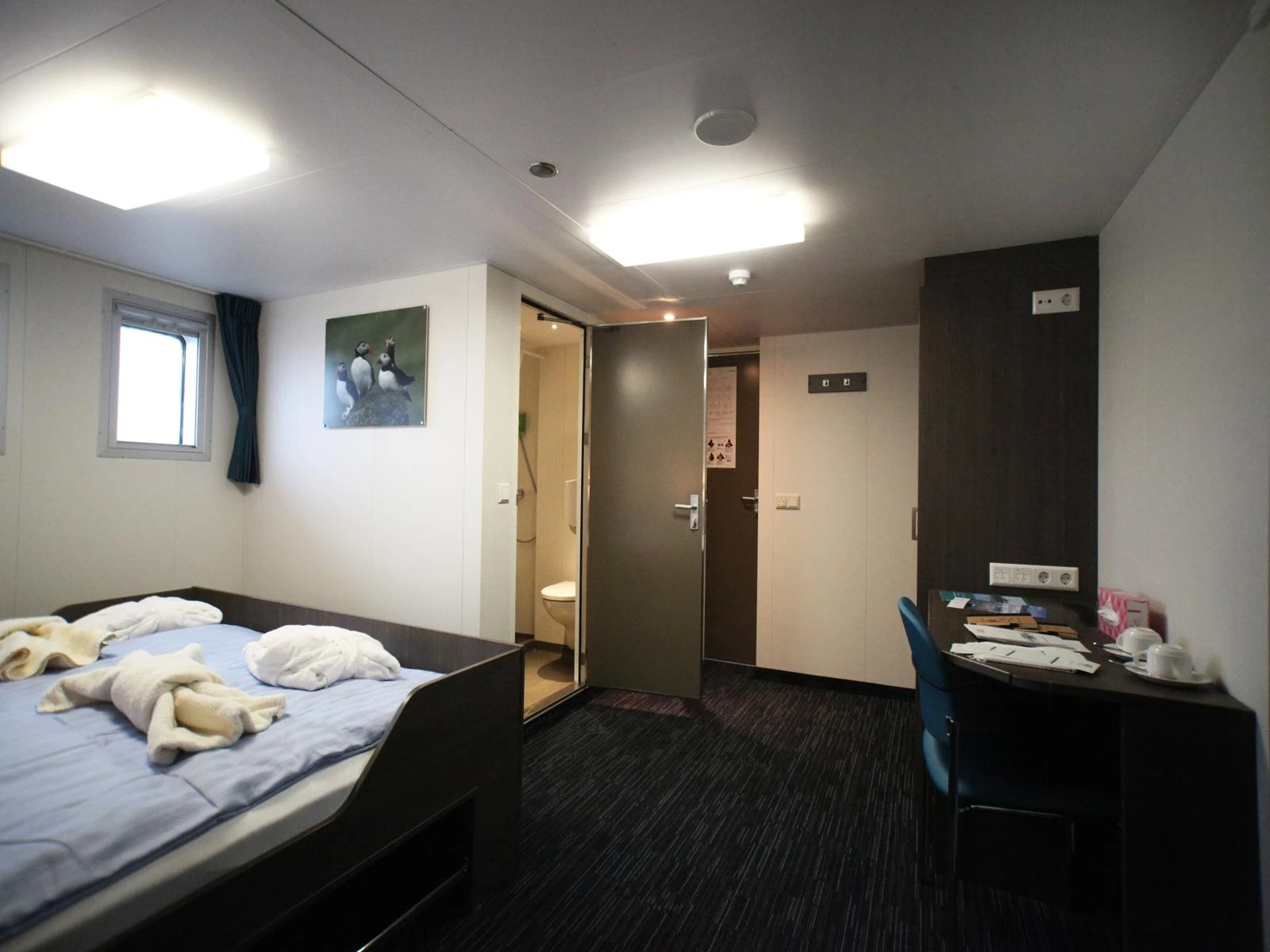
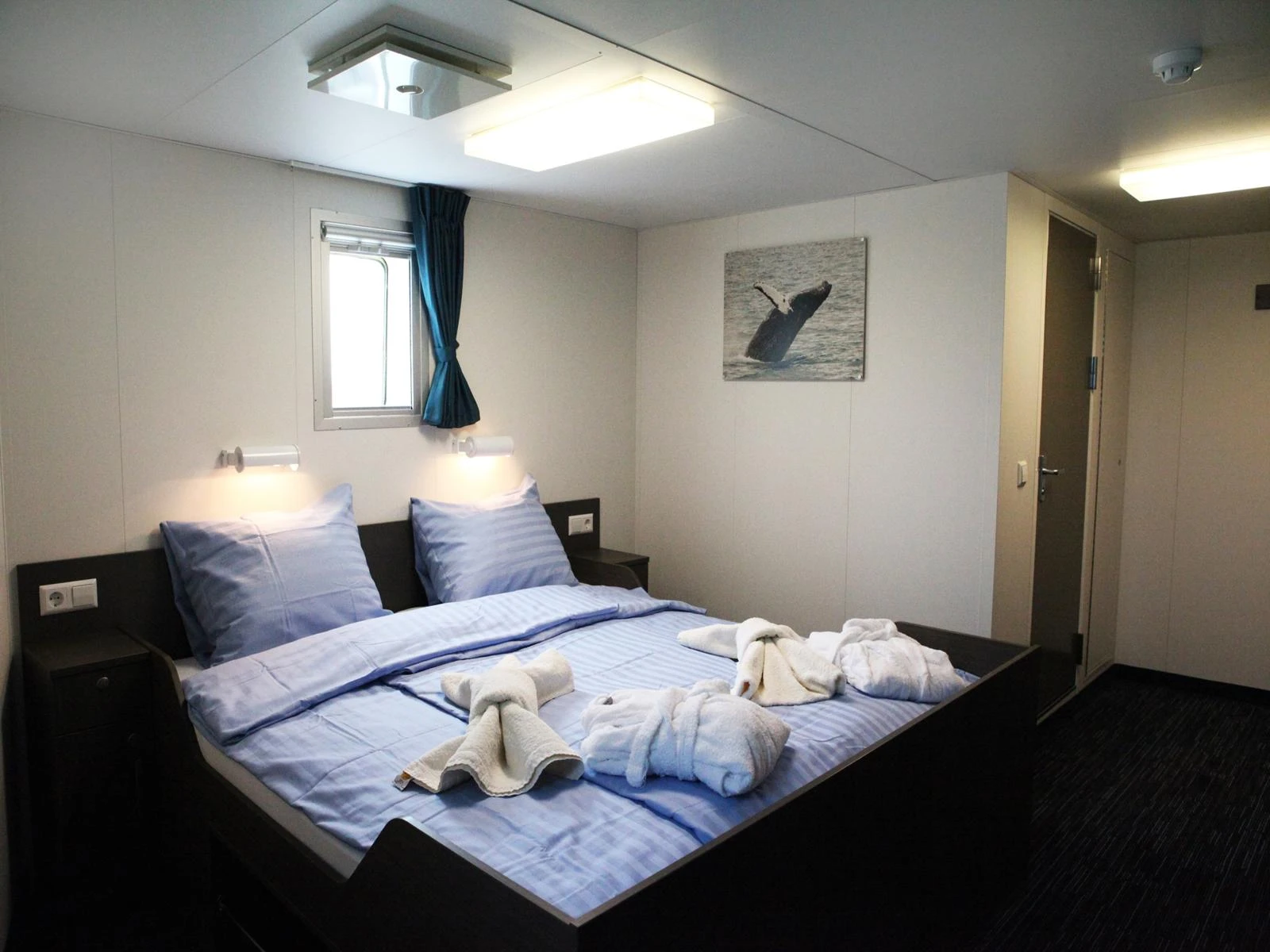
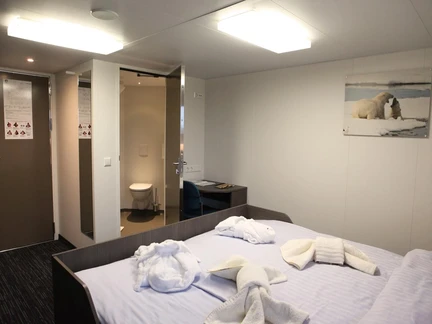
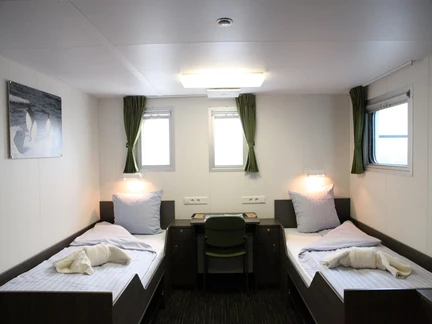
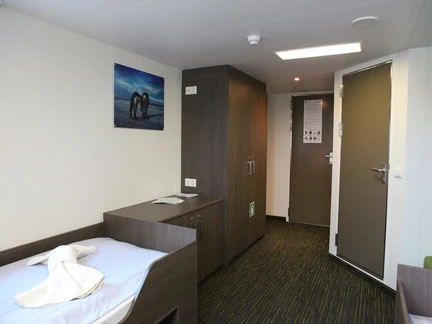
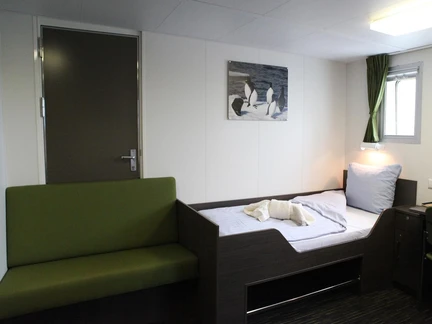
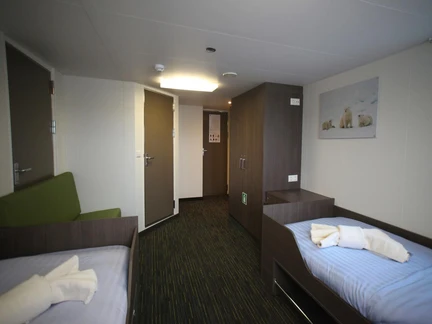
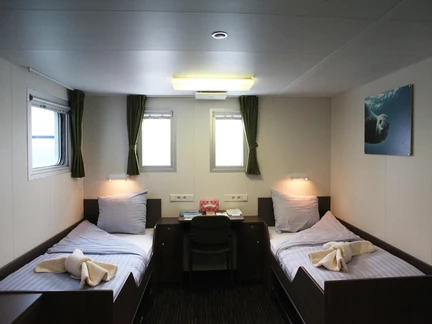
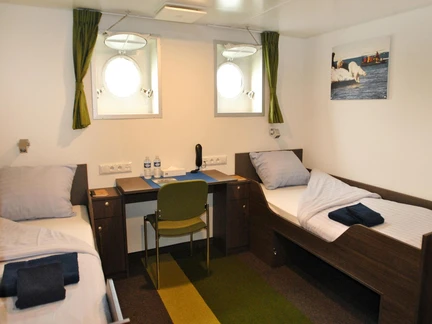
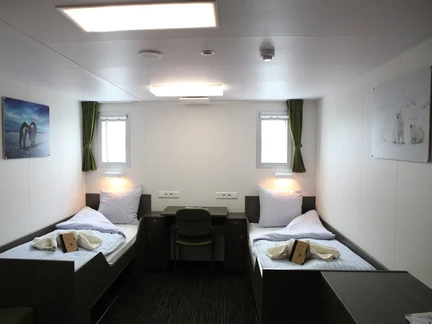
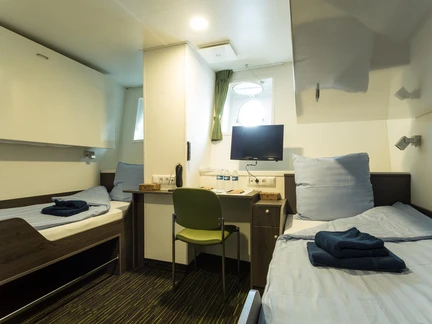
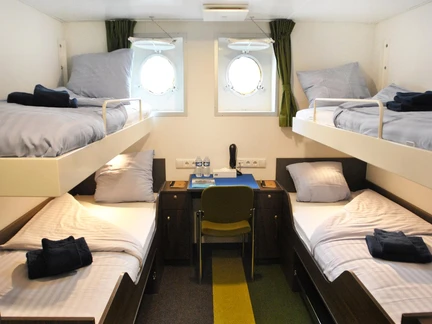
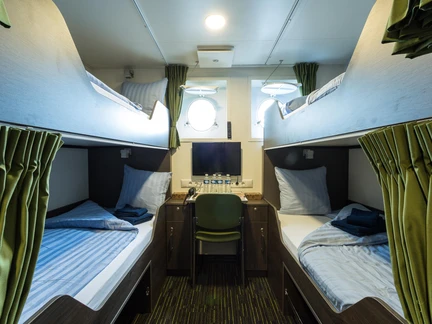
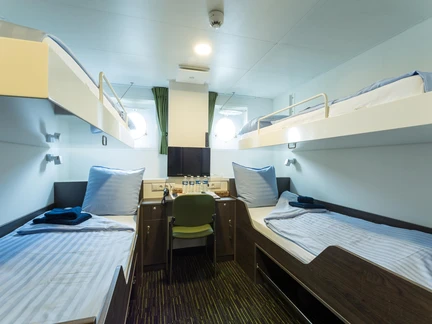
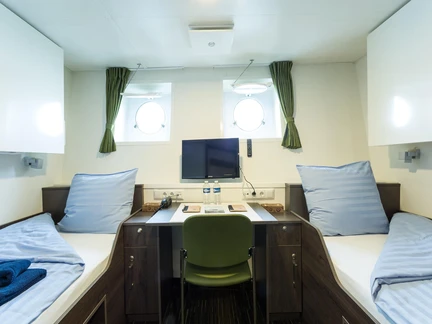
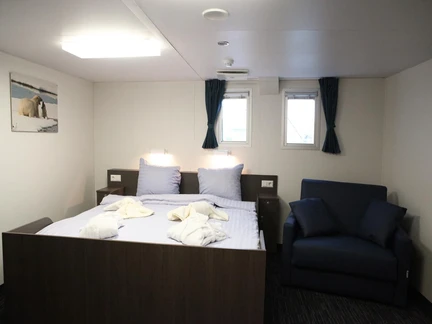
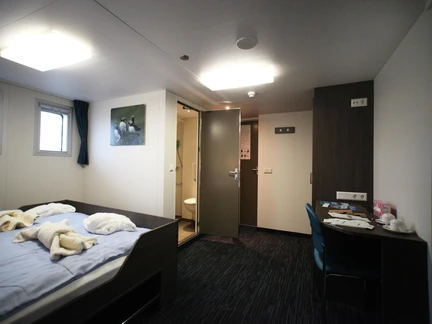
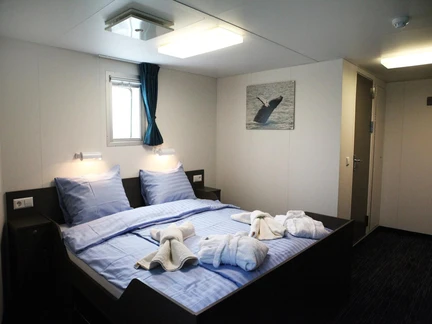
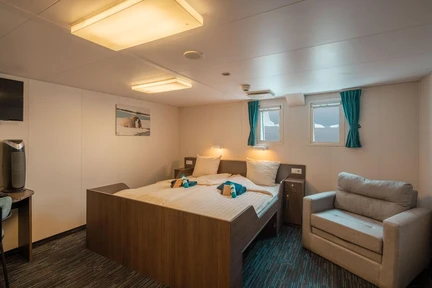
- There are in total 50 cabins at the Ortelius. 4 quadruple cabins with bunk beds. 26 twin porthole cabin with 2 single berths. 12 twin cabins with windows and 2 lower berths. 2 twin deluxe cabins with windows and 2 single lower berths. 6 superior cabins with double beds. All cabins are spacious outside cabins with a minimum of two portholes or windows per cabin and all cabins have a private shower and toilet.

You May Also Like


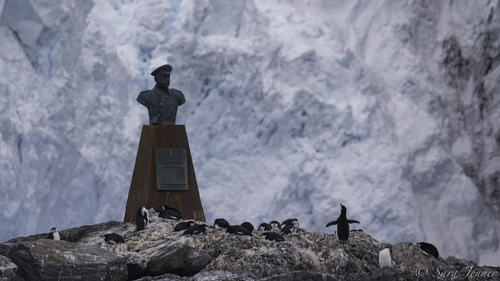
Remote Weddell Sea Explorer incl. South Georgia - South Sandwich Islands - Neuschwabenland - Larsen Ice Shelf - Paulet and Devil Island - Elephant Island, incl. helicopters
22 Jan 2026 - 18 Feb 2026 28 Days / 27 Nights
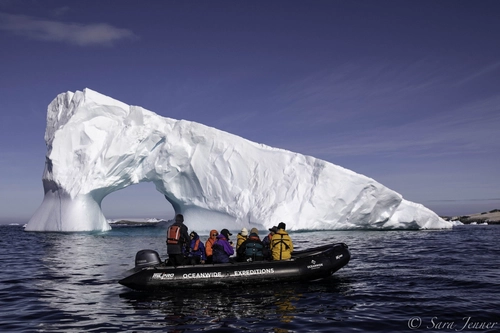
Antarctica - Elephant Island - Weddell Sea - Polar Circle - Aurora Australis / Southern Lights
09 Mar 2026 - 23 Mar 2026 15 Days / 14 Nights
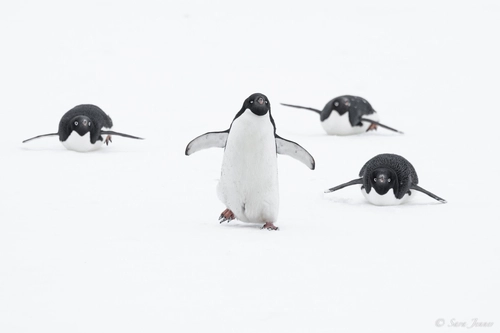
Antarctica - Weddell Sea Explorer Basecamp - free polar activities (kayaking, hiking, photo workshop, snorkeling)
17 Mar 2026 - 29 Mar 2026 13 Days / 12 Nights
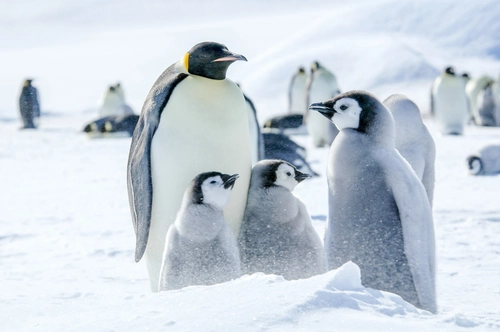
Weddell Sea – In search of the Emperor Penguin, incl. helicopters
15 Nov 2026 - 25 Nov 2026 11 Days / 10 Nights

Weddell Sea - Basecamp
05 Dec 2026 - 17 Dec 2026 13 Days / 12 Nights

Remote Weddell Sea Explorer - incl. helicopters
07 Feb 2027 - 06 Mar 2027 28 Days / 27 Nights

Antarctica - Weddell Sea Explorer
02 Mar 2027 - 12 Mar 2027 11 Days / 10 Nights
Antarctica - Elephant Island - Weddell Sea - Polar Circle
12 Mar 2027 - 26 Mar 2027 15 Days / 14 Nights
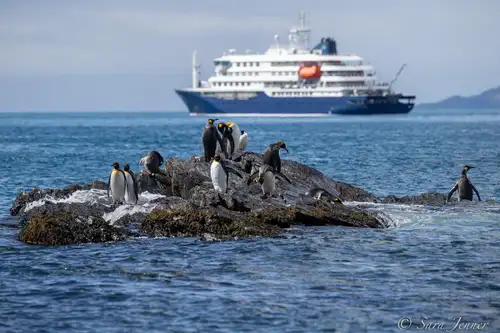
Weddell Sea, Shackleton’s Endurance, and New Swabia
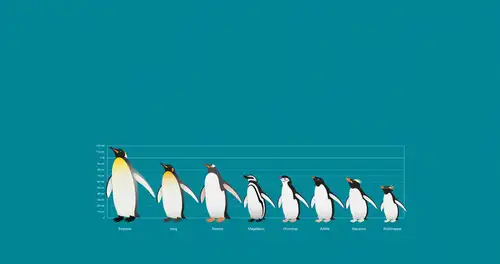
The Eight Great Penguin Species of Antarctica
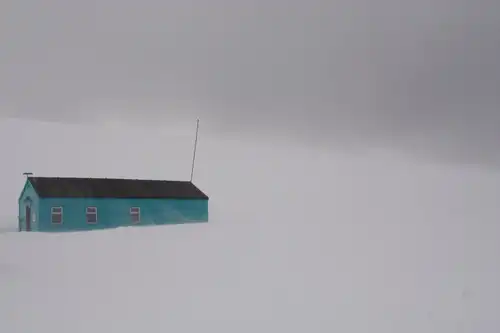
The Research Stations of Antarctica and the sub-Antarctic
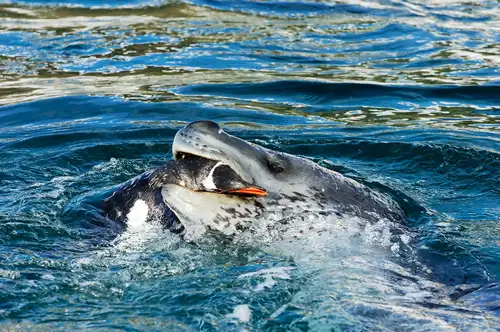
Danger Beneath the Water: 10 Facts About Leopard Seals
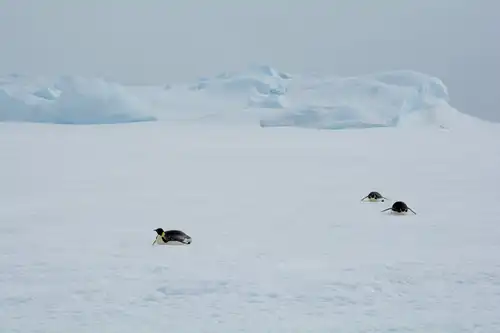
Encounter with the emperor penguin in Antarctica
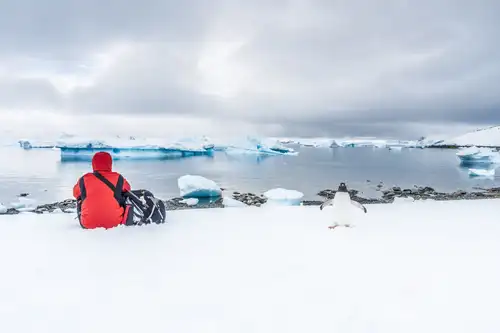
Adding Antarctica to Your Seven-Continents Bucket List
Top Antarctica Cruise Experiences for 2025
Antarctic Icon: 44 Facts About the Emperor Penguin
The Wonderful Weddell Sea: Places, Pics, and Impressions
Six Facts About the Crabeater Seals of Antarctica
Cheapest Antarctica Cruises: How to Save on Your Journey
Weddell Sea: the Original Antarctic Adventure
The Eight Albatrosses of Antarctica and the Sub-Antarctic