

Antarctica has adventure in its bones. Long before most travelers even reach the continent, they have to cross the Drake Passage, an oft-tumultuous waterway considered by many a hallmark of high adventure in itself. Once you do reach the Antarctic shores, the variations of landscape and wildlife are as multiform as the activities you can pursue there. While not all of these activities can or should be shoehorned into a single article, this piece will give you a survey of the top eight. Like everything in the polar regions, these activities are subject to weather conditions – and your own threshold for adventure.

1. See Antarctica from a helicopter
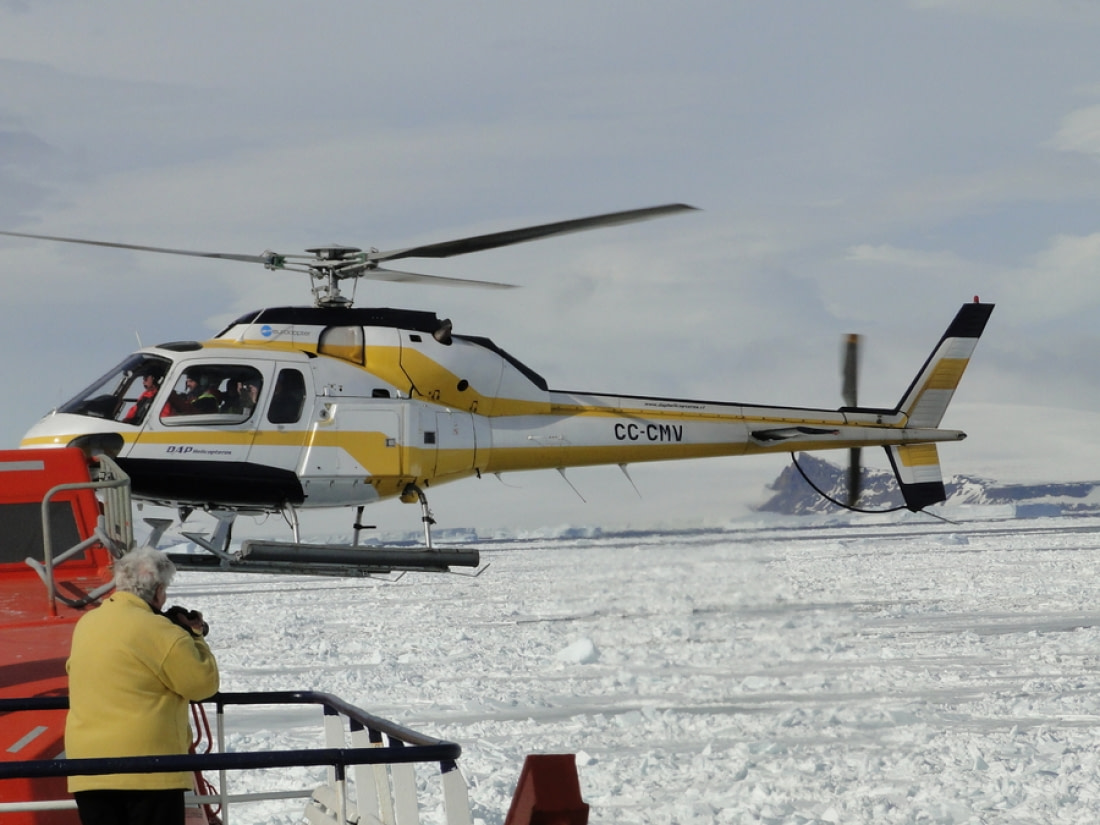
For seeing Antarctica up close, it’s hard to beat the power of your own two legs. But when you want a more expansive overview of the sprawling Antarctic landscape, consider availing yourself of one of our helicopter tours. On certain Ortelius Weddell Sea cruises, we provide helicopters meant to not only provide you a soaring survey of the Antarctic landscape, but also deliver you to wildlife and landscapes that are otherwise inaccessible. These locations typically include remote penguin rookeries, particularly emperor penguins. After landing at a safe distance so as to not disturb the animals, you can reach the penguin breeding colonies on foot for a more firsthand visit.
2. Kayak the ice-studded waters
Sailing through sea ice on a fortified polar vessel is exhilarating, cruising around icebergs in a Zodiac outboard boat is exhilarating, but if you want more personalized control of your time spent on the Antarctic waters, kayaking is the way to go. Once you’ve mastered getting into the kayak, which for many people is the most difficult part, it’s typically smooth paddling from there on out. We offer numerous Antarctica kayaking tours, kayaks included of course, and on all of our outings you will be accompanied by a guide close at hand to make sure everyone stays safe. In the seat of a kayak, you get to be your own captain, experiencing the glacial beauty of the Antarctic wilderness in one of the most intimate and peaceful ways possible.
3. Mountaineer to lofty Antarctic summits
Some of us travel to the polar regions for the tranquility of an untouched landscape, some for the sights and sounds of terrain and wildlife that can be found nowhere else – and some of us go for the heart-pounding adrenal rush of a rugged Antarctic adventure. Fortunately for those who like to do a little of everything, you don’t have to be an avid mountaineer (or even experienced with snowshoeing) to thoroughly enjoy our Antarctica mountaineering cruises. You will need to be in decent physical shape, obviously, as well as imbued with a healthy dose of polar wanderlust, but beyond that we have everything else covered: As with our other activities, all the essential gear is available on the vessel, so all you have to do is put one foot in front of the other and enjoy the scenery the way the historic Antarctic explorers did centuries ago.

4. Camp under the Southern Hemisphere stars
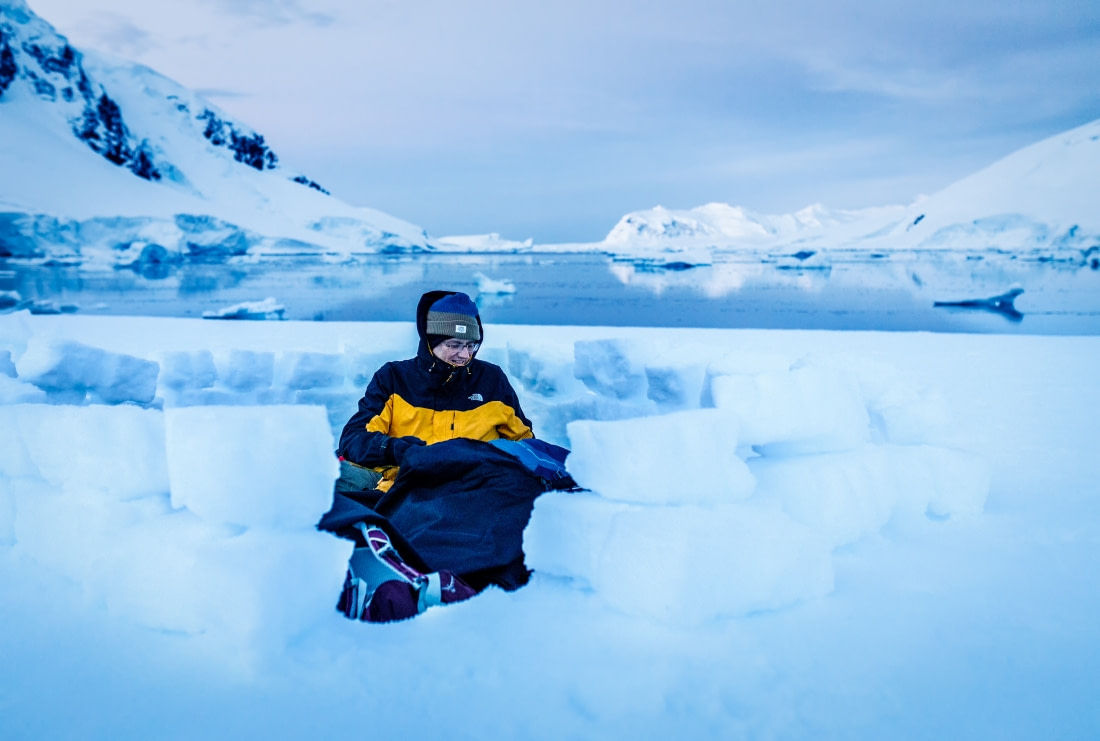
There is perhaps no better way to experience Antarctica like the people who first explored it than by spending the night on the Antarctic terrain itself. Camping in the Arctic would not be safe given the presence of polar bears, but in Antarctica the chatter of penguins is likely to be the most dangerous thing you’ll encounter. Our Antarctica camping trips try to offer each passenger the opportunity to sleep out overnight, though there may be additional nights in weather conditions permit. Sleeping bags are provided, as well as mattresses, three-person tents, and other necessaries. If the weather is good enough, you’ll have the option of sleeping out under the open sky. And if the sky is clear, you may even witness the very constellations by which discoverers navigated their vessels in some of the earliest explorations of Antarctica.
5. Hike or snowshoe the icy spans of Antarctica
Hiking in other parts of the world is in many ways only a prelude to hiking in Antarctic. Few other locations are as wild and untouched. There are no paths but the ones you leave behind in the snow, and the open white landscape unrolls in fields of ice so vast they dwarf everything in their presence. On our Antarctica hiking trips, you’ll get the chance to walk this spectacular terrain, and unlike in the Arctic, you won’t even have to worry about polar bears. Antarctic hikes are generally concentrated around the Weddell Sea, the South Shetland Islands, and South Georgia – the third location of which grants you the opportunity to hike the last 6 km (3.7 miles) of polar explorer Sir Ernest Shackleton’s famous walk across the sub-Antarctic island.

6. Practice your photography in a workshop
For many travelers, it’s often as much a priority to capture good pictures as it is to have experiences worth capturing. If that is the case with you, prepare to bring out the best in your polar pictures on our Antarctica photography cruises.
In these workshops you will earn from a professional photographer who will lead two types of workshop, one on board the ship and the other on landed excursions. These workshops generally take place in groups of 20 and 14, respectively, enabling all participants to have access to the instructor.
You will learn about the equipment and principles of photography on the ship, and in the field you will practice your skills by photographing wildlife and terrain in real-world Antarctic conditions. You will need to provide your own camera, which by the end of the workshops you will be able to use to take pictures that do justice to your Antarctica experience.

8. Scuba dive below the Antarctic waves
Antarctica isn’t shy. Those who make the trip to see it are greeted immediately with a virtually endless panorama of otherworldly sights. But some people prefer to search beneath the surface, exploring a world that is not so readily visible.
Scuba diving is one of the best ways to do this in Antarctica. A region so replete with icebergs, of which only about ten percent protrudes above the surface of water, seems almost made for the kind of submerged exploration scuba diving affords.
We offer specially planned Antarctica scuba diving trips that allow you to enjoy a true polar plunge, entering the water right off the edge of a Zodiac. During these dives you can descend up to depths of 20 meters (60 feet) to explore the polar world from the point of view of the penguins, seals, and whales who inhabit it.
Unlike most of our activities, you do have to be considerably experienced to participate in this option: Scuba certification is required, along with extensive cold-water experience. We are happy to provide compressors and weights, but the rest is up to you.
Though polar diving is an activity that necessitates a great deal of equipment and demands a high level of safety, the surreal experience of gliding under the Antarctic waters can’t help but be a truly definitive adventure.



Blog


International Polar Bear Day
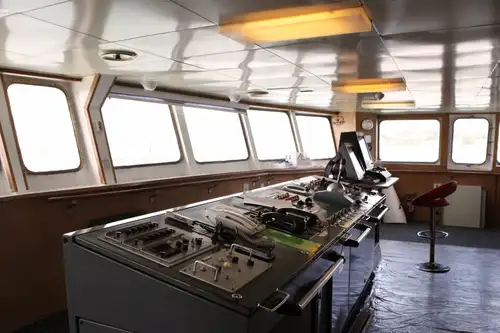
Navigating by touch through the sea ice
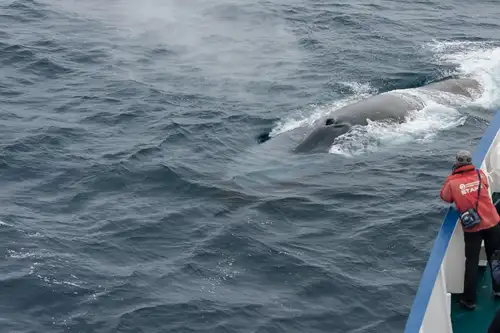
10 Bountiful Blue Whale Facts
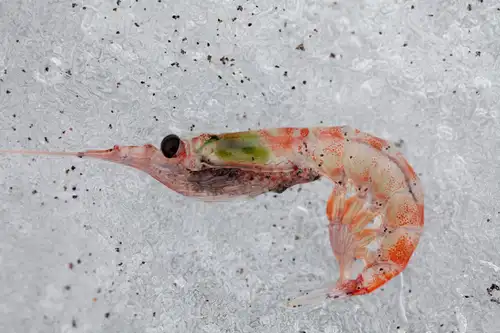
Life in the Polar Regions
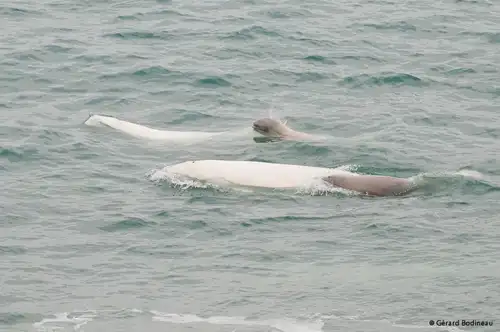
The Mysteries of the Beluga Whale
Seizing the Season: Spitsbergen’s Late Spring, Early Summer
The Arctic’s Most Phenomenal Fjords
Solargraphy & Pin Hole photography in the Arctic
16 Conversation-Starting Svalbard Facts
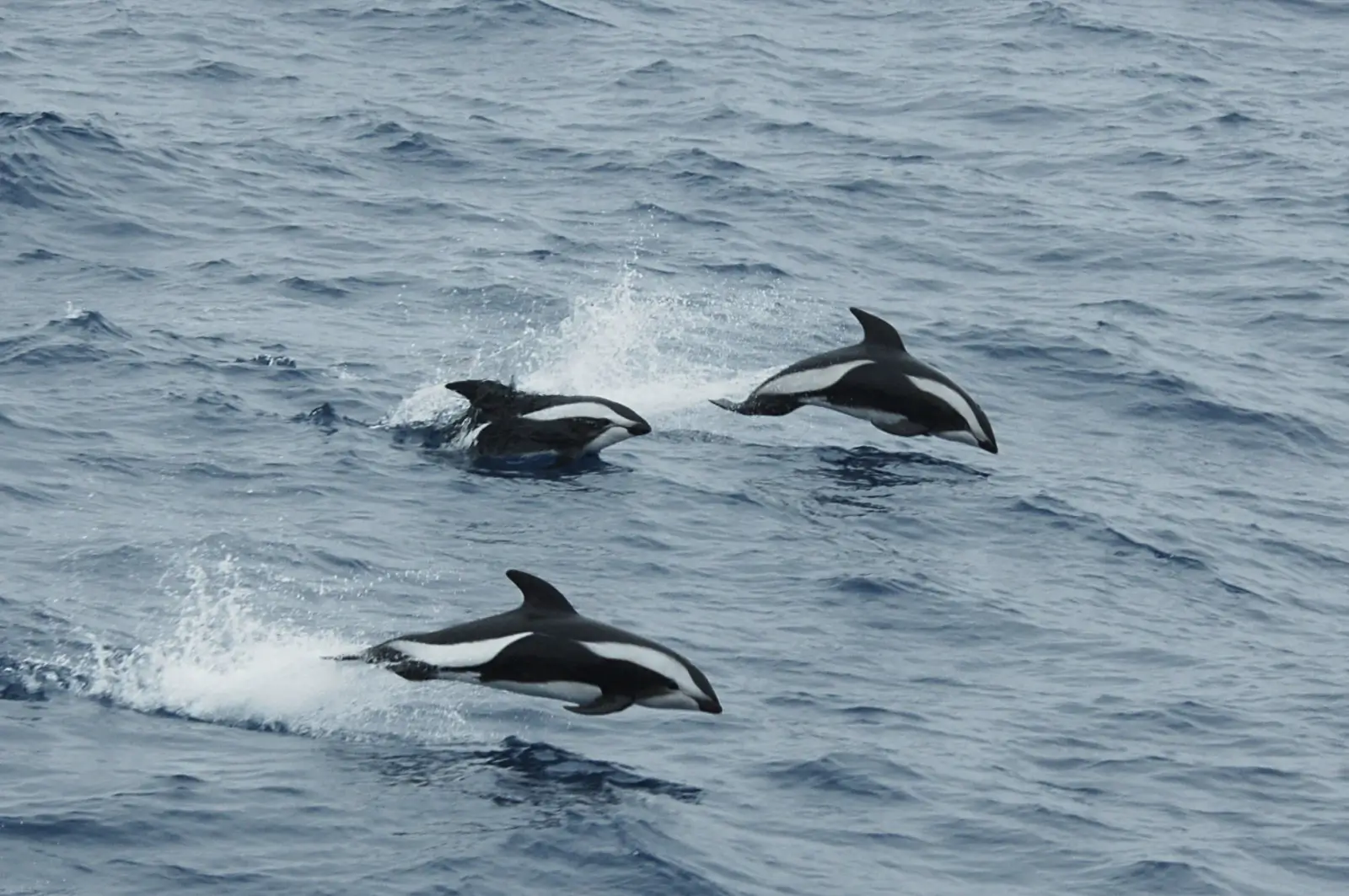
Antarctica’s Hourglass Dolphin
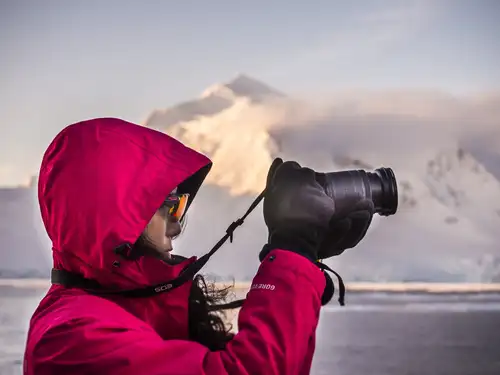
12 photo tips to make better pictures on your Antarctica cruise
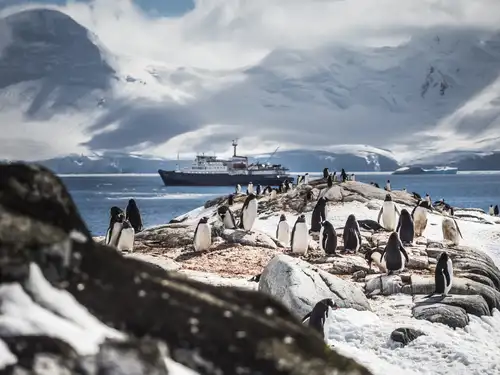
Top 10 Antarctic Attractions
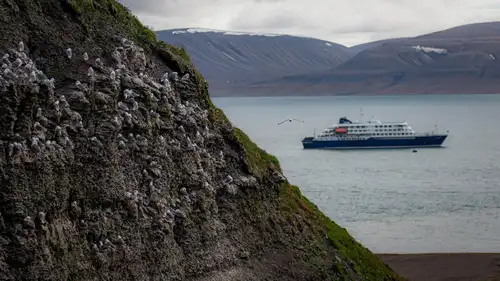
Circumnavigating Spitsbergen

Svalbard a Disneyland for geologists
Arctic Foxes: Constant Gardeners of the Arctic
Humpback Whales: the Stars of the Western Antarctic Peninsula
Birding Opportunities Abound in Spitsbergen
Svalbard’s 12 Most Iconic Animals
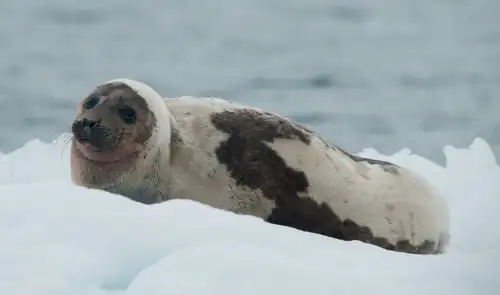
Harp seals harping on in Greenland