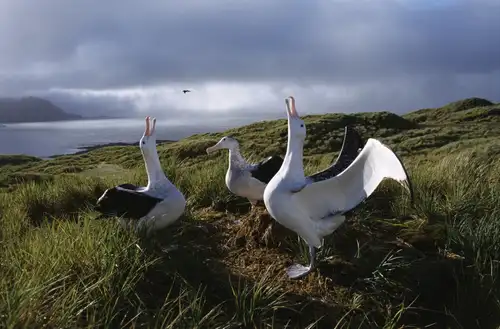


From October to March, during the Austral summer, thousands of breeding gentoo, Adèlie, and chinstrap penguins flock to the Western Antarctic Peninsula to rear their chicks and feast on krill before the harsh winter arrives. Alongside the penguins, field biologists from around the world gather to study these habits for conservation research. Observing these animals is one thing, but residing in an Antarctic field station for an entire breeding season is another. One particular field camp on King George Island, managed by American scientists, has perfected this Antarctic lifestyle and has thrived for over 30 years.
Copacabana: the field camp on the water
After navigating the Drake Passage for three challenging days, it feels as though you’ve ventured as far south as possible. Soon, King George Island, one of the northernmost islands in the Western Antarctic Peninsula, comes into view. On the southern end of the island lies Admiralty Bay, where a small, green research station stands out among a field of penguins. It was on this island in 1985 that seabird biologists Wayne and Sue Trivelpiece, along with the National Science Foundation and the United States Antarctic Program, established a research station for long-term penguin monitoring.
At the entrance to the station, a plaque commemorates the late Pieter J. Lenie. In 1976, his ship, the RV Hero, brought the first American scientific crew to the windy shores of Admiralty Bay. More recently, the camp has been referred to as Copacabana, named for its location on a beach. Copa initially appears more like a hut and is definitely not equipped for human use during winter months.
Neighboring the Copacabana beach is, unsurprisingly, Ipanema beach. Although a far cry from the warm, sandy shores of Brazil, Copa offers an excellent view of the water, unlimited whale-watching opportunities, and a spectacular, albeit slightly odorous, view of the penguin colonies. After a week or so, it begins to feel like home.
Sleeping arrangements
The most commonly asked question about Copacabana is: “where does everyone sleep?” While not as spacious as other research stations, Copacabana has cultivated a very rustic and cozy atmosphere. With only three small buildings, sleeping arrangements can be a bit cramped at times. The main sleeping quarters contain two bunk beds and just enough space for three people to sleep comfortably. An extra room is attached to the main hut and has two beds reserved for visits from the project leader. The walls of the sleeping bunks are thin but sturdy, allowing the calming sounds of waves hitting the shore and penguins quietly trumpeting to drift in at night.
Dining
Believe it or not, there is such a thing as fine dining in one of the most remote areas on Earth. Every bit of fresh food that ends up at Copa is purchased in Chile and packed away on a research vessel that crosses the Drake Passage to King George Island. There is only one resupply during the entire six-month season, so it’s important to make the very most of everything you have. Imagine living inside a grocery store where anything you could ever want to eat is only a few feet away from you. It can be a bit overwhelming at times!
The rules for camp meals are simple: each member of the crew is assigned a day of the week to cook dinner and clean up afterward. A few of the most-enjoyed meals of the season usually involve barbecuing (yes, there is even a barbecue!) cuts of Chilean beef and lamb, fresh breads from the bread maker, and soups of all varieties.
Saturdays are reserved for trips across the glacier to visit Arctowski, and Sundays are celebrated with communal pizza making. Even ice cream is an option if you’re feeling adventurous enough, and there’s plenty of ice around to keep it frozen. If you’re going to live at the end of the world, you may as well enjoy yourself with good food!
Entertainment
One of the most surprising things people learn about living in Antarctica is that there is no cell phone service, nor is there any internet. But who needs Twitter or Facebook when you’re surrounded by glaciers calving, whales breaching, and thousands of penguins sliding down snow drifts on their bellies? Luxuries of a more civilized world become afterthoughts after a few weeks and are replaced with activities like knitting, baking, and practicing songs on the camp’s 30-year-old guitar.
International relations: getting to know your neighbors
The closest “neighbor” to Copa is a Polish research station called Arctowski, named for the 19th-century explorer and naturalist Henryk Arctowski. Unlike Copa, the station is occupied year-round by six people who are fortunate enough to experience both winter and summer in Antarctica. American and Polish scientists have maintained a friendly relationship since the establishment of both camps, which is maintained by a visit from Copa to Arctowski every Saturday evening.
The only way to get from Copa to Arctowski, however, is to cross a glacier on foot with ropes and harnesses or to paddle across a glacial moraine in an aluminum canoe. These visits give the crew an opportunity for a hot shower, a load of laundry, and a Polish dinner after a long week of work.
Beyond Arctowski are the Peruvian station, Machu Pichu, and the Brazilian station, Comandante Ferraz. Communication with the two stations is maintained with friendly radio banter and the occasional unannounced drop-in for lunch. On the opposite end of King George Island are a cluster of stations belonging to China, South Korea, Argentina, Chile, and Russia. It is truly an international community, one without borders, and all in the spirit of Antarctica.
When it’s time to go home
As the weather grows warmer and the days become shorter, time left on King George Island slowly comes to an end. As March approaches, it’s time to say one last goodbye to the penguins, who have now reared their chicks to maturity and are ready to migrate.
It takes about a week to properly disassemble and prepare the camp for winter. The windows must be properly shuttered to prevent snow from entering the hut, and all of the doors are nailed shut with wooden boards. The day before shipping out, the research vessel arrives, indicating the official end to the season. It’s no small task loading up six months of gear onto a ship, and usually requires some extra help from onboard.
After being around only three other people and a handful of Polish scientists for six months, mentally readjusting to the life you left behind is a difficult task and can take some time. It’s never easy describing what it’s like to live in Antarctica, and thousands of photos will never do it justice. For the adventurous, an Antarctica trip is the experience of a lifetime and an opportunity not to be missed.
 21 Dec - 08 Jan 2026
 28 Dec - 09 Jan 2026
 29 Dec - 10 Jan 2026
 08 Jan - 18 Jan 2026
 09 Jan - 19 Jan 2026
Related Trips
Falkland Islands - South Georgia - Antarctica
21 Dec 2025 - 08 Jan 2026  19 Days / 18 Nights
Antarctica - Basecamp - free camping, kayaking, snowshoe/hiking, mountaineering, photo workshop
28 Dec 2025 - 09 Jan 2026 13 Days / 12 Nights
Antarctica - Basecamp - free camping, kayaking, snowshoe/hiking, mountaineering, photo workshop
29 Dec 2025 - 10 Jan 2026 13 Days / 12 Nights
Antarctica - Discovery and learning voyage
08 Jan 2026 - 18 Jan 2026 11 Days / 10 Nights
Antarctica - Discovery and learning voyage
09 Jan 2026 - 19 Jan 2026 11 Days / 10 Nights
Antarctica - Discovery and learning voyage
18 Jan 2026 - 28 Jan 2026 11 Days / 10 Nights
Falkland Islands - South Georgia - Antarctica
19 Jan 2026 - 06 Feb 2026 19 Days / 18 Nights
Falkland Islands - South Georgia - Antarctica
28 Jan 2026 - 16 Feb 2026 20 Days / 19 Nights
Antarctica - Discovery and learning voyage
06 Feb 2026 - 16 Feb 2026 11 Days / 10 Nights
Falkland Islands - South Georgia - Elephant Island - Antarctica - Polar Circle
16 Feb 2026 - 10 Mar 2026 23 Days / 22 Nights
Antarctica – Uncharted islands of the Deep South
18 Feb 2026 - 04 Mar 2026 15 Days / 14 Nights
Deep South Basecamp experience
04 Mar 2026 - 17 Mar 2026 14 Days / 13 Nights

Blog


The Seasons of Antarctica: When to Visit and Why
How and When Did Greenland Become Covered in Ice?
The Research Stations of Antarctica and the sub-Antarctic
The bio-richness of the Ross Sea
15 Falkland Islands Bird Photos
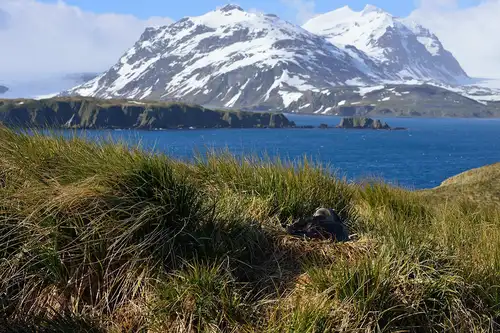
The Plants of Antarctica
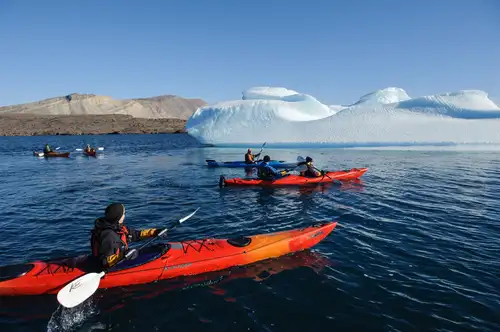
Greenland: Where the Kayak Was Invented
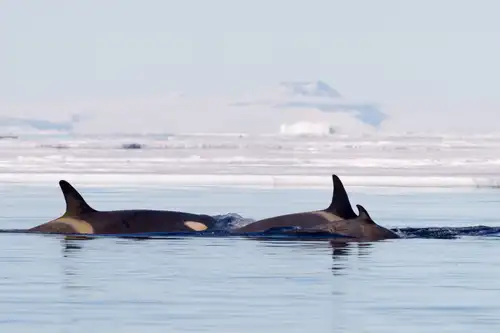
Antarctica’s first Marine Protected Area
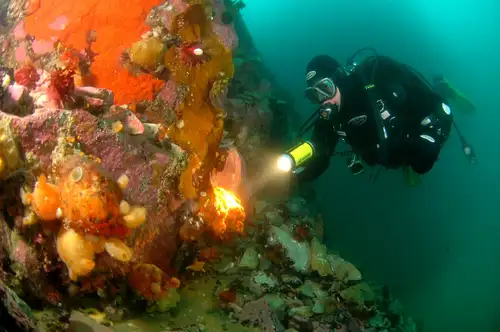
Diving in Antarctica: The Ultimate Underwater Experience
Top 10 Antarctic Attractions
Port Lockroy: History, Post Office, and Resident Penguins
An igneous paradise: Franklin Island
Shackleton’s Long-Lost Endurance Discovered in Antarctica
10 Terrific Antarctic Bird Facts
Tracking Greenland’s Wildlife from Space
Navigating by touch through the sea ice
The Small Mammals of the Arctic and Antarctica
Harp seals harping on in Greenland
Svalbard’s Texas Bar