10 Terrific Antarctic Bird Facts - Nexta Expeditions
10 Terrific Antarctic Bird Facts

10 Terrific Antarctic Bird Facts

Antarctica is a premier destination for birdwatching, boasting around 45 unique species. Describing them all would require an extensive article, so here we will focus on 10 fascinating facts about the birds you can encounter in Antarctica.
blog-image

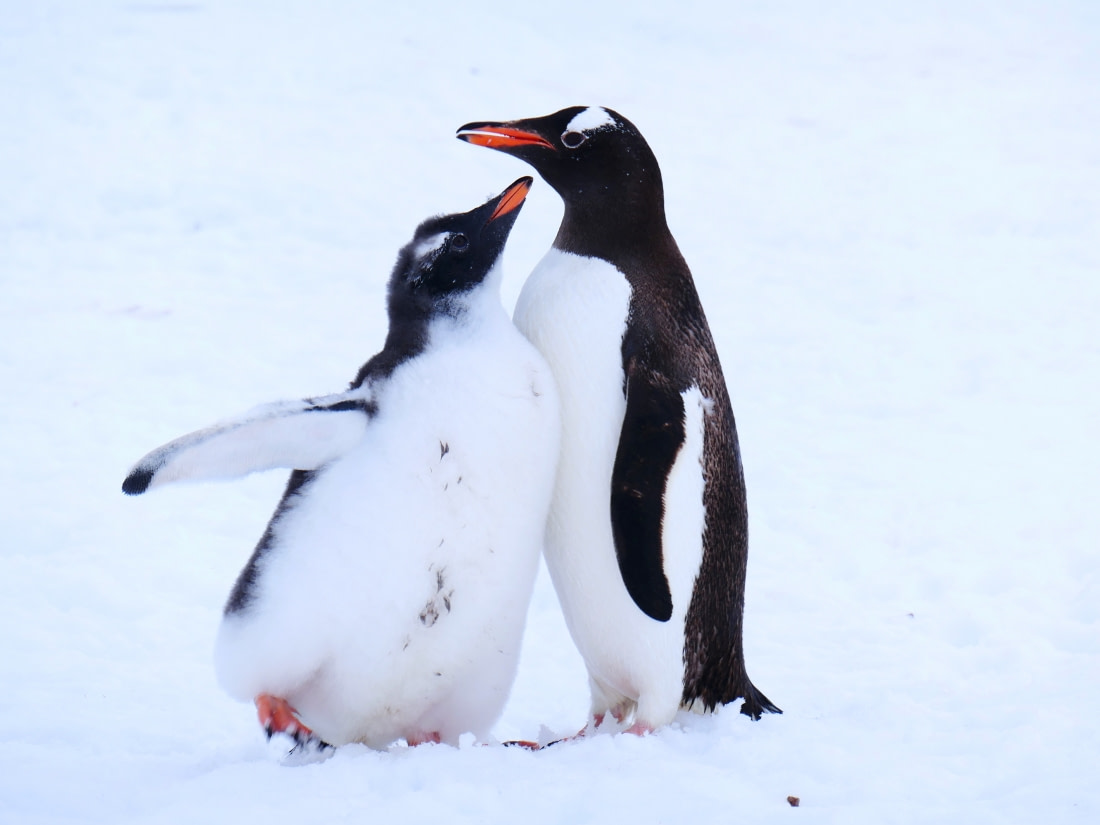
1. The name “penguin” is from two old Welsh names meaning “white head”

The ancient Welsh seafarers who named penguins were likely thinking of the flightless great auk (now extinct) of the North Atlantic, which had a white mark on its head. Most penguins actually have black heads. While great auks and some penguins can resemble one another, they are otherwise unrelated. The word comes from “pen,” meaning head, and “gwyn,” meaning white.

blog-image

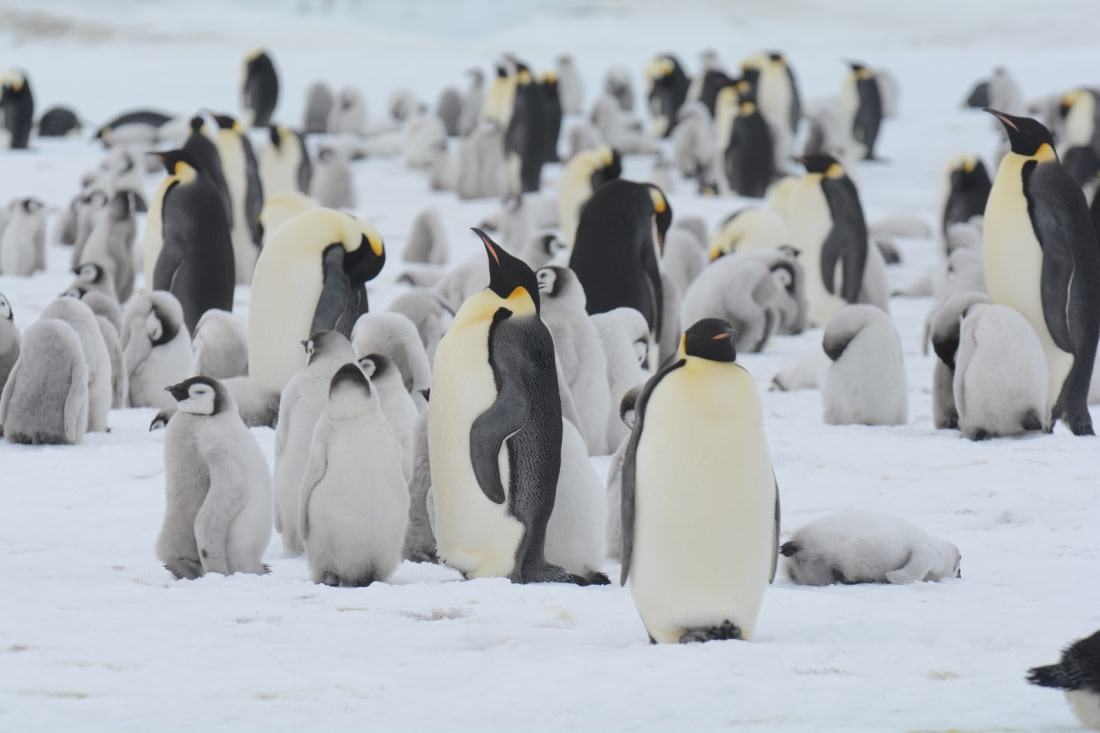
2. Emperor penguins have no nests

While standing on sea ice, emperor penguins incubate one egg on their webbed feet, holding it against their brood patch. The male emperor penguin also fasts for up to three months during the coldest part of the winter, taking full responsibility for the 65-day incubation.
blog-image

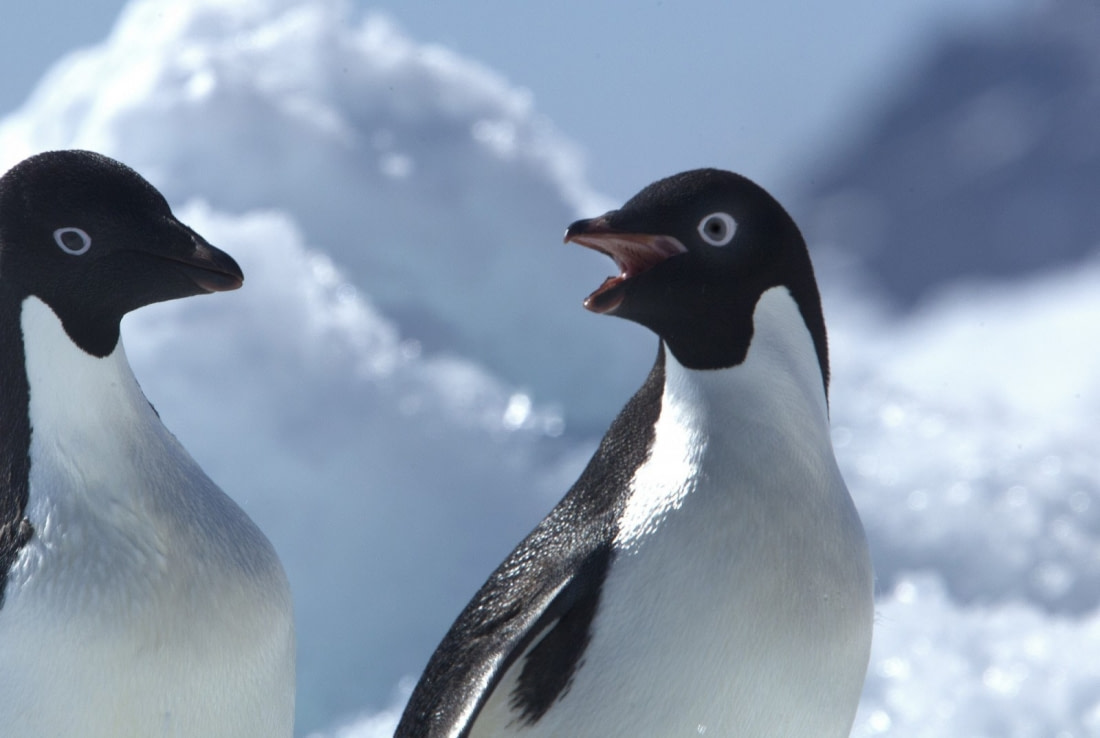
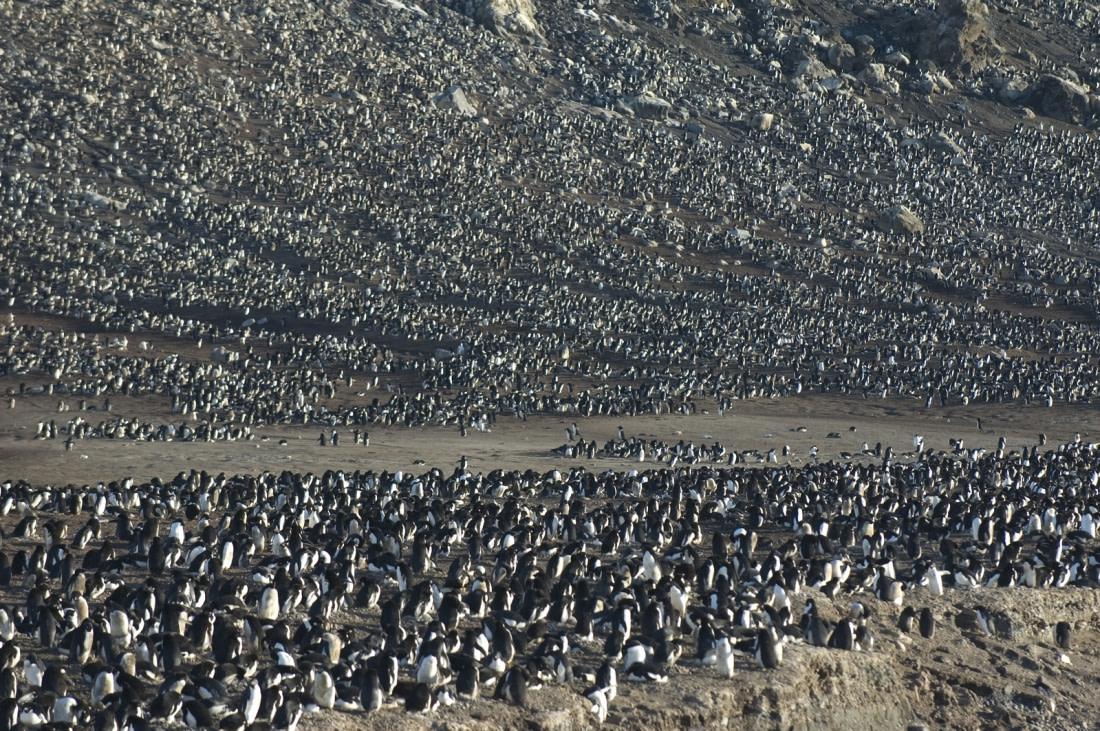
3. The Adélie is the most abundant (and studied) of all penguins

The male Adélie has a fasting period of up to seven weeks, during which he can lose nearly half of his body weight. The fast starts on his return to the rookery after he has spent winter among the pack ice. It continues through part of the incubation period, which he shares with his mate. The female Adélie penguin lays two eggs, which take about 35 days to hatch.
blog-image

4. Flipper bands are the only safe way to band penguins

Over 45,000 Adélies were flipper banded in a study by Johns Hopkins University biologists, which is one of the reasons this particular species is so well studied. Experts have to apply these bands, keeping aware that the flipper will double its width during the moult.
blog-image

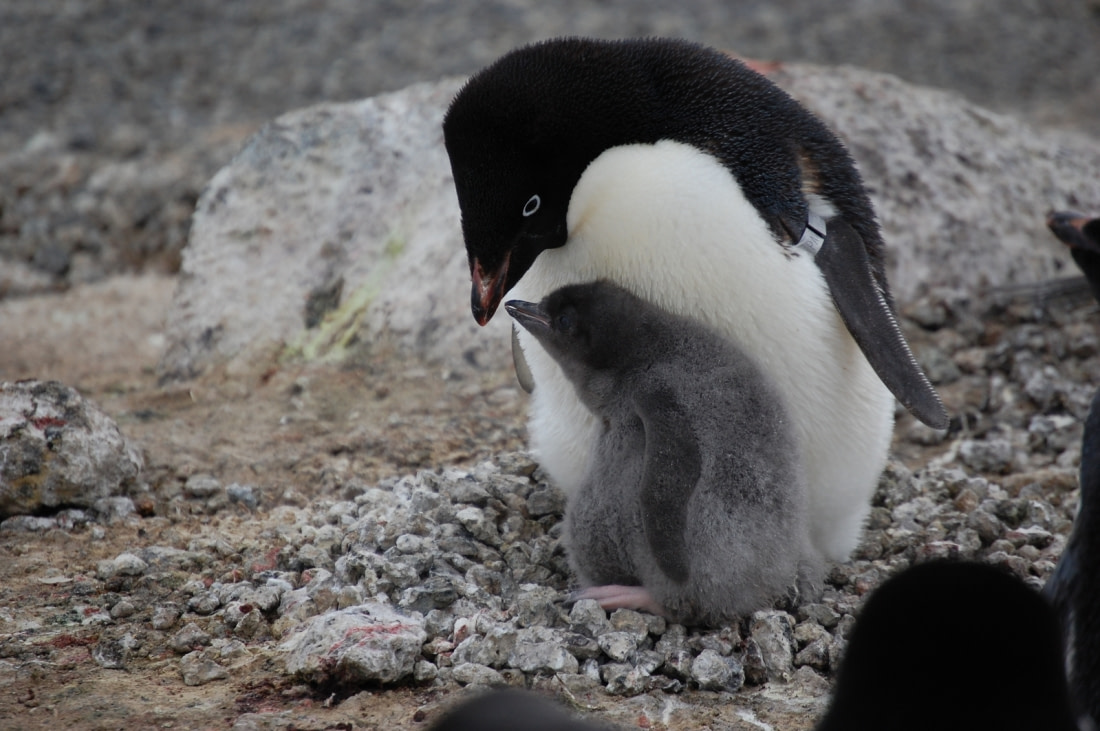
5. Penguins can recognize their chicks in crèches of 200 or more

Adélies feed their own chicks, no others. They recognize their young mostly by sound, as penguin chicks are virtually indistinguishable in appearance. This ability to use sound to locate their young is observed in many colonial seabirds.
blog-image

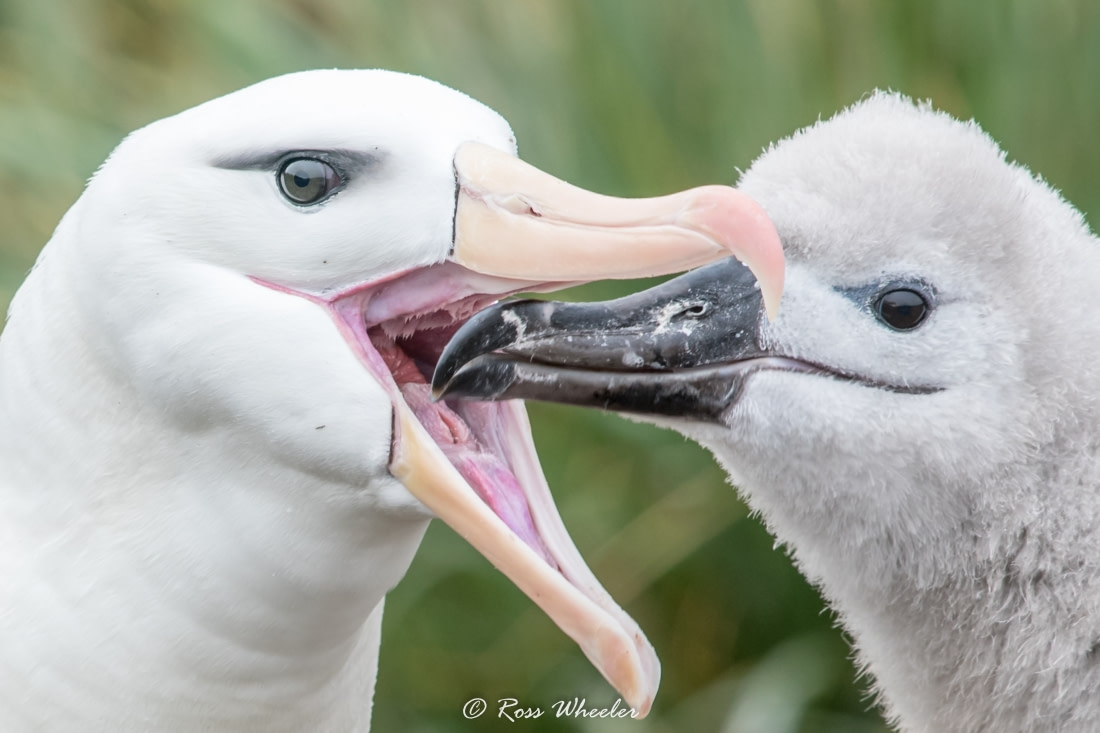
6. Egg laying is highly variable among Antarctic birds

Six species of albatrosses, 23 species of petrels, and the emperor penguin lay only one egg. Meanwhile, southern black-backed gulls, imperial shags, and sheathbills have large clutches and often lay three or occasionally four eggs.
blog-image

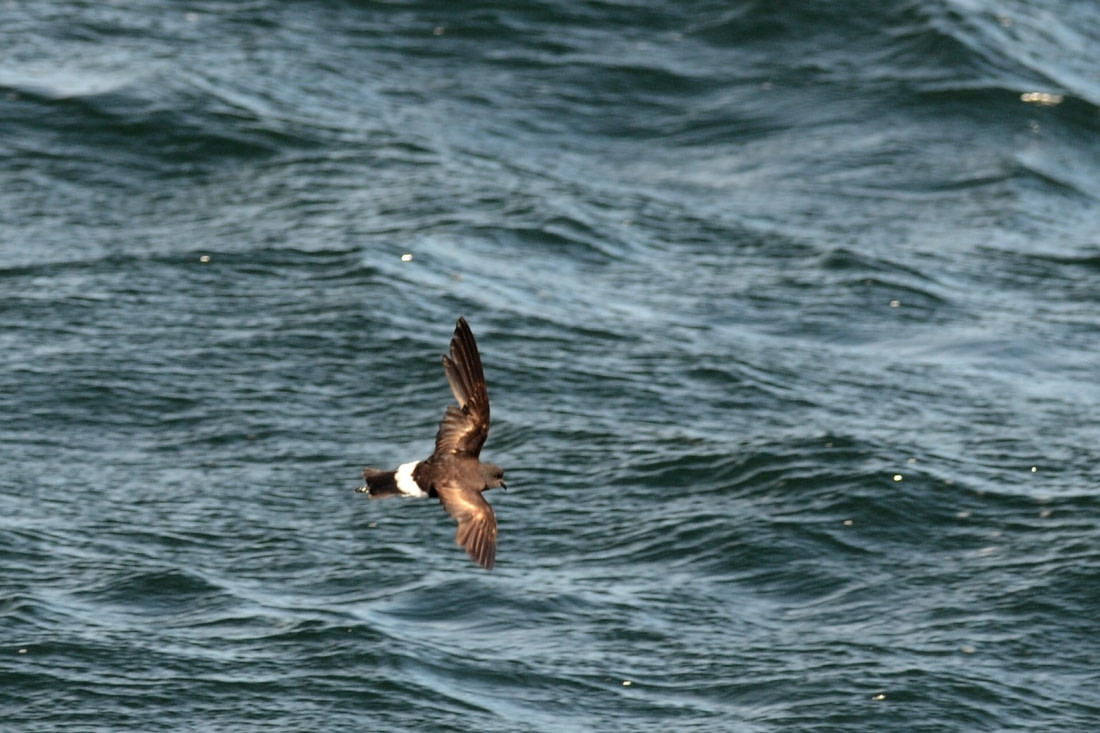
7. During migration to the Arctic, Antarctic birds are not just trading one cold location for another

It seems silly to migrate thousands of miles only to exchange one polar region for another, right? We might wonder why Antarctic birds do not choose a warmer area to justify all that traveling. But as it turns out, the polar regions have massive ecosystems that offer a lot of feeding options, especially when compared to more tropical locations. The Wilson’s storm petrel, for example, breeds only in Antarctica but migrates to the Northern Hemisphere in summer, taking advantage of the seasonal food increase there.
blog-image

8. The Arctic tern has the longest migration of any bird

Arctic terns make a round trip of up to 35,000 km (22,000 miles) each year, by consequence seeing more sunlight than any animal on Earth. That is a lot of flying over their roughly 29-year lifespan, as they are ready to fly about 21-24 days after birth.

blog-image

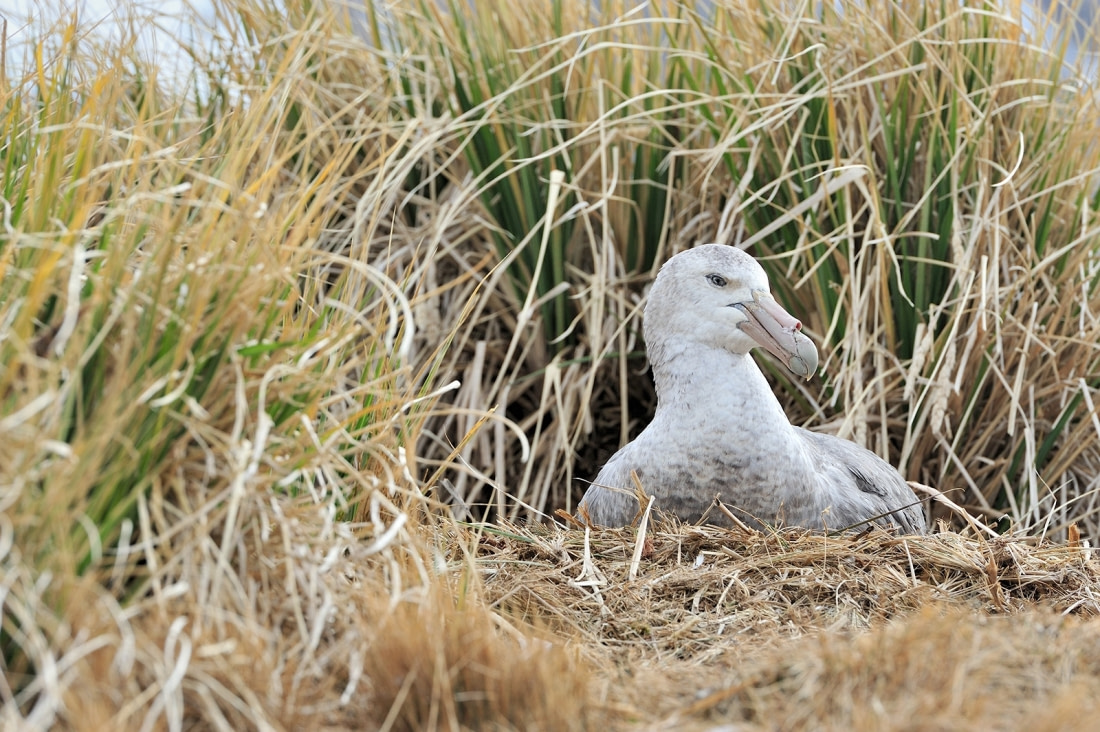
9. Giant petrels and wandering albatrosses circumnavigate the Southern Ocean

The giant petrel in particular soars in the west wind zone. Banding research has shown that the young do not return to their natal breeding places until at least six years old.
blog-image

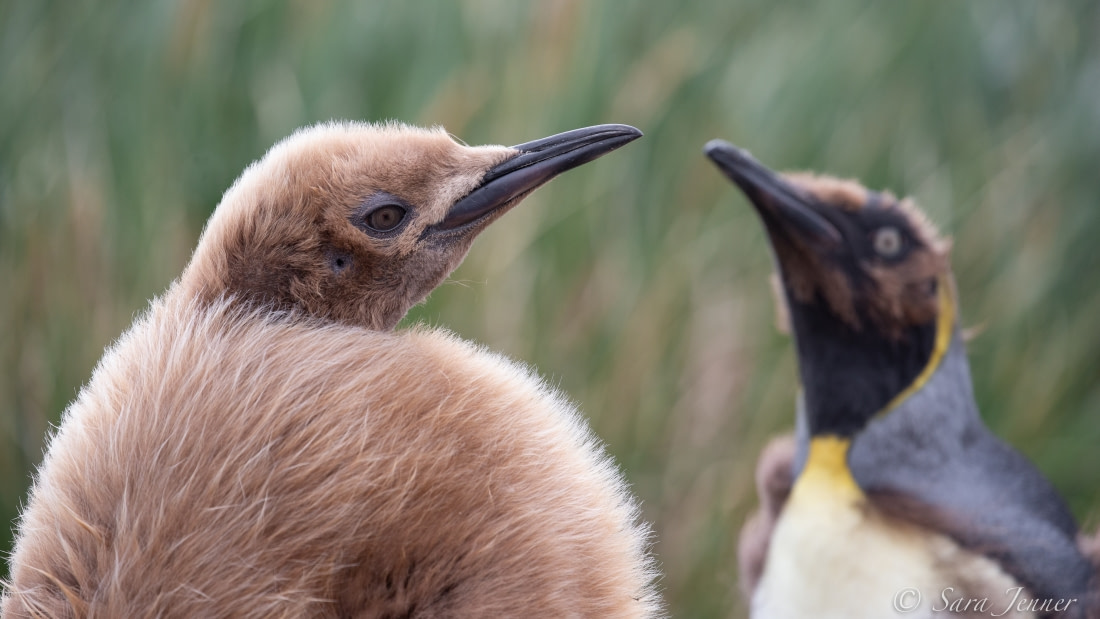
10. King penguin chicks were once thought to be a separate species than adults

The early European explorers who first saw king penguins and their chicks assumed they were a different species, and it is not hard to see why. King penguin juveniles have thick brown plumage, a stark contrast to the mostly gray adults. By early late spring or early summer, the king chicks fledge this down and begin to resemble adults.
blog-image

Check out our video on the Antarctic birds we most often see

Watch our expedition leader and resident bird expert, Martin Berg, discuss a few of the more common birds we see in on our trips to Antarctica. And if you are interested in seeing any of these birds for yourself (not to mention some of the most exotic landscapes on the planet), join us soon on one of our many Antarctic cruises!


Blog
go-leftgo-right

Northeast Greenland National Park - Nexta Expeditions
Blog

Northeast Greenland National Park

Northeast Greenland National Park is the world’s largest national park and the ninth largest protected area on Earth. It should come as little surprise, then, that it’s also bigger than most countries, covering an impressive 972,000 square km (375,300 square miles).
Two for the Snow: Polar Cruises for Couples - Nexta Expeditions
Blog

Two for the Snow: Polar Cruises for Couples

Do you know the old saying, “Cold hands, warm heart”? In our opinion, that bodes well for couples who visit the polar regions.
Wreck Diving in Antarctica - Nexta Expeditions
Blog

Wreck Diving in Antarctica

Scuba diving in Antarctica is an unparalleled adventure. Few places on Earth allow you to swim beneath icebergs and potentially encounter penguins or leopard seals. But the wonders of Antarctic diving don't end there.
Humpback Whales: the Stars of the Western Antarctic Peninsula - Nexta Expeditions
Blog

Humpback Whales: the Stars of the Western Antarctic Peninsula

The marine ecosystem of the West Antarctic Peninsula (WAP) stretches from the Bellingshausen Sea to the northern tip of the peninsula. This region includes the Antarctic Sea Ice Zone, a highly productive area that supports large populations of marine mammals, birds, and Antarctic krill. One of the highlights of this region, which you can observe on a whale-spotting Antarctica cruise, is the humpback whale.
Scenes from St. Andrews Bay:  12 Pics of Penguins, Seals, and More - Nexta Expeditions
Blog

Scenes from St. Andrews Bay: 12 Pics of Penguins, Seals, and More

If you ever find yourself exploring the breathtaking sub-Antarctic island chain of South Georgia, one of the most captivating spots you'll encounter is the picturesque shoreline of St. Andrews Bay.
The Emperor Penguin of the Drake Passage - Nexta Expeditions
Blog

The Emperor Penguin of the Drake Passage

There are certain moments in life when a series of events combine to create an experience that is both unexpected and unforgettable. These are the times when you are reminded how fortunate you are to be a part of something that few people will ever have the opportunity to experience. This trip to Antarctica was full of these moments for me.
Arctic Foxes: Constant Gardeners of the Arctic - Nexta Expeditions
Blog

Arctic Foxes: Constant Gardeners of the Arctic

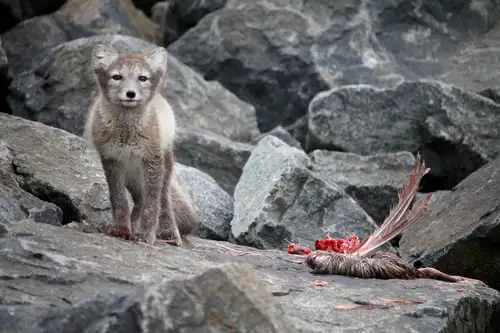
Given how widespread their habitat is, it is little wonder that Arctic foxes are one of the animals we most often see during our Greenland and Svalbard expeditions. The Arctic fox is a circumpolar species whose feeding grounds include North America, Eurasia, even Iceland, ranging from nearly the North Pole all the way down to the sub-Arctic islands.
Orcas (aka Killer Whales) of Antarctica and the sub-Antarctic - Nexta Expeditions
Blog

Orcas (aka Killer Whales) of Antarctica and the sub-Antarctic

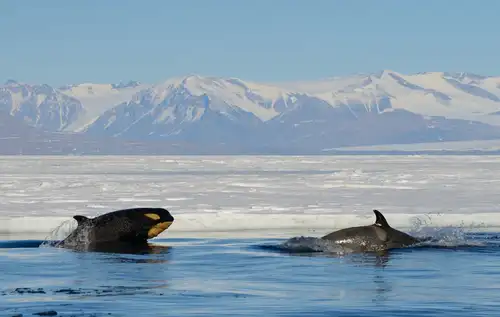
Orcas are highly social and intelligent members of the dolphin family Delphinidae. They are sometimes referred to as killer whales, though this name has somewhat fallen out of fashion due to inaccurately characterizing orcas as ferocious predators.
The Enchanting Islands of Svalbard - Nexta Expeditions
Blog

The Enchanting Islands of Svalbard

Svalbard is an Arctic archipelago situated between the North Pole and the Norwegian mainland, offering visitors some of the most stunning wildlife and landscapes in the world. Here we explore seven of the most visited Svalbard islands, highlighting the many wonders that draw people back year after year.
Spitsbergen: Alkefjellet magic - Nexta Expeditions
Blog

Spitsbergen: Alkefjellet magic

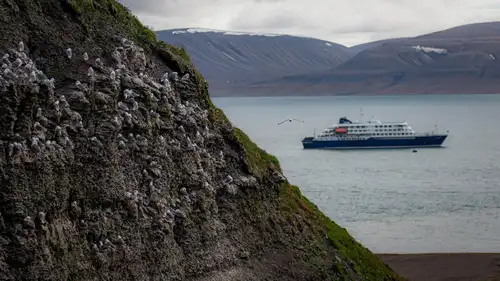
If they knew their way home, why not follow them? Equipped with GPS and compass, we approached the cliffs by zodiac. First, we heard the noise from the colony – the distinct calls of guillemots, kittiwakes, and Glaucous gulls. Then the cliffs gradually emerged from the mist.
The Most Enchanting Antarctica Cruise Islands - Nexta Expeditions
Blog

The Most Enchanting Antarctica Cruise Islands

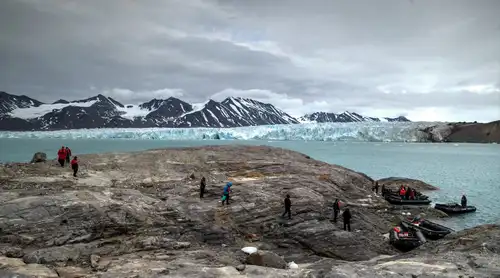
Whether it’s Greenland in the Arctic or Snow Hill Island in Antarctica, the bulk of our polar expeditions take place around, between, and upon islands.
Circumnavigating Spitsbergen - Nexta Expeditions
Blog

Circumnavigating Spitsbergen

Many of our expedition cruises focus on specific areas of the Arctic or Antarctica, delving deep into local wildlife and other natural highlights. However, some programs aim to provide a broader survey, visiting a variety of sites to offer guests a wider perspective.
Penguin Wisdom: Life Lessons from Our Favorite Flightless Birds - Nexta Expeditions
Blog

Penguin Wisdom: Life Lessons from Our Favorite Flightless Birds

As enthusiasts of wildlife travel, we believe every creature has something valuable to impart - from the grand blue whale to the tiny cephalopod, the formidable polar bear to the elusive Arctic fox.
Shackleton’s Long-Lost Endurance Discovered in Antarctica - Nexta Expeditions

Blog

Shackleton’s Long-Lost Endurance Discovered in Antarctica

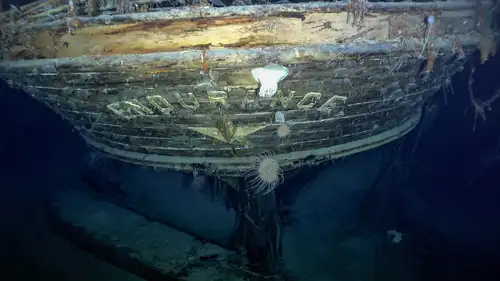
A discovery expedition launched by the Falklands Maritime Heritage Trust achieved a long-awaited mission when it located Anglo-Irish explorer Ernest Shackleton’s lost ship Endurance last Saturday (March 5).
Earth vs. Mars: Polar Regions Compared - Nexta Expeditions
Blog

Earth vs. Mars: Polar Regions Compared

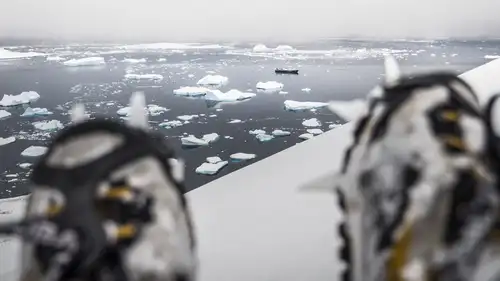
It’s well-known that Mars, like Earth, has its own polar regions, often referred to as the Martian ice caps. These regions, similar to Earth's, are situated at the north and south poles and experience much lower temperatures compared to the areas in-between.
Arctic and Antarctic Basecamp Cruises – Choose Your Own Adventure - Nexta Expeditions
Blog

Arctic and Antarctic Basecamp Cruises – Choose Your Own Adventure

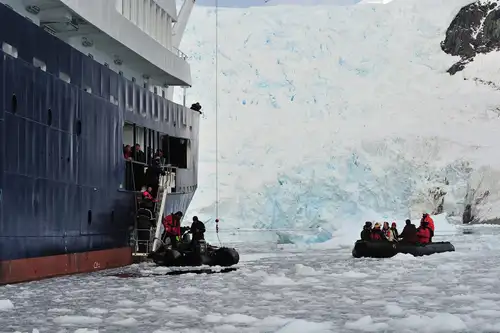
There’s an astonishing variety of activities to choose from when planning an Arctic trip or Antarctic cruise, which can be a bit overwhelming. How do you choose just one voyage over another when you want to experience everything? Happily, you don’t have to give up one activity for another. Basecamp cruises have you covered.
Science of the Ross Ice Shelf - Nexta Expeditions
Blog

Science of the Ross Ice Shelf

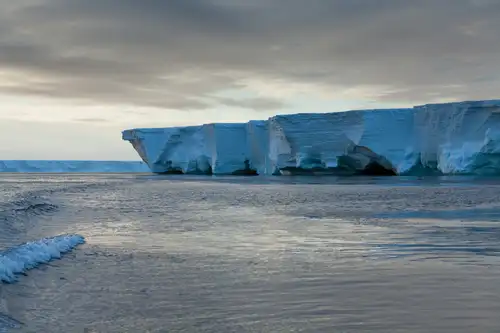
Antarctica’s Ross Ice Shelf is vast, spanning 487,000 sq. km – comparable to the size of France – with a thickness that varies from a few hundred meters near the sea to over 1,200 meters away from the floating edge. The edge along the Ross Sea forms a towering ice wall, rising up to 50 meters above the water, with most of the ice submerged below the waterline.
Antarctica in Pictures: Photos from 2018 - Nexta Expeditions
Blog

Antarctica in Pictures: Photos from 2018

Pictures can never truly capture the essence of an experience, and this is especially true for the breathtaking adventures in Antarctica.
Seven Sublime Antarctic Bays - Nexta Expeditions
Blog

Seven Sublime Antarctic Bays

Antarctica is renowned for its glaciers, icebergs, and panoramic colonies of penguins. However, less known are the stunning crystal-clear bays that dot the Great White Continent, many of which are explored on our Antarctica cruise routes.
Polar Amore: 14 Wildlife Pics to Warm up Your Valentine’s Day - Nexta Expeditions
Blog

Polar Amore: 14 Wildlife Pics to Warm up Your Valentine’s Day

Antarctica is renowned for its glaciers, icebergs, and panoramic colonies of penguins. However, less known are the stunning crystal-clear bays that dot the Great White Continent, many of which are explored on our Antarctica cruise routes.