



Pictures can never truly capture the essence of an experience, and this is especially true for the breathtaking adventures in Antarctica.
As we approach the end of another year, we invite you to join us in celebrating the stunning beauty of Antarctica through this curated collection of photographs from our 2018 expeditions.
We hope these images inspire you until the day you can experience one of these trips yourself.
1. The seabirds of the Drake Passage

2. Wilhelmina Bay whale spouts

3. Antarctic kayaking at Waterboat Point

4. A posing chinstrap penguin at Whalers Bay

5. Taking a scenic stop at Skontorp Cove

6. Jougla Point glacier-side hikes

7. A humpback whale at Orne Harbor

8. Cruising the Antarctic ice pack of Crystal Sound

9. The life of a lounging leopard seal

10. Curious gentoo penguins at Cuverville Island

11. Leaping Lemaire Channel crabeater seals

12. A cackling crabeater seal

13. Snowshoeing at Antarctica's Brown Station

14. An argument between elephant seals

15. Overworked gentoo chicks

16. Spelling out Antarctica - any way possible

17. Ortelius in the fog of Maxwell Bay

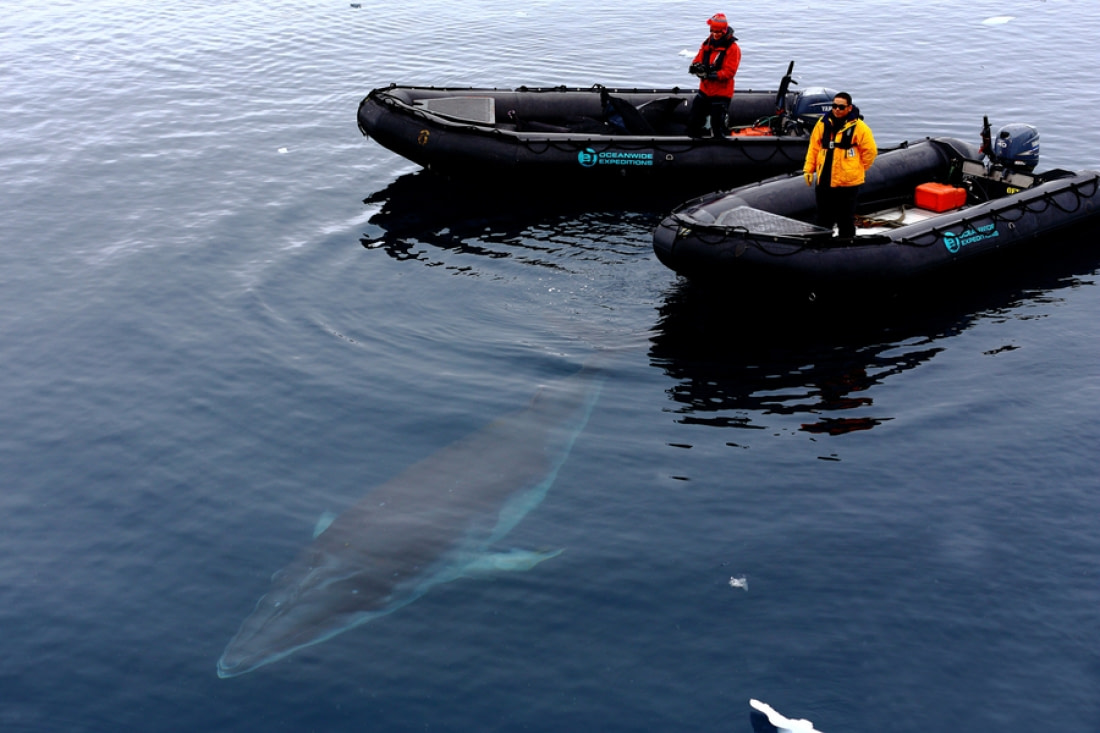
18. Marveling at a minke whale
19. A gliding black-browed albatross

20. Special vows in a special place

21. Camping under the skies of Antarctica

22. A wandering albatross over Antarctic waves

23. Antarctica-style shoreline strolls

24. Deception Island deep dive

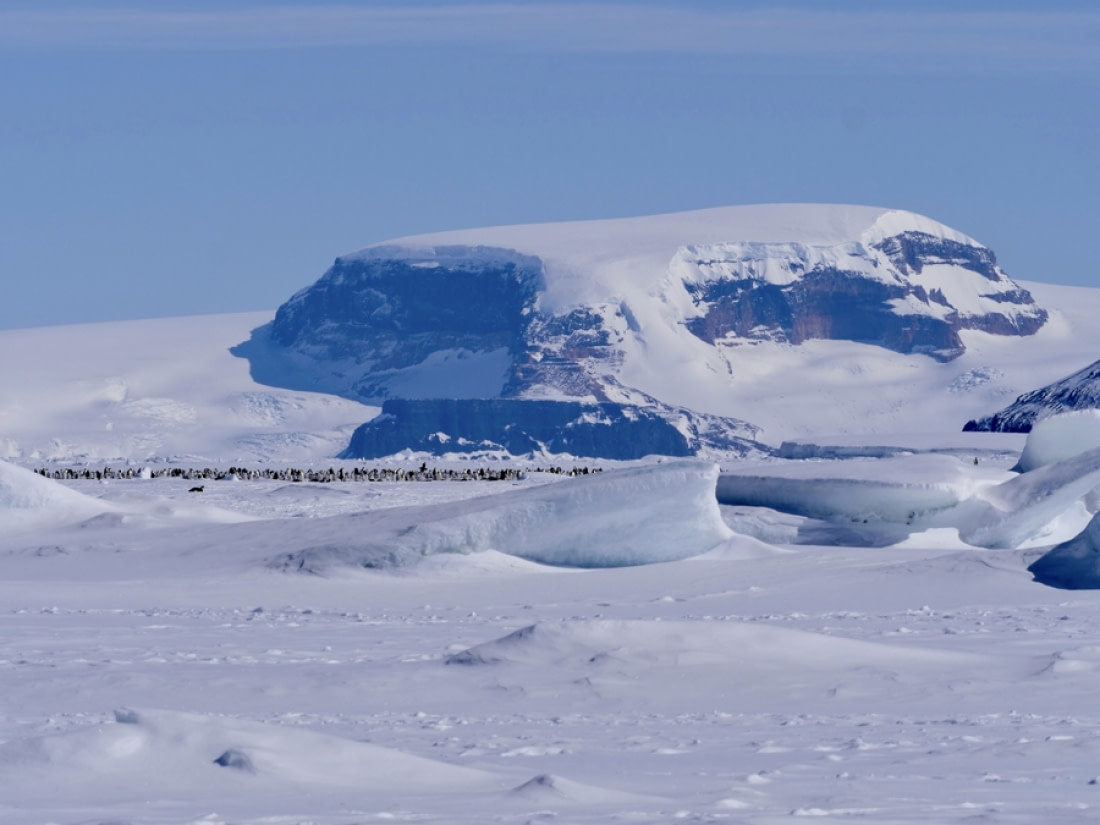
25. The emperor penguins of Snow Hill Island


Blog


Blog
Freshwater ecosystems in the Arctic
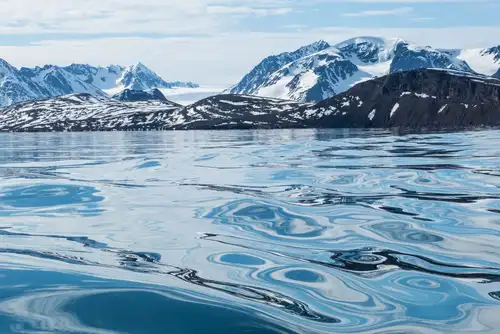
The Arctic, surprisingly, hosts a rich and varied array of freshwater ecosystems, including lakes, ponds, rivers, streams, deltas, and wetlands. Some of the world's largest rivers and deltas, such as the Lena, Ob, and Yenisei, are found in this region.
Blog
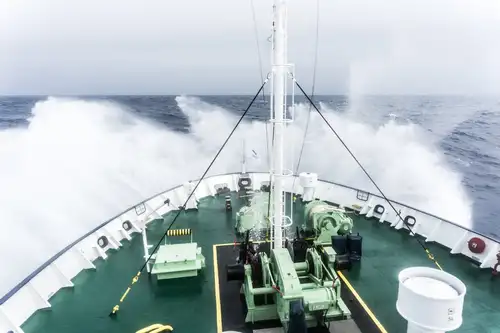
What to Expect When Crossing the Drake Passage
Positioned between the southern tail of South America and the Antarctic Peninsula's north-sweeping arm is a lively little waterway known as the Drake Passage.
Blog
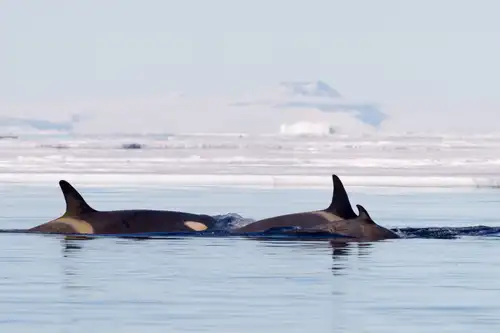
Antarctica’s first Marine Protected Area
In October of this year, the Commission for the Conservation of Antarctic Marine Living Resources, which includes 24 countries such as the United States, the European Union, Australia, and New Zealand, reached a consensus on a New Zealand/United States proposal to establish a large-scale Marine Protected Area (MPA) in the Ross Sea region.
Blog
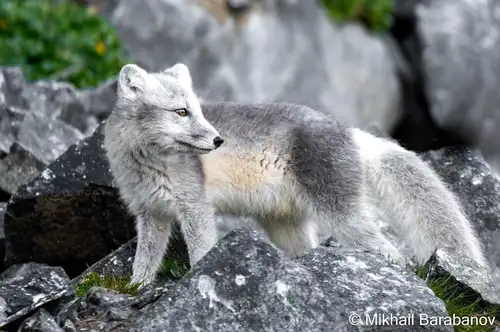
The Small Mammals of the Arctic and Antarctica
As Lillian Gish says in Night of the Hunter, âItâs a hard world for little things.â
Blog
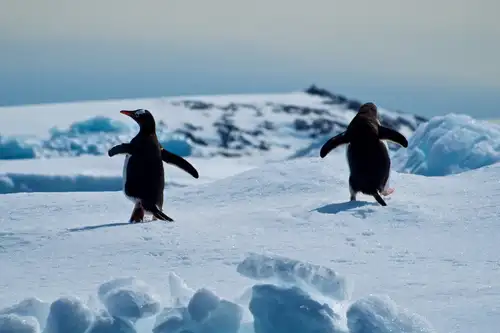
Eight Ultimate Antarctica Adventures
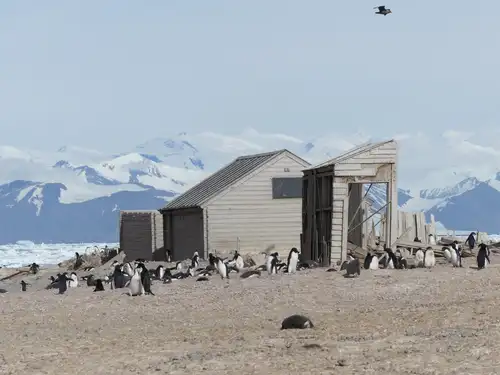
Antarctica has adventure in its bones. Long before most travelers even reach the continent, they have to cross the Drake Passage, an oft-tumultuous waterway considered by many a hallmark of high adventure in itself. Once you do reach the Antarctic shores, the variations of landscape and wildlife are as multiform as the activities you can pursue there. While not all of these activities can or should be shoehorned into a single article, this piece will give you a survey of the top eight. Like everything in the polar regions, these activities are subject to weather conditions â and your own threshold for adventure.
Blog
The First Buildings in Antarctica: Borchgrevink’s Historic Huts
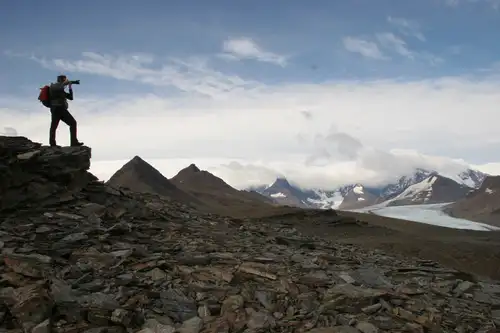
Borchgrevinkâs huts at Cape Adare hold a significant place in Antarctic history, being the first structures ever built on the continent.
Blog
Hondius Photography and Video Workshops
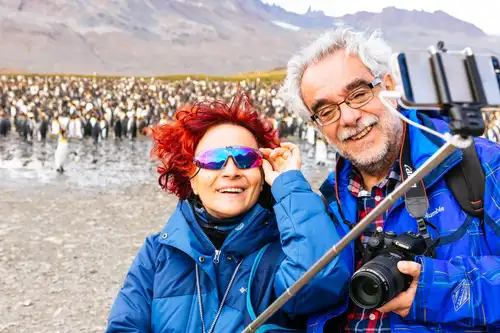
Thereâs no shortage of great things to say about a Hondius expedition cruise, but among the best are the free video and photography workshops offered during some of this shipâs voyages. These informative, interactive, highly useful supplements allow you to not only capture your memories in the best way possible but also make your friends back home maddeningly jealous.
Blog
Two for the Snow: Polar Cruises for Couples
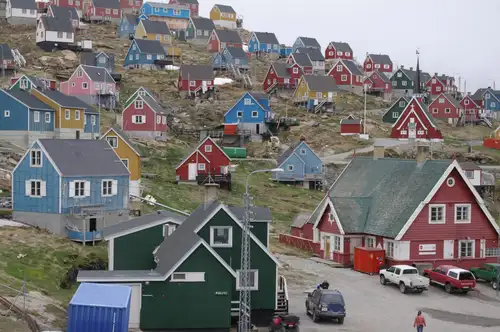
Do you know the old saying, âCold hands, warm heartâ? In our opinion, that bodes well for couples who visit the polar regions.
Blog
10 Traits of Post-Ice-Age Greenland
Grasses, sedges, and other species of heath were the first arrivals, and are still commonly found in Greenland. Scientists have been able to work out how plants colonised Greenland by examining ancient pollen samples found in deposits at the bottom of lakes: Dwarf birch came to western Greenland around 9,000 years ago, and around 4,500 years ago â roughly the same time humans were first boating onto Greenland shores â green alders were taking up residence there.
Blog
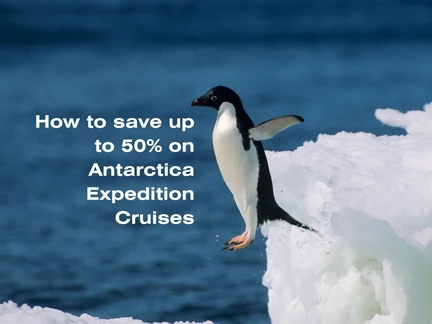
Cheapest Antarctica Cruises: How to Save on Your Journey
Antarctica, the world’s most remote and pristine continent, is often seen as a destination reserved for luxury travelers. However, affordable options do exist, making this dream journey accessible to more adventurers. With careful planning and the right provider, like Nexta Expeditions, you can explore the icy wilderness without breaking the bank. This guide will show you how to save on your Antarctic cruise while still enjoying a high-quality experience.
Blog
Birding Opportunities Abound in Spitsbergen
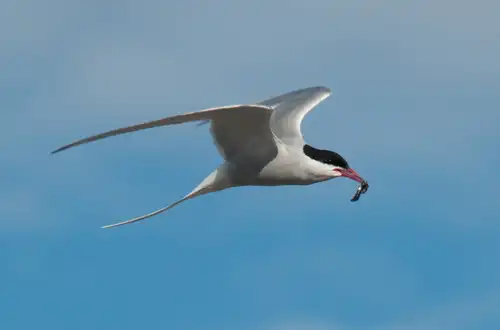
Seabirds are the most prevalent type of bird in Spitsbergen. Experts have estimated that there are 164 bird species that have been found throughout Spitsbergen at various points during recent history, but only 30 of them are known to turn to the Svalbard Islands as their primary breeding spot.
Blog
Antarctic Explorer’s Voyage
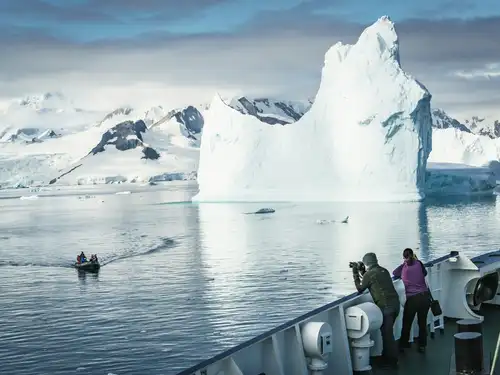
Thereâs off the beaten track, and then thereâs really off the beaten track.
Blog
The bio-richness of the Ross Sea
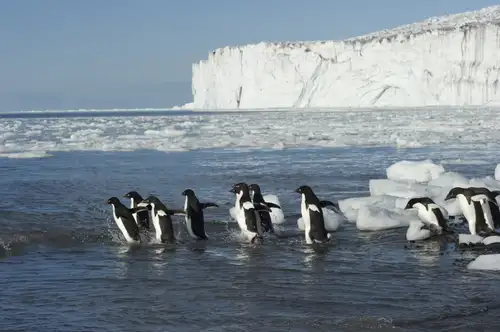
The Ross Sea is one of the most stunning and untouched marine areas globally. This sea, which remains frozen for most of the year, spans 3.6 million square kilometers (1.4 million square miles) along the Antarctic coast south of New Zealand. Its waters harbor a biologically diverse ecosystem of species that have flourished, unchanged, for millennia.
Blog
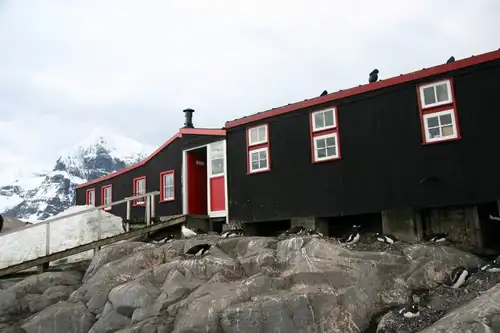
Port Lockroy: History, Post Office, and Resident Penguins
Sometimes itâs easy to get caught up in the stunning coastlines, fjords, and other natural wonders of Antarctica, overlooking the man-made attractions nestled in between.
Blog
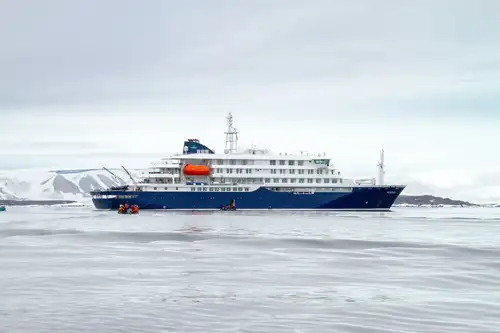
Seven Tips to Get the Most out of Your Expedition Cruise
Polar cruises are easy to enjoy, but thereâs an art to getting the most out of them.
Blog
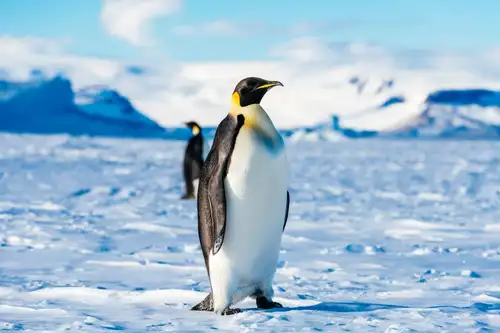
Penguins, Petrels, and Prions: Top Antarctica Bird Tour Spots
If anyone tells you Antarctica is for the birds, theyâre right.
Blog
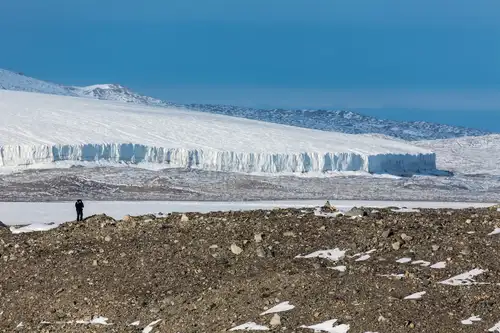
The Secret Life of Glaciers: How They Form, Move, and Melt
One of the most awe-inspiring natural wonders you can witness on an Arctic or Antarctic expedition is glaciers. These immense ice formations have been gradually moving from the mountains to the oceans for countless years, acting as both time capsules and indicators of our rapidly changing environment.
Blog
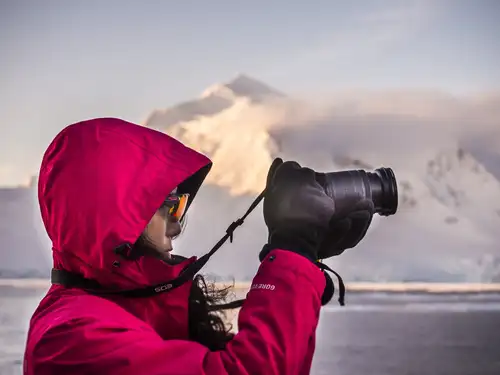
12 photo tips to make better pictures on your Antarctica cruise
During your trip in the Arctic or Antarctic cruise you and your camera equipment will be exposed to a variety of challenging conditions. Be careful with your equipment and protect it from the salty spray when in Zodiacs, on a beach, or on deck. Salt water and electronics is not a good mix!
Blog
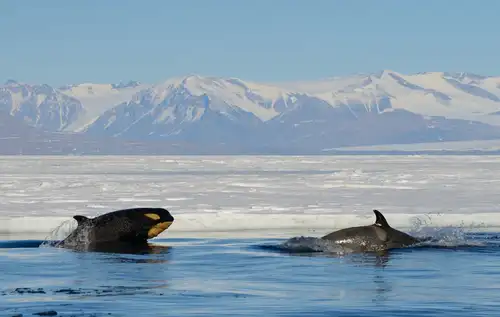
Orcas (aka Killer Whales) of Antarctica and the sub-Antarctic
Orcas are highly social and intelligent members of the dolphin family Delphinidae. They are sometimes referred to as killer whales, though this name has somewhat fallen out of fashion due to inaccurately characterizing orcas as ferocious predators.
Blog
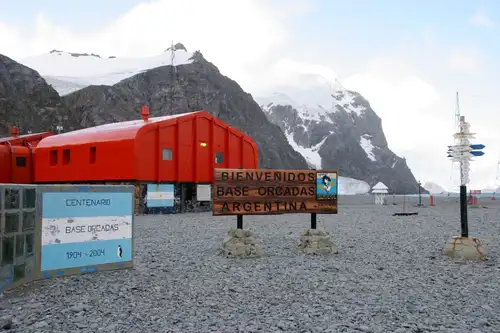
A Look Into the International Research Stations of Antarctica
In 1902, William S. Bruce, along with a team of naturalists, explorers, and sailors, embarked on the first Scottish expedition to Antarcticaâs South Pole aboard the Scotia. The Scottish National Antarctic Expedition (SNAE) aimed to establish the continent's first meteorological station and explore its largely undocumented biological, topographic, and meteorological features.