



 10 July 2027 - 19 Jul 2027
 10 Days/9 Nights
 Longyearbyen - Longyearbyen








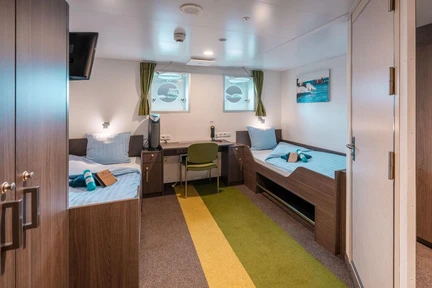
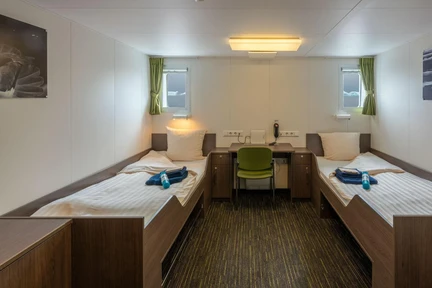


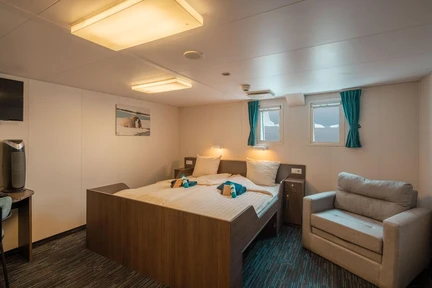
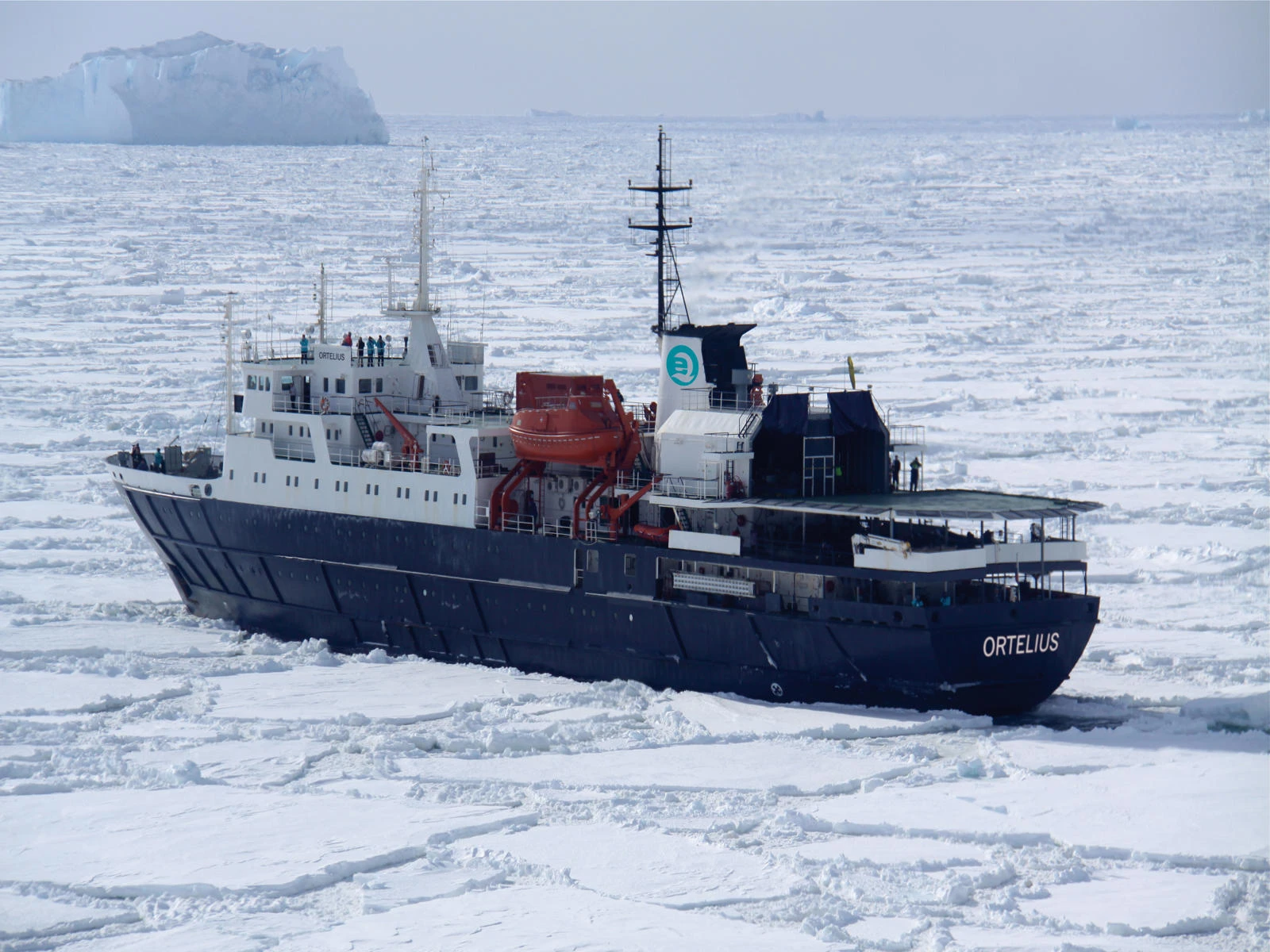
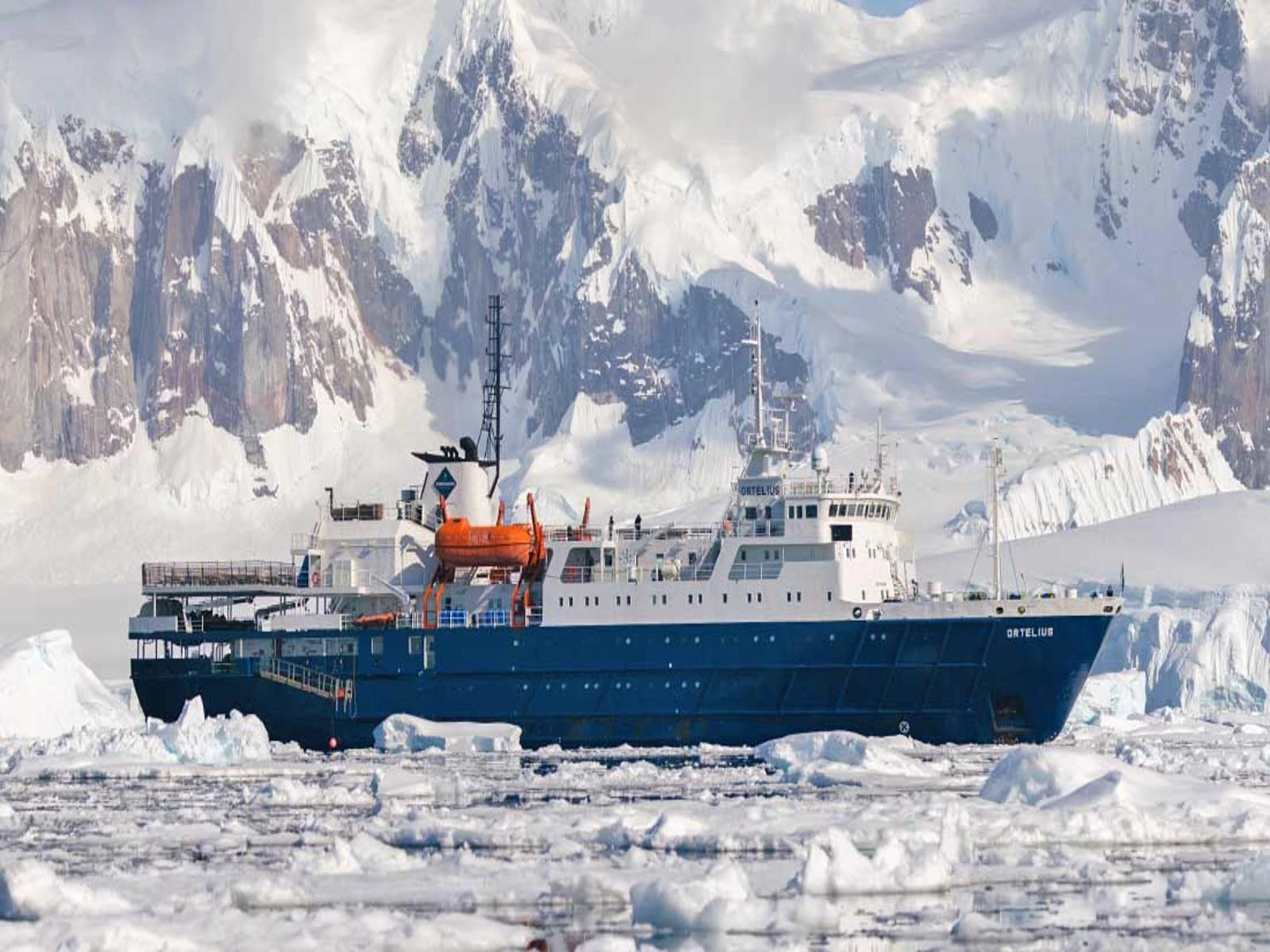
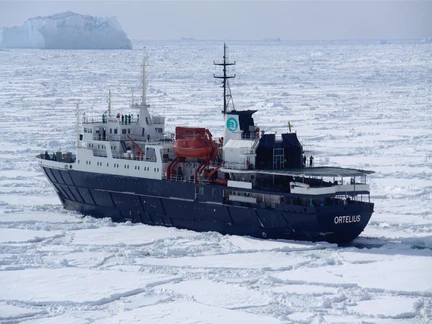
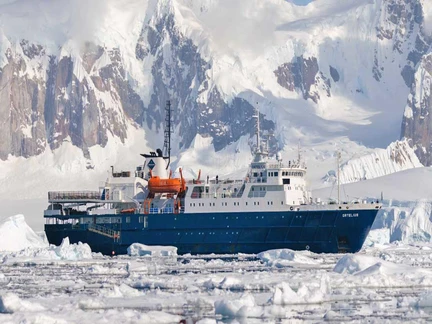
m/v Ortelius
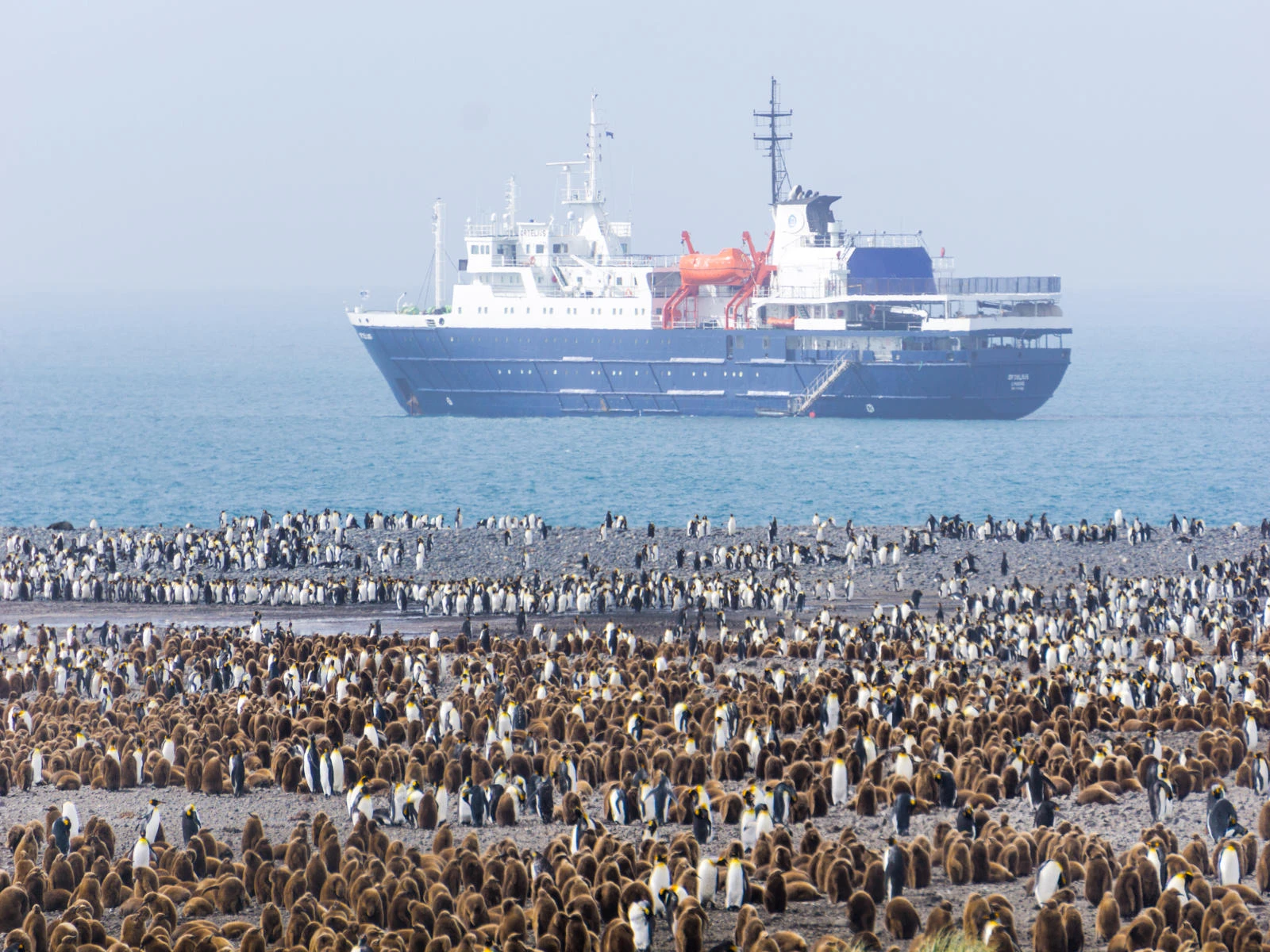
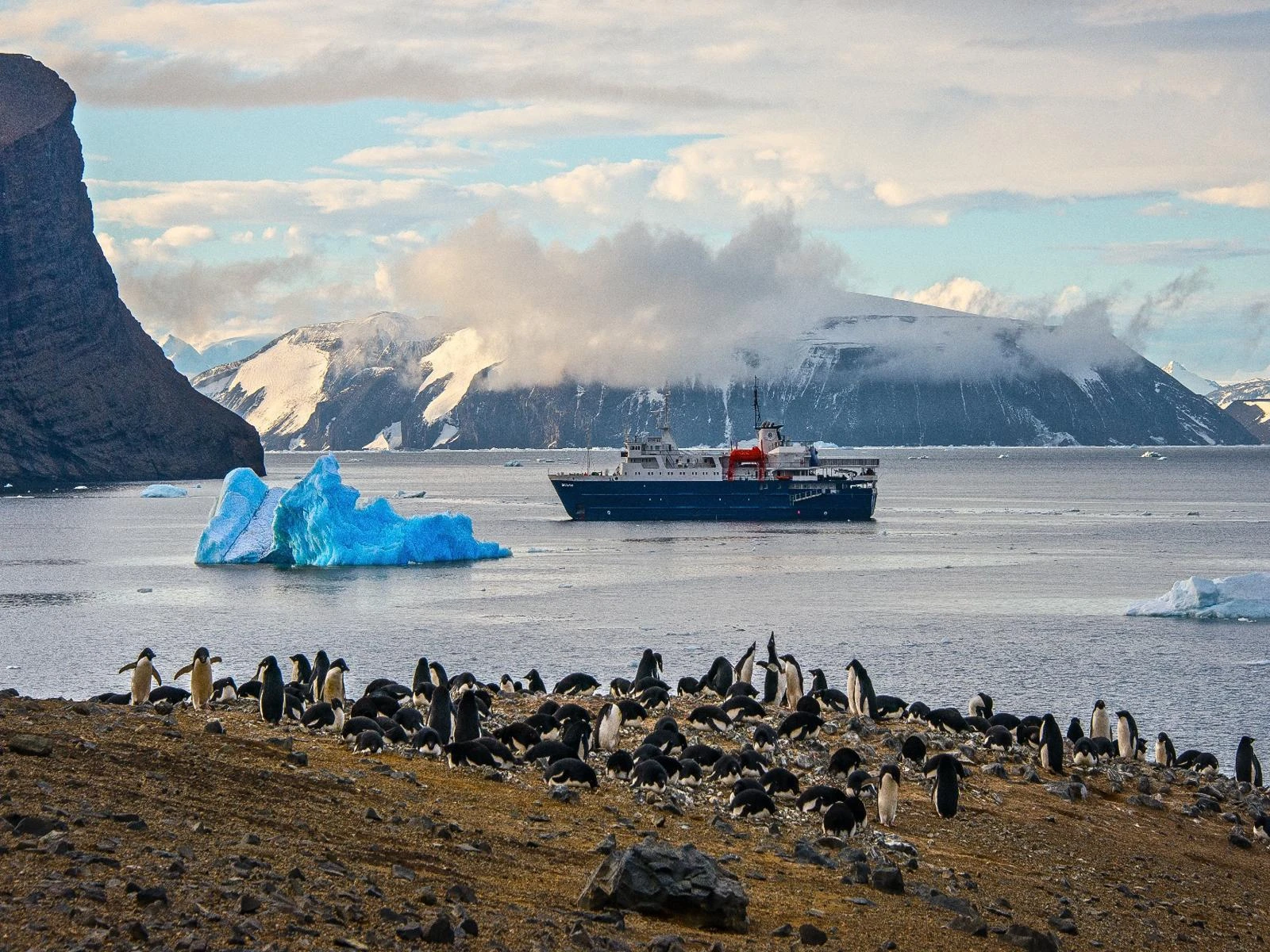
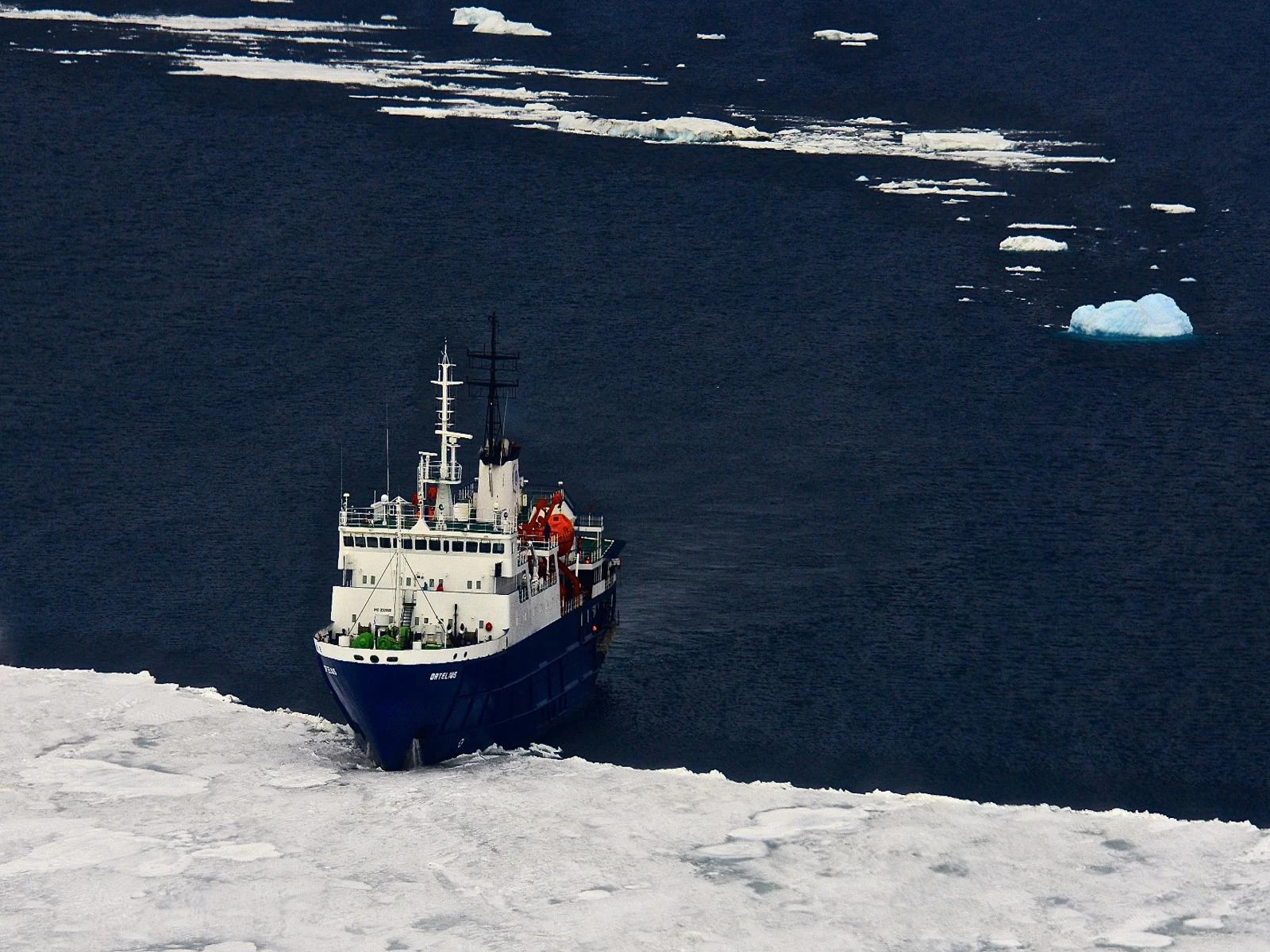
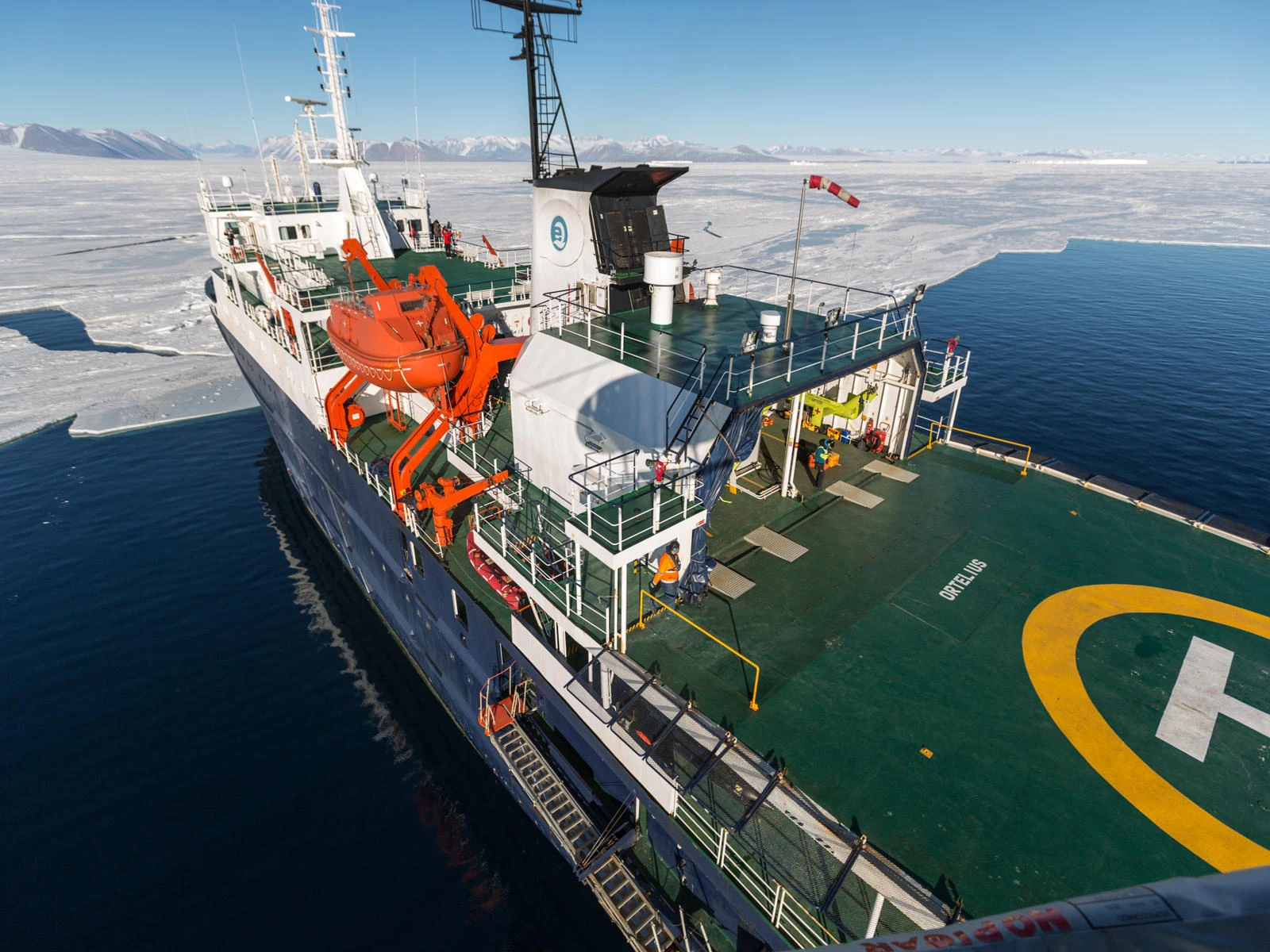
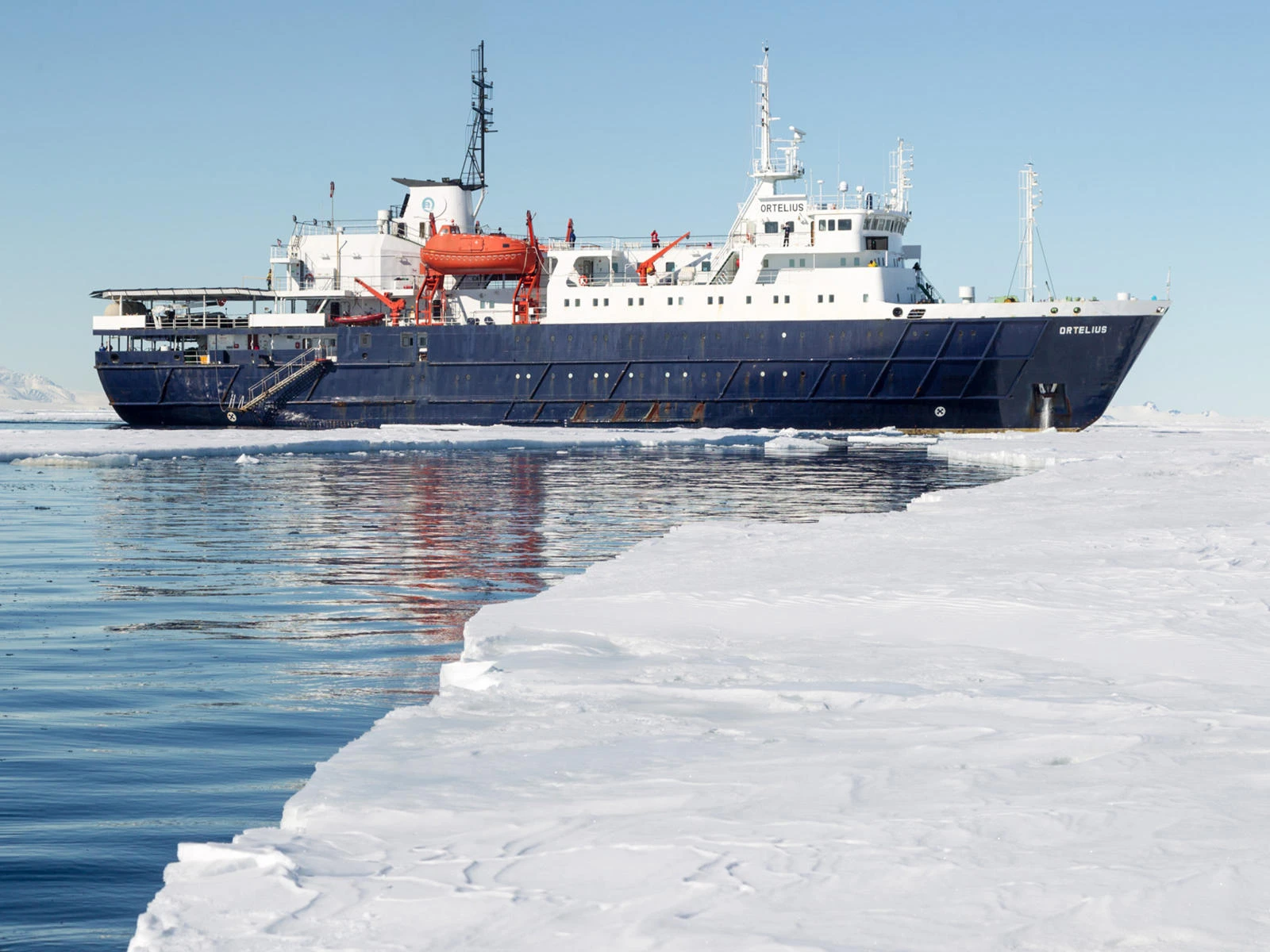
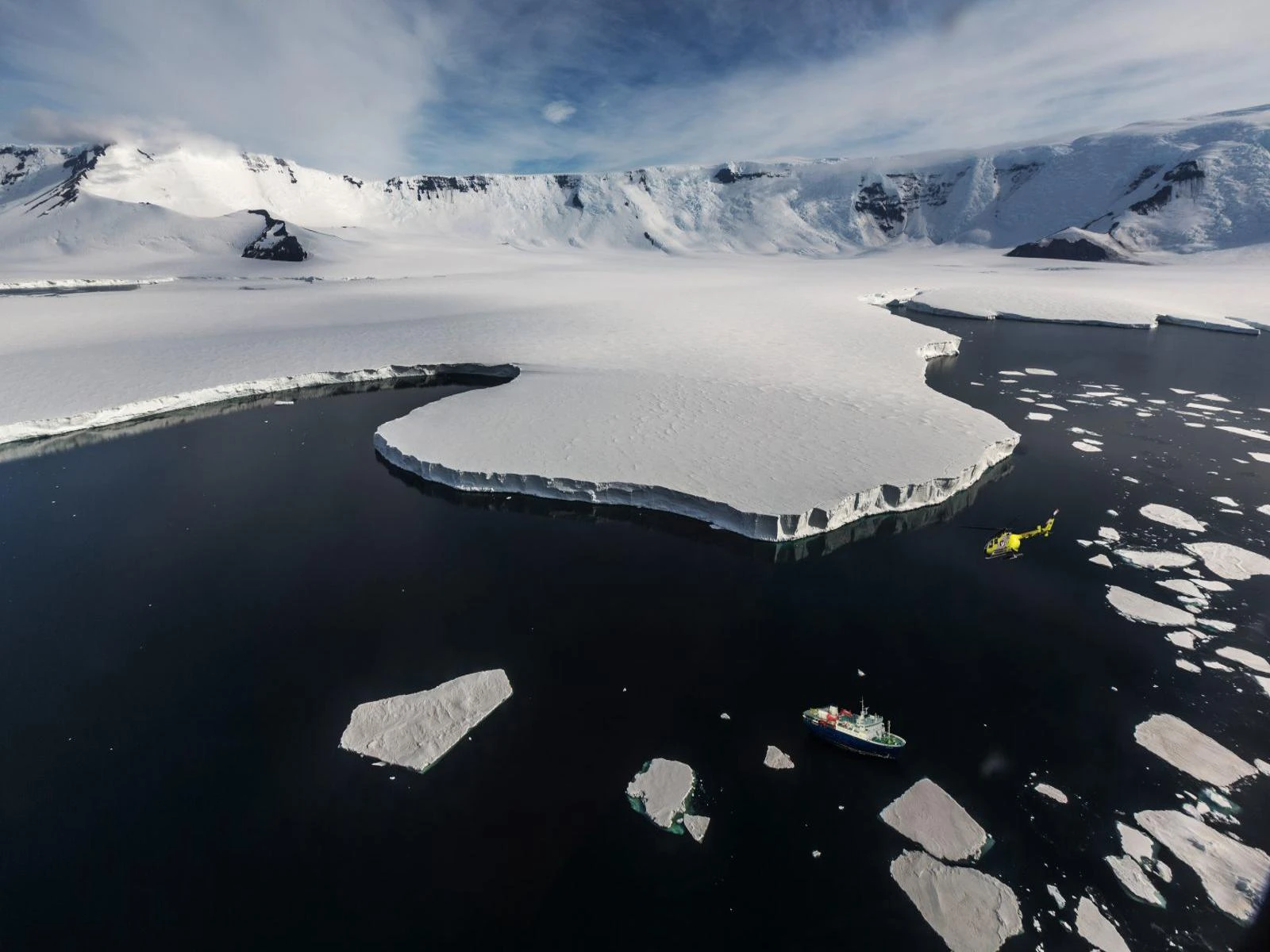
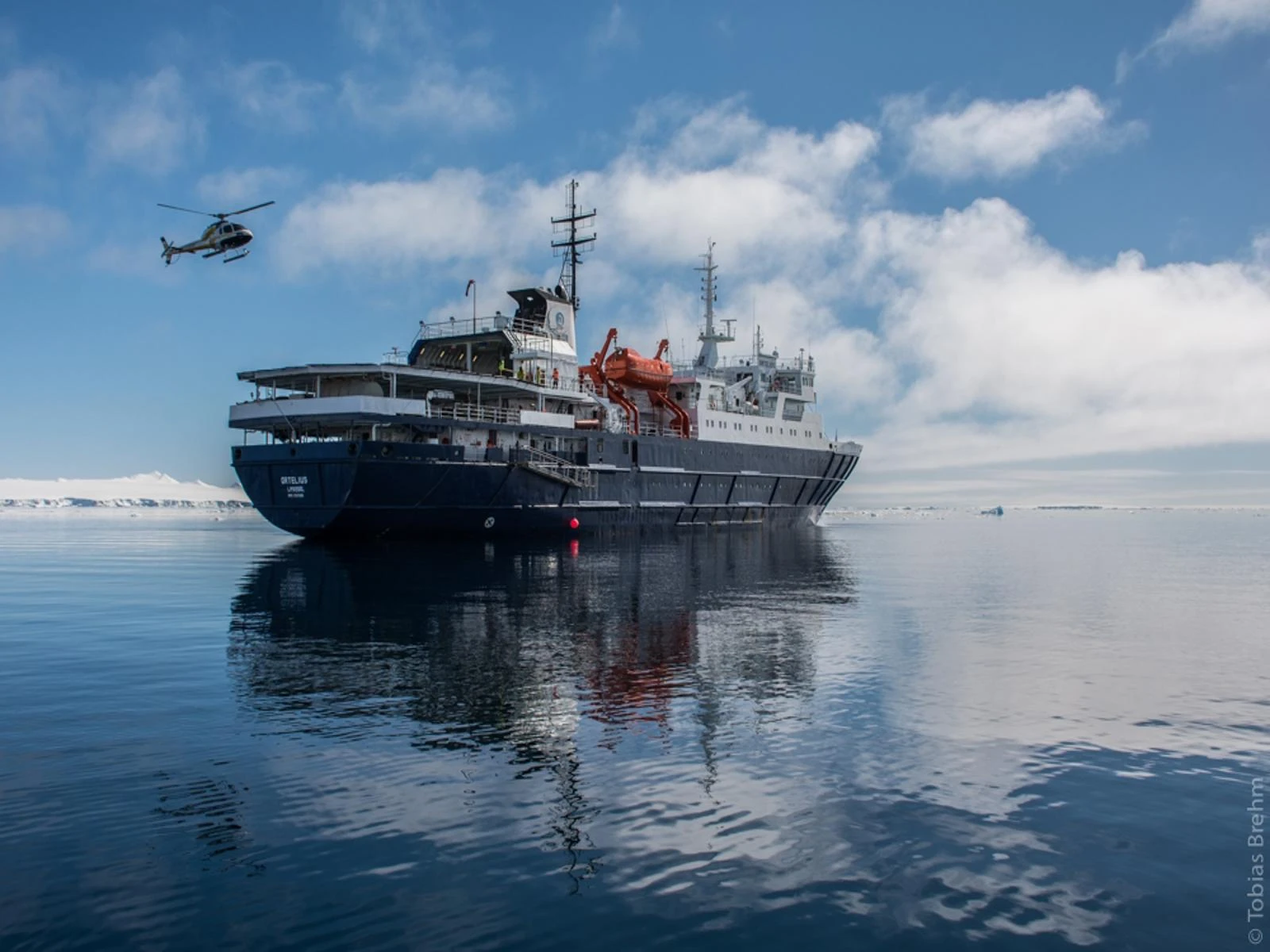
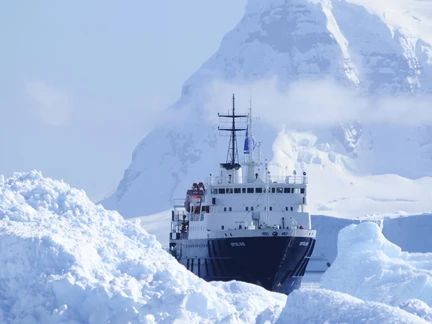
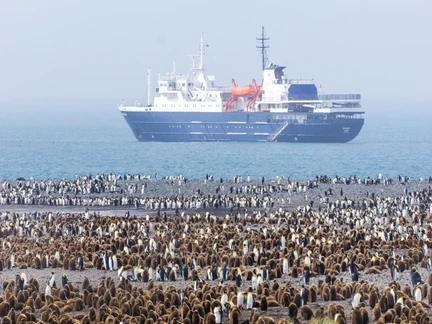
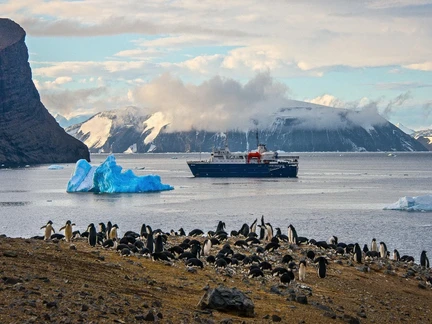
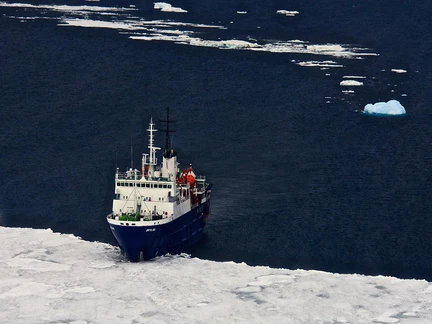
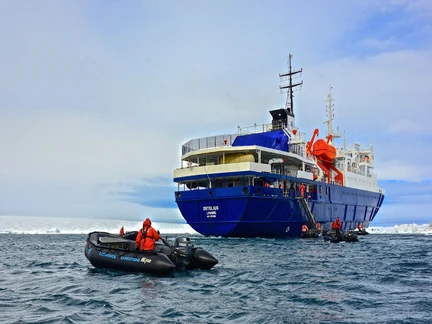
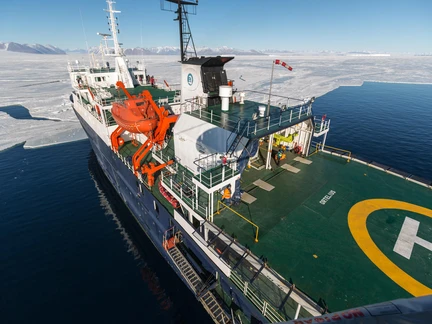
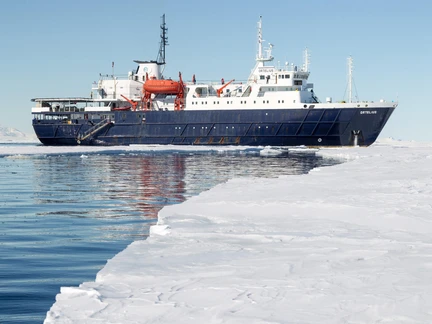
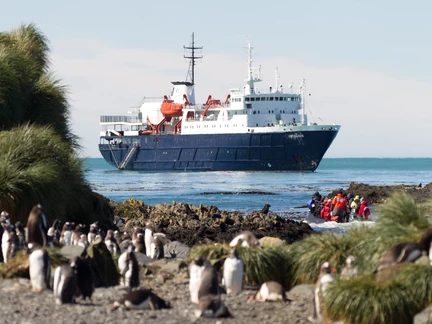
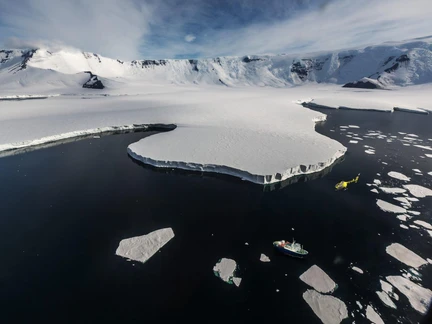
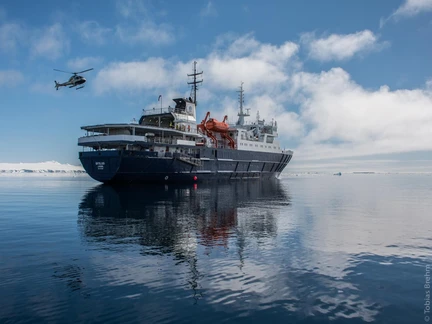
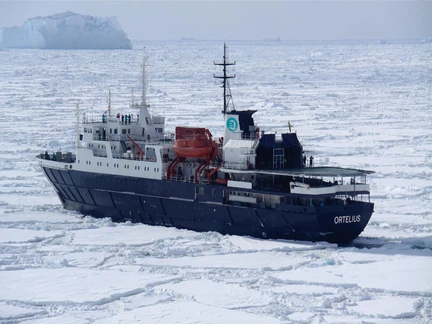
The ice-strengthened Ortelius is fully equipped for polar exploration and can accommodate helicopter flights when necessary.
Specifications
| Passengers: | 108 passengers in 50 cabins |
| Staff & crew: | Crew 44 | Guides 8 | Doctor 1 |
| Length: | 90.95 meters |
| Breadth: | 17.20 meters |
| Draft: | 5.4 meters |
| Ice class: | UL1 (Equivalent to 1A) |
| Displacement: | 4090 tonnes |
| Propulsion: | 6 ZL 40/48 SULZER |
| Speed: | 10.5 knots average cruising speed |
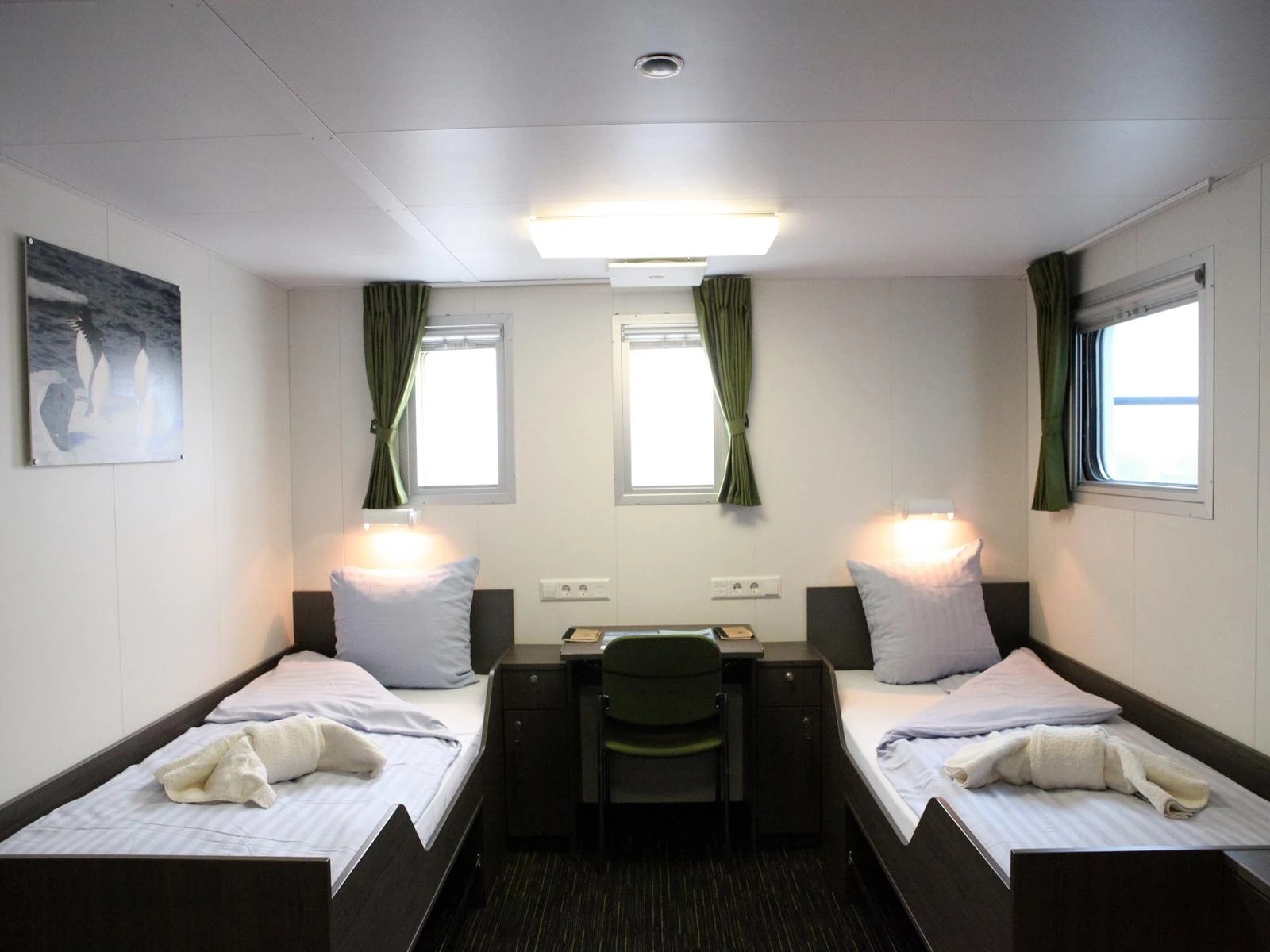
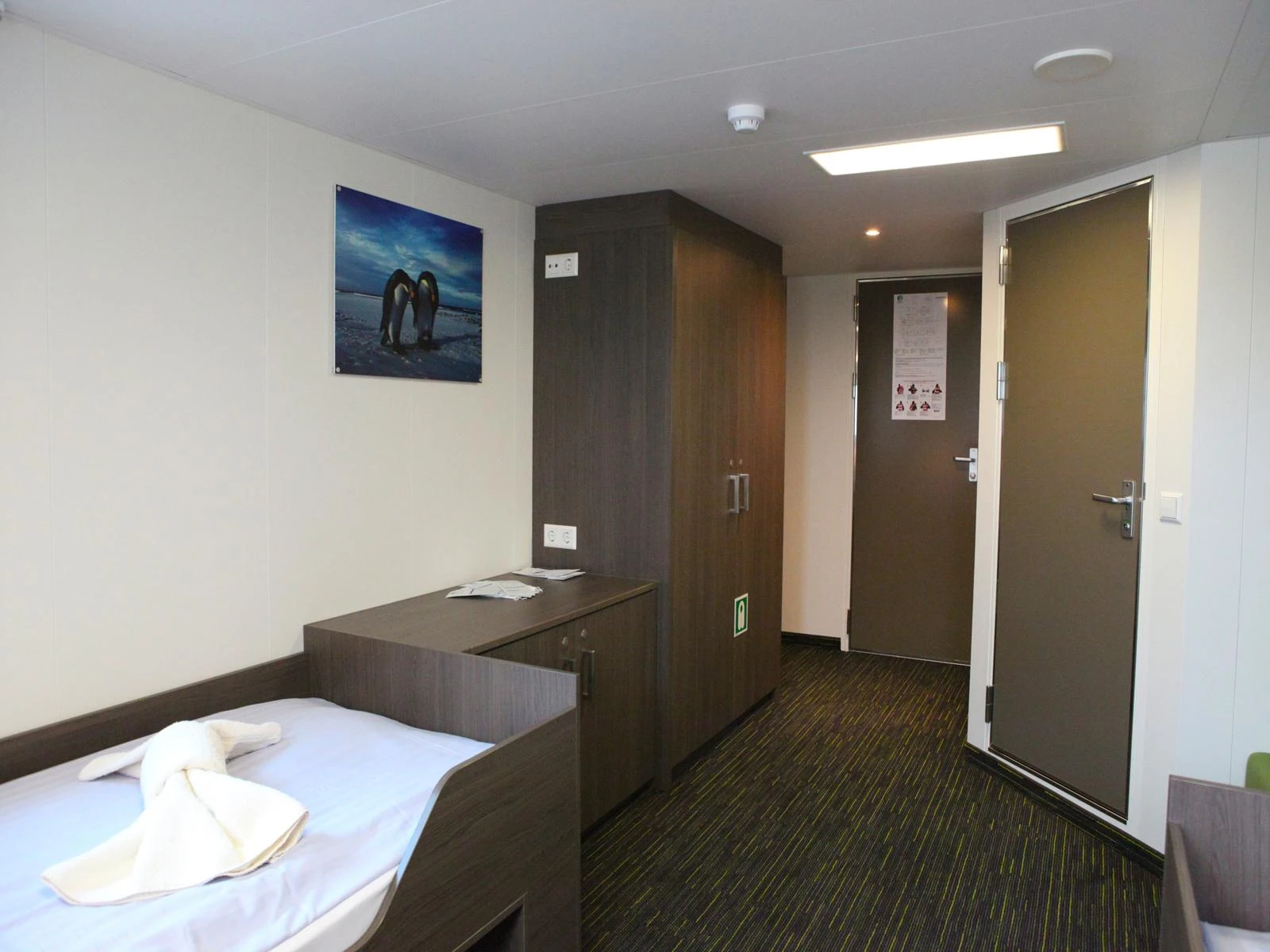
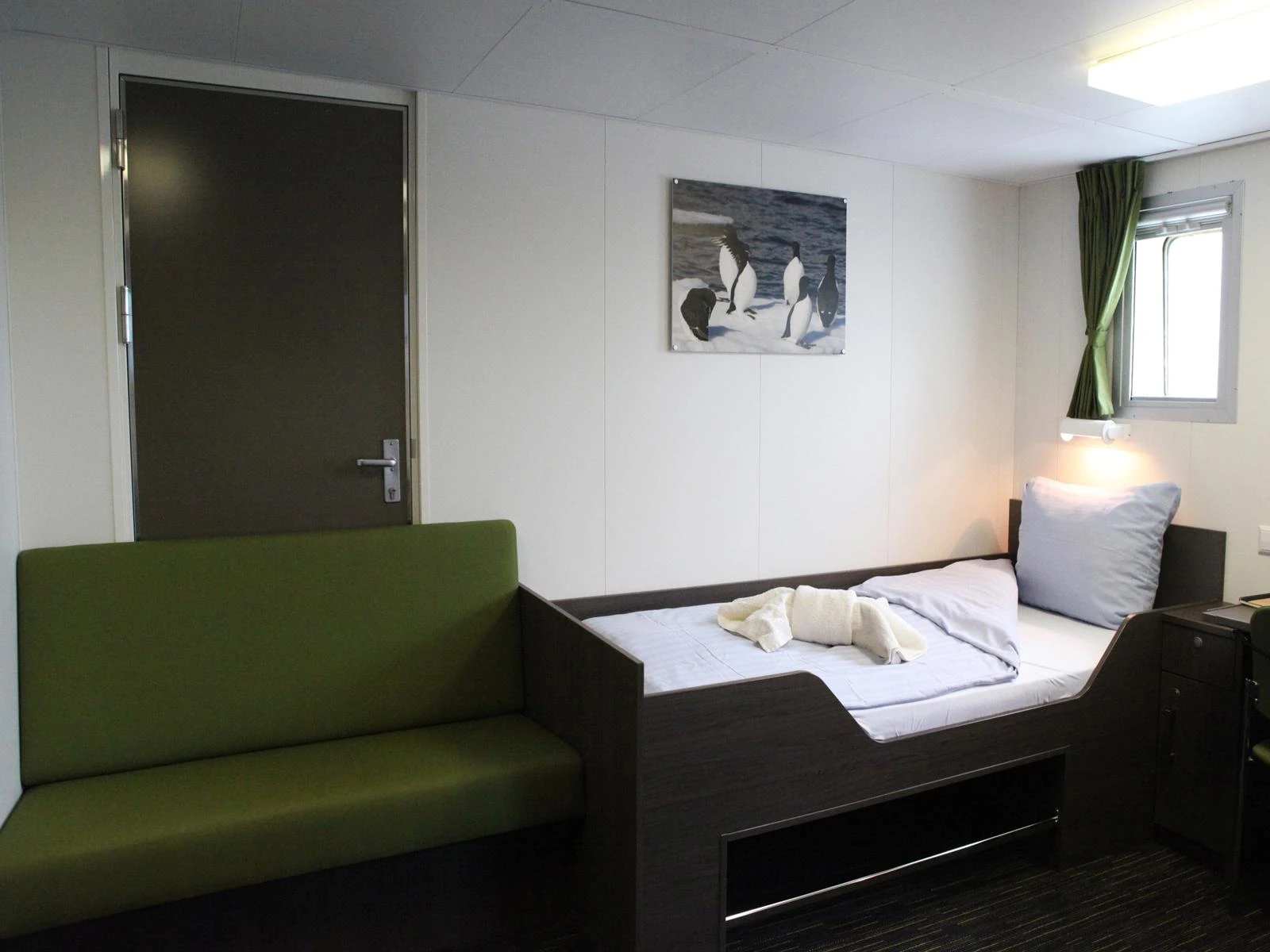
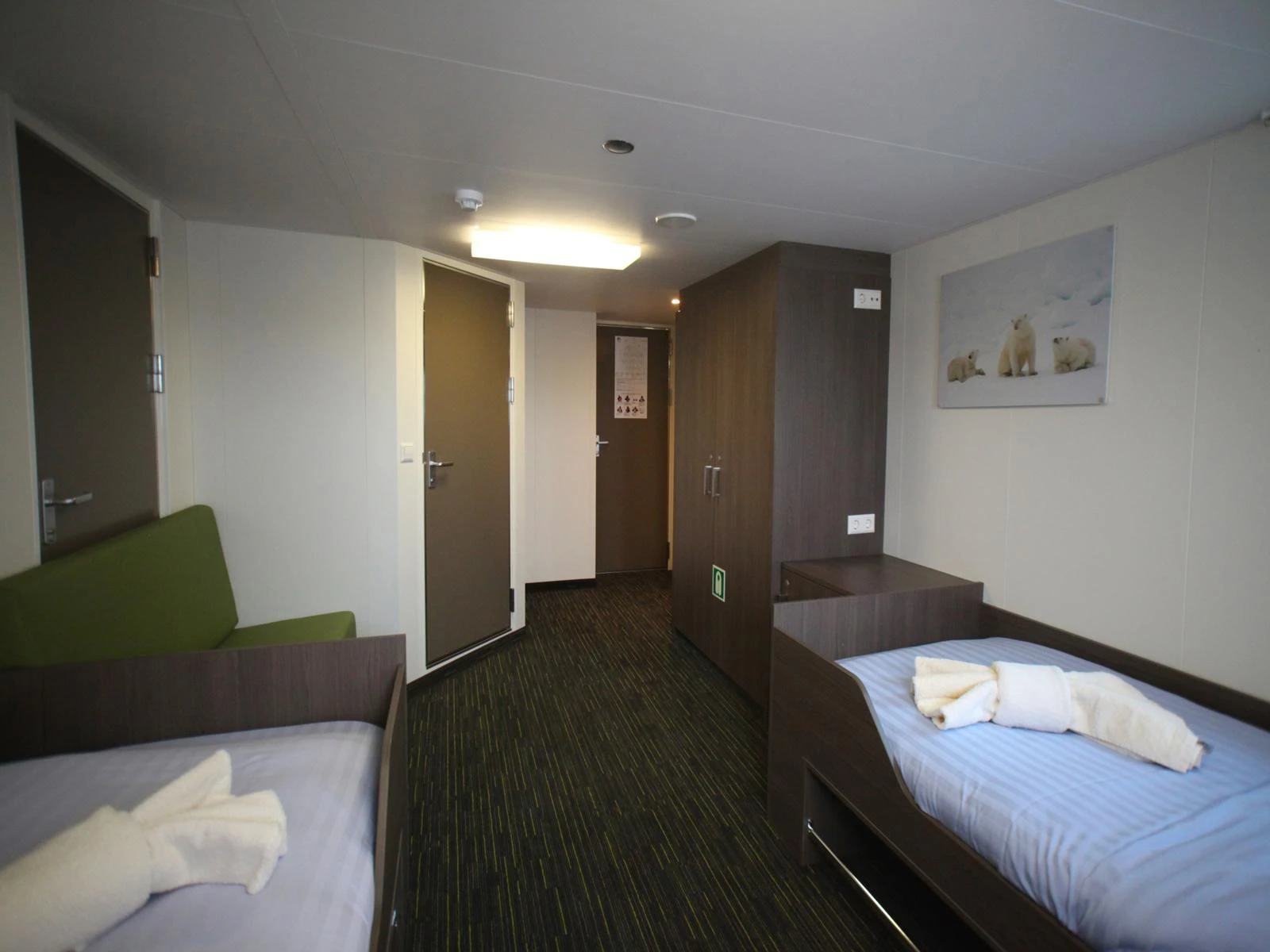
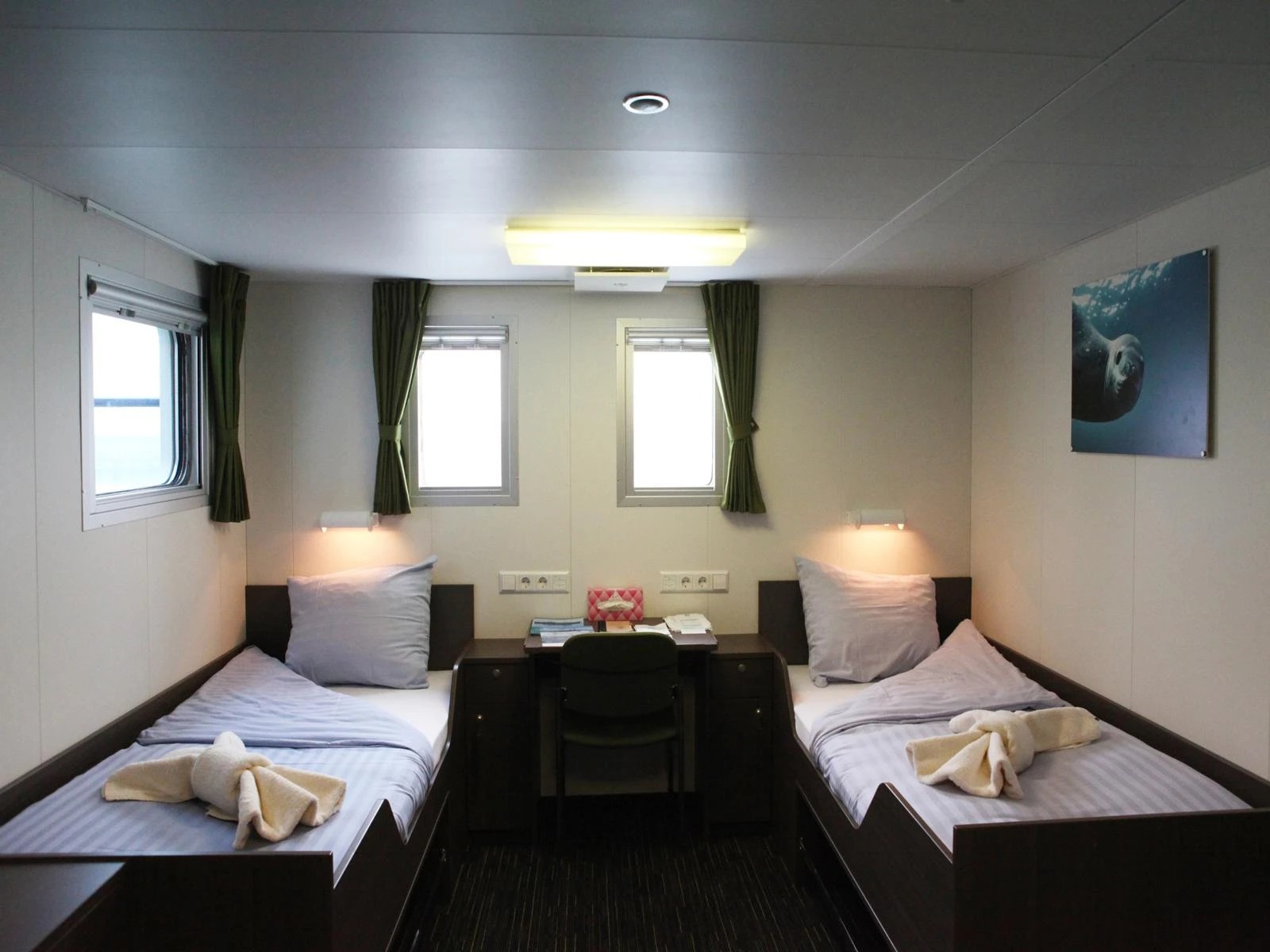
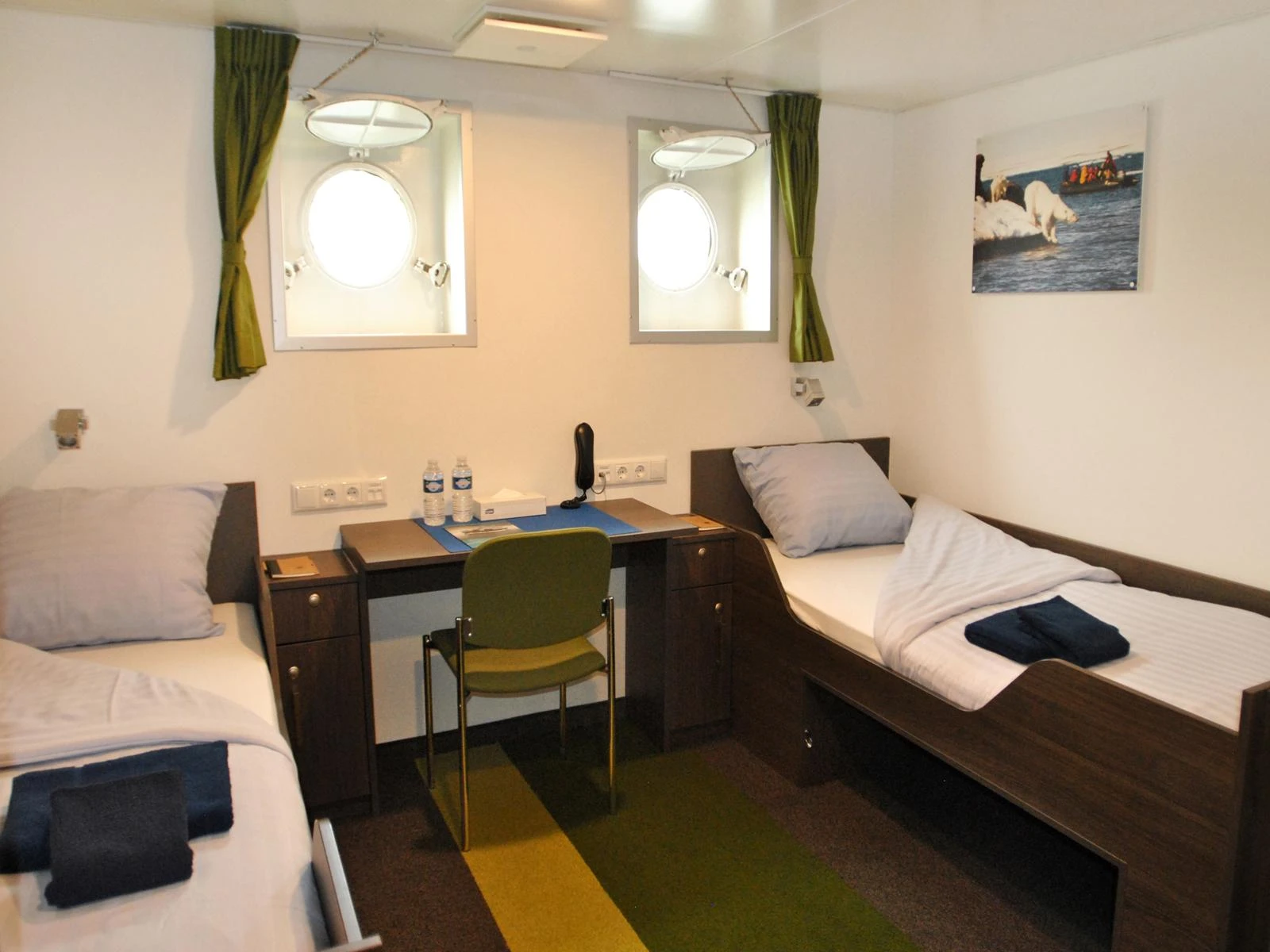
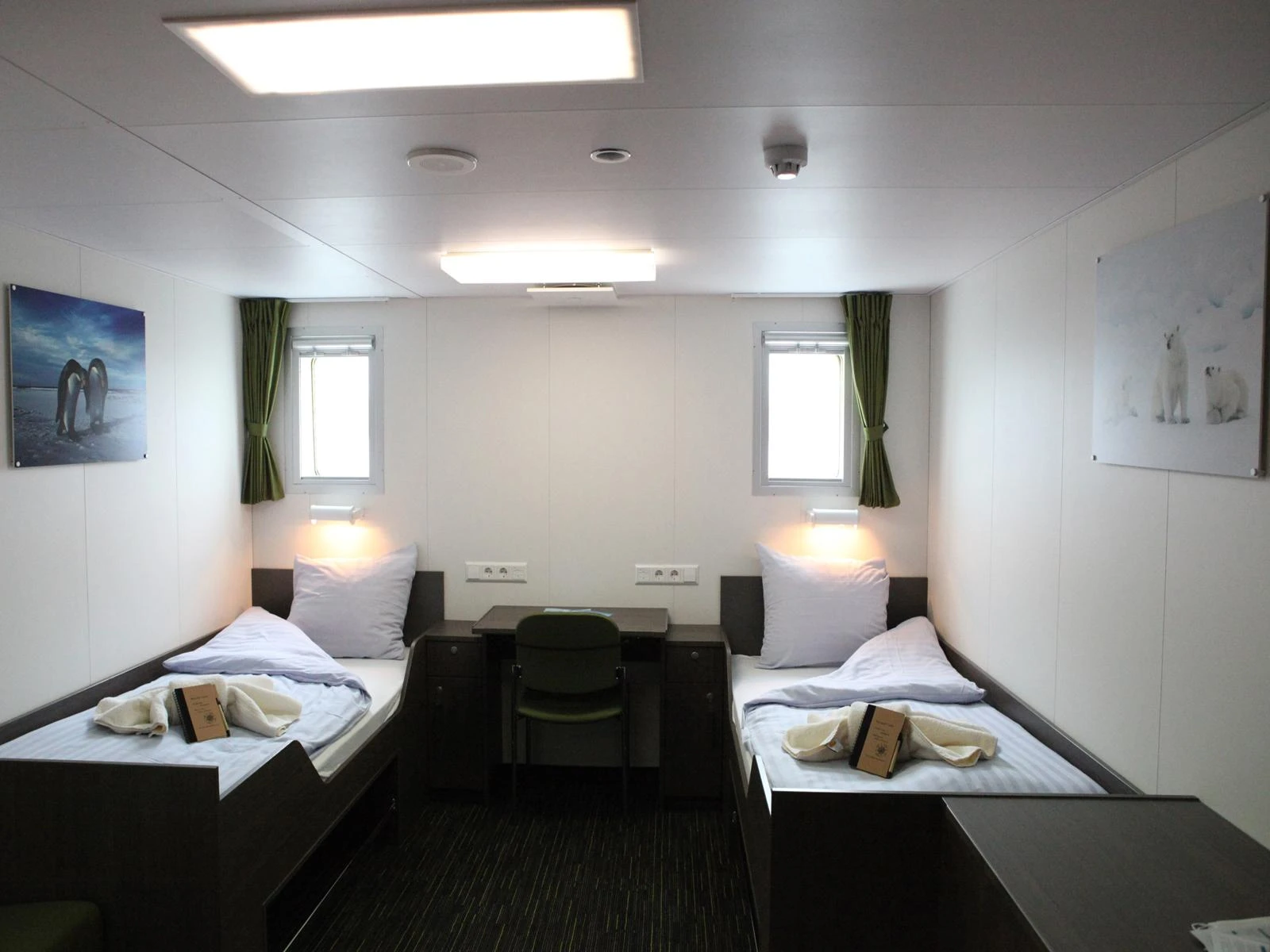
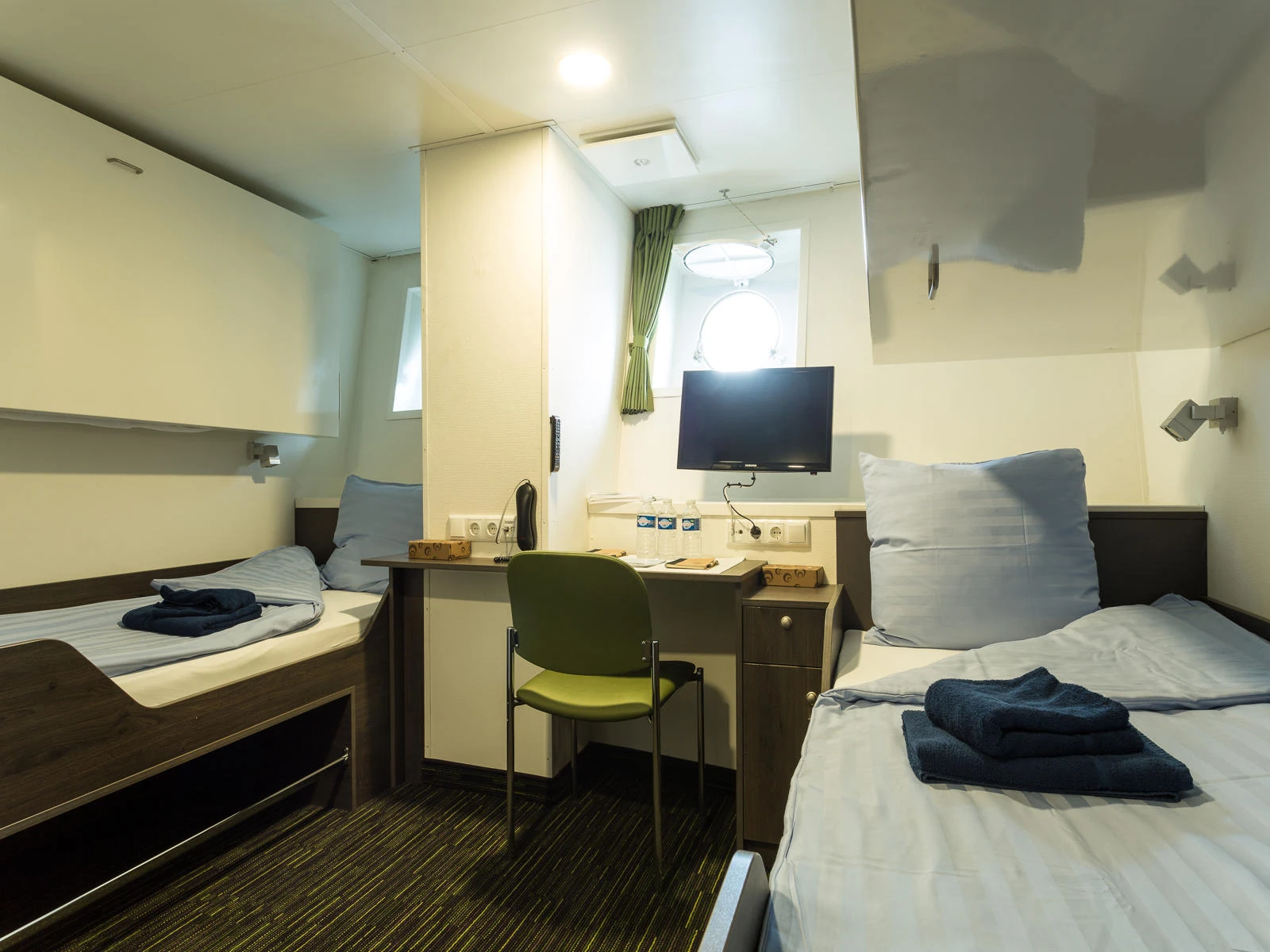
Cabins Gallery
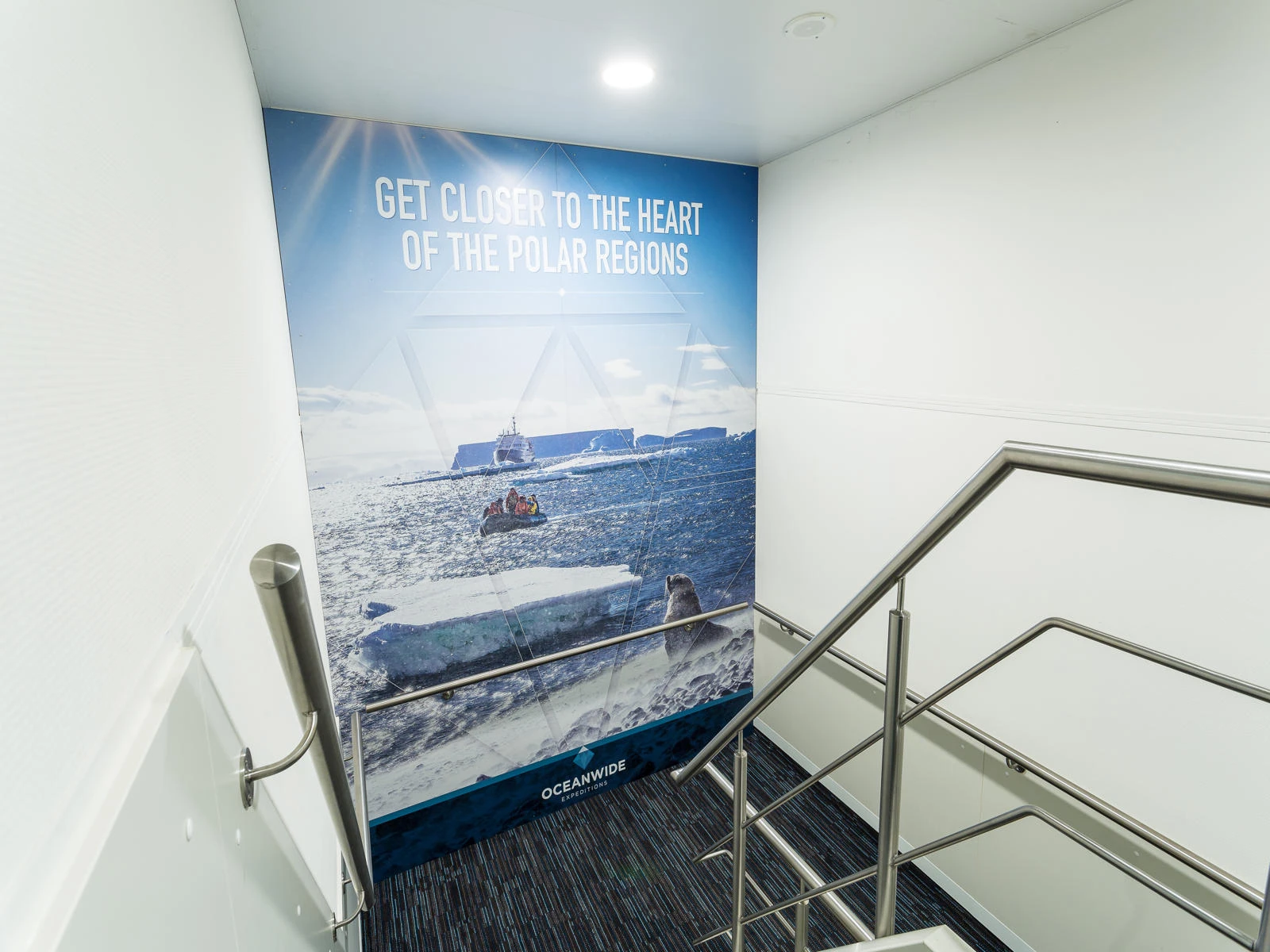
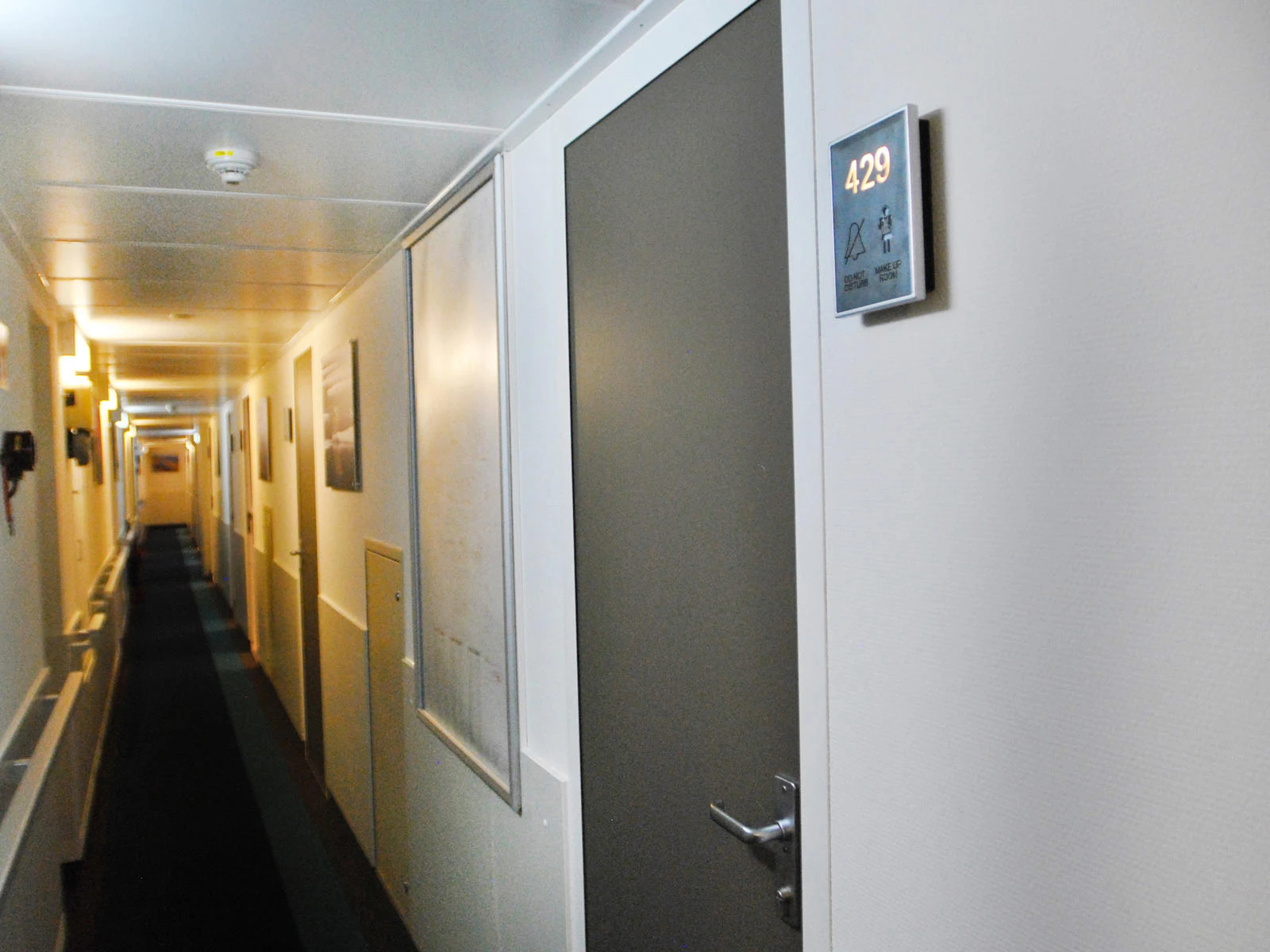
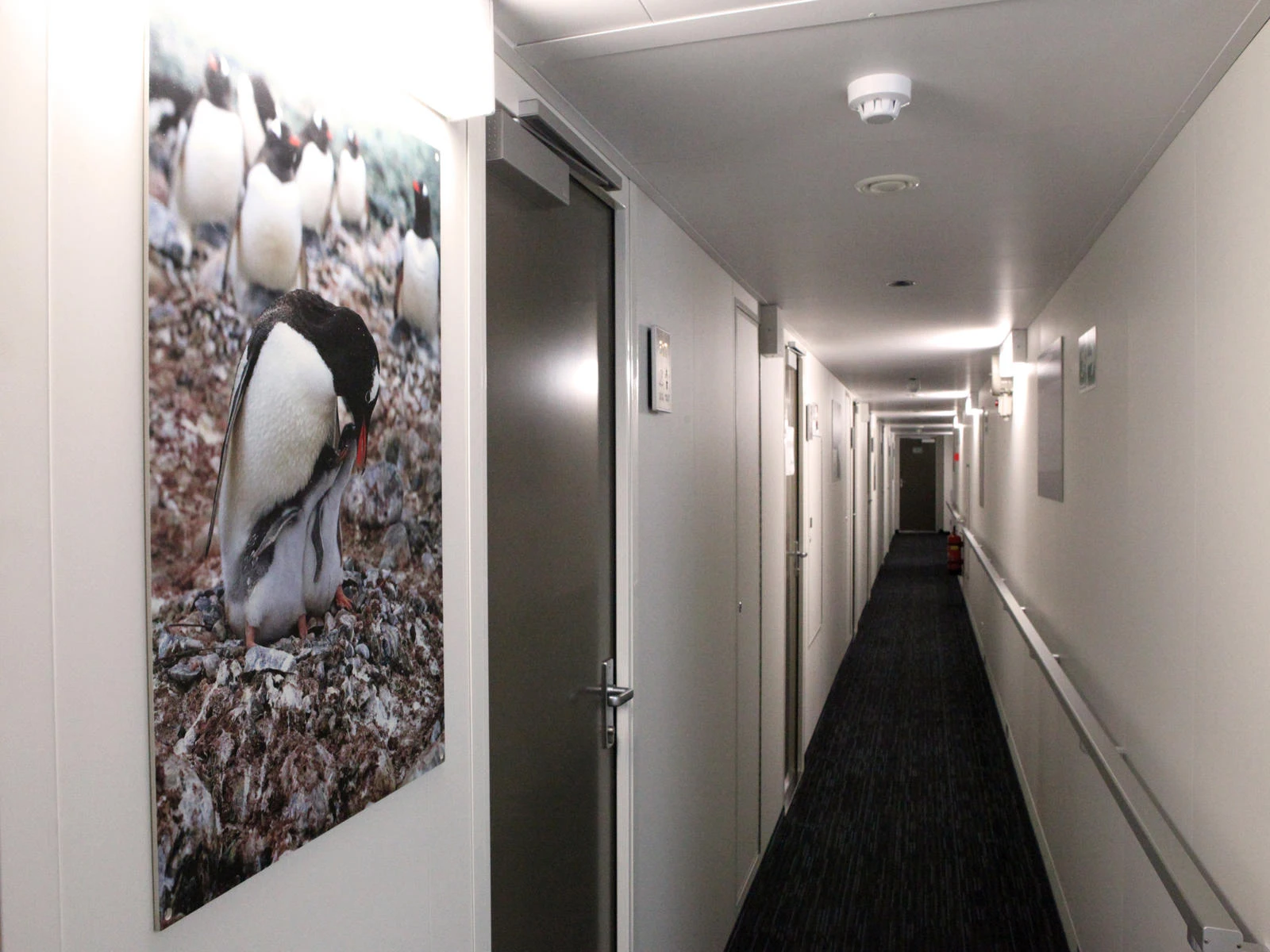
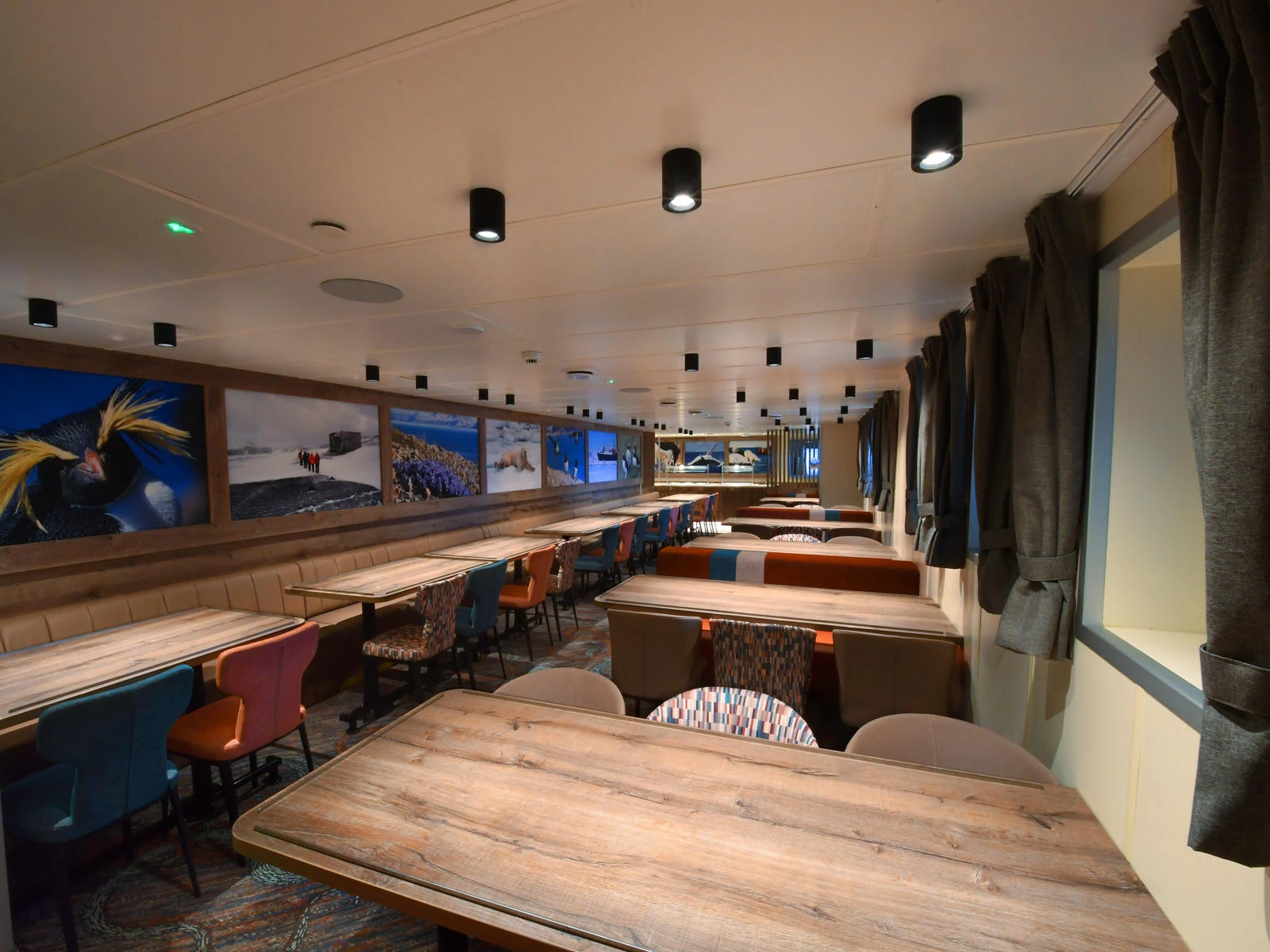
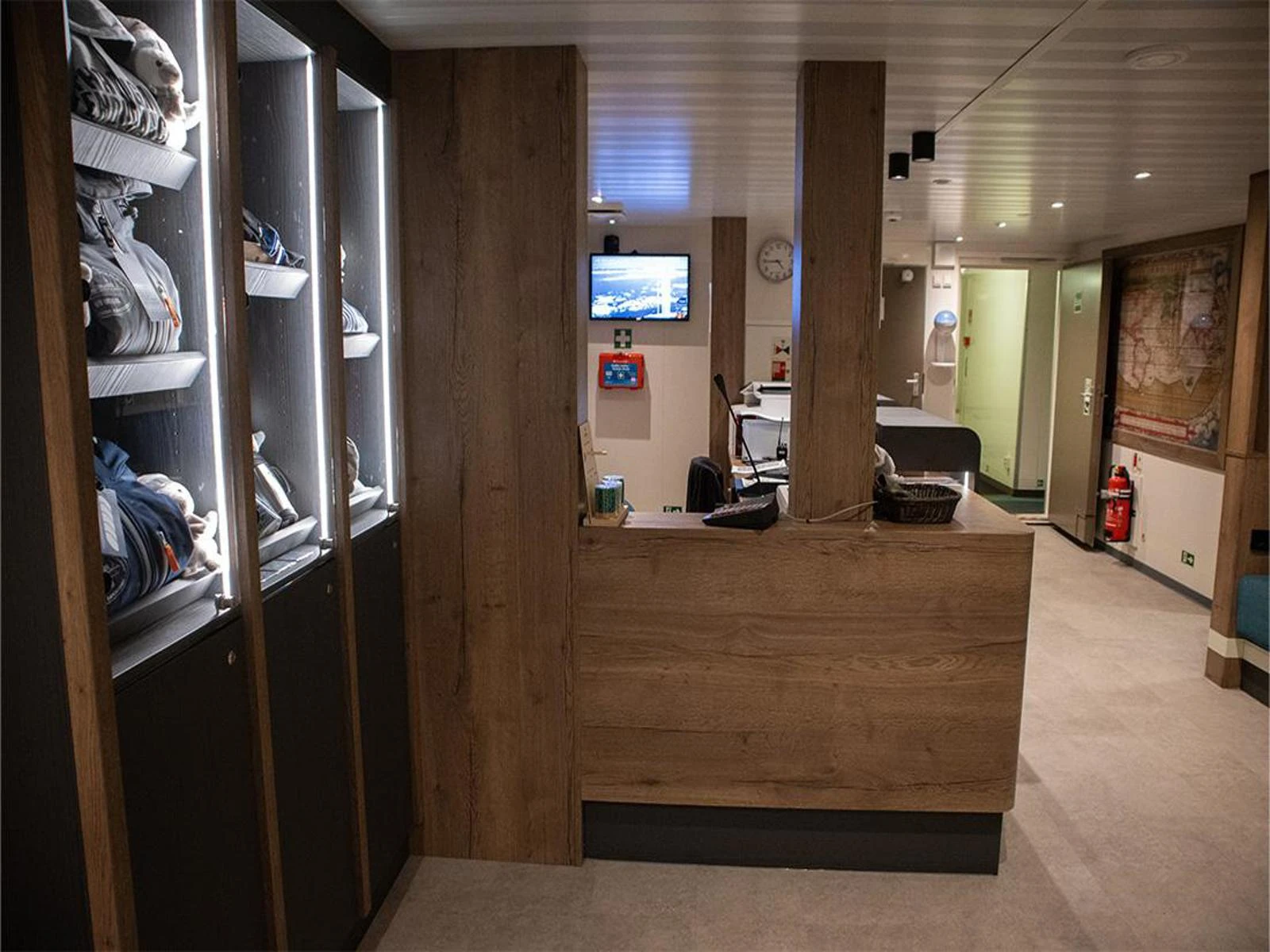
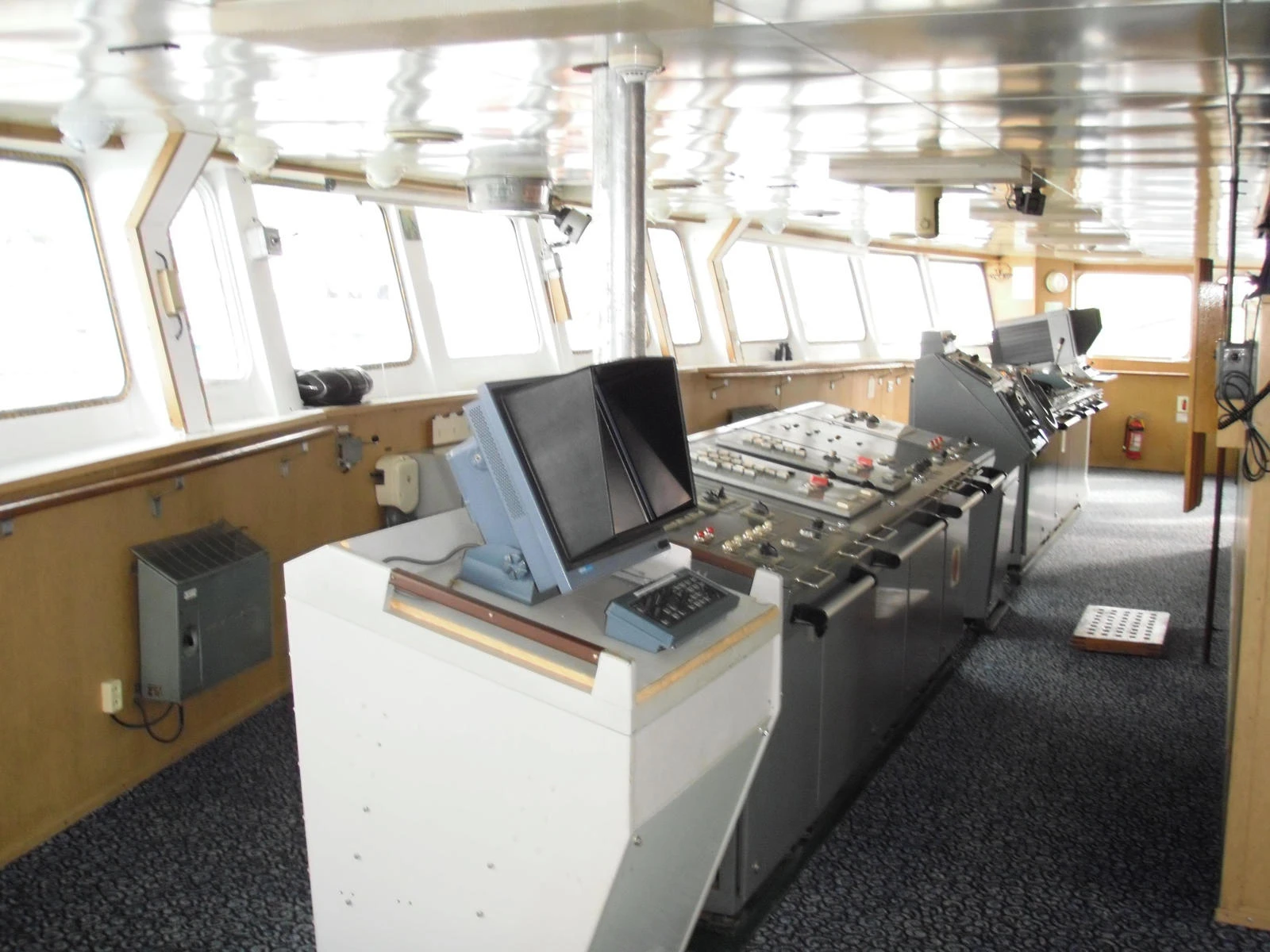
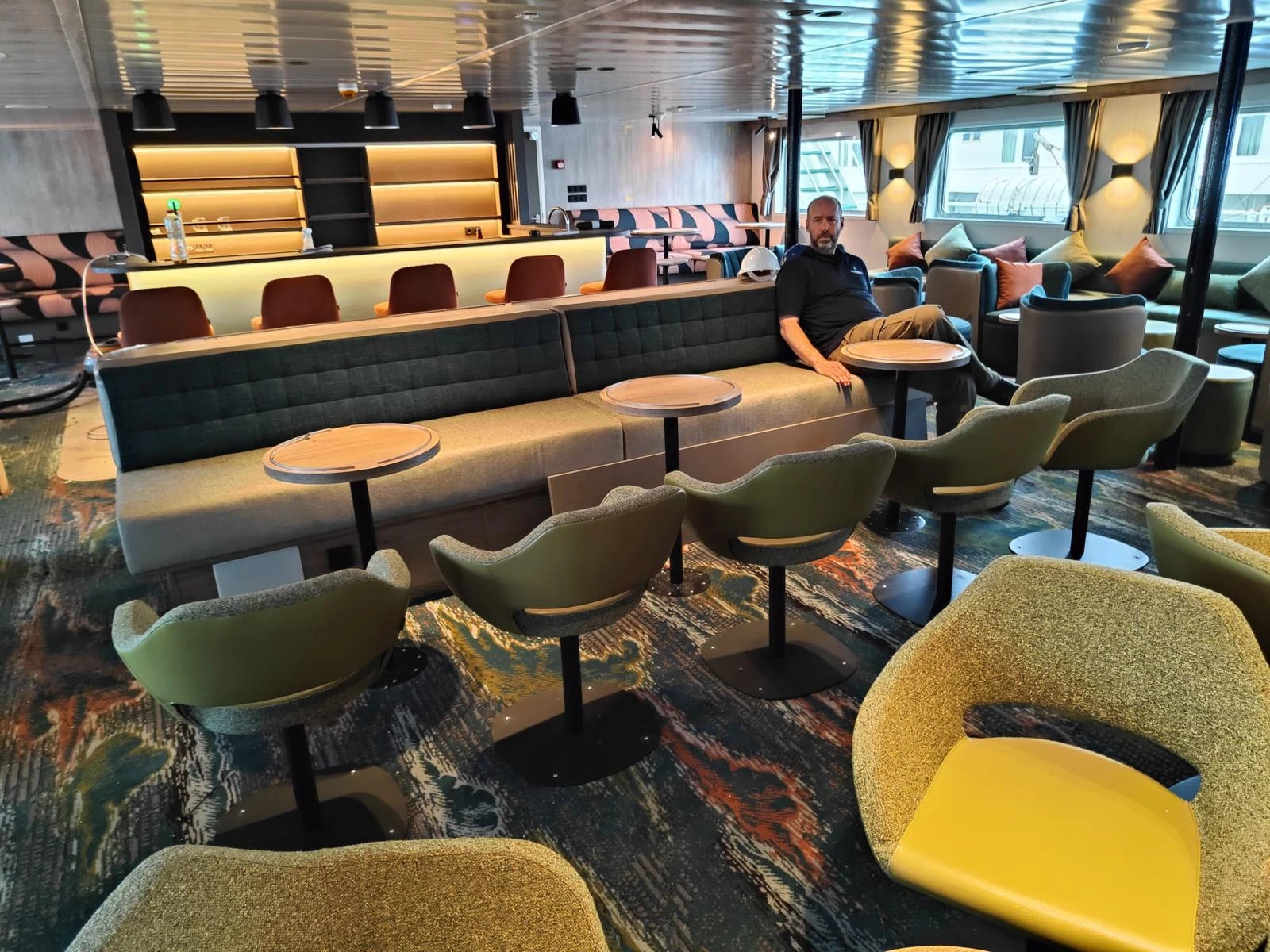
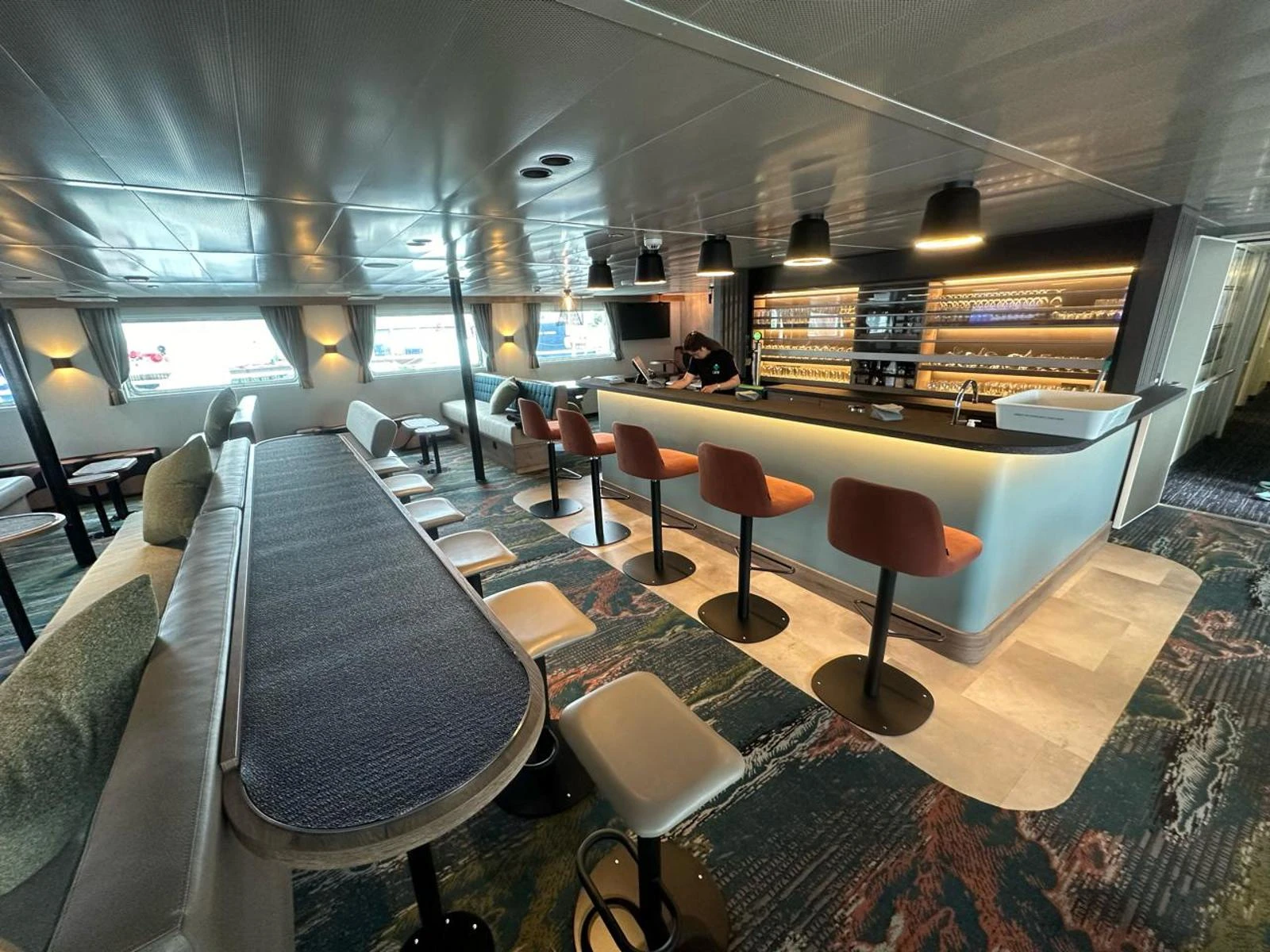
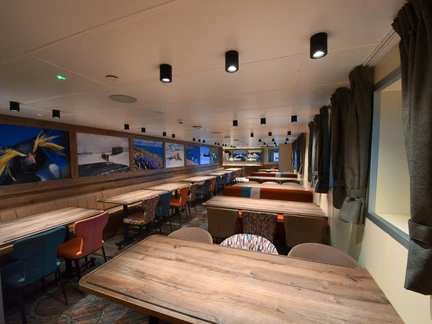
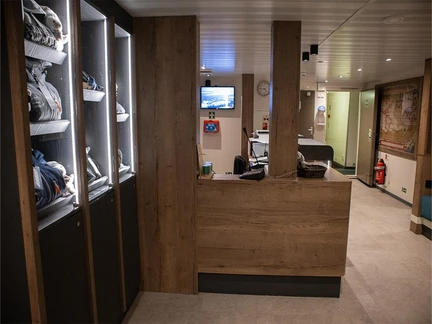
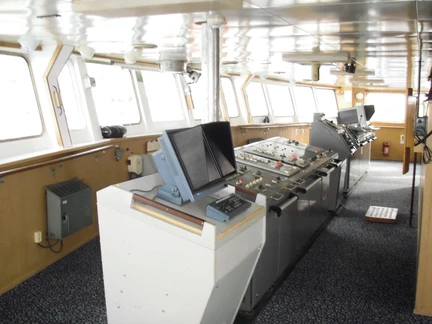
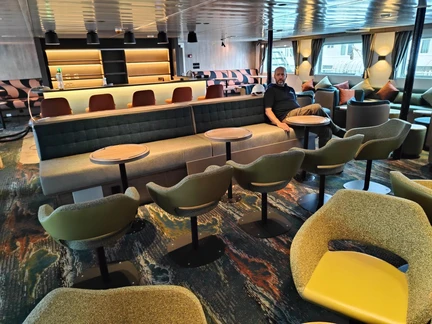
Ship Interior Gallery
Ship Exterior Gallery
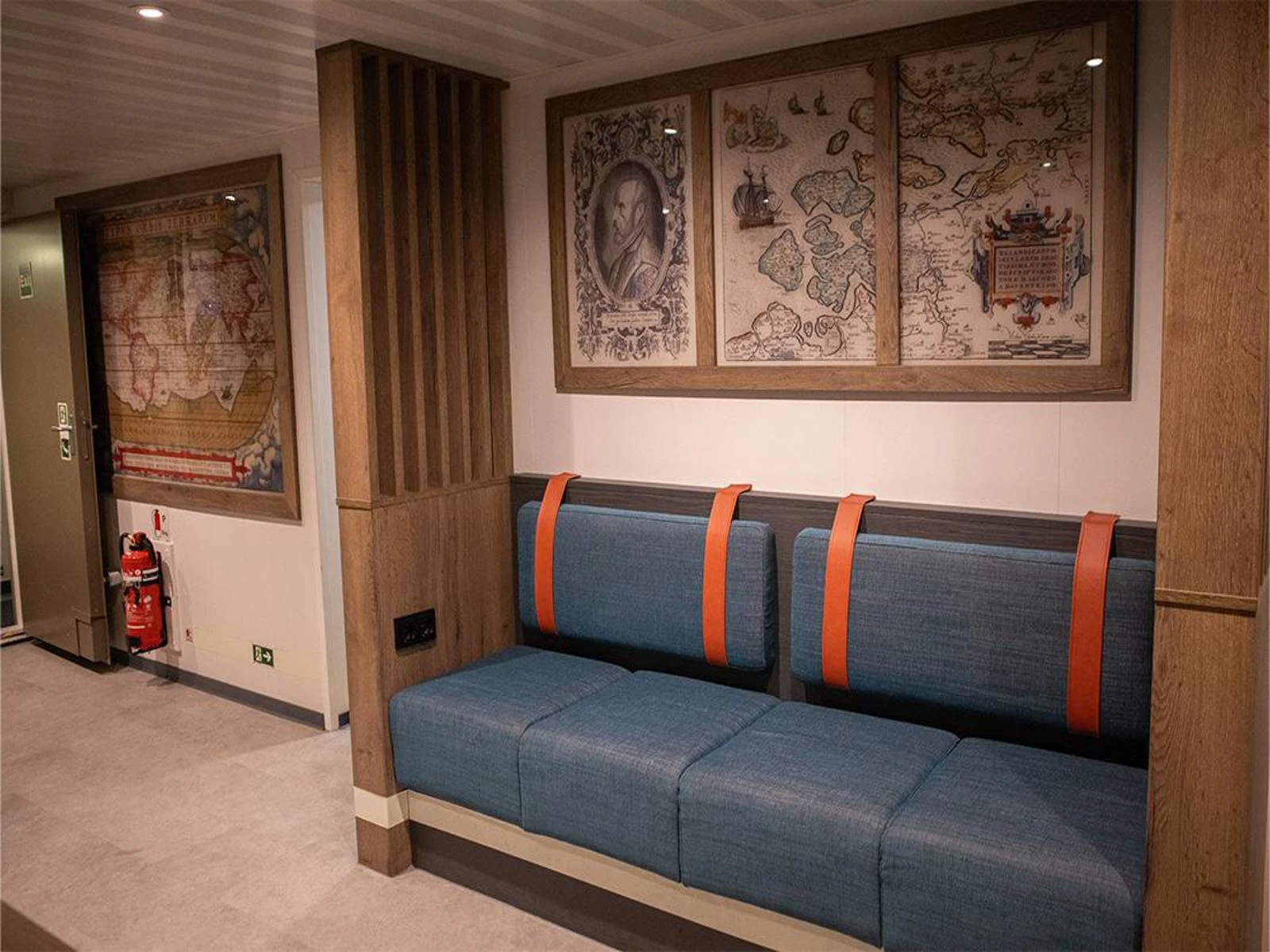
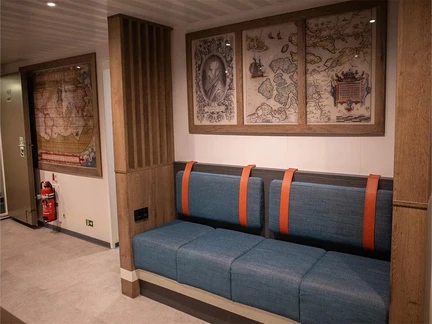
Ortelius was originally the Marina Svetaeva. Built in Gdynia, Poland in 1989, it served as a special-purpose vessel for the Russian Academy of Science. Later it was re-flagged and renamed after the Dutch/Flemish cartographer Abraham Ortelius (1527 – 1598), who in 1570 published the first modern world atlas: Theatrum Orbis Terrarum or Theater of the World. At that time his atlas was the most expensive book ever printed. Ortelius is classed by Lloyd’s Register in London and flies the Dutch flag.
Perfect for Any Expedition
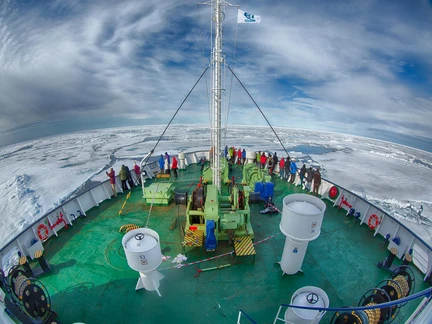
The vessel has the highest ice-class notation (UL1, equivalent to 1A) and is therefore suitable to navigate in solid one-year sea ice as well as loose multi-year pack ice. Ortelius can accommodate up to 108 passengers and has an abundance of open-deck spaces. It is manned by 24 highly experienced nautical crew members, 20 hotel staff, eight expedition specialists (one expedition leader, one assistant, and six lecturer-guides), and one doctor.
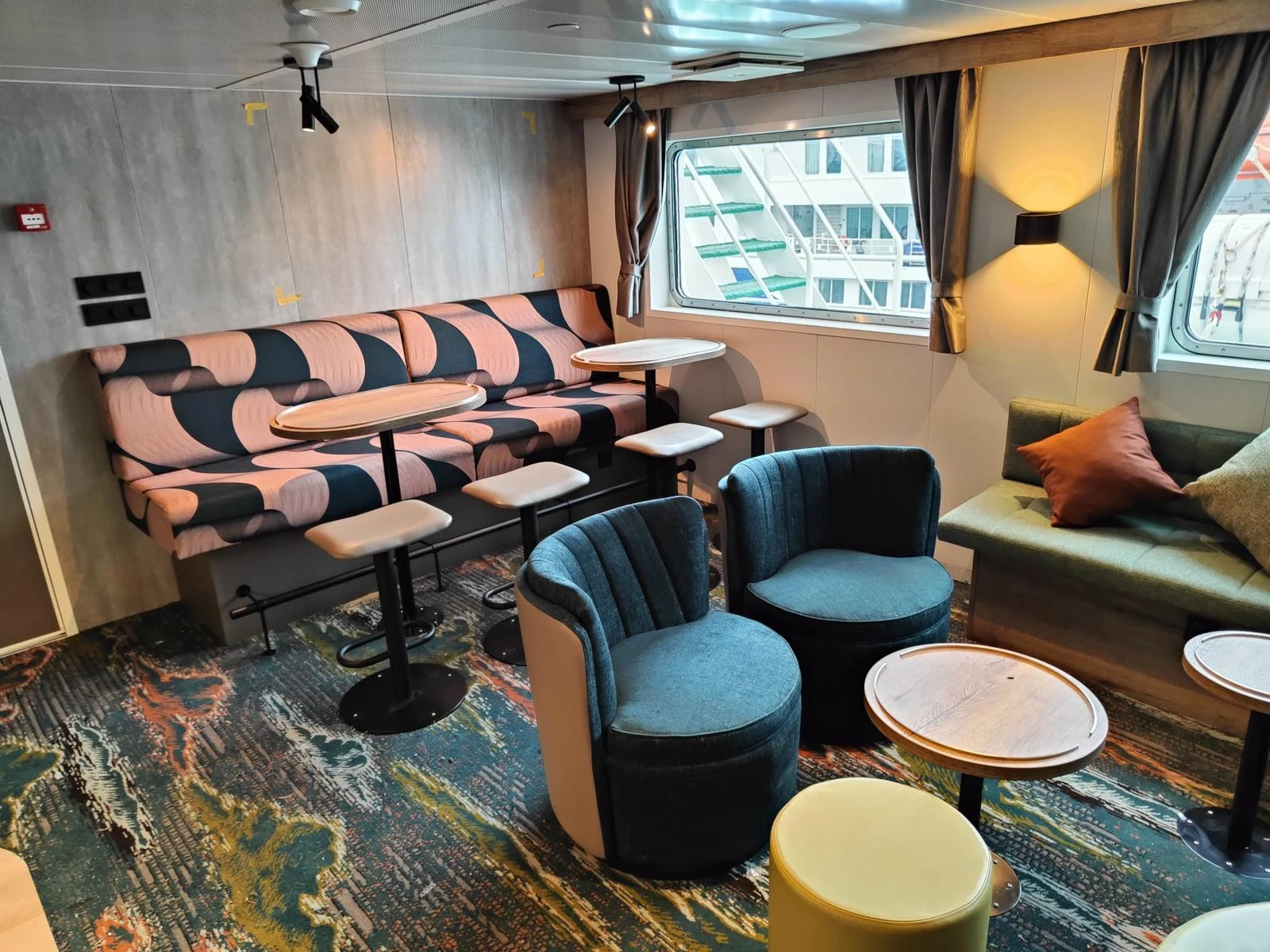
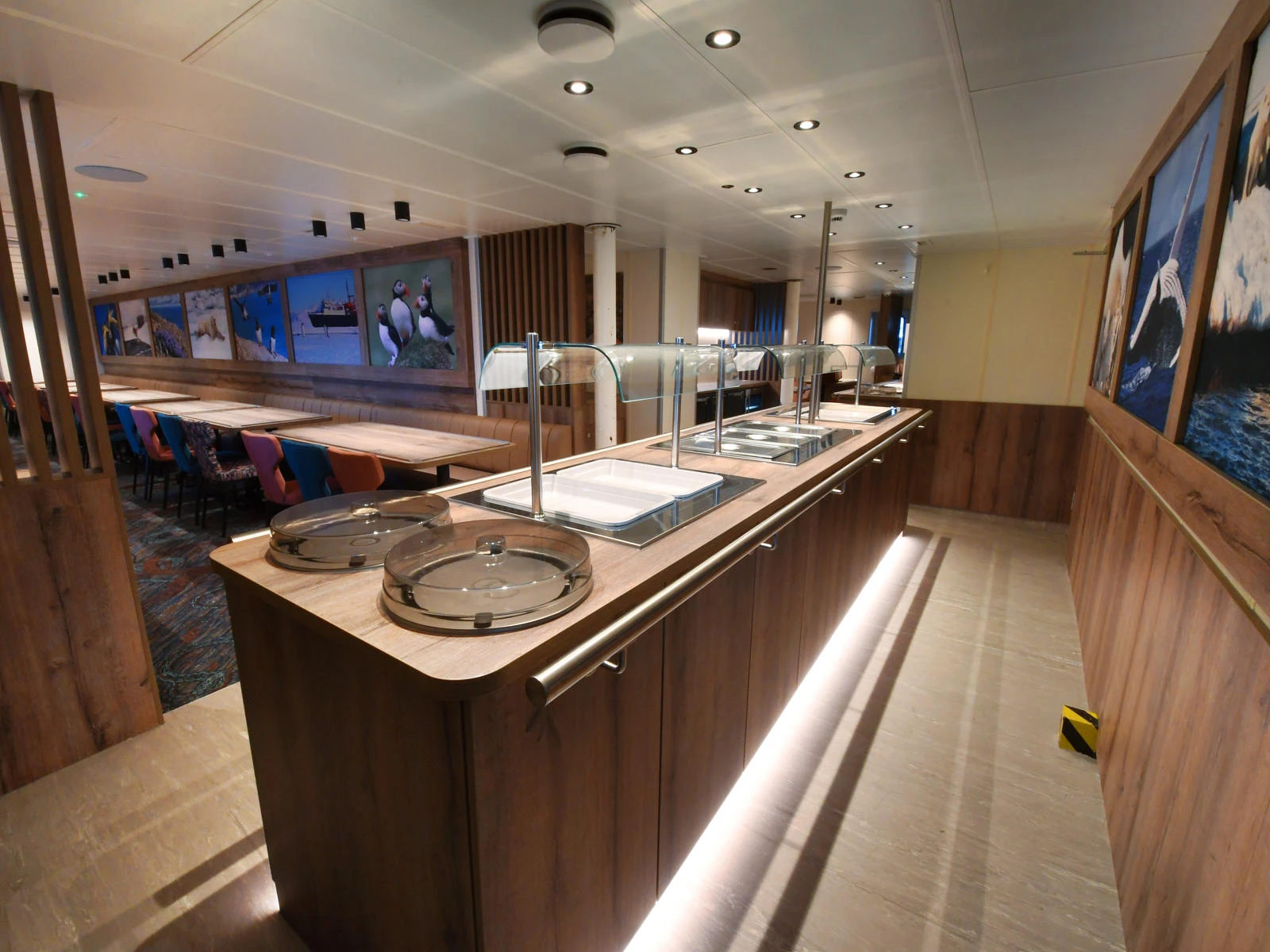
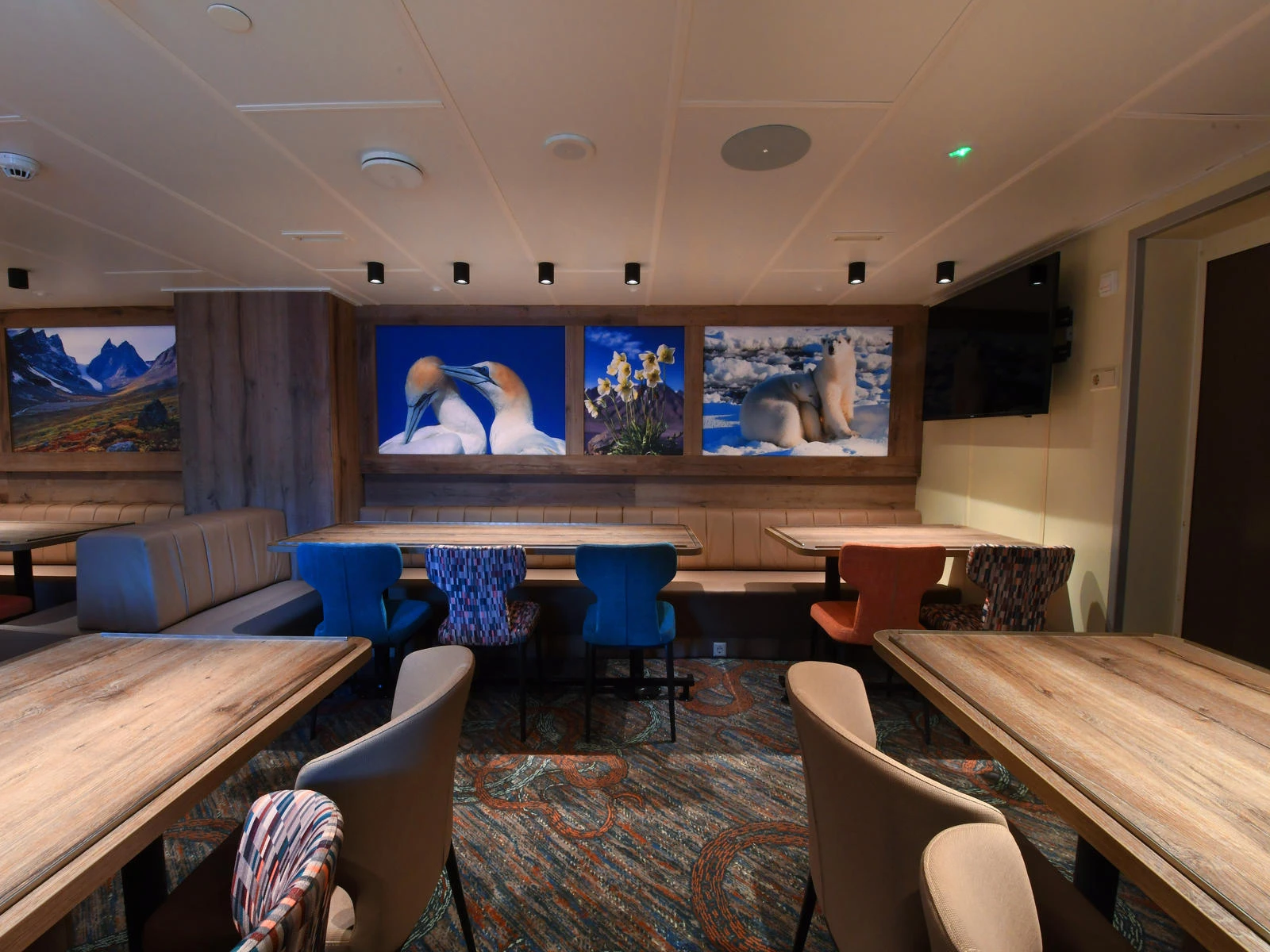
Ortelius: a Vessel with Comfort and Character
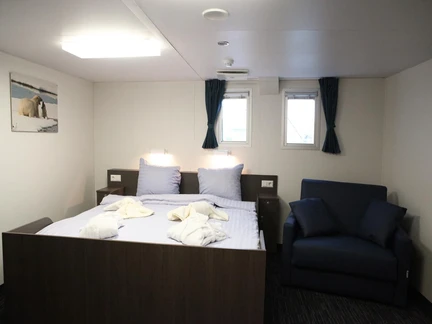
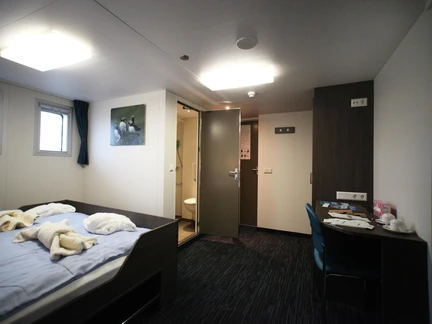
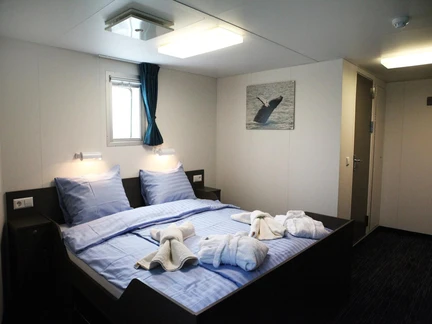
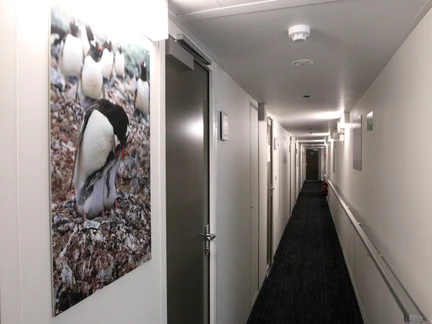
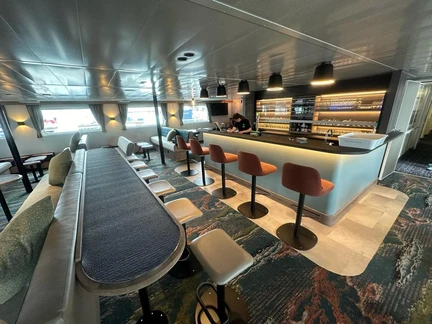
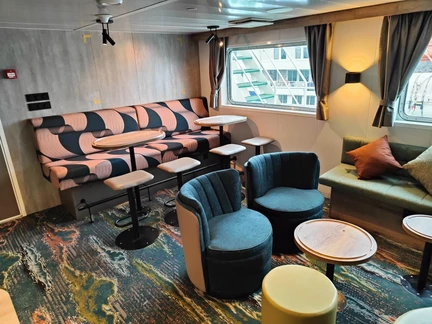
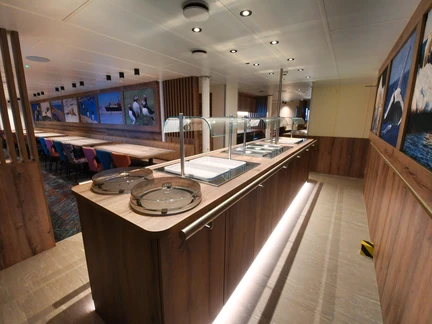
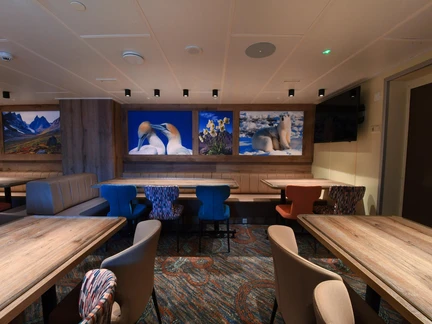
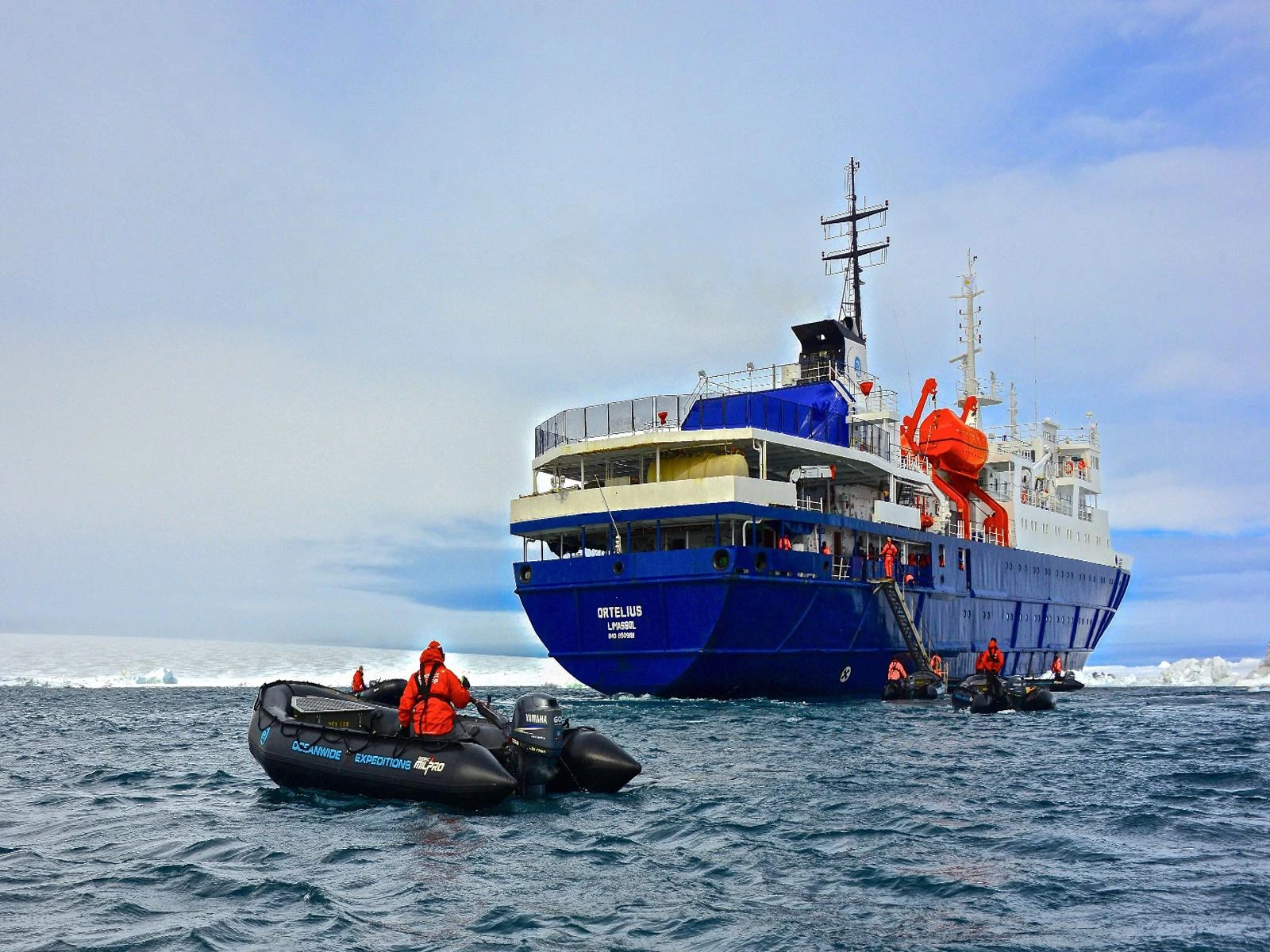
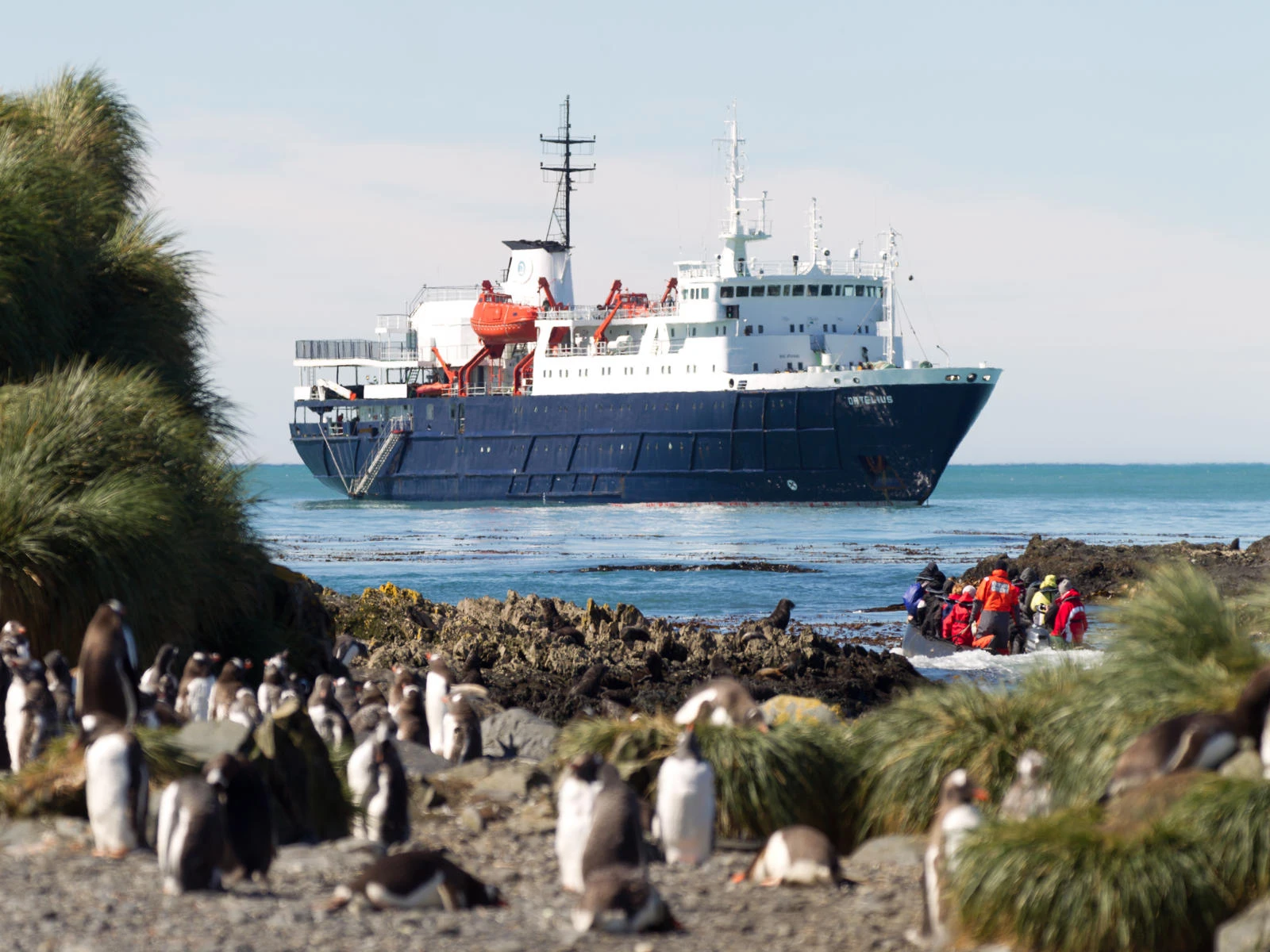
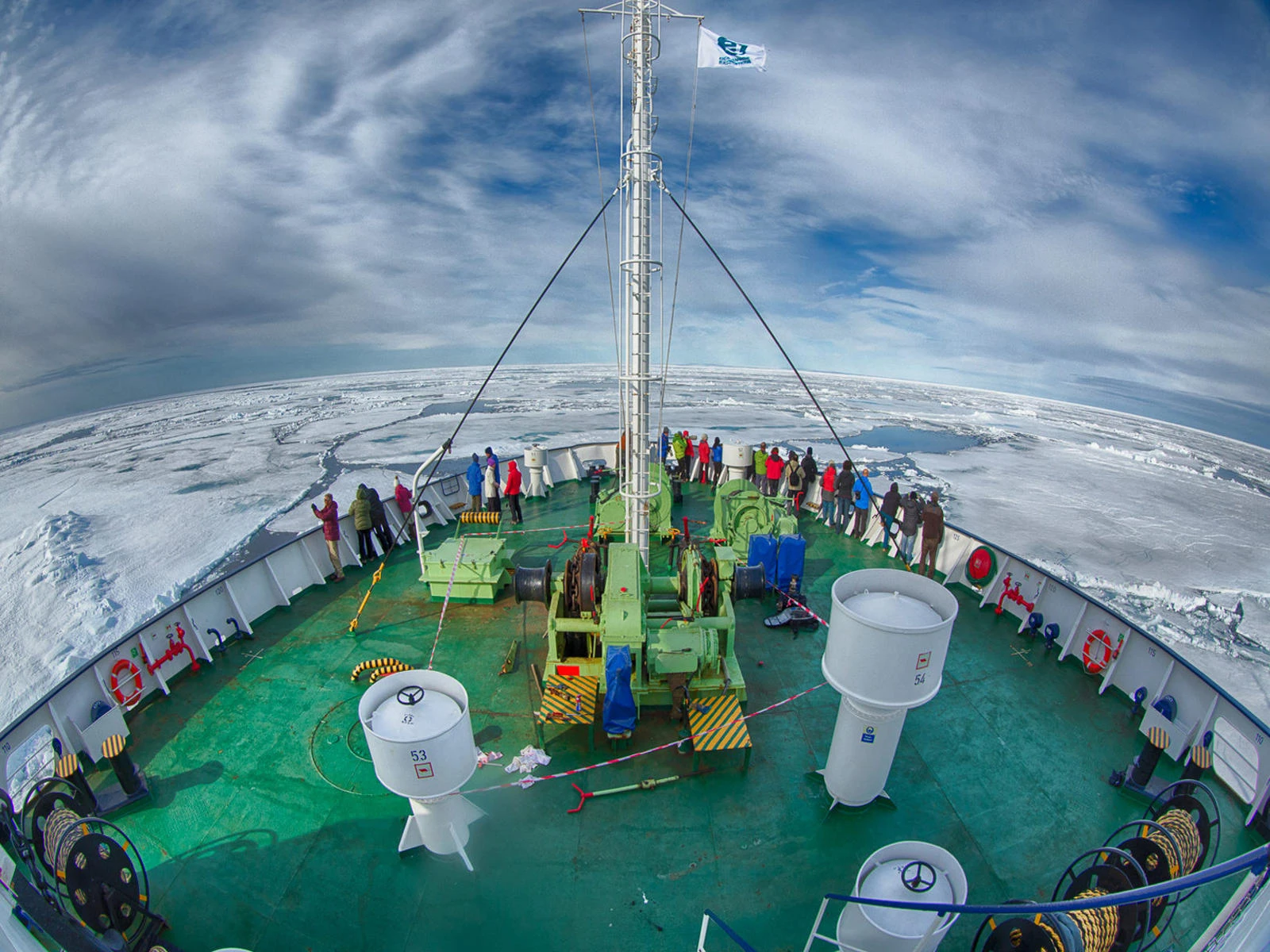
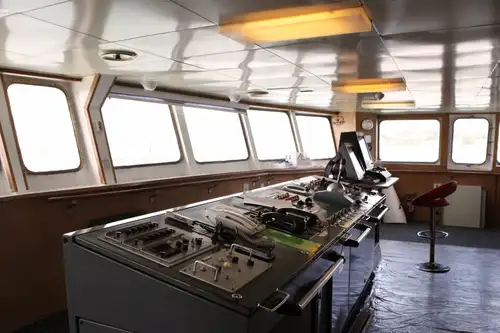
Please be aware that a small number of cabins may have a partially obstructed view due to the size of the windows and the design requirements of the ship. For example, some windows may be partly obstructed in the lower half by a gangway. The best view is always on the outer deck or the bridge. Though our voyages are primarily meant to offer our passengers an exploratory wildlife program with as much time ashore as possible, Ortelius offers all the comforts of a standard hotel ― along with a bar and lecture room. Flexibility assures maximum wildlife opportunities. As such, Ortelius carries 10 Zodiacs with 60hp Yamaha engines.
What to Wear
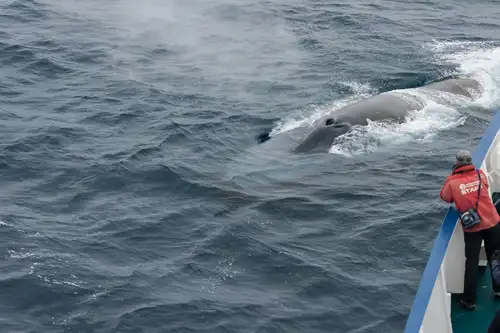
In keeping with the spirit of expedition, dress on board is informal. Bring casual and comfortable clothing for all activities, and keep in mind that much of the scenery can be appreciated from deck ― which can be slippery. Bring sturdy shoes with no-slip soles, and make sure your parka is never far away in case one of our crew shouts “Whales!” over the loudspeaker and you have to dash outside in a moment’s notice. Opt for layers, as it is comfortably warm aboard the ship though often cold on deck.
How to Pay
Refreshments and souvenirs will be charged to your cabin. The day before departure you can settle your bill with the hotel manager, paying by credit card (Visa or MasterCard) or cash (euro, or in some cases dollar). We cannot, however, accept checks. Though the prices and standard currency on board is in the euro, other currencies may be accepted at the discretion of the hotel manager, at prevailing rates.
Electric Current
The electrical supply aboard ship is 220v, 60Hz. Electrical outlets are standard European with two thick round pins, so some passengers may need a 220v/110v converter.
Gratuities
The customary gratuity to the ship’s service personnel is made as a blanket contribution at the end of the voyage and is divided among the crew. Tipping is a personal matter, and the amount you wish to give is at your sole discretion. As a generally accepted guideline, we suggest 8 ― 15 euros per passenger per day. It is better for the crew if you give cash.
Non-Smoking Policy
We have a non-smoking policy inside all our vessels, though you can smoke in certain designated areas. We ask that you please respect the wishes of non-smokers.
Your Physical Condition
You must be in good overall health and be able to walk several hours per day. The expedition is ship-based and physically not very demanding, but we spend as much time as possible on shore. You are, however, welcome to remain aboard the ship if you prefer. To join most excursions you must be able to get up and down the steep gangway ― from the ship to the water level ― to board the Zodiacs. Staff will assist you in and out of the boats, and boarding will become progressively easier with practice, but conditions on shore can be slippery and rocky. Remember, you will be traveling in remote areas without access to sophisticated medical facilities, so you must not join this expedition if you have a life-threatening condition or need daily medical treatment.
The average price for flights (round trip) to Longyearbyen
From Jakarta: $860
From Singapore: $976
From Kuala Lumpur: $886

- Not during the summer, which is when the majority of our voyages take place. It depends on where you go in the Arctic, but temperatures can get up to 10°C (50°F) and don't tend to drop too far below 0°C (32°F). Antarctica is slightly colder, but still warm in the austral summers, reaching up to 2°C (36°F) depending on your location, and tending not to get too much lower than that during the warm months. You're only likely to experience colder weather during our fall and winter Arctic trips, where temps can range between -34°C to 0°C (-29°F to 32°F). But you'll have the northern lights to keep you warm.
- Yes, we have an onboard entertainment system that gives you access to movies and series as well as information about our menus, daily activities, and related trip information. Just connect to the vessel's Wi-Fi, click on the link or scan the QR code, and search for media at your leisure.
- When you make a confirmed reservation, we require a 40% deposit. But if the reservation is made within two months prior to departure, the full price of the voyage is due at the time of booking.
- The currency used on all vessels is the Euro, but you can also pay with USD.
- Spitsbergen uses CET/Greenwich Mean Time +1 (GMT +1). This means that if it is 22:00 GMT (10 p.m.) during your cruise to Spitsbergen, it would be 16:00 (4 p.m.) in New York City, USA, 21:00 (9 p.m.) in London, U.K. and 09:00 (9 a.m.) the next morning in the Antarctic South Pole.
- This depends on what you want to experience at Spitsbergen. In case you want to experience the Polar night or the Aurora Borealis, November to February is the best time to travel to Spitsbergen. Do you want to see the midnight sun and enjoy boat trips, kayaking or hiking? Then the best time to visit Spitsbergen is around May until September. This is the summer period of Spitsbergen.
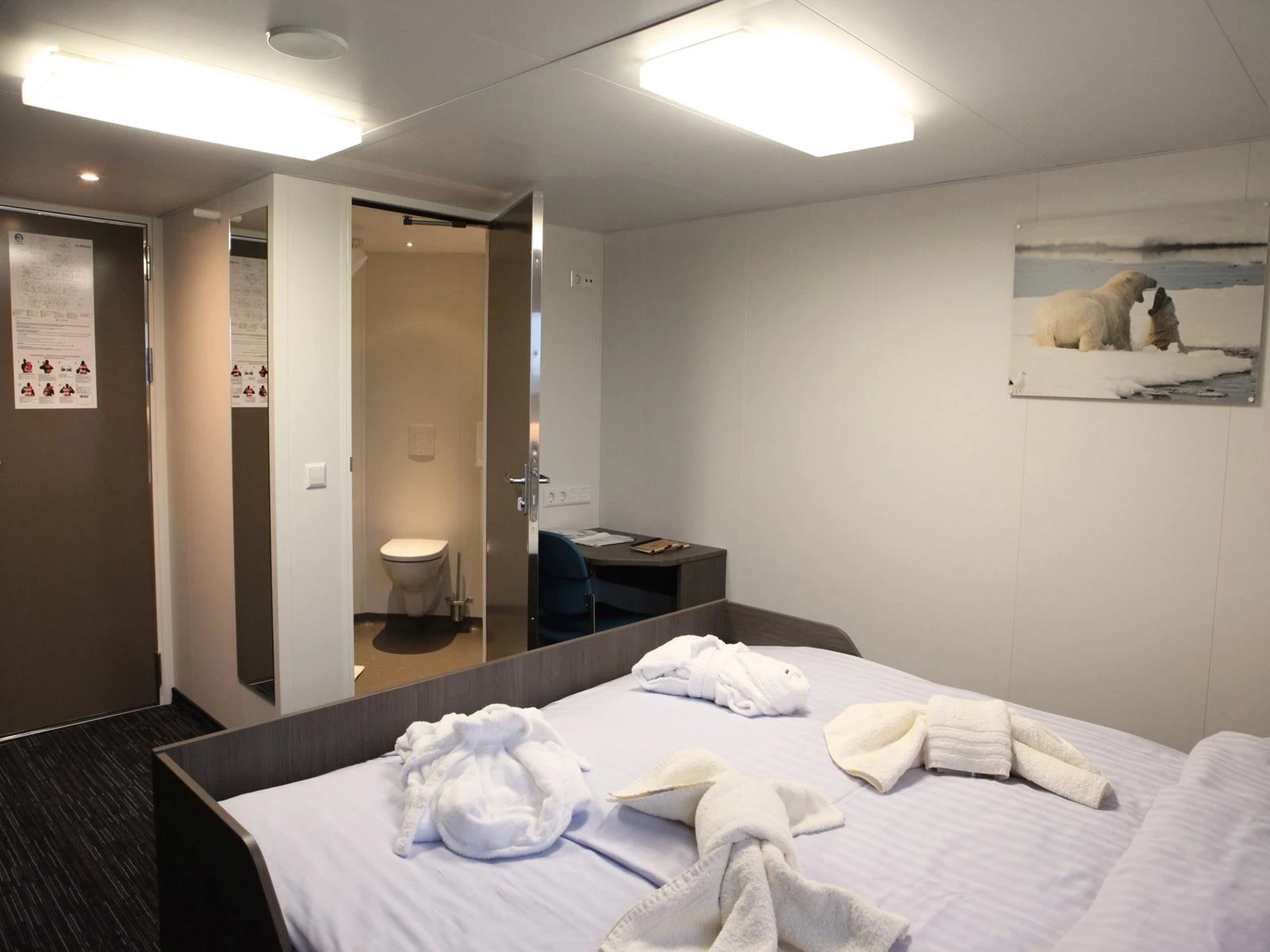
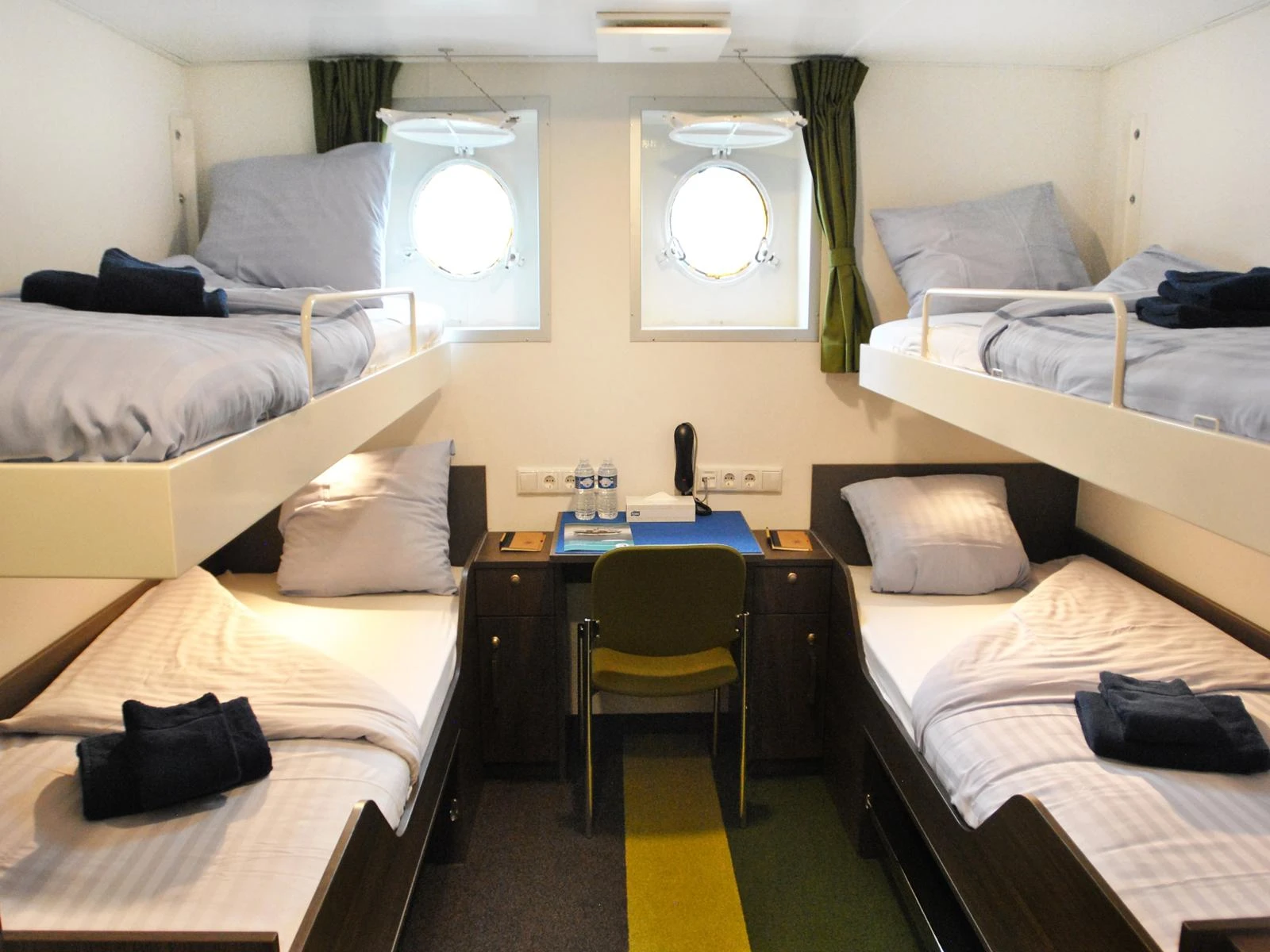
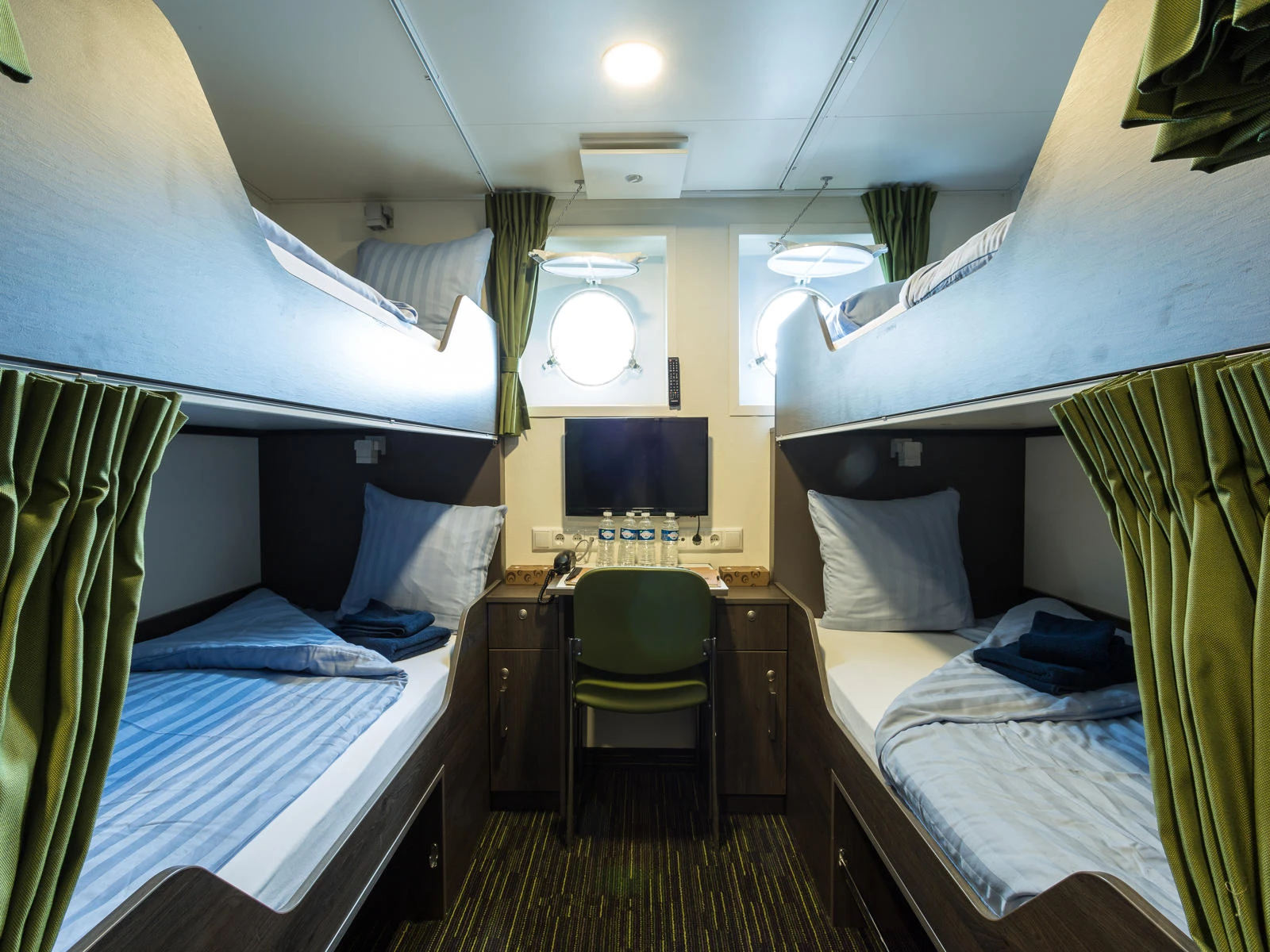
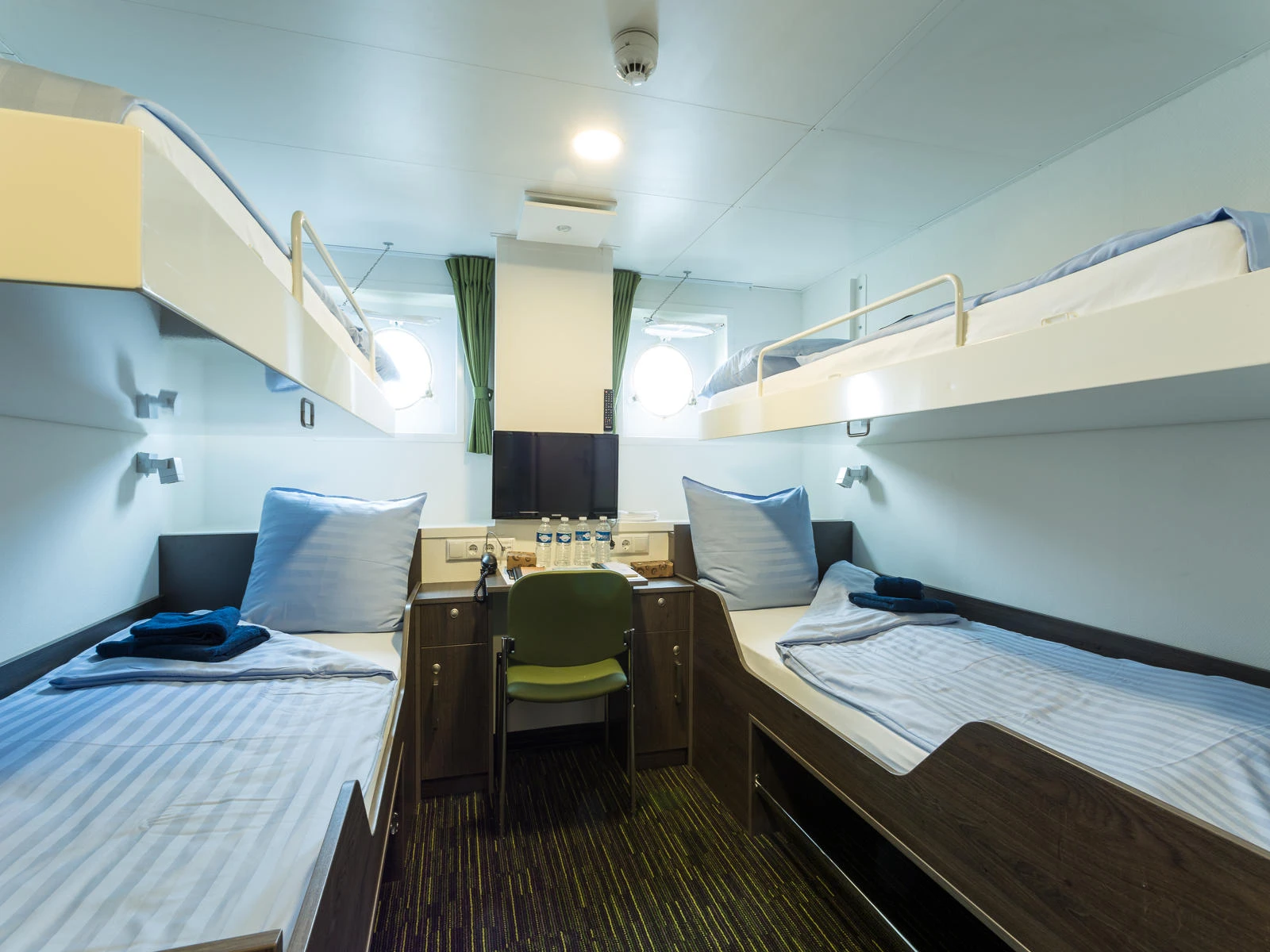
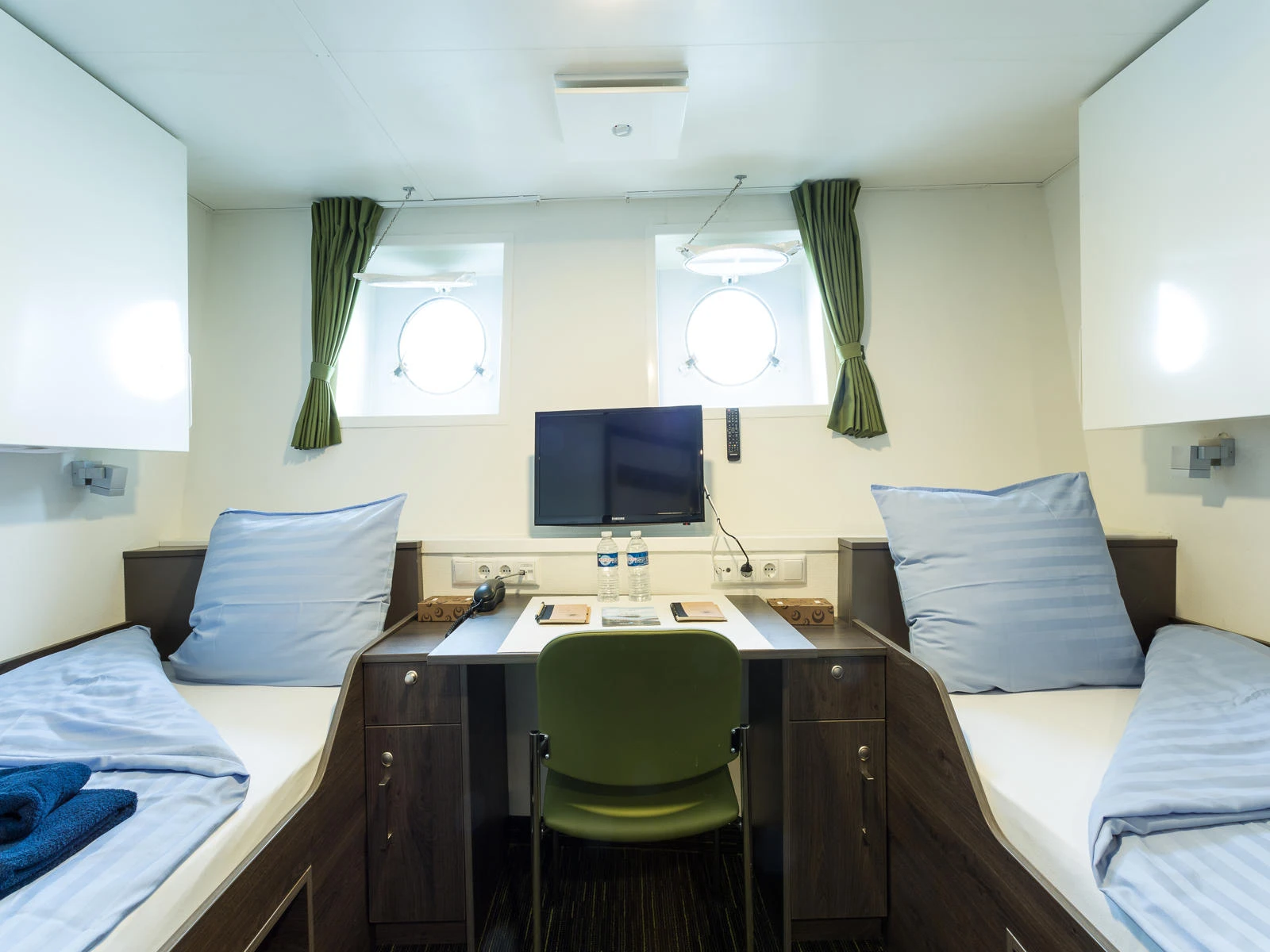
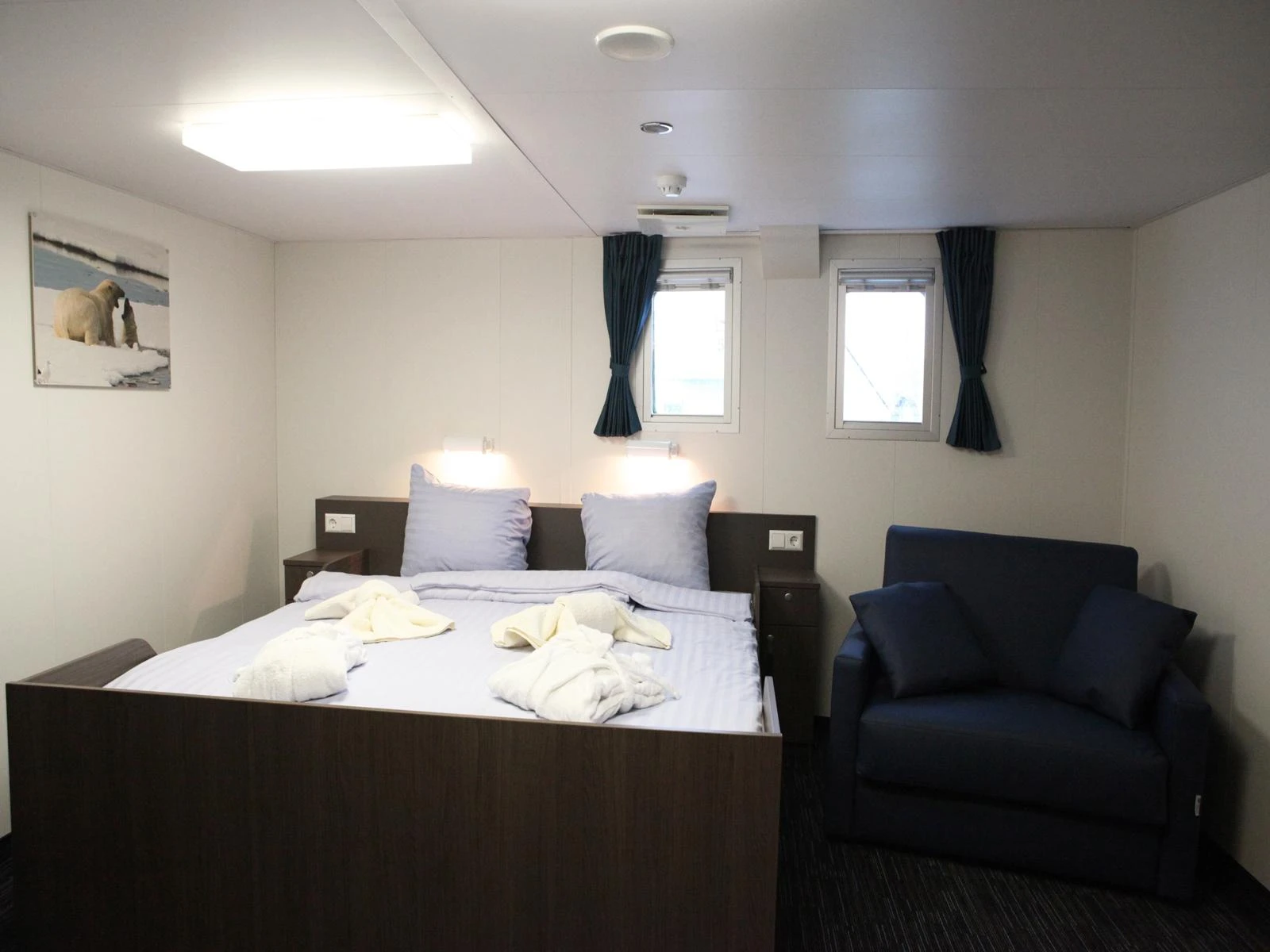
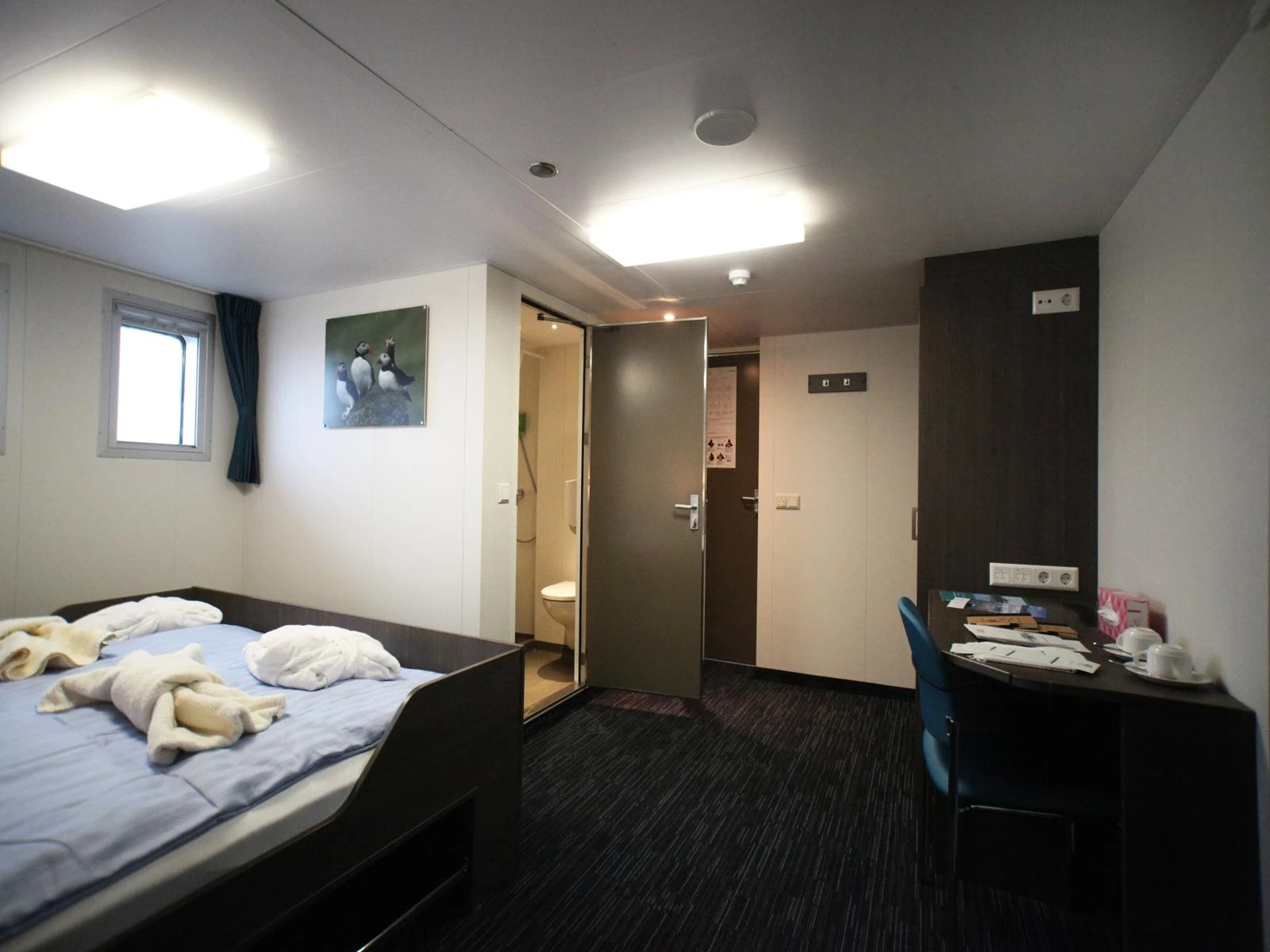
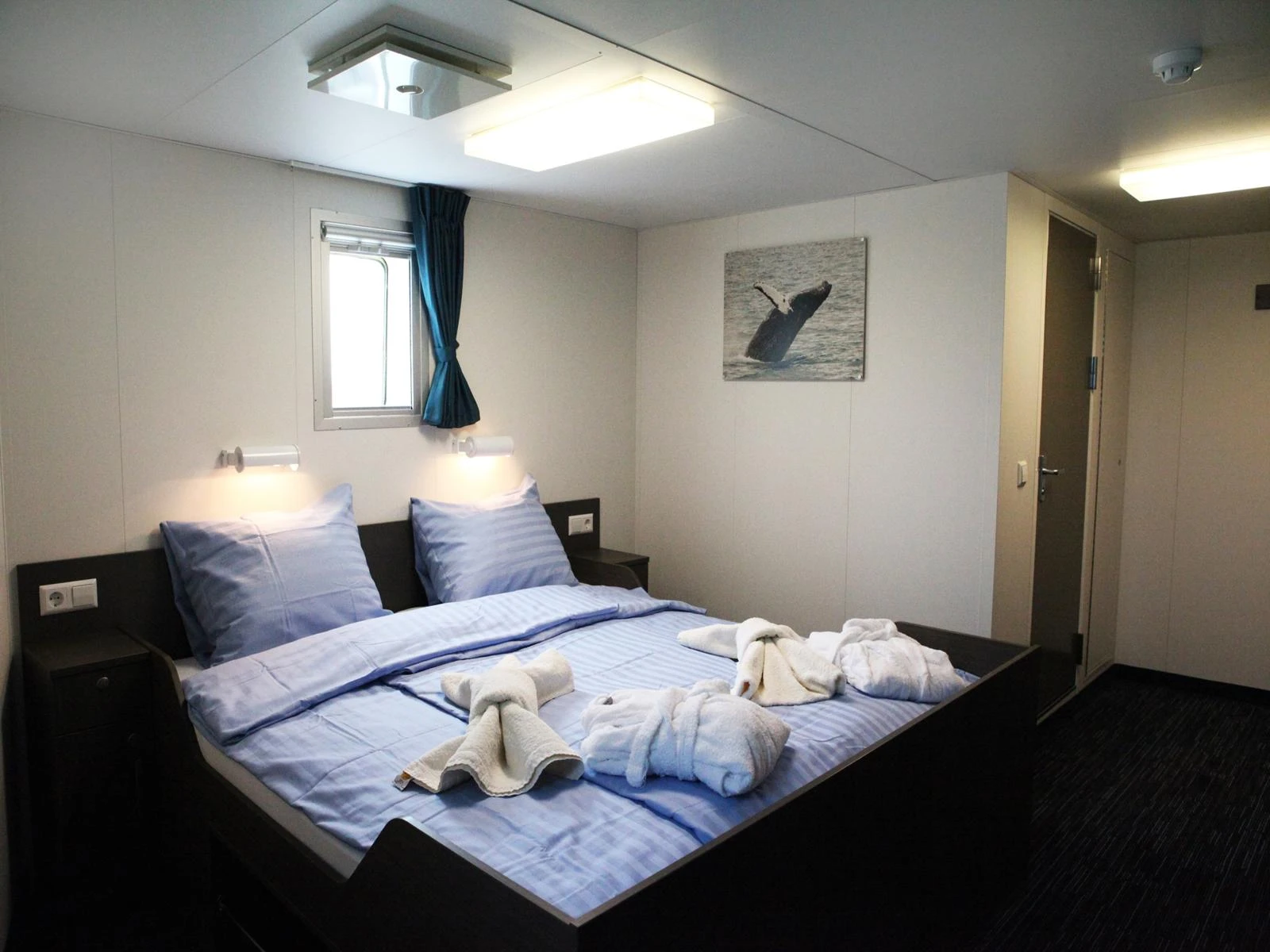
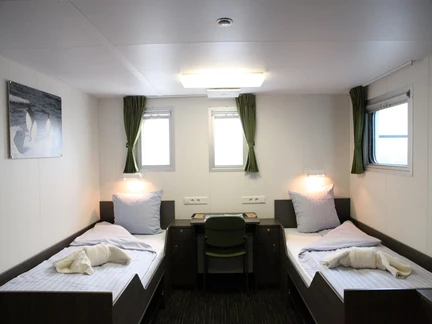
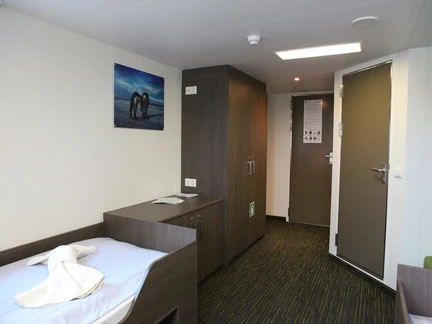
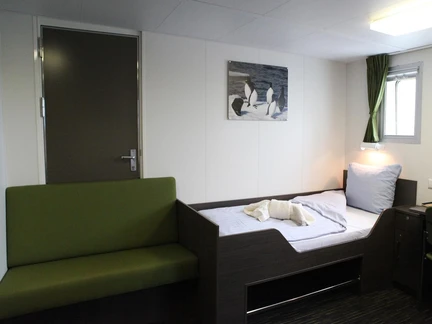
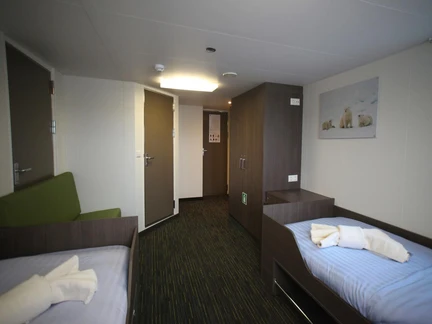
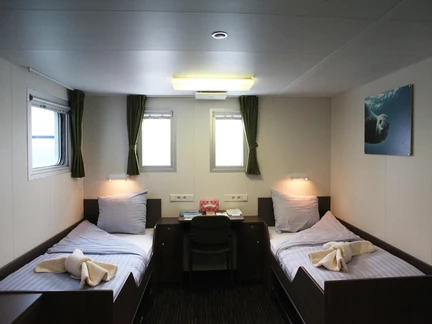
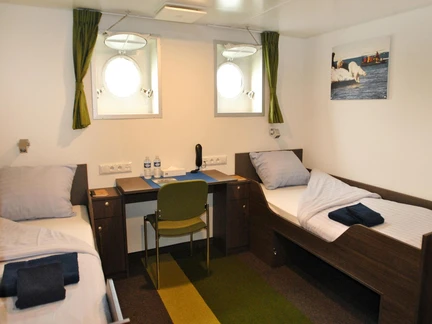
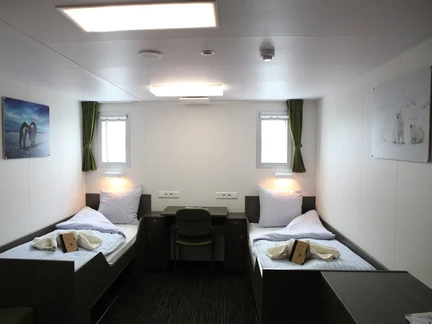
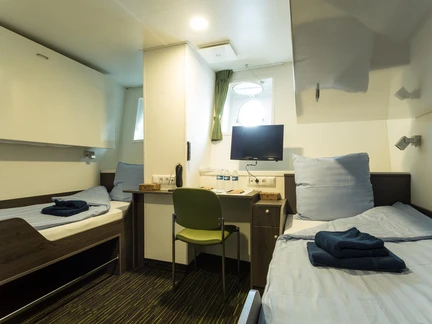
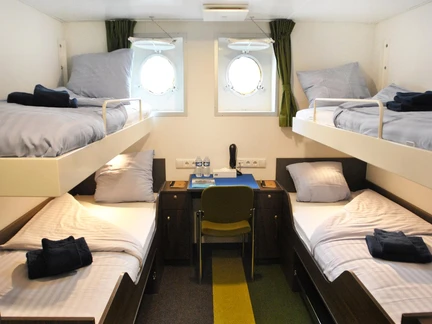
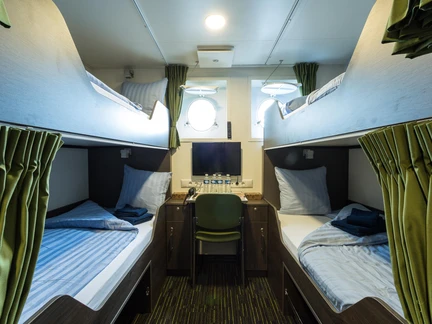
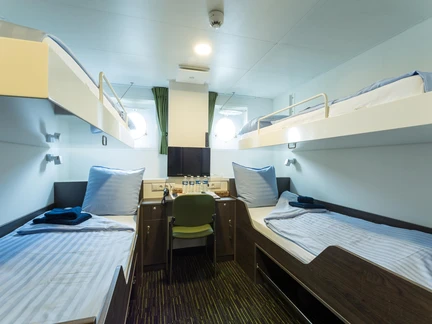
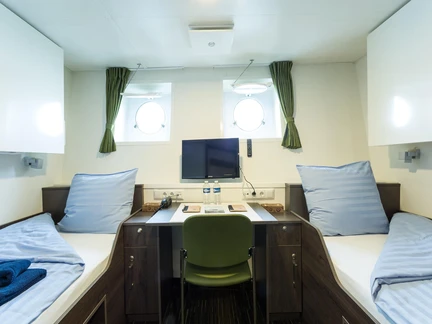
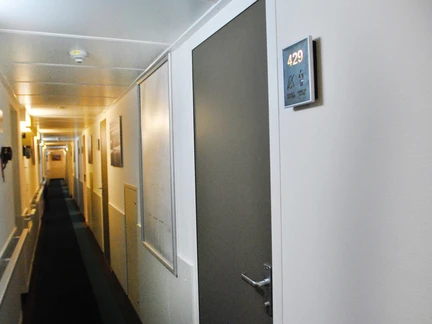
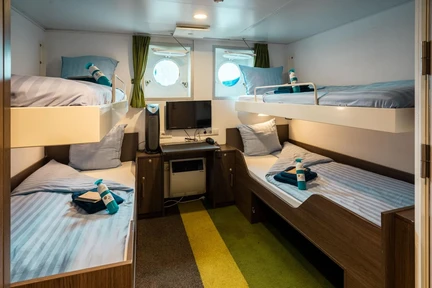
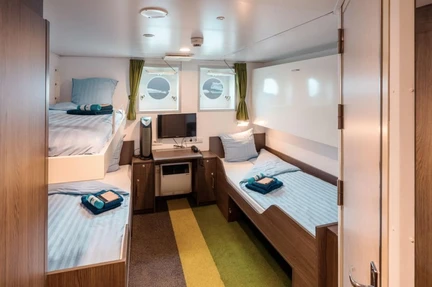
- There are in total 50 cabins at the Ortelius. 4 quadruple cabins with bunk beds. 26 twin porthole cabin with 2 single berths. 12 twin cabins with windows and 2 lower berths. 2 twin deluxe cabins with windows and 2 single lower berths. 6 superior cabins with double beds. All cabins are spacious outside cabins with a minimum of two portholes or windows per cabin and all cabins have a private shower and toilet.
- The number of passengers is limited to approximately 116 on the Ortelius. Furthermore the vessel is manned by 20 highly experienced international nautical crew, 19 international hotel crew, including stewardesses, 7 expedition staff in Antarctica (1 expedition leader and 6 guides/lecturers) and 1 doctor.

You May Also Like
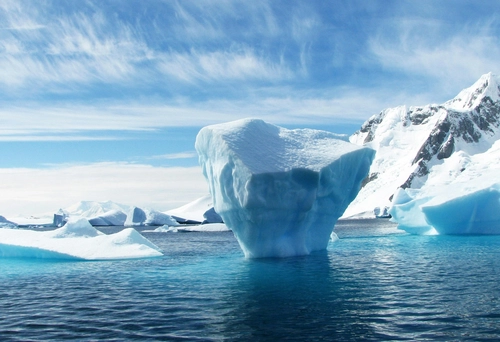
Alpine Peaks of Spitsbergen, Ski & Sail
24 Apr 2026 - 01 May 2026 8 Days / 7 Nights
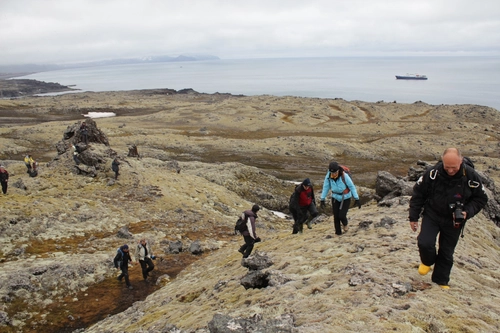
Arctic Ocean - Fair Isle, Jan Mayen, Ice Edge, Spitsbergen, Birding
27 May 2026 - 05 Jun 2026 10 Days / 9 Nights
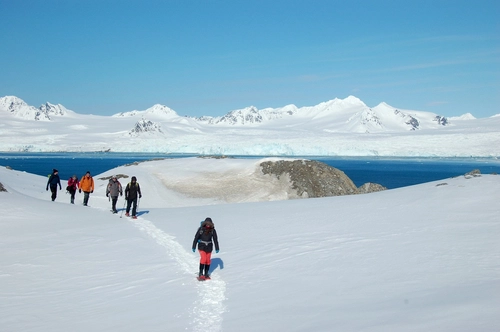
North Spitsbergen - Arctic Spring , Hike & Sail
29 May 2026 - 05 Jun 2026 8 Days / 7 Nights
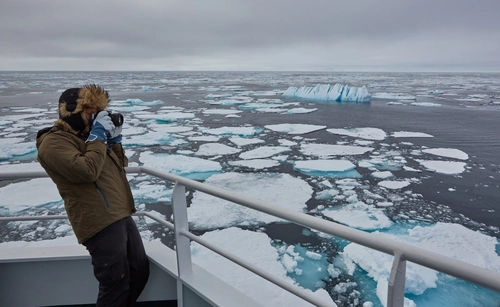
North Spitsbergen Explorer - Into the pack ice - Polar Bear Special
05 Jun 2026 - 12 Jun 2026 8 Days / 7 Nights

Arctic Ocean - Jan Mayen, Ice edge, Spitsbergen, Birding
05 Jun 2026 - 13 Jun 2026 9 Days / 8 Nights
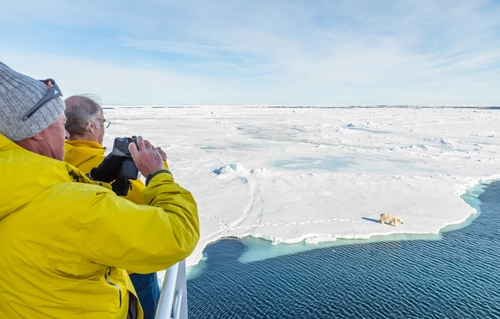
Arctic Ocean - Fair Isle, Jan Mayen, Ice edge, Spitsbergen, Birding - Summer Solstice
12 Jun 2026 - 21 Jun 2026 10 Days / 9 Nights
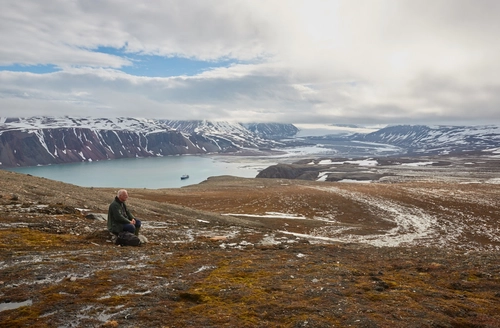
North Spitsbergen Explorer - Versatile landscapes, sea ice & wildlife
13 Jun 2026 - 20 Jun 2026 8 Days / 7 Nights
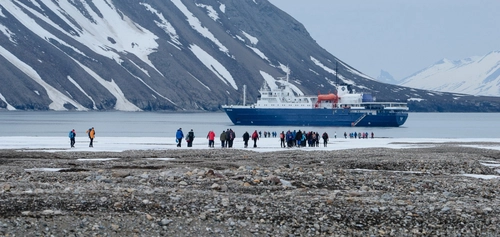
North Spitsbergen Basecamp – Summer Solstice - Free Kayaking, Hiking, Photo Workshop, Diving (supplemented)
19 Jun 2026 - 26 Jun 2026 8 Days / 7 Nights
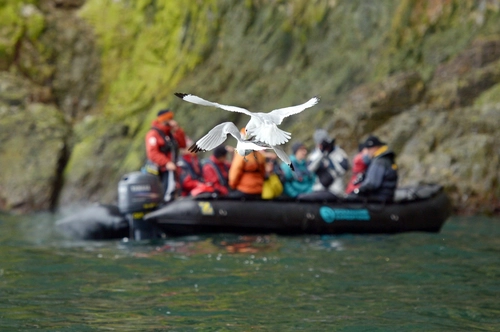
North Spitsbergen Explorer - Versatile landscapes, sea ice & wildlife - Summer Solstice
20 Jun 2026 - 27 Jun 2026 8 Days / 7 Nights
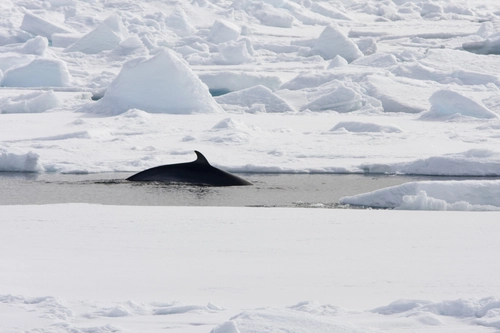
North Spitsbergen - Arctic Summer
25 Jun 2026 - 05 Jul 2026 11 Days / 10 Nights
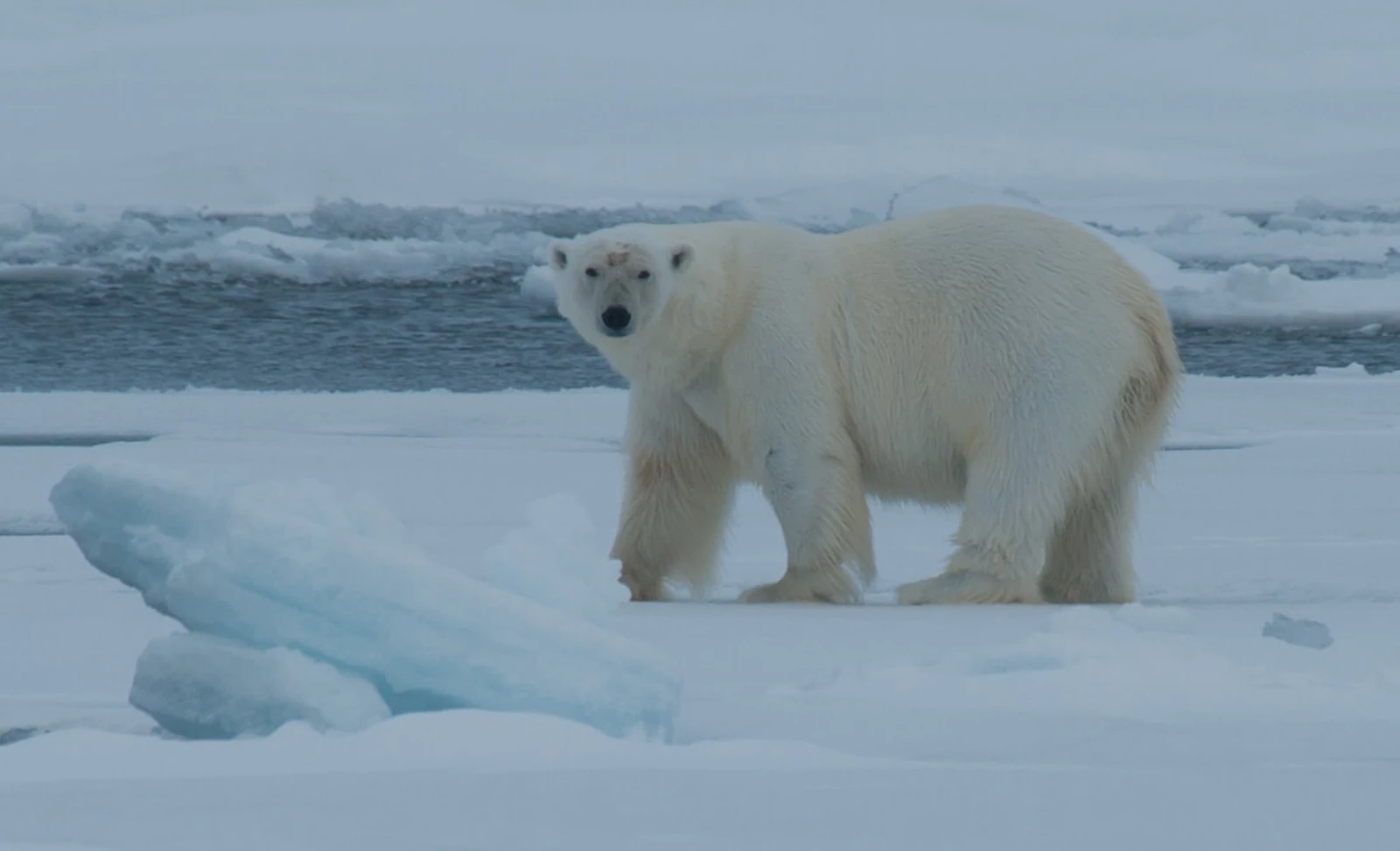
East Spitsbergen - Home of the Polar Bear, Including Long Hikes & Cleaning the Shores
26 Jun 2026 - 03 Jul 2026 8 Days / 7 Nights
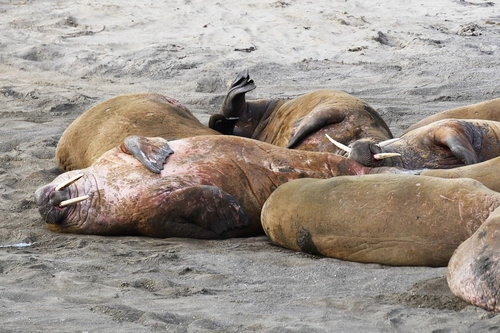
Around Spitsbergen, In the realm of Polar Bear & Ice
27 Jun 2026 - 06 Jul 2026 10 Days / 9 Nights
North Spitsbergen Explorer – Into the Pack Ice – Polar Bear & Whale Special
28 Jun 2026 - 07 Jul 2026 10 Days / 9 Nights
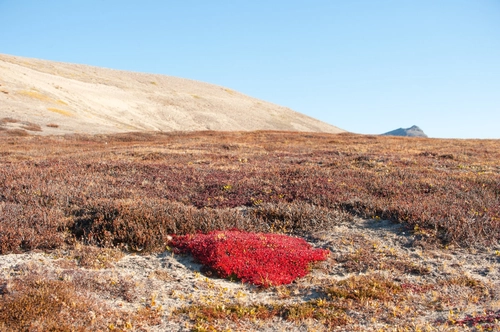
Northeast Greenland Solar Eclipse Explorer Voyage
02 Aug 2026 - 15 Aug 2026 14 Days / 13 Nights
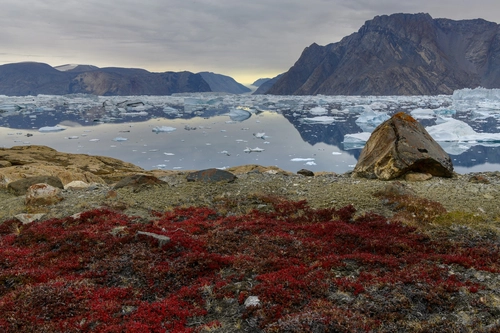
Spitsbergen - Northeast Greenland, Fly & Sail
12 Aug 2026 - 31 Aug 2026 20 Days / 19 Nights

Around Spitsbergen incl. Nordaustlandet
17 Aug 2026 - 26 Aug 2026 10 Days / 9 Nights
Alpine Peaks of Spitsbergen - Ski & Sail
07 May 2027 - 14 May 2027 8 Days / 7 Nights
Arctic Ocean - Fair Isle, Jan Mayen, Ice Edge, Spitsbergen, Birding Special
23 May 2027 - 01 Jun 2027 10 Days / 9 Nights
North Spitsbergen Explorer - Versatile Landscapes, Sea Ice & Wildlife
01 Jun 2027 - 08 Jun 2027 8 Days / 7 Nights
North Spitsbergen Explorer - Into the Pack Ice - Polar Bear Special
09 Jun 2027 - 16 Jun 2027 8 Days / 7 Nights
North Spitsbergen, Arctic Summer - Summer Solstice
14 Jun 2027 - 24 Jun 2027 11 Days / 10 Nights
North Spitsbergen Explorer - Versatile Landscapes, Sea Ice & Wildlife - Summer Solstice
15 Jun 2027 - 22 Jun 2027 8 Days / 7 Nights
North Spitsbergen Explorer - Into the Pack Ice - Polar Bear Special - Summer Solstice
16 Jun 2027 - 23 Jun 2027 8 Days / 7 Nights
Arctic Ocean - Spitsbergen: Jan Mayen, Ice Edge & Birding - Summer Solstice
21 Jun 2027 - 29 Jun 2027 9 Days / 8 Nights
North Spitsbergen Basecamp - Free kayaking, Hiking, Photo Workshop
23 Jun 2027 - 30 Jun 2027 8 Days / 7 Nights
North Spitsbergen, Arctic Summer
24 Jun 2027 - 04 Jul 2027 11 Days / 10 Nights
Around Spitsbergen, in the Icy Realm of the Polar Bear
29 Jun 2027 - 08 Jul 2027 10 Days / 9 Nights
A Taste of North Spitsbergen - Compact Arctic Adventure
30 Jun 2027 - 05 Jul 2027 6 Days / 5 Nights
South Spitsbergen Explorer - Bear Island - Diving (supplemented)
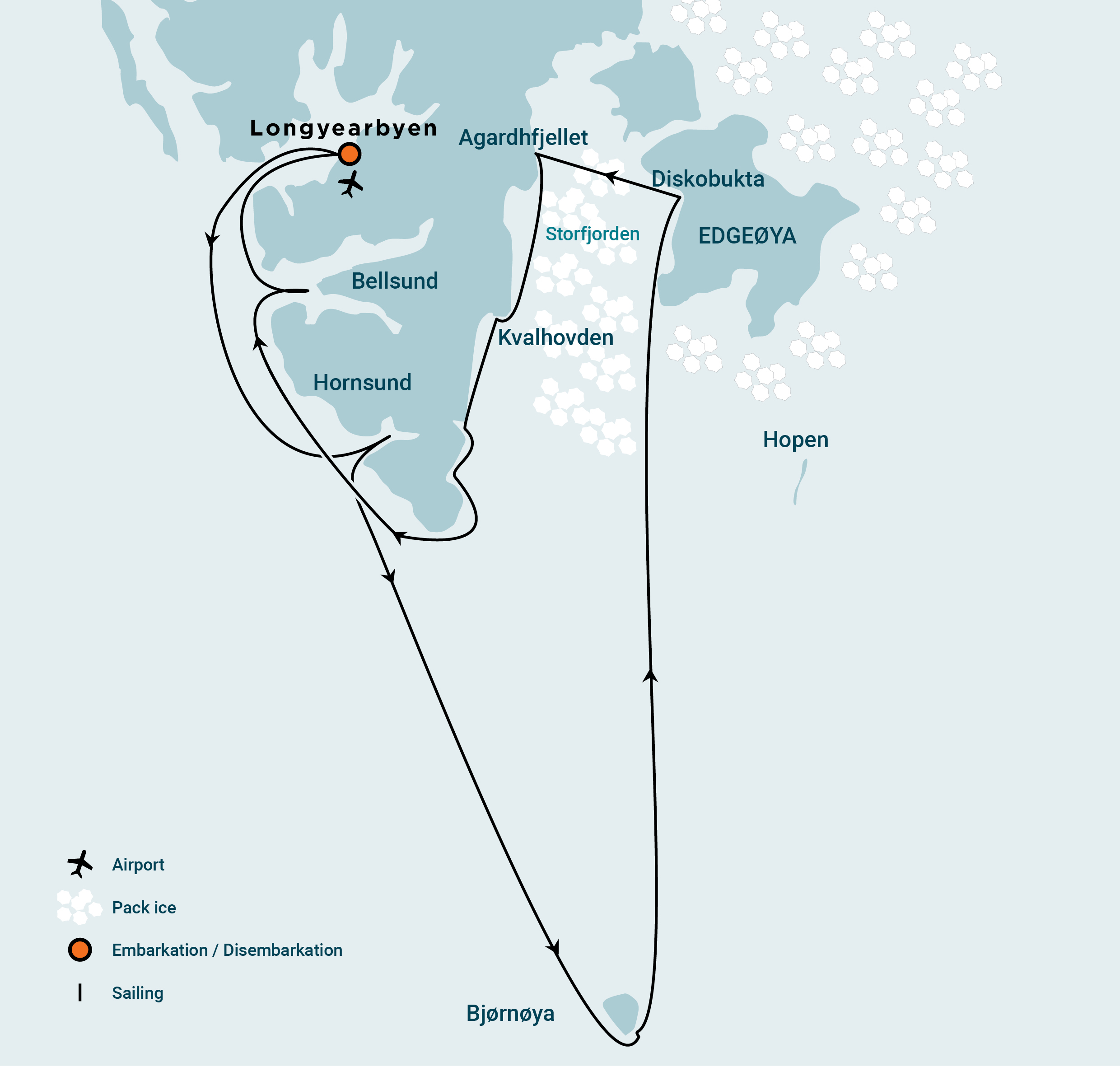
10 Jul 2027 - 19 Jul 2027 10 Days / 9 Nights
Around Spitsbergen - Arctic Summer
28 Jul 2027 - 11 Aug 2027 15 Days / 14 Nights
Around Spitsbergen and Nordaustlandet, In the Icy Realm of the Polar Bear
06 Aug 2027 - 15 Aug 2027 10 Days / 9 Nights
Spitsbergen, Northeast Greenland & Scoresby Sund, Including Long Hikes
20 Aug 2027 - 02 Sep 2027 14 Days / 13 Nights
South Spitsbergen, Bear Island & Mainland Norway - Aurora Borealis
17 Sep 2027 - 22 Sep 2027 6 Days / 5 Nights
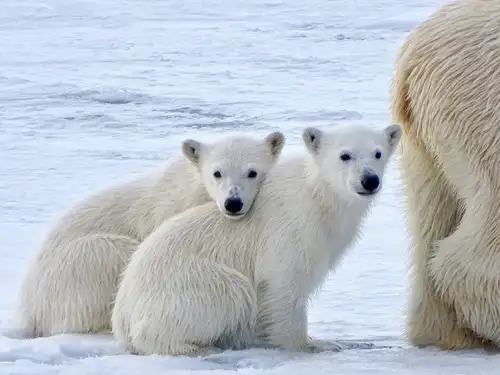
Where the Polar Bears Roam
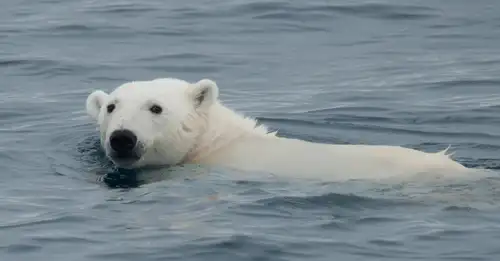
Polar Bear Sets Impressive New Diving Record
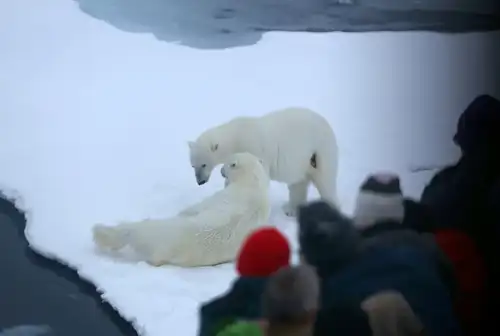
The Pack Ice and Polar Bears of North Spitsbergen
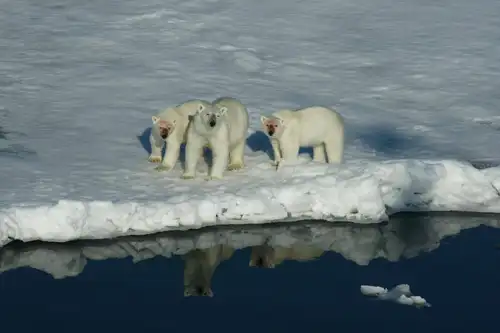
Polar Bear Primer: Eight Facts About the Arctic Wanderer
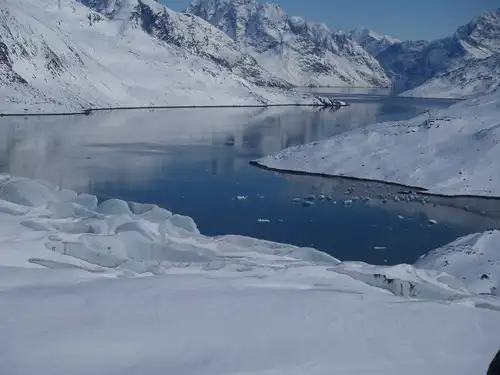
8 Scientific Wonders of the Arctic
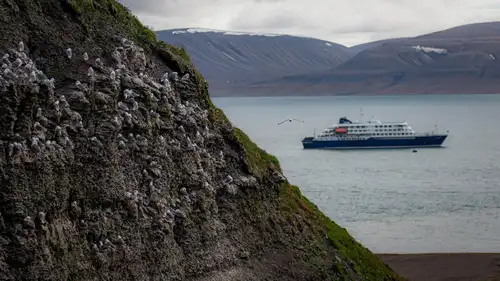
Circumnavigating Spitsbergen
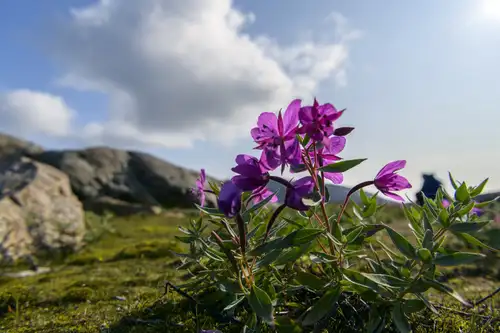
Arctic Flowers, Trees, and Other Plant Life
Navigating by touch through the sea ice
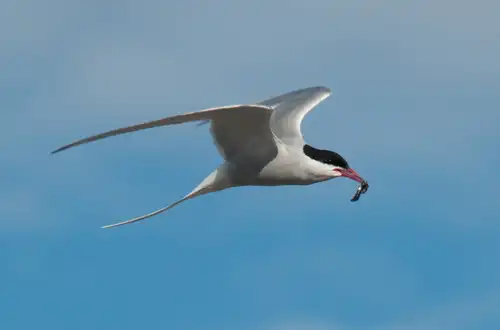
Birding Opportunities Abound in Spitsbergen
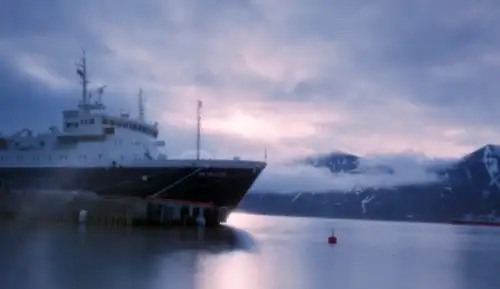
Solargraphy & Pin Hole photography in the Arctic
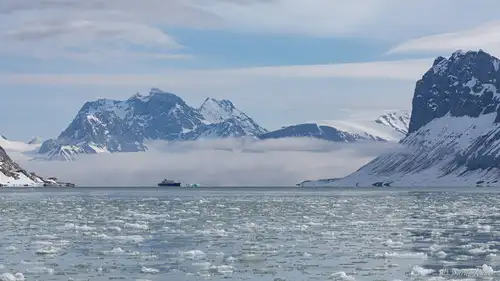
Svalbard vs. the Canadian Arctic
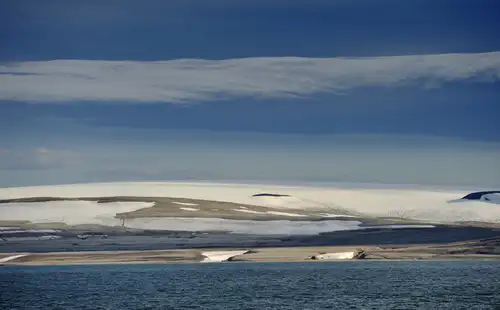
Six Must-See Svalbard Sites
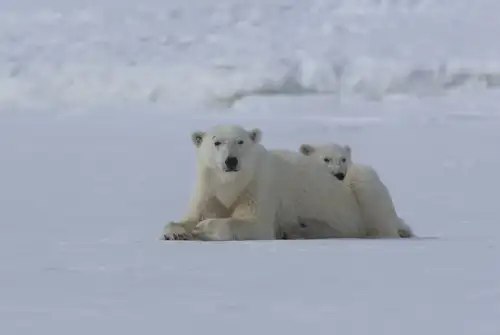
Polar Bears and Pack Ice: 22 Pics from North Spitsbergen
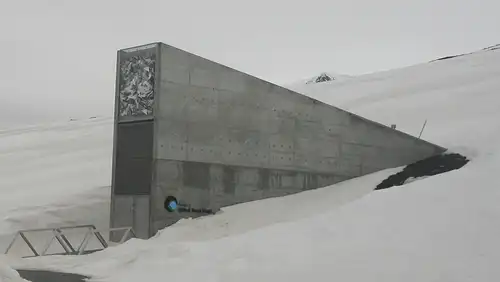
Inside the Svalbard Global Seed Vault
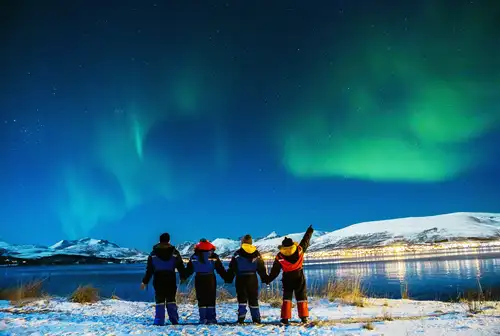
10 Tips for Photographing the Northern Lights
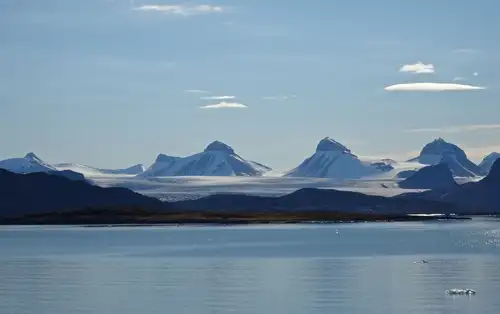
The Arctic Borderland of Kongsfjorden, Svalbard
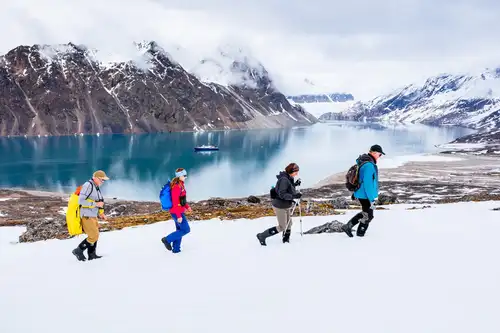
Around Spitsbergen vs. North Spitsbergen
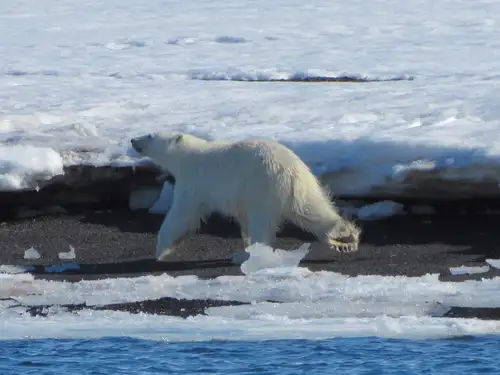
Polar bear feast
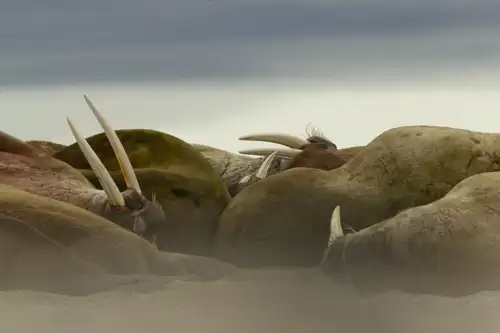
15 Toothy Facts About the Atlantic Walrus