Taking A Polar Expedition Cruise Delivers No Shortage Of Show Stopping Highlights But One Of The Most Exhilarating Is Lifting Off From The Ship In A Helicopter And Taking Flight Over The Incomparable Antarctic Wilderness - Nexta Expeditions
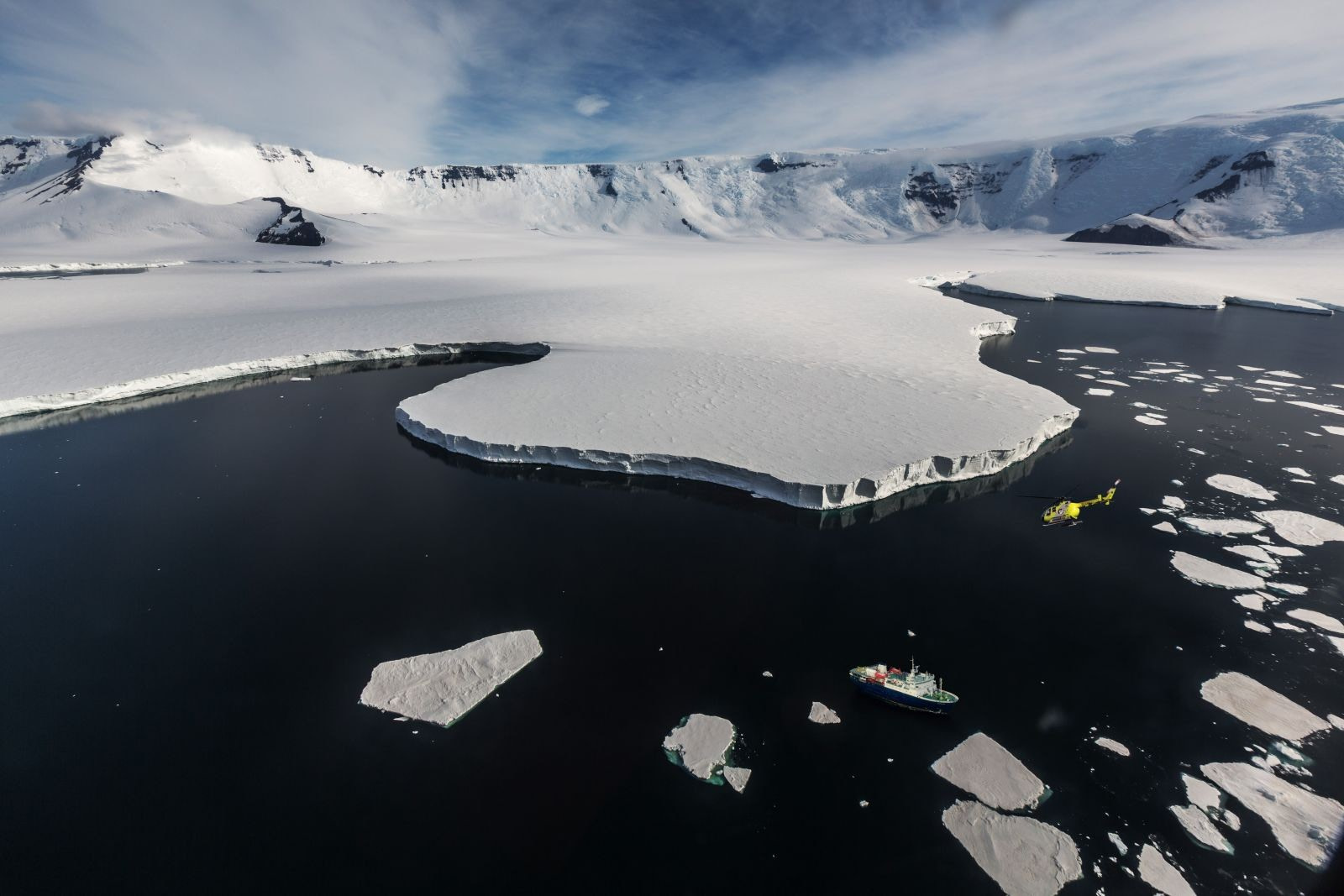
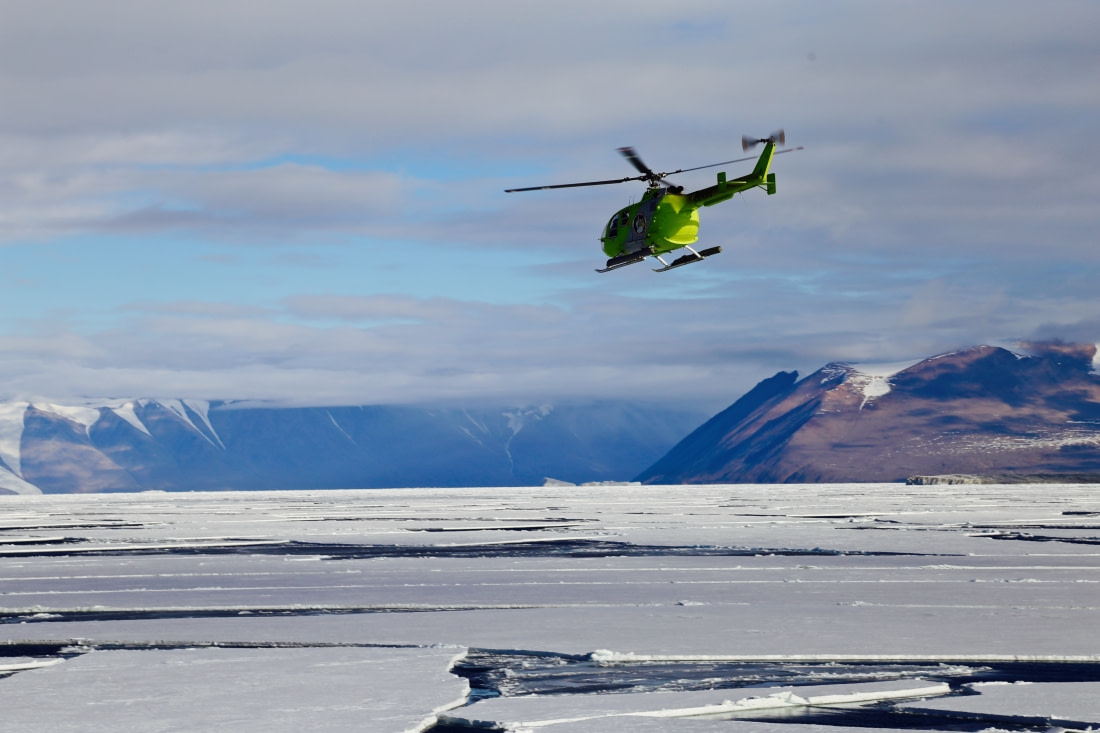
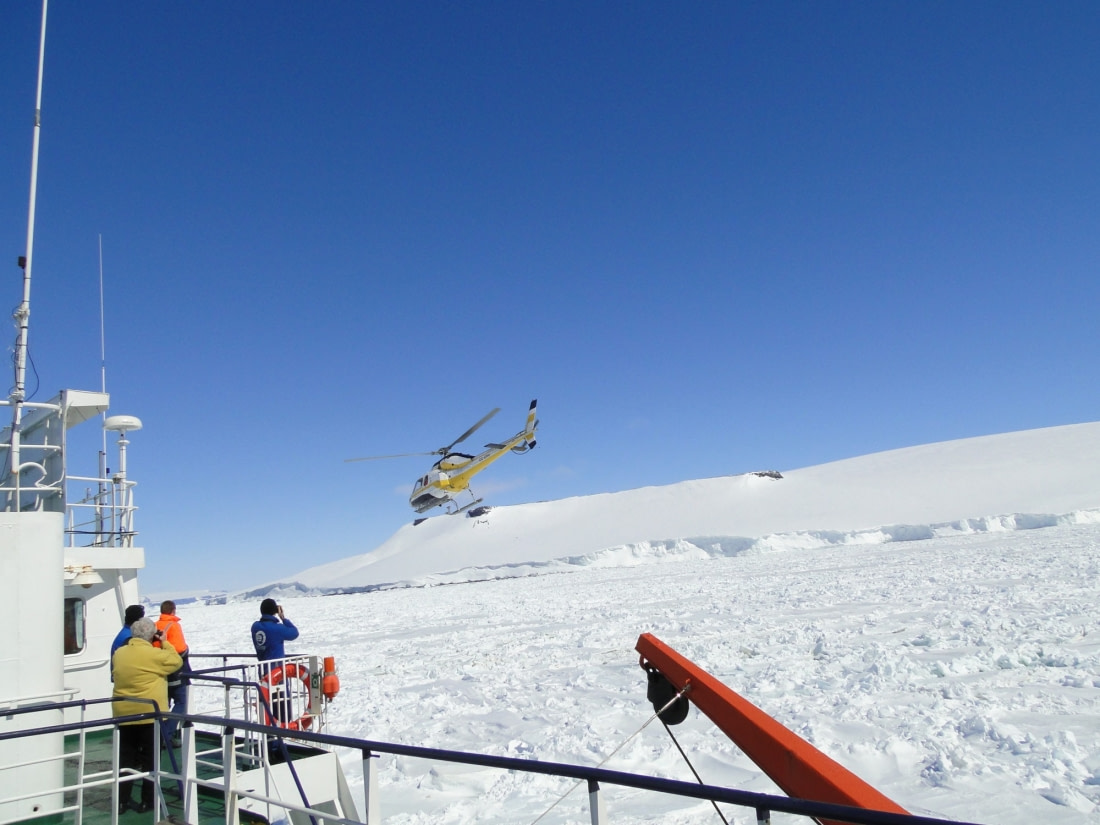
Taking a polar expedition cruise delivers no shortage of show-stopping highlights, but one of the most exhilarating is lifting off from the ship in a helicopter and taking flight over the incomparable Antarctic wilderness.

Taking a polar expedition cruise delivers no shortage of show-stopping highlights, but one of the most exhilarating is lifting off from the ship in a helicopter and taking flight over the incomparable Antarctic wilderness.

Embarking on a polar expedition cruise offers a plethora of breathtaking experiences, but one of the most thrilling is taking off from the ship in a helicopter and soaring over the stunning Antarctic wilderness.

The penguins get so jealous.

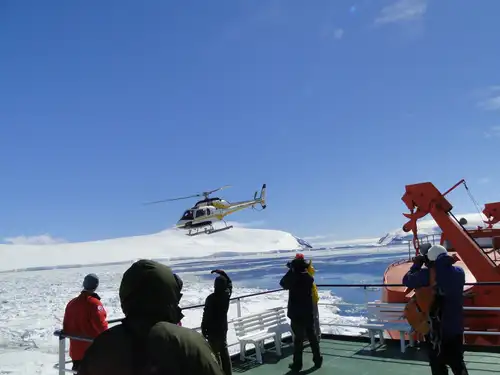
On certain Ortelius voyages, we have two helicopters on board that can, weather permitting, lift you off the ship and fly you into the Antarctic adventure of your dreams.

These aerial cruises take place in two of Antarctica’s most scenic and wildlife-rich regions: the Ross Sea and Weddell Sea, areas renowned for their diverse species of whales, seals, and seabirds – including penguins.

Here we’ll delve into some details of our exhilarating helicopter adventures.
blog-image

Helicopter cruises in Antarctica’s Ross Sea

Our more frequent helicopter trips are our Ross Sea voyages, expansive Antarctic itineraries that run about a month long.

During these voyages, you’ll sail through the Bellingshausen Sea, Amundsen Sea, and finally the Ross Sea, potentially visiting such jaw-dropping locations as the Ross Ice Shelf, Ross Island, Shackleton’s cabin at Cape Royds, Scott’s cabin at Cape Evans, Inexpressible Island, Cape Adare, and more.

Many of these sites are legendary in the history of Antarctic exploration, having witnessed some of its most defining moments and personalities.
blog-image

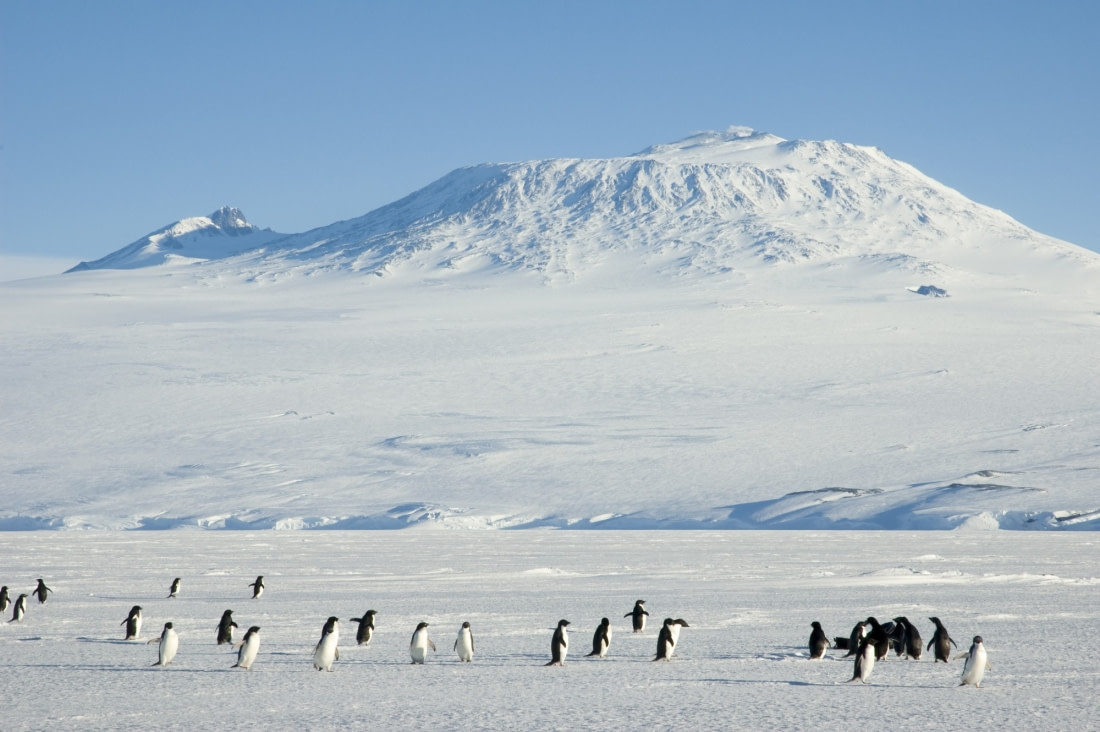
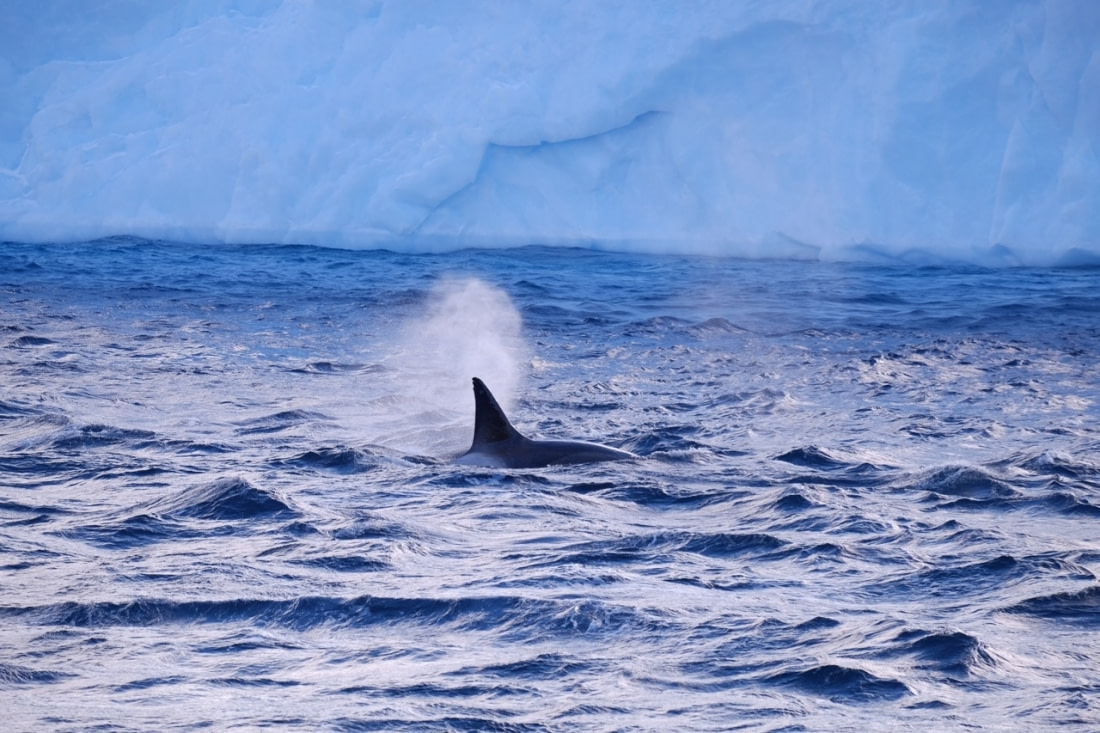
You’ll also have the chance to see some of the beloved polar wildlife that makes the Ross Sea such a coveted destination: Emperor and Adélie penguins, fin, minke, and orca whales (killer whales), elephant seals and fur seals, and a nearly inexhaustible list of seabirds may cross your path during your time in the Ross Sea.

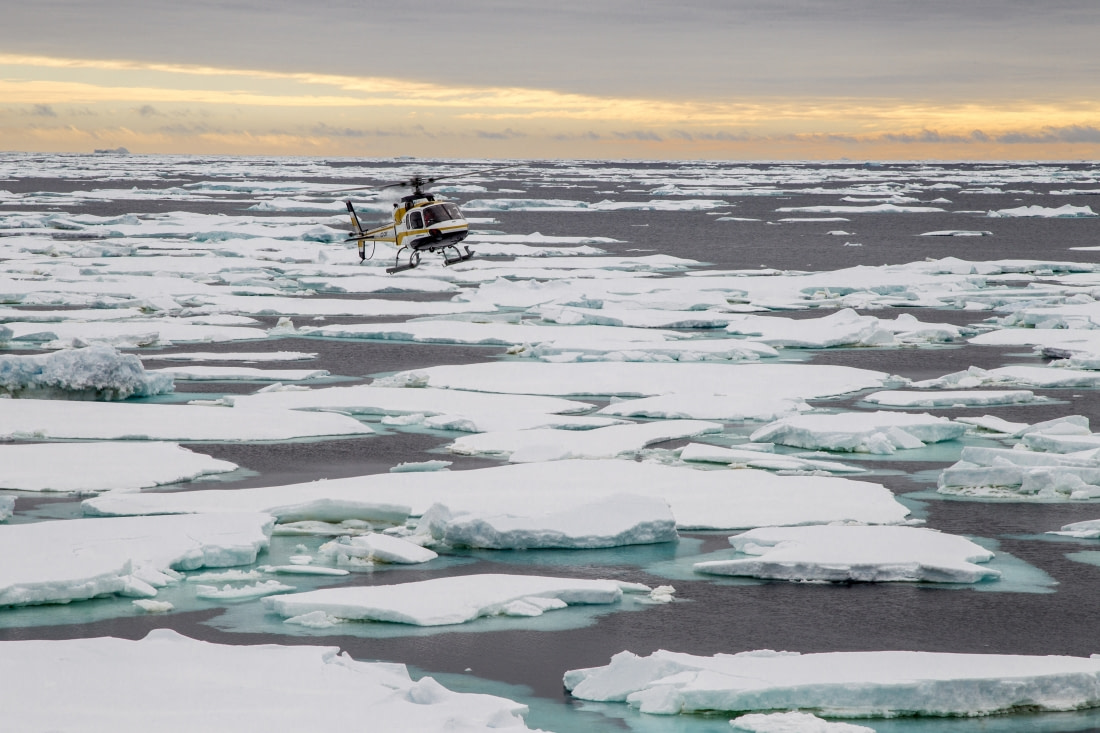
Our helicopters enable us to attempt landings at places we would otherwise not be able to visit, such as the glaciated northern shore of Peter I Island, the colossal Ross Ice Shelf, and sometimes even in Antarctica’s Mars-like Dry Valleys.
blog-image

The Weddell Sea’s helicopter highlights

Less frequent but no less fantastic than our Ross Sea trips are our Weddell Sea voyages, where helicopters also prove invaluable to reaching areas impossible to see any other way.

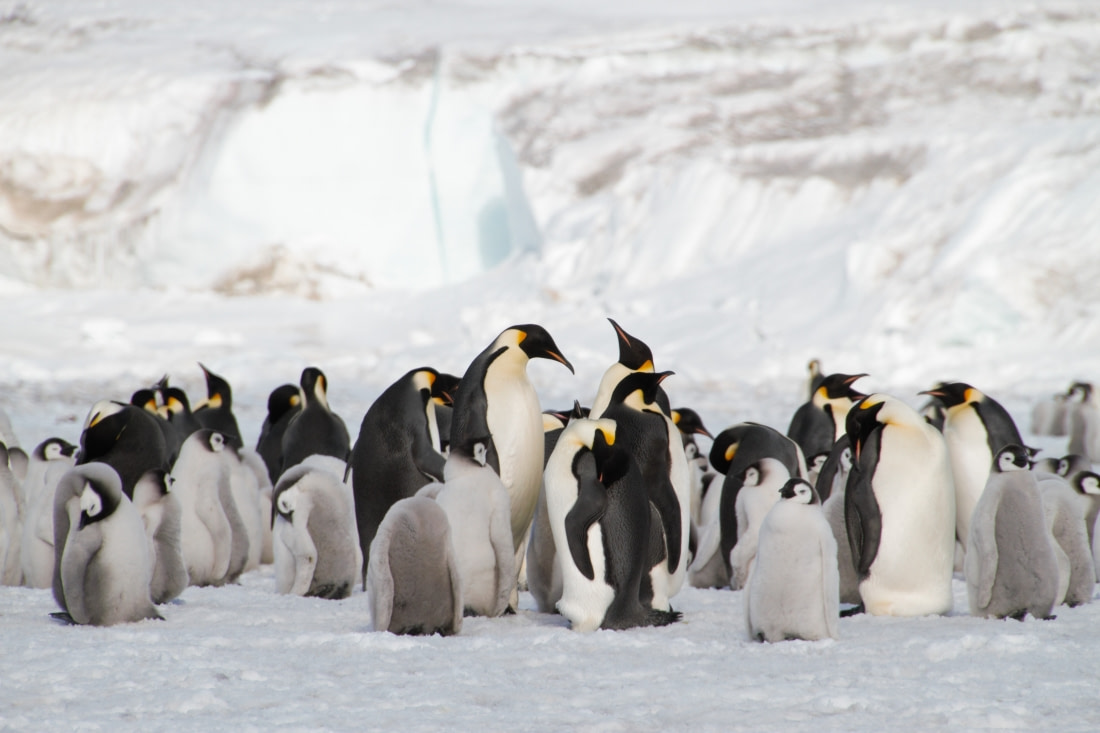
One of the highlights of our Weddell Sea cruises is no doubt the emperor penguin colony on Snow Hill Island, a seldom-visited location we nonetheless managed to take our passengers to in 2017, 2018, and 2019.

But our other intended Weddell Sea landings are similarly exciting, such as the western slopes of the Antarctic Sound, Seymour Island, Devil Island, Brown Bluff, and Deception Island, among other unforgettable locations.
blog-image

Emperor penguin sightings are the priority of these Weddell Sea trips, but you could also spot Adélies, chinstraps, and gentoos as well as fin, orca, and other whales, leopard seals, and a cast of beautiful seabirds comparable to those found in the Ross Sea.

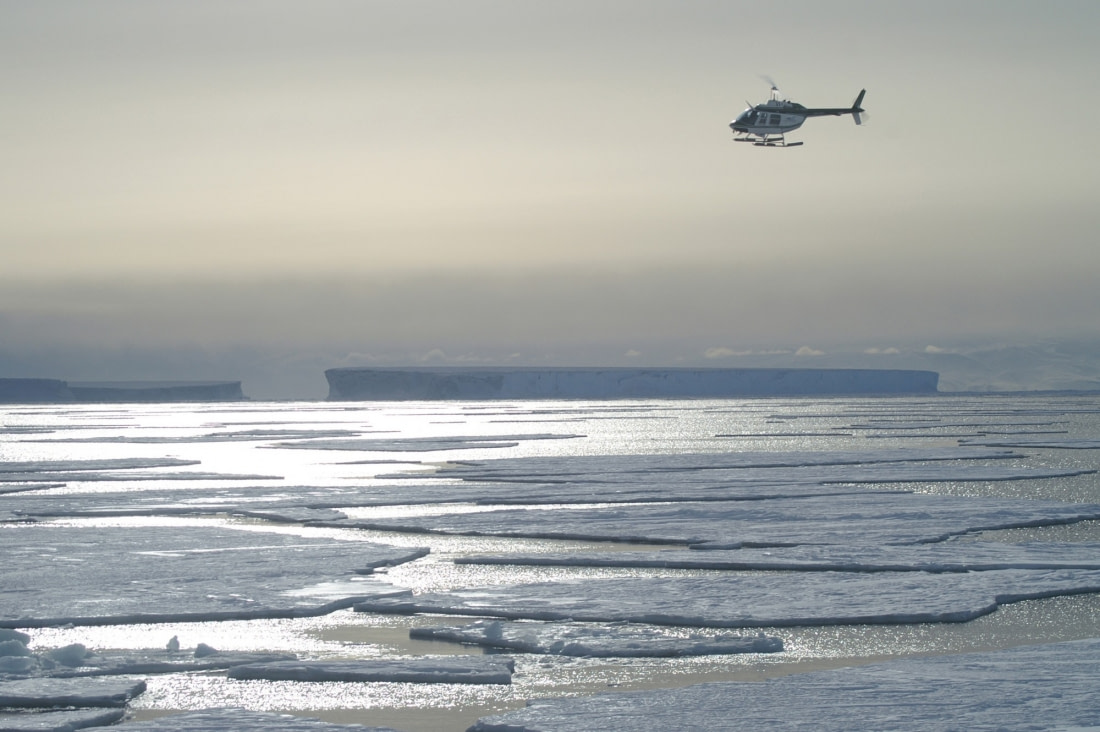
Our helicopters may land at or provide you panoramic views of several areas, such as Duse Bay or the Antarctic Sound, an especially awe-inspiring sight rarely enjoyed from the air.
blog-image

Flying in helicopters: a few final details

Rest assured that you’ll have all the information you need to stay safe and comfortable during your flights, or for the rest of our Antarctica helicopter trips, for that matter. In fact, you may get briefed more than you thought possible.

But when it comes to helicopters, “better safe than sorry” goes double.

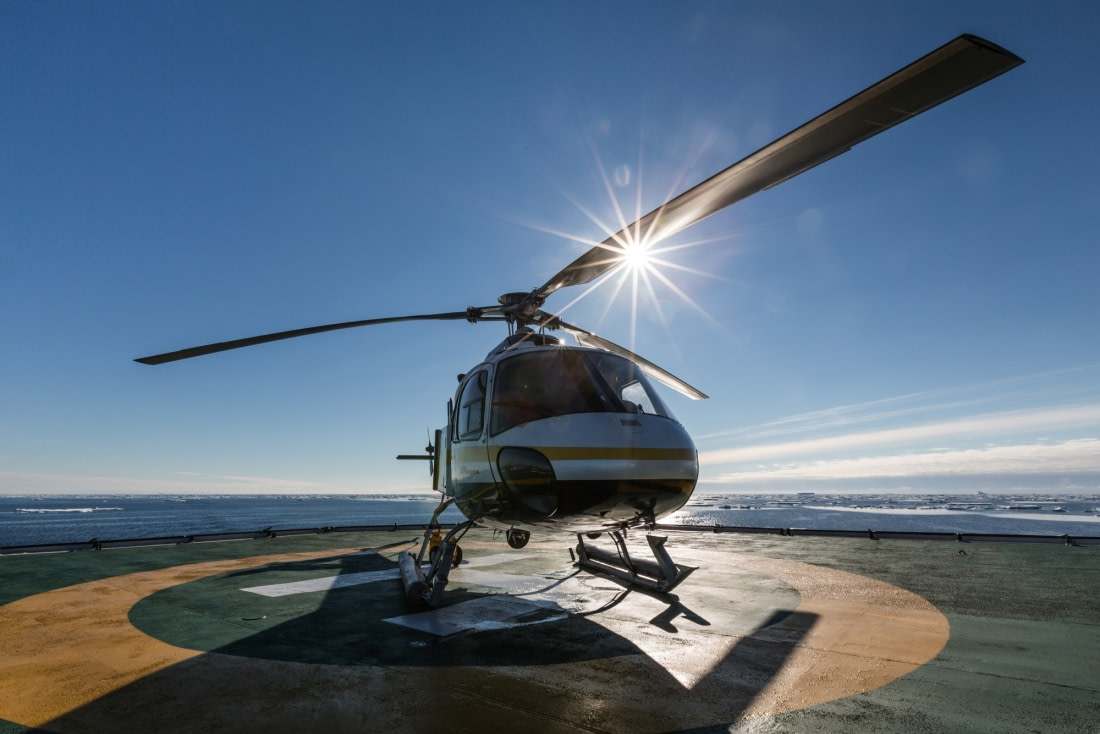
Before you ever set foot in a helicopter, we’ll thoroughly inform you as to proper procedure as well as the basic equipment on board, such as seat belts, life jackets, and survival equipment.
blog-image

These briefings are mandatory. Without them you’re grounded, literally.

For flights, you’ll be divided into groups of four or six passengers, depending on the number of seats in each helicopter. We understand that some people prefer to fly together, but this is not always possible.

We will make a dry run with each group, practicing helicopter procedure. This includes being called to the muster station, dressing for your flight, walking the route to the helicopter, and entering the helicopter (without running engines).

During the dry run, you’ll see how time-consuming helicopter operations can be. Hence our need for everyone to be informed, patient, and ready for take-off.
blog-image

As a friendly reminder, please keep in mind that helicopter operations of this type require strict regulations, more than are standard on our usual Antarctica cruises. We can only fly if all conditions are deemed safe. Weather, sea and sea ice, flying time and distance, visibility and technical issues can all impact flight plans, bringing helicopter ops to a grinding halt.

We cannot, therefore, guarantee everyone flying time or that we’ll even get to fly at all. Our first priority is your safety. Only after that can we try to get some air under your wings.

And all while trying not to make the penguins too jealous.
blog-image

These points represent only a summary of our helicopter operations info. You can get a more thorough version on our helicopter trips page.


Blog
go-leftgo-right

8 Whales You Might See During Your Antarctica Cruise - Nexta Expeditions
Blog

8 Whales You Might See During Your Antarctica Cruise

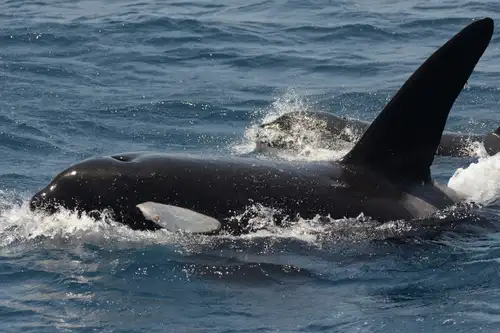
They're powerful, beautiful, and really, really big. Whales are a wonder of the natural world, and one of the best places to see them is Antarctica. In fact, whale watching is one of the most popular and rewarding activities you can enjoy on an Antarctic trip.
Flowers in Antarctica - Nexta Expeditions
Blog

Flowers in Antarctica

The polar regions are among the most inhospitable environments for plants and animals. Life here faces numerous challenges, including low temperatures, high winds, solar radiation, and cell freezing. The Antarctic continent experiences extreme conditions, with darkness during winter and continuous light during summer. Winter temperatures can drop to -60°C or lower.
A Diving Dream Fulfilled - Nexta Expeditions
Blog

A Diving Dream Fulfilled

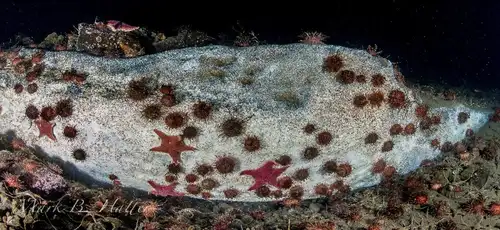
Last January, Mark Hatter achieved a dream he’d been training for over two years. Booking his berth aboard the m/v Ortelius and making the long flight to Ushuaia, Argentina, he and two of his friends sailed down the famous Drake Passage, bound for Earth’s southernmost continent. But their Antarctica trip was not just about shoreline walks and photographing penguins.
9 Facts about the Greenland Shark - Nexta Expeditions
Blog

9 Facts about the Greenland Shark

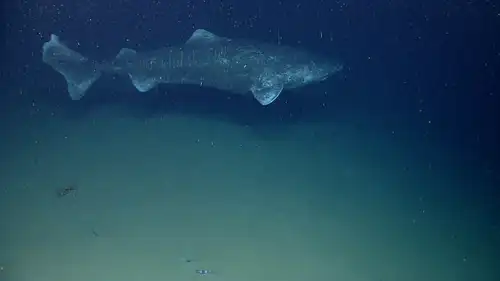
The Greenland shark, or Somniosus microcephalus, is one of many fish that inhabit the waters around Greenland, though this is not the only area in which the shark resides. These sharks, sometimes referred to as “gray sharks” or “gurry sharks,” can also be found in the north Atlantic Ocean near Iceland, Norway, and Canada.
12 Tips to Help Keep Birds Safe During an Antarctic Cruise - Nexta Expeditions
Blog

12 Tips to Help Keep Birds Safe During an Antarctic Cruise

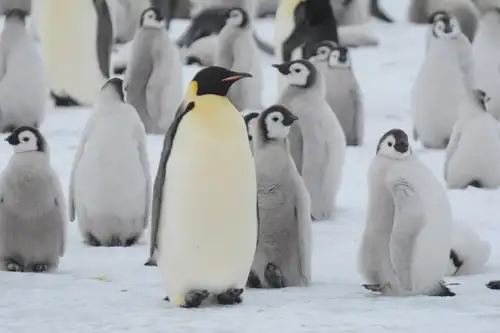
One of the most incredible experiences on an Antarctic cruise is observing the numerous penguins in their natural environment. Naturally, passengers often worry about the potential of disturbing the penguins and other Antarctic birds, which could disrupt their breeding and nesting patterns.
Narwhals: the Aquatic Unicorns of the Arctic - Nexta Expeditions
Blog

Narwhals: the Aquatic Unicorns of the Arctic

Though narwhals are among the rarest whale species encountered during our Arctic expeditions, a journey to the Arctic regions of Greenland and Svalbard always holds the potential for spotting these elusive creatures.
12 Things to Do in Antarctica - Nexta Expeditions
Blog

12 Things to Do in Antarctica

Traveling to Antarctica is unlike traveling to any other place on Earth.
Living the Antarctic Dream - Nexta Expeditions
Blog

Living the Antarctic Dream

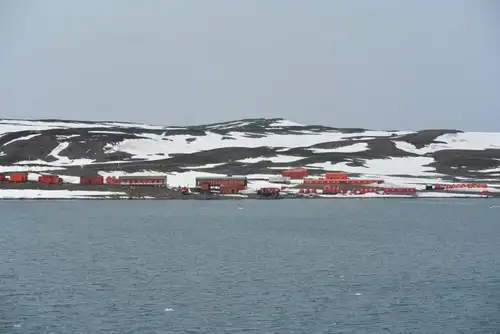
From October to March, during the Austral summer, thousands of breeding gentoo, Adèlie, and chinstrap penguins flock to the Western Antarctic Peninsula to rear their chicks and feast on krill before the harsh winter arrives. Alongside the penguins, field biologists from around the world gather to study these habits for conservation research. Observing these animals is one thing, but residing in an Antarctic field station for an entire breeding season is another. One particular field camp on King George Island, managed by American scientists, has perfected this Antarctic lifestyle and has thrived for over 30 years.
A visit to the fascinating island of Jan Mayen - Nexta Expeditions
Blog

A visit to the fascinating island of Jan Mayen

After exploring the remote island of Fair Isle, our Atlantic Odyssey voyage once more turned its attentions northwards and left the outer extremities of the UK behind. Our destination was Jan Mayen, a volcanic island situated on the mid-Atlantic ridge just north of 71° (about 550 kilometers north of Iceland and 450 kilometers east of Greenland).
The Small but Social Commerson’s Dolphin - Nexta Expeditions
Blog

The Small but Social Commerson’s Dolphin

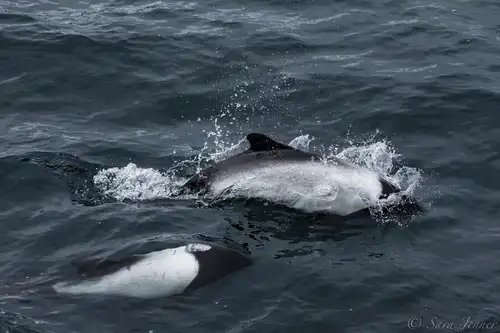
Despite being one of the lesser-known Antarctic cetaceans, Commerson's dolphins are quite social and have been given various names over the years, including Piebald dolphins, skunk dolphins, and panda dolphins. These names have been in use since their discovery in 1767 by French naturalist Philibert Commerson.
Greenland's History: When Vikings Ruled the Ice Age - Nexta Expeditions
Blog

Greenland's History: When Vikings Ruled the Ice Age

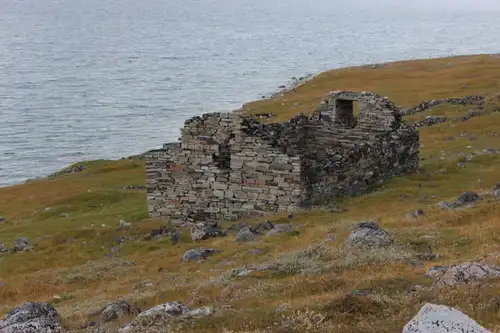
A Greenland cruise offers a journey into a rich history filled with intriguing details that captivate polar expedition enthusiasts. Among the most fascinating historical aspects is the fact that Vikings once ruled this land. Anthropologists and climate scientists have long studied Greenland to pinpoint when and why the Vikings left. Recent findings have shed new light on this historical culture.
The disastrous expedition in the Arctic west - Nexta Expeditions
Blog

The disastrous expedition in the Arctic west

In 1902, Otto Sverdrup, captain of the Fram on Nansen’s expedition, led his own Arctic expedition to the north of Canada. Over the period of the expedition, which started in 1898, Sverdrup and his 15-man crew charted over 250,000 square kilometres of the Arctic using the Fram and sledges. During the expedition Ellesmere Island’s west coast was explored and new islands discovered.
A Bug’s Life in Svalbard - Nexta Expeditions
Blog

A Bug’s Life in Svalbard

When you think about Svalbard wildlife, you might imagine reindeer, Arctic foxes, polar bears – the primary animal attractions that draw passengers to an Arctic cruise. But in fact, the Svalbard archipelago is a thriving location for over 1,000 species of terrestrial and freshwater invertebrates: animals that lack backbones. Despite this richness of life, however, these invertebrates are only found in the Isfjord and Kongsfjord areas of these wonderfully diverse islands.
Five Reasons Why Snowshoeing is a Perfect Polar Activity - Nexta Expeditions
Blog

Five Reasons Why Snowshoeing is a Perfect Polar Activity

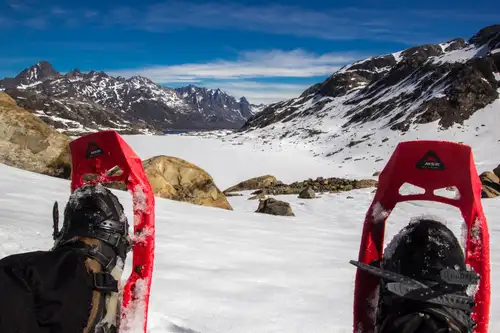
One of the most beloved polar sports is also one of the oldest. Snowshoeing has been the preferred means of foot travel in the Arctic since antiquity, and in the years since Antarctica was discovered, it has been highly popular among researchers and polar tourists alike.
The Wonderful Weddell Sea: Places, Pics, and Impressions - Nexta Expeditions
Blog

The Wonderful Weddell Sea: Places, Pics, and Impressions

When we talk about Antarctica, it’s easy to slip into familiar words: amazing, astounding, extraordinary, exceptional. And though most Antarctic locations more than deserve these descriptions, some deserve them more than others.
Everything you need to know about Antarctic icebergs - Nexta Expeditions
Blog

Everything you need to know about Antarctic icebergs

The ice in Antarctica might seem static, but it is constantly moving. Pieces of ice are continuously breaking off from ice shelves, glaciers, or other icebergs. They float freely along with the Antarctic currents, with about 90 percent of their mass below the surface of the water. This fact is actually what gave rise to the nowadays popular phrase “the tip of the iceberg”. Regardless, the sighting of the first iceberg is always a moment to celebrate in any and all Antarctic expeditions. So that you may appropriately ready yourself for that joyous moment, in this article you will find everything you need to know about Antarctic icebergs.
Kayaking In Greenland - Nexta Expeditions
Blog

Kayaking In Greenland

Think of Greenland and two images come to mind:
Churches in Antarctica - Nexta Expeditions
Blog

Churches in Antarctica

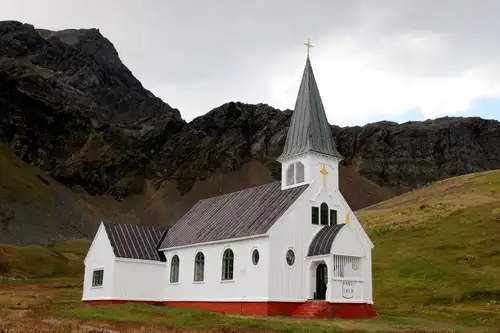
'Below 40 degrees South there is no law; below 50 degrees South, there is no God', goes the old adage. When faced with a storm in the turbulent and freezing waters of the Drake Passage, one might think so.
Six Facts About the Crabeater Seals of Antarctica - Nexta Expeditions
Blog

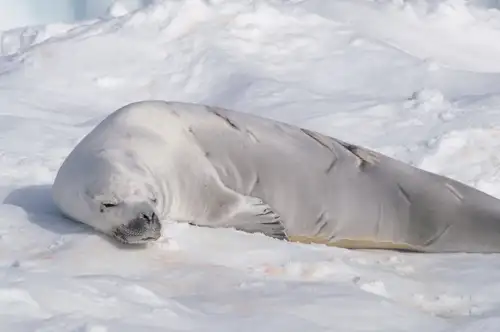
Six Facts About the Crabeater Seals of Antarctica

Antarctic fur seals, leopard seals, Weddell seals, Ross seals, southern elephant seals... The many seal species of Antarctica all have names that are in some way explained by their appearance or primary region of distribution.
Highlights from the First Arctic Voyage of Hondius - Nexta Expeditions
Blog

Highlights from the First Arctic Voyage of Hondius

Our new ship Hondius completed its first Arctic expedition cruise on June 14, 2019. This being a new ship, the maiden voyage was not without its hiccups. But despite these, passenger response to the expedition was overwhelmingly positive.