



Show More

Blog


Blog
A Day of Basecamp in Antarctica – Paradise Harbour
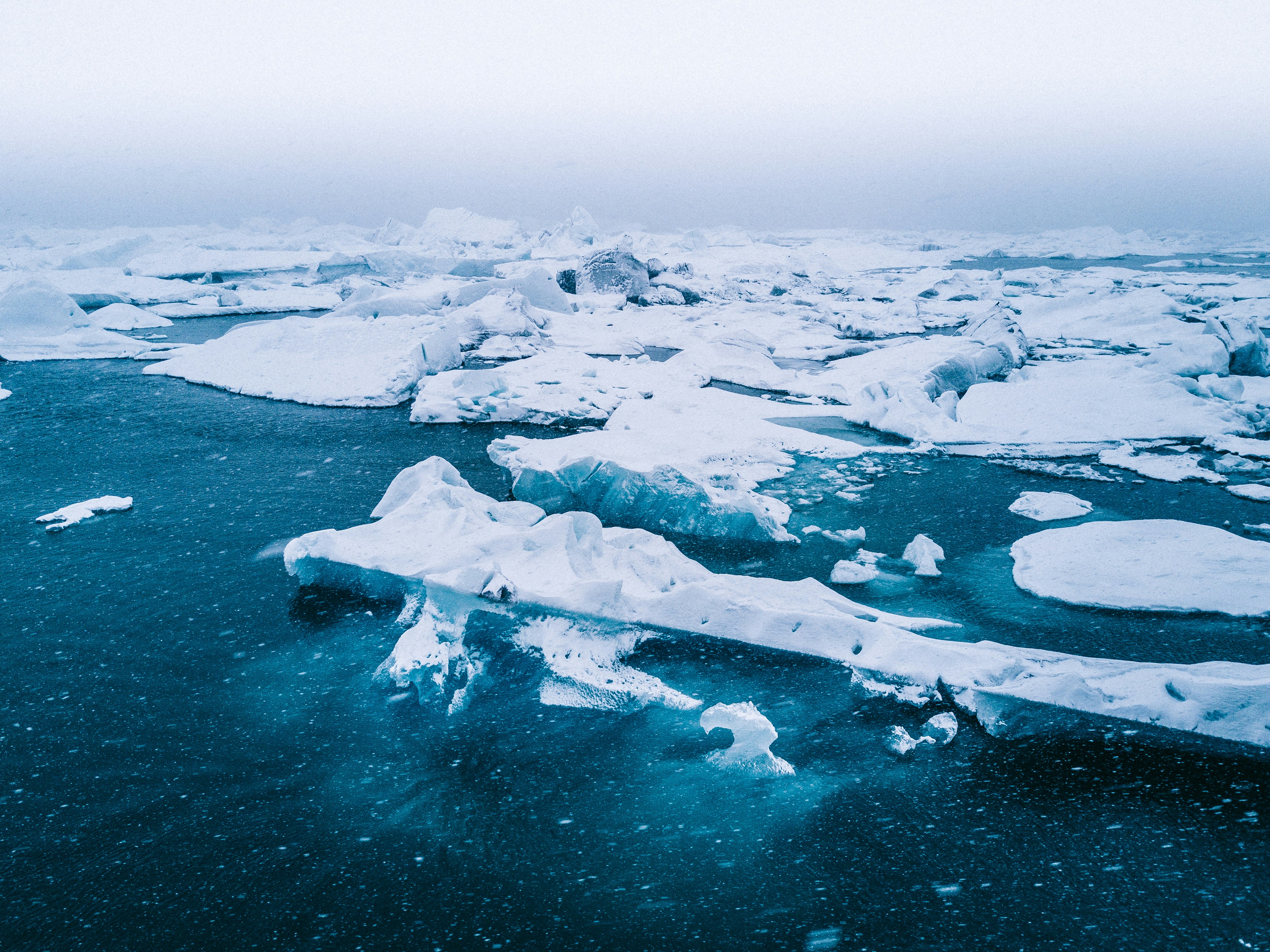
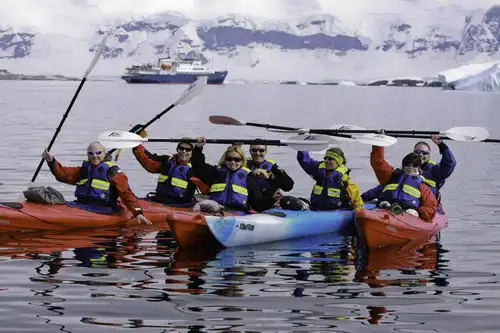
After an early morning gathering of our camping group, we reached the entrance to Lemaire Channel. The snow and mist around the mountain peaks created a captivating atmosphere as we began our journey to Paradise Bay. The channel was dotted with impressive icebergs, and we even spotted a few sleeping humpback whales, providing ample photo opportunities.
Blog
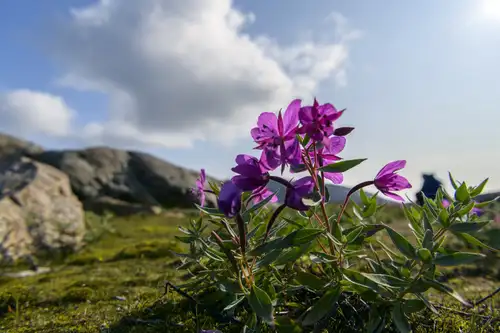
Arctic Flowers, Trees, and Other Plant Life
When many people think of the Arctic, they probably imagine a stark white wasteland devoid of anything except snow, glaciers, and the occasional far-wandering polar bear.
Blog
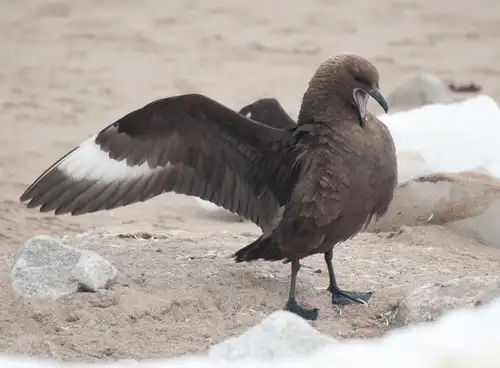
Fierce and Feathered: the Skuas of Antarctica
At first glance, the skuas you encounter in Antarctica may appear to be merely darker-feathered seagulls. But looks can be deceiving.
Blog
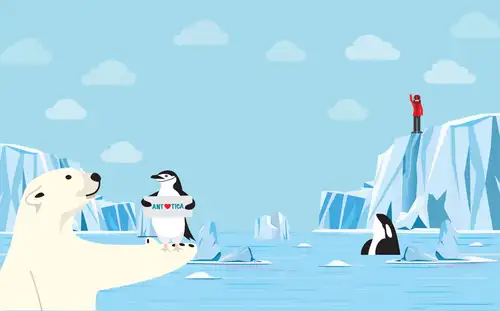
Arctic vs. Antarctica: A Traveler’s Guide
Sunrises vs. sunsets, coffee vs. tea, Wonder Woman vs. Superman...
Blog
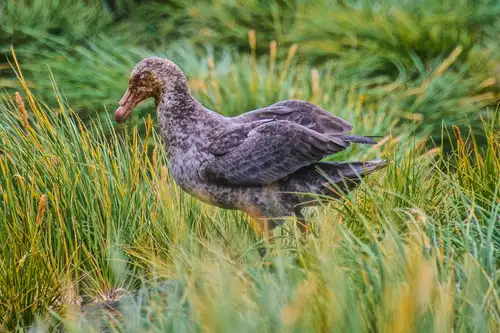
The Giant Petrels of King George Island
Antarctica is undeniably one of the world’s premier birding destinations.
Blog
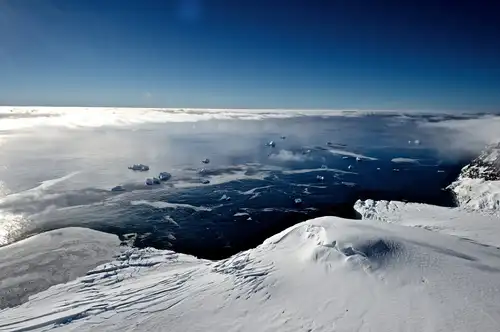
10 Weather-Fueled Facts about Antarctica
Most of us have at least a vague notion of what makes the North and South Poles so brutally, bone-chillingly cold: They receive less sunlight than the rest of the planet, what sunlight they do receive arrives at an angle, and they’re usually buried under endless mounds of ice and snow. This holds especially true for the South Pole and its centerpiece, Antarctica. Fewer people know, however, what drives Antarctic weather, or what results from it. Here are ten weather-related facts about the most southern continent that will put your polar meteorology ahead of the curve.
Blog
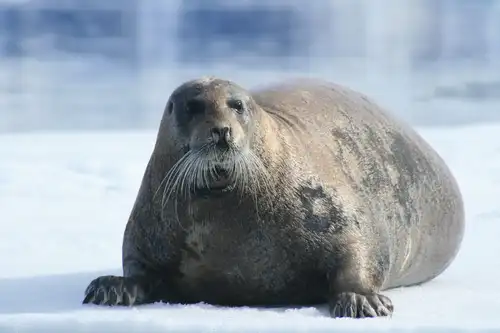
Arctic Seals
Owing to the large landmasses that populate the Northern Hemisphere, the Arctic boasts the most diverse wildlife among the planet’s polar regions. Some of the most captivating Arctic animals are the marine mammals found just offshore.
Blog
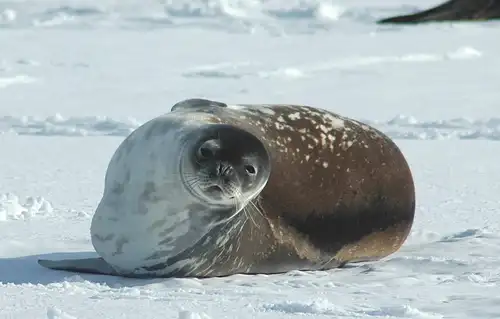
Weddell seals: The data collectors scientists of Antarctica
Weddell seals inhabit some of the coldest and darkest waters deep within the Ross Sea ice, making them the southernmost naturally occurring mammals on Earth. During the winter and summer months, their movements are largely governed by the presence of sea ice and the availability of suitable breathing and exit holes.
Blog
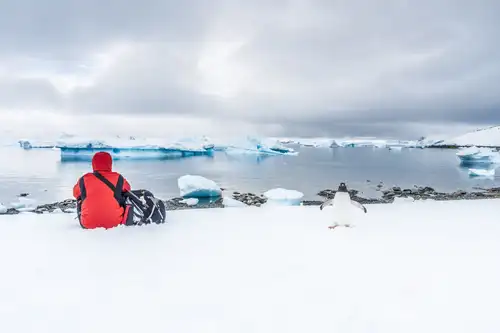
Adding Antarctica to Your Seven-Continents Bucket List
Many travelers aspire to visit all seven continents, a goal that fits naturally with the concept of a "bucket list," a term popularized by the 2007 movie.
Blog
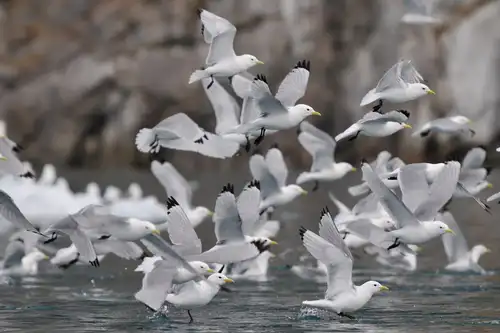
Five Birds You Might See on Your Greenland Cruise
A Greenland expedition cruise offers birdwatchers a unique opportunity to capture stunning avian photographs. With over 230 bird species, Greenland boasts both spectacular landscapes and diverse winged wildlife.
Blog
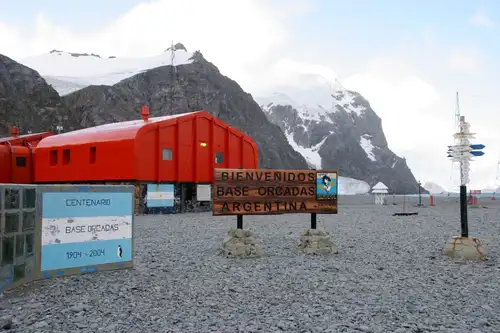
A Look Into the International Research Stations of Antarctica
In 1902, William S. Bruce, along with a team of naturalists, explorers, and sailors, embarked on the first Scottish expedition to Antarctica’s South Pole aboard the Scotia. The Scottish National Antarctic Expedition (SNAE) aimed to establish the continent's first meteorological station and explore its largely undocumented biological, topographic, and meteorological features.
Blog
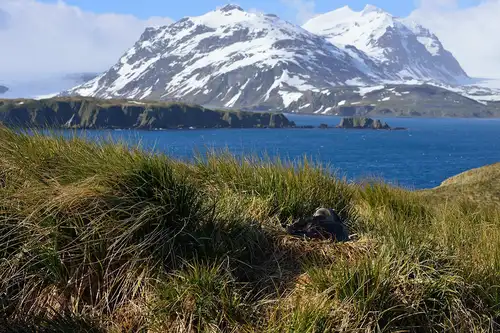
The Plants of Antarctica
Surviving in Antarctica is a monumental challenge for any plant. The extreme cold, limited sunlight, scarce moisture, poor soil, and short growing season make it nearly impossible for most flora to thrive. Yet, some plants have adapted to these harsh conditions and have managed to flourish where others cannot.
Blog
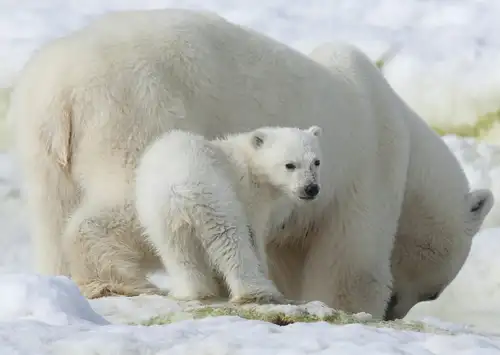
Arctic Icon: 10 Facts about the Polar Bear
Polar bears are to the Arctic what penguins are to Antarctica.
Blog
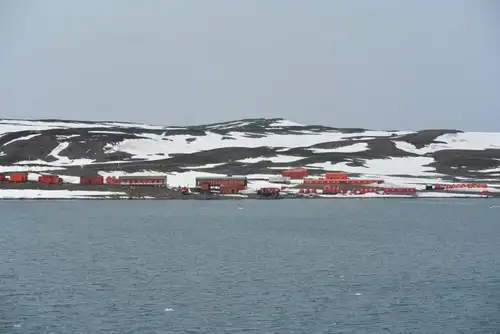
Living the Antarctic Dream
From October to March, during the Austral summer, thousands of breeding gentoo, Adèlie, and chinstrap penguins flock to the Western Antarctic Peninsula to rear their chicks and feast on krill before the harsh winter arrives. Alongside the penguins, field biologists from around the world gather to study these habits for conservation research. Observing these animals is one thing, but residing in an Antarctic field station for an entire breeding season is another. One particular field camp on King George Island, managed by American scientists, has perfected this Antarctic lifestyle and has thrived for over 30 years.
Blog
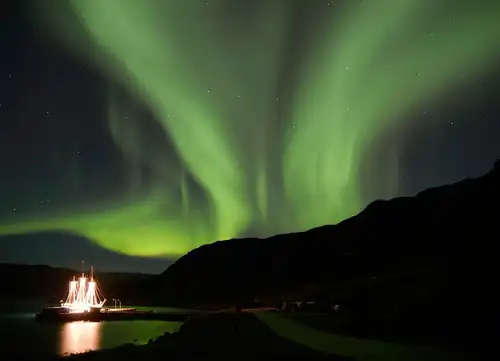
North Norway, Northern Lights, and All the Pretty Whales
At first glance, visiting Northern Norway outside of a blazing-hot summer might seem daunting for the average traveler.
Blog
The disastrous expedition in the Arctic west
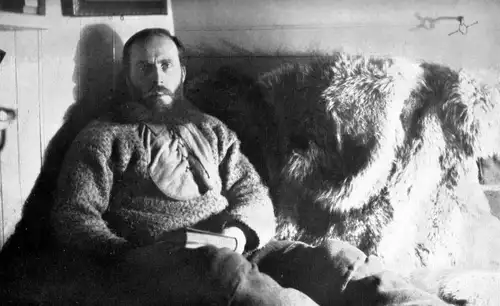
In 1902, Otto Sverdrup, captain of the Fram on Nansen’s expedition, led his own Arctic expedition to the north of Canada. Over the period of the expedition, which started in 1898, Sverdrup and his 15-man crew charted over 250,000 square kilometres of the Arctic using the Fram and sledges. During the expedition Ellesmere Island’s west coast was explored and new islands discovered.
Blog
Gough Island: Seabird Capital of the South Atlantic
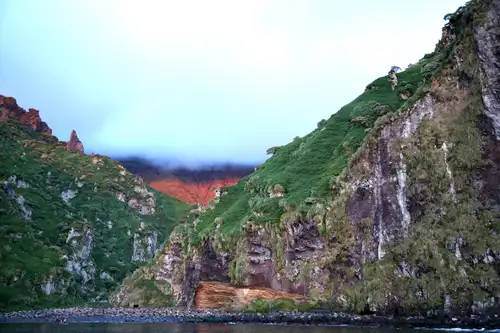
Gough Island is a remote volcanic island in the South Atlantic, uninhabited except for a small party of meteorologists and (sometimes) biologists.
Blog
Coming Back from the Brink: The Fur Seals of Antarctica
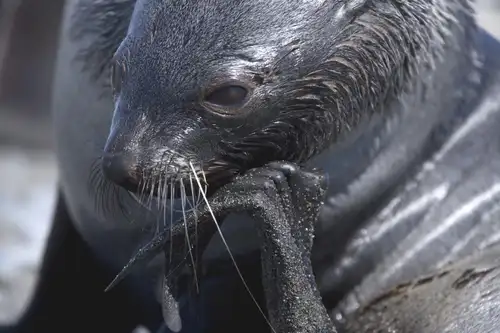
Once hunted to the brink of extinction, the Antarctic fur seal is now one of the most populous and charismatic species of seal you’re likely to encounter during your Antarctica trips. Unlike other members of its large family, the fur seal has external ears, or pinnae, a short snout, and a thick coat of dark brown fur. Male seals tend to be larger than females, with weights ranging from 91 kg (200 lbs.) to 215 kg (474 lbs.).
Blog
Hot Ice: Breeding Practices of Five Polar Animals
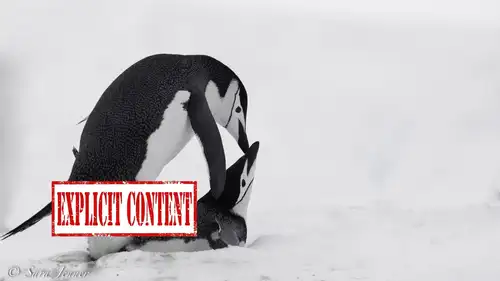
Last Valentine's Day we gave you 14 wildlife pictures highlighting the ins, outs, ups, and downs of polar romance. This year we're moving on to something a little more advanced: the nitty-gritty details of polar wildlife breeding rituals.
Blog
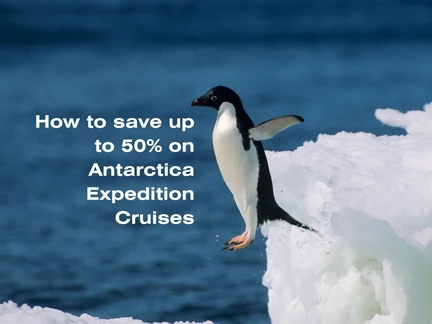
Cheapest Antarctica Cruises: How to Save on Your Journey
Antarctica, the world’s most remote and pristine continent, is often seen as a destination reserved for luxury travelers. However, affordable options do exist, making this dream journey accessible to more adventurers. With careful planning and the right provider, like Nexta Expeditions, you can explore the icy wilderness without breaking the bank. This guide will show you how to save on your Antarctic cruise while still enjoying a high-quality experience.