



Show More

Blog


Blog
Science of the Ross Ice Shelf
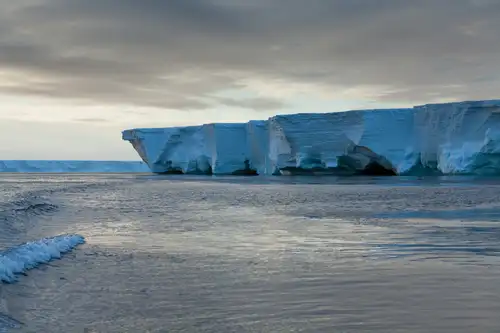
Antarctica’s Ross Ice Shelf is vast, spanning 487,000 sq. km – comparable to the size of France – with a thickness that varies from a few hundred meters near the sea to over 1,200 meters away from the floating edge. The edge along the Ross Sea forms a towering ice wall, rising up to 50 meters above the water, with most of the ice submerged below the waterline.
Blog
Islands of the Blessed: Things to Do Around Cape Verde
We visit Cape Verde and its capital city of Praia during our occasional St. Helena to Cape Verde voyages. Characterized by peaceful days at sea, these trips allow you to see some of the lesser-known gems of the Atlantic.
Blog
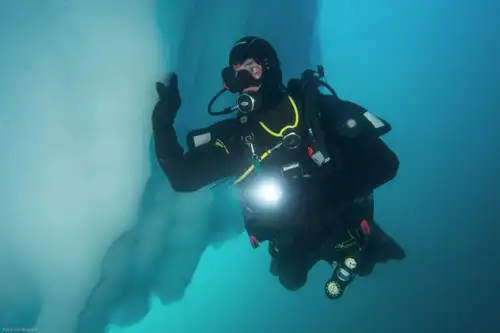
Polar Diving: A Supreme Underwater Adventure
Most scuba divers are drawn to warm waters and tropical reefs, and it's easy to see why. However, even the most thrilling experiences can become repetitive if done too often.
Blog
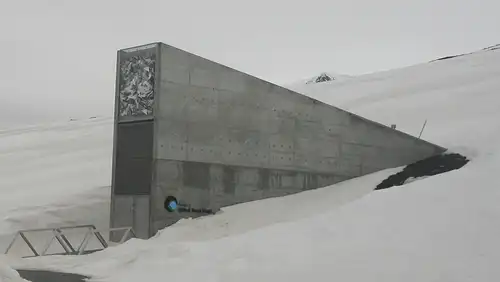
Inside the Svalbard Global Seed Vault
Literature, cinema, and even video games often present us with various global disaster scenarios. These typically involve devastating wars, catastrophic natural events, or widespread pandemics that leave survivors scavenging for food and supplies amidst hordes of zombies.
Blog
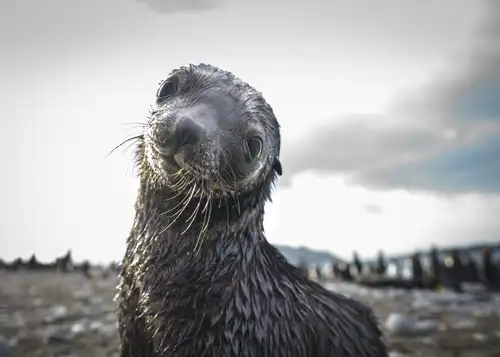
The secrets of Antarctic seals revealed
There are only six species of seals that inhabit the Antarctic: Southern elephant seals, Antarctic fur seals, crabeater seals, leopard seals, Ross seals, and Weddell seals. While we are familiar with these species, much about their lives remains a mystery.

Blog
Traditional Lifestyles of the Inuit
The Inuit are an indigenous Arctic people who speak the languages of the Eskaleutian family and reside in four countries surrounding the North Pole: Greenland, Canada, the United States, and Russia.
Blog
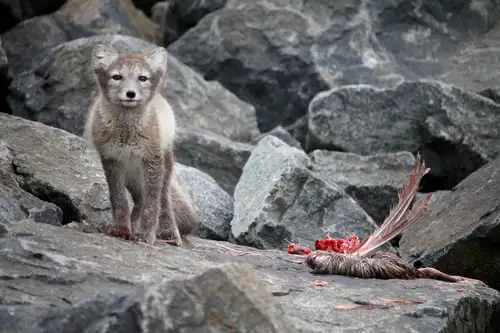
Arctic Foxes: Constant Gardeners of the Arctic
Given how widespread their habitat is, it is little wonder that Arctic foxes are one of the animals we most often see during our Greenland and Svalbard expeditions. The Arctic fox is a circumpolar species whose feeding grounds include North America, Eurasia, even Iceland, ranging from nearly the North Pole all the way down to the sub-Arctic islands.
Blog
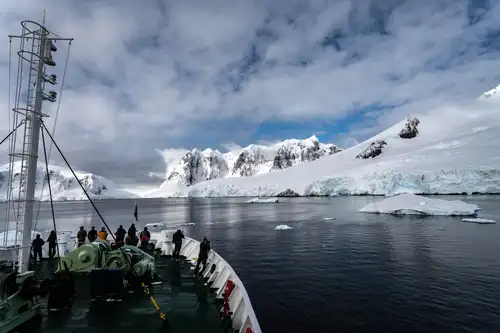
12 Things to Do in Antarctica
Traveling to Antarctica is unlike traveling to any other place on Earth.
Blog
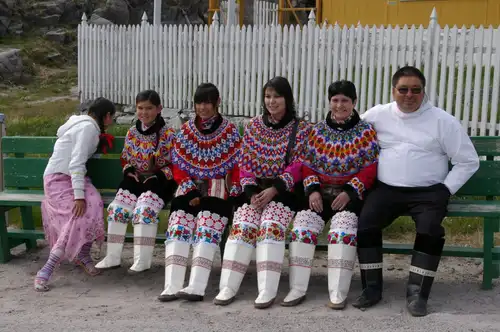
Not Eskimos: 10 Enlightening Facts About the Inuit
If you are planning to join an Arctic cruise, you might be intrigued by the Inuit culture. To help you gain a deeper understanding of these people, especially if you are considering a trip to Greenland, here are 10 fascinating facts about the Inuit that everyone should know.
Blog
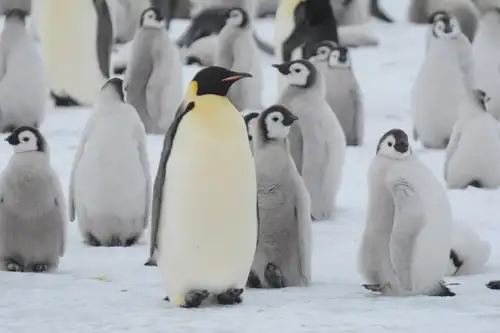
12 Tips to Help Keep Birds Safe During an Antarctic Cruise
One of the most incredible experiences on an Antarctic cruise is observing the numerous penguins in their natural environment. Naturally, passengers often worry about the potential of disturbing the penguins and other Antarctic birds, which could disrupt their breeding and nesting patterns.
Blog
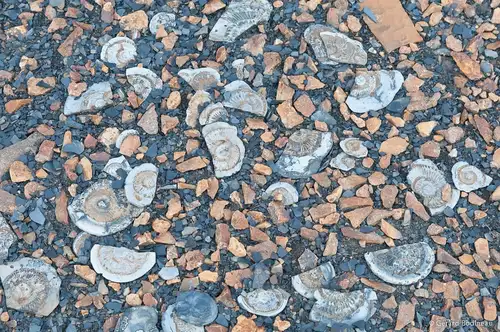
Svalbard a Disneyland for geologists
Svalbard is situated in the north-western corner of the Eurasian plate. Historically, Svalbard was part of a vast continent that included North America, Greenland, and Eurasia. At one point, both Northeast Greenland and Svalbard were submerged under the ocean before resurfacing.
Blog
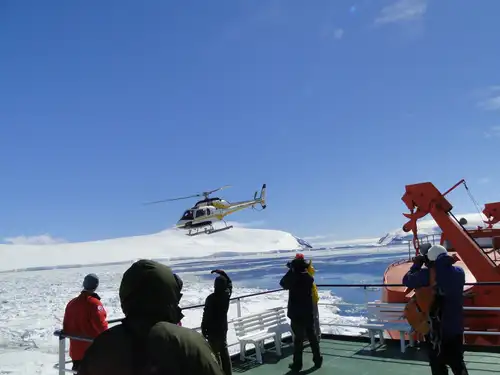
The Wonderful Weddell Sea: Places, Pics, and Impressions
When we talk about Antarctica, it’s easy to slip into familiar words: amazing, astounding, extraordinary, exceptional. And though most Antarctic locations more than deserve these descriptions, some deserve them more than others.
Blog
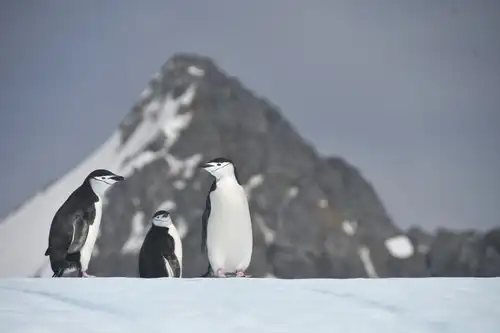
11 South Orkney Animals: Whales, Seabirds, and Penguins Aplenty
The South Orkney Islands are often overlooked as a destination for Antarctic travel.
Blog
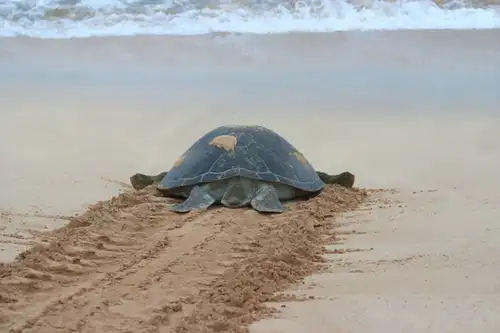
The Overlooked Treasures of Ascension Island
If you know anything about Ascension Island, which is unlikely, it probably has to do with the green turtle breeding population that exists there.
Blog
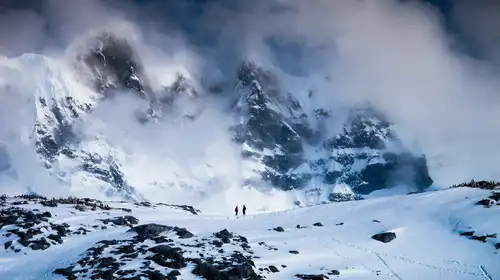
Eight Antarctic Misconceptions
Antarctica has given rise to some pretty far-fetched rumors.
Blog
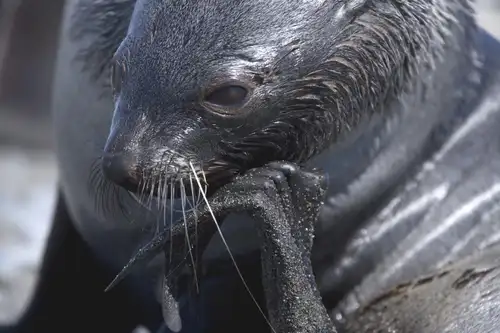
Coming Back from the Brink: The Fur Seals of Antarctica
Once hunted to the brink of extinction, the Antarctic fur seal is now one of the most populous and charismatic species of seal you’re likely to encounter during your Antarctica trips. Unlike other members of its large family, the fur seal has external ears, or pinnae, a short snout, and a thick coat of dark brown fur. Male seals tend to be larger than females, with weights ranging from 91 kg (200 lbs.) to 215 kg (474 lbs.).
Blog
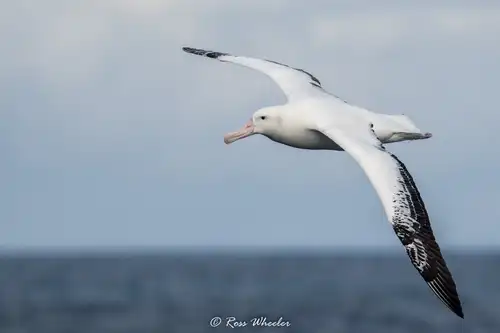
The Eight Albatrosses of Antarctica and the Sub-Antarctic
Our guests are typically wildlife enthusiasts, with a particular interest in bird life. While many bird lovers focus on the penguins we encounter, there's a smaller yet equally passionate group that favors the more airborne seabirds. Among this birdwatching subset, the albatross is a species that garners (and deserves) significant attention.
Blog
Navigating by touch through the sea ice
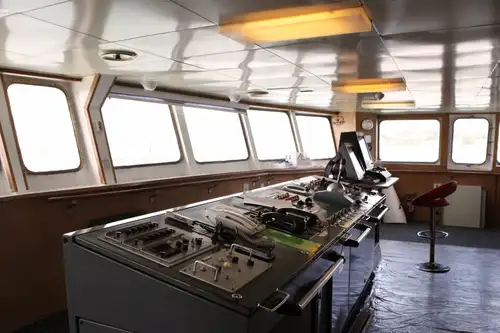
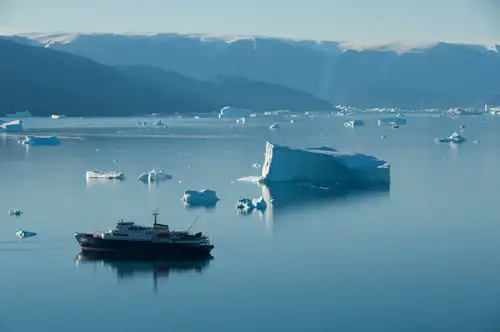
Ships are meant to glide effortlessly through calm waters, but our Greenland expedition vessel Ortelius is shuddering and wiggling as it navigates through the calm yet frozen waters between Svalbard and the islands. We’re on the North Atlantic Odyssey, a journey that starts in continental Europe and concludes near the North Pole in Svalbard. Onboard are 115 enthusiastic passengers. Most of them are currently on the outer decks, cameras in hand, captivated by the sea ice.
Blog
10 Common Misconceptions About the Arctic
The Arctic is a vast region. Truly immense.
Blog
The bio-richness of the Ross Sea
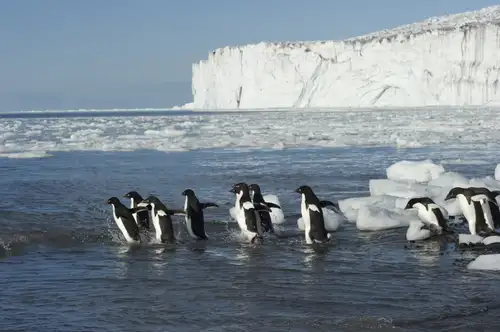
The Ross Sea is one of the most stunning and untouched marine areas globally. This sea, which remains frozen for most of the year, spans 3.6 million square kilometers (1.4 million square miles) along the Antarctic coast south of New Zealand. Its waters harbor a biologically diverse ecosystem of species that have flourished, unchanged, for millennia.