



Show More

Blog


Blog
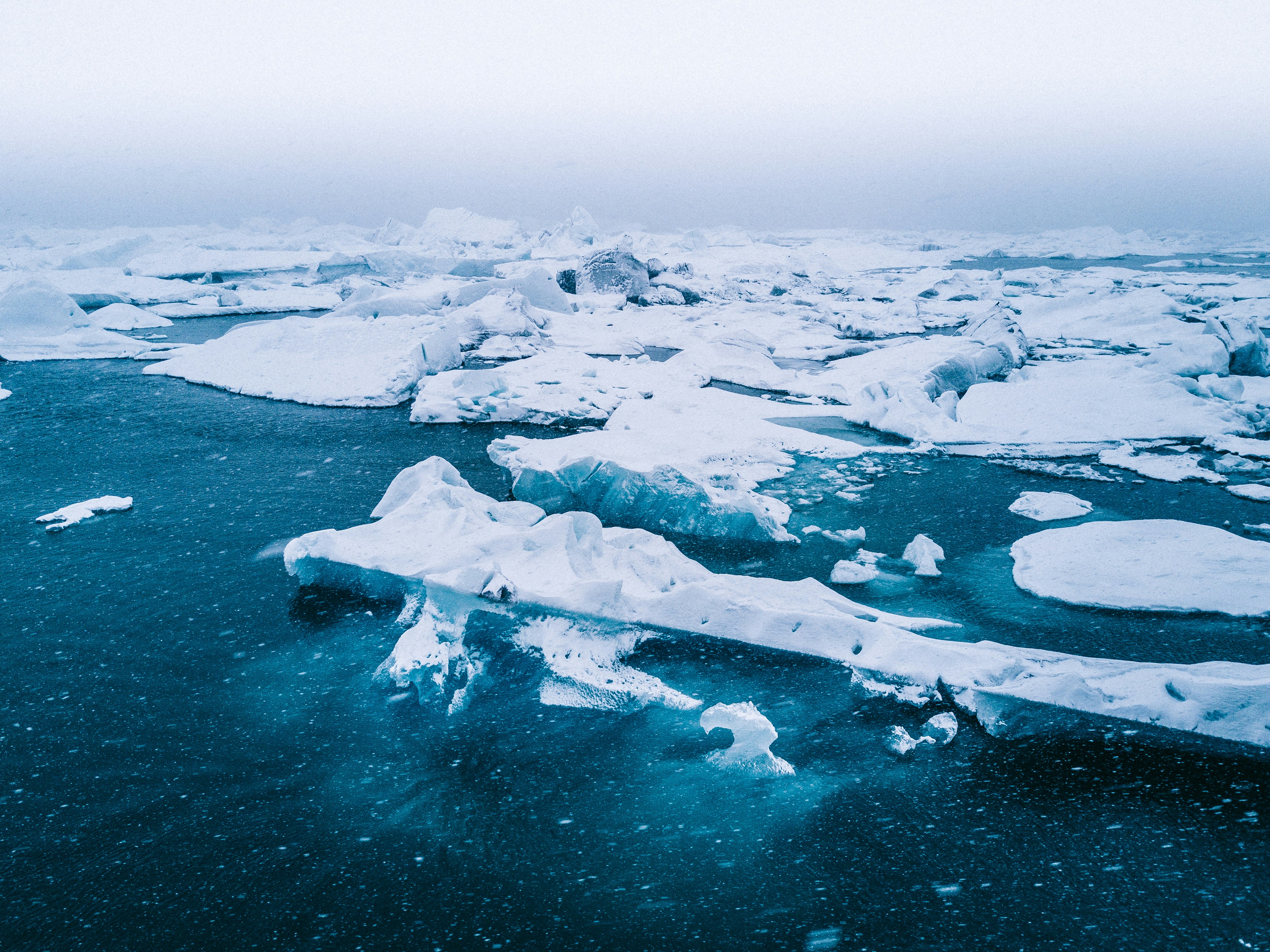
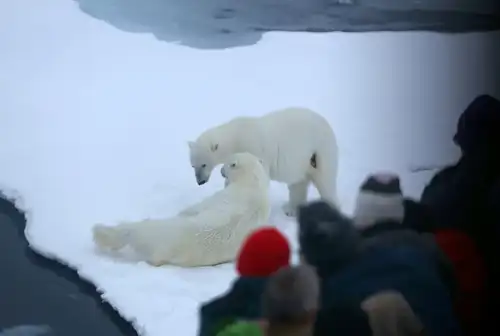
The Pack Ice and Polar Bears of North Spitsbergen
The Arctic archipelago of Svalbard is renowned for being one of the prime locations to observe polar bears. The largest island in this region, Spitsbergen, not only offers sightings of these majestic Arctic creatures but also provides a unique opportunity to experience the phenomenon of pack ice.
Blog
Coming Back from the Brink: The Fur Seals of Antarctica
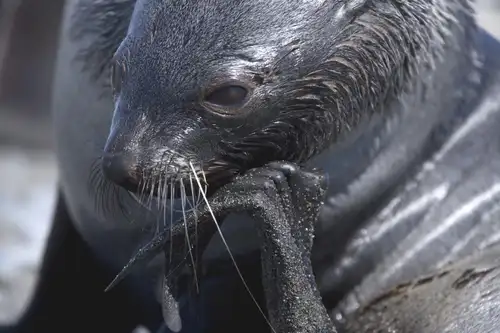
Once hunted to the brink of extinction, the Antarctic fur seal is now one of the most populous and charismatic species of seal you’re likely to encounter during your Antarctica trips. Unlike other members of its large family, the fur seal has external ears, or pinnae, a short snout, and a thick coat of dark brown fur. Male seals tend to be larger than females, with weights ranging from 91 kg (200 lbs.) to 215 kg (474 lbs.).
Blog
Spitsbergen: Alkefjellet magic
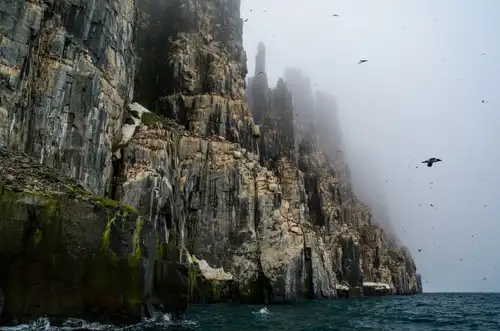
If they knew their way home, why not follow them? Equipped with GPS and compass, we approached the cliffs by zodiac. First, we heard the noise from the colony – the distinct calls of guillemots, kittiwakes, and Glaucous gulls. Then the cliffs gradually emerged from the mist.
Blog
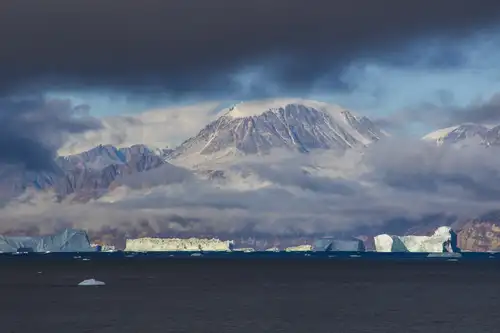
Greenland: East vs. West
East and West Greenland offer vastly different experiences due to their unique climates, wildlife, habitation, and geology.
Blog
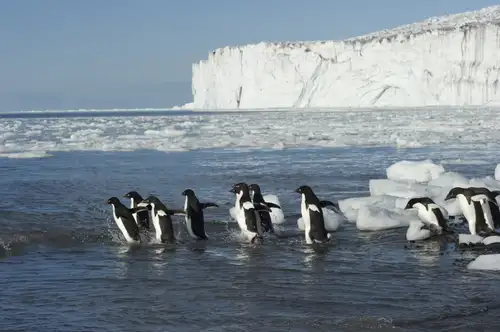
The bio-richness of the Ross Sea
The Ross Sea is one of the most stunning and untouched marine areas globally. This sea, which remains frozen for most of the year, spans 3.6 million square kilometers (1.4 million square miles) along the Antarctic coast south of New Zealand. Its waters harbor a biologically diverse ecosystem of species that have flourished, unchanged, for millennia.
Blog
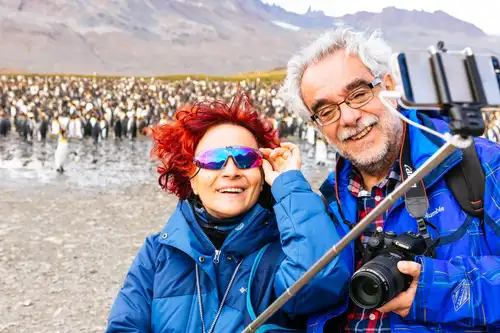
Two for the Snow: Polar Cruises for Couples
Do you know the old saying, “Cold hands, warm heart”? In our opinion, that bodes well for couples who visit the polar regions.
Blog
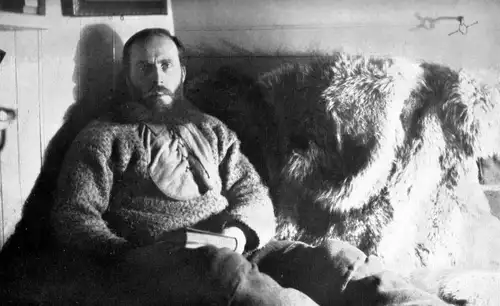
The disastrous expedition in the Arctic west
In 1902, Otto Sverdrup, captain of the Fram on Nansen’s expedition, led his own Arctic expedition to the north of Canada. Over the period of the expedition, which started in 1898, Sverdrup and his 15-man crew charted over 250,000 square kilometres of the Arctic using the Fram and sledges. During the expedition Ellesmere Island’s west coast was explored and new islands discovered.
Blog
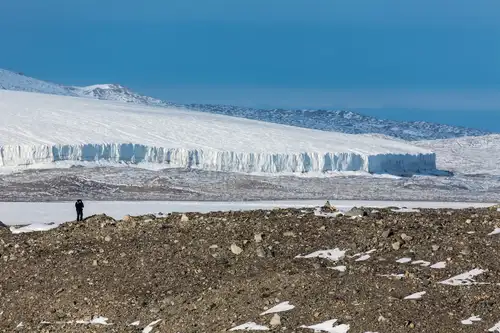
The Secret Life of Glaciers: How They Form, Move, and Melt
One of the most awe-inspiring natural wonders you can witness on an Arctic or Antarctic expedition is glaciers. These immense ice formations have been gradually moving from the mountains to the oceans for countless years, acting as both time capsules and indicators of our rapidly changing environment.
Blog
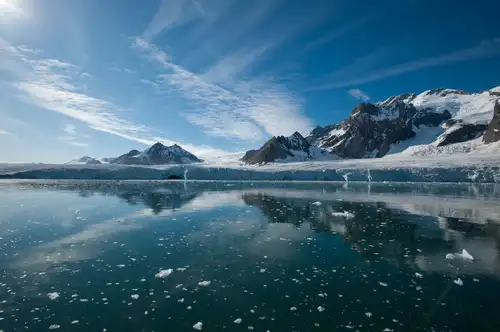
A Bug’s Life in Svalbard
When you think about Svalbard wildlife, you might imagine reindeer, Arctic foxes, polar bears – the primary animal attractions that draw passengers to an Arctic cruise. But in fact, the Svalbard archipelago is a thriving location for over 1,000 species of terrestrial and freshwater invertebrates: animals that lack backbones. Despite this richness of life, however, these invertebrates are only found in the Isfjord and Kongsfjord areas of these wonderfully diverse islands.
Blog
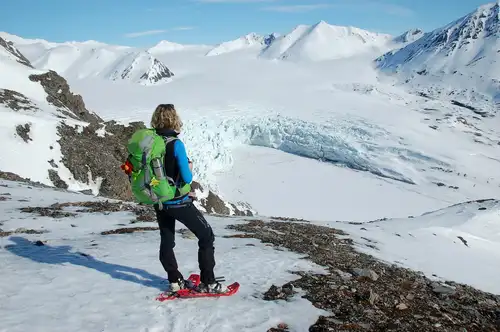
Arctic on Foot: Hiking and Snowshoeing the Far North
The focus of our voyages is always to get you off the ship and into the action as frequently as possible. While we travel from site to site on ice-strengthened vessels, our expeditions are crafted to provide you with the maximum firsthand experience of the polar regions and their unique wildlife.
Blog
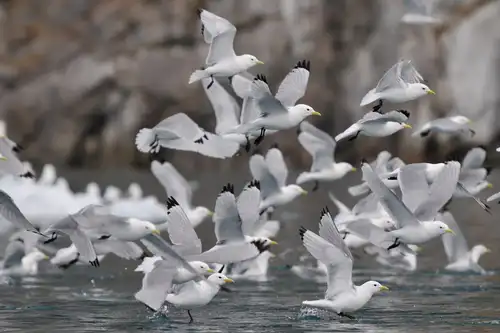
Five Birds You Might See on Your Greenland Cruise
A Greenland expedition cruise offers birdwatchers a unique opportunity to capture stunning avian photographs. With over 230 bird species, Greenland boasts both spectacular landscapes and diverse winged wildlife.
Blog
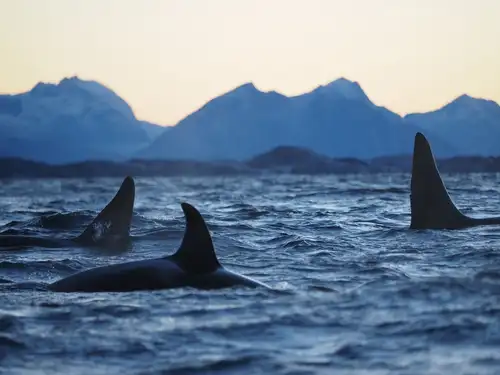
Orcas of the Polar Seas
The orca, also known as the killer whale, is the apex marine predator and possibly the most widespread vertebrate on the planet. While they are most numerous in colder regions like Antarctica, Norway, and Alaska, they also inhabit tropical and subtropical seas. Here, we’ll explore some essential orca facts you might want to know before encountering them in person, concluding with a fantastic video showcasing our top ten favorite killer whale facts.
Blog
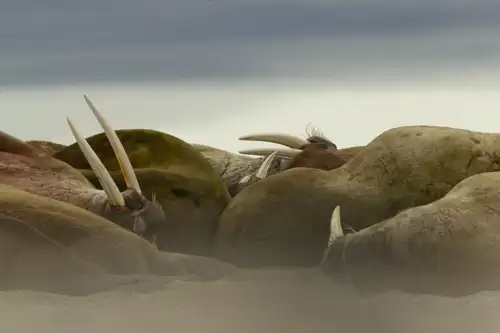
15 Toothy Facts About the Atlantic Walrus
The walrus is one of the most recognizable animals on the planet, and for good reason. Try sneaking into a cinema with those tusks!
Blog
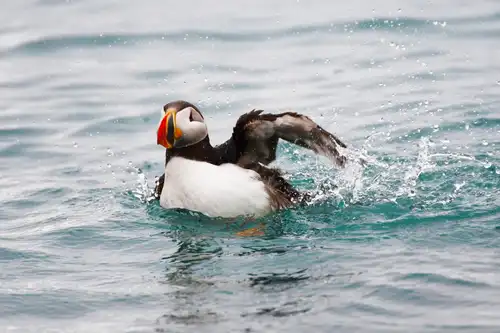
Puffins: Clown Birds of the Atlantic
Puffins are part of a family of 22 seabird species known as auks, which are pigeon-sized birds that thrive on a diet of small fish and crustaceans.
Blog
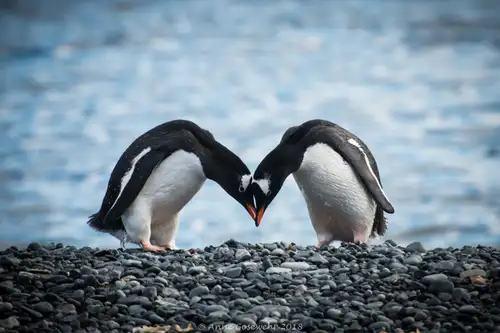
Polar Amore: 14 Wildlife Pics to Warm up Your Valentine’s Day
Blog
8 Scientific Wonders of the Arctic
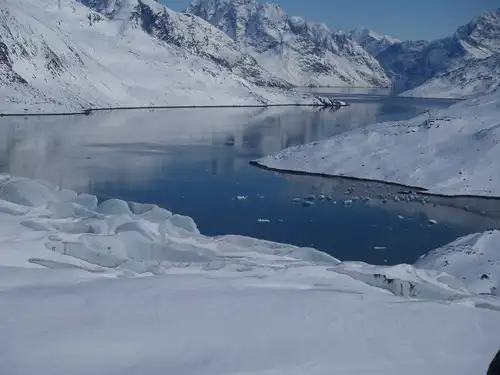
The Arctic’s frozen landscape not only contains scenic gems, it also prompts fascinating advances in research. Here are some of the eight best.
Blog
Not Eskimos: 10 Enlightening Facts About the Inuit
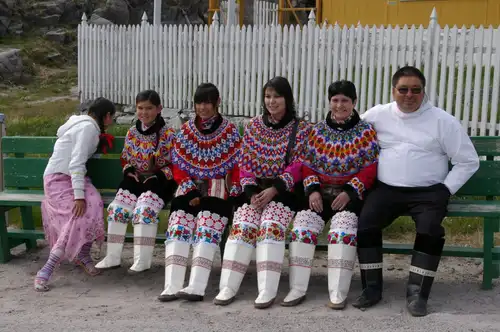
If you are planning to join an Arctic cruise, you might be intrigued by the Inuit culture. To help you gain a deeper understanding of these people, especially if you are considering a trip to Greenland, here are 10 fascinating facts about the Inuit that everyone should know.

Blog
Visa to Argentina for Antarctic Expedition Travelers (2025 Guide)
Introduction
Argentina is the main gateway for travelers heading to Antarctica, with most expedition cruises departing from the southern city of Ushuaia. Whether you’re flying in through Buenos Aires or connecting domestically, knowing Argentina’s visa requirements is critical for a smooth journey before and after your polar adventure.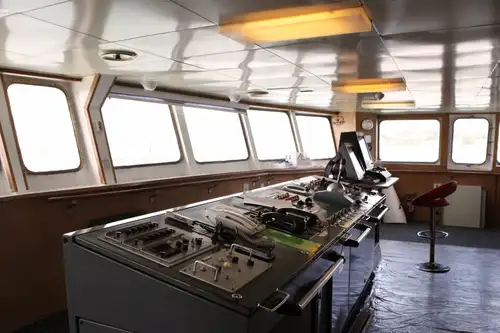
Blog
Navigating by touch through the sea ice
Ships are meant to glide effortlessly through calm waters, but our Greenland expedition vessel Ortelius is shuddering and wiggling as it navigates through the calm yet frozen waters between Svalbard and the islands. We’re on the North Atlantic Odyssey, a journey that starts in continental Europe and concludes near the North Pole in Svalbard. Onboard are 115 enthusiastic passengers. Most of them are currently on the outer decks, cameras in hand, captivated by the sea ice.
Blog
Taking the Polar Plunge
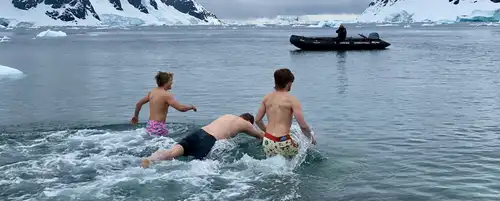
There are some human activities that for many people simply defy understanding: We juggle chainsaws, we breathe fire, we fling ourselves out of perfectly good airplanes.