



Show More

Blog


Blog
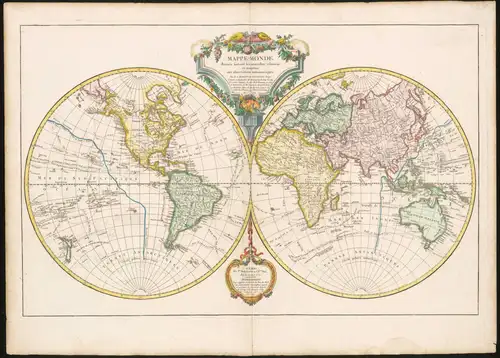
The History of Antarctica in Maps
Long before human eyes ever beheld Antarctica, the ancients were convinced that it existed – or at least something like it.
Blog
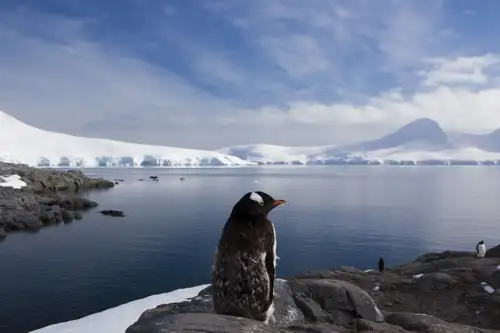
Guidelines for visitors to Antarctica
Activities in the Antarctic are governed by the Antarctic Treaty of 1959 and associated agreements, collectively known as the Antarctic Treaty System. The Treaty established Antarctica as a zone dedicated to peace and science. In 1991, the Antarctic Treaty Consultative Parties adopted the Protocol on Environmental Protection to the Antarctic Treaty, designating the Antarctic as a natural reserve.
Blog
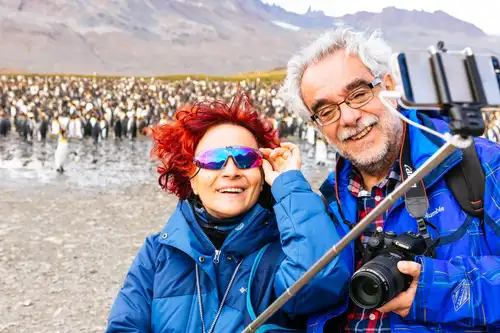
Two for the Snow: Polar Cruises for Couples
Do you know the old saying, “Cold hands, warm heart”? In our opinion, that bodes well for couples who visit the polar regions.
Blog
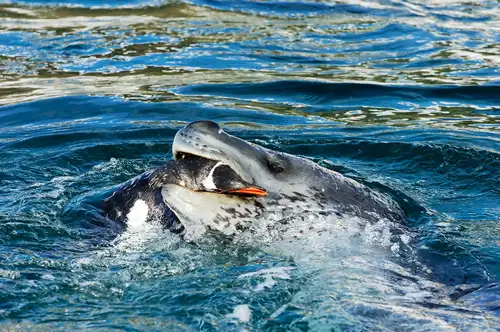
Danger Beneath the Water: 10 Facts About Leopard Seals
If your thirst for adventure leads you to Antarctica, you may be lucky enough to cross paths with a leopard seal while you’re there. These amazing animals are wonderful to observe both in and out of the water, and they are a coveted part of the polar wildlife experience.
Blog
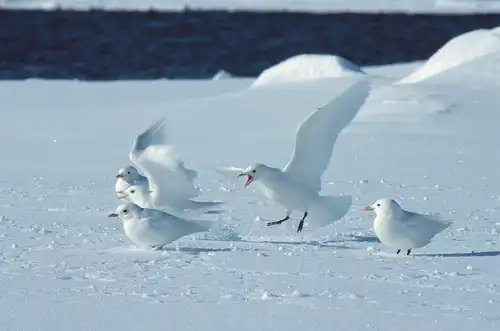
Birds of the North: 29 Arctic Birds and Seabirds
The Arctic is home to some of the world’s most majestic mammals, both on land and sea. However, the bird life in this region is equally remarkable, showcasing numerous exotic species that are highly prized by bird enthusiasts worldwide.
Blog
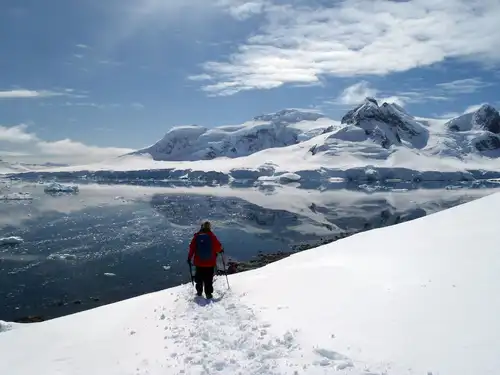
Explore Antarctica Without Leaving Your Couch
There are numerous ways to embark on an Antarctica expedition from the comfort of your home. Explore these fantastic resources to experience the White Continent without leaving your couch.
Blog
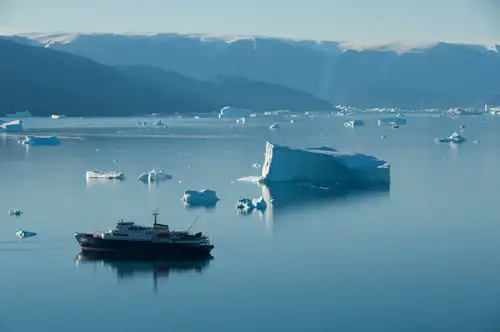
10 Common Misconceptions About the Arctic
The Arctic is a vast region. Truly immense.

Blog
The World Is Changing for Greenland's Native Inuit People
You may know them as Eskimos, but the people of the Arctic are officially called the Inuit. Historically, they were hunters in the truest sense. For hundreds of years, they survived the world’s harshest conditions, living off their prey of whales, seals, polar bears, musk oxen, birds, fish, and reindeer. This has always been their way of life.
Blog
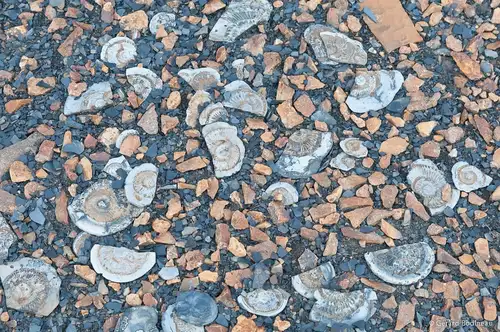
Svalbard a Disneyland for geologists
Svalbard is situated in the north-western corner of the Eurasian plate. Historically, Svalbard was part of a vast continent that included North America, Greenland, and Eurasia. At one point, both Northeast Greenland and Svalbard were submerged under the ocean before resurfacing.
Blog
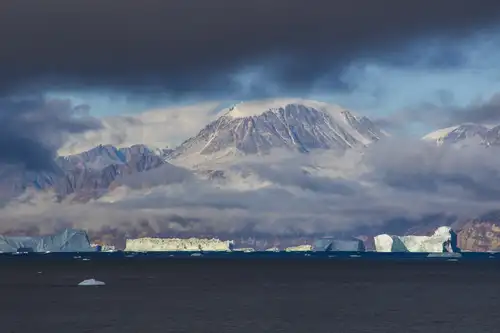
Greenland: East vs. West
East and West Greenland offer vastly different experiences due to their unique climates, wildlife, habitation, and geology.
Blog
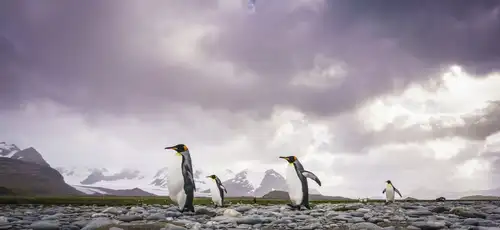
Penguins, Albatrosses, Petrels: The Winged Wildlife of South Georgia
South Georgia’s location south of the Antarctic Convergence gives the island a more Antarctic-like climate compared to other regions at the same latitude. The climate here is marked by cold, cloudy, wet, and windy conditions with highly variable weather.
Blog
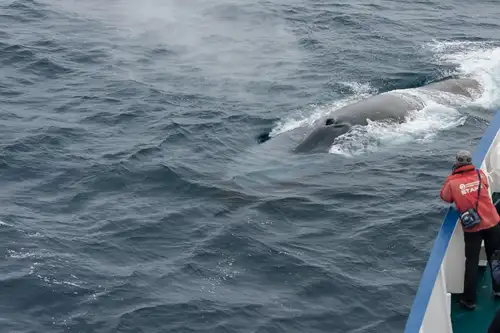
10 Bountiful Blue Whale Facts
The umbrella term “whale” refers to a wide variety of large marine mammals. To zero in on blue whales, however, we’ll need to unpack this term a bit. The Latin word for whale, cetus, is the root of the whale infraorder, Cetacea, the largest parvorder of which is Mysticeti.
Blog
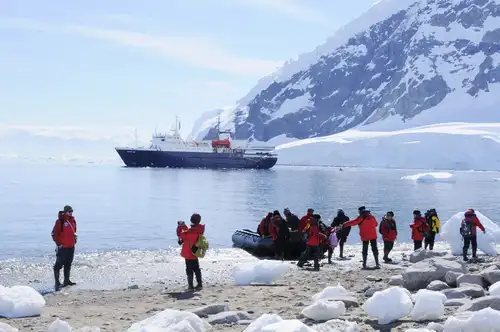
The Seven Best Things to Do in Antarctica
Unless you’re a scientist, there’s no such thing as a means-to-an-end trip to Antarctica.
Blog
Weddell Sea: the Original Antarctic Adventure
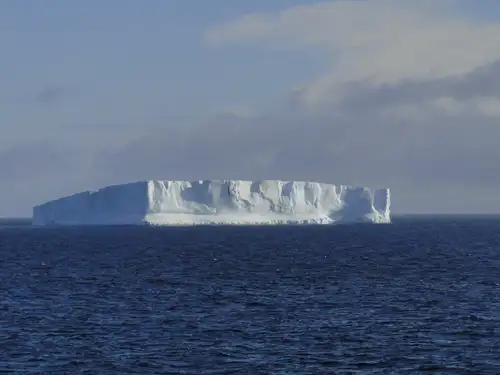
According to historian Thomas R. Henry, visiting the Weddell Sea requires a brave heart. In his 1950 book, "The White Continent," he described sudden “flash freezes” that occur in the region. It was one of these flash freezes that trapped Ernest Shackleton’s ship, Endurance, in January 1915, forcing his crew to endure over a year in the harsh environment before they could escape.
Blog
Flowers in Antarctica
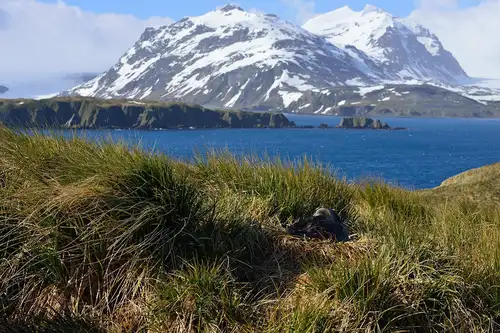
The polar regions are among the most inhospitable environments for plants and animals. Life here faces numerous challenges, including low temperatures, high winds, solar radiation, and cell freezing. The Antarctic continent experiences extreme conditions, with darkness during winter and continuous light during summer. Winter temperatures can drop to -60°C or lower.
Blog
The Ways and Wildlife of the Weddell Sea
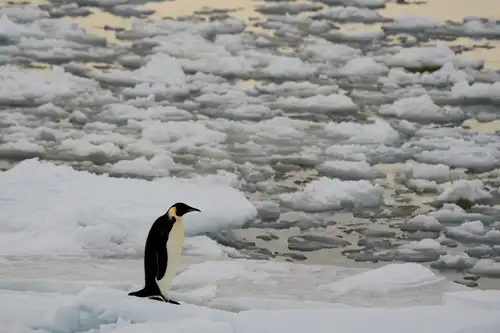
The Weddell Sea is situated off the coast of Antarctica, at the southernmost part of the Atlantic Ocean. Its coordinates are 75 degrees south and 47 degrees west, encompassing the Argentine, Chilean, and British territories of Antarctica. The severe weather and extensive pack ice have historically made the Weddell Sea challenging to access, but modern icebreaker ships are now enabling explorers to venture into this remote area.
Blog
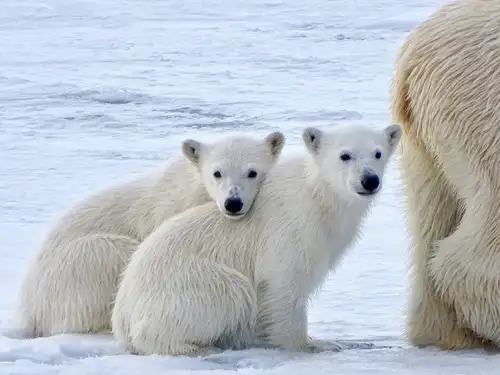
Where the Polar Bears Roam
Going to the Arctic without clapping eyes on a wild polar bear can be reasonably compared to visiting Africa without seeing a giraffe or a zebra or, most analogously, a lion.
Blog
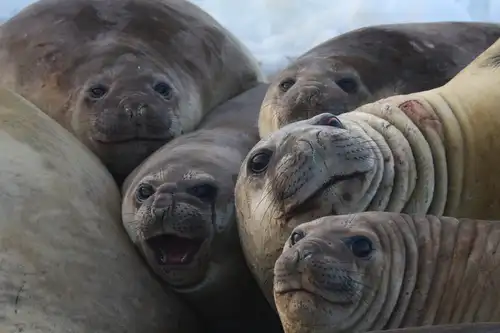
Large and in Charge: Antarctica’s Southern Elephant Seals
Southern elephant seals are the largest species of seal on the planet and a highlight among Antarctica cruise wildlife.
Blog
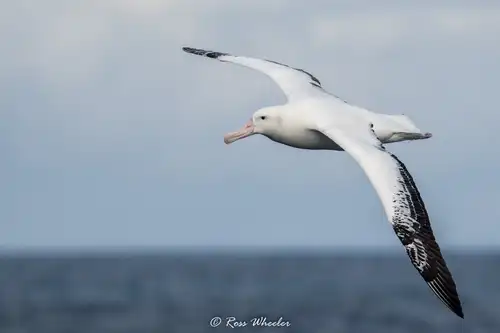
The Eight Albatrosses of Antarctica and the Sub-Antarctic
Our guests are typically wildlife enthusiasts, with a particular interest in bird life. While many bird lovers focus on the penguins we encounter, there's a smaller yet equally passionate group that favors the more airborne seabirds. Among this birdwatching subset, the albatross is a species that garners (and deserves) significant attention.
Blog
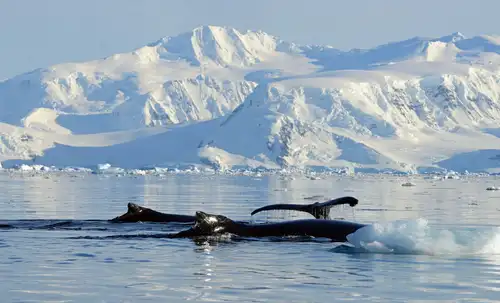
Humpback Whales: the Stars of the Western Antarctic Peninsula
The marine ecosystem of the West Antarctic Peninsula (WAP) stretches from the Bellingshausen Sea to the northern tip of the peninsula. This region includes the Antarctic Sea Ice Zone, a highly productive area that supports large populations of marine mammals, birds, and Antarctic krill. One of the highlights of this region, which you can observe on a whale-spotting Antarctica cruise, is the humpback whale.