



Show More

Blog



Blog
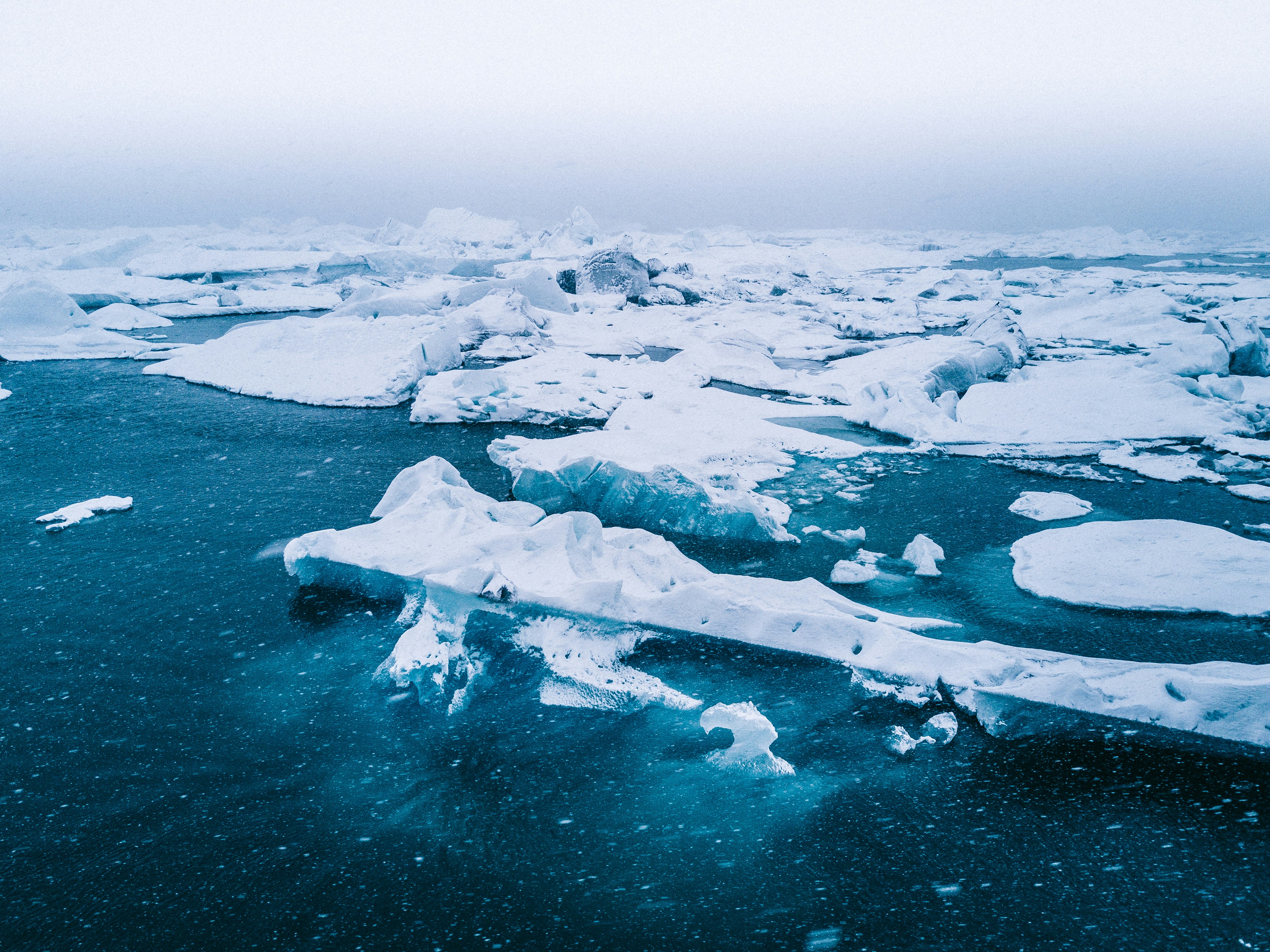
Narwhals: the Aquatic Unicorns of the Arctic
Though narwhals are among the rarest whale species encountered during our Arctic expeditions, a journey to the Arctic regions of Greenland and Svalbard always holds the potential for spotting these elusive creatures.
Blog
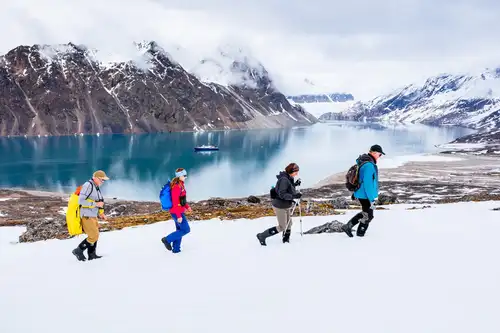
Around Spitsbergen vs. North Spitsbergen
Svalbard, particularly Spitsbergen, was the first polar expedition cruise destination. It's no surprise that there are numerous trip programs available in this region. Among the most unique are the Around Spitsbergen and North Spitsbergen cruises.
Blog
8 Scientific Wonders of the Arctic
The Arctic’s frozen landscape not only contains scenic gems, it also prompts fascinating advances in research. Here are some of the eight best.
Blog
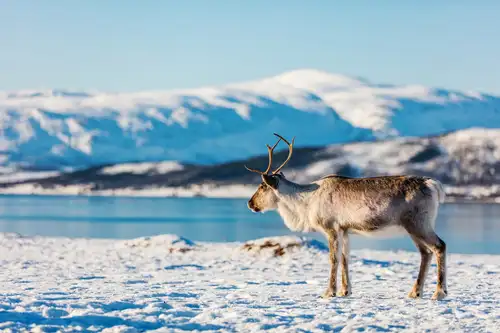
Eight Engaging Reindeer Facts
When we think about reindeer, we might also think of Saami herders or the holidays or teams of these beloved Arctic animals pulling a bell-covered sleigh across the nighttime sky. Only the first of these options, however, is something you're likely to encounter on an Arctic expedition cruise - and that's only in Northern Norway.
Blog
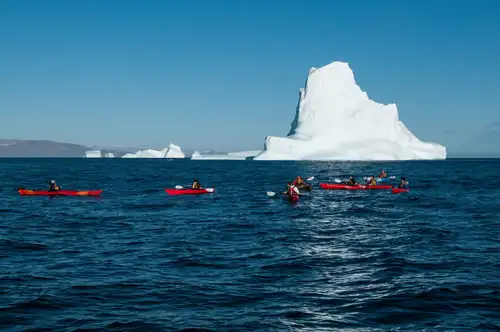
Kayaking In Greenland
Think of Greenland and two images come to mind:
Blog
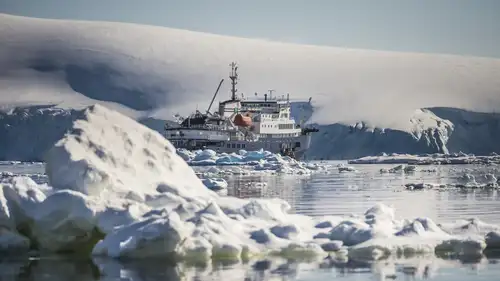
5 Life Lessons You'll Learn in Antarctica
Embarking on a journey to the Antarctic might seem daunting. However, cruise lines strive to simplify the process as much as possible. They typically assist with travel insurance, guide you to the embarkation point, and advise on the appropriate clothing to bring.
Blog
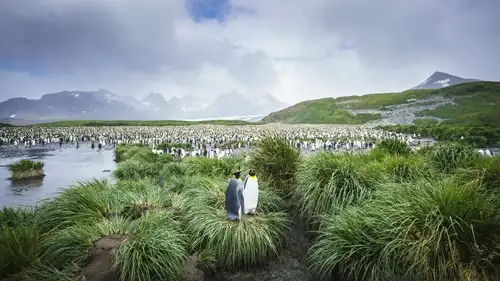
The South Georgia Seven: Hikes, Fjords, Whales, & Penguins
Few places encapsulate such a staggeringly rich assortment of sub-Antarctic scenery, wildlife, and outing opportunities as South Georgia.
Blog
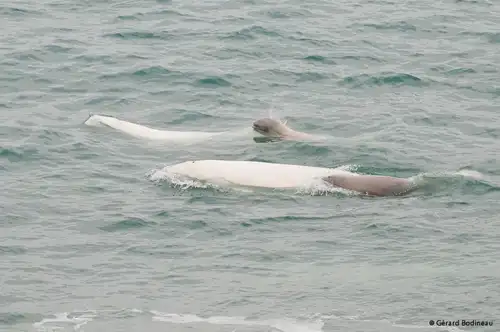
The Mysteries of the Beluga Whale
Beluga whales, also known as white whales, sea canaries, and sometimes melonheads, are a rare but cherished sight during Arctic cruises, thanks to their striking appearance. Despite the rarity of beluga sightings, a good amount is known about these friendly-faced cetaceans.

Blog
Path of Polar Heroes: Hiking Shackleton’s Historic Route
“We had seen God in his splendors, heard the text that Nature renders.” ~Ernest Shackleton
Blog
10 Weather-Fueled Facts about Antarctica
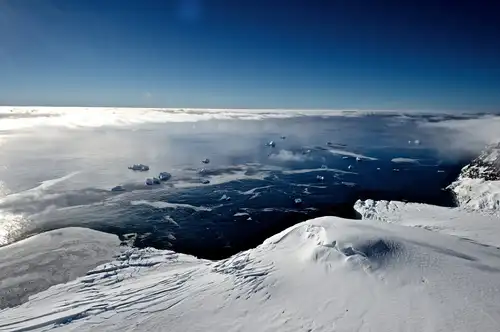
Most of us have at least a vague notion of what makes the North and South Poles so brutally, bone-chillingly cold: They receive less sunlight than the rest of the planet, what sunlight they do receive arrives at an angle, and they’re usually buried under endless mounds of ice and snow. This holds especially true for the South Pole and its centerpiece, Antarctica. Fewer people know, however, what drives Antarctic weather, or what results from it. Here are ten weather-related facts about the most southern continent that will put your polar meteorology ahead of the curve.
Blog
Peaks, Fjords, and Auroras: 14 East Greenland Attractions
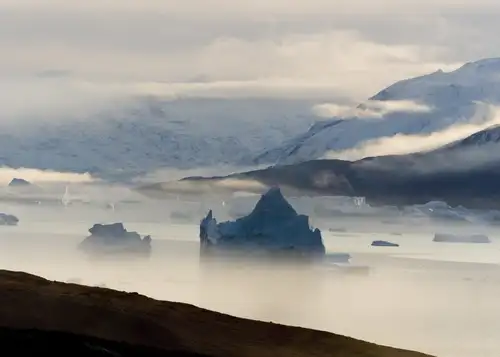
There really aren’t enough superlatives for East Greenland.
Blog
Shackleton’s Long-Lost Endurance Discovered in Antarctica
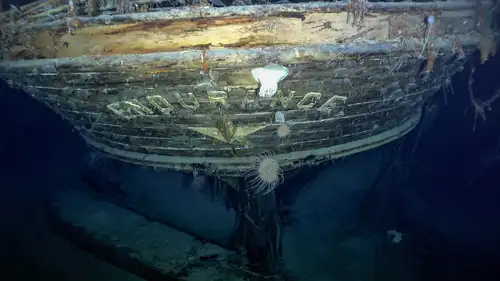
A discovery expedition launched by the Falklands Maritime Heritage Trust achieved a long-awaited mission when it located Anglo-Irish explorer Ernest Shackleton’s lost ship Endurance last Saturday (March 5).
Blog
Harp seals harping on in Greenland
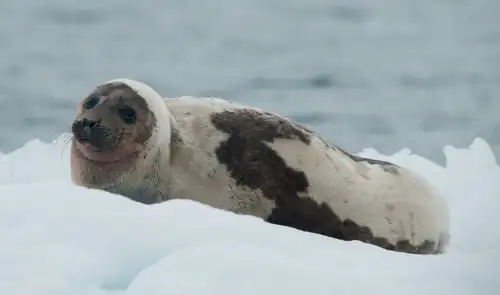
Harp seals are a moderately sized species, typically reaching about 1.6 meters in length and weighing around 130 kilograms. Both males and females are similar in size and weight, with males being only slightly larger. They possess a thick, robust body, a small broad and flat head, short narrow flippers, and a narrow muzzle.
Blog
Discover the Scoresby Sund Fjord System in East Greenland
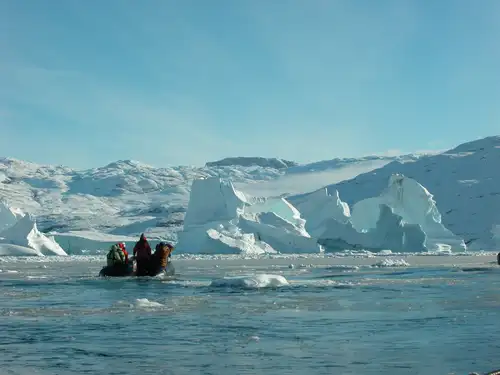
Are you considering a trip to Greenland? One destination you absolutely must visit is the world's largest fjord with stunning landscapes: Scoresby Sund.
Blog
Islands of the Blessed: Things to Do Around Cape Verde
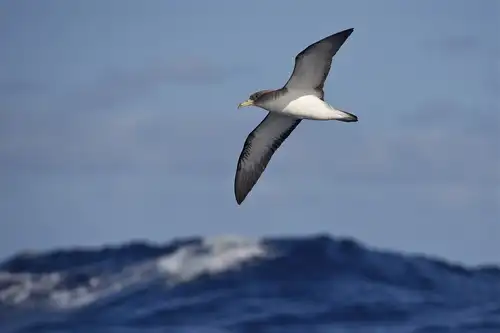
We visit Cape Verde and its capital city of Praia during our occasional St. Helena to Cape Verde voyages. Characterized by peaceful days at sea, these trips allow you to see some of the lesser-known gems of the Atlantic.
Blog
The ozone layer in Antarctica
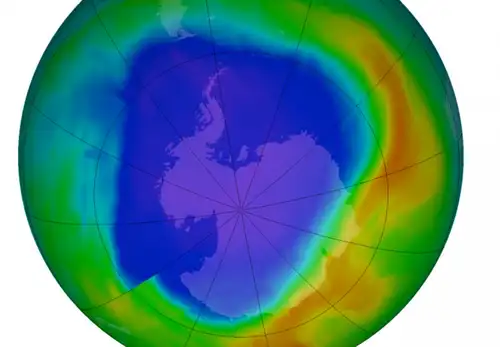
An ozone molecule is composed of three oxygen atoms rather than the usual two. It exists in the atmosphere in trace amounts. Ozone molecules are created through the interaction of ultraviolet (UV) radiation from the sun with oxygen molecules: When an O2 molecule is split, the two free oxygen atoms bond with other O2 molecules to form O3 molecules.
Blog
The Ultimate Traveler’s Guide to the Arctic and Antarctica
Sunrises or sunsets? Coffee or tea? Polar bears or penguins?
Blog
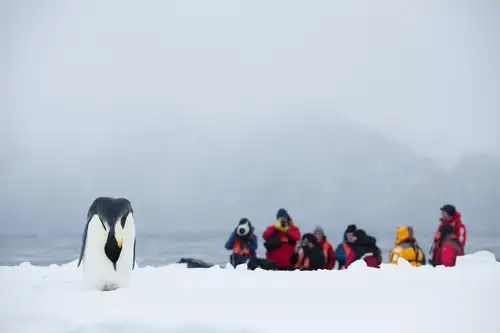
Five Reasons You Should Cruise the Ross Sea Immediately
In our search for lesser-known holiday spots that still offer fully developed amenities like spas and gift shops, we often miss out on some of the planet's truly underrated treasures.
Blog
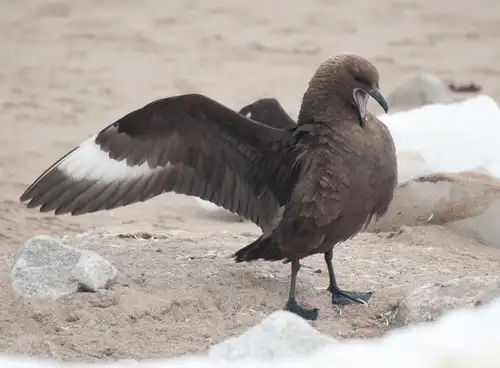
Fierce and Feathered: the Skuas of Antarctica
At first glance, the skuas you encounter in Antarctica may appear to be merely darker-feathered seagulls. But looks can be deceiving.
Blog
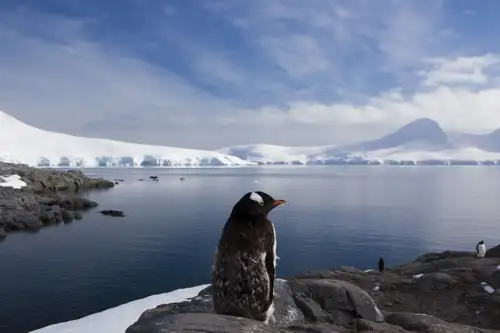
Guidelines for visitors to Antarctica
Activities in the Antarctic are governed by the Antarctic Treaty of 1959 and associated agreements, collectively known as the Antarctic Treaty System. The Treaty established Antarctica as a zone dedicated to peace and science. In 1991, the Antarctic Treaty Consultative Parties adopted the Protocol on Environmental Protection to the Antarctic Treaty, designating the Antarctic as a natural reserve.