



Show More

Blog


Blog
Antarctic krill: Antarctica's Superfood
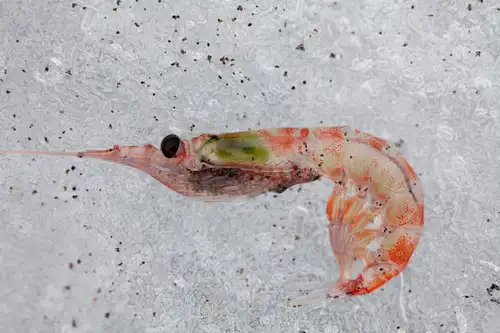
The size of a paper clip, pink, krill is a shrimp-like crustacean that does not look like much. Without them, though, the Earth's marine ecosystems would collapse completely.
Blog
Orcas of the Polar Seas
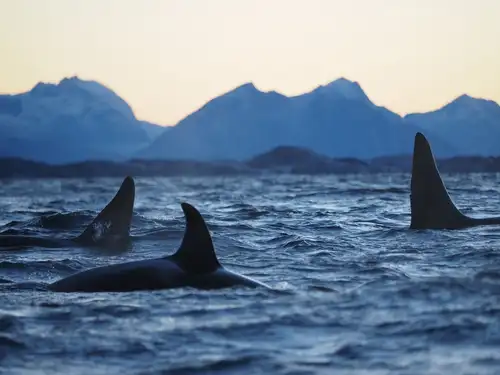
The orca, also known as the killer whale, is the apex marine predator and possibly the most widespread vertebrate on the planet. While they are most numerous in colder regions like Antarctica, Norway, and Alaska, they also inhabit tropical and subtropical seas. Here, we’ll explore some essential orca facts you might want to know before encountering them in person, concluding with a fantastic video showcasing our top ten favorite killer whale facts.
Blog
Northeast Greenland National Park
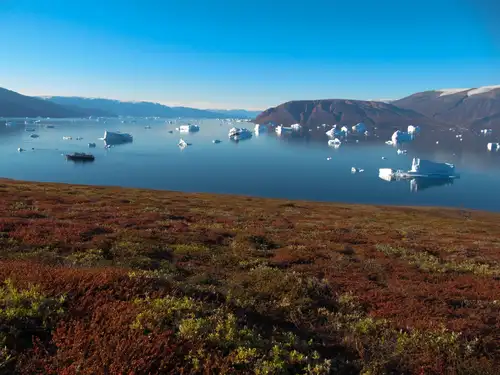
Northeast Greenland National Park is the world’s largest national park and the ninth largest protected area on Earth. It should come as little surprise, then, that it’s also bigger than most countries, covering an impressive 972,000 square km (375,300 square miles).
Blog
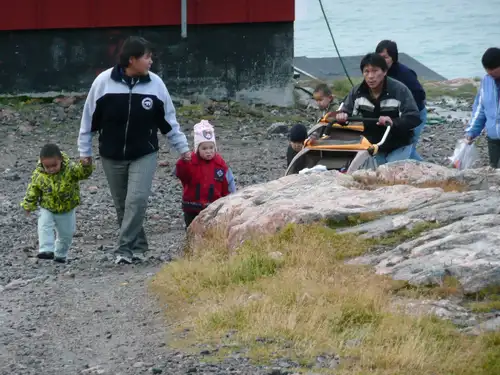
Greenlandic Inuit Beliefs
Greenland is the world’s largest island and with the northern tip around 740 kilometres from the North Pole it is the northernmost country on Earth. The island is around 2,670 kilometres long and is about 650 kilometres across at its widest point.
Blog
International Polar Bear Day
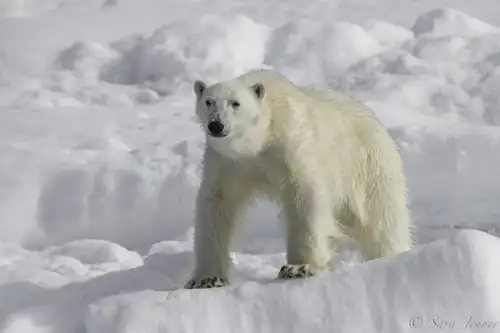
It will come as no surprise to you that we're crazy about polar bears. We have multiple blogs about where to find polar bears, we offer dozens of polar bear trips, and we've even written a short story from a polar bear's point of view. (Yes, we actually did that.) So if you were to say that our love of polar bears borders on obsession, you wouldn't be far off.
Blog
Greenland's History: When Vikings Ruled the Ice Age
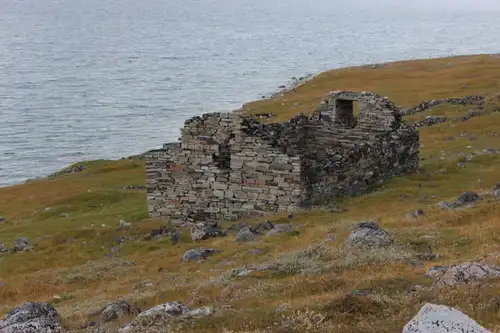
A Greenland cruise offers a journey into a rich history filled with intriguing details that captivate polar expedition enthusiasts. Among the most fascinating historical aspects is the fact that Vikings once ruled this land. Anthropologists and climate scientists have long studied Greenland to pinpoint when and why the Vikings left. Recent findings have shed new light on this historical culture.
Blog
The Research Stations of Antarctica and the sub-Antarctic
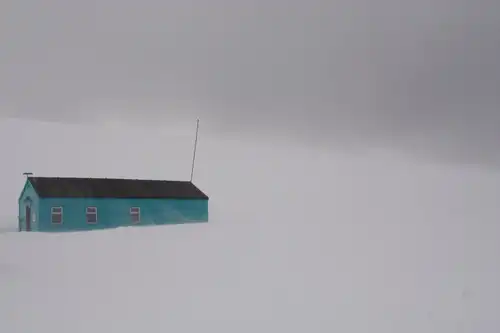
Numerous research stations operate throughout the Antarctic and sub-Antarctic, engaged in all manner of scientific inquiry. This article will cover the stations under the management of the British Antarctic Survey (BAS), which conducts year-round terrestrial and atmospheric research in some of the most compelling polar locations on Earth.
Blog
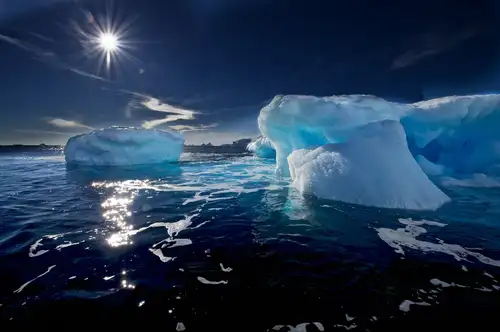
Everything you need to know about Antarctic icebergs
The ice in Antarctica might seem static, but it is constantly moving. Pieces of ice are continuously breaking off from ice shelves, glaciers, or other icebergs. They float freely along with the Antarctic currents, with about 90 percent of their mass below the surface of the water. This fact is actually what gave rise to the nowadays popular phrase “the tip of the iceberg”. Regardless, the sighting of the first iceberg is always a moment to celebrate in any and all Antarctic expeditions. So that you may appropriately ready yourself for that joyous moment, in this article you will find everything you need to know about Antarctic icebergs.
Blog
5 Misconceptions You Might Have About Greenland

Blog
The First Overwintering Hut in Antarctica
In 1899, Carsten Borchgrevink and his nine crewmen became the first to spend the winter in a hut in Antarctica. (Technically, the Belgian Antarctic Expedition of 1897-1899 was the first to overwinter there, though this was done on their vessel after it was caught in ice.) Borchgrevink and his men spent the dark winter months isolated in a dirty hut, surrounded by equipment and sled dogs fighting each other outside.
Blog
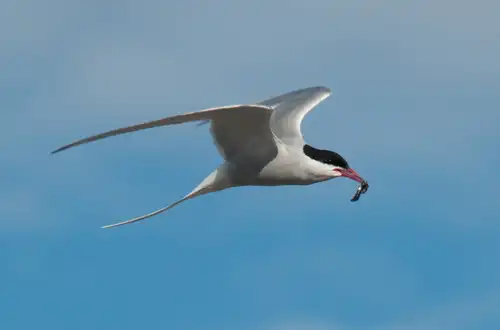
Birding Opportunities Abound in Spitsbergen
Seabirds are the most prevalent type of bird in Spitsbergen. Experts have estimated that there are 164 bird species that have been found throughout Spitsbergen at various points during recent history, but only 30 of them are known to turn to the Svalbard Islands as their primary breeding spot.
Blog
Hondius Photography and Video Workshops
There’s no shortage of great things to say about a Hondius expedition cruise, but among the best are the free video and photography workshops offered during some of this ship’s voyages. These informative, interactive, highly useful supplements allow you to not only capture your memories in the best way possible but also make your friends back home maddeningly jealous.
Blog
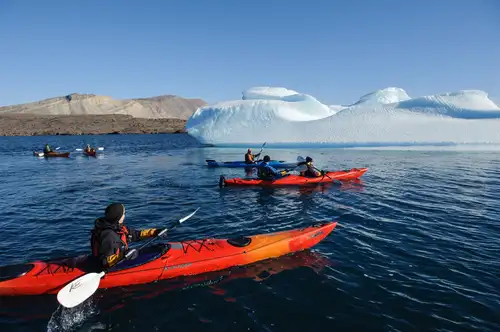
Greenland: Where the Kayak Was Invented
If you've ever enjoyed kayaking, you owe a debt of gratitude to the ancient Greenlandic Inuit who originally designed them for hunting. The thrilling adventures people now have navigating some of the world's most challenging rapids wouldn't be possible without the Inuit's need for a nimble form of water transportation. While travelers still use kayaks in this region, they are typically not fishing, whaling, or sealing. Consequently, recreational kayaks have been adapted to fit their new role.
Blog
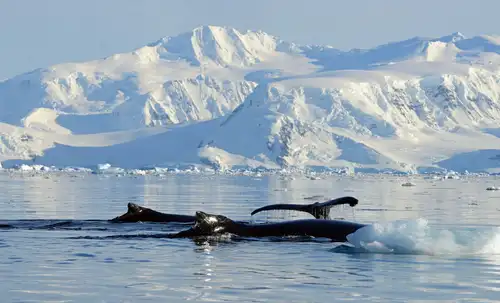
Humpback Whales: the Stars of the Western Antarctic Peninsula
The marine ecosystem of the West Antarctic Peninsula (WAP) stretches from the Bellingshausen Sea to the northern tip of the peninsula. This region includes the Antarctic Sea Ice Zone, a highly productive area that supports large populations of marine mammals, birds, and Antarctic krill. One of the highlights of this region, which you can observe on a whale-spotting Antarctica cruise, is the humpback whale.
Blog
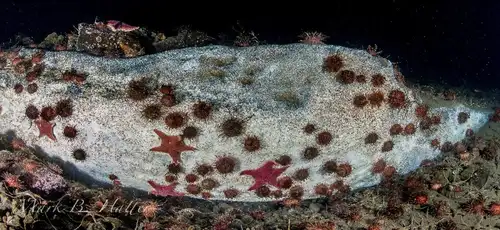
A Diving Dream Fulfilled
Last January, Mark Hatter achieved a dream he’d been training for over two years. Booking his berth aboard the m/v Ortelius and making the long flight to Ushuaia, Argentina, he and two of his friends sailed down the famous Drake Passage, bound for Earth’s southernmost continent. But their Antarctica trip was not just about shoreline walks and photographing penguins.
Blog
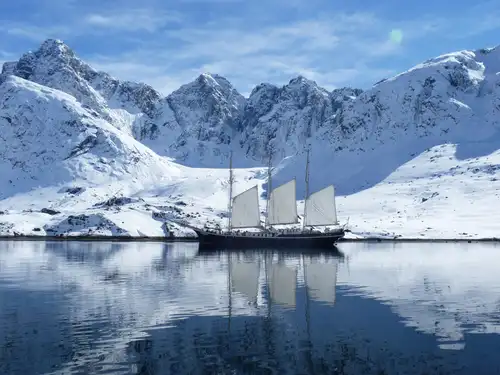
Why You Should Visit Greenland: 11 Things to See, Do, and Explore
There's nothing quite like witnessing your first Greenland glacier, navigating into the island's largest fjord system (which also happens to be Earth's largest), or observing a humpback whale breach over the dark Greenland Sea.
Blog
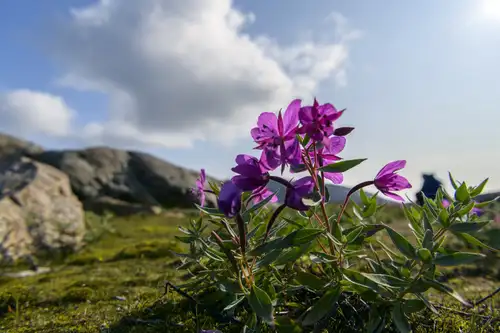
Arctic Flowers, Trees, and Other Plant Life
When many people think of the Arctic, they probably imagine a stark white wasteland devoid of anything except snow, glaciers, and the occasional far-wandering polar bear.
Blog
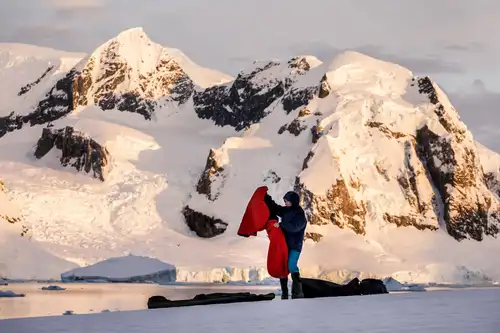
Camping in Antarctica: a True Expedition Experience
We often think of camping as a summer activity, filled with warm nights, campfire dinners, and serene mountain lakes. However, there's a whole other world of camping to explore.
Blog
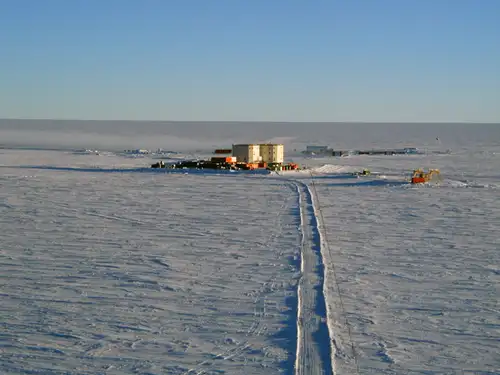
Day and night in Antarctica
At the Concordia station, a French-Italian research facility situated 3,233 meters above sea level at Dome C on the Antarctic Plateau, European Space Agency (ESA) scientists are investigating the effects of extended space missions. The station is more isolated than the International Space Station, with the nearest humans located 600 kilometers away.
Blog
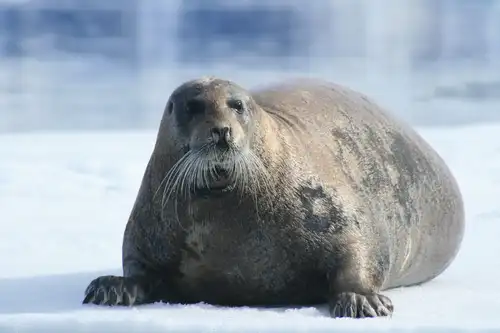
Arctic Seals
Owing to the large landmasses that populate the Northern Hemisphere, the Arctic boasts the most diverse wildlife among the planet’s polar regions. Some of the most captivating Arctic animals are the marine mammals found just offshore.