



Show More

Blog


Blog
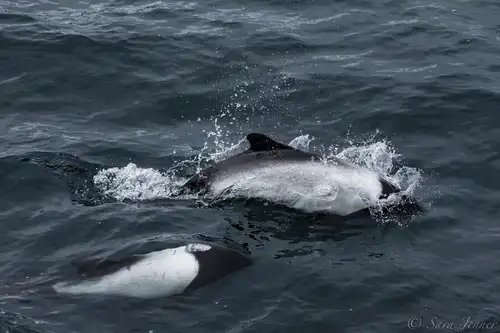
The Small but Social Commerson’s Dolphin
Despite being one of the lesser-known Antarctic cetaceans, Commerson's dolphins are quite social and have been given various names over the years, including Piebald dolphins, skunk dolphins, and panda dolphins. These names have been in use since their discovery in 1767 by French naturalist Philibert Commerson.
Blog
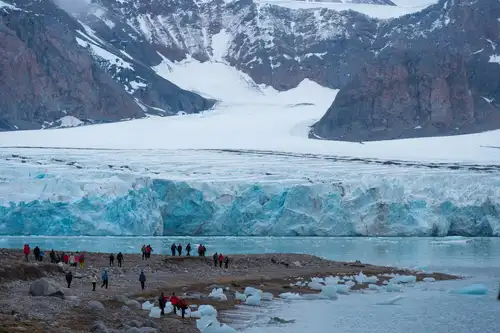
16 Conversation-Starting Svalbard Facts
It might seem odd that an icy, snowy, bear-packed cluster of islands at the edge of the world could be such a hotspot (so to speak) of outdoor tourism.
Blog
Life migrating through the Polar Front
Since James Cook’s second voyage to Antarctica from 1772-1775, which provided the first descriptions of Antarctic animals, scientists have progressively uncovered the biodiversity of the Antarctic and sub-Antarctic regions. Numerous expeditions and research projects have since been undertaken to understand the unique ecosystems of this continent.
Blog
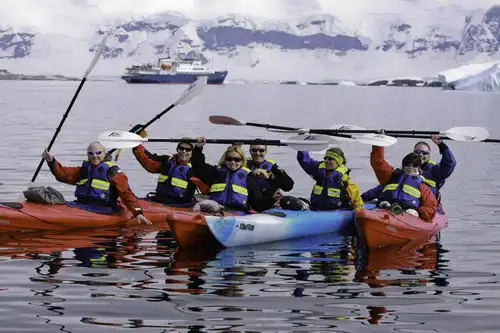
A Day of Basecamp in Antarctica – Paradise Harbour
After an early morning gathering of our camping group, we reached the entrance to Lemaire Channel. The snow and mist around the mountain peaks created a captivating atmosphere as we began our journey to Paradise Bay. The channel was dotted with impressive icebergs, and we even spotted a few sleeping humpback whales, providing ample photo opportunities.
Blog
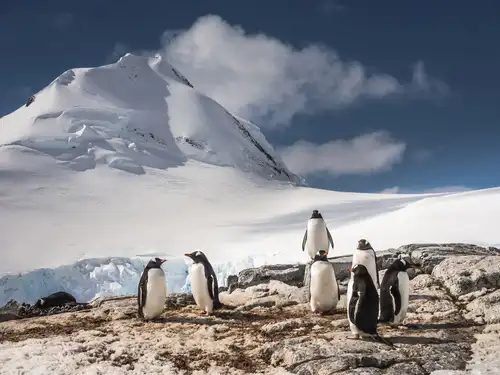
Antarctica Cities (and Five Other Things That Don’t Exist There)
Why write about what you won't find in Antarctica? Most travel blogs highlight what a destination offers, but many polar tourists visit Antarctica to experience a new world and escape their old one.
Blog
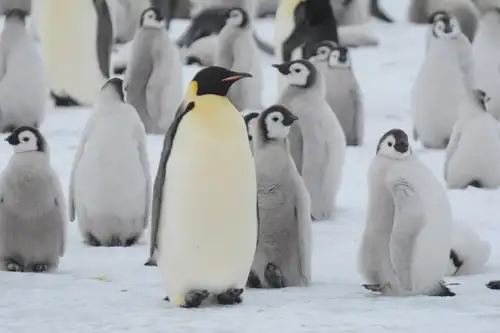
12 Tips to Help Keep Birds Safe During an Antarctic Cruise
One of the most incredible experiences on an Antarctic cruise is observing the numerous penguins in their natural environment. Naturally, passengers often worry about the potential of disturbing the penguins and other Antarctic birds, which could disrupt their breeding and nesting patterns.
Blog
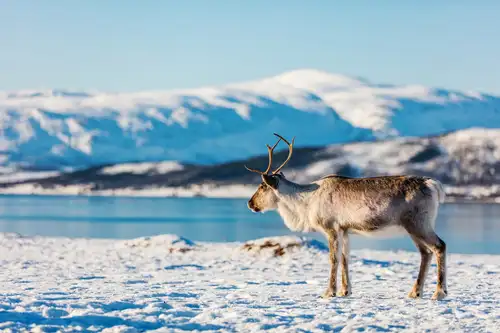
Eight Engaging Reindeer Facts
When we think about reindeer, we might also think of Saami herders or the holidays or teams of these beloved Arctic animals pulling a bell-covered sleigh across the nighttime sky. Only the first of these options, however, is something you're likely to encounter on an Arctic expedition cruise - and that's only in Northern Norway.
Blog
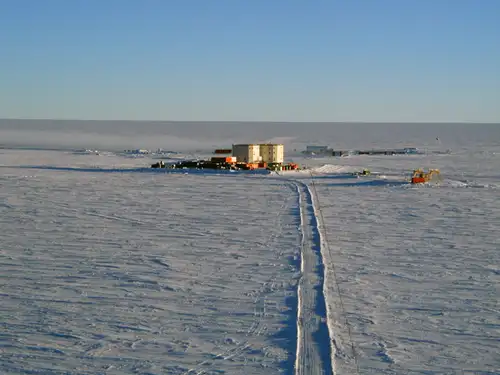
Day and night in Antarctica
At the Concordia station, a French-Italian research facility situated 3,233 meters above sea level at Dome C on the Antarctic Plateau, European Space Agency (ESA) scientists are investigating the effects of extended space missions. The station is more isolated than the International Space Station, with the nearest humans located 600 kilometers away.
Blog
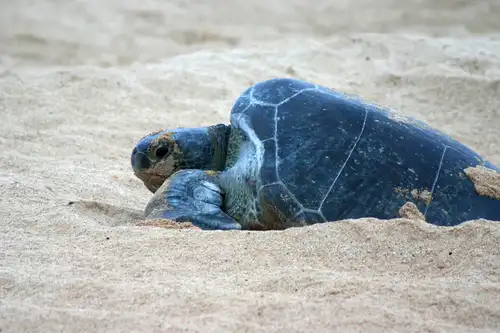
Going Green: Ascension Island Sea Turtles
Gold beaches, green mountains - and greener turtles.
Blog
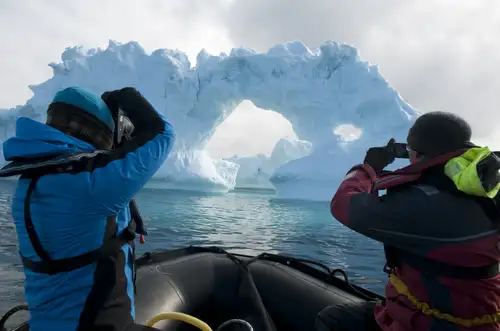
Under the Greenland Ice Sheet
Anyone who ventures to the right part of the globe can encounter vast amounts of ice, but a Greenland cruise offers something truly unique: ice sculptures hidden beneath the northern ice sheet. Scientists once thought these sculptures were rocky hills buried in ice, similar to the Ghost Mountains in Antarctica. However, it turns out that Mother Nature has crafted one of the most exclusive art exhibits in the world. These sculptures are not visible from the surface, but some scientists have managed to get a sneak peek using radar equipment.
Blog
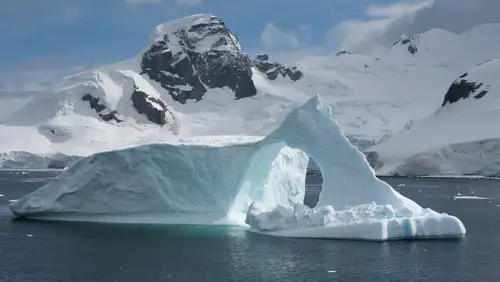
All things ice in the Antarctic
The first documented sighting of an iceberg in Antarctica occurred on February 1, 1700, when Edmond Halley was on an expedition to measure the Earth's magnetic field. He noted in his diary that he encountered "great Islands of Ice, of Soe Incredible a hight and Magnitude that I scare dare to write my thoughts on it."
Blog
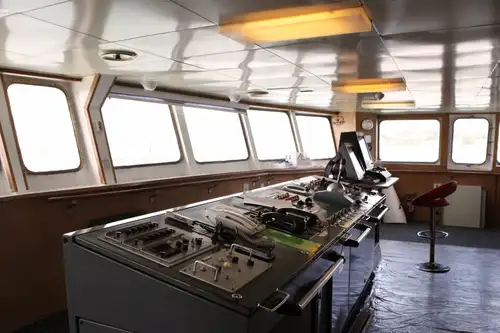
Navigating by touch through the sea ice
Ships are meant to glide effortlessly through calm waters, but our Greenland expedition vessel Ortelius is shuddering and wiggling as it navigates through the calm yet frozen waters between Svalbard and the islands. We’re on the North Atlantic Odyssey, a journey that starts in continental Europe and concludes near the North Pole in Svalbard. Onboard are 115 enthusiastic passengers. Most of them are currently on the outer decks, cameras in hand, captivated by the sea ice.
Blog
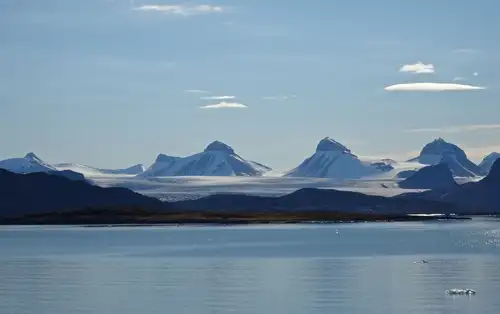
The Arctic Borderland of Kongsfjorden, Svalbard
Kongsfjorden is a glacial fjord in Svalbard that hosts a diverse array of flora and fauna.
Blog
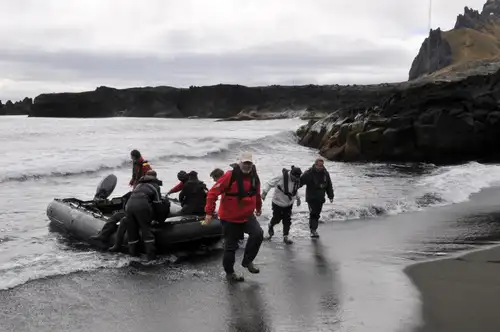
A visit to the fascinating island of Jan Mayen
After exploring the remote island of Fair Isle, our Atlantic Odyssey voyage once more turned its attentions northwards and left the outer extremities of the UK behind. Our destination was Jan Mayen, a volcanic island situated on the mid-Atlantic ridge just north of 71° (about 550 kilometers north of Iceland and 450 kilometers east of Greenland).
Blog
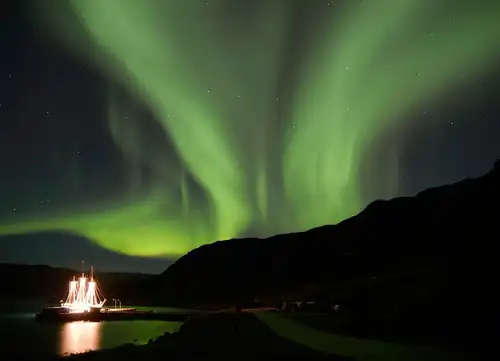
North Norway, Northern Lights, and All the Pretty Whales
At first glance, visiting Northern Norway outside of a blazing-hot summer might seem daunting for the average traveler.
Blog
The Best Arctic and Antarctic Trips for Families
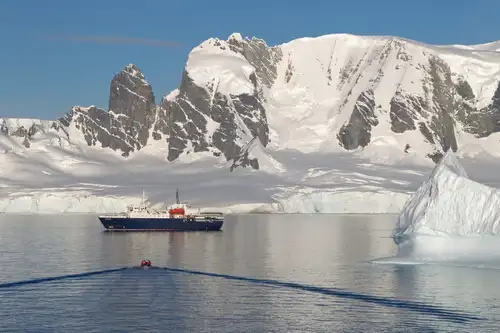
Polar expedition cruises are often enjoyed by couples and an increasing number of solo travelers, but they can also be a fantastic adventure for families. If you have the budget to bring the whole family along, there are various polar trips that will make everyone equally excited about the ice.

Blog
Solargraphy & Pin Hole photography in the Arctic
Blog
Flowers in Antarctica
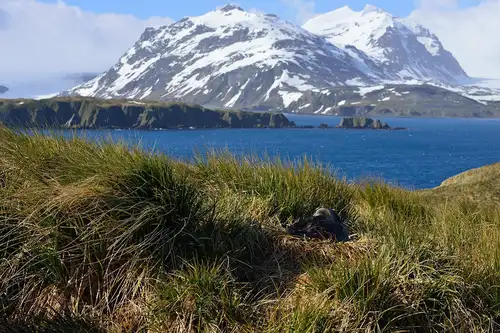
The polar regions are among the most inhospitable environments for plants and animals. Life here faces numerous challenges, including low temperatures, high winds, solar radiation, and cell freezing. The Antarctic continent experiences extreme conditions, with darkness during winter and continuous light during summer. Winter temperatures can drop to -60°C or lower.
Blog
Secrets of the Snowy Owl: Habitat, Adaptations, and Other Facts
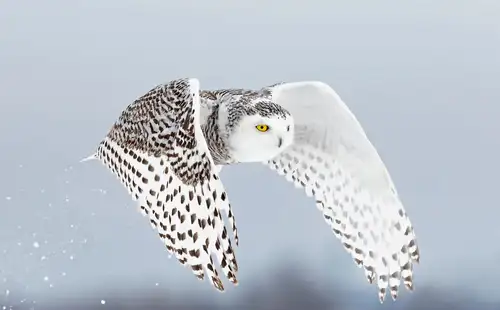
The snowy owl (Bubo scandiacus), also known as the great white owl or Arctic owl, is one of the most distinctive bird species on the planet. While you won’t find them in all areas of the Arctic – they don’t exist in Svalbard due to the lack of lemmings – snowy owls are seen in the polar regions of Eurasia and North America and are a potential visitor during Greenland cruises. The binomial species name, “scandiacus,” is derived from Scandinavia, as this is where the bird was first discovered. The snowy owl is the official bird of Quebec, and they are a must-see for countless bird watchers and naturalists.
Blog
Seven Things to Do around Ushuaia
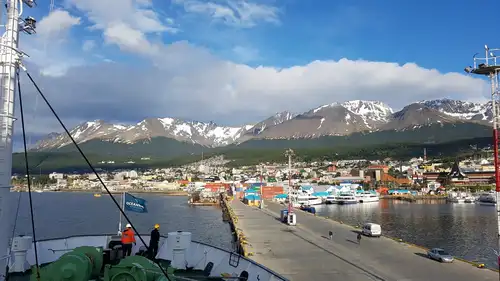
We often recommend arriving early to Ushuaia before embarking on an Antarctica cruise, and for good reason: Ushuaia, on top of being the southernmost city in the world, has in recent years developed into a decidedly charming tourist destination.